2027 Most Affordable Online Master's in Education Degree Programs Ranking in Columbia, MO

Co-Founder and Chief Data Scientist
If you're considering advancing your career with a master's in education, choosing the right program is essential. This article introduces the 2027 Most Affordable Online Master's in Education Degree Programs Ranking in Columbia, MO, created by the Research.com team of data scientists.
Designed to help you make an informed decision, this ranking highlights programs that balance quality and affordability. Whether you're aiming to inspire future generations or enhance your skills, exploring affordable, reputable options can open new doors.
Investing in your education is a rewarding step toward achieving your professional goals and personal growth.
Key benefits of getting online education degree in Columbia
- Graduates with an education degree in Columbia can expect strong salary potential, such as Education Managers earning a mean annual wage of $129,330 and Curriculum Specialists around $77,200, reflecting rewarding financial opportunities.
- Career paths include roles like Education Program Manager or Education Consultant, offering diverse options that fit different interests and skills, as shown by successful alumni from popular universities in Columbia.
- Online education degrees provide flexibility and convenience, allowing graduates from Columbia to balance work and study effectively, leading to career advancement without compromising daily responsibilities.
- 2027 Most Affordable Online Master's in Education Degree Programs Ranking in Columbia, MO
- What can I expect from online education degree in Columbia?
- Where can I work with online education degree in Columbia?
What can I expect from online education degree in Columbia?
Students pursuing an online education degree in Columbia can generally expect costs comparable to in-state tuition rates at local institutions such as the University of Missouri, where many graduates find the pricing reasonable given the quality of instruction. While exact costs vary depending on credit hours-typically between 30 and 36-the overall tuition often remains competitive compared to on-campus programs. For example, graduates frequently mention feeling satisfied that their investment provided access to expert faculty and relevant coursework without the added expenses of relocation or commuting.
Financial aid opportunities and scholarships targeting education degrees further help mitigate costs, making the pursuit more feasible for working professionals balancing family and career commitments. However, it is important to consider potential additional fees or costs related to required practicum placements, even if local options reduce travel expenses.
Because most programs offer asynchronous courses, students appreciate the flexibility to manage their studies without sacrificing income, which can help offset tuition through continued employment. While the price point is moderate, careful planning around these factors is essential to avoid unexpected financial strain during the program.
Where can I work with online education degree in Columbia?
Graduates with an online education degree in Columbia often find rewarding roles within K-12 public schools, such as those in Columbia Public Schools which employ thousands of educators. Many alumni from the University of Missouri report fulfilling careers as literacy coaches or curriculum coordinators, positions that allow them to directly impact student learning and school improvement.
Others pursue opportunities in higher education institutions, including the University of Missouri itself, where they engage in academic advising, instructional design, or educational administration. These roles appeal to those who enjoy combining education theory with practical student support and innovation in teaching technologies.
Several graduates also thrive in nonprofit organizations or district offices, managing programs or coordinating assessments. These positions suit individuals who want to blend administrative skills with a passion for community education, demonstrating the versatility of an education degree in Columbia's diverse job market.
It's important to recognize that some positions, especially K-12 teaching jobs, require state licensure, governed by Missouri's regulations. This can affect career planning but also ensures educators meet high professional standards, enhancing confidence and employer trust.
Graduates with an online education degree in Columbia, Missouri, can expect varied earnings depending on their chosen career path and experience. For instance, education managers, often responsible for overseeing academic programs, earn a mean annual wage of about $129,330, reflecting the value of leadership roles in the sector. Meanwhile, education program managers report salaries near $104,920, which aligns with program coordination and development roles frequently pursued by alumni of local universities like the University of Missouri.
Curriculum specialists in Columbia earn roughly $77,200 annually, highlighting opportunities for those focusing on curriculum design-a skill set emphasized in advanced education degrees. Other roles such as education consultants bring in average salaries around $95,600, illustrating well-compensated consulting positions for graduates who apply specialized knowledge in educational strategies.
Local graduates often share how their online degrees enabled them to advance into these roles, attributing competitive salaries to Columbia's supportive educational environment and networking opportunities through institutions such as Columbia College. These outcomes suggest that while salary potential varies, focused expertise combined with Columbia's academic resources can lead to rewarding professional and financial growth.
- The University of Missouri in Columbia offers accredited online education programs with flexible scheduling.
- Tuition for a master's in education online typically costs between $400 and $600 per credit hour for residents, totaling about $15,000 to $25,000.
- Entry-level teachers in Columbia earn around $40,000 to $45,000 annually, with mid-career salaries reaching $60,000 or more.
- The local job market has steady demand for licensed educators in general education, special education, and educational leadership.
- Many programs require practical internships or student teaching to be completed in person at local schools.
Completing an online education degree in Columbia, Missouri, typically takes between 1.5 to 3 years. Many graduates from the University of Missouri system report that enrolling full-time allows them to finish in about 18 to 24 months, balancing coursework with their personal and professional lives. Others, managing jobs alongside studies, often stretch their programs closer to three years, valuing the flexibility it provides without overwhelming their schedules.
For example, a graduate pursuing a master's degree involving 30 to 36 credit hours found that spacing classes out helped maintain focus and reduce stress. However, some who opted for accelerated paths enjoyed the satisfaction of a quicker finish, demonstrating that pace can be tailored based on individual circumstances.
Less common are doctoral online programs, which can require four to six years and demand significant commitment-often prompting deeper reflection on one's long-term goals. Ultimately, students in Columbia appreciate that local institutions offer adaptable formats, helping them progress steadily without sacrificing work or family time.
Evaluating the return on investment (ROI) of your online Master’s in Education is crucial for making an informed decision. With an average total cost of $14,949 and starting salaries between $40,000 and $50,000, graduates can often recoup their tuition in under four years of full‐time teaching. Understanding this payback period helps you compare programs effectively, especially when considering broader options such as the Inexpensive Online Education Degree Programs Ranking in the West for benchmarking costs and outcomes. Key ROI considerations include: • Annual Salary Growth: Educators in Columbia, MO, typically see a 3%–5% salary increase per year, reducing the time to break even on educational expenses. • Total Cost vs. Lifetime Earnings: Over a 30‐year teaching career, the initial investment can translate into $1.2M–$1.5M in cumulative income, making your online degree a high‐yield asset. • Comparative Payback Periods: – In‐State Public Programs: 3.5 years to recoup costs – Out‐of‐State/Public Hybrid Programs: 4.2 years – Private Nonprofit Programs: 4.8 years • Opportunity Cost: By studying online, many students maintain full‐time employment, earning an average of $45,000 annually during their program, which further shortens ROI timelines. Beyond raw numbers, consider non‐monetary returns: enhanced job satisfaction, expanded career pathways (e.g., curriculum leadership roles with median salaries of $66,490), and professional networks that fuel long‐term career growth. Factoring in both financial and personal gains ensures you choose an online Education master’s program that not only fits your budget but also maximizes your lifelong return on investment.
The key difference between online and on-campus education degrees in Columbia lies in flexibility versus direct engagement. Graduates from the University of Missouri often recall how online programs allowed them to balance studies with jobs or family commitments, accessing lectures anytime without leaving home. This asynchronous format can be a major advantage for busy individuals, offering a sense of control and reduced stress.
Conversely, those who pursued on-campus degrees emphasize the vibrant campus life and face-to-face interaction with faculty and peers. Being physically present on campus opens doors to hands-on practicum placements and spontaneous academic support, which many find invaluable for developing teaching skills. In Columbia, the rich local networks around campus enhance this experience, providing opportunities that are harder to replicate online.
Financially, online programs may offer slightly lower costs due to reduced facility fees, yet tuition at Missouri public universities stays within a similar range regardless of format. Prospective students must weigh the comfort and adaptability of online learning against the immersive, structured environment of traditional classrooms to decide what best fits their personal and professional ambitions.
Earning an affordable online master’s in education in Columbia, MO, is seamless when robust support services back your academic journey. From 24/7 technical assistance to dedicated career counseling, these resources ensure every student thrives. University Libraries and Digital Resources Most programs grant online learners full access to extensive digital libraries, academic journals, and research databases. Stream video lectures, download e-books for coursework, and leverage citation tools-all without leaving your home office. 24/7 Technical and Academic Help Online platforms typically feature round-the-clock IT support for troubleshooting login, streaming, or assignment-upload issues. Academic tutoring centers offer one-on-one sessions in writing, research methods, and subject-specific topics, helping you maintain momentum and confidence. Career Services and Networking Career advisors in online education programs provide resume reviews, mock interviews, and job-search strategies tailored to K-12, EdTech, or administrative roles. Virtual job fairs and alumni networks connect you with local school districts and national organizations, expanding your professional circle. Mentorship and Peer Communities Many Columbia, MO institutions assign faculty mentors who guide you through capstone projects, licensure requirements, and classroom practicum placements. Discussion forums and peer study groups foster collaboration, while social media cohorts host live Q&A sessions, creating a sense of community despite geographic distance. Financial and Administrative Support Dedicated financial aid officers assist with FAFSA, scholarship applications, and payment plans to manage the average $14,949 cost effectively. Administrative advisors clarify enrollment prerequisites, credit transfers, and graduation timelines, ensuring that you stay on track. Planning Beyond Columbia While Columbia offers a wealth of support, students seeking broader affordability insights can also explore the Inexpensive Online Education Degree Programs Ranking in the West. Comparing resources and services across regions can reveal additional cost savings and specialized support structures that align with your career goals.
The average cost of an online education degree in Columbia typically centers around a median total of $15,615, reflecting a balance between affordable tuition and quality instruction. Graduates from popular institutions such as the University of Missouri often note the value they received, emphasizing that this investment enabled them to advance their careers without the burden of excessive debt. For local students, the advantage of in-state tuition and various financial aid options available in Missouri further eases the financial challenge of pursuing higher education.
When considering affordable online master's in education programs Columbia Missouri offers, it's important to remember that tuition rates generally range from $300 to $600 per credit hour. For many students, this translates to a total program cost between $9,000 and $21,600, depending on the number of credits and additional fees involved. Many colleagues who completed their degrees online have shared positive experiences related to manageable costs combined with convenient access to coursework led by experienced faculty. These factors contribute to a sense of accomplishment and confidence in their professional futures.
Students who explore the cheapest online education schools in Missouri will find options with competitive pricing that do not sacrifice quality. While textbooks, technology fees, and other materials add some costs, strategic financial planning and available scholarships help keep total expenses within a reasonable range. Balancing cost with educational value remains key for prospective students seeking to make informed decisions in Columbia's evolving education landscape.

Accreditation ensures that an online master’s in education meets rigorous academic and professional standards. Prospective students should verify both institutional and programmatic accreditation to guarantee the transferability of credits, eligibility for licensure, and acceptance of federal financial aid. Key considerations include:
- Regional Accreditation: Confirm that the university holds regional accreditation from bodies such as the Higher Learning Commission (HLC) or another U.S. Department of Education–recognized agency. This endorsement reflects overall institutional quality.
- Programmatic Accreditation: Look for specialized accreditation from the Council for the Accreditation of Educator Preparation (CAEP) or the National Council for Accreditation of Teacher Education (NCATE). These credentials indicate that the education curriculum aligns with state and national teaching standards.
- State Authorization: Ensure the online program is authorized to enroll students who reside in your state, particularly if you plan to seek licensure in Missouri or elsewhere.
- Quality Assurance Reviews: Review third-party evaluations, such as U.S. News & World Report or specialized education rankings. For broader context on cost-effective programs, consider our Inexpensive Online Education Degree Programs Ranking in the West.
- Continuous Improvement: Accredited programs regularly undergo peer reviews and outcome assessments, demonstrating a commitment to evolving teaching methods, technology integration, and student support services. By prioritizing accreditation and quality assurance, you can choose a program that not only offers affordability but also upholds the standards necessary for a credible and impactful educational career.
Students pursuing online education degrees in Columbia commonly tap into federal aid programs, such as Direct Unsubsidized Loans and Graduate PLUS Loans, by completing the FAFSA. These options often provide essential financial relief, yet graduates note the importance of understanding loan terms to avoid unexpected debt. Missouri-specific grants, like those from the Department of Higher Education & Workforce Development, further support Columbia residents, especially those demonstrating financial need, which can make education more accessible without relying heavily on loans.
At the University of Missouri in Columbia, many online education students find merit-based scholarships and teaching assistantships invaluable. Graduates often share how assistantships not only reduce costs but also enrich their academic experience through direct involvement in education projects. Additionally, employer tuition reimbursement programs provide significant help for working professionals who balance jobs with study, allowing them to invest in their degrees without financial strain.
Lastly, nonprofit grants such as the Teach Grant offer targeted aid for those committed to teaching in underserved communities, infusing hope and motivation among students aiming to make a real impact in education.
Online education is continuously evolving to meet the dynamic needs of students and educators alike. In Columbia, MO, institutions are embracing innovations such as artificial intelligence-driven tutoring, virtual reality classrooms, and enhanced learning management systems that deliver richer, more interactive experiences. These advancements not only streamline administrative tasks but also foster a more engaging and personalized learning environment. Additionally, micro-credentialing and digital badging are gaining traction as effective ways to recognize specific skill sets, complementing traditional degree programs. Many students now opt for stackable certifications alongside their master's degrees to stay competitive in the rapidly changing education sector. This practical approach to continuous learning underscores the importance of staying current with emerging trends. Columbia educators and prospective students alike can benefit from resources that provide updated insights into these advancements. Strategic resources, such as Most Affordable Online Education Degrees, help prospective candidates identify programs that not only offer academic excellence but also incorporate the latest technological trends and innovative teaching methods. Staying informed about these trends is essential for anyone looking to build a robust career in education. As new learning tools and emerging technologies reshape the academic landscape, the ability to adapt and leverage these advancements will be a key factor in future success.
Applicants aiming to enroll in online education degree programs in Columbia typically need a bachelor's degree from an accredited institution. Graduates often appreciate that this requirement isn't strictly limited to education majors, allowing a broader range of backgrounds to contribute diverse perspectives. For example, some students from the University of Missouri recall how their non-education undergraduate degrees combined with relevant experience strengthened their applications.
Minimum GPA requirements usually hover between 2.5 and 3.0, with the University of Missouri favoring a 3.0 cutoff. Many prospective students find this challenging yet motivating, knowing it reflects their readiness for rigorous graduate coursework. Some graduates reflect on how aiming for this GPA encouraged them to deepen their focus during undergrad studies.
While standardized tests like the GRE were once routine, many Columbia programs now waive this to ease access for working professionals balancing career and study. This change resonates positively with those who previously worried about test stress.
Relevant professional experience often makes a difference. Graduates frequently highlight how sharing real classroom or administrative experiences in applications made their candidacies more relatable and compelling to admissions committees.
Understanding these nuanced prerequisites helps prospective students feel both empowered and prepared to pursue their online education degree ambitions within Columbia.

When considering online education in Columbia, MO, it's essential to weigh the benefits of flexibility, affordability, and accessibility. Pursuing an online education degree can unlock doors to impactful careers, and institutions in Columbia, MO, offer a range of programs that cater to diverse learning needs. For those looking for affordable options, exploring the cheapest online education schools in Missouri can be a practical step. This approach allows prospective students to balance their educational aspirations with financial realities, making the pursuit of higher education more attainable. By understanding the landscape of online education in Columbia, MO, and identifying the most affordable options, individuals can make informed decisions about their educational investments, ultimately empowering them to achieve their career goals and make a meaningful impact in their communities.
Online education degree programs in Columbia commonly include core courses that provide a solid foundation for teaching and leadership roles. Graduates from the University of Missouri-Columbia describe their experiences with courses like Educational Psychology, which helped them understand student behavior in diverse classroom settings, making lesson plans more effective and personalized.
Curriculum Development classes often stand out for students seeking to design engaging and accessible instructional materials. Many appreciate Instructional Technology courses for equipping them with practical skills in using digital tools that enhance remote and in-person learning experiences.
Courses in Educational Leadership prepare learners for administrative positions, which graduates find valuable when aiming to influence school policies positively. Assessment and Evaluation coursework reveals essential strategies to measure student growth, a skill praised for its role in improving educational outcomes firsthand.
Diversity and Inclusion classes also resonate with students, reflecting their desire to create equitable learning environments. Columbia's programs frequently integrate elective options, allowing online students to tailor their studies to fields like special education or early childhood, enriching their professional readiness.
Online education degree specializations in Columbia, MO, typically include areas like Curriculum and Instruction, Educational Leadership and Administration, and Special Education. Graduates from the University of Missouri often share how the Curriculum and Instruction track helped them develop practical teaching strategies they immediately applied in their classrooms, reflecting real-world teaching demands. Meanwhile, those pursuing Educational Leadership appreciate programs aligned with Missouri DESE standards, which prepare them to navigate school administration and policy challenges effectively.
Special Education remains a popular choice due to increasing demand for trained professionals supporting diverse learners. Students report feeling a strong sense of purpose and job security, knowing they can make a difference for children with disabilities. Additional specializations such as Early Childhood Education and School Counseling attract those aiming to foster student development and well-being.
For prospective students exploring options, reviewing the Most Affordable Online Education Degrees in Columbia Missouri education master's program options highlights the variety of accessible paths tailored to different career goals in education.
Choosing the best online education degree in Columbia requires balancing several critical factors, especially for those seeking the best online education degree programs Columbia MO offers. Accreditation stands out as a non-negotiable element; graduates from Columbia's universities appreciate knowing their degrees hold value backed by agencies like CAEP or HLC. However, some students find value in programs with emerging accreditations when they offer unique specializations or flexibility.
Cost drives many decisions, and affordability can be decisive. Graduates pursuing an affordable online master's in education Columbia Missouri often highlight the University of Missouri's competitive in-state tuition. Yet, one must also account for additional fees and financial aid options, which can substantially offset costs. For a broader view on affordability, prospective students might explore the Inexpensive Online Education Degree Programs Ranking in the West, which offers comparative data.
Flexibility is another common theme. Graduates juggling work and family responsibilities emphasize the benefit of asynchronous course formats, allowing study on their own schedules. Still, others thrive in hybrid environments where synchronous sessions foster deeper engagement. Choosing a specialization aligned with career goals-and faculty known for strong support-can transform the online experience into a genuinely rewarding journey.
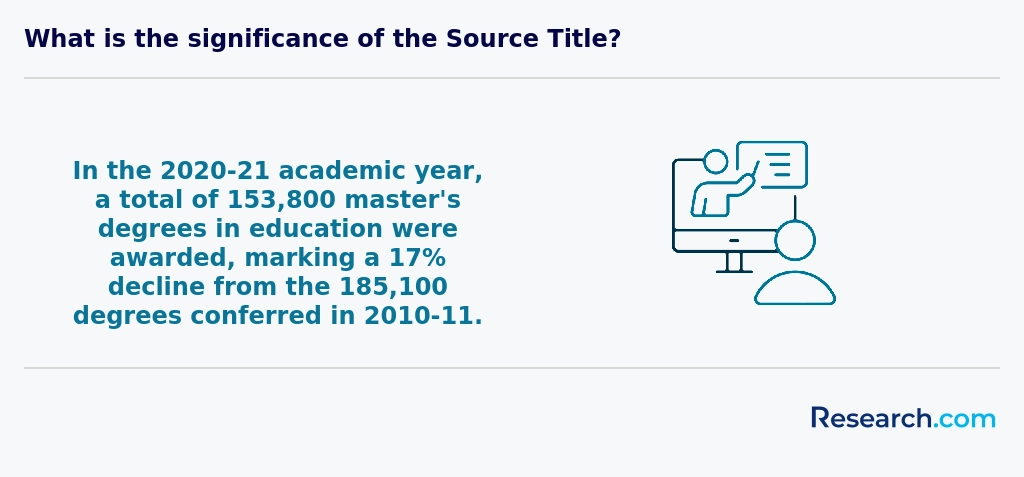
Graduates with an online education degree in Columbia often explore diverse career paths, reflecting the city's strong educational infrastructure. Many pursue licensing as teachers in public or private schools, engaging with elementary to high school levels. For instance, graduates from the University of Missouri appreciate how their online coursework integrates practical teaching experiences directly applicable to local schools, which boosts their confidence and readiness. However, teaching is only one avenue among several available to those with an online education degree jobs in Columbia MO.
Other graduates find rewarding opportunities as curriculum developers or instructional coordinators, roles that focus on enhancing educational content and methods. These positions respond to regional demands for innovation in teaching strategies, partly fueled by Columbia's emphasis on technology in classrooms. While some may assume administrative roles like principals or program managers require traditional paths, many online degree holders from Columbia colleges report that their programs provide a solid foundation for such leadership positions, paired with positive career outlooks.
Equally significant are roles in higher education, such as academic advisors or student affairs specialists at institutions like Columbia College. These positions offer graduates the chance to directly influence student success and development, amplifying their impact beyond K-12 settings. For those balancing careers and studies, programs like the accelerated online undergraduate degrees for working adults provide accessible routes to these varied career options with education degree Columbia Missouri, making practical and professional growth achievable.
The job market for graduates with an online education degree in Columbia is generally promising but requires nuanced consideration. Columbia's multiple school districts, including Columbia Public Schools, actively recruit qualified teachers, especially in high-demand areas like special education and STEM. Graduates from local universities often find roles teaching in both public and private K-12 schools or stepping into administrative positions. Many have shared that earning their degrees online brought flexibility while still preparing them well for real classroom challenges, allowing them to advance without pausing their careers.
Those pursuing an online education degree should also be aware that salaries in Columbia tend to be competitive compared to rural Missouri areas due to the city's university influence. However, teaching salaries align around a median of $55,000 annually, so students weighing costs often find value in the degree's potential for career growth. It's important to explore options like online community colleges that accept fafsa to manage tuition expenses effectively. The Columbia MO teacher employment outlook remains positive, particularly for candidates filling essential roles within the educational system.
2027 Most Affordable Online Master's in Education Degree Programs Ranking in Columbia, MO
Investing in your education is a significant decision that can shape your future, and the Research.com team understands the importance of making informed choices. To assist prospective students in Columbia, MO, we have meticulously developed the "2027 Most Affordable Online Master's in Education Degree Programs Ranking in Columbia, MO." Our commitment to quality, credibility, and accuracy is reflected in the extensive research and analysis conducted to compile this ranking.
We utilized the following reputable data sources to ensure a comprehensive evaluation of online education programs:
By exploring this ranking, readers will gain valuable insights into the most affordable and high-quality online master's education programs available in Columbia, MO, empowering them to make well-informed educational decisions. For more details on our methodology, please visit our Research.com methodology page.

Frequently Asked Questions About education
Students pursuing online education degrees in Columbia, MO, can enhance their learning by actively engaging with digital resources and campus support services. The University of Missouri, located in Columbia, offers extensive online academic assistance including virtual libraries and tutoring, which help reinforce student understanding. Research from the Missouri Department of Higher Education highlights that students who utilize these resources see improved retention and academic performance.
Additionally, creating a consistent study schedule and participating in online discussion forums encourages collaboration and deeper comprehension. Utilizing technology like video conferencing for group projects can simulate in-person interaction. Establishing communication with professors through emails or office hours further clarifies course materials and expectations.
By balancing self-discipline with available institutional support, online learners in Columbia can maximize their educational outcomes effectively.
Emerging niches within the education field increasingly focus on areas such as educational technology, special education, and data-driven instructional design. In Columbia, MO, online master's programs are adapting to meet demand in these specialties, reflecting national trends highlighted by the U.S. Department of Education. Educational technology roles are growing rapidly, with a 15% projected job growth through 2030, emphasizing skills in digital tools and remote learning strategies.
Special education remains a critical area, requiring expertise in inclusive teaching methods tailored to diverse learners. Additionally, instructional design, which integrates data analytics to improve course effectiveness, is gaining traction among educators aiming to enhance student outcomes.
Faculty and administrators in Columbia's higher education institutions report increasing enrollment in these focused disciplines, responding to a regional need for skilled professionals in modern education environments.
After completing an online education degree in Columbia, MO, preparing for the job market involves multiple strategic steps. First, graduates should leverage resources provided by their university's career services, including resume workshops and interview preparation tailored for educators. Networking plays a crucial role; joining local groups such as the Missouri State Teachers Association can open connections with employers. According to the Missouri Department of Elementary and Secondary Education, Columbia's schools have increased hiring in recent years, especially for candidates with certified teaching licenses.
Additionally, gaining relevant classroom experience through substitute teaching or internships improves employability. Online degree holders should also highlight technological skills, as digital literacy is increasingly important in education roles.
Employers in Columbia, MO, prioritize several key skills when hiring graduates with education degrees. Strong communication skills remain essential, enabling teachers to interact effectively with students, parents, and colleagues. According to the Missouri Department of Elementary and Secondary Education, classroom management abilities rank high, as maintaining a positive learning environment is critical.
Data literacy is increasingly important; educators who can analyze student performance and adapt instruction accordingly are in demand. Additionally, cultural competence is vital due to Columbia's diverse student population, fostering inclusivity and equity in education.
Critical thinking and problem-solving skills also stand out, preparing teachers to address varied classroom challenges effectively.
Finding internships in Columbia, MO, relevant to an education degree involves using local resources and university partnerships. The University of Missouri, located in Columbia, offers numerous connections to area schools through its education department, helping students secure relevant teaching internships. According to the Missouri Department of Elementary and Secondary Education, participating in internships is often essential for licensure.
Students should also explore Columbia Public Schools' internship programs which provide hands-on experience in classrooms. Many online education programs partner with local districts to facilitate these placements. Additionally, websites such as Handshake and local job boards list education internships available in Columbia. Networking with faculty and attending education fairs hosted by University of Missouri can further increase internship opportunities.
An online education degree in Columbia, MO, can significantly enhance career mobility and advancement opportunities for professionals in the education sector. According to data from the Missouri Department of Elementary and Secondary Education, educators with advanced degrees are more likely to receive promotions and salary increases.
Many school districts in Columbia prioritize hiring teachers and administrators who have master's degrees, including those earned online from accredited U.S. institutions. Online programs offer flexibility, enabling working professionals to upskill without interrupting their careers.
Furthermore, Columbia's competitive education job market rewards candidates who demonstrate continuous learning. An online education degree signals adaptability and commitment to professional growth, qualities valued by employers in the region.
Studying for an education degree online in Columbia, MO, offers students a strong foundation for interdisciplinary roles by combining core teaching skills with knowledge from fields like psychology, technology, and leadership. Many programs emphasize collaboration and critical thinking, preparing graduates to work across different sectors such as healthcare, social services, and business education.
According to the University of Missouri's College of Education, their curriculum integrates theory and practical application relevant to multiple disciplines. This approach is essential as 46% of education graduates in Missouri take on roles beyond traditional classroom teaching.
Additionally, online degrees often include flexible coursework in educational technology and policy, equipping students to adapt in various professional environments.
When choosing between a thesis and a non-thesis education degree program in Columbia, it is important to consider your career goals and learning preferences. Thesis programs involve original research and prepare students for roles in academia or educational research. Non-thesis options focus more on practical skills and coursework, ideal for those aiming to advance in administrative or teacher-leader positions.
In Columbia, Missouri, universities like the University of Missouri offer both formats, reflecting trends in US education that emphasize flexibility and applied knowledge. According to the National Center for Education Statistics, about 40% of education master's students nationwide choose non-thesis options, valuing quicker completion times.
Cost, time commitment, and the desire to contribute to scholarly research are key factors to weigh before deciding. Consulting academic advisors and reviewing program specifics can also support an informed choice.
Students in Columbia, Missouri, seeking to pursue education degrees online from abroad have several options within the US higher education system. Many accredited universities offer fully online master's programs in education, allowing learners to study remotely without relocating. These programs often feature flexible schedules, enabling working professionals to balance work and study.
Institutions like the University of Missouri provide online education degrees recognized nationwide. Furthermore, students can access programs from public and private universities across the US that meet regional accreditation standards, ensuring quality and transferability. According to the National Center for Education Statistics, over 35% of graduate students in the US enroll in at least one online course, reflecting growing acceptance of this mode of study.
For Columbia residents, investigating state residency benefits and scholarship opportunities can significantly reduce tuition costs. Additionally, networking with local educational bodies can enhance practical training and certification pathways aligned with Missouri's teacher licensure requirements.
Columbia, Missouri, offers various part-time job opportunities that can complement an online education degree. Many students find roles as teacher assistants or paraprofessionals in local schools, gaining hands-on experience while continuing their studies. According to the Columbia Public Schools district, these positions often provide flexible hours and valuable classroom insight.
Additionally, tutoring positions are abundant in Columbia, with services frequently requested for subjects like reading and math. Local libraries and community centers sometimes hire part-time tutors, allowing students to apply educational theories in practice.
Working as an educational content developer or online tutor for virtual learning platforms is another option, leveraging digital skills alongside education knowledge. These roles can be found through regional job boards and education technology companies operating in Missouri.
Online education students in Columbia, MO, have several networking opportunities despite studying remotely. Universities such as the University of Missouri offer virtual events, webinars, and discussion groups that allow students to connect with peers and faculty. These activities help build professional relationships and foster community.
Additionally, many programs encourage participation in local education conferences and workshops, providing in-person networking options. The Columbia Chamber of Commerce and local education organizations frequently host events where online students can meet education professionals.
According to the University of Missouri's Graduate School, over 70% of online students engage in at least one networking activity during their studies, boosting career prospects.
Alumni networks play a crucial role for online education degree students in Columbia, MO. These networks connect students with graduates who have successfully navigated similar programs, offering valuable insights and career advice. In Columbia, home to the University of Missouri, one of the largest public universities, these connections are especially beneficial, as the alumni network includes over 300,000 members nationwide.
Such networks provide mentorship opportunities, helping students understand local education job markets better. They also enhance professional development by sharing job openings, internships, and continuing education resources. Research by the National Association of Colleges and Employers shows that 85% of jobs are filled through networking, highlighting its importance.
Moreover, alumni events and online forums foster a sense of community, combating the isolation that can come with online learning. This support system boosts student motivation and retention rates, which are key factors in successful degree completion.
Customizing an online education degree program in Columbia, MO, allows students to tailor their studies according to their career goals. Many universities offer specialization options such as curriculum design, educational leadership, or special education. Students can choose electives that align with their professional interests, enhancing their expertise in targeted areas.
Columbia is home to the University of Missouri, which provides flexible online master's programs in education with various concentrations. According to the National Center for Education Statistics, over 50% of graduate students in Missouri select programs with personalized tracks to improve career prospects.
Additionally, students can often work with academic advisors to create a plan that fits their schedules and long-term objectives, balancing course load with practical experience.
Students pursuing online education degrees in Columbia, MO, often encounter several challenges that can impact their academic success. A significant hurdle is balancing coursework with personal and professional responsibilities, as many learners in Columbia juggle jobs and family commitments. According to the University of Missouri's Center for Digital Education, time management remains a common difficulty.
Another issue is limited access to reliable high-speed internet, which affects the ability to engage fully in virtual classes. While Columbia boasts growing broadband coverage, some areas still report connectivity problems, influencing student participation.
Additionally, online learners may face feelings of isolation and reduced peer interaction, which can hinder motivation and engagement. Studies from the Missouri Department of Higher Education highlight the importance of institutional support services in mitigating these challenges for Columbia students.
With an online education degree, professionals in Columbia, MO, can pursue several respected certifications to advance their careers. Popular options include the Professional Educator Certificate (PEC), which is required to teach in Missouri public schools. The Missouri Department of Elementary and Secondary Education (DESE) details the requirements for this certification.
Additionally, educators often seek National Board Certification (NBC), a prestigious credential that can increase salary and job opportunities. This certification is recognized nationwide and demonstrates advanced teaching skills.
Other options include certifications in Special Education, Reading Specialist, or Educational Leadership, depending on career goals.
According to DESE, over 50% of online education graduates in Missouri pursue one or more of these certifications to increase their effectiveness and employment prospects.
Writing a winning application for an online education program in Columbia, MO, begins with thorough research. Focus on universities accredited by recognized bodies such as the Council for the Accreditation of Educator Preparation (CAEP). Highlight your academic background and professional experience clearly, especially if related to education.
Provide a tailored personal statement emphasizing your motivation for pursuing an online education degree. According to the University of Missouri's online program guidelines, addressing how your goals align with the curriculum strengthens your candidacy.
Include strong recommendation letters from academic or professional sources. Attention to detail in your application materials reflects your commitment and organization-traits valued by admissions committees. Lastly, proofread meticulously to avoid common errors.
Globally, education careers are valued for their critical role in shaping future generations. In the United States, including Columbia, Missouri, education professionals benefit from steady demand driven by ongoing teacher shortages. According to the U.S. Bureau of Labor Statistics, employment of preschool, kindergarten, and elementary teachers is projected to grow 7% from 2022 to 2032, faster than average for all occupations.
Online education degrees have expanded access for many students in Columbia, offering flexible paths to enter or advance in the field. These programs often emphasize culturally responsive teaching and technology integration, reflecting global education trends.
Internationally, educators are encouraged to adopt diverse perspectives to meet the needs of increasingly multicultural classrooms. Pursuing education degrees with a global lens can enhance teaching effectiveness in varied environments.
Gaining practical experience while studying for an online education degree in Columbia, MO, is essential for career readiness. Many online programs incorporate fieldwork or practicum components, allowing students to work directly in local schools or educational settings. Columbia benefits from partnerships with institutions like the Columbia Public Schools district, offering diverse placement options.
Additionally, students can seek internships or volunteer opportunities in nearby educational nonprofits or community centers. Some programs may also utilize virtual simulations or interactive projects to develop classroom management skills.
According to the Missouri Department of Elementary and Secondary Education, hands-on experience significantly improves teaching effectiveness and employment prospects after graduation.
Choosing the right concentration within an online education degree program in Columbia involves assessing your career goals and local demand. Columbia, MO, with its strong school districts and higher education institutions, offers concentrations such as educational leadership, curriculum design, and special education.
It is important to consider job prospects specific to the region. For example, the Missouri Department of Elementary and Secondary Education highlights a growing need for special education teachers and administrators in mid-Missouri. If you aim for leadership roles, concentrations in educational administration may be beneficial.
Research program accreditation and faculty expertise to ensure quality education aligned with recognized standards. Local universities often tailor programs to meet Missouri's education requirements, which is crucial for certification and licensure.
- 2027 Most Affordable Online Master's in Education Degree Programs Ranking in Springfield, MO
- 2027 Most Affordable Online Education Degree Programs Ranking in Emporia, KS
- 2027 Most Affordable Online Education Degree Programs Ranking in Fayetteville, AR
- 2027 Most Affordable Online Education Degree Programs Ranking in Manhattan, KS
- 2027 Most Affordable Online Doctorate in Education Degree Programs Ranking in Omaha, NE
- 2027 Most Affordable Online Education Degree Programs Ranking in Murray, KY
- 2027 Most Affordable Online Master's in Education Degree Programs Ranking in Wichita, KS
- 2027 Most Affordable Online Education Degree Programs Ranking in Joliet, IL
- 2027 Most Affordable Online Education Degree Programs Ranking in Bloomington, IN
- 2027 Most Affordable Online Education Degree Programs Ranking in Chicago, IL
See What Experts Have To Say About Studying Education
Read our interview with Education experts

Alan J. Singer
Education Expert
Professor of Teaching, Learning and Technology
Hofstra University

Nooshan Ashtari
Education Expert
Professor & Book Author
University of Southern California

- How to Choose a Concentration for Your Master of Education 3 Questions to Consider https://www.aiuniv.edu/degrees/education/articles/how-to-choose-an-education-specialization
- Online Teaching Jobs | Elevate K-12 https://www.elevatek12.com/online-teaching-jobs/
- Online Undergraduate Degrees & Certificates | Columbia College https://www.columbiasc.edu/academics/online-undergraduate-degrees-certificates
- Finding Your Path: How to Align Studies with Career Goals https://www.alfabetaglobal.com/blogs/finding-your-path-how-to-align-your-studies-with-your-career-goals
- Get the skills employers want | Study UK https://study-uk.britishcouncil.org/why-study/succeed-your-career/get-skills-employers-want
- Guide to Online Education Degrees | OEDb.org https://www.oedb.org/rankings/online-education-programs/
- Why Is Education Important in Your Career Advancement? - KWSP Malaysia https://www.kwsp.gov.my/en/w/article/career-advancement
- How to Gain Real-World Experience While Studying Online | American National University https://an.edu/how-to-gain-real-world-experience-while-studying-online/
- How to Write a Great Letter of Intent for a Teaching Job | Zen Educate https://www.zeneducate.com/us/resources/becoming-a-teacher/how-to-write-letter-of-intent-teaching-job/
- What Employers Actually Want From Graduates https://bodyswaps.co/resources/blog/what-employers-actually-want-from-graduates