
2027 Most Valuable Online Bachelor's in Education Degree Programs Ranking in Georgia

Co-Founder and Chief Data Scientist
Choosing the right online bachelor's in education degree program can shape your future in meaningful ways. For students in Georgia, this article presents the 2027 Most Valuable Online Bachelor's in Education Degree Programs Ranking in Georgia created by the Research.com team of data scientists.
Our goal is to help you make an informed decision by highlighting programs that offer great value and strong career prospects. Earning an education degree opens doors to rewarding opportunities where you can inspire and impact lives.
Explore this ranking and take a confident step toward your educational and professional goals.
Key benefits of getting online education degree in Georgia
- Education degree graduates in Georgia can earn competitive salaries, such as Special Education Teachers making around $76,000 annually and Instructional Designers earning about $77,200 per year, reflecting strong financial rewards.
- Graduates from schools like the University of Georgia often pursue careers as Elementary or ESL Teachers, enjoying flexible roles that impact communities and foster lifelong learning.
- Online degrees from institutions like Georgia State University offer the convenience of studying anytime, allowing students to balance work and family while gaining quality education without commuting stress.
- 2027 Most Valuable Online Bachelor's in Education Degree Programs Ranking in Georgia
- What can I expect from online education degree in Georgia?
- Where can I work with online education degree in Georgia?
What can I expect from online education degree in Georgia?
When considering the average cost of an online education degree in Georgia, it's helpful to look at the difference between public and private institutions. Many graduates from public universities in Georgia find that tuition is quite affordable, especially for in-state students, often ranging between $4,000 and $8,000 per year. This makes pursuing a degree not only achievable but also a solid financial investment in their future.
Graduates from well-known public universities report feeling supported by accessible financial aid options and scholarships geared specifically toward education majors. These funding opportunities can greatly reduce overall expenses, making the dream of becoming a certified teacher more attainable.
On the other hand, private colleges may charge higher tuition, sometimes reaching two or three times the in-state public rates. However, many students appreciate the smaller class sizes and personalized attention they receive, which can be worth the extra cost if it matches their learning style and career goals.
Ultimately, choosing the right program means balancing affordability with quality and accreditation under the Georgia Professional Standards Commission to ensure your degree leads to certification and career success.
Where can I work with online education degree in Georgia?
With an online education degree in Georgia, graduates find rewarding roles across the state's varied educational landscape. Many alumni from universities like the University of Georgia and Georgia State successfully secure teaching positions in public K-12 schools, where their accredited degrees meet GaPSC certification requirements. Imagine working in a bustling Atlanta classroom or a smaller, tight-knit rural school, shaping young minds every day.
Some graduates choose to leverage their skills in private schools, where flexibility in certification allows them to bring innovative teaching methods to diverse student groups. Others dive into non-traditional settings such as adult education centers and vocational programs, applying their expertise in curriculum design and educational technology-skills honed through online learning.
Early childhood education is another vibrant path, with many degree holders supporting pre-kindergarten programs influenced by Georgia's strong state initiatives. Additionally, the surge in digital learning has opened doors for graduates to become online tutors or instructors on virtual platforms, turning remote teaching into a fulfilling career.
These opportunities reflect the dynamic career paths waiting for you after earning an online education degree in Georgia's thriving education community.
Graduates from online education programs in Georgia, such as those offered by the University of Georgia and Georgia State University, can expect a range of earning possibilities that reflect both their dedication and the local job market. For instance, early childhood educators starting out often earn around $41,410 annually, which sets a solid foundation.
Moving into elementary teaching positions, many alumni rejoice at salaries averaging $70,740, allowing them to contribute meaningfully to their communities while supporting themselves comfortably. Special Education teachers tend to earn even more, with mean wages near $76,000, reflecting the high demand and impactful nature of this specialization.
Some graduates choose to specialize further, becoming instructional designers who blend education with technology, a field that pays about $77,200 on average. Others who teach English as a Second Language enjoy median salaries near $65,430, unlocking doors for students and themselves.
These figures show that with an online education degree in Georgia, graduates not only pursue meaningful careers but also have promising financial growth prospects, especially when leveraging local networks and continued certifications.
- Public universities in Georgia charge about $5,000 to $8,000 per year for in-state online education programs.
- Private institutions' online education degrees typically cost between $15,000 and $25,000 annually.
- Teaching jobs in Georgia are expected to grow by roughly 7% over the next ten years.
- Starting salaries for education graduates in Georgia range from $40,000 to $45,000 per year.
- Mid-career educators usually earn between $55,000 and $65,000, depending on specialty and experience.
- Teacher licensure requires passing Praxis exams and completing certification programs; online degrees must be from regionally accredited schools.
Completing an online education degree in Georgia typically takes about four years for full-time students, especially those pursuing a Bachelor of Science in Education aimed at teacher certification. Graduates from popular institutions like the University of Georgia or Georgia State University often share that the online format's flexibility lets them balance studies with work or family life, making the journey feel manageable and rewarding.
Some students accelerate their progress by taking extra courses each semester or opting for summer sessions, finishing in as little as three years. Others, juggling careers or personal commitments, might take five years or more, embracing a pacing that fits their unique lifestyle.
Part-time enrollment and transfer credits from previous college work also play big roles in shaping how long it takes. For example, a graduate who transferred credits from a community college in Atlanta might complete their degree faster while maintaining steady income from a part-time job.
This flexibility in Georgia online programs encourages students to create their own success stories, proving that with dedication and smart planning, the finish line is within reach at your own pace.
As the landscape of online education continues to evolve, both students and institutions are embracing innovative approaches that enhance learning and overall student success. Recent trends include the integration of artificial intelligence for personalized coursework, gamification to increase student engagement, and the use of virtual reality environments that simulate real-life classroom experiences. These advancements not only improve the quality of instruction but also help learners develop critical tech skills that are increasingly valuable in today’s workforce. Additionally, educational institutions are experimenting with hybrid learning models-combining synchronous and asynchronous methods-to maximize flexibility and meet diverse student needs. For prospective students evaluating their educational investments, understanding these trends is essential to making a well-rounded decision. If you’re considering further educational options, you might also wonder whether is online edd program affordable, as affordability remains a key component in the overall value of your degree. This innovative shift in online education not only reflects current industry demands but also sets the stage for a future where technology-enabled, flexible learning experiences are the norm.
When considering an education degree in Georgia, one of the biggest differences is how you experience learning. Graduates from the University of Georgia's online program often share how the flexibility allowed them to balance work and family while advancing their careers. They attended lectures and completed assignments entirely online, fitting study time around their busy lives. On the other hand, graduates from Georgia State University's on-campus program emphasize the energizing face-to-face interactions and immediate access to campus resources like libraries and study groups, which created a strong community feel.
Cost is another important factor. Online students in Georgia typically save on housing and commuting expenses, with in-state tuition averaging $3,785 per semester in many institutions. This financial freedom can relieve stress, letting you focus more on learning.
Both formats meet accreditation standards, so your degree holds value whether you choose a digital classroom or a traditional campus. The choice truly depends on how you want to shape your educational journey in Georgia's vibrant teaching community.
Ensuring your online bachelor’s in education program is properly accredited and aligns with Georgia’s certification standards is vital for both immediate licensure and long-term career success. Accreditation not only validates the academic rigor of your degree but also impacts eligibility for federal financial aid, state teaching credentials, and graduate programs. Program Accreditation • Regional Accreditation: Confirm the institution holds regional accreditation (e.g., SACSCOC) to guarantee transferability of credits and broad employer recognition. • Programmatic Accreditation: Look for National Council for Accreditation of Teacher Education (NCATE) or Council for the Accreditation of Educator Preparation (CAEP) endorsements, which signal specialized quality in teacher preparation. Georgia Certification Pathway • Educator Preparation Provider Approval: Verify that your chosen program is approved by the Georgia Professional Standards Commission (GaPSC). Approved programs meet state-mandated coursework and clinical experience requirements. • Praxis Assessments: Most Georgia teacher certification areas require passing scores on relevant Praxis exams (e.g., Principles of Learning and Teaching, subject-area tests). Check that your program includes targeted test preparation resources. • Student-Teaching Internship: A supervised practicum or student-teaching component is mandatory. Accredited online programs partner with Georgia school systems to place candidates in diverse classrooms, ensuring hands-on experience with Georgia’s K–12 standards. Aligning with Career Advancement Completing an accredited, GaPSC-approved bachelor’s degree streamlines your path to initial certification. For educators seeking to move into leadership or specialized roles-such as curriculum coordinator, instructional designer, or school administrator-advanced study is often required. Prospective doctoral candidates may explore additional program options, including our Most Affordable Online Doctorate in Education Degree Programs Ranking in the Northeast, to identify cost-effective pathways for earning an Ed.D. or Ph.D. in Education Leadership. Key Takeaways • Always choose regionally and program-specifically accredited institutions. • Ensure approval by GaPSC to meet Georgia’s teacher certification requirements. • Leverage program resources-test prep, supervised internships, advising-for smooth licensure. • Plan long-term by exploring affordable doctorate programs to unlock leadership positions and maximize return on investment.
The average cost of an online education degree in Georgia varies significantly depending on factors like residency status and the institution chosen. For in-state students, the typical total tuition for a full degree program is around $22,948, while out-of-state students face higher costs closer to $80,983. Graduates from public universities often share how their investment felt manageable thanks to the state's reasonable tuition and the availability of financial aid. Many find that studying education online at schools like the University of Georgia or Kennesaw State University balances quality and affordability effectively, making the journey both rewarding and financially feasible.
Understanding tuition and fees for online education programs Georgia-wide helps prospective students plan realistically. Programs often include extra costs such as technology and course fees, but these are generally offset by the savings from not attending campus in person. Graduates frequently highlight their ability to work while studying, enjoying the flexibility of online programs without the burden of excessive expenses, which keeps their motivation high and spirits positive.
If you're exploring options, consider reviewing specific costs and aid opportunities directly through universities' official sites. Many students have benefited from resources designed to ease their path to becoming educators. For those wanting guidance on affordable options, comprehensive listings of affordable education programs in Georgia can be a valuable tool as you embark on your own educational adventure.
When considering online education degree programs in Georgia, one crucial factor to weigh is the affordability of these programs. Prospective students often find themselves navigating a complex landscape of tuition fees, living expenses, and financial aid options. To make informed decisions, it's essential to explore resources that provide comprehensive rankings and reviews of education programs, such as the affordable education programs in Georgia. By delving into these rankings, students can identify programs that balance quality education with financial viability, ultimately leading to a more sustainable and fulfilling educational journey. This careful consideration of affordability can significantly impact a student's ability to pursue their educational goals without being overwhelmed by financial burdens, allowing them to focus on what matters most – acquiring the knowledge and skills necessary to succeed in their chosen career path.
Students pursuing online education degrees in Georgia often find financial aid a crucial support. Graduates from institutions like the University of Georgia and Georgia State University frequently mention how filling out the FAFSA unlocked Pell Grants, providing up to $7,395 to alleviate tuition costs. These federal grants, along with subsidized loans, build a strong foundation to manage expenses and succeed without overwhelming debt.
State aid is another powerful ally. The HOPE Scholarship, a reward for Georgia residents, offers up to $4,000 annually to many education majors attending public universities online. Several graduates recall this support making it feasible to balance work, family, and studies. The HOPE Grant, although aimed at career certificates, also indirectly helps those tackling prerequisite courses for education degrees.
Institutional scholarships from public universities recognize academic excellence and leadership among education students, reducing tuition further. Coupled with employer tuition assistance programs common in Georgia's school districts, many find these resources encouraging and motivating.
Becoming a certified teacher in Georgia involves more than earning an online bachelor’s in education; it requires meeting state-mandated licensure steps to ensure you’re fully qualified. 1. Complete an Approved Program • Enroll in a Georgia Professional Standards Commission (GaPSC)–approved teacher preparation program. • Verify that your institution’s curriculum aligns with the state’s content standards and pedagogy requirements. 2. Pass the Georgia Assessments for the Certification of Educators (GACE) • Take and pass the appropriate GACE subject and pedagogy exams for your endorsement area (e.g., Early Childhood, Special Education, Secondary English). • Review exam prep materials and practice tests provided by the GaPSC or your university’s testing center. 3. Submit an Application for Initial Certification • Complete the GaPSC online application and pay the processing fee. • Submit official transcripts demonstrating program completion and GACE scores. • Undergo a fingerprint-based criminal history background check. 4. Maintain Professional Conduct and Renewal • Adhere to the GaPSC Code of Ethics for Educators. • Renew your initial certificate within five years by completing required professional learning (e.g., 6 semester credit hours or 180 PD hours). • Advance to a professional certificate after accruing three years of teaching experience and meeting renewal requirements. For those aiming to elevate their teaching career with a doctoral credential, explore our Most Affordable Online Doctorate in Education Degree Programs Ranking in the Northeast to identify cost-effective pathways to advanced licensure and leadership roles.
To embark on your journey toward an online education degree in Georgia, you'll first need to meet some fundamental prerequisites that lay the foundation for success. Most programs at institutions like the University of Georgia or Kennesaw State University require a high school diploma or GED. This essential credential confirms you're ready to tackle college-level challenges.
Graduates often recall submitting official transcripts from high school and any previous college work-this helps schools place you in the right program and determine if you meet minimum GPA standards, typically around 2.5. While some schools have moved away from mandatory SAT or ACT scores, these tests can still play a role in scholarships or transfers, so it's wise to be prepared.
For those drawn to teaching licensure, passing Georgia's GACE exams is a critical step-imagine the pride in knowing you meet the state's high standards for educators. Don't overlook technological readiness either; reliable internet, a dependable computer, and comfort with digital platforms are non-negotiable for online learning success. Georgia students often find that embracing these prerequisites with confidence sets the stage for a rewarding education career.
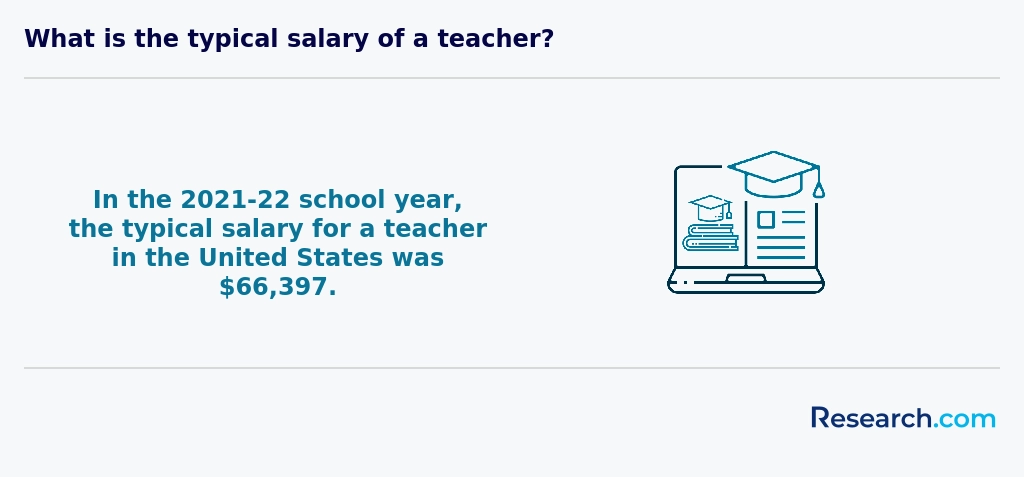
Evaluating the true value of an online bachelor’s in education requires more than comparing tuition rates and sticker-price salaries-it demands a clear picture of your return on investment (ROI). In Georgia, the median total cost for in-state online bachelor’s programs sits around $22,948, while out-of-state students may pay up to $80,983. By contrast, the average starting salary for an ESL teacher is $63,130, and instructional designers can command up to $73,080 annually. On average, Georgia graduates recoup their initial investment within 3–5 years, assuming consistent employment in education roles. For example, an early childhood educator earning $38,640 annually saves approximately $4,820 per year on commuting and housing when studying fully online-accelerating the break-even point. Meanwhile, instructional designers, with higher average wages and flexible remote work options, often recover costs in under three years. Longer-term ROI also factors in promotion potential: mastering educational leadership can boost mid-career salaries by 20% or more, while specialized certificates (e.g., special education or curriculum design) can yield an additional $5,000–$10,000 in annual earnings. For those aiming to extend their credentials beyond the bachelor’s level-and further enhance ROI-consider exploring advanced pathways such as our Most Affordable Online Doctorate in Education Degree Programs Ranking in the Northeast, which highlights cost-effective doctoral options that maximize lifetime earning potential.
When pursuing an online education degree in Georgia, you'll encounter courses that build a solid foundation while preparing you for real classroom challenges. Graduates from well-known programs at universities across Georgia often recall courses like Introduction to Education, which offers a clear view of both the national education system and Georgia's unique standards. This knowledge equips future teachers to navigate local policies with confidence.
Courses such as Educational Psychology go beyond theory, helping you understand how diverse students learn-something every Georgia educator must master to support all learners. Practical classes like Classroom Management provide essential strategies for creating inclusive, engaging environments, just as those who studied at Georgia's top colleges describe when sharing how these lessons helped them manage busy, diverse classrooms.
Importantly, Curriculum Design and Instruction teaches you to craft lesson plans that captivate students' interests, while Technology in Education prepares you for the growing remote and hybrid learning landscapes. Many programs also offer courses aligned with state certification requirements, ensuring graduates feel ready to take on real-world teaching roles across Georgia.
Online education degrees in Georgia commonly offer specializations that empower future educators to thrive in diverse roles. Many graduates from well-known institutions across the state highlight Early Childhood Education as a deeply rewarding path, where you focus on nurturing young learners through proven teaching methods and child development principles. This specialization sets the foundation for inspiring the youngest students in their earliest school experiences.
Students interested in Georgia online bachelor's in education focus areas often choose Special Education, a field growing in importance due to rising demand for educators skilled in supporting children with disabilities. Graduates share how mastering Individualized Education Programs (IEPs) and adaptive technologies felt empowering, preparing them for real challenges in inclusive classrooms.
Those pursuing Secondary Education find themselves well-prepared to teach core subjects like math, science, or English, combining subject mastery with practical classroom strategies. Other popular options include Educational Leadership and Administration, which opens doors to school management and policy roles, or Instructional Technology, blending education with digital innovation.
If you've ever wondered if the is online edd program affordable in Georgia, rest assured these specializations often come at a reasonable tuition, making your career dreams both achievable and accessible.
Choosing the best online education degree in Georgia means looking beyond just tuition costs. Graduates from Georgia Southern University often share how accreditation by SACSCOC gave them confidence that their degree was respected by employers across the state. When weighing options, think about how the curriculum fits your passion-whether that's early childhood education or educational leadership. This alignment with career goals makes studying feel meaningful and energizing.
Many students seeking affordable online teaching programs Georgia appreciate the in-state tuition benefits and scholarship opportunities, which can make earning a degree financially doable. The reality is that strong graduation rates and high certification exam pass rates, as reported by the Georgia Department of Education, reflect programs that truly prepare teachers for success in the classroom. Hearing success stories from recent graduates about how supportive advisors and flexible course schedules helped them balance life and study can inspire you to pursue your path confidently.
For those wanting to explore options beyond Georgia, consider checking the Most Affordable Online Doctorate in Education Degree Programs Ranking in the Northeast to compare pathways and find the best fit according to your goals and budget.
Graduates with an online education degree in Georgia often find themselves stepping into rewarding careers, from becoming licensed teachers in K-12 schools to shaping the future of education in administrative roles. Many alumni from the University of Georgia and Georgia State University share how their programs prepared them to earn certification in high-demand subjects like special education or secondary math, filling vital positions in rural districts. This adaptability highlights the strength of pursuing online education degree careers in Georgia.
Some graduates embrace roles supporting the educational process, such as educational technology specialists who integrate innovative digital tools in classrooms, or teacher assistants gaining hands-on experience while working toward full licensure. Others launch careers as adult education instructors or early childhood educators, buoyed by programs at Georgia's community colleges that expand access statewide. These paths reflect the diverse opportunities and meaningful impact available.
For those exploring how to start, visiting resources like the Georgia Department of Education and examining workforce trends can clarify the best fit. Additionally, check out top degrees for seniors online to find programs that offer flexibility and strengthen your credentials for thriving in Georgia's educational landscape.
Graduates holding an online education degree in Georgia find themselves stepping into a job market rich with opportunity and growth. Popular colleges such as the University of Georgia and Georgia State University equip their students with adaptable skills that meet the Professional Standards Commission requirements, helping these graduates earn teacher certification smoothly. Many share stories of landing roles in special education or STEM fields within Atlanta's expanding school districts, fueled by the state's increasing student population.
Those pursuing teaching career outlook Georgia online programs discover diverse pathways beyond classroom teaching-such as becoming instructional coordinators, educational consultants, or even school administrators-allowing them to shape education policy firsthand. The state's median wages, around $60,000 annually, paired with loan forgiveness incentives in rural areas, reflect the real value placed on these professionals. For practical career growth and financial planning, exploring top skilled trades jobs can also provide insights into complementary opportunities.
2027 Most Valuable Online Bachelor's in Education Degree Programs Ranking in Georgia
Investing in your education is a significant decision that can shape your future, and the Research.com team fully recognizes the importance of making well-informed choices. To support prospective students in Georgia, we have diligently developed the "2027 Most Valuable Online Bachelor's in Education Degree Programs Ranking in Georgia." Our dedication to quality, credibility, and accuracy is demonstrated through thorough research and comprehensive analysis.
We utilized the following reputable data sources to ensure an objective and detailed evaluation of online education programs:
By examining this ranking, readers will gain valuable insights into the most beneficial online bachelor's education degrees in Georgia, empowering them to make informed decisions about their academic and professional futures. For more information on how this ranking was created, please visit our Research.com methodology page.


Frequently Asked Questions About education
Online education degree students in Georgia can maximize their learning experience by leveraging the state's robust digital resources and accreditation standards. Georgia hosts several schools accredited by the Council for the Accreditation of Educator Preparation (CAEP), ensuring quality education that meets national standards. Students should actively engage in virtual class discussions and utilize tutoring and advising services offered by universities such as the University of Georgia and Georgia State University. Time management is essential; organizing study schedules around course demands helps maintain steady progress. Additionally, participating in local professional education communities or virtual workshops enhances practical skills and networking opportunities.
Emerging niches within the education field in Georgia reflect nationwide trends emphasizing technology integration and specialized student support. One significant area is educational technology, where professionals design and implement digital tools for learning. The Georgia Department of Education highlights increased demand for experts in online curriculum development and virtual instruction.
Another growing niche focuses on special education, particularly in inclusive strategies for students with disabilities. According to recent data from the U.S. Department of Education, Georgia schools report rising needs for qualified special education teachers and specialists.
Additionally, bilingual education and English as a Second Language (ESL) programs are expanding due to demographic shifts in the state. Educators trained in these areas are crucial for fostering equity in diverse classrooms.
Overall, online education degrees in Georgia increasingly emphasize training in these specialized fields, preparing graduates for evolving demands within the state's education system.
Preparing for the job market after earning an online education degree in Georgia involves strategic planning and skill development. Graduates should begin by obtaining necessary state certifications through the Georgia Professional Standards Commission, which is critical for K-12 teaching positions.
Networking is essential; joining organizations like the Georgia Association of Educators can provide access to job fairs and professional development.
Additionally, gaining practical experience through student teaching or internships during the program increases employment prospects. According to the Georgia Department of Labor, demand for teachers in subjects like special education and STEM continues to grow, so focusing on in-demand specialties can improve job opportunities.
Lastly, enhancing digital literacy and familiarity with virtual learning tools aligns well with current education trends.
Employers in Georgia seek education degree graduates with strong instructional skills and a deep understanding of diverse learning needs. According to the Georgia Department of Education, skills in classroom management and the ability to integrate technology into lesson plans are highly valued as schools adopt digital tools.
Effective communication and collaboration are also critical, as teachers often work closely with families and colleagues to support student success. Additionally, adaptability and cultural competence stand out due to Georgia's increasingly diverse student population.
Data from the National Center for Education Statistics shows that problem-solving abilities and a commitment to ongoing professional development are essential for maintaining teaching quality in Georgia's evolving educational landscape.
Finding internships in Georgia related to an education degree involves several practical steps. Many universities, including the University of Georgia and Georgia State University, partner with local school districts to provide internship opportunities for education students. These internships often satisfy state certification requirements. Additionally, the Georgia Department of Education's website lists approved internship programs and resources for prospective educators.
Networking with local schools and education centers through career fairs or online platforms like Georgia Internship and Career Connection (GICC) can increase chances of placement. These internships typically focus on classroom experience, curriculum development, or educational support roles.
Most education internships in Georgia are unpaid or offer stipends, but they provide valuable hands-on experience necessary for licensure. Staying proactive by contacting school districts directly is recommended.
In Georgia, earning an online education degree can significantly enhance career mobility and advancement. According to the Georgia Professional Standards Commission, educators with higher credentials often qualify for leadership roles or specialized teaching positions. Online degrees offer flexible access, allowing working professionals to upskill without interrupting their careers.
Data from the Georgia Department of Education shows that teachers with bachelor's degrees and additional certifications earn higher salaries, improving financial stability. Furthermore, online programs accredited by recognized agencies meet state licensure requirements, enabling smooth transition into in-demand roles.
For adult learners and career changers in Georgia, an online education degree opens opportunities in school administration, curriculum development, and educational technology sectors, fostering long-term professional growth.
Studying for an education degree in Georgia equips students with skills needed for interdisciplinary roles by integrating diverse subject areas. Programs often include coursework in psychology, technology, and communication, which prepares graduates to work effectively across different fields.
Georgia's online education degrees emphasize practical training and collaborations with various community and educational organizations. This approach fosters adaptability and problem-solving, crucial for interdisciplinary work.
According to the Georgia Professional Standards Commission, many programs align with state teaching standards that promote cross-disciplinary teaching methods and inclusive learning strategies.
This broad foundation makes graduates well-prepared for careers beyond traditional classrooms, including educational consulting and program development.
When choosing between a thesis and a non-thesis education degree program in Georgia, consider your career goals and time commitment. Thesis programs typically require original research and a formal written document, preparing students for roles in academia or advanced research.
Non-thesis programs often focus on practical skills and coursework, suited for those aiming to enter or advance in teaching professions quickly. According to the Georgia Board of Regents, many public universities offer both options, with thesis tracks often extending the program length by one semester or more.
Financial considerations also matter; thesis programs may involve additional costs due to research resources. Finally, think about your personal learning style and professional objectives before deciding.
Students based in Georgia seeking to study education abroad through online degrees have several options grounded in U.S. higher education offerings. Many universities in Georgia partner with international institutions, enabling students to complete coursework online while engaging in global perspectives.
Georgia residents can access online bachelor's programs accredited by the Council for the Accreditation of Educator Preparation (CAEP), ensuring quality comparable to on-campus degrees. According to the Georgia Board of Education, there is a growing demand for educators with diverse training, which online international programs can help fulfill.
While direct study abroad opportunities may be limited during online programs, students often gain access to global resources, virtual exchanges, and study materials from partner universities worldwide, enriching the educational experience beyond Georgia's borders.
Students pursuing online education degrees in Georgia can benefit from various part-time job opportunities that enhance their academic and professional skills. Working as a teacher's aide or paraprofessional in local schools provides hands-on classroom experience and insight into diverse learning environments. According to the Georgia Department of Education, paraprofessionals in the state support classroom management and instructional activities, offering valuable exposure for education majors.
Additionally, tutoring jobs-either privately or through community centers-allow students to apply teaching methods while earning income. Research from the National Tutoring Association highlights that tutors in Georgia often help improve student outcomes in core subjects, making this a relevant option.
Other roles, such as curriculum assistant or educational content developer for online platforms, align with the growing demand for digital learning tools in Georgia's schools.
Online education students in Georgia benefit from diverse networking opportunities tailored to remote learners. Many accredited institutions, such as the University of Georgia and Georgia State University, offer virtual student organizations and professional development workshops that facilitate peer and faculty connections.
The Georgia Department of Education supports online learners through statewide webinars and career fairs, helping students build contacts within the education sector.
Additionally, Georgia's robust online alumni networks and LinkedIn groups create spaces for students to engage with educators and employers across the state.
These resources are critical as nearly 35% of Georgia's teacher workforce development programs incorporate online learning components, increasing the importance of digital networking.
Alumni networks play a crucial role for online education degree students in Georgia by providing access to professional connections and career resources. Graduates often leverage these networks for job opportunities, mentoring, and guidance within the state's education sector. According to the Georgia Student Finance Commission, strong alumni ties can boost employment rates by connecting students with school districts and educational institutions across Georgia.
These networks facilitate collaboration and knowledge sharing, helping new graduates navigate licensure requirements specific to Georgia. Additionally, alumni events and online forums create a community that supports ongoing professional development and leadership growth in education.
Customizing an online education degree program in Georgia allows students to align their studies with specific career goals. Many universities offer elective courses or concentrations such as special education, curriculum design, or educational technology. These options help students gain expertise tailored to their interests and job markets.
Additionally, flexible scheduling and practicum opportunities enable learners to balance work and study, gaining practical experience. Georgia's Board of Education provides guidelines ensuring programs meet state certification requirements, which is essential for those seeking teaching licenses.
According to the Georgia Student Finance Commission, over 30% of online education students choose specialized tracks to enhance career prospects within the state's growing education sector.
Online education students in Georgia often face challenges related to technology access and reliable internet connectivity, especially in rural areas. According to the Georgia Department of Education, nearly 16% of students statewide struggle with consistent internet service, which affects adult learners too.
Another common issue is balancing coursework with personal and professional responsibilities. Many online education students are working adults or parents, making time management a critical concern.
Additionally, students sometimes report feeling isolated due to limited face-to-face interaction with instructors and peers, which can impact motivation and engagement.
Understanding these challenges is essential for prospective students considering online degrees in Georgia.
With an online education degree in Georgia, graduates can pursue several professional certifications that enhance career opportunities. The most common certification is the Georgia Professional Standards Commission (GaPSC) teaching certificate, required to teach in public schools. This certification involves passing the Georgia Assessments for the Certification of Educators (GACE) exams.
Other options include National Board Certification, which recognizes advanced teaching knowledge and skills. Additionally, certification in Special Education or ESL (English as a Second Language) can complement a general education degree. According to the GaPSC, around 50,000 teachers hold such certifications statewide, reflecting strong demand.
These certifications improve job prospects in Georgia's growing educational workforce, especially in rural and urban districts seeking qualified teachers.
Writing a winning application for an online education program in Georgia starts with understanding the state's higher education landscape. The Georgia Board of Regents oversees many reputable public universities offering online degrees, ensuring quality and recognized accreditation. Applicants should clearly demonstrate their commitment to teaching by highlighting relevant experiences and academic achievements.
Strong personal statements that address career goals and motivation to teach in Georgia's diverse classrooms help differentiate candidates. Including any professional certifications or volunteer work in education can add value. Additionally, many programs require GRE scores and transcripts, so preparing these documents carefully is essential.
Researching specific admission requirements for schools like Georgia State University or Kennesaw State University ensures the application meets expectations. According to the Georgia Student Finance Commission, clearly articulating how an education degree will contribute to local communities strengthens an application's impact.
Education careers in the United States, including those pursued through online degrees in Georgia, are increasingly viewed within a global context. According to the National Center for Education Statistics, over 115,000 educators are employed in Georgia public schools, reflecting strong local demand. Globally, education is recognized as a key driver of social and economic development, with growing emphasis on technology and cross-cultural skills.
International organizations such as UNESCO highlight the importance of teacher training and lifelong learning worldwide. This international focus encourages U.S. educators to adopt diverse teaching methods and intercultural competence. For Georgia students, online education degrees provide flexible access to programs that prepare them for both local and global classrooms.
Careers in education now often include opportunities for international collaboration and exchange, reflecting a broadening perspective beyond traditional classroom roles.
Students pursuing an online education degree in Georgia can gain practical experience through internships and student teaching placements required by the Georgia Professional Standards Commission (GaPSC). These experiences often take place in local public or private schools, allowing candidates to apply theoretical knowledge in real classrooms.
Many online programs partner with Georgia school districts to help students secure these placements near their homes. According to GaPSC data, effective field experiences are crucial for licensure and improve employment prospects.
Additionally, students can volunteer or work as teacher aides to further sharpen skills while studying remotely.
Choosing the right concentration within an online education degree program in Georgia depends on your career goals and interests. Popular options include early childhood education, special education, and educational leadership. According to the Georgia Professional Standards Commission, areas like special education are in high demand due to teacher shortages.
Research Georgia's job market to identify which specialties have strong employment prospects. For example, Metro Atlanta schools often seek candidates skilled in STEM education and English as a Second Language (ESL).
Also, consider program accreditation and how well the concentration aligns with Georgia's certification requirements. This ensures your degree is recognized statewide for licensure purposes.
- 2027 Most Valuable Online Bachelor's in Education Degree Programs Ranking in Florida
- 2027 Most Valuable Online Bachelor's in Education Degree Programs Ranking in Alabama
- 2027 Most Valuable Online Bachelor's in Education Degree Programs Ranking in North Carolina
- 2027 Most Valuable Online Bachelor's in Education Degree Programs Ranking in Kentucky
- 2027 Most Valuable Online Bachelor's in Education Degree Programs Ranking in Virginia
- 2027 Most Valuable Online Bachelor's in Education Degree Programs Ranking in Missouri
- 2027 Most Valuable Online Bachelor's in Education Degree Programs Ranking in Indiana
- 2027 Most Valuable Online Bachelor's in Education Degree Programs Ranking in Ohio
- 2027 Most Valuable Online Bachelor's in Education Degree Programs Ranking in Pennsylvania
- 2027 Most Valuable Online Bachelor's in Education Degree Programs Ranking in Texas
See What Experts Have To Say About Studying Education
Read our interview with Education experts

Alan J. Singer
Education Expert
Professor of Teaching, Learning and Technology
Hofstra University

Nooshan Ashtari
Education Expert
Professor & Book Author
University of Southern California

- My Experience with Online Learning | Leeds Beckett University https://www.leedsbeckett.ac.uk/blogs/student-blog-squad/2020/09/my-experience-with-online-learning/
- Latest Trends in the Field of Education - ICERT https://icert.org.in/latest-trends-in-the-field-of-education/
- Students: This is How You Should Prepare for the Job Market https://www.agencycentral.co.uk/articles/students-this-is-how-you-should-prepare-for-the-job-market/
- 10 Reasons Why Education Helps to Advance Your Career - Insight Training https://insight.edu.au/blog/career-advancement-through-education/
- Networking Tips and Advice for Students https://schoolshouldbe.com/post/networking-tips-and-advice-for-students/
- College Students - Next Steps to Become a Georgia Educator https://teachinthepeach.org/plan/college-students/
- Teaching Job Roles | Teach For Life https://www.teachforlife.com/teachingjobs/global-perspectives-teacher
- Online Colleges in Georgia https://www.onlineschools.org/guides/georgia/
- The 8 challenges of education in a changing world https://casvitrescantos.com/en/the-8-challenges-of-education-in-a-changing-world/
- How To Write A Great Cover Letter For Teacher Training - Engage Education https://engage-education.com/blog/how-to-write-a-great-cover-letter-for-teacher-training/


