2027 Most Popular Education Degree Programs Ranking in Lincoln

Co-Founder and Chief Data Scientist
Choosing the right education degree program is a big step toward a rewarding career in teaching and beyond. For students in Lincoln, our article features the 2027 Most Popular Education Degree Programs Ranking in Lincoln, created by the Research.com team of data scientists. This ranking offers clear, data-driven insights to help you make an informed decision.
Exploring these programs can open doors to inspiring opportunities and personal growth. Whether you're just starting or considering a change, understanding your options is empowering and worthwhile.
Key benefits of getting education degree in Lincoln
- The average annual salary for education graduates in Lincoln includes $70,740 for elementary school teachers, $76,000 for special education teachers, and $65,430 for ESL teachers, reflecting stable and rewarding career options.
- Graduates from the University of Nebraska-Lincoln often pursue diverse roles such as instructional designers, early childhood educators, and ESL teachers, showcasing a broad and exciting range of career opportunities.
- Completing an education degree online from Nebraska's universities offers flexibility and convenience, allowing students to balance work and family life while gaining practical skills for success in education careers.
- 2027 Most Popular Education Degree Programs Ranking in Lincoln
- What can I expect from education degree in Lincoln?
- Where can I work with education degree in Lincoln?
What can I expect from education degree in Lincoln?
The average cost of pursuing an education degree in Lincoln hovers around $10,000 per academic year for in-state undergraduates at public institutions like the University of Nebraska-Lincoln. Imagine walking through UNL's vibrant campus, where budgets stretch and scholarships spark hope, making this investment feel more like an opportunity than a burden. Graduates often recall balancing tight budgets with the excitement of hands-on experiences in local classrooms, where theory leaps off the page and into real teaching moments.
For many, this moderate cost unlocks access to CAEP-accredited programs that blend rigorous academics with practicum placements. Picture a student waking up early to observe a lively third-grade classroom in Lincoln's neighborhoods, gaining firsthand insights that textbooks alone can't provide. This mix of affordability and immersive learning fuels a strong sense of community and purpose, turning expenses into stepping stones toward a teaching career that's both meaningful and financially accessible.
Where can I work with education degree in Lincoln?
Graduates from education programs at the University of Nebraska-Lincoln and other local colleges often find themselves immersed in the city's rich tapestry of teaching roles. Imagine stepping into a lively public school classroom, where over 4,000 educators shape young minds daily. Many alumni proudly start their careers here, whether as engaging classroom teachers or passionate special education instructors, feeling the vibrant pulse of Lincoln's educational heart.
Others take a different path, joining private or charter schools that offer unique adventures in alternative education. The thrill of designing specialized learning experiences keeps their days exciting and impactful.
Meanwhile, some graduates drift toward the academic rhythms of higher education-taking on faculty or administrative roles that allow them to influence future teachers and educational policies directly within Lincoln's universities or community colleges.
Beyond classrooms, there's a world of support work, from counseling students to crafting curriculum innovations at the Nebraska Department of Education, where shaping standards can feel like steering the future of education itself.
And for those drawn to community spirit, nonprofits offer fulfillment through youth programs or adult literacy initiatives, sparking growth both inside and outside formal schools.
Graduates from education programs in Lincoln, including those from the University of Nebraska-Lincoln, often find their dedication turning into rewarding paychecks. Imagine starting as an Early Childhood Educator making around $41,410 annually-enough to comfortably enjoy Lincoln's friendly neighborhoods and moderate living costs. As graduates gain experience, they often transition to roles like Elementary School Teachers, where the typical salary jumps to about $70,740, fueling both professional pride and personal growth.
Those venturing into Special Education discover even more promising rewards. With mean annual wages near $76,000, they feel the impact of their expertise not only in students' lives but also in their wallets. ESL teachers, a vital part of Lincoln's diverse community, earn around $65,430. This salary supports adventures through local art scenes or weekend getaways.
For graduates dreaming of blending creativity with instruction, becoming Instructional Designers offers a lucrative path, averaging $77,200 annually. The journey from university classrooms to engaging digital learning environments feels both exciting and financially fulfilling-a testament to Lincoln's growing education landscape.
- Lincoln hosts several institutions offering education degrees, including the University of Nebraska-Lincoln, with programs from undergraduate to graduate levels.
- Annual tuition for bachelor's degrees ranges from $9,000 to $10,000 for in-state students and up to $25,000 for out-of-state students.
- Graduate education programs typically cost between $12,000 and $20,000 per year, depending on the institution and degree.
- Entry-level salaries for education graduates in Lincoln range from $38,000 to $45,000, with mid-career salaries between $55,000 and $65,000.
- Teaching jobs in Lincoln are in demand, especially in mathematics, science, and special education areas.
- State licensure is required for most teaching roles, involving exams and supervised experience, with alternative certification options available.
Imagine stepping onto the vibrant campus of the University of Nebraska-Lincoln, eager and ready to dive into your education degree. For most undergraduates here, it's a four-year journey packed with classroom discoveries, late-night study sessions, and that proud moment when you finally don your cap and gown. These years aren't just about absorbing knowledge-they're about growing into the educator you dream to be.
Some grads share how summer classes helped them shave months off their timeline, speeding up the path to new opportunities. Others, juggling jobs or family, take a gentler pace, stretching their studies beyond four years without losing passion. For those pursuing a Master of Education, two years of full-time dedication, often sprinkled with flexible evening or online classes, become a manageable challenge on Lincoln's welcoming campuses.
Internships and student teaching aren't just boxes to check; they're heartbeats of the experience, blending theory with real classrooms right here in Nebraska. This mix of commitment and flexibility allows many students to craft a path uniquely their own, making the typical timelines a lived adventure rather than a fixed countdown.
- Bachelor's degrees: usually 4 years of full-time study
- Master's degrees: usually 2 years of full-time study
- Part-time or flexible schedules may extend duration by 1-2 years
Navigating the application process for an Education degree program in Lincoln, NE, requires careful planning and attention to detail. Follow these steps to enhance your chances of admission and align your application with program expectations: 1. Research and Deadlines - Visit each institution’s admissions page to note deadlines for fall, spring, and summer terms. - Create a timeline with at least three months for gathering materials, such as transcripts and test scores. 2. Prepare Academic Records - Request official transcripts from high school or previous colleges at least six weeks before your deadline. - If required, register for the ACT or SAT early and plan to retake the exam if needed. 3. Craft a Compelling Personal Statement - Highlight your passion for education, relevant experiences, and career goals. - Use concrete examples, such as volunteer work or tutoring, to demonstrate your commitment. 4. Secure Strong Recommendations - Ask mentors or instructors familiar with your academic performance and character. - Provide recommenders with your resume and a summary of your teaching philosophy. 5. Complete Institutional Requirements - Submit background checks, prerequisite course verifications, and interview invitations promptly. - Prepare for interviews by reviewing common questions about classroom management and curriculum design. 6. Plan for Advanced Study - Once accepted, explore graduate pathways and compare program costs, including options for doctoral study. For a detailed ranking of cost-effective doctoral programs, check out the Most Affordable Online Doctorate in Education Degree Programs Ranking in Virginia Beach, VA. By following this structured approach, you’ll present a well-organized application that highlights both your qualifications and your dedication to a career in education.
Picture this: a graduate from the University of Nebraska-Lincoln thrills at lively campus hallways where spontaneous study groups bloom, professors nod in real time, and student teaching placements feel like homegrown adventures within Lincoln's schools. The heartbeat of on-campus life pulses with hands-on learning and rich, face-to-face connections that spark immediate feedback and camaraderie.
Now contrast that with an online learner weaving education classes into their busy life-maybe a parent balancing work and family from home or a teacher upskilling in pajamas. Their classroom is wherever Wi-Fi flows freely, with practicum hours nestled near their neighborhood, ensuring that learning never hits pause. The digital waves bring flexibility and calm, carving out moments of study between real-world commitments.
Yet, both paths weave through the storied programs Lincoln offers, ensuring accreditation and licensure readiness. Whether pacing through the bustling halls of UNL or logging in after dinner, the education journey in Lincoln adapts to your rhythm, blending tradition with innovation.
Calculating the return on investment (ROI) for an education degree in Lincoln, NE is essential for prospective students weighing costs against long-term earnings. With average total costs ranging from $108,584 for in-state public four-year programs to over $229,620 for extended timelines, understanding payback periods can guide informed decisions. Average Annual Earnings vs. Debt Repayment • Mean salaries for common roles-ESL Teacher ($63,130), Early Childhood Educator ($38,640), Instructional Designer ($73,080)-translate to monthly pre-tax incomes of $5,260, $3,220, and $6,090 respectively. • Assuming average student loan debt of $37,850 at a 4.5% interest rate, monthly payments of $387 can clear debt in 10 years. An ESL teacher’s earnings cover this comfortably, while early childhood educators may extend repayment slightly longer, underscoring the value of high-demand specializations. Break-Even Analysis • ESL Teacher: Break-even in ~2.5 years when comparing cumulative earnings to cumulative costs. • Instructional Designer: Break-even in ~2 years, making this specialization one of the most cost-effective. • Early Childhood Educator: Break-even in ~4 years, suggesting careful financial planning or elective coursework to boost earning potential. Maximizing Long-Term ROI • Specialize in STEM or ESL tracks to command higher salaries. • Seek scholarships and grants-Pell Grants and the Nebraska Promise Program can reduce upfront costs by up to $6,895 annually. • For those exploring doctoral paths, the Most Affordable Online Doctorate in Education Degree Programs Ranking in Virginia Beach, VA provides valuable insights into cost-effective options that can maximize long-term ROI. By comparing program costs, projected salaries, and financing strategies, prospective students can select an education pathway in Lincoln that delivers strong financial returns alongside professional fulfillment.
The average cost of an education degree in Lincoln is a crucial consideration for students dreaming of joining the vibrant community of educators here. The in-state tuition for education degrees hovers around $10,434, offering an accessible path for Nebraska residents. Imagine a recent graduate from the University of Nebraska-Lincoln, who managed to balance part-time work and studies without drowning in debt, thanks to these manageable fees. Out-of-state students face a steeper climb, with costs shooting up to approximately $43,804, reflecting the premium on access to one of the most respected education programs in the region.
Understanding education degree tuition and fees Lincoln-wide means recognizing these numbers as part of a bigger picture. Not only do tuition fees matter, but so do the small yet essential expenses like books, supplies, and technology fees, which graduates often recall as manageable bumps rather than barriers. Many students felt empowered knowing they could tap into scholarships and grants that specifically target education majors.
For those exploring options, institutions in Lincoln, including the most popular education school suite, provide a supportive atmosphere where financial planning becomes part of the journey, not a roadblock. This blend of achievable tuition and targeted financial aid fosters a learning environment where passion for teaching thrives alongside practical budgeting skills.
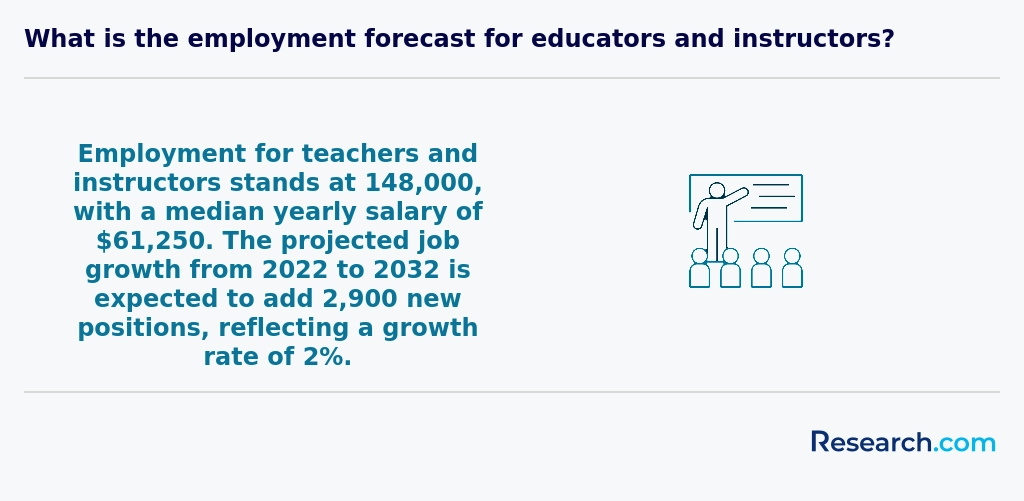
To make an informed decision about which education degree program to pursue in Lincoln, NE, prospective students should research and consider several factors, including the program's reputation, curriculum, faculty expertise, and available specializations. A critical step in this process is exploring the most popular education school options in the area, as these institutions often offer a range of programs that cater to different interests and career goals. By evaluating these factors and considering the specific needs and aspirations of each student, individuals can select a program that aligns with their objectives and sets them up for success in their future careers.
Imagine walking through the halls of the University of Nebraska-Lincoln, your dreams of becoming a transformative educator fueled not just by passion but by tangible support. Many graduates recall the relief of receiving a Federal Pell Grant-up to $7,395 for those who qualify-like a financial breath of fresh air when tuition costs loom large.
State-backed boosts, such as the Nebraska Opportunity Grant, weave deeper relief into this journey, especially for those attending local institutions. Alumni often share how these funds lightened the burden, making education more attainable without drowning in loans.
Scholarships from local champions, like the Nebraska State Education Association, come with heartfelt encouragement and sometimes a promise to give back through teaching in Nebraska's classrooms. It's not just aid but a community rallying around future teachers.
Graduate students frequently find their financial anchors in assistantships offering tuition waivers plus stipends, turning daunting expenses into manageable monthly steps while gaining invaluable hands-on experience.
And for those ready to teach in underserved schools, the Teacher Loan Forgiveness Program feels like a reward for commitment-up to $17,500 wiped away after five years, transforming dedication into freedom from debt.
As many education graduates contemplate long-term career growth, exploring advanced degrees and specialized certifications becomes increasingly important. Pursuing a master’s program or a specialized field of study not only deepens expertise but also significantly enhances career prospects. For instance, educators aiming to diversify their credentials might consider exploring programs that complement their teaching background, such as the cheapest masters in library science. This pathway can open doors in academic research, school administration, or even positions within school libraries and community learning centers. Moreover, advanced studies often provide access to valuable networking opportunities, mentorship programs, and real-world projects that keep graduates at the forefront of evolving educational methodologies. With the rapid digital transformation in education, hybrid and online advanced degree programs are also gaining traction, offering flexible learning environments tailored for working professionals. This section aims to guide prospective students in evaluating advanced educational pathways, ensuring they find programs that align with both their career ambitions and lifestyle needs.
To step into an education degree program in Lincoln, imagine first holding your high school diploma like a golden key-community colleges and universities here recognize it as your essential pass to the realm of teaching. Graduates often recall that gathering their transcripts felt like collecting chapters of their academic story, especially showcasing strengths in English and social studies, the foundation stones for shaping future minds.
Picture the nervous excitement of sending off your SAT or ACT scores to a school known for education, only to find that many Lincoln schools have embraced test-optional policies, freeing hopefuls from traditional score pressures. This shift breathes fresh air into the process, letting your passion and past efforts take center stage.
Letters of recommendation and heartfelt personal statements become your whispering advocates in the admissions room, telling stories of your commitment and dreams. Those pursuing advanced studies in Lincoln must bring a bachelor's degree to the table, sometimes seasoning it with relevant work experience to unlock specialized tracks like educational administration, ensuring readiness to lead.

Navigating the teacher certification and licensure process in Nebraska is a critical step for graduates of education degree programs. To become a licensed teacher, candidates must complete the following requirements: 1. Complete an accredited teacher preparation program. Ensure your institution is approved by the Nebraska Department of Education and that you’ve fulfilled all supervised student-teaching hours. 2. Pass the required PRAXIS exams. Nebraska mandates proof of subject-matter competency through PRAXIS Core Academic Skills for Educators (reading, writing, math) and PRAXIS Subject Assessments aligned with your teaching field. 3. Submit a fingerprint-based background check. Safety for K–12 students is paramount; clear background results are needed before licensure. 4. Apply for the Initial Teaching Certificate via the Nebraska Educator Certification System (NECS). You’ll upload transcripts, test scores, and verification of program completion. 5. Maintain continuing education. Nebraska teachers must renew certification every five years by completing Professional Development Units (PDUs) in areas like instructional strategies, classroom management, and diversity in education. For educators considering advanced roles or university-level teaching, exploring the Most Affordable Online Doctorate in Education Degree Programs Ranking in Virginia Beach, VA can help you identify cost-effective doctoral pathways that align with licensure reciprocity and specialized endorsements.
Picture yourself diving into courses like Introduction to Education, where Lincoln's vibrant classrooms come alive through stories from recent graduates who found their first spark here. Imagine unraveling the mysteries of Educational Psychology, exploring how children's minds in Nebraska's diverse schools grow and learn, just as many local students experienced firsthand in engaging lectures at the University of Nebraska-Lincoln.
In Curriculum and Instruction, you'll craft lesson plans inspired by the real challenges and triumphs seen in Lincoln's public schools, blending creativity with strategy. Hands-on Classroom Management sessions prepare you for the bustling energy of local classrooms, turning theory into practice - many graduates describe these moments as eye-opening.
Special education and technological tools aren't just buzzwords here; they're courses rooted in the needs of Lincoln's inclusive community, where future teachers design lessons with empathy and innovation. The capstone is Student Teaching, where all those lessons meet the bright, expectant faces of children across Lincoln, an experience that many find deeply rewarding and unforgettable.
In Lincoln, education degree specializations come alive through diverse paths that graduates eagerly embrace. Imagine walking the vibrant halls of a popular university here where students dive into Elementary Education, shaping curious young minds from kindergarten through fifth grade with infectious enthusiasm. Others find their spark in Secondary Education, mastering subjects like history or math, feeling the thrill as they envision sparking passion in high school students.
The journey doesn't stop there. Special Education specialization draws those with compassionate hearts eager to support children facing diverse challenges, echoing the growing need within Nebraska's schools. Early Childhood Education captivates graduates who cherish the wonder of early development phases, while Educational Leadership attracts bold learners ready to transform school systems from the inside.
Prospective teachers navigating education degree specializations in Lincoln Nebraska often share excitement about affordability and impactful training. Some even discover even more tailored routes through programs like the cheapest masters in library science, blending passion with pragmatic choices.
Imagine walking the leafy grounds of the University of Nebraska-Lincoln, where graduates often recall how choosing the right education degree was like finding the perfect key to unlock their teaching dreams. For those chasing the best education degree programs in Lincoln, think beyond the classroom walls-seek out programs where accreditation is guaranteed, ensuring your diploma is a golden ticket in Nebraska's job market.
Consider affordability like a wise friend whispering in your ear: public universities here offer in-state tuition around $9,000 annually, much kinder on your wallet than pricey private options. Many graduates fondly remember juggling costs while balancing scholarships and assistantships, creating a manageable path to their goals. When exploring affordable education degrees Lincoln NE is home to, don't overlook how flexible schedules and specializations, such as early childhood education or educational technology, can tailor your journey.
Field experiences felt like stepping stones for others, connecting classroom theory with real-world Lincoln Public Schools. If you want to explore more options beyond the city, dive into rankings like the Most Affordable Online Doctorate in Education Degree Programs Ranking in Virginia Beach, VA to imagine pathways that extend your learning horizons.
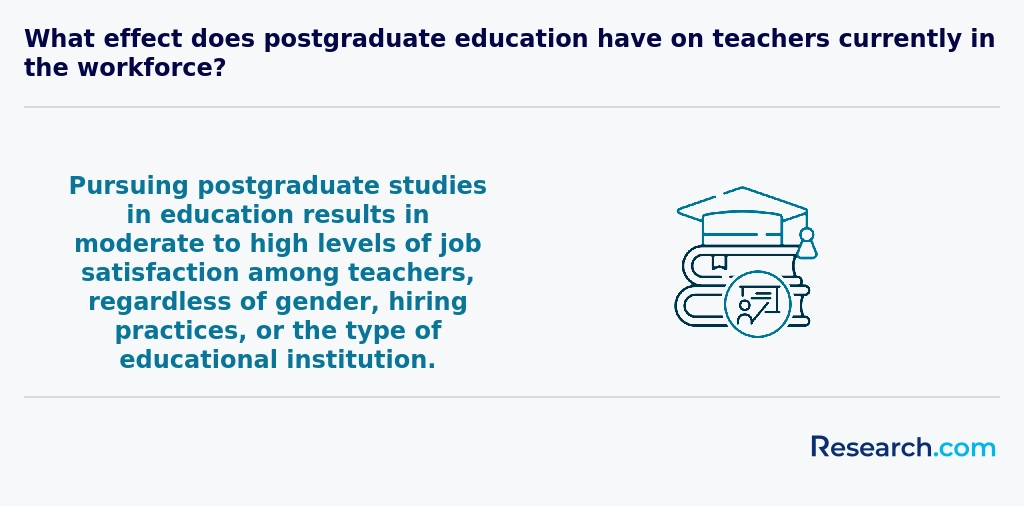
Graduates armed with an education degree in Lincoln find themselves stepping into a vibrant mosaic of career paths that extend far beyond the typical classroom. Many dive into teaching jobs for education graduates Lincoln, becoming inspiring elementary or secondary school teachers who craft lessons that spark curiosity and growth in young minds. Others channel their passion into becoming school counselors or instructional coordinators, weaving support systems and innovative curricula that transform classrooms into dynamic learning hubs.
At institutions like the University of Nebraska-Lincoln, graduates often reflect on how accessible tuition fueled their journey toward roles as educational administrators or specialists in areas like early childhood education and tech integration. These roles bring leadership opportunities, where managing programs or blending digital literacy into lessons energizes entire schools and communities.
For those dreaming even wider, education degree career opportunities in Lincoln include thriving in nonprofit organizations or spearheading community education initiatives. The region's emphasis on STEM creates fresh spaces for creative minds to innovate. Exploring different college majors helps shape a future rich with possibilities, making each career path a personal story of impact and fulfillment.
The job market for education degree graduates in Lincoln pulses with steady opportunity, shaped by the city's diverse educational landscape. Those stepping out of the University of Nebraska-Lincoln or local community colleges find roles ranging from kindergarten and elementary teaching to specialized education and instructional design. For many graduates, the local emphasis on professional growth within Lincoln Public Schools brings a welcomed sense of purpose and stability in their career journey, reflecting the positive teacher career outlook Lincoln Nebraska residents often discuss.
Imagine walking the corridors of a bustling elementary school, knowing your efforts contribute to a thriving community and that your salary-close to the state median-offers a solid foundation. Graduates appreciate that the cost of education here keeps college debt manageable, especially compared to other states, making the pursuit rewarding both professionally and financially. To those wondering about pathways and ease in this field, resources explain which is the easiest degree to get, guiding smart decisions.
2027 Most Popular Education Degree Programs Ranking in Lincoln
Investing in your education is a significant decision that can shape your future, and the Research.com team understands the importance of making informed choices. To assist prospective students in Lincoln, we have meticulously crafted the "2027 Most Popular Education Degree Programs Ranking in Lincoln." Our commitment to quality, credibility, and accuracy is reflected in the extensive research and analysis conducted to compile this ranking.
We utilized the following reputable data sources to ensure a comprehensive evaluation of education degree programs:
By exploring this ranking, readers will gain valuable insights into the most popular education degree programs available in Lincoln, enabling them to make informed decisions about their academic and professional futures. For more details on our methodology, please visit our Research.com methodology page.


Frequently Asked Questions About education
Education degree students in Lincoln can maximize their learning experience by actively engaging with local schools through internships or student-teaching placements. Lincoln Public Schools collaborate with universities to offer practical fieldwork, which research shows increases graduate readiness by 25%. Students should also utilize campus resources such as tutoring centers and academic advising, tailored for education majors. Participating in study groups focused on pedagogy and curriculum development enhances understanding and retention. According to the Nebraska Department of Education, education students with hands-on experience in Lincoln classrooms achieve higher certification exam pass rates. Attending local workshops and conferences also exposes students to current teaching methods and educational technologies.
Emerging niches within the education field in Lincoln reflect broader national trends emphasizing technology, inclusivity, and mental health. One growing area is educational technology (EdTech), where educators design and implement digital tools to improve learning outcomes. According to the Nebraska Department of Education, Lincoln schools increasingly adopt these technologies, requiring experts trained in both education and digital platforms.
Another important niche is special education with a focus on neurodiversity, addressing the needs of students with autism and learning disabilities. Demand for specialists in these areas is rising rapidly in Lincoln's public schools.
Additionally, school counseling and mental health support are critical, especially after the pandemic, with Lincoln reporting a surge in student support services. These niches offer promising career paths for education graduates.
After completing an education degree in Lincoln, graduates should focus on building practical skills and professional networks to enter the job market successfully. Participating in student teaching internships is essential; Lincoln schools often collaborate with universities to provide valuable classroom experience. According to the Nebraska Department of Education, about 75% of education graduates secure jobs within six months of graduation, highlighting the importance of these hands-on opportunities.
Networking with local educators and joining professional organizations such as the Nebraska State Education Association can improve job prospects. Additionally, preparing for state licensure exams is critical, as passing these tests is required to teach publicly in Nebraska.
Continuous professional development and attending education job fairs in Lincoln further enhance a graduate's employability in the competitive market.
Employers in Lincoln highly value education degree graduates who demonstrate strong classroom management skills. Effective management not only supports learning but also fosters a positive learning environment. According to the Nebraska Department of Education, 78% of hiring administrators emphasize communication skills as essential for success in local schools.
Pedagogical knowledge and adaptability are also critical. Graduates must be able to tailor instruction to diverse student needs, including those from varied cultural and socio-economic backgrounds. Data from the Lincoln Public Schools district shows that candidates with experience in differentiated instruction are preferred.
Additionally, technological proficiency is increasingly important. Lincoln educators are expected to integrate digital tools to enhance engagement and learning outcomes. A 2023 survey by the Nebraska Education Technology Association reports 65% of employers seek candidates skilled in educational technology applications.
Finding internships in Lincoln relevant to an education degree involves several practical steps. Begin by exploring opportunities at the University of Nebraska-Lincoln (UNL), which partners with local schools to offer teaching internships. According to UNL's College of Education, these positions provide hands-on classroom experience essential for licensure.
Local school districts such as Lincoln Public Schools also post internship openings on their websites, targeting education majors seeking practical training. Networking with faculty advisors can help identify less-advertised placements in nearby elementary and secondary schools.
Moreover, career fairs hosted by Lincoln colleges often feature education organizations recruiting interns. The Lincoln Chamber of Commerce and local nonprofit tutoring centers occasionally offer internships focused on educational support roles.
In Lincoln, obtaining an education degree significantly enhances career mobility and advancement opportunities within the regional job market. According to the Nebraska Department of Labor, educators with formal degrees see a higher likelihood of promotion to leadership roles such as curriculum coordinators or school administrators.
The U.S. Bureau of Labor Statistics reports that teachers with bachelor's or master's degrees typically earn 15-25% more than those without. In Lincoln, this pay differential supports upward mobility, making advanced degrees a valuable investment.
Several Lincoln institutions offer specialized education degrees aligned with Nebraska state certification, increasing employability in public and private sectors.
Overall, possessing a recognized education degree in Lincoln not only improves access to diverse teaching roles but also facilitates progression into influential positions in the education system.
Studying for an education degree in Lincoln equips students with skills applicable across multiple disciplines, reflecting the growing need for versatile educators. Many local programs emphasize collaboration between education, psychology, and social sciences, fostering an interdisciplinary approach. This preparation aligns with Lincoln's diverse school district requirements, where teachers often address varied student needs.
According to the Nebraska Department of Education, 28% of graduates from Lincoln's education programs pursue roles that integrate technology, counseling, and curriculum design. Coursework frequently covers topics such as special education, educational technology, and community engagement, enabling graduates to work effectively in multidisciplinary teams.
Hands-on experiences, like internships in schools and community centers throughout Lincoln, further solidify this interdisciplinary readiness.
Choosing between a thesis and a non-thesis education degree program in Lincoln depends largely on your career goals and learning preferences. Thesis programs typically focus on research, requiring you to complete an original study. These are ideal if you plan to pursue a doctoral degree or work in academic research. Non-thesis programs often emphasize practical skills, with additional coursework or projects instead of a research paper. According to the Nebraska Department of Education, Lincoln State University offers both options, with about 40% of education master's candidates opting for thesis tracks in 2023.
Thesis tracks demand strong writing and analytical abilities, and they may extend your study time by several months. Non-thesis tracks allow more flexibility and often suit professionals aiming to advance in K-12 teaching or administration without a research focus.
Students based in Lincoln interested in studying education abroad have several pathways within the US higher education system. Many universities in Lincoln, such as the University of Nebraska-Lincoln, offer study abroad programs that allow education majors to gain international experience while earning credits.
These programs often include partnerships with universities in countries such as the United Kingdom, Australia, and Spain. According to the Lincoln Chamber of Commerce, about 15% of local higher education students participate in study abroad annually, reflecting a growing interest.
Additionally, some institutions provide exchange programs or fieldwork opportunities abroad to enhance practical teaching skills. Students can also pursue online international degrees accredited in the US, combining global perspectives with local recognition.
Lincoln offers various part-time job opportunities that complement education degree studies, providing practical experience alongside academic learning. Many students find work as teacher's aides within local Lincoln Public Schools, where they assist certified teachers with classroom management and student tutoring.
Another popular option is working in after-school programs or youth organizations such as the Lincoln YMCA. These roles help develop skills in child engagement and lesson planning.
According to Nebraska Department of Education reports, nearly 35% of education students in Lincoln engage in internships or related part-time roles, emphasizing the value of combining work and study.
Positions in libraries or educational nonprofits around the University of Nebraska-Lincoln also offer relevant experience in curriculum support and literacy development.
Education students in Lincoln have access to various networking opportunities that can enhance their academic and professional growth. The University of Nebraska-Lincoln hosts multiple education-focused events, including workshops and seminars, which connect students with faculty and local education professionals. According to the university's 2023 Career Services report, around 70% of education students participated in networking events, internships, or mentorship programs.
The Lincoln Public Schools district also offers partnership programs, allowing students to gain direct classroom experience and build relationships with practicing educators. Additionally, professional organizations like the Nebraska State Education Association organize conferences and local meetups in Lincoln, providing valuable contacts within the state's education community.
Alumni networks offer valuable benefits to education degree students in Lincoln by fostering connections that can enhance career opportunities. Graduates from schools like the University of Nebraska-Lincoln often engage with these networks, which provide mentoring, internships, and job referrals within local and regional school districts. According to the Nebraska Department of Education, over 70% of new teachers find employment through recommendations from their professional contacts, including alumni connections.
Participation in alumni events and workshops also helps current students build professional skills and stay informed about industry trends. These networks create a supportive community, encouraging collaboration and lifelong learning among education professionals in Lincoln.
In Lincoln, customizing your education degree program to align with your career goals is possible through various flexible options offered by local universities. Most institutions allow students to choose specialized tracks such as early childhood education, special education, or educational leadership. According to data from the Nebraska Department of Education, tailoring your coursework can enhance employability in specific sectors of education.
Many programs in Lincoln also offer elective courses, internships, and student teaching placements that match your interests and career aspirations. These real-world experiences are crucial for professional development and networking.
Additionally, some schools provide evening and online classes, enabling working professionals to adjust their studies to their schedules. Exploring certification options alongside your degree, such as ESL or reading specialist credentials, can further refine your expertise and open diverse job opportunities.
Education students in Lincoln commonly face challenges related to balancing rigorous coursework with field experiences. Many programs require students to complete extensive classroom observations and student teaching hours, which can be demanding alongside academic responsibilities.
Additionally, navigating certification requirements in Nebraska adds complexity. According to the Nebraska Department of Education, students must pass content and pedagogy exams, which some find stressful and time-consuming.
Financial strain is another concern; while Lincoln offers scholarships and assistantships, tuition and related expenses remain significant barriers for many.
Lastly, adapting to diverse classroom settings in Lincoln's varied school districts requires strong cultural competence and flexibility, skills that students must actively develop during their studies.
With an education degree in Lincoln, graduates can pursue several professional certifications to enhance their teaching careers. One common certification is the Nebraska Teaching Certificate, required to teach in public schools across the state. This certificate verifies that candidates meet state standards, including passing the Praxis exams.
Additionally, educators may seek endorsements in specialized areas such as special education, English as a Second Language (ESL), or elementary and secondary content areas. These endorsements allow teachers to work with diverse student populations.
For experienced teachers aiming for leadership roles, certifications like National Board Certification are valued. According to the Nebraska Department of Education, Lincoln educators increasingly pursue such advanced credentials to improve instructional skills and career development.
To write a winning application for an education program in Lincoln, start by researching the specific requirements of your target institution. Many programs emphasize a clear statement of purpose that highlights your passion for teaching and your career goals. According to the University of Nebraska-Lincoln's College of Education, applicants should demonstrate relevant experience, including volunteer work or internships, to strengthen their profile.
Academic transcripts play a key role; maintaining a GPA of 3.0 or higher is often recommended. Additionally, strong letters of recommendation from educators or supervisors can enhance your application.
Pay attention to deadlines and tailor each application specifically to the program's values and mission statements.
Education careers in the United States, including Lincoln, are increasingly viewed through a global lens. Teachers and administrators often benefit from international exchanges and collaborative programs that enhance skills and cultural understanding. According to the National Center for Education Statistics (NCES), about 40% of education graduates pursue careers in diverse settings, reflecting growing demand for global competencies.
Lincoln's education programs emphasize preparing students for global challenges, with opportunities for study abroad and curricula aligned with international standards. The U.S. Department of Education highlights that educators with global perspectives can better address multicultural classrooms and evolving educational technologies.
Gaining practical experience while studying for an education degree in Lincoln is essential for developing classroom skills. Many programs include student teaching placements, where you work directly in local Lincoln public schools under the supervision of experienced teachers. According to the Nebraska Department of Education, these placements usually last one to two semesters and offer hands-on experience with lesson planning and classroom management.
Additionally, Lincoln schools and nearby districts often collaborate with universities to provide internships and volunteer opportunities. These allow you to observe diverse teaching styles and engage with students in real educational settings. Participating in these activities is commonly required to meet certification standards in Nebraska.
Choosing the right concentration within an education degree program in Lincoln involves evaluating your career goals and local job market needs. Popular focuses include early childhood education, special education, and curriculum development. According to the Nebraska Department of Education, Lincoln Public Schools employs many specialists, signaling demand in areas like special education and TESOL.
Consider how each concentration prepares you for licensure exams required in Nebraska, such as the Praxis test. Also, research Lincoln's available practicum placements, since hands-on experience can differ by concentration. Local universities often publish graduate employment rates, which can help gauge the success of specific tracks.
Finally, reach out to academic advisors familiar with Lincoln's education sector to align your preferences with market trends effectively.
- 2027 Most Popular Education Degree Programs Ranking in Kansas City
- 2027 Most Popular Education Degree Programs Ranking in Des Moines
- 2027 Most Popular Education Degree Programs Ranking in Wichita
- 2027 Most Popular Education Degree Programs Ranking in Dubuque
- 2027 Most Popular Education Degree Programs Ranking in Minneapolis
- 2027 Most Popular Education Degree Programs Ranking in Denver
- 2027 Most Popular Education Degree Programs Ranking in Colorado Springs
- 2027 Most Popular Education Degree Programs Ranking in River Forest
- 2027 Most Popular Education Degree Programs Ranking in Chicago
- 2027 Most Popular Education Degree Programs Ranking in Denton
See What Experts Have To Say About Studying Education
Read our interview with Education experts


Nooshan Ashtari
Education Expert
Professor & Book Author
University of Southern California

- Online Learning vs Traditional Learning Comparison https://advantagesschool.com/online-learning-vs-traditional-learning/
- 18 Highest Paying Jobs With an Education Degree (not teaching) | Devlin Peck https://www.devlinpeck.com/content/jobs-with-an-education-degree
- Promising Niches in the Global EdTech Landscape - Blog https://rocketech.it/blog/post/global-edtech-landscape-what-niches-are-the-most-promising
- Student Expectations and Perceptions of Higher Education - ACA https://aca-secretariat.be/newsletter/student-expectations-and-perceptions-of-higher-education/
- The 8 challenges of education in a changing world https://casvitrescantos.com/en/the-8-challenges-of-education-in-a-changing-world/
- Common Learning Challenges K-12 Students Face How to Overcome Them - eTutorWorld https://www.etutorworld.com/blog/common-learning-challenges-k-12-students-face-how-to-overcome-them/
- Early Childhood Education (PK-4) and Special Education (PK-12) - Dual https://www.lincoln.edu/academics/sace/graduate-programs/master-education/early-childhood-education-and-special.html
- Bachelor of Education https://www.lincoln.edu.my/bachelor-of-education/
- Bachelor of Education Degree (Here's What To Expect) https://www.alleducationschools.com/teaching-degrees/bachelors-in-education/
- Top 10 Effective Networking Tips for Students https://www.unfc.ca/blog/networking-tips-for-students