
2027 Most Popular Education Degree Programs Ranking in Kansas City

Co-Founder and Chief Data Scientist
Choosing the right education degree program can be both exciting and overwhelming for students in Kansas City. To help you navigate this important decision, this article features the 2027 Most Popular Education Degree Programs Ranking in Kansas City, developed by the Research.com team of data scientists.
By exploring this ranking, you'll gain valuable insights into programs that stand out for quality and relevance. Pursuing an education degree opens doors to rewarding careers that make a difference. This guide is designed to support your journey with clear, trustworthy information you can rely on.
Key benefits of getting education degree in Kansas City
- Salary for education degree graduates: Graduates can expect competitive salaries, such as $76,000 annually for Special Education Teachers and $77,200 for Instructional Designers, reflecting strong earning potential in education careers.
- Career paths: A graduate from a Kansas City university often explores roles like Early Childhood Educator or ESL Teacher, enjoying diverse opportunities to impact student lives positively.
- Benefits of online degrees: Online education degrees from Kansas City institutions offer flexible schedules and affordability, allowing graduates to balance work and study while advancing their careers efficiently.
- 2027 Most Popular Education Degree Programs Ranking in Kansas City
- What can I expect from education degree in Kansas City?
- Where can I work with education degree in Kansas City?
What can I expect from education degree in Kansas City?
Tuition for education degrees in Kansas City generally runs around $8,500 per year for in-state undergraduates at the University of Missouri-Kansas City (UMKC), a rate that many graduates find manageable compared to national averages. Students share how budgeting for tuition alongside certification exam fees and classroom materials became a clear focus early in their studies, helping them feel confident about managing expenses.
At institutions like Rockhurst University and Avila University, costs may vary, but the investment often feels justified given the hands-on teaching practicum experience integrated into programs. These practical components not only fulfill Missouri's certification requirements but also reduce uncertainty about stepping into classrooms, as recent graduates express relief having had real-world exposure before entering the workforce.
Considering these factors, aspiring educators in Kansas City can realistically plan finances by combining tuition, exam fees, and supplies. This clarity helps students stay motivated, knowing that their educational investment directly supports their goal of becoming effective, prepared teachers in diverse local schools.
Where can I work with education degree in Kansas City?
Graduates with an education degree in Kansas City often find their first roles within the Kansas City Public Schools system, which employs over 4,700 teachers. Many education students from the University of Missouri-Kansas City and Kansas City Kansas Community College secure teaching positions across elementary, middle, and high schools, gaining rewarding classroom experiences early in their careers.
Others leverage their degrees into administrative paths like becoming curriculum coordinators or academic advisors, often after earning additional certifications. These roles allow graduates to impact education on a broader scale while building leadership skills.
Higher education also welcomes education graduates as academic counselors or adjunct instructors, especially as metro area colleges expand. Graduates enjoy supporting future teachers and students, which alumni often describe as fulfilling and motivating work.
For those passionate about supporting diverse learners, special education offers fast-growing opportunities. Many graduates find meaningful employment working directly with students who have unique needs, a niche that combines passion with strong job security.
Beyond schools, education degree holders thrive as program coordinators at nonprofits or policy analysts in government agencies, roles that influence community well-being and educational equity. This variety ensures you can match your career to your strengths and interests in Kansas City's vibrant education landscape.
Graduates with an education degree from Kansas City institutions like the University of Missouri-Kansas City often see solid starting salaries aligned with regional and national data. For example, elementary school teachers can expect to earn around $70,740 annually, reflecting the local job market's healthy demand. Special education teachers typically make even more, averaging about $76,000 per year, providing a rewarding career path both professionally and financially.
Those focusing on early childhood education usually earn closer to $41,410 annually, which is a practical figure for entry-level roles in the community. Instructional designers, a growing niche for education degree holders using technology in learning, can command salaries near $77,200, showing strong potential if you enjoy curriculum development and digital tools.
ESL teachers can look forward to an average salary of $65,430, which is encouraging for graduates aiming to support diverse student populations. Many Kansas City graduates share how local schools appreciate staff who bring certifications or master's degrees, often leading to higher pay and leadership roles that greatly boost income potential.
- Tuition for education programs in Kansas City ranges from $8,000 to $15,000 per year at public colleges for in-state students, and $20,000 to $35,000 at private institutions.
- Entry-level teachers can expect starting salaries between $42,000 and $48,000 annually, with experienced educators earning around $60,000 to $65,000 per year.
- The job market is stable with growing demand for teachers in special education, STEM, and early childhood education areas.
- Local universities offer bachelor's, master's, and doctoral education degrees with practical student teaching experiences within Kansas City's schools.
- Financial aid, scholarships, and loan forgiveness programs are available especially for those teaching in high-need urban or rural schools.
Completing a bachelor's degree in education in Kansas City typically takes about four years for full-time students. For example, graduates from the University of Missouri-Kansas City often describe their experience as well-paced, balancing coursework with valuable student-teaching practicums. These hands-on experiences provide real classroom exposure, making the timeline feel rewarding and practical.
Master's degrees usually require 1.5 to 2 years full-time, though many students at local colleges choose part-time or evening programs. This flexibility helps working professionals extend their study over three years or more without sacrificing quality. Graduates commonly share that this approach allows them to manage jobs and family commitments while advancing their careers.
Doctoral degrees, such as EdD or PhD, generally take four to six years full-time in Kansas City institutions, with part-time options extending beyond seven years. Those pursuing doctorates often highlight the intense yet fulfilling journey of research and dissertation writing.
In all cases, enrollment status and program choice strongly influence completion time, so planning with an academic advisor at schools like UMKC ensures a tailored and successful timeline.
To practice as a K-12 educator after earning your education degree in Kansas City, MO, you must secure licensure through the Missouri Department of Elementary and Secondary Education (DESE). First, complete an accredited educator preparation program that includes student-teaching hours and supervised field experience. Next, register for and pass the required PRAXIS Core and Specialty assessments-typically Core Academic Skills for Educators and a subject-specific PRAXIS exam. Once you have your test scores, submit your application via the DESE Educator Certification System, including official transcripts, proof of completed coursework, and background check clearance. Fingerprint-based criminal history checks are mandatory and can take several weeks to process, so plan accordingly. After initial certification, Missouri offers a clear renewal pathway: accumulate at least 30 continuing education units (CEUs) or graduate credits every five years, or complete an approved professional development plan. If you hold an out-of-state license, Missouri participates in the NASDTEC Interstate Agreement, allowing for streamlined reciprocity provided your credentials meet DESE benchmarks. For those exploring affordability and flexibility, consider comparing cost-effective online options alongside in-state programs-see our Affordable Online Education Degree Programs Ranking in Pensacola, FL to identify quality pathways that fit your budget. Understanding these certification requirements upfront will ensure a smooth transition from graduation to the classroom and position you for long-term success in Missouri’s rewarding teaching profession.
Choosing between online and on-campus education degrees in Kansas City depends on your lifestyle and learning preferences. Online programs, such as those at the University of Missouri-Kansas City (UMKC), offer flexibility to study remotely, perfect for working adults balancing jobs or family. Graduates often appreciate finishing coursework on their own time without commuting, saving money on transportation and housing.
On-campus degrees, like those at UMKC or Rockhurst University, offer more in-person interaction, ideal for students who thrive on discussions and hands-on experience. Many graduates highlight how collaborating directly with peers and professors in classrooms or local school placements deepened their understanding and confidence. The structured schedule also helps maintain focus and accountability.
Cost-wise, in-state tuition typically ranges from $7,000 to $9,000 annually regardless of format, but online programs can cut extra campus fees. Both pathways lead to Missouri teacher certification once supervised teaching hours are completed, making it crucial to choose the environment where you'll stay motivated and engaged throughout the process.
Understanding your potential earnings is a crucial factor when choosing an Education degree program in Kansas City, MO. Graduates often report that their degrees can lead to stable career trajectories with competitive salaries. While average earnings vary by role and experience, entry-level positions, such as teaching assistants or early childhood educators, typically start around $35,000 to $40,000 annually. More experienced educators, curriculum specialists, and instructional designers can see salaries ranging from $60,000 to $75,000 per year, with leadership roles in schools or administrative positions frequently exceeding these figures. Additionally, specialized roles in areas like special education or educational technology may command premium salaries due to the high demand for those skill sets. For a broader perspective on related degree outcomes and strategies to maximize your return on investment, consider exploring library science master's programs online, which offer financial and market advantages in fields with overlapping educational competencies. Ultimately, earning potential is influenced by factors such as level of education, years of experience, and chosen specialization, empowering you to tailor your career path toward both personal fulfillment and financial stability.
The average cost of an education degree in Kansas City typically centers around $54,303 for out-of-state students, while in-state students benefit from a lower median total cost of about $42,000. Graduates from public institutions like the University of Missouri-Kansas City often reflect on balancing these costs carefully, appreciating the value of in-state tuition savings combined with community resources.
Many students start at community colleges, such as Metropolitan Community College, where the in-district tuition per credit hour ranges between $120 and $150. This affordable option can make the initial stages of earning an education degree more manageable, typically costing between $4,000 and $6,000 annually. Graduates recall how this pathway eased the financial burden, allowing them to focus on their studies and transfer seamlessly to four-year programs.
Additional costs greatly impact the total expenses for a Kansas City education degree. Fees for student services, course materials, and technology add several hundred to over a thousand dollars per year, while textbooks and supplies generally range from $700 to $1,200 annually. Living expenses, whether on-campus or off, are another significant factor students face, which can vary widely but remain a major component of the overall budget for a degree in education in Kansas City.
Private universities such as Rockhurst University command higher tuition fees-around $42,000 annually-but many graduates highlight the availability of scholarships and financial aid that can substantially reduce these costs. For prospective education students exploring options and hoping to manage total expenses effectively, reviewing the most popular education colleges provides a practical starting point to compare programs and costs in Kansas City.
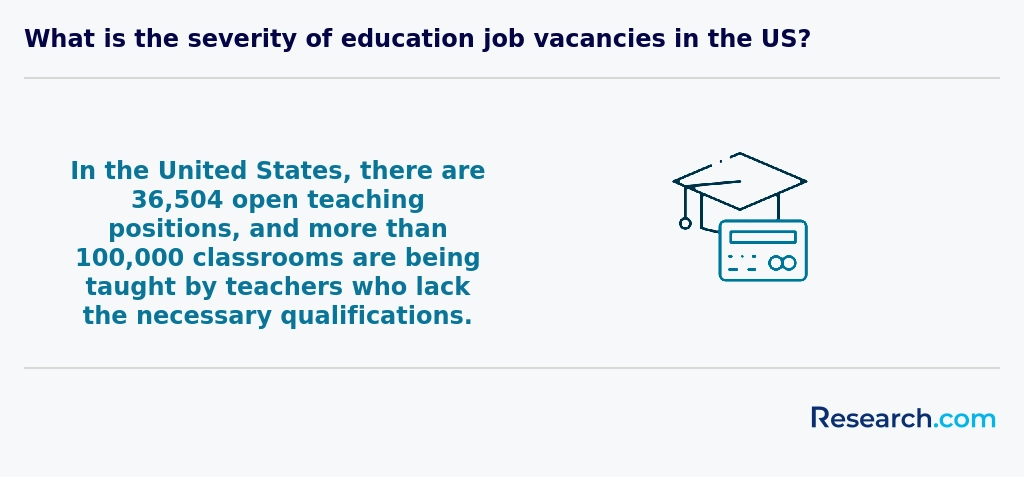
Earning an Education degree in Kansas City, MO is only the first step toward a rewarding teaching career; obtaining Missouri teacher certification is essential for classroom placement and long-term professional growth. In Missouri, candidates must complete both academic and licensure requirements, including: • Approved Program Completion: Graduate from a state-accredited teacher preparation program, which integrates coursework in pedagogy, subject matter, and practicum experiences. • Content Assessment: Pass the Missouri Content Assessment (MoCA) for your subject area to demonstrate mastery of grade-level standards. • Professional Knowledge Exam: Achieve a qualifying score on the Missouri Educator Gateway Assessments (MEGA)–Assessment of Professional Knowledge, which evaluates instructional strategies and professional responsibilities. • Clinical Teaching Experience: Fulfill at least 12 weeks of supervised student teaching in a Missouri K-12 classroom, applying theory to practice under the mentorship of experienced educators. • Character and Fitness: Submit to a criminal background check and fingerprinting to ensure the safety of Missouri students. • Application and Fees: Complete the online application through the Missouri Department of Elementary and Secondary Education (DESE) portal and pay the required licensure fee, typically around $50 per certificate type. Alternative Certification Pathways • MO Troops to Teachers: Veterans can leverage this streamlined route, which waives certain requirements in recognition of military training. • Degree+PLUS Alternative Program: Candidates with a bachelor’s degree in a non-education field can enter teaching by completing targeted pedagogy coursework and supervised practicum. Ongoing Renewal and Advanced Certification Missouri certificates are valid for five years and can be renewed by completing continuing education credits or earning a master’s degree. Those seeking leadership roles may pursue the Administrative Certificate, which requires additional coursework in school finance, law, and leadership. For candidates exploring flexible, cost-effective pathways, consider programs featured in our Affordable Online Education Degree Programs Ranking in Pensacola, FL, which offer fully accredited online routes aligned with Missouri’s certification standards.
Education students in Kansas City can access a range of financial aid options that significantly ease the burden of tuition and living costs. Most start by applying for federal aid, such as Pell Grants, which provide up to $7,395 a year without needing repayment. Graduates from local schools often share how these grants allowed them to focus on coursework instead of stressing over day-to-day expenses.
Federal student loans also offer manageable repayment plans designed for teachers, making long-term financial planning practical. State programs provide additional support through Missouri's teacher scholarships and loan forgiveness, especially appealing to those aiming to work in high-need Kansas City urban schools.
Many education students at the University of Missouri-Kansas City mention how university-specific scholarships, awarded based on academic merit and program progress, helped them stay motivated and remain financially stable. Additionally, local nonprofits frequently offer scholarships targeted at underrepresented students, creating opportunities for those passionate about teaching but facing financial obstacles.
Pursuing an education degree in Kansas City, MO, is a strategic decision for those passionate about teaching and making a difference in their community. By investing in an education degree, individuals can secure a rewarding career with competitive salaries, such as ESL teachers earning an average of $63,130 annually and instructional designers making around $73,080 per year. The city's vibrant educational landscape, coupled with its growing demand for skilled educators, makes it an ideal location for education degree holders to thrive. For those interested in exploring top-ranked education programs, checking out the most popular education colleges can provide valuable insights into the best institutions for their academic pursuits. With the right education degree, graduates can look forward to a fulfilling career that not only offers personal growth but also contributes to the betterment of their community.
To enroll in an education degree program in Kansas City, start by securing a high school diploma or equivalent, as most programs require this foundational step. Graduates from well-known local colleges recall how presenting a solid transcript with good grades helped them gain confidence from admissions committees.
If you're aiming for a graduate degree like a Master's in Education, ensure you have a bachelor's degree with at least a 2.75 to 3.0 GPA from an accredited institution. This benchmark often reflects the competitive standards found at Kansas City universities where many graduates eagerly recall meeting those GPA requirements as a key milestone.
Additionally, expect to complete background checks and coursework aligned with Missouri's teaching licensure standards. This includes practical training in child development and pedagogy, preparing you for state exams. Graduates often describe this phase as challenging but ultimately rewarding, imagining their future classrooms.
Other prerequisites include letters of recommendation, a personal essay expressing your passion for education, prerequisite courses depending on your focus, and proof of U.S. residency. These steps reflect real practices at Kansas City's education programs, helping you stay organized and positive throughout your application journey.

Earning an education degree in Kansas City, MO is only the beginning-prospective teachers must also secure licensure through the Missouri Department of Elementary and Secondary Education (DESE). Understanding these requirements early will help you choose programs that align with state standards and streamline your path to the classroom. Missouri certification typically involves the following steps:
- Complete a DESE-approved educator preparation program, which includes a supervised student-teaching component.
- Pass the Missouri General Education Assessment (MoGEA) and the appropriate Missouri Content Assessments for your subject area.
- Submit fingerprints and undergo a criminal background check through DESE Web Applications.
- Apply online for an Initial Professional Certificate via the DESE portal and pay the required fees. Once certified, teachers progress from the Initial Professional Certificate (valid for three years) to the Professional Educator Certificate (renewable every five years). Renewal requires documented professional development hours and, for some specializations, successful performance evaluations. Missouri also maintains reciprocity agreements with many states-if you hold an out-of-state teaching license, you may qualify for an expedited process. To ensure your chosen program meets these licensure criteria, consider flexible delivery options and curriculum alignment-many online pathways do so effectively. For example, our sister ranking of programs designed for affordability and state compliance can offer insights into structured online routes: Affordable Online Education Degree Programs Ranking in Pensacola, FL. By selecting a program with built-in certification support, you’ll be well-positioned to transition smoothly from student to licensed educator in Missouri.
If you're pursuing an education degree in Kansas City, expect to dive into essential courses that build both theory and hands-on skills. Graduates from local programs, like those at the University of Missouri-Kansas City, often share how courses such as Foundations of Education gave them a clear understanding of why teaching matters historically and socially. This knowledge made it easier to connect with students from diverse backgrounds in urban schools.
Courses on Child and Adolescent Development paired with Educational Psychology provide practical insights into how students learn at different ages, helping future teachers anticipate classroom needs. Many students find class discussions on Instructional Strategies especially valuable, as these prepare them to adapt lessons to varied learners, including those needing special education support.
Another common step is mastering Classroom Management and Curriculum Design, where alumni recall learning to craft effective lesson plans and keep their classrooms productive. Importantly, student teaching or practicum experiences in Kansas City's schools offer real-world practice, making the transition from theory to confident teaching smoother.
Education degree specializations in Kansas City are designed to prepare students for diverse roles in local schools and districts. Many graduates from popular universities enjoy focusing on Early Childhood Education, where they develop hands-on skills to engage preschool and elementary learners successfully. Others find Secondary Education rewarding, gaining expertise to teach subjects like math or English in middle and high schools, which matches the area's varied student needs.
Special Education remains a vital specialization, as graduates often share stories about making meaningful impacts on students with learning challenges. Educational Leadership and Administration attracts those aiming for school principal or district administrator roles, reflecting a natural career progression for Kansas City educators. Curriculum and Instruction specialists thrive by designing effective programs tailored to the region's classrooms, while Educational Technology prepares students to integrate modern tools that enhance learning.
Some programs also embrace emerging fields such as literacy education and bilingual education, ideal for addressing Kansas City's growing diversity. Students exploring options often consider dual certifications to broaden their qualifications within Kansas City education degree program options. For those interested in complementary areas, exploring library science master's programs online can provide additional career flexibility.
Start by verifying the accreditation of programs in Kansas City, such as those at UMKC and Rockhurst University, to ensure your degree holds value in the job market. Graduates from these institutions often mention how regional accreditation boosted their confidence when applying for teaching licenses and jobs.
Next, focus on specialization. Whether you want to teach early childhood, special education, or move into educational leadership, aligning your choice with your career goals helps you maximize earning potential and job satisfaction. Graduates specializing in administration often report quicker promotions and higher salaries.
Affordability is key for many students pursuing the best education degree programs in Kansas City. Public universities offer more affordable tuition, but private options provide scholarships and flexible payment plans. Exploring resources like financial aid offices can make expensive programs manageable.
For working students, checking program formats is practical. Many local schools provide part-time, evening, and hybrid learning options; UMKC's hybrid model, mixing online and on-campus practicum, is popular among commuters. Accelerated tracks let you finish faster, helping you enter the workforce sooner.
Finally, look at success rates and job placements. Kansas City education graduates consistently find jobs above the state average, reassuring students of strong demand locally. To explore affordable options, consider checking the Affordable Online Education Degree Programs Ranking in Pensacola, FL for comparative insights outside the city.
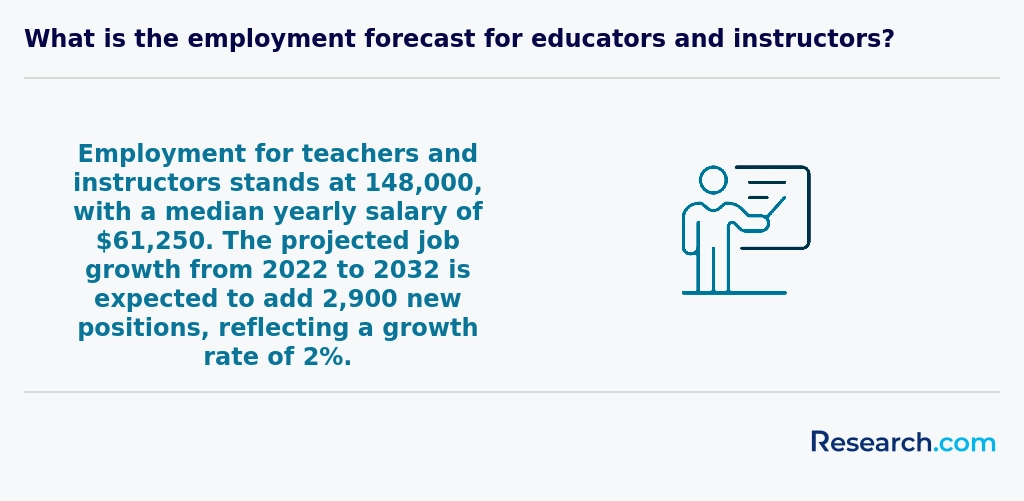
Graduates with an education degree in Kansas City often pursue practical career paths starting as licensed teachers in local school districts such as Kansas City Public Schools or suburban areas like Blue Valley. Many find rewarding roles working with elementary to high school students, especially in high-demand subjects like math and science. For those seeking stability and growth, teaching jobs and salaries Kansas City reflect competitive starting pay ranging from $40,000 to $50,000 annually, according to recent graduate experiences from well-known institutions like the University of Missouri-Kansas City.
Beyond classroom roles, education degree holders can advance into school counseling or administrative positions, often requiring additional credentials like a master's in educational leadership. Graduates who targeted special education report strong job prospects, aligning with local schools' investments in inclusive programs.
Others transition into educational support careers such as curriculum design, instructional coaching, or consulting. Many leverage relationships built through Kansas City's community colleges and universities while exploring accredited accelerated degree programs online to advance quickly in their careers.
The job market for education degree holders in Kansas City shows steady demand, especially in public school districts like Kansas City Public Schools. Graduates often find openings as classroom teachers or in specialized roles including educational coordinators and special education instructors. The city's diverse population drives need for bilingual education and culturally responsive teaching, key areas where local educators can excel. For students at institutions such as the University of Missouri-Kansas City, internships and networking within these districts provide valuable hands-on experience that eases entry into the workforce.
Salary prospects align closely with the national average, with an average public school teacher salary near $54,000, which grows with experience and advanced certifications. Many graduates report feeling optimistic about their career prospects due to ongoing enrollment stability and outreach by surrounding schools and nonprofits. Those uncertain about their educational path might explore what is the easiest degree to get in 2 years? as a step toward certification or further studies.
Overall, teaching employment opportunities Kansas City offer a practical and promising route for education graduates willing to adapt to specialized demands and local needs.
2027 Most Popular Education Degree Programs Ranking in Kansas City
Investing in your education is a significant decision that can impact your future, and the Research.com team recognizes the importance of supporting informed choices. To assist prospective students in Kansas City, we have carefully developed the "2027 Most Popular Education Degree Programs Ranking in Kansas City." Our dedication to quality, credibility, and accuracy is demonstrated by the thorough research and analysis underpinning this ranking.
We utilized the following reputable data sources to ensure a comprehensive evaluation of education degree programs:
By consulting this ranking, readers will gain valuable insights into the most popular education degree programs in Kansas City, helping them make well-informed decisions about their academic journey. For more information on how we created this ranking, please visit our Research.com methodology page.


Frequently Asked Questions About education
Education degree students in Kansas City can maximize their learning experience by engaging with local school districts for practical teaching opportunities. The Kansas City Public Schools system, serving over 15,000 students, offers diverse classroom environments where aspiring educators can apply theory in real settings.
Joining professional organizations like the Missouri National Education Association provides access to networking, mentorship, and workshops crucial for career development. Students should also utilize resources at nearby universities such as the University of Missouri-Kansas City, known for strong education programs and research.
Finally, staying informed about Kansas state teaching certification requirements and incorporating field experiences are key strategies to enhance competency and readiness for the classroom.
Emerging niches within the education field in Kansas City reflect national trends while showcasing local needs. One growing area is educational technology, where professionals specialize in integrating digital tools into classrooms. According to the Kansas City Chamber of Commerce, demand for edtech experts is rising by 15% annually.
Another expanding niche is special education, especially services tailored to diverse urban populations. The Missouri Department of Elementary and Secondary Education notes a 10% increase in special education teaching positions across the region.
Additionally, counseling and mental health services for students are becoming essential. Schools in Kansas City are hiring more counselors to address increasing mental health concerns, emphasizing the importance of social-emotional learning.
Preparing for the job market after earning an education degree in Kansas City involves several strategic steps. First, aspiring educators should complete student teaching experiences, which provide practical classroom skills highly valued by local school districts. According to the Missouri Department of Elementary and Secondary Education, Kansas City School District employs over 12,000 teachers, with demand growing in special education and STEM-related fields.
Networking is essential; attending local education job fairs and connecting with Kansas City professional groups increases job opportunities. Additionally, obtaining Missouri teaching certification promptly is critical, as certification is required for public school employment.
Continuing education such as workshops and endorsements can boost credentials and salary potential in Kansas City's competitive market. Candidates should also prepare strong resumes and practice interviewing to stand out effectively.
Employers in Kansas City highly value education degree graduates who demonstrate strong classroom management skills. According to the Missouri Department of Elementary and Secondary Education, effective management directly impacts student achievement and school culture.
Communication skills are also essential. Graduates must engage clearly with students, families, and colleagues, fostering collaboration within the school community. This aligns with findings from the Kansas City Public Schools' annual reports emphasizing teamwork and parent involvement.
Additionally, adaptability and cultural competency stand out. Kansas City's diverse student population requires educators to be flexible and culturally aware, supporting inclusivity as highlighted in recent district training programs.
Finally, data-driven instruction remains critical. Schools increasingly expect teachers to use assessment data to tailor lessons and improve outcomes, a trend noted by the Regional Education Laboratory Midwest.
Finding internships in Kansas City for education degree students involves several strategic steps. Many local universities, such as the University of Missouri-Kansas City (UMKC), have partnerships with nearby public school districts, including Kansas City Public Schools, to offer field experience and internships.
Students should explore placements in elementary, middle, and high schools to gain practical classroom experience. The Missouri Department of Elementary and Secondary Education (DESE) reports strong demand for qualified teachers, increasing internship opportunities.
Additionally, utilizing job boards like Handshake and attending career fairs at Kansas City colleges can connect candidates with relevant internships. Networking with local educators and joining professional associations also support finding opportunities tailored to education students.
Obtaining an education degree in Kansas City significantly enhances career mobility and advancement opportunities within the region's educational sector. According to the Kansas City Area Education Research Consortium, educators with bachelor's or master's degrees have a 25% higher chance of promotion compared to those with only a high school diploma. Schools in Kansas City often prioritize candidates with advanced degrees for leadership roles such as department heads or curriculum specialists. Additionally, an education degree meets state licensure requirements, enabling professionals to access a broader range of teaching positions. This credential also provides a competitive edge in the evolving job market driven by local school districts' increasing demand for qualified educators.
Studying for an education degree in Kansas City offers unique preparation for interdisciplinary roles by emphasizing collaboration across fields such as psychology, sociology, and technology. Local universities integrate practical training with diverse coursework, equipping students to address complex educational challenges.
Kansas City schools often partner with community organizations and local districts, providing hands-on experience in varied settings. This exposure helps future educators develop versatile skills, adaptable to roles beyond traditional classrooms.
According to data from the Missouri Department of Higher Education & Workforce Development, over 30% of education graduates in the region engage in roles blending teaching, counseling, and administrative tasks within three years of graduation, reflecting the interdisciplinary nature of their training.
When choosing between a thesis and a non-thesis education degree program in Kansas City, students should consider their career goals and learning preferences. Thesis programs typically require original research and are suited for those aiming to pursue a doctorate or work in educational research. Non-thesis programs focus more on practical coursework and are ideal for professionals seeking advancement in schools or educational administration.
In Kansas City, institutions such as the University of Missouri-Kansas City offer both options, reflecting a trend in U.S. education degrees where around 40% of graduate students opt for non-thesis paths due to time constraints and career focus (NCES, 2023).
The choice depends largely on whether you prefer conducting in-depth research or applying knowledge directly in educational settings.
Students based in Kansas City interested in studying education abroad have several opportunities through U.S.-accredited programs and partnerships. Many local institutions, such as the University of Missouri-Kansas City, offer study abroad or exchange programs focused on education, allowing students to gain international experience while earning credits. These programs often include placements in schools overseas to enhance practical teaching skills.
Additionally, organizations like the Council on International Educational Exchange (CIEE) help facilitate education-focused study abroad experiences for Kansas City students. According to NAFSA, about 10% of U.S. education majors participate in some form of study abroad before graduating, expanding their pedagogical perspectives globally.
Financial aid and scholarships may be available to support these international studies, making education abroad more accessible for students from Kansas City.
Students pursuing education degrees in Kansas City can enhance their learning through various part-time job opportunities relevant to their field. Common roles include teacher's assistants in local schools, where they gain hands-on classroom experience supporting certified teachers. Approximately 25% of Kansas City education students engage in such positions during their studies, according to a 2023 report by the Kansas City Public Schools district.
Additionally, tutoring services are in demand, especially for subjects like math and reading. Working as a private tutor helps develop instructional skills and strengthens understanding of educational techniques. Nonprofit organizations in Kansas City also often seek part-time educational coordinators or program assistants to contribute to community literacy and youth programs.
These roles not only provide income but also build practical skills aligned with a future teaching career in the Kansas City metropolitan area.
Education students in Kansas City have numerous networking opportunities that support their professional growth. Local universities such as the University of Missouri-Kansas City offer student organizations and education-focused events where students can connect with peers and experienced educators.
The Kansas City American Association of School Personnel Administrators hosts conferences attended by education professionals from the region, providing valuable chances for collaboration and mentorship.
Additionally, Kansas City Public Schools often partner with higher education institutions to facilitate internships and practicum placements, enabling students to build relationships within local schools early in their careers.
According to the Missouri Department of Higher Education & Workforce Development, networking involvement often correlates with higher job placement rates for graduates in education roles.
Alumni networks in Kansas City provide significant advantages for education degree students. These networks offer valuable connections to local schools and educational organizations, helping students secure internships and job placements. According to the Kansas City Regional Association of Colleges, alumni often mentor current students, sharing insights about classroom management and curriculum development specific to Missouri's standards. Additionally, networking events facilitated by alumni groups create opportunities for collaboration and professional growth within the region.
Strong alumni ties also grant access to workshops and continuing education, aiding graduates in maintaining up-to-date certification requirements. This community support is vital in a competitive job market focused on fostering effective educators in Kansas City's public and private school systems.
Customizing an education degree program in Kansas City allows students to align their studies with specific career goals. Most local universities offer flexible curricula where students can select concentrations such as special education, curriculum development, or educational technology. This tailoring helps address district or state teaching requirements more precisely.
Many Kansas City institutions also provide opportunities for internships and field experiences in nearby schools, offering practical classroom exposure. According to the Missouri Department of Elementary and Secondary Education, nearly 60% of education graduates in the region enter roles that require specialized certifications, supporting the need for targeted program choices.
Advisors in these programs work closely with students to develop plans integrating electives and practicum experiences that fit unique career paths, making tailored education degrees achievable and effective.
Education students in Kansas City often face challenges balancing coursework with practical experience requirements. Many programs require extensive student teaching hours in diverse and sometimes under-resourced local schools, adding to stress levels. According to the Missouri Department of Elementary and Secondary Education, retention rates for new teachers can be lower in urban districts like Kansas City, reflecting the difficulties faced during training and early career stages.
Diversity in student populations requires future educators to develop culturally responsive teaching strategies, which can be complex for new students. Financial constraints also play a role, as some students struggle with tuition costs and limited scholarships.
Time management is another common challenge due to demanding schedules combining classes, fieldwork, and part-time jobs. Overall, these factors shape the educational experience in Kansas City's teacher preparation programs.
With an education degree in Kansas City, individuals can pursue several professional certifications to enhance their teaching careers. The most common certification is the Kansas State Teaching License, required for public school teachers. This license covers various grade levels and subjects, ensuring educators meet state standards.
Additionally, educators can earn National Board Certification, a prestigious credential that demonstrates advanced teaching skills. According to the Kansas Department of Education, over 1,000 teachers in the state hold this certification.
Other certifications include special education endorsements and ESL (English as a Second Language) certifications, which address the needs of diverse student populations. These certifications often improve job prospects and salary potential.
Writing a winning application for an education program in Kansas City begins with thorough research on the specific schools and their requirements. Institutions like the University of Missouri-Kansas City emphasize strong academic records and relevant experience in education or community service.
Applicants should clearly demonstrate their passion for teaching and commitment to local communities, referencing data such as Kansas City's growing need for qualified educators reported by the Missouri Department of Elementary and Secondary Education.
Including personalized statements and letters of recommendation from education professionals can strengthen your application. Additionally, meeting all standardized test and GPA thresholds, typically a minimum 3.0 GPA, is essential.
Carefully proofreading and submitting materials before deadlines increases your chances of acceptance in this competitive market.
Global perspectives on an education career highlight the growing importance of trained educators worldwide. In the United States, including areas like Kansas City, education professionals are recognized as vital to community development and economic growth. According to the U.S. Bureau of Labor Statistics, employment of kindergarten and elementary school teachers is projected to grow 7% from 2021 to 2031, reflecting strong demand nationally.
Internationally, education careers emphasize cross-cultural communication and adaptability. Kansas City's diverse population benefits from educators skilled in these global competencies. Local institutions such as the University of Missouri-Kansas City integrate global education trends into their programs, preparing graduates for increasingly interconnected classrooms.
Understanding this global context helps prospective students in Kansas City appreciate the broader significance and opportunities within the education field.
Gaining practical experience while studying for an education degree in Kansas City is essential for career readiness. Many Kansas City universities, such as the University of Missouri-Kansas City (UMKC), offer field placements or student teaching opportunities in local schools. These experiences allow students to work directly with children and educators, applying theory to real classroom settings.
Additionally, students can participate in internships or mentoring programs coordinated by school districts like Kansas City Public Schools. According to the Missouri Department of Elementary and Secondary Education, completing supervised teaching hours is a mandatory part of teacher certification in the state, ensuring hands-on practice. Volunteering in education-related community projects also helps build practical skills and professional networks.
Choosing the right concentration within an education degree program in Kansas City starts with understanding your career goals. Education degrees often offer concentrations such as early childhood, special education, or educational leadership. According to the Missouri Department of Elementary and Secondary Education, Kansas City public schools employ many teachers with special education credentials due to increasing student needs.
It's important to research local demand for different specialties. For instance, early childhood education is vital given Missouri's emphasis on pre-K programs. Additionally, consider program accreditation and partnerships with nearby schools for practical experience.
Exploring concentrations that align with your interests and the region's employment trends can guide you toward a successful teaching career.
- 2027 Most Popular Education Degree Programs Ranking in Wichita
- 2027 Most Popular Education Degree Programs Ranking in Des Moines
- 2027 Most Popular Education Degree Programs Ranking in Dubuque
- 2027 Most Popular Education Degree Programs Ranking in Memphis
- 2027 Most Popular Education Degree Programs Ranking in River Forest
- 2027 Most Popular Education Degree Programs Ranking in Minneapolis
- 2027 Most Popular Education Degree Programs Ranking in Chicago
- 2027 Most Popular Education Degree Programs Ranking in Denton
- 2027 Most Popular Education Degree Programs Ranking in Indianapolis
- 2027 Most Popular Education Degree Programs Ranking in Dallas
See What Experts Have To Say About Studying Education
Read our interview with Education experts

Alan J. Singer
Education Expert
Professor of Teaching, Learning and Technology
Hofstra University


- Why Experience is Just as Important as Education https://lateral-connect.com/why-experience-is-just-as-important-as-education/
- Resources to better understand financial aid. https://greatjobskc.org/financial-resources/
- How To Write A Great Cover Letter For Teacher Training - Engage Education https://engage-education.com/blog/how-to-write-a-great-cover-letter-for-teacher-training/
- Teaching Job in Kansas City | Teach For America https://www.teachforamerica.org/careers/teaching-jobs-by-region/kansas-city
- Get the skills employers want | Study UK https://study-uk.britishcouncil.org/why-study/succeed-your-career/get-skills-employers-want
- com.hannonhill.cascade.velocity.LocatorTool@237e44d6{ https://programs.umkc.edu/undergraduate/school-of-education-social-work-and-psychological-sciences/elementary-education
- Education Cover Letter: 6 Steps to Write a Job-Winning One [+Example & Template] | Cake https://www.cake.me/resources/cover-letter/education-cover-letter
- More Real World Learning in Kansas City https://www.gettingsmart.com/2023/11/24/more-real-world-learning-in-kansas-city/
- Skills Employers Look for In Graduates https://careerdc.com.au/resources/what-skills-employers-want/
- Events & Opportunities https://connect.teachforall.org/events-opportunities


