2027 Can a BS in Business Administration Prepare You for a Commercial Property Manager Role? Skills and Entry Requirements
Audited and Verified:
Our Editorial and Data Verification Process
Research.com uses government datasets, official education statistics and primary institutional information to support its career and degree guides. Our review process checks factual accuracy, occupational definitions, source dates and the requirements associated with the credentials discussed.
How This Article Was Fact-Checked
Our editorial team verifies salary estimates, employment projections, education requirements and program information against original data providers and official organizations. Salary figures are checked against the relevant occupational definitions and reporting periods. Information about licensure, accreditation and required in-person training is reviewed separately.
Fact-checked and verified on:

Co-Founder and Chief Data Scientist
A BS in Business Administration can teach you to manage budgets, vendors, and operations - but commercial property managers also need to understand buildings, leases, and local real estate rules. If you are choosing a degree or planning a career change, that distinction matters: the right coursework can strengthen your candidacy, while practical experience and state-specific licensing may still determine which jobs you can take. This guide explains what the role involves, where a business degree helps, what it does not cover, and how to build a realistic path into commercial property management.
Key Things You Should Know
- A BS in Business Administration is relevant preparation for commercial property management, but it does not replace building-operations experience or any license your state requires for particular activities.
- Employers may value evidence that you can interpret an operating budget, coordinate vendors, communicate with tenants, and document lease-related issues - not just a management course or degree title.
- A bachelor's degree commonly takes about four years of full-time study; transfer credit may shorten your remaining coursework, but the school's degree audit determines your actual time and cost.
Can a BS in Business Administration Lead to Commercial Property Management?
Yes. Commercial property managers help owners operate income-producing properties such as office buildings, retail centers, and industrial facilities. Their work can include tenant communication, operating budgets, vendor contracts, maintenance coordination, reporting, and oversight of lease obligations. A business administration degree supports the financial and organizational side of that work.
The degree is a foundation, not a direct appointment to manage a building. Employers may expect experience with commercial tenants, service providers, property-management software, and the consequences of delayed repairs or inaccurate charges. Someone already handling facilities, customer accounts, or budgets may be closer to an assistant property manager role than a graduate with no relevant work history.
If a bachelor's degree is needed to compete for a target job, quick-completion business degree pathways may be worth comparing. A shorter academic schedule does not shorten the time needed to learn commercial property operations on the job.
What Education and Licensing Does a Commercial Property Manager Need?
There is no single US education requirement for every commercial property manager position. Employers may request a bachelor's degree in business, real estate, finance, or a related field, while others emphasize relevant experience. Job qualifications also depend on whether the work centers on building operations, accounting, leasing, or oversight of a larger portfolio.
Licensing is a separate question. State real estate laws may regulate activities such as leasing or negotiating transactions for others. Requirements and exemptions can differ by state, activity, employment arrangement, and supervision. Before accepting duties involving leases or brokerage, describe the actual tasks to the relevant state real estate regulator and ask which license, if any, is required. A business degree does not grant one.
For education, verify that a prospective school holds recognized institutional accreditation and that its curriculum fits your target role. If you compare accredited schools with no application charge, treat the waived fee as a cost detail - not evidence that a program teaches commercial leases or qualifies you for state licensure.
What Skills Does a Business Administration Degree Build for Property Management?
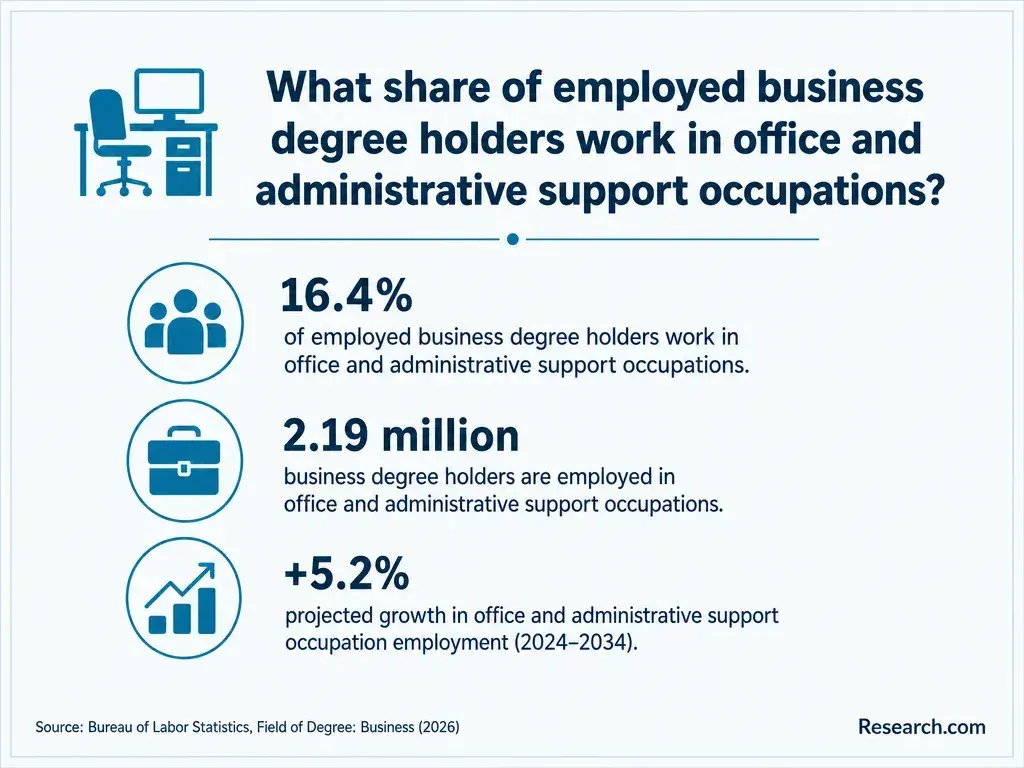
The most useful degree skills map to recurring property decisions: whether an expense fits the budget, how to assess a vendor proposal, what information an owner needs, and how to resolve a tenant concern without losing track of contractual obligations. Accounting, finance, operations, and business communication can provide a framework for those decisions.
Coursework alone rarely shows that you can apply the framework in a building. Look for opportunities to produce a budget variance explanation, compare vendor bids, build a maintenance-tracking spreadsheet, or write a concise owner update. Use simulated or properly authorized data; tenant records, contracts, and building financials may be confidential.
Project coordination is valuable, but managing a property also involves continuing service and tenant relationships after a project ends. If your interests lie mainly in renovation schedules or construction coordination, compare lower-priced project management degrees against a business degree before paying for either pathway.
Choose courses by the tasks you want to perform, not by a concentration's name alone. The comparison below shows where a general business curriculum can help and where property-specific learning remains necessary.
| Course area | Property-management application | Likely learning gap |
| Accounting and finance | Read operating reports, monitor expenses, and explain budget variances. | Property accounting, lease-related charges, and owner reporting practices. |
| Operations and project management | Coordinate vendors, schedules, service requests, and improvements. | Building systems, site safety procedures, and work performed by qualified contractors. |
| Business law and communication | Document issues and communicate with tenants, owners, and suppliers. | Commercial lease interpretation and applicable real estate rules. |
| Analytics and information systems | Track expenses, service performance, and occupancy information. | Employer-specific property software and data controls. |
If available, real estate electives, a supervised internship, or an approved project with a property firm can address some of these gaps. Confirm whether an advertised real estate focus is an official concentration, an elective group, or simply a course offering. Procurement coursework can also help with vendor oversight, but planning an affordable supply chain education route makes more sense as an alternative when purchasing and logistics - not tenant and property operations - are your main goal.
Not necessarily. Employers may recognize voluntary professional designations in property management, but a designation is different from a state-required real estate license. Its value depends on the properties you want to manage, the employer's expectations, eligibility rules, required coursework or experience, and ongoing costs.
Ask employers which credentials they value before enrolling in one. Then check the issuing organization's current eligibility and maintenance rules; do not assume that a BS in Business Administration satisfies them. For someone who already has a bachelor's degree and needs commercial-specific knowledge, targeted training plus relevant work may be more direct than earning another undergraduate degree. For someone whose target postings require a bachelor's, fastest bachelor's-level business study options can inform a degree-completion comparison, but a voluntary designation will not automatically substitute for that requirement.
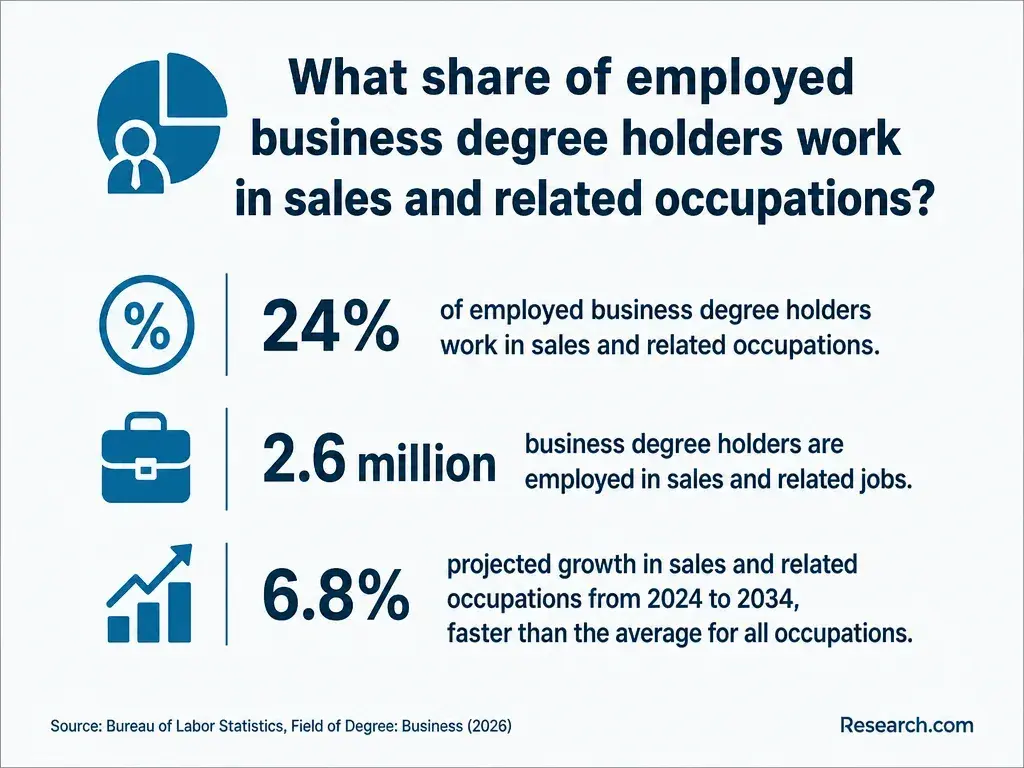
Requirements vary by institution and by whether you apply as a first-year or transfer student. Schools commonly evaluate prior academic records, while business-major entry may have separate course or grade requirements. A student changing fields should not assume that a non-business background prevents admission - or that previous credits will fulfill accounting or quantitative requirements.
Before applying, request the current catalog and ask admissions and a business adviser to distinguish admission from degree completion. The most useful questions concern required math or business prerequisites, transfer-credit applicability, remaining upper-level courses, and any residency requirement. If you have prior college work, seek an official degree audit rather than relying on an informal estimate. A guide to business administration degree prerequisite planning can help you prepare those questions.
A bachelor's degree commonly takes about four years of full-time study from the beginning. Your remaining time depends on accepted credits, how those credits apply to the business core, course sequencing, enrollment pace, and required courses offered in a given term. Experience in property operations does not automatically count as academic credit.
Compare schools using the cost of finishing, not a tuition rate alone: include remaining required credits, mandatory fees, books and software, possible travel or proctoring, and income affected by your study schedule. Ask whether the institution participates in federal student aid programs and what aid you personally qualify for. This overview of business administration college affordability and FAFSA participation is a starting point, not a substitute for a school-specific aid offer and degree audit.
They can be, particularly if you already work at a property and need to keep your job while studying. Online delivery can make business coursework accessible without a regular campus commute, but it does not supply the site experience needed to recognize building issues, coordinate contractors, or work with tenants.
Check live-session times, group-project schedules, exam rules, internship requirements, and access to relevant electives before enrolling. If you hope to use your job for an internship or capstone, obtain academic approval and employer permission first. When comparing flexible online study for business administration career growth, favor a schedule you can sustain alongside on-site responsibilities over an advertised pace you cannot realistically maintain.
Assistant property manager, property administrator, tenant services coordinator, lease administrator, facilities coordinator, and property accounting assistant are possible entry routes. Their duties differ: an accounting assistant may build reporting skills but see little building operations, while a facilities coordinator may learn vendor and maintenance workflows without handling leases.
Start with your existing experience. Customer-service work may support tenant communication; bookkeeping may support expense reporting; facilities or project work may support vendor coordination. For each vacancy, compare the duties you have performed with the duties you still need to learn. Seek supervised exposure to the missing tasks rather than assuming an entry-level title will cover all of them.
If construction projects are your strongest interest, a project-coordination route may fit better than ongoing property operations. When considering a separate degree for that route, check project management bachelor's residency and transfer requirements before assuming it will be faster than finishing a business degree.
What Salary and Job Outlook Can Commercial Property Managers Expect?
The closest broad Bureau of Labor Statistics occupation is property, real estate, and community association managers. It includes roles outside commercial property management, so its national median wage and employment projection should not be presented as a commercial manager's starting pay or as the outcome of a BS in Business Administration. Compensation can differ with location, property type, portfolio size, employer, and responsibility.
For a useful personal estimate, compare local postings for the next job you could qualify for - such as property administrator or assistant manager - with postings for experienced commercial managers. Note required licenses and years of experience. This is more informative for an education decision than comparing tuition with an occupation-wide managerial median. To frame the broader investment, evaluate price duration and outcomes of business administration degrees using your actual remaining credits and plausible entry role; do not assume a degree will produce an immediate management salary.
Other Things You Should Know About Business Administration
No. Leasing focuses on attracting tenants and arranging lease transactions. Property management focuses on ongoing operations and tenant service, although some jobs include both. Duties involving transactions may raise separate state licensing questions.
Yes, especially experience with budgets, vendors, tenant issues, and reporting. You will still need to learn the commercial property types, lease provisions, and owner expectations relevant to the new role.
They usually coordinate qualified maintenance professionals rather than perform specialized repairs themselves. Knowing how to report a problem, assess its urgency, and follow up on authorized work is still important.
Usually not before checking whether your existing degree meets employers' education requirements. Relevant property experience, a specific course, or employer-valued training may address the remaining gap more directly.
- Launch a Real Estate Career With a Business Degree | Purdue Global https://www.purdueglobal.edu/blog/business/launch-real-estate-career-bachelors-business-administration/
- How to Become a Property Manager: Step-by-Step Guide | University of San Diego https://pce.sandiego.edu/how-to-become-a-property-manager/
- Property Management Skills: The 6 That Matter | PURE HomeRiver https://purehomeriver.com/property-management/investor-resources/blog/property-management-skills/
- Residential vs. commercial property management | FSR https://www.fsresidential.com/corporate/news-and-articles/articles/residential-vs-commercial-property-management/
- 10 Property Management Job Titles Beginners Should Target | CourseCareers https://coursecareers.com/blog-posts/10-property-management-job-titles-beginners-should-target
- What does a Property Manager do? Career Overview, Roles, Jobs | TXAA https://careers.taa.org/career/property-manager
- 7 Different Types of Property Management in CRE | biscred https://www.biscred.com/post/7-types-of-commercial-property-managers-what-they-do
- Commercial Property Management Administration Offers a Ladder to Career Advancement | Transwestern https://transwestern.com/news-detail/commercial-property-management-administration-offers-a-ladder-to-career-advancem