
2027 Most Popular Education Degree Programs Ranking in Denver

Co-Founder and Chief Data Scientist
Choosing the right education degree is an important step toward a rewarding career in teaching or academic leadership. This article shares the 2027 Most Popular Education Degree Programs Ranking in Denver, developed by the Research.com team of data scientists to provide clear, data-driven insights for your decision-making.
By exploring this ranking, you can discover which programs offer the best opportunities and fit your goals. Pursuing an education degree opens doors to meaningful work and personal growth, making it a valuable investment in your future.
Key benefits of getting education degree in Denver
- Graduates with an education degree in Denver can expect competitive salaries, such as Special Education Teachers earning around $76,000 and Instructional Designers making about $77,200 annually, offering financial stability and growth.
- Career paths for education degree holders include roles like Elementary School Teachers and Early Childhood Educators, providing meaningful opportunities to impact the community and shape young minds in Denver's diverse schools.
- Obtaining an education degree online from a Denver-based university offers flexibility and convenience, allowing graduates to balance work and study while accessing quality programs that prepare them for rewarding education careers.
- 2027 Most Popular Education Degree Programs Ranking in Denver
- What can I expect from education degree in Denver?
- Where can I work with education degree in Denver?
What can I expect from education degree in Denver?
On average, pursuing an education degree in Denver costs between $10,000 and $15,000 per year for in-state students at public universities like the University of Denver or the University of Colorado Denver. Graduates often recall managing these expenses by applying for scholarships and state grants targeted at future educators, which can significantly ease the financial burden.
Typically, a bachelor's degree takes four years, so budgeting for around $40,000 to $60,000 in total tuition is realistic. Master's programs add one to two years, increasing total costs accordingly. Many students find that the investment pays off as hands-on practicum opportunities in local schools enhance their readiness and confidence for licensure exams and real-world teaching.
Graduates frequently mention how balancing coursework with part-time work or assistantships helped make costs manageable while gaining valuable classroom experience. Being proactive in exploring financial aid options early is key to turning an education degree into a rewarding and affordable pathway in Denver's growing school districts.
Where can I work with education degree in Denver?
Graduates with an education degree in Denver often find rewarding roles in public and private K-12 schools, where Denver Public Schools employs a large number of educators with diverse responsibilities like classroom teaching and special education. Many graduates from the University of Denver and Metropolitan State University of Denver have shared how working as instructional coordinators or school counselors helped them impact students daily while building stable careers.
Administrative positions such as principals or curriculum developers are common next steps, especially for those willing to pursue additional certification. Denver's growing school population means leadership roles are steadily increasing, creating clear career growth paths.
Higher education institutions in Denver also hire education graduates as academic advisors or teacher preparation faculty. For example, graduates often describe the fulfillment of mentoring future teachers at their alma maters.
Early childhood centers in Denver, with over 400 licensed programs, offer exciting options for those passionate about foundational learning. Many graduates find joy directing preschool programs or working as childcare providers in these community-focused settings.
Additionally, non-traditional opportunities exist in educational nonprofits and online education companies, providing flexibility and innovative roles for tech-savvy graduates looking beyond the classroom.
Graduates with an education degree in Denver can expect solid earning potential depending on their chosen path. For example, elementary school teachers typically earn around $70,740 annually, which aligns well with Denver's competitive pay structure that often rewards experience and advanced qualifications. Special education teachers report higher salaries, averaging about $76,000 per year, reflecting increased demand and specialized skills.
Those who pursued additional certifications or focused on roles like instructional design can anticipate earnings near $77,200 annually, a lucrative option for graduates seeking alternatives outside traditional classroom teaching. ESL teachers in Denver, a common role for education majors, earn roughly $65,430 per year, benefiting from the city's diverse population.
Graduates from well-known Denver institutions often mention the advantage of local internships and school partnerships helping them secure positions with starting salaries close to $51,000, growing with experience. Students appreciate that with further education and dedication, reaching salaries over $75,000 as teachers or transitioning to administrative roles remains a practical, achievable goal in Denver's education sector.
- Annual tuition for a bachelor's degree in education in Denver ranges from $9,000 at public schools to around $25,000 at private universities, excluding fees and books.
- Graduate education programs in the area typically cost between $12,000 and $30,000 per year.
- Starting salaries for new teachers in Denver average between $45,000 and $50,000 annually, close to the state average.
- Experienced teachers with five to ten years in Denver can expect median salaries near $65,000 per year.
- The job market for education professionals in Denver is stable with growing demand for special education, STEM, and bilingual teachers.
- Licensing requires passing state exams and background checks, with alternative certification options available for career changers.
Completing an education degree in Denver generally takes about four years for a bachelor's when enrolled full-time, as seen at institutions like the University of Denver. Many graduates share that balancing classes with student teaching feels intense but rewarding within this timeframe. For working professionals pursuing a master's, programs at Colorado State University can last one to two years full-time, but part-time options extend this to three or more years. Graduates often appreciate the flexibility, allowing them to maintain jobs while advancing their education.
Doctoral candidates report spending three to six years completing coursework and dissertation research, often juggling family or teaching duties. These programs offer both full- and part-time tracks to fit busy lives.
Part-time status is common, with many students doubling the typical duration; this practical choice helps manage financial and personal commitments. Graduates emphasize that planning around Colorado's licensing exams early on streamlines their path into teaching careers.
Before you step into your first classroom, securing Colorado teacher licensure is essential. Here’s what you need to know: 1. State Teaching License • Complete an accredited education program: Verify that your institution holds accreditation from the Colorado Department of Education (CDE). • Pass the required exams: Most candidates must clear the Praxis Core Academic Skills for Educators and Praxis Subject Assessments in their specialization. • Background check and fingerprinting: Colorado mandates a fingerprint-based criminal history record check through the CDE. 2. Alternative Licensure Pathways If you’ve earned a degree in another field or lack full program requirements, the Alternative Teacher Licensure (ATL) program allows you to teach while completing pedagogical coursework. Many local districts partner with universities to offer ATL, enabling you to gain paid classroom experience under a mentor teacher’s supervision. 3. Renewal and Professional Development Colorado teaching licenses are renewed every five years. Requirements include: • Completing 45 Professional Development Hours (PDHs) or a master’s degree in education. • Engaging in continuing education: Workshops on Classroom Management, Culturally Responsive Teaching, and Special Education can count toward PDHs. 4. Exploring Affordable Online Options For those balancing work and study, online licensure programs can be both flexible and cost-effective. Consider programs featured in our Most Affordable Online Education Degree Programs Ranking in Pensacola, FL to compare tuition rates and student support services. By understanding Colorado’s certification process-and planning for ongoing professional development-you’ll ensure a smooth transition from student-teacher to licensed educator in Denver’s dynamic school system.
Choosing between online and on-campus education degrees in Denver starts with understanding how each fits into your daily life. Online programs let you study anytime, a big plus if you're juggling work or family. Many graduates from the University of Denver have shared how this flexibility helped them keep their jobs while progressing toward their teaching goals.
On the other hand, attending classes at places like Metropolitan State University of Denver means you get hands-on experience through face-to-face interactions and local teaching placements. This direct involvement builds connections with faculty and fellow students, which graduates often say boosts their confidence and practical skills.
Cost is another practical factor. Online degrees can reduce expenses related to commuting and housing, making them appealing if you're budget-conscious. Still, both formats require student teaching, but on-campus programs usually provide more structured practicum partnerships with Denver schools, giving you a clearer path to real classroom experience.
Choosing an accredited Education degree program ensures both quality instruction and eligibility for a Colorado teaching license. In Denver, look for programs approved by the Colorado Department of Education (CDE) and nationally recognized bodies such as CAEP (Council for the Accreditation of Educator Preparation). Accreditation not only impacts your eligibility for federal financial aid but also guarantees alignment with state licensure standards. Key Accreditation Bodies:
- Council for the Accreditation of Educator Preparation (CAEP)
- National Council for Accreditation of Teacher Education (NCATE)
- Teacher Education Accreditation Council (TEAC) Steps to Colorado Teacher Certification: 1. Enroll in a CDE-approved educator preparation program. 2. Complete required clinical practice hours (student-teaching). 3. Pass the Colorado Educator Licensing Assessments (e.g., PLACE, edTPA). 4. Submit your application and transcripts to the CDE online portal. 5. Receive your Initial Colorado Teaching License; pursue Professional License after three years of demonstrated effectiveness. While focusing on Denver’s top accredited programs, you might also explore affordability options elsewhere-consider the Most Affordable Online Education Degree Programs Ranking in Pensacola, FL for comparison. Ensuring proper accreditation and certification readiness will set you on a clear path to becoming a licensed educator in Colorado.
The average cost of an education degree in Denver typically centers around $11,124 for in-state students, making it a manageable investment for local residents. Graduates from programs at institutions like the University of Colorado Denver often reflect on balancing affordable tuition with quality education, highlighting how this cost aligns well with their career goals. Out-of-state students can expect significantly higher tuition, which approaches median totals near $48,929, showing a clear financial advantage to establishing residency before enrolling.
Many students pursuing education degrees in Denver carefully map out the total tuition fees for education programs Denver offers, including public universities, private colleges, and community colleges. For example, students starting at community colleges benefit from lower fees that average about $5,000 annually, allowing them to complete foundational courses before transferring. This practical step helps manage costs while remaining on track to complete their degree at a popular university.
Graduates often share how factoring in additional expenses-such as textbooks, materials, and licensing exams-has been crucial to their budgeting. Those attending private universities encounter higher tuition but often find the investment worthwhile for specialized programs. To explore options and compare local programs tailored to your goals, reviewing the popular education degree choices in Denver offers practical insights that help students make informed decisions aligned with their financial situation.

Pursuing a popular education degree in Denver, CO, is a significant step towards a fulfilling career in education, offering a blend of academic rigor, practical experience, and community engagement. By exploring the various programs available, prospective students can find a path that aligns with their career goals and interests. For instance, those interested in learning more about the popular education degree programs in Denver can delve into the specifics of each program, including curriculum, specializations, and hands-on experiences. This informed approach enables future educators to make a meaningful impact in their chosen field, whether it's in classroom teaching, educational leadership, or specialized roles like curriculum development or educational consulting.
When pursuing an education degree in Denver, your best starting point is the Free Application for Federal Student Aid (FAFSA). Submitting this opens doors to federal grants like Pell Grants, which can cover up to $7,395 a year without needing repayment. Many education students in Denver find this crucial for reducing costs early in their studies.
State-specific aid is another vital resource. For example, graduates from local schools such as the University of Denver or Metropolitan State University of Denver often benefit from the Colorado Teacher Loan Forgiveness Program. This program forgives loans for those who commit to teaching in high-need Denver schools, offering real peace of mind and financial relief.
Additionally, these universities provide merit-based scholarships tailored to education majors, easing tuition worries while rewarding academic effort. Many students share how these scholarships made a tangible difference, covering not only tuition but sometimes fees too.
If you need extra funding, federal Stafford Loans offer lower interest rates and flexible repayment compared to private lenders-an important factor to consider before taking on debt. Also, work-study opportunities available on campus help you earn while gaining relevant experience, making your education more affordable and practical.
Finally, if you're working part-time, check if your employer offers tuition assistance for education degrees, as many Denver professionals have successfully combined work with study this way.
Building on your foundational Education degree in Denver, CO, pursuing targeted certifications and advanced credentials can deepen your expertise and expand your career trajectory. Whether you aim to specialize in special education, instructional design, or school leadership, structured professional development ensures you stay current with best practices and evolving educational technologies. Professional certifications to consider:
- National Board Certification (NBPTS): Demonstrates advanced teaching competence and can lead to higher pay scales.
- TESOL/TEFL Certificates: Ideal for ESL educators seeking roles in diverse classrooms or international schools.
- Special Education Endorsement: Equips you with strategies to support students with individualized needs and navigate IEP processes.
- Educational Leadership Licensure: Prepares aspiring administrators for roles as principals, curriculum coordinators, or district leaders. Many educators complement in-person workshops with online programs that offer flexibility and affordability. For example, you might explore comprehensive course tracks in instructional design or educational technology through our Most Affordable Online Education Degree Programs Ranking in Pensacola, FL. These programs can help you sharpen skills in digital pedagogy, data-driven instruction, and remote curriculum development-all critical competencies in today’s hybrid learning environments. In addition to formal certificates, Denver institutions and professional organizations provide ongoing learning opportunities:
- Local EdTech Meetups and Webinars: Connect with peers to exchange insights on tools like Canvas and Google Classroom.
- Colorado Education Association Workshops: Access sessions on equity, classroom management, and policy advocacy.
- University Extension Courses: Short courses at CU Denver and Metro State offer modules on topics such as trauma-informed teaching and bilingual education. By strategically combining certifications, online coursework, and community-based workshops, you’ll not only enhance your résumé but also cultivate a lifelong learning mindset-positioning yourself as an innovative educator equipped to meet the diverse demands of 21st-century classrooms.
To enroll in an education degree program in Denver, a high school diploma or GED is essential for undergraduates. Graduates recall how having a strong academic record in core subjects like English and math opened doors at local universities known for their education programs. While some schools may have asked for SAT or ACT scores in the past, many now prioritize your overall preparation and experience over test results.
For a Master of Education in Denver, you must hold a bachelor's degree from an accredited institution. Graduates from Denver universities often highlight that having an educational background helps, but diverse degrees paired with relevant experience or extra coursework can also qualify you. Expect to submit letters of recommendation and a statement of purpose, which helped past students showcase their passion and readiness.
Licensure requirements in Colorado mean completing approved teacher prep programs and passing licensing tests like PLACE or edTPA. Students share that tackling these certifications feels rewarding, knowing they're a step closer to meaningful teaching roles. Gathering transcripts, proof of residency, and immunizations is a practical step before starting classes at Denver's education schools.
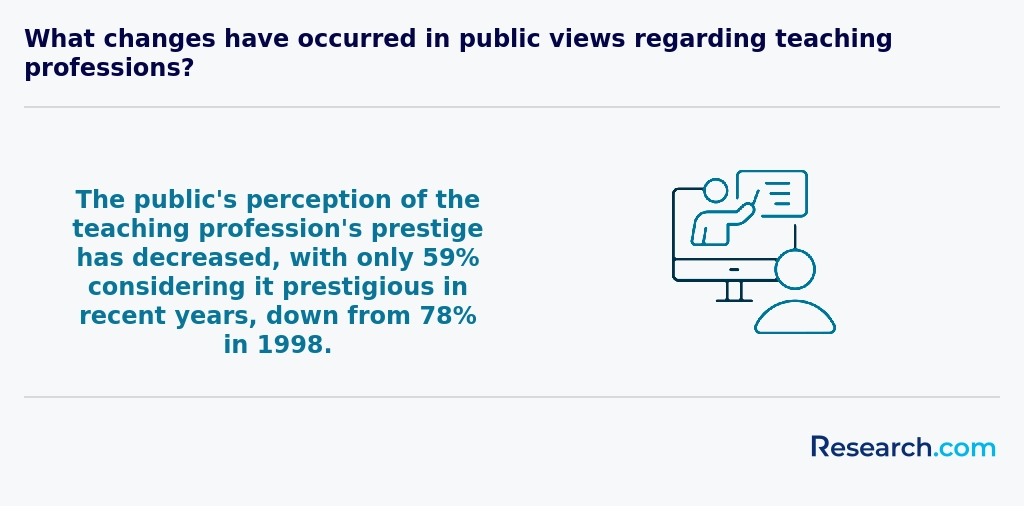
For many aspiring educators, understanding the pathway to becoming a licensed teacher in Denver is as critical as choosing the right education degree program. This section details the certification process, the requirements for licensure, and how these credentials can boost your career prospects in the education sector. Local education authorities often mandate that graduates complete state-specific teaching exams, background checks, and a certain number of field experiences or student-teaching hours to earn certification. By meeting these standards, you ensure that you not only excel academically but also comply with Colorado’s rigorous quality and safety measures in classrooms. Moreover, many programs offer dedicated advising on certification, guiding you through essential exams and application procedures. This support can include workshops on classroom management, curriculum design, and the integration of diverse instructional strategies that align with Denver’s community needs. Knowing your licensure requirements early on can help you plan effectively, especially if you aim to combine your education degree with further specialization-just as some professionals also explore topics like how much is a masters in library science. Ultimately, the teacher certification and licensure process not only validates your expertise but also demonstrates your commitment to providing high-quality, safe, and innovative learning experiences for students in Denver. This solid foundation transforms academic accomplishments into practical, rewarding teaching careers in local schools and beyond.
Education degree programs in Denver typically start with core courses that build a strong foundation in teaching. Graduates from the University of Colorado Denver and Metropolitan State University often mention how classes like Educational Psychology help them understand student behavior deeply, which is essential for managing diverse classrooms.
Courses in Curriculum Design and Instruction guide you step-by-step to create lesson plans that keep students engaged. Classroom Management classes teach practical strategies that graduates say made their first teaching experiences smoother and more confident.
Assessment and Evaluation courses focus on real-world skills for measuring student progress, often using tools and techniques you'll actually apply during student teaching at Denver schools. Educational Technology classes prepare you to integrate digital resources, something graduates appreciate in today's tech-driven classrooms.
Specialized Denver courses, such as Multicultural Education and ESL instruction, reflect the city's diversity and prepare you to meet your students' unique cultural and language needs effectively.
When exploring education degree specializations in Denver, students often find practical tracks aligned with real classroom needs. Many graduates from local universities emphasize early childhood education, which prepares educators to support children from birth through third grade with tailored teaching methods and nurturing environments. This specialization, highly sought after in Denver schools, offers tangible satisfaction as graduates see direct impact on young lives.
Another common path is special education, which equips educators to serve students facing learning disabilities or emotional challenges. Graduates frequently share how their training helped them confidently design individualized education plans in Denver's diverse classrooms. Education degree programs options here also include educational leadership, preparing students for administrative roles such as principals or district leaders-roles that require both advanced knowledge and hands-on experience.
Additional focuses like curriculum and instruction, English as a Second Language (ESL), and technology integration round out the options, helping graduates address evolving education demands. For those budgeting their studies, it's practical to compare tuition and consider aid; you can learn more about affordability by exploring how much is a masters in library science. Choosing the right specialization in Denver means aligning your passion with community needs and career prospects.
Start by identifying the education path that fits your career goals. Graduates from the University of Denver often mention that choosing between a Bachelor of Science in Education or a Master's in Educational Leadership helped them focus their efforts on becoming effective K-12 teachers or future school administrators. Look closely at the program's accreditation; programs recognized by the Council for the Accreditation of Educator Preparation (CAEP) provide confidence that your degree will be respected by Denver-area school districts.
Cost is another practical consideration. Many students at Metropolitan State University of Denver appreciate the balance of affordable tuition and quality instruction, with public universities charging about $8,000 to $12,000 annually for in-state students. Private schools may be pricier but often come with additional scholarship options. Don't forget to explore financial aid and check out opportunities like the Most Affordable Online Education Degree Programs Ranking in Pensacola, FL to compare alternatives.
Consider the delivery mode, especially if you're working while studying. Evening and online classes offer flexibility, a detail commonly praised by Denver education students who juggle family and jobs. Lastly, examine graduation and job placement rates to ensure you join a program that supports your success, as graduates frequently highlight how these factors impacted their career progress in Denver's competitive education field.

Graduates with an education degree in Denver find diverse career paths within the city's rich educational environment. Many begin as licensed teachers in Denver's over 200 public schools, specializing in subjects like math, science, or special education, with salaries averaging around $60,000. A graduate from a popular Denver university often shares how starting as a teacher helped develop classroom management skills and made a real difference in local communities.
Beyond teaching, education degree job opportunities Denver include roles such as school counselors or educational coordinators in both public and private institutions. These positions allow graduates to support student development and engage in curriculum planning, often leading to fulfilling careers in student-focused roles.
For those interested in leadership, educational administration offers positions like principals and district administrators, with salaries averaging $85,000. Graduates pursuing advanced degrees at Denver colleges appreciate the chance to influence education policy and school management.
Expanding higher education roles include academic advisors and instructional designers, particularly as online and hybrid classes grow. Many find inspiration through practical experiences while earning their degree in Denver.
Prospective students should also explore affordable options such as an online associate's degree in 6 months to begin their education path efficiently.
Graduates holding an education degree in Denver find a steady job market thanks to the city's expanding public and private school systems. Many new teachers from local universities are actively recruited by Denver Public Schools, where vacancy rates hover near 8%, reflecting openings driven by retirements and transfers. The demand for education professionals is boosted by Denver's projected 15% population increase and initiatives to reduce class sizes, especially in bilingual and STEM programs, making teaching careers demand Denver Colorado increasingly promising.
Students graduating from well-known education programs in Denver often appreciate the practical field experience gained through local internships, which align with the city's need for administrators and counselors. These graduates report feeling optimistic about their career prospects, encouraged by signing bonuses and competitive salaries ranging from $50,000 to $65,000 in DPS public schools. For those weighing financial considerations, exploring scholarships and grants can lighten the approximately $11,000 annual tuition at Colorado's public universities, helping them focus on gaining skills and experience.
Prospective education degree students in Denver may also benefit from exploring the best programs for older adults online to complement their campus studies while navigating this growing job market.
2027 Most Popular Education Degree Programs Ranking in Denver
Investing in your education is a significant decision that can profoundly impact your future, and the Research.com team recognizes the importance of providing trustworthy guidance. To support prospective students in Denver, we have carefully developed the "2027 Most Popular Education Degree Programs Ranking in Denver." Our dedication to quality, credibility, and accuracy is demonstrated through rigorous research and analysis underpinning this ranking.
We utilized the following reputable data sources to ensure a comprehensive and reliable evaluation of education degree programs in Denver:
By exploring this ranking, readers will obtain valuable insights into the most popular education degree programs, empowering them to make well-informed choices about their academic and professional paths. For a deeper understanding of how this ranking was crafted, please visit our Research.com methodology page.


# 4 position
University of Colorado Denver/Anschutz Medical Campus
Doctor of Education in Leadership for Educational Equity
# 5 position
University of Colorado Denver/Anschutz Medical Campus
Bachelor of Arts in Education and Human Development, Elementary


# 10 position
Colorado State University Global
Master of Education
Frequently Asked Questions About education
Education degree students in Denver can maximize their learning experience by actively engaging in both theoretical coursework and practical fieldwork. Denver boasts partnerships between universities and local school districts, providing valuable hands-on teaching opportunities. According to the Colorado Department of Higher Education, approximately 65% of education students in Denver participate in internships or student teaching placements, which significantly enhance their practical skills.
Additionally, students benefit from leveraging Denver's diverse urban classrooms to gain experience with varying student backgrounds. Networking with local education professionals through workshops and conferences can also deepen understanding and open career opportunities. Utilizing campus resources like tutoring centers and study groups supports academic success.
The field of education is evolving rapidly, with new niches gaining prominence in Denver's academic landscape. One emerging area is educational technology, reflecting a 15% annual growth in demand for professionals skilled in digital tools and online instruction, according to the Colorado Department of Higher Education.
Another growing niche is special education, particularly focusing on inclusion and support for students with diverse learning needs, driven by Denver Public Schools' increased funding in this sector. Bilingual education and English as a Second Language (ESL) programs are also expanding, responding to Denver's diverse and multilingual student population.
Lastly, early childhood education remains a critical focus, with the state investing in quality preschool initiatives to support early development. These niches represent promising paths for prospective educators in Denver today.
After earning an education degree in Denver, preparing for the job market involves several key steps. First, gaining teaching certification is essential, as Colorado requires passing the Colorado Performance Based Standards (CPBS) or Praxis exams. Many Denver graduates pursue additional endorsements to enhance job prospects. Networking within local school districts, such as Denver Public Schools, can provide valuable connections and job leads. Internships and student-teaching experiences in Denver classrooms also make candidates more competitive. According to the Colorado Department of Education, demand for qualified teachers in Denver is expected to grow by 7% from 2022 to 2032, highlighting steady opportunities for new educators.
Employers in Denver value several key skills in education degree graduates. Strong communication skills are essential, as teachers must effectively engage with diverse student populations and parents. According to the Colorado Department of Education, cultural competency and the ability to adapt to multicultural classrooms are increasingly important in the area's schools.
Critical thinking and problem-solving abilities rank highly, helping graduates manage classroom challenges and implement innovative teaching methods. Data from the Denver Public Schools shows that graduates who can integrate technology into lessons are in high demand, reflecting the growing emphasis on digital literacy.
Finally, collaboration and teamwork skills are vital, as education professionals often work alongside colleagues and support staff to foster positive learning environments.
Finding internships in Denver relevant to an education degree involves several practical steps. Begin by exploring partnerships between local universities-such as the University of Denver or Metropolitan State University of Denver-and nearby school districts. These institutions often have established pipelines for education students to gain hands-on classroom experience.
Utilize resources like the Denver Public Schools Career and College Connections program, which connects students to internships and job shadowing opportunities in educational settings. According to recent data from the Colorado Department of Education, over 100 schools in Denver participate in such initiatives, offering valuable placement options.
Additionally, check online platforms that specialize in internships for education majors, and consider volunteering in local community education programs to increase networking potential.
An education degree in Denver plays a significant role in career mobility and advancement within the local workforce. According to the Colorado Department of Education, educators holding a bachelor's or master's degree typically see higher employment rates and salary increases compared to those with only a high school diploma. In Denver Public Schools, over 70% of teachers possess advanced degrees, which often correlate with leadership roles and specialized positions.
Having an education degree not only opens doors to classroom teaching but also to administrative roles such as principals or curriculum coordinators. Additionally, the state's focus on continuous professional development means degree holders are better positioned for promotions.
Studying for an education degree in Denver equips students with skills to excel in interdisciplinary roles by emphasizing collaboration across various fields. Programs often integrate coursework from psychology, sociology, and communication, fostering a broad understanding of diverse learning environments. According to the Colorado Department of Higher Education, many local institutions offer practicum experiences in diverse urban and suburban schools, preparing graduates to apply theory in real-world, multifaceted settings.
Denver's education programs also focus on culturally responsive teaching, addressing the needs of a diverse student population. This interdisciplinary training enhances abilities to work with professionals in special education, counseling, and community services. Such preparation aligns with national trends emphasizing versatility in educational roles.
Choosing between a thesis and a non-thesis education degree program in Denver depends largely on your career goals and preferred learning style. Thesis programs typically require conducting original research and writing a formal paper, which suits those aiming for doctoral studies or research-oriented roles.
Non-thesis tracks focus more on coursework and practical application, ideal for educators seeking leadership or administrative positions. According to the Colorado Department of Higher Education, over 60% of education graduate students in Denver opt for non-thesis programs, reflecting local demand for applied skills.
Consider also your time commitment; thesis programs usually take longer due to research requirements. Reviewing program specifics at institutions like the University of Denver and Metropolitan State University of Denver can help inform your choice.
Students in Denver interested in pursuing education degrees with an international focus have several pathways to study abroad while enrolled in local institutions. Many universities in Denver, such as the University of Denver and Metropolitan State University of Denver, offer partnership programs with foreign universities, allowing students to spend a semester or more abroad while earning credits.
Additionally, programs through Colorado's Department of Higher Education encourage global learning experiences, which include studying educational methodologies in countries like Spain, Japan, or South Africa. According to NAFSA: Association of International Educators, approximately 4% of U.S. education majors study abroad, reflecting growing interest in global perspectives.
Financial aid and scholarships specifically targeting study abroad are often available to Denver students, further supporting international education opportunities.
Students pursuing education degrees in Denver have several part-time job opportunities that complement their studies and provide practical experience. Working as a teacher's aide in Denver Public Schools allows students to engage directly with classroom environments, supporting licensed teachers and learning classroom management skills. According to Denver Public Schools data, aides often work 10-20 hours weekly, fitting part-time schedules well.
Additionally, tutoring positions, either independently or through companies like Denver Tutoring Services, offer flexible hours and strengthen subject-matter expertise. Early childhood education centers in Denver also frequently hire part-time assistants, helping students gain experience with younger children.
These roles enhance resumes and build essential skills for future educators in a competitive job market.
Education students in Denver benefit from various networking opportunities that enhance their professional growth. Local universities such as the University of Colorado Denver and Metropolitan State University of Denver host career fairs and education-specific events each semester, connecting students with over 100 regional school districts and educational organizations.
Denver's active educational community includes groups like the Colorado Education Association, which offers student memberships providing access to workshops and mentorship programs. Additionally, Denver Public Schools collaborate with local colleges to offer internships and field experiences, allowing students to build practical connections.
These opportunities help prepare graduates for teaching roles and leadership positions across Colorado's education sector.
Alumni networks offer significant benefits to education degree students in Denver by providing access to a broad community of experienced educators and professionals. These connections can lead to mentorship opportunities that help students navigate their career paths effectively. According to the Colorado Department of Higher Education, Denver's education programs emphasize networking to support job placement, where nearly 70% of graduates find employment through network referrals.
Additionally, alumni networks facilitate access to exclusive workshops, seminars, and job fairs, enhancing students' professional development. They also provide insights into local school districts' hiring trends, which is crucial in a city like Denver where education policies frequently evolve.
Overall, these networks create a platform for sustained professional growth beyond graduation, enabling students to stay updated with educational innovations and policies in Colorado.
Students pursuing education degrees in Denver have multiple options to tailor their programs according to their career goals. Many local institutions offer various concentrations such as special education, curriculum development, or educational leadership. This flexibility allows learners to gain expertise in areas aligned with their professional aspirations.
Additionally, Denver's universities commonly provide opportunities for internships and practical experiences within the city's diverse school districts. According to the Colorado Department of Education, hands-on teaching practice in urban and suburban settings enhances readiness for future employment.
Graduate students can further customize by selecting electives focused on educational technology or policy, reflecting the increasing demand for specialists in these areas. Exploring certificate programs alongside degree coursework is also common, enabling deeper specialization without extending time to graduation.
Education students in Denver often face several challenges common across U.S. higher education but also specific to the region. One major obstacle is balancing rigorous coursework with fieldwork requirements. Denver's schools typically demand significant classroom observation and student teaching hours, which can be difficult alongside part-time jobs or family commitments.
Another challenge relates to rising tuition and living costs in Denver, which increased by approximately 12% from 2020 to 2023, according to the Economic Policy Institute. This financial pressure often impacts students' ability to focus fully on their studies.
Additionally, adapting to diverse urban classrooms is frequently highlighted. Denver Public Schools serve a varied student population, requiring education students to develop strong cultural competency and inclusive teaching skills early in their programs.
With an education degree in Denver, graduates can pursue various professional certifications to enhance their careers. One of the most common is the Colorado Teacher Licensure, required for public school teaching. This certification aligns with state standards and is overseen by the Colorado Department of Education.
Beyond teaching, educators can obtain specialized certificates such as the Special Education Endorsement or English as a Second Language (ESL) certification, both in demand within Denver's diverse school districts. These additional qualifications often lead to higher salaries and expanded job opportunities.
For those interested in administration, the Principal or Superintendent Licensure programs offer pathways into school leadership roles. These require advanced coursework and supervised experience.
According to the Colorado Department of Higher Education, over 60% of Denver's education graduates pursue at least one certification within five years of completing their degrees.
When applying for an education program in Denver, start by carefully researching local universities and their specific admission requirements. Most programs, such as those at the University of Denver or Metropolitan State University of Denver, require a solid academic record and relevant experience in education or volunteering.
Write a clear and compelling personal statement explaining your motivation, career goals, and how the program supports them. Be sure to include any unique experiences related to working with diverse student populations, as Denver values cultural competence in educators. According to the Colorado Department of Education, this is crucial given the city's diverse demographics.
Strengthen your application with strong letters of recommendation from academic or professional contacts who can attest to your skills and dedication. Additionally, maintaining a GPA of 3.0 or higher improves your chances at competitive programs. Finally, proofread all materials carefully to ensure clarity and professionalism.
Globally, education careers are valued for their role in shaping future generations. In the United States, and specifically in Denver, education degrees open diverse opportunities in teaching, administration, and policy. The demand for qualified educators remains strong; the U.S. Bureau of Labor Statistics projects a 7% growth in teaching jobs from 2022 to 2032, faster than average for all occupations.
Denver's public schools employ thousands of teachers, with a growing emphasis on culturally responsive teaching to serve a diverse population. According to the Colorado Department of Education, over 90,000 students attend Denver Public Schools, underlining a significant need for skilled educators.
Teaching credentials earned in Denver align with national standards, allowing graduates to consider careers beyond local settings, including roles in international education organizations and global teaching programs.
Students pursuing an education degree in Denver can gain practical experience through multiple avenues. Many universities in Denver have partnerships with local K-12 schools, enabling students to participate in supervised student teaching placements. For example, the University of Denver offers field experiences integrated into their education programs, allowing hands-on classroom exposure. Additionally, Denver Public Schools frequently collaborate with higher education institutions to offer internships and practicum opportunities, essential for licensure.
Volunteer tutoring programs and after-school initiatives in Denver also provide valuable real-world experience. These experiences help students develop classroom management and instructional skills before graduation, which is crucial for success in the teaching profession.
Choosing the right concentration within an education degree program in Denver requires understanding your career goals and interests. Common concentrations include early childhood, special education, and educational leadership. According to the Colorado Department of Education, Denver schools have a growing demand for special education teachers due to increased enrollment.
Research available programs at local universities such as the University of Denver or Metropolitan State University of Denver, which offer diverse specializations tailored to Colorado's educational needs. Consider factors like internship opportunities, faculty expertise, and licensure requirements specific to Colorado. Reviewing employment trends from the Denver Workforce Center can also help align your concentration with market demand.
- 2027 Most Popular Education Degree Programs Ranking in Colorado Springs
- 2027 Most Popular Education Degree Programs Ranking in Salt Lake City
- 2027 Most Popular Education Degree Programs Ranking in Wichita
- 2027 Most Popular Education Degree Programs Ranking in Lubbock
- 2027 Most Popular Education Degree Programs Ranking in Kansas City
- 2027 Most Popular Education Degree Programs Ranking in Abilene
- 2027 Most Popular Education Degree Programs Ranking in Phoenix
- 2027 Most Popular Education Degree Programs Ranking in Des Moines
- 2027 Most Popular Education Degree Programs Ranking in Denton
- 2027 Most Popular Education Degree Programs Ranking in Fort Worth
See What Experts Have To Say About Studying Education
Read our interview with Education experts


Nooshan Ashtari
Education Expert
Professor & Book Author
University of Southern California

- Blog Archives - Student Experience Project https://studentexperienceproject.org/category/blog/
- Practical Learning: Real-World Experience https://www.studiumalliance.com/post/how-practical-experience-enhances-learning
- Teacher Certification & Licensure https://www.teachingdegrees.com/certification
- Events & Opportunities https://connect.teachforall.org/events-opportunities
- Teaching Job Roles | Teach For Life https://www.teachforlife.com/teachingjobs/global-perspectives-teacher
- The importance of networking in the education sector https://www.tlclive.com/blog/the-importance-of-networking-in-the-education-sector
- How to Pick Your Concentration for Your M.Ed. Degree | ACE Blog https://ace.edu/blog/how-to-pick-your-med-concentration/
- Is a thesis always mandatory in a master's degree program? - EFMU: The Euler-Franeker Memorial University and Institute https://euler.euclid.int/is-a-thesis-always-mandatory-in-masters-degree-program/
- The 10 Highest Paying Jobs With a Teaching Degree [Quiz] https://www.umassglobal.edu/blog-news/highest-paying-jobs-with-a-teaching-degree
- Online Learning vs Traditional Learning Comparison https://advantagesschool.com/online-learning-vs-traditional-learning/





