2027 Best Education Degree Programs Ranking in Wisconsin

Co-Founder and Chief Data Scientist
Choosing the right education degree program can shape your future and open doors to rewarding careers in Wisconsin. This article introduces the 2027 Best Education Degree Programs Ranking in Wisconsin, thoughtfully developed by the Research.com team of data scientists.
Our ranking helps you explore top programs backed by data, making your decision easier and more confident. Pursuing an education degree offers meaningful opportunities to impact lives and communities, and this guide supports you every step of the way.
Discover valuable insights to find the program best suited for your goals and passions.
Key benefits of getting education degree in Wisconsin
- Education degree graduates in Wisconsin can enjoy competitive salaries, such as $76,000 annually for Special Education Teachers and $77,200 for Instructional Designers, offering financial stability and rewarding career options.
- Graduates from the University of Wisconsin often pursue diverse career paths including teaching, curriculum design, and educational leadership, reflecting the versatile opportunities an education degree provides.
- Completing an education degree online through institutions like UW Extended Campus offers flexible schedules and personalized learning, making it easier to balance work and studies without sacrificing quality.
- 2027 Best Education Degree Programs Ranking in Wisconsin
- What can I expect from education degree in Wisconsin?
- Where can I work with education degree in Wisconsin?
What can I expect from education degree in Wisconsin?
Understanding the average cost of pursuing an education degree in Wisconsin can shift your perspective on investing in your teaching career. Graduates from the University of Wisconsin-Madison or UW-Milwaukee often share how state tuition rates, when combined with financial aid like the Wisconsin Teaching Fellows Program, make the journey more affordable than many expect. For in-state students, annual tuition typically ranges between $10,000 and $12,000, a figure that feels manageable when weighed against the value of hands-on experiences gained through clinical fieldwork and strong academic support.
Beyond tuition, students also navigate expenses such as materials and transportation for placements, but scholarships designed for future teachers soften these costs significantly. Those who engage fully with these programs often describe a sense of empowerment and readiness that isn't just academic - it's deeply personal, fueling their commitment to education in Wisconsin's diverse classrooms.
Where can I work with education degree in Wisconsin?
Graduates with education degrees in Wisconsin often find themselves in dynamic roles far beyond traditional classrooms. Many begin licensed teaching careers in K-12 schools across the state, from vibrant urban districts in Milwaukee to smaller rural communities. These settings allow them to directly influence young minds, a deeply rewarding experience echoed by alumni from the University of Wisconsin-Madison and Marquette University.
But career paths in Wisconsin's education field extend into specialized areas like special education, counseling, and school administration. For instance, graduates with additional credentials step into leadership roles such as principals or curriculum coordinators, shaping policies that affect thousands of students.
Higher education institutions like those in the University of Wisconsin System employ education majors as academic advisors or teacher trainers, offering fulfilling careers that impact future educators. Beyond schools, some find passionate work in nonprofits, managing youth programs or driving educational advocacy. Others channel their skills into corporate training or instructional design, blending education with business in innovative ways.
Graduates with an education degree in Wisconsin often find their earnings shaped by various roles they step into. For instance, those entering as elementary school teachers, a common starting path for many from universities like UW-Madison or Marquette University, see mean annual wages around $70,740. This figure challenges the assumption that teaching salaries are always modest, revealing growth potential built on dedication and local demand.
Special education teachers, who frequently emerge from focused programs at Wisconsin institutions, earn even more, with a mean annual wage near $76,000. This reflects both the critical skills required and an encouraging trend toward valuing specialized instruction. Graduates who pursue careers as ESL teachers balance rewarding work with a mean salary of $65,430, embodying the diversity in education careers accessible in Wisconsin.
Early childhood educators, vital players in foundational learning, earn approximately $41,410 annually, which can be a meaningful stepping stone for ongoing development. Instructional designers, often hired by school districts or educational companies in the state, command a mean wage of $77,200, illustrating a pathway for education graduates seeking roles beyond traditional classrooms.
- The cost for a bachelor's degree in education at a public university in Wisconsin ranges from $10,000 to $12,000 per year for in-state students.
- Private institutions often charge tuition exceeding $30,000 annually.
- The demand for teachers is steady, with a projected 3% annual growth rate in education jobs over the next decade.
- Starting salaries for new education graduates in Wisconsin are between $40,000 and $45,000 per year, varying by region and subject area.
- Experienced teachers can earn between $55,000 and $65,000 annually, with potential increases for advanced degrees or administrative roles.
- Licensure requires completing an approved program and passing state exams like the Praxis tests; ongoing professional development may be needed.
Completing an education degree in Wisconsin typically aligns with national expectations but unfolds uniquely depending on each student's journey. Graduates from institutions like the University of Wisconsin System often finish their bachelor's degrees in about four years when studying full-time. Imagine balancing coursework on teaching methods and child development with life outside the classroom-this is the reality for many who still find it rewarding to reach their goal on schedule.
Master's degree seekers at these universities may invest one to two additional years, often tailoring their studies through part-time or online options to fit their busy lives. Graduates frequently share how flexible programs empower them to manage work, family, and education without feeling overwhelmed.
For many aspiring K-12 teachers, additional steps like student teaching and state exams stretch the timeline, but graduates see these experiences as invaluable preparation rather than just hurdles. Transfer credits or hybrid formats can shorten a student's path, turning potential delays into personalized opportunities for success.
To further assist prospective students in making informed decisions, it's essential to consider the affordability of education institutions in Wisconsin. By exploring the most affordable education programs in Wisconsin, individuals can balance their academic aspirations with financial realities, ensuring a viable path to a fulfilling career in education. This analysis of affordability can provide valuable insights into the cost-effectiveness of various programs, helping students choose institutions that offer the best value for their investment. Furthermore, understanding the economic implications of pursuing an education degree in! Wisconsin can empower students to make strategic decisions about their educational journey, ultimately leading to a more successful and sustainable career in the field of education.
Graduates from institutions like the University of Wisconsin-Madison often describe on-campus education degrees as immersive experiences, where face-to-face interaction with professors and peers fosters a strong sense of community and immediate feedback. These students cherish the moments spent in libraries or technology labs, feeling energized by the campus atmosphere and collaborative learning.
In contrast, alumni who pursued online education degrees through schools such as the University of Wisconsin-Milwaukee highlight the flexibility that allowed them to juggle work, family, and studies. They emphasize the freedom to access lectures anytime, which proved essential for those living in rural areas where traveling to campus isn't feasible.
Yet both paths share a crucial Wisconsin standard: hands-on clinical experiences in local schools. Whether logging hours in a community classroom after an evening online lecture or participating in a practicum on campus, students gain real-world practice required for licensure. The difference lies less in content, more in how each student shapes learning around their unique lifestyle and goals.
Graduates of Wisconsin’s education programs enjoy strong employment outcomes, with over 92% securing full-time positions in their field within six months of graduation. Major employers include public school districts across the state, educational nonprofits, and corporate training departments, underscoring the versatility of an education degree. Alumni frequently report that hands-on student teaching and robust career services play a pivotal role in their swift transition from campus to classroom or consultancy roles. When evaluating return on investment (ROI), the average student loan debt for bachelor’s degree holders in Wisconsin education programs stands at approximately $28,500, while mean starting salaries hover around $50,000. This yields a typical break-even period of just over two years, making Wisconsin one of the more cost-effective states for future educators. Furthermore, graduates note that ongoing professional development and certification opportunities-often subsidized by their employers-further enhance career growth and long-term earning potential. Prospective students concerned about balancing cost and quality may also consider exploring regional comparisons. For example, you can review the Affordable Online Education Degree Programs Ranking in Michigan to gauge how Wisconsin’s offerings measure up against neighboring states. By examining both employment statistics and program costs, aspiring educators can make data-driven decisions that maximize their financial and professional outcomes.
The average cost of obtaining an education degree in Wisconsin typically centers around $21,550 for in-state students, which reflects a more accessible path compared to out-of-state counterparts facing median costs near $44,542. Graduates from institutions like the University of Wisconsin-Madison often share stories of managing their tuition and living expenses within this range while feeling energized by the community and academic support around them.
Many students pursuing education degrees at public universities find the balance between tuition fees and quality of instruction both feasible and motivating, especially when considering the long-term career rewards. This aspect challenges the common belief that higher education in Wisconsin is prohibitively expensive; instead, it calls for a nuanced understanding of total tuition and fees for education degrees Wisconsin offers, including crucial factors like scholarships and grants.
Private universities may demand more upfront investment, often doubling the tuition of public schools, yet they attract aspirants with specialized programs and close mentorship. Graduates from these colleges emphasize how their experience justifies the financial commitment despite the sticker price. Exploring financial aid and attending schools highlighted in the most affordable education programs in Wisconsin can dramatically shift a student's financial journey.
Considering the full picture, including living costs and supplemental fees, students who plan carefully often find a confident path toward an education degree without overwhelming debt. This pragmatic view invites those interested in Wisconsin's education degrees to look beyond surface costs and envision the real value investment entails.

Many education students in Wisconsin find crucial financial support through the Wisconsin Higher Education Grant (WHEG), which directly eases tuition costs at institutions like the University of Wisconsin-Madison and Milwaukee School of Engineering. One graduate recalls how this need-based aid, often exceeding $3,200, transformed their experience from stressful to hopeful, allowing full focus on classrooms rather than bills.
Federal options like Pell Grants offer substantial relief-up to $7,395 annually-providing a stable foundation for those attending private colleges such as Marquette University. Imagine the relief of knowing a sizable portion of your tuition doesn't have to be repaid, shifting the narrative from debt anxiety to genuine passion for teaching.
Programs like Wisconsin Teaching Fellows empower future educators with scholarships up to $5,000, rewarding commitment to underserved communities. Graduates vividly describe how these awards felt like recognition not only of their financial need but of their dedication to making a difference.
Work-study jobs and loan forgiveness opportunities further soften financial strain, marrying practical experience with economic support. Students often share stories of balancing on-campus work with studies, feeling accomplished and financially stable without sacrificing their career goals.
Earning a Wisconsin teaching license involves a clear, step-by-step process designed to ensure educators meet both academic and professional standards. First, candidates must complete an approved teacher preparation program, which includes coursework in pedagogy, content area methods, and a supervised student-teaching experience. Next, aspiring teachers register for and pass the required Praxis exams-typically the Praxis Core Academic Skills for Educators and a subject-specific Praxis test-demonstrating proficiency in reading, writing, mathematics, and your chosen teaching field. Once exams are complete, applicants submit official transcripts and test scores through the Wisconsin Department of Public Instruction (DPI) portal. A crucial part of this application is the background check and fingerprinting process, ensuring all educators uphold student safety standards. After fees are paid and documents verified, DPI reviews the application, which can take 4–6 weeks. Upon approval, educators receive a probationary license, valid for three years; during this period, they must complete an induction program and mentor-guided classroom observations. For those balancing work or family commitments, online teacher preparation programs offer flexibility without compromising quality. As you evaluate different options, you may also want to explore our Affordable Online Education Degree Programs Ranking in Michigan for insights into cost-effective, high-quality online pathways. Finally, to maintain full licensure, Wisconsin teachers must complete 75 continuing education credits every five years or hold an advanced degree, ensuring ongoing professional growth and compliance with state requirements.
Enrolling in an education degree program in Wisconsin isn't just about meeting a checklist-it's about preparing yourself for a journey that shapes future generations. Take the example of a graduate from the University of Wisconsin-Madison, who recalls how meeting the typical GPA requirement of around 2.5 to 3.0 wasn't just a number but a reflection of their dedication to mastering foundational knowledge. This academic threshold ensures you're ready to tackle rigorous coursework and build essential skills.
For those eyeing graduate programs at institutions like Marquette University, a bachelor's degree is mandatory but often not enough on its own. Graduates often highlight how prerequisite courses in psychology or English laid the groundwork for their teaching philosophies. Beyond academics, successful candidates pass the Praxis exams-a challenge that impressed one graduate as a true test of teaching readiness rather than a mere formality.
Wisconsin's emphasis on background checks and state licensure exams reinforces the commitment to trustworthy educators. Understanding these prerequisites as steps toward a rewarding career helps prospective students feel prepared rather than overwhelmed by the process.

Obtaining a teaching license in Wisconsin is a multi-step process that ensures educators meet state standards for classroom readiness and professional conduct. First, candidates must complete an approved bachelor’s or master’s degree in education, including required coursework in pedagogy, child development, and subject-specific methods. Most programs integrate field experiences-such as supervised student teaching-in partnership with local schools, providing real-world practice under mentor guidance. Next, aspiring teachers must pass the Praxis® Core Academic Skills for Educators assessments (reading, writing, mathematics) and relevant Praxis® subject tests, which demonstrate content knowledge and teaching skills. Official score reports are submitted to the Wisconsin Department of Public Instruction (DPI) alongside a formal application, background check, and official transcripts. Once approved, candidates receive a five-year Initial Educator license. To advance beyond the Initial license, educators complete the Educator Effectiveness System or an approved mentoring program and submit professional development documentation. Successful participants earn a Professional Educator license, valid for five years and renewable through continuing education credits or advanced degrees. Specialized endorsements (e.g., ESL, special education) require additional coursework and DPI-approved assessments. For those considering flexible or out-of-state options, it can be helpful to compare costs and program formats. For instance, prospective students might explore our Affordable Online Education Degree Programs Ranking in Michigan to understand how online pathways can align with Wisconsin’s licensure requirements while offering budget-friendly alternatives.
Education degree programs in Wisconsin consistently include core courses that challenge future teachers to rethink the classroom experience. Graduates from well-known institutions like the University of Wisconsin-Madison often reflect on how courses such as Foundations of Education reshape their understanding of educational philosophy and policy, encouraging them to see beyond textbooks and standard methods.
For many, Educational Psychology becomes a game-changer-offering insights into how students develop socially and cognitively, which directly impacts day-to-day interactions in diverse classrooms. Imagine walking into a Milwaukee public school classroom equipped with practical knowledge from Instructional Technology, ready to creatively integrate digital tools that engage learners in ways traditional lectures never could.
Wisconsin's emphasis on Assessment and Evaluation equips students to measure learning progress thoughtfully, avoiding the trap of one-size-fits-all testing. Graduates commonly describe how learning culturally responsive teaching methods and special education laws instills confidence in addressing the state's rich diversity. This hands-on preparation, particularly through student teaching placements, transforms theoretical knowledge into the real impact of inspiring young minds throughout Wisconsin.
In Wisconsin, specializations in education degree programs Wisconsin offer uniquely tailored paths that go beyond traditional teaching roles, encouraging graduates to envision diverse futures. For example, Early Childhood Education focuses on molding the youngest learners, a meaningful experience shared by many graduates who cherish witnessing developmental milestones firsthand at prominent colleges like the University of Wisconsin-Madison.
Elementary and Secondary Education specializations are crafted to equip teachers with broad and deep content knowledge, respectively, suitable for Wisconsin's varied classrooms. Graduates from well-known state institutions often describe their preparation in handling multiple subjects or focusing intensely on areas like science or social studies as both challenging and rewarding.
Special Education remains a vital, in-demand specialization, fostering empathy and innovation among graduates who are inspired to create inclusive environments for students with diverse needs. Meanwhile, options such as Physical Education, Educational Leadership, and Reading and Literacy prepare educators for leadership roles or specialized career tracks.
For those considering flexible progression, exploring edd nursing programs can also complement educational interests, blending fields innovatively while staying connected to Wisconsin's educational workforce.
Wisconsin's distinct specializations in education degree career options Wisconsin reflect both the state's commitment to quality education and the diverse ambitions of its students, highlighted by their experiences in respected institutions known for accessible, affordable programs.
Choosing the best education degree programs Wisconsin offers means looking beyond surface details like location or brand name. Graduates from popular universities in Madison often reflect on how accreditation shaped their career paths, emphasizing the importance of selecting programs recognized by bodies such as CAEP or HLC. This recognition is not just bureaucratic-it impacts your employability and the respect your credential commands in schools across Wisconsin.
Cost cannot be ignored when pursuing affordable teaching degrees Wisconsin provides. Many students found financial relief by choosing community colleges and supplementing with grants unique to education majors. This practical approach allowed them to avoid overwhelming debt while still accessing quality instruction.
Equally crucial is considering the curriculum's focus. For instance, one graduate taking special education courses at a Milwaukee institution gained valuable hands-on experience through partnerships with local schools. Their advice highlights how aligning specialization to your passion promises both professional satisfaction and job readiness.
For flexibility and convenience, several candidates chose hybrid or online options. Exploring such alternatives, including those ranked in the Affordable Online Education Degree Programs Ranking in Michigan, proved vital in juggling work and study without compromising educational quality.
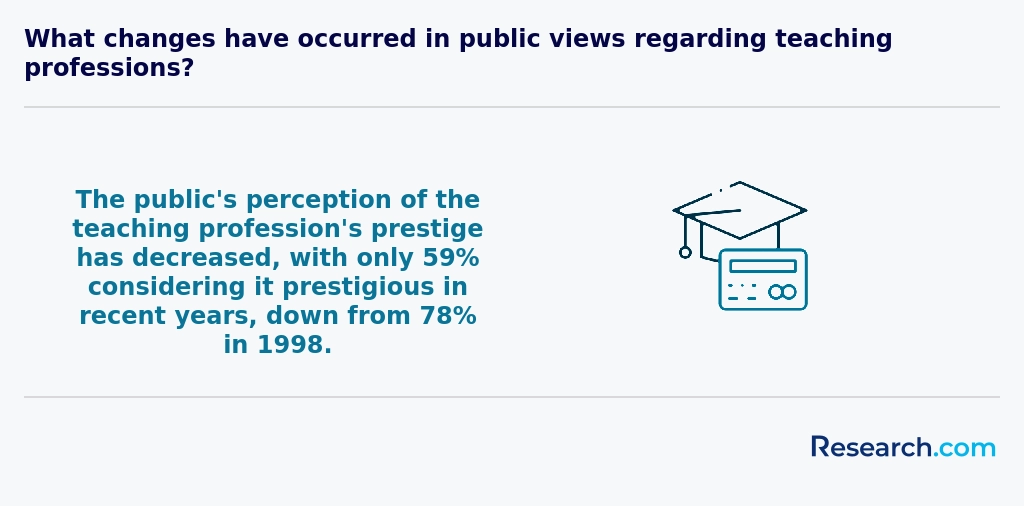
Graduates with an education degree in Wisconsin often discover that career paths extend well beyond the traditional classroom, challenging the notion that teaching is the only option. Many graduates from universities like UW-Madison and UW-Eau Claire find themselves stepping into roles as licensed teachers in elementary to high school levels, fulfilling the steady demand evident in teaching jobs for education graduates Wisconsin. Yet, some embrace positions as school counselors or curriculum developers, where they impact student growth in increasingly meaningful ways.
Others take bold steps into educational leadership, becoming principals or district administrators after additional certification. These roles often resonate with graduates who want to shape the broader educational landscape and policies across the state. Experience at Wisconsin institutions highlights a growing interest in special education, with graduates motivated by the meaningful challenge of supporting students with disabilities amid expanding job openings.
Interesting alternatives also arise outside public schools. Graduates leverage skills gained from their degrees in communication and educational psychology to work in nonprofits, corporate training, or educational technology. For those seeking flexibility, pursuing fast online undergraduate degrees for working adults complements these diverse career aspirations, making education degrees in Wisconsin truly versatile.
The education degree job outlook Wisconsin offers is surprisingly robust, especially when considering persistent teacher shortages in rural districts and specialized subjects like science and special education. Graduates from institutions like the University of Wisconsin-Madison or Marquette University often find themselves quickly employed, fueled by real demand that challenges the idea of an oversaturated teaching market. Instead of competition, new teachers frequently describe a sense of welcomed purpose while addressing vital community needs.
Wisconsin teaching careers market demand extends beyond classroom roles, including administrative and support positions, creating diverse paths for degree holders. For those concerned about balancing investment and reward, tuition at state universities remains moderate, and many find that the value gained offsets costs effectively. Stories from recent graduates illustrate how they leverage these opportunities while managing expenses, sometimes exploring options like an easy bachelors degree to complement their skills and enhance employability.
2027 Best Education Degree Programs Ranking in Wisconsin
Investing in your education is a significant decision that can profoundly influence your future, and the Research.com team recognizes the importance of providing reliable and insightful information to support this choice. To assist prospective students in Wisconsin, we have carefully developed the "2027 Best Education Degree Programs Ranking." Our dedication to quality, credibility, and accuracy is demonstrated through rigorous research and thorough analysis performed throughout the ranking process.
We utilized the following reputable data sources to ensure a comprehensive evaluation of education degree programs:
By reviewing this ranking, readers will gain valuable insights into top education degree programs in Wisconsin, empowering them to make well-informed decisions about their academic and professional futures. For a deeper understanding of our approach, please visit our Research.com methodology page.


Frequently Asked Questions About education
Education degree students in Wisconsin can maximize their learning experience by engaging deeply in both academic and practical opportunities. Wisconsin's universities, like the University of Wisconsin-Madison, emphasize hands-on fieldwork through student teaching placements, helping students apply theory to real classrooms. Participating in these placements early and frequently bolsters essential teaching skills.
Students should also consider joining education-focused organizations or clubs on campus, which offer networking and professional development. According to the Wisconsin Department of Public Instruction, collaboration and peer support greatly enhance learning outcomes.
Leveraging state resources, such as the Wisconsin Educator Effectiveness System, allows students to understand current teacher evaluation standards. Staying informed about state certification requirements ensures that academic efforts align with career goals in Wisconsin schools.
In Wisconsin, emerging niches within the education field reflect broader national trends adapting to technological and societal shifts. One prominent area is special education, where demand continues to rise due to increasing awareness of diverse learner needs. According to the Wisconsin Department of Public Instruction, special education enrollment has grown steadily over the past decade.
Another growing specialization is educational technology. With remote learning and digital tools becoming integral, educators skilled in technology integration are sought after. Programs focusing on curriculum design that incorporates digital resources are expanding.
Additionally, bilingual and multicultural education is gaining importance as Wisconsin schools serve more diverse populations. Educators trained in cultural competency and language acquisition are essential to meet this need.
Finally, behavioral and mental health support roles within schools are emerging as critical, responding to increasing attention to student wellbeing and social-emotional learning.
After completing an education degree in Wisconsin, preparing for the job market involves several key steps. First, gaining licensure through the Wisconsin Department of Public Instruction is essential for teaching roles. This process often includes passing the Praxis exams and completing student teaching hours.
Networking with local schools and attending job fairs such as the Wisconsin Educator Job Fair boosts employment opportunities. Additionally, candidates should develop classroom management skills and stay updated on Wisconsin academic standards.
According to the Wisconsin Department of Workforce Development, employment for Wisconsin teachers is projected to grow by 6% through 2030, highlighting steady demand.
Employers in Wisconsin prioritize several key skills when hiring graduates with education degrees. Strong communication abilities are essential, enabling teachers to effectively engage students and collaborate with colleagues and parents. Classroom management skills are also highly valued, as they contribute to a positive learning environment. According to the Wisconsin Department of Public Instruction, problem-solving and adaptability are crucial due to frequent changes in curriculum and student needs. Additionally, knowledge of technology integration in education is increasingly important, aligning with national trends emphasizing digital literacy in schools. These competencies prepare graduates to meet the diverse demands of Wisconsin's educational settings.
Finding internships in Wisconsin related to an education degree involves leveraging multiple resources aimed at connecting students with local schools and educational organizations. Many universities, such as the University of Wisconsin system, have dedicated career centers that list internship opportunities tailored for education majors.
Statewide databases like the Wisconsin Educational Career Access Network (WECAN) provide internship listings, including placements in public and private school districts. According to the Wisconsin Department of Public Instruction, partnerships between universities and K-12 schools facilitate practical classroom experience.
Additionally, professional organizations such as the Wisconsin Education Association Council (WEAC) offer networking events where students can find internships and mentorships. Contacting school administrators and utilizing local school district websites directly is also effective.
In Wisconsin, earning an education degree significantly enhances career mobility and advancement opportunities. According to the Wisconsin Department of Public Instruction, teachers with advanced degrees often qualify for higher salaries and leadership roles within schools.
Higher education credentials can lead to positions such as curriculum coordinators, instructional coaches, or school administrators. These roles typically require at least a master's degree and provide greater job stability and income potential.
The U.S. Bureau of Labor Statistics reports a steady growth in educational occupations in Wisconsin, indicating demand for qualified educators.
Overall, an education degree in Wisconsin offers clear pathways for professional growth in the education sector.
Studying for an education degree in Wisconsin equips students with skills essential for interdisciplinary roles in modern educational environments. Wisconsin's teacher preparation programs emphasize collaboration across subjects such as psychology, technology, and sociology. This approach reflects the state's standards, encouraging future educators to integrate knowledge from multiple fields to support diverse learners.
Many Wisconsin universities, including the University of Wisconsin system, offer coursework combining education theory with practical experience in real classrooms, fostering critical thinking and adaptability. According to the Wisconsin Department of Public Instruction, over 60% of education graduates engage in cross-disciplinary initiatives within their first five years of teaching.
This preparation allows graduates to work effectively not only as educators but also in roles like curriculum coordination, educational technology, and community outreach, where interdisciplinary collaboration is key.
Choosing between a thesis and a non-thesis education degree program in Wisconsin depends largely on your career goals and learning preferences. Thesis programs typically require original research and the completion of a formal thesis, which is ideal if you aim to pursue a PhD or a research-focused career.
Non-thesis programs often emphasize coursework and practical applications, making them suitable for professionals seeking leadership roles or classroom practice. According to the Wisconsin Department of Public Instruction, many educators prefer non-thesis tracks for faster entry into administrative positions.
Cost and duration also differ; thesis programs may take longer and involve additional expenses for research. Checking with specific Wisconsin universities, such as the University of Wisconsin system, is advised to understand program requirements and outcomes.
Students in Wisconsin seeking education degrees have several study abroad opportunities through university partnerships and exchange programs. The University of Wisconsin System offers various international education experiences, including semesters abroad in countries like the United Kingdom, Australia, and Spain. These programs allow education majors to gain global perspectives on teaching methods and educational theory.
According to the Wisconsin Higher Educational Aids Board, nearly 15% of UW students participate in study abroad activities, reflecting growing interest in international learning. Many programs include fieldwork or classroom observation, enriching practical training for future educators. Community colleges and private universities in Wisconsin also provide study abroad options tailored to education students, often supported by federal and state grants.
Students pursuing education degrees in Wisconsin can benefit from several part-time job opportunities that complement their academic training. Working as a teacher's aide or classroom assistant provides hands-on experience with lesson planning and student engagement. According to the Wisconsin Department of Public Instruction, these roles are widely available in primary and secondary schools statewide.
Additionally, tutoring jobs, especially in subjects like reading and math, allow students to apply educational theories while earning income. Local community centers and after-school programs in cities like Madison and Milwaukee often seek qualified tutors.
Positions as childcare providers or educational program facilitators also enhance skills in child development and classroom management. These roles commonly appear in Wisconsin's expanding early childhood education sector, supporting the state's focus on quality care.
Education students in Wisconsin benefit from numerous networking opportunities offered through universities, professional organizations, and state-sponsored events. The Wisconsin Department of Public Instruction supports initiatives that connect future educators with experienced professionals. Many universities, such as the University of Wisconsin system, host career fairs, workshops, and conferences specifically for education majors.
Additionally, students can join organizations like the Wisconsin Education Association Council (WEAC), which provides local chapters for networking and professional development. Through these platforms, students gain access to mentorships and job placement resources. According to the National Center for Education Statistics, Wisconsin's education programs consistently emphasize practical experience and collaboration, fostering strong professional networks for graduates.
Alumni networks play a crucial role in supporting education degree students in Wisconsin. These networks provide valuable mentorship opportunities, helping current students connect with experienced graduates who understand the challenges of education careers in the state.
According to a 2023 report by the Wisconsin Department of Public Instruction, strong networking through alumni has been linked to a 15% higher job placement rate for education graduates within Wisconsin's school districts.
Furthermore, alumni often share job openings and professional development resources exclusive to network members, enhancing career growth. These connections also foster collaboration on education initiatives statewide, benefiting students beyond their academic experience.
In Wisconsin, customizing an education degree program to fit your career goals is achievable through multiple pathways offered by universities and colleges. Many institutions provide flexible degree plans allowing students to select specific concentrations such as special education, literacy, or educational leadership. According to the Wisconsin Department of Public Instruction, students can enhance their programs with endorsements that prepare them for niche roles, including bilingual education or counseling.
Additionally, experiential learning options such as internships and student teaching placements in diverse school settings help tailor real-world skills. Elective courses in emerging areas, like educational technology, are also widely available, supporting specialization. These customizable components allow aspiring educators to align their training closely with Wisconsin's evolving educational workforce needs.
Education students in Wisconsin often face several challenges unique to the state's higher education and K-12 systems. One major barrier is managing the rigorous course load alongside mandatory student teaching requirements, which can demand upwards of 12 to 15 weeks in local schools. This hands-on experience is critical but stressful, especially in districts with teacher shortages, as noted by the Wisconsin Department of Public Instruction.
Additionally, funding limitations for public schools in Wisconsin impact practicum sites and available resources, complicating practical learning. Students also report difficulty navigating the licensure process, which involves multiple exams and specific state-mandated coursework. According to recent data from the Wisconsin Technical College System, approximately 20% of education students delay graduation due to these hurdles.
Lastly, adapting to diverse classrooms in urban and rural areas poses challenges, requiring extra training in cultural competency and inclusion strategies, which some programs may insufficiently address.
With an education degree in Wisconsin, graduates can pursue a variety of professional certifications to enhance their careers. The most common is the Wisconsin Initial Educator License, which allows one to teach in public schools. After fulfilling experience requirements, educators can advance to the Professional Educator License.
Specialized certifications are also available, including licenses for school counseling, reading specialists, and administrator roles such as principals or superintendents. According to the Wisconsin Department of Public Instruction, roughly 30,000 educators hold valid licenses statewide as of 2023.
Additional certifications like the National Board Certification offer national recognition and require rigorous assessment. These credentials can increase job prospects and earning potential in Wisconsin's education sector.
Writing a winning application for an education program in Wisconsin requires careful preparation and attention to detail. Start by researching programs approved by the Wisconsin Department of Public Instruction, as accreditation is essential for licensure. Highlight your academic achievements, relevant experiences, and any community involvement related to education.
Wisconsin values candidates demonstrating a clear commitment to teaching, so include a compelling personal statement explaining your motivation and goals. Provide strong letters of recommendation from educators or employers who can attest to your skills and character.
Lastly, ensure your application is complete and error-free. Meeting deadlines set by institutions is critical; many programs in Wisconsin begin reviewing applications several months before the fall semester. According to the Wisconsin Educational Association Council, candidates with thorough, well-organized applications have a higher chance of acceptance.
The global perspective on an education career highlights the increasing demand for skilled educators who can adapt to diverse learning environments. In the United States, and specifically in Wisconsin, education professionals are recognized for their crucial role in fostering development and equity. According to the Wisconsin Department of Public Instruction, over 66,000 teachers currently work in the state's public schools, reflecting a strong commitment to education.
Internationally, educators face varying standards and expectations, but common themes include lifelong learning and cultural competence. For Wisconsin students pursuing education degrees, understanding global trends can enhance career opportunities, including potential work abroad or with diverse local populations.
Students pursuing an education degree in Wisconsin can gain practical experience through various hands-on opportunities integrated into their programs. Most Wisconsin universities require supervised student teaching placements, allowing candidates to work directly in classrooms under the mentorship of experienced educators. For example, the Wisconsin Department of Public Instruction highlights that student teaching is essential for licensure and professional growth.
Additionally, many institutions collaborate with local schools and community organizations to offer internships, fieldwork, and volunteer positions. These experiences help students apply theoretical knowledge in real-life settings, improving their classroom management and instructional skills. According to the National Center for Education Statistics, Wisconsin has over 2,000 public K-12 schools, providing a wide range of practical training sites.
Choosing the right concentration within an education degree program in Wisconsin requires understanding your career goals and the state's specific educational demands. Wisconsin offers concentrations such as early childhood education, special education, and secondary education, each preparing students for different teaching roles. According to the Wisconsin Department of Public Instruction, there is a growing need for educators skilled in special education and STEM fields.
Consider researching job availability in your preferred area and evaluating how each concentration aligns with licensure requirements set by the Wisconsin Educational Approval Board. Additionally, review programs' curriculum to ensure it includes practical experiences like student teaching, which are crucial for certification.
Consulting academic advisors and exploring workforce statistics can guide you toward a concentration that matches your skills and meets Wisconsin's educational workforce needs, improving your employment prospects after graduation.
- 2027 Best Online Education Degree Programs Ranking in Minnesota
- 2027 Best Online Education Degree Programs Ranking in Iowa
- 2027 Best Online Education Degree Programs Ranking in Illinois
- 2027 Best Online Education Degree Programs Ranking in Michigan
- 2027 Best Online Education Degree Programs Ranking in Indiana
- 2027 Best Online Education Degree Programs Ranking in Missouri
- 2027 Best Online Education Degree Programs Ranking in Ohio
- 2027 Best Online Education Degree Programs Ranking in South Dakota
- 2027 Best Online Education Degree Programs Ranking in Nebraska
- 2027 Best Online Education Degree Programs Ranking in Kentucky
See What Experts Have To Say About Studying Education
Read our interview with Education experts

Alan J. Singer
Education Expert
Professor of Teaching, Learning and Technology
Hofstra University

Nooshan Ashtari
Education Expert
Professor & Book Author
University of Southern California

- Teaching Degree Requirements in 2023 | Teachers of Tomorrow https://www.teachersoftomorrow.org/blog/insights/teaching-degree-requirements/
- Working in Ed Tech: How to Identify Your Niche and Build Relevant Skills https://www.highfivepartners.com/blog/working-in-ed-tech-how-to-identify-your-niche-and-build-relevant-skills
- How much does college cost in Wisconsin? https://www.edvest.com/learn/how-much-does-college-cost
- Latest Trends in the Field of Education - ICERT https://icert.org.in/latest-trends-in-the-field-of-education/
- Skills Employers Look for in Business Graduates – EU Business School https://www.euruni.edu/blog/skills-employers-look-for-in-business-graduates/
- Is a thesis always mandatory in a master's degree program? - EFMU: The Euler-Franeker Memorial University and Institute https://euler.euclid.int/is-a-thesis-always-mandatory-in-masters-degree-program/
- Education degree - Tłumaczenie po angielsku - Słownik angielsko-polski Diki https://www.diki.pl/slownik-angielskiego
- Education Cover Letter: 6 Steps to Write a Job-Winning One [+Example & Template] | Cake https://www.cake.me/resources/cover-letter/education-cover-letter
- 10 Reasons Why Education Helps to Advance Your Career - Insight Training https://insight.edu.au/blog/career-advancement-through-education/
- Navigating Challenges In Education, Learning & Development - those who can https://www.thosewhocan.org/navigating-challenges-in-education-learning-and-development/