2027 Best Online Education Degree Programs Ranking in Idaho

Co-Founder and Chief Data Scientist
Choosing the right education degree program can shape your future in meaningful ways. This article presents the 2027 Best Online Education Degree Programs Ranking in Idaho, developed by the Research.com team of data scientists to guide you toward informed decisions.
Whether you're starting your journey or advancing your career, understanding top programs available online helps you find quality options that fit your needs.
Investing in an education degree opens doors to rewarding opportunities and personal growth. Explore this ranking to discover which programs stand out for Idaho students like you.
Key benefits of getting online education degree in Idaho
- Education degree graduates in Idaho can earn competitive salaries, such as Special Education Teachers with a mean annual wage of $76,000 and Instructional Designers earning around $77,200, offering financial stability and rewarding careers.
- Graduates from Idaho universities often find diverse paths available, including roles as Early Childhood Educators, ESL Teachers, or Instructional Designers, allowing for flexible and fulfilling career choices.
- Online education degrees from Idaho institutions provide greater flexibility, letting students balance work and study while gaining practical skills, often leading to quicker career advancement and joyful learning experiences.
- 2027 Best Online Education Degree Programs Ranking in Idaho
- What can I expect from online education degree in Idaho?
- Where can I work with online education degree in Idaho?
What can I expect from online education degree in Idaho?
The average cost of an online education degree in Idaho can vary significantly depending on the institution and degree level. Graduates from Boise State University and the University of Idaho often report tuition expenses ranging from approximately $7,000 to $15,000 per year for their fully online bachelor's or master's education programs. This range reflects in-state tuition, which is generally more affordable than out-of-state rates, making it more accessible for Idaho residents.
Many students appreciate that these costs are often offset by federal financial aid and Idaho-specific scholarships aimed at education majors, which help reduce the financial burden. One graduate shared how applying for state scholarships eased the overall expense, allowing them to focus more on balancing coursework with their personal responsibilities.
Still, it's important to recognize that additional fees such as textbooks, technology, and required local practicum experiences may add to the total. Unlike purely online programs elsewhere, Idaho's education degrees integrate field experiences to meet licensing standards, presenting both a cost and an opportunity to gain valuable hands-on skills close to home.
Where can I work with online education degree in Idaho?
Graduates with an online education degree in Idaho commonly find work in public and private school systems across the state's 114 districts. Many pursue teaching roles at elementary, middle, or high schools, often focusing on in-demand subjects like special education, STEM, or ESL. A graduate from Boise State University shared that earning a degree online allowed them to balance family responsibilities while later securing a teaching position in the Boise area, highlighting how flexible programs can lead to rewarding careers.
Beyond classroom roles, degree holders often move into educational leadership or support positions, such as counselors or curriculum coordinators. The University of Idaho's alumni have noted the usefulness of online Master's programs in Education Administration, which qualify them for principal or director roles requiring advanced certification.
Some graduates find fulfilling careers in alternative education settings too-like community learning centers or tutoring services-especially as Idaho's rural internet expansion creates new opportunities in education technology. This diversity in career paths reflects the broad applicability of online education degrees endorsed by Idaho's state certification standards.
Graduates from online education programs in Idaho can expect a range of earnings that reflect both their degree level and chosen career path within the educational field. For instance, early childhood educators typically earn about $41,410 annually, which is a solid starting point for those entering teaching roles after studying through Idaho's leading institutions like Boise State University.
Elementary school teachers, another common career path for education graduates, have a mean annual wage of approximately $70,740 in Idaho. This figure is encouraging for graduates of online bachelor's programs who seek stability in public schools across the state. Graduates have reported feeling motivated by this earning potential when planning their futures.
Special education teachers earn even more, with mean salaries around $76,000. This higher wage often aligns with additional certifications and specialization, something many online graduate students pursue. Instructional designers, a growing field for education degree holders, can expect yearly salaries near $77,200, showcasing the benefits of diversifying skills.
ESL teachers earn on average $65,430 annually, which highlights opportunities for graduates looking to engage with Idaho's increasingly diverse student population. These salary ranges demonstrate that graduates from Idaho's online education programs can find rewarding and financially viable careers, particularly when combining experience with further certification.
- In-state tuition for online undergraduate education programs in Idaho ranges from $8,000 to $12,000 per year, while out-of-state students may pay up to $25,000 annually.
- Graduate programs like online master's degrees in education cost between $10,000 and $15,000 per year for in-state students.
- Starting salaries for education degree graduates in Idaho are typically between $40,000 and $45,000 per year, depending on role and location.
- Experienced education professionals in Idaho often earn between $55,000 and $65,000 or higher annually.
- Job demand is growing, especially for teachers in special education, STEM, and early childhood fields, as well as roles in education administration and curriculum development.
Completing an online education degree in Idaho often takes around four years for full-time bachelor's students, similar to traditional timelines. Graduates from Idaho State University and the University of Idaho frequently share how balancing full-time study with work or family responsibilities shaped their pace. Some took up to six years, finding pride in the flexibility allowing them to manage life's demands without sacrificing progress.
For those pursuing a Master's in Education online, two years is standard, but many appreciate programs designed for working professionals that extend to three or more years. These options empower students to tailor their experience, reducing stress while maintaining academic rigor.
Alternative certification candidates often finish within one to two years, especially if they already hold degrees in other fields. Practical components, like student teaching, provide rewarding hands-on experience, enhancing their enthusiasm and confidence for real classrooms.
Ultimately, enrollment status, credit transfers, and program intensity directly influence completion time, making each student's journey uniquely adaptable to their circumstances.
For students seeking to pursue a career in education without accumulating significant debt, exploring the options for affordable education in Idaho is crucial. By considering factors such as tuition costs, financial aid, and program accreditation, prospective students can make informed decisions about their educational investments. Many institutions in Idaho offer competitive pricing for their online education degree programs, making it more accessible for a wider range of students. For instance, students can research affordable education schools in Idaho to find programs that fit their budget and career aspirations. This approach enables students to balance their financial obligations with their academic and professional goals, ultimately leading to a more sustainable and successful career in education.
Choosing between online and on-campus education degrees in Idaho involves weighing differences in delivery, flexibility, and cost. Graduates from Boise State University often highlight how on-campus programs offer direct, face-to-face interaction with professors and peers, enriching hands-on learning and networking opportunities. This suits students who thrive in structured environments and value immediate feedback.
Conversely, online students appreciate the flexibility to juggle work, family, and study, accessing lectures and assignments anytime. For example, a graduate pursuing an online degree from the University of Idaho found that fitting coursework around a busy job was essential to completing the program. However, this demands strong self-discipline and time management.
Cost also plays a role, with online tuition sometimes 15-25% lower than on-campus, easing the financial burden, especially when commuting and housing expenses are factored in. Yet, access to campus resources like libraries or counseling can feel limited, an issue some online students resolve by using digital services or local facilities.
Both paths require local student teaching placements, ensuring practical experience regardless of study mode. Ultimately, Idaoh students must consider which format aligns best with their lifestyle and learning preferences.
Expanding your academic journey beyond a bachelor's or master's in education can significantly boost your leadership skills and career potential. Many education professionals are now exploring doctoral pathways to deepen their expertise in curriculum design, policy-making, and educational technology integration. Pursuing an EdD not only empowers you with advanced research capabilities but also positions you as a sought-after leader in both public and private institutions. For educators looking to make a transformative impact in their communities, graduating from an online EdD program provides flexibility and practical tools to excel in evolving learning environments. Additionally, these programs are designed to accommodate working professionals, ensuring that academic growth and career advancement go hand in hand. For those interested in exploring options that balance quality with cost, you may consider checking out affordable edd programs that streamline the path to your doctorate while keeping tuition values competitive. Embracing an EdD as your next step not only enhances your professional portfolio but also fortifies your commitment to making a lasting contribution to the future of education.
The average cost of an online education degree in Idaho varies notably depending on residency and institution type. Idaho residents pursuing an online education degree typically face a median in-state total cost of around $17,686, which reflects tuition and additional fees spread throughout the program duration. Graduates from well-known public universities like Idaho State University often share positive experiences about the affordable tuition structure paired with quality course delivery, making it an attractive option for local students mindful of budget constraints.
Out-of-state learners can expect a higher median total cost near $28,601, largely because of increased tuition rates at Idaho institutions like the University of Idaho. Many non-resident students weigh the cost against benefits such as access to diverse coursework and a strong faculty. Private colleges also tend to charge significantly more, sometimes near or exceeding $25,000 annually, although scholarships help offset these expenses.
When considering Idaho online education degree tuition fees, it's crucial to remember extra costs beyond tuition fees-including technology fees, course materials, and possible travel for practicum requirements. Some graduates recall budgeting carefully for these expenses, which can impact the overall cost but enrich hands-on learning opportunities.
Idaho's costs generally remain below the national average for online education programs, making the state a competitive choice. Prospective students should also inquire about the accreditation of online programs to ensure their investment translates to recognized qualifications.

Online learners in Idaho benefit from a robust network of support services designed to ensure academic success and seamless program delivery. Whether you’re navigating your first semester or preparing for graduation, these resources can make a significant difference: • Academic Advising and Mentorship: Idaho institutions like Boise State University and Idaho State University assign dedicated academic advisors who provide individualized guidance on course selection, degree planning, and career goals. Regular check-ins and virtual office hours help keep students on track and address any challenges early. • Technical Support and Learning Management Systems: Reliable access to online platforms such as Canvas or Blackboard is critical. Most programs offer 24/7 technical helplines, tutorial videos, and peer-led tech workshops to troubleshoot connectivity issues and familiarize students with interactive tools. • Tutoring and Writing Centers: Free online tutoring in subjects like educational psychology and curriculum design is available, along with writing support that covers everything from lesson-plan development to academic research papers. Group study sessions and writing boot camps foster collaboration and improve critical skills. • Career Services and Internship Placement: Dedicated career counselors assist with resume building, interview preparation, and job search strategies. Many Idaho programs maintain partnerships with local school districts, facilitating internships and practicum placements that translate into post-graduation employment. • Library Access and Research Databases: Idaho’s online education students enjoy remote access to extensive digital libraries, including educational journals, e-books, and video archives. Librarians offer live chat support to guide literature reviews and streamline the research process. • Peer Networking and Student Organizations: Virtual cohorts, alumni panels, and student-run education clubs create opportunities for networking, professional development, and community engagement. These forums often host guest speakers, workshops, and informal study groups. For students seeking cost-effective program options across different states, you can also explore Inexpensive Online Master's in Education Degree Programs Ranking in Maine to compare support structures and tuition savings in similar online education environments.
Students pursuing online education degrees in Idaho often find federal aid, especially the Pell Grant, a helpful starting point. One graduate from Boise State University recalls how this grant, providing up to $7,395 annually, eased financial pressure while balancing work and studies. Completing the FAFSA each year is essential since many aid programs, including this grant, operate on a first-come, first-served basis.
State aid also plays a significant role. At the University of Idaho, a teaching candidate shared how the Idaho Opportunity Scholarship's $3,000 yearly support made continuing education feasible without taking on excessive debt. The Career Technical Education Grant further aids those targeting technical roles within education, adding another layer of support.
Merit-based scholarships at schools like Lewis-Clark State College reward academic and professional achievements, reflecting institutions' recognition of dedication. Additionally, some employers offer tuition assistance, which graduates often describe as a motivating factor to advance their qualifications without sacrificing income.
To transition from an online education graduate to a fully licensed teacher in Idaho, candidates must navigate several state‐mandated steps that ensure classroom readiness and compliance with Idaho’s educational standards. 1. Complete an Approved Educator Preparation Program • Graduate from a program accredited by the Council for the Accreditation of Educator Preparation (CAEP) or regionally accredited institution. • Verify that your online coursework aligns with Idaho State Board of Education requirements. 2. Pass Required Examinations • Praxis Core Academic Skills for Educators (reading, writing, mathematics) if not waived by qualifying ACT/SAT scores. • Praxis Subject Assessments (e.g., Elementary Education, Secondary Content Areas). • Principles of Learning and Teaching (PLT) exam for instructional pedagogy. 3. Submit Application and Background Check • Complete the Idaho Educator Certification Online System (ECOS) application. • Undergo fingerprinting and a federal background check. • Pay applicable licensing fees. 4. Enroll in Induction and Mentorship • Participate in a state-approved induction program during your first two years of teaching. • Work with a mentor to refine instructional strategies and classroom management. 5. Maintain and Renew Your License • Earn six semester credits or 100 continuing education units every five years. • Complete training in Idaho’s Content Standards and Teaching Practices. For graduates evaluating cost-effective advanced degrees, exploring options outside Idaho may offer additional flexibility-see the Inexpensive Online Master's in Education Degree Programs Ranking in Maine for a comparative snapshot of low-tuition master’s paths.
To enroll in online education degree programs in Idaho, most applicants must hold a high school diploma or GED for undergraduate entry, a requirement echoed by graduates from institutions like Boise State University. For those pursuing graduate degrees, a completed bachelor's from an accredited college is essential, often favoring education-related fields, though some programs allow broader degrees with extra coursework.
Standardized tests such as the SAT or ACT are frequently optional or waived, reflecting the flexibility sought by working adults balancing studies with personal responsibilities. One graduate recalled relief in avoiding these exams while advancing her teaching career online.
Applicants generally submit official transcripts, letters of recommendation, and personal statements to demonstrate motivation and readiness. Graduates from the University of Idaho emphasize how crafting their essays helped clarify their career goals. Those aiming for licensure report that prior teaching experience and background clearances are often required, highlighting the importance of practical readiness alongside academics.

Online education degree programs in Idaho generally include courses that build a solid foundation in both theory and practical skills. Graduates from institutions like Boise State University often reflect on courses such as Foundations of Education, which delves into the history and philosophy shaping the U.S. education system, helping them understand the 'why' behind teaching practices.
Many students appreciate Educational Psychology classes, as these explore how learners develop, enabling future teachers to tailor their approach thoughtfully. Curriculum Design and Instructional Strategies courses stand out for graduates, as they provide concrete skills to plan engaging lessons for diverse classrooms they envision leading.
Classroom Management training is often highlighted as essential, equipping students to foster positive environments where all Idaho learners can thrive. Some graduates share feeling empowered by Educational Technology courses, recognizing the increasing role of digital tools in modern teaching.
Finally, specialized courses like Special Education and Multicultural Education prepare students to embrace Idaho's diverse learning needs sensitively and effectively, essential for a truly inclusive educational career.
Idaho online education programs with specializations often include Elementary Education, tailored for graduates who appreciate engaging with young learners through curriculum design and classroom dynamics. Many alumni from Boise State University recount their excitement applying effective child development strategies practically during their internships. For those interested in working with adolescents, Middle and Secondary Education specializations allow students to deepen knowledge in subject areas like mathematics or social studies, which some University of Idaho graduates found essential in staying confident when entering diverse high school classrooms.
Special Education remains a compelling choice for students eager to make a significant impact, as reflected in testimonials from College of Southern Idaho graduates who highlight their readiness to craft personalized education plans for students with disabilities. Another notable track reflects a growing interest in Educational Leadership and Administration, equipping future principals and administrators to navigate Idaho's school systems effectively.
Furthermore, emerging technology-focused specializations emphasize instructional technology, helping educators harness digital tools crucial for today's classrooms. Students balancing work and study appreciate how adaptable these programs are.
For those aiming higher, Idaho also offers online doctorate degrees in organizational leadership, supporting advanced career goals in education. Considering the average tuition costs for Idaho degrees, these specializations present accessible paths that resonate emotionally with students passionate about teaching and leadership.
Choosing the best online education degree in Idaho means prioritizing accreditation and program quality over just cost or convenience. Graduates from well-known institutions like Boise State University often highlight how regional accreditation from the Northwest Commission on Colleges and Universities boosted their confidence that their degree was valued by employers. However, not all students have the same goals; some prefer programs with specialized curricula tailored to early childhood or special education, reflecting their unique career paths.
Flexibility is another key consideration. Many students juggling work and family responsibilities appreciate asynchronous classes offered by Idaho State University, which allow them to learn without strict schedules. This flexibility, paired with strong student support services, can positively impact one's motivation and success. When seeking affordable education degree programs Idaho offers, learners often weigh tuition alongside fees and materials, exploring financial aid to stretch their budgets.
Finally, understanding state-specific requirements is crucial. Programs that actively prepare graduates for Idaho certification-and align with licensure rules-ensure smoother career transitions. For those curious about regional differences, comparing nevada teacher education requirements can provide useful perspective.

Graduates holding an online education degree in Idaho commonly pursue roles as certified K-12 teachers, filling persistent needs in subjects like math, science, and special education within both public and private schools. Many who studied at well-known institutions such as Boise State University or the University of Idaho share how their programs' alignment with state licensure standards made navigating certification more manageable, enhancing their confidence entering classrooms.
Beyond teaching, expanding into educational administration represents a popular pathway. Graduates have found fulfilling careers as principals or district coordinators, roles that require additional certifications but bring leadership responsibilities and increased salary potential. Real experiences from Idaho education graduates illustrate the challenge of balancing work and additional credentialing yet emphasize the rewarding impact on school communities.
For those interested in the growing emphasis on education technology or curriculum innovation, Idaho colleges facilitate career opportunities as instructional coordinators or technology specialists. These positions, critical in improving student outcomes, attract graduates keen on modernizing classrooms and supporting effective teaching methods.
Addressing career opportunities for education graduates Idaho offers also includes school counselors and adult education instructors, embodying diverse paths that reflect the evolving educational landscape. Students from statewide programs appreciate a variety of options post-graduation, especially given the affordability of an online education degree.
The range of job prospects for online education degree jobs in Idaho confirms the state's commitment to evolving educational needs, bolstered by data from the national center for education statistics.
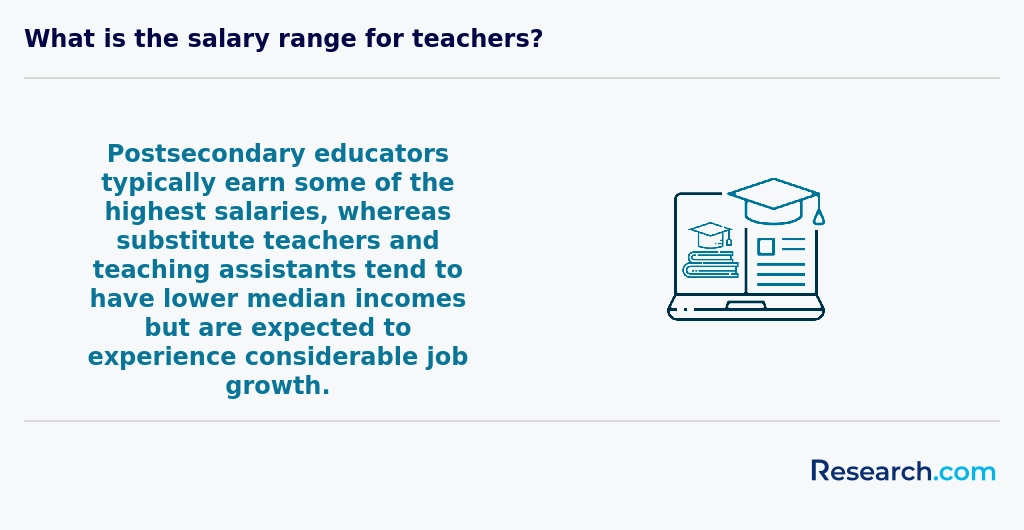
The job market for graduates holding an online education degree in Idaho is promising but nuanced. Teacher employment opportunities are expanding due to a projected 8% growth between 2020 and 2030, driven by rising student enrollment and replacing retiring educators. Graduates from well-known institutions like Boise State University find rewarding roles in K-12 settings, balancing work and studies with online flexibility. This steady demand gives hopeful educators a positive outlook, especially in areas requiring specialized skills.
Beyond classroom teaching, education degree holders are stepping into roles such as curriculum design and instructional coordination, often supported by certifications gained during their studies. These positions appeal to graduates who want to shape educational outcomes without traditional teaching duties. Many graduates appreciate how programs at institutions like the University of Idaho prepare them for such diverse career paths, illustrating the varied opportunities in Idaho's education landscape.
Considering the online education degree job outlook Idaho, salary ranges are competitive though modest compared to larger metro areas. Graduates routinely highlight affordable tuition rates and the accessibility of online studies, which support their career advancement while managing life's demands. Those interested in further specialization may explore accredited child development programs to deepen expertise and increase employability.
2027 Best Online Education Degree Programs Ranking in Idaho
Investing in your education is a significant decision that can shape your future, and the Research.com team understands the importance of making informed choices. To assist prospective students in Idaho, we have meticulously crafted the "2027 Best Online Education Degree Programs Ranking in Idaho." Our commitment to quality, credibility, and accuracy is reflected in the extensive research and analysis conducted to compile this ranking.
We utilized the following reputable data sources to ensure a comprehensive evaluation of education programs:
By exploring this ranking, readers will gain valuable insights into the best online education degree programs available in Idaho, helping them make informed decisions about their academic and professional futures. For more details on our methodology, please visit our Research.com methodology page.


Frequently Asked Questions About education
Online education degree students in Idaho can maximize their learning experience by actively engaging with course materials and instructors. Research shows that students who regularly participate in discussions and complete assignments on time tend to perform better. Idaho's public universities offer resources such as virtual tutoring and dedicated academic advisors to support online learners.
Time management is crucial; setting a consistent study schedule helps balance coursework with personal responsibilities. According to the Idaho State Board of Education, nearly 30% of undergraduate students are enrolled in fully online programs, reflecting growing acceptance and support for remote learning.
Utilizing Idaho's library services and networking with peers through online forums also enhances understanding. Students should take advantage of technology tools provided by their institutions to foster collaboration and deepen knowledge.
The education field is evolving rapidly, with emerging niches that reflect new societal and technological needs. In Idaho, online education degrees increasingly focus on areas like special education, educational technology, and STEM education. These specializations address Idaho's growing demand for qualified teachers able to support diverse learners and integrate digital tools in classrooms.
According to Idaho's State Department of Education, there has been a noticeable increase in programs preparing educators to teach students with disabilities and learning differences. Additionally, the push for improved technology use in schools has created a niche for specialists trained in educational technology.
STEM education is also gaining prominence, supported by Idaho's efforts to boost science, technology, engineering, and math skills among youth. Online degree programs now offer tailored courses for educators to develop curriculum and teaching strategies in these critical areas.
After completing an online education degree in Idaho, preparing for the job market involves several key steps. First, graduates should obtain Idaho state licensure if they plan to teach, which requires passing the Praxis exams and completing an approved teacher preparation program, often included in online degrees.
Networking is crucial. Joining professional organizations such as the Idaho Education Association can connect candidates with local job opportunities.
Additionally, leveraging Idaho's Department of Labor resources can help graduates access current job market data, where education-related jobs are expected to grow by 5% through 2030.
Finally, preparing a strong resume and gaining classroom experience through internships or substitute teaching improves employment prospects.
Employers in Idaho prioritizing education degree graduates commonly seek strong communication skills. Effective verbal and written communication is essential for engaging diverse student populations and collaborating with colleagues and parents. According to the Idaho State Department of Education, interpersonal skills rank among the top requirements for new educators in the state.
Critical thinking and classroom management abilities are also highly valued. Graduates must adapt to various learning needs and maintain a productive learning environment. The Idaho Workforce Development Council highlights that problem-solving skills are key to addressing challenges in evolving classroom settings.
Lastly, technology proficiency is increasingly important. Online education graduates should be comfortable integrating digital tools, a skill emphasized in Idaho's teacher preparation programs to meet modern educational demands.
Finding internships in Idaho related to an education degree involves exploring opportunities through local school districts, universities, and community programs. Many Idaho institutions partner with schools to offer practicum and student teaching experiences, which count as internships. The Idaho State Department of Education website provides resources listing school districts actively seeking interns each year.
Additionally, online education students should connect with career services at their institutions, which often maintain relationships with Idaho schools and education nonprofits. The Idaho Commission for Libraries also offers programs that can serve as internship opportunities.
Networking through Idaho education conferences and joining teacher associations can help uncover openings. According to Idaho's educational workforce reports, school districts in Boise, Meridian, and Idaho Falls frequently have internship roles for education majors.
Obtaining an online education degree in Idaho can significantly enhance career mobility and advancement opportunities. According to the Idaho Department of Labor, educators with advanced degrees often qualify for higher-paying roles, such as curriculum specialists or school administrators. Many Idaho school districts prioritize candidates with bachelor's or master's degrees earned through accredited online programs, valuing their flexibility and demonstrated self-discipline.
Census data indicates that over 30% of Idaho teachers hold a master's degree or higher, which correlates with better job stability and promotional prospects. Online degrees also allow professionals to balance work and study, enabling continuous career development without disrupting employment.
In addition, Idaho's growing commitment to remote learning supports the reputation of online credentials within the state education sector.
Studying for an education degree in Idaho offers strong preparation for interdisciplinary roles by emphasizing collaboration across various fields. Idaho's online education programs integrate curriculum with allied disciplines such as psychology, technology, and social services. According to the Idaho State Board of Education, many programs require coursework that develops skills in communication, assessment, and technology application, which are essential for today's diverse educational settings.
Students gain experience working with different age groups and learning needs, preparing them for roles beyond traditional teaching. The state's focus on rural and urban community engagement also encourages flexible, multifaceted approaches to education.
When choosing between a thesis and a non-thesis education degree program in Idaho, consider your career goals first. Thesis programs typically involve original research and are suited for those interested in advanced academic work or pursuing a Ph.D. Many Idaho universities, including Boise State and the University of Idaho, offer both options online.
A non-thesis program often emphasizes coursework and practical skills, appealing to professionals aiming for leadership or administrative roles. According to Idaho State Board of Education data, about 40% of graduate education students opt for non-thesis tracks due to their flexibility.
Assess your time commitment as thesis programs usually require more extensive research and writing. Idaho's online education degrees often provide clear guidance on these choices through academic advisors.
Students based in Idaho seeking to study education abroad have limited direct options through Idaho institutions. Most Idaho public universities focus primarily on domestic online programs. However, students can explore education abroad opportunities by enrolling in regionally accredited online programs from U.S. universities that offer international partnerships or study-abroad components.
Notably, institutions like Boise State University provide global learning experiences but typically require travel. For fully online degrees, students should look for programs with virtual international collaborations or internships. According to the Idaho State Board of Education, around 12% of Idaho students enroll in online learning each year, reflecting growing interest in flexible study options.
For U.S.-based online education degrees with an international focus, students can choose schools that include comparative education or global pedagogies coursework. This approach helps Idaho students gain international perspectives while remaining in-state.
Part-time job opportunities in Idaho that complement education degree studies often focus on roles in schools and community programs. Many students find work as teacher's aides, where they assist licensed teachers and gain practical classroom experience. According to the Idaho Department of Labor, education-related positions like this are growing by 5% annually.
Other common roles include substitute teaching and tutoring, especially in growing districts like Boise and Meridian. These jobs not only provide income but also valuable insights into managing diverse student needs.
Additionally, involvement in after-school programs or childcare centers offers hands-on exposure to educational development. Such jobs enhance skills in lesson planning, communication, and classroom management, directly benefiting those pursuing teaching credentials.
Online education students in Idaho have access to various networking opportunities despite the physical distance from campus. Many Idaho universities, such as Boise State University and the University of Idaho, offer virtual events, webinars, and discussion forums that connect students with faculty and peers.
Professional organizations in Idaho, like the Idaho State Board of Education, often provide special online workshops and networking sessions tailored for educators and education students. Additionally, Idaho's online programs encourage participation in local internships and field experiences, which help build connections within the state's educational community.
Extensive use of social media and LinkedIn groups also supports networking among students and alumni. According to recent data from the National Center for Education Statistics, Idaho's investment in online infrastructure has steadily increased, making these opportunities more accessible.
Alumni networks play a significant role for online education degree students in Idaho by offering access to valuable professional connections. Graduates from Idaho universities often participate in active alumni groups, which provide mentorship, job leads, and networking opportunities. According to the Idaho State Board of Education, over 60% of Idahoan graduates find employment through alumni referrals or connections. These networks help students overcome the isolation sometimes experienced in online programs by fostering a sense of community and shared experience. Additionally, alumni often assist with career advice tailored to Idaho's education system and local school districts, enhancing graduates' job market readiness.
Students pursuing an online education degree in Idaho can tailor their programs by selecting specialized courses aligned with their career goals. Many Idaho institutions offer concentrations such as curriculum development, special education, or educational technology.
Online programs often include elective options, allowing learners to focus on areas like leadership or counseling. Idaho's State Board of Education encourages flexible degree pathways to meet workforce needs, supported by data showing a 5% growth in education jobs statewide through 2028 (Idaho Department of Labor).
Additionally, students may benefit from practicum placements or certifications embedded within their degrees to gain practical experience.
Carefully reviewing course catalogs and consulting academic advisors can optimize your online education degree to suit professional aspirations.
Online education students in Idaho face several common challenges that impact their learning experience. One key issue is limited access to reliable high-speed internet, especially in rural areas, which affects about 30% of the state's population according to the Idaho Broadband Task Force. This can hinder students' ability to participate fully in live lectures and submit assignments on time.
Time management is another challenge, as many students balance work, family, and study responsibilities. Research from the National Center for Education Statistics shows that nearly 45% of Idaho's online learners juggle education with full-time employment.
Finally, some students report difficulty accessing campus resources and support services remotely, which can affect academic performance and motivation.
With an online education degree in Idaho, you can pursue several professional certifications that enhance your teaching credentials and career prospects. The most common certification is the Idaho Professional Teaching Certificate, which requires completion of an approved educator preparation program and passing the Praxis exams.
In addition, candidates may seek endorsements in special education, English as a Second Language (ESL), or educational technology by fulfilling state requirements. National certifications, such as the National Board Certification for teaching, are also accessible to Idaho educators looking to demonstrate advanced expertise.
According to the Idaho State Board of Education, over 1,000 educators annually earn certifications, reflecting strong demand.
Writing a winning application for an online education program in Idaho begins with understanding the state's higher education landscape. Idaho's public universities like Boise State University and the University of Idaho offer respected online degrees. Applicants should clearly articulate their career goals and how the program fits these objectives.
Including strong letters of recommendation and a well-crafted personal statement can significantly improve your chances. Ensure the personal statement highlights your motivation, relevant experience, and commitment to completing an online degree.
Additionally, meeting standardized test or GPA requirements is crucial. According to Idaho State Board of Education data, average GPAs for successful applicants typically range from 3.0 to 3.5.
Thoroughly follow each program's specific application instructions and deadlines to demonstrate professionalism and attention to detail.
Globally, education careers carry significant respect and opportunities, reflecting society's commitment to knowledge and development. In the United States, including Idaho, teaching remains a stable and growing profession, with the U.S. Bureau of Labor Statistics projecting a 5% growth in teacher employment from 2021 to 2031. Idaho itself has recognized the value of education careers, with increasing demand for qualified educators in both urban and rural areas.
International perspectives emphasize the importance of adaptability and technology skills for educators. Idaho's online education degree programs prepare students to meet such global standards by integrating modern teaching methods and digital literacy.
Data from Idaho's Office of the State Board of Education shows rising enrollment in online education degrees, reflecting the broader shift toward flexible, accessible learning paths aligned with global trends.
Gaining practical experience while studying for an online education degree in Idaho is essential for career readiness. Many Idaho institutions incorporate practicum or student teaching components within their online programs, allowing students to complete hands-on work in local schools. For example, the University of Idaho and Boise State University require supervised field experiences aligned with Idaho's teaching standards.
Students can also seek internships or volunteer opportunities in nearby school districts. According to the Idaho State Department of Education, partnerships between universities and public schools facilitate these placements, enriching student skills.
Additionally, online learners benefit from virtual simulations and interactive case studies that reflect real classroom challenges.
Choosing the right concentration within an online education degree program in Idaho starts with understanding your career goals. The Idaho State Board of Education reports that popular concentrations include curriculum development, special education, and educational leadership, reflecting local demand. Research job growth in your area; for example, special education teachers in Idaho are expected to grow by 7% through 2030, according to the U.S. Bureau of Labor Statistics.
Consider the specific certifications you may need upon graduation. Idaho requires certain licensure for teaching roles, which vary by concentration. Review the Idaho State Department of Education's guidelines to ensure your chosen program aligns with state requirements.
Lastly, evaluate online programs for accreditation and flexibility. Accredited programs recognized by the Council for the Accreditation of Educator Preparation (CAEP) ensure quality education that meets state standards.
- 2027 Best Online Education Degree Programs Ranking in South Dakota
- 2027 Best Online Education Degree Programs Ranking in North Dakota
- 2027 Best Online Education Degree Programs Ranking in Nebraska
- 2027 Best Online Education Degree Programs Ranking in Kansas
- 2027 Best Online Education Degree Programs Ranking in Texas
- 2027 Best Online Education Degree Programs Ranking in Minnesota
- 2027 Best Online Education Degree Programs Ranking in Iowa
- 2027 Best Online Education Degree Programs Ranking in Missouri
- 2027 Best Online Education Degree Programs Ranking in Wisconsin
- 2027 Best Online Education Degree Programs Ranking in Illinois
See What Experts Have To Say About Studying Education
Read our interview with Education experts


Nooshan Ashtari
Education Expert
Professor & Book Author
University of Southern California

- Online Learning https://www.cei.edu/online-learning
- Finding Your Path: How to Align Studies with Career Goals https://www.alfabetaglobal.com/blogs/finding-your-path-how-to-align-your-studies-with-your-career-goals
- The importance of networking in the education sector https://www.tlclive.com/blog/the-importance-of-networking-in-the-education-sector
- Education Cover Letter: 6 Steps to Write a Job-Winning One [+Example & Template] | Cake https://www.cake.me/resources/cover-letter/education-cover-letter
- How to Choose a Concentration for Your Master of Education 3 Questions to Consider https://www.aiuniv.edu/degrees/education/articles/how-to-choose-an-education-specialization
- targetjobs https://targetjobs.co.uk/careers-advice/teaching-and-education/write-great-application-teacher-training
- Guide to Online Education Degrees | OEDb.org https://www.oedb.org/rankings/online-education-programs/
- MONPERATOTO Jati Diri Situs Togel Online Resmi Bersama Agen Toto Togel 4D Terpercaya https://writerslife.org/educational-markets/
- How to Pick Your Concentration for Your M.Ed. Degree | ACE Blog https://ace.edu/blog/how-to-pick-your-med-concentration/
- Become a Teacher in Idaho | Idaho Teacher Certification https://www.americanboard.org/idaho/