
2027 Most Popular Education Degree Programs Ranking in Toledo

Co-Founder and Chief Data Scientist
Choosing the right education degree program in Toledo can shape your future career and personal growth. This article presents the 2027 Most Popular Education Degree Programs Ranking in Toledo, created by the Research.com team of data scientists to guide you with clear, data-driven insights.
Exploring this ranking helps you discover programs that align with your goals and passions. Earning an education degree opens doors to rewarding opportunities, allowing you to make a positive impact in your community. Dive in and find the path that's right for you.
Key benefits of getting education degree in Toledo
- Graduates with an education degree in Toledo can expect rewarding salaries, such as $76,000 for Special Education Teachers and $77,200 for Instructional Designers, making it a financially promising career choice.
- Many Toledo education graduates pursue diverse careers including teaching, curriculum design, and educational technology, showing flexible and exciting job opportunities.
- Online education degrees from Toledo colleges offer convenience and allow students to balance work and study, helping graduates enter the workforce faster while saving time and money.
- 2027 Most Popular Education Degree Programs Ranking in Toledo
- What can I expect from education degree in Toledo?
- Where can I work with education degree in Toledo?
What can I expect from education degree in Toledo?
The average cost of pursuing an education degree in Toledo is around $9,000 per year for in-state students at public four-year institutions like the University of Toledo. Graduates often recall how this affordability made it realistic to balance studies with part-time work or family commitments, reducing financial stress while focusing on their teaching practice. Owens Community College offers more accessible options, providing foundational coursework that can transfer into a four-year degree, easing the path and expenses for many students.
Students frequently mention that local grants and teacher workforce development partnerships helped cover costs, especially when pursuing specialized endorsements in STEM or special education. These financial supports make the investment feel more manageable and encourage persistence through certification requirements, including state exams. Knowing you can access practical student teaching placements nearby and benefit from institutional financial aid helps frame the cost as a worthwhile step toward a rewarding career in Toledo's schools.
Where can I work with education degree in Toledo?
Graduates with an education degree in Toledo often find meaningful work in Toledo Public Schools, where the demand for teachers, counselors, and administrators is consistent. Many local graduates gain their first practical experience here, working with diverse classrooms of over 23,000 students, which builds confidence and real-world skills.
Others pursue roles in curriculum development or educational technology, fields growing thanks to Toledo's commitment to integrating digital tools in education. For example, graduates from the University of Toledo often secure positions designing programs that support teachers in applying new tech in classrooms.
Faculty and staff positions at Owens Community College or the University of Toledo appeal to those with advanced degrees, enabling graduates to teach future educators or coordinate educational research projects.
Jobs in nonprofit organizations and government offices-like the Ohio Department of Education-also attract education graduates eager to influence policy or lead community outreach programs focused on youth development and literacy.
Graduates with an education degree from Toledo's well-regarded institutions often start with practical salary expectations reflecting local trends. For instance, elementary school teachers in Toledo typically earn a mean annual wage around $70,740, based on the latest BLS data. This aligns well with what recent graduates from prominent local colleges report when entering public schools.
Special education teachers receive even better earnings, with salaries averaging $76,000 a year. Graduates aiming for specialized roles find this a motivating example of how pursuing niche expertise boosts income. There are also roles like ESL teachers, where starting pay averages $65,430, illustrating a solid return on investment in education credentials and certification.
Instructional designers, who often require advanced skills or graduate studies, report mean salaries near $77,200, demonstrating an attractive alternative path for education degree holders looking beyond traditional classroom roles.
Practical graduates from Toledo-based programs highlight that advancing their degrees or certifications directly correlates with a 10-20% salary increase, encouraging ongoing professional development within local school districts.
- Education degree programs in Toledo are available at the University of Toledo and Owens Community College, preparing students for teaching, counseling, and administration careers.
- The average annual cost for in-state public university education degrees ranges from $10,000 to $15,000, with higher costs at private schools or for out-of-state students.
- Entry-level salaries for education graduates start around $40,000 per year, increasing to about $60,000 or more with experience and advanced certifications.
- Teacher demand in Toledo is stable, with higher needs in special education, STEM, and bilingual education fields.
- Local education programs align with Ohio state certification standards, enabling graduates to qualify for teaching licensure.
- Graduate degrees such as master's programs are available locally, offering career advancement and better salary opportunities.
Completing a bachelor's degree in education in Toledo typically takes about four years of full-time study, just like it does nationally. Graduates from the University of Toledo and Bowling Green State University often highlight how integrating student teaching placements helped them gain confidence early, making those four years feel purposeful and rewarding.
If you're considering a master's degree, expect an additional one to two years after your bachelor's. Many Toledo programs offer flexible scheduling, including part-time and online options, perfect for working adults balancing jobs or family. Graduates often describe appreciating this flexibility, as it allows steady progress without overwhelming their daily routines.
For doctoral degrees like Ed.D. or Ph.D., anticipate three to six years post-master's. Local universities sometimes collaborate with other Ohio institutions, easing access to research resources. Students pursuing this path often find this period challenging but deeply fulfilling, especially when their dissertation directly impacts local education.
Remember, enrollment status and credit transfers can speed up or extend your timeline, so weigh your options carefully to match your personal pace and goals.
When evaluating an education degree in Toledo, OH, understanding the return on investment (ROI) is essential for making a financially sound decision. On average, bachelor’s degree graduates in education from local public universities accrue about $28,400 in student loan debt, while their median starting salary hovers around $43,000. With typical entry‐level positions-such as Early Childhood Educator ($38,640) and ESL Teacher ($63,130)-graduates can expect a payback period of approximately 6–8 years, depending on loan interest rates and repayment plans. Factoring in living expenses and potential salary increases over time, this ROI framework helps students forecast long‐term financial stability and career growth. To optimize ROI, students should consider program length, tuition rates, and potential earnings. For those weighing master’s programs, selecting an affordable online option can accelerate career advancement in roles like Instructional Designer (mean annual wage $73,080) or Curriculum Developer. Prospective graduate students may find value in exploring our Cheapest Online Master’s in Education Degree Programs Ranking in Missouri to compare tuition rates, financial aid packages, and average alumni salaries before committing to a second degree. Finally, leveraging financial aid and loan forgiveness opportunities-such as Teach for America or federal Public Service Loan Forgiveness-can substantially reduce net education costs. By aligning program costs with realistic salary projections and debt‐management strategies, future educators in Toledo can make informed choices that balance passion for teaching with long‐term financial health.
Choosing between an online or on-campus education degree in Toledo means weighing how you want to learn and live during your studies. Graduates from the University of Toledo recall the vibrancy of campus life-attending in-person lectures, collaborating face-to-face with professors, and easily accessing resources like the library and tutoring centers. This hands-on environment also simplifies arranging local student teaching placements in nearby schools.
In contrast, those enrolled in Owens Community College's online program describe the freedom to study around work or family schedules. They log in to coursework whenever convenient, eliminating daily commutes and saving money on housing and transportation. Such flexibility can boost motivation and reduce stress when balancing other commitments.
Cost-wise, online students typically spend 15-20% less overall thanks to fewer campus fees and no travel, even though tuition is comparable. For Toledo residents, this difference eases financial burdens without sacrificing the quality or accreditation that both formats uphold.
To become a licensed teacher in Toledo, OH, graduates must meet Ohio Department of Education (ODE) certification standards, which ensure all educators possess the knowledge and practical skills necessary for effective classroom instruction. 1. Complete an ODE-Approved Program • Enroll in and graduate from an accredited Education degree program that includes a pre-service student-teaching component. • Verify that your institution maintains Ohio State Board of Education approval-this guarantees alignment with state learning standards and curriculum requirements. 2. Pass Required Examinations • Ohio Assessments for Educators (OAE): Most candidates take OAE subject-area tests relevant to their specialization (e.g., Early Childhood, Special Education, English to Speakers of Other Languages). • Foundations of Reading Test: Mandatory for all K–3 teacher candidates to demonstrate proficiency in reading instruction strategies. • Praxis Core (if applicable): Some programs may still require Praxis Core Academic Skills tests in reading, writing, and math. 3. Complete Background Check and BCI/FBI Fingerprinting • Submit a BCI (Bureau of Criminal Investigation) and FBI fingerprint clearance through ODE’s SAFE system. • Ensure disclosure of any prior convictions, as eligibility for licensure may be affected by certain offenses. 4. Apply for an Initial License • After passing tests and clearing background checks, file an online application via the ODE SAFE portal. • Pay the licensure fee (currently $60) and upload official transcripts reflecting completion of all program requirements. 5. Transition to Resident Educator License • During your first three years of teaching, participate in the Resident Educator Mentoring Program. • Complete all mentoring milestones and submit required performance assessments to advance to a Professional (Standard) Teaching License. 6. Renew and Upgrade Certifications • Ohio licenses are valid for five years; renewal requires six semester hours of continuing education or proof of national board certification. • Educators seeking leadership roles or higher pay scales often pursue a master’s degree-candidates may explore flexible, budget-friendly options like the Cheapest Online Master’s in Education Degree Programs Ranking in Missouri to meet renewal requirements and boost career prospects. Understanding and navigating these licensure steps early in your Education degree journey can streamline your transition from student to certified teacher, ensuring you meet Ohio’s standards for instructional excellence.
When evaluating the average cost of education degree in Toledo, students often find the total expense around $12,744 for in-state attendance. For many graduates from the University of Toledo-the region's largest public university-this number aligns well with their personal budgets, balancing tuition with additional costs like books and fees. These graduates frequently mention that combining careful financial planning with on-campus resources helped them manage expenses effectively throughout their studies.
Beyond tuition, it's important to consider other expenses common across Toledo institutions. Books and instructional materials typically add about $1,200 annually, while campus fees and technology charges range between $500 and $1,000. Graduates often recall budgeting for living expenses around $10,000 per year, especially if they chose to live near campus. Owens Community College offers a more affordable path with associate degrees costing roughly $4,000 annually for in-district students, making it a practical stepping stone toward a bachelor's degree.
Understanding education degree tuition and fees Toledo students face is crucial for realistic financial planning. Many prospective students take advantage of local scholarships, grants, and financial aid to ease their journey. For those interested in alternative paths to reduce costs while gaining quality education, exploring programs like affordable online child development masters can be a smart strategy to advance their careers without overwhelming debt.

Understanding the return on investment (ROI) of an education degree is essential for prospective students weighing tuition costs against future earnings. In Toledo, OH, the average in-state tuition for a four-year program is about $9,750 per year, totaling roughly $108,584 over four years after room, board, and fees. By contrast, the mean annual salary for Instructional Designers reaches $73,080, while ESL Teachers earn around $63,130 and Early Childhood Educators about $38,640. A simple payback period calculation shows that Instructional Designers can recoup their investment in less than two years of full-time employment, while ESL Teachers may break even in around two years and Early Childhood Educators in under three. Factoring in scholarships, grants, and part-time work, actual ROI timelines often shorten. Many students tap into work-study programs or emergency aid to reduce out-of-pocket expenses, further accelerating their breakeven point. Specializations also impact ROI. Graduates who focus on high-demand fields like Special Education or Curriculum Development often command salaries 10–15% above the local average. For newcomers seeking lower barriers to entry, exploring a curated list of easiest teaching degree programs can help identify cost-effective paths that balance manageable coursework with solid earning potential. Ultimately, pairing financial aid strategies-such as Pell Grants or institutional scholarships-with a specialization in growing areas of education ensures that Toledo students not only minimize debt but also maximize lifetime earnings, making an education degree a strategic investment in both personal fulfillment and financial security.
Students pursuing education degrees in Toledo often rely on multiple financial aid options to manage costs effectively. For instance, many graduates from the University of Toledo share how Pell Grants-offering up to $7,395 annually-significantly eased their tuition burden. Completing the FAFSA is essential to qualify for these federal grants and loans with favorable terms, including low interest rates and deferred repayment.
Ohio residents benefit from state aid like the Ohio College Opportunity Grant, which Toledo-area students frequently use to reduce tuition at public institutions. Local scholarships, often requiring a service commitment in Ohio schools, provide added financial relief and motivate graduates to stay and give back to the community.
Work-study programs connected to education fields are another practical resource. College of Toledo students recall earning income while gaining hands-on experience in education roles, making their academic journey less financially stressful and more engaging.
Our exclusive 2024 ranking highlights the most sought-after education degree programs in Toledo, OH, based on enrollment figures, graduate outcomes, and student satisfaction. Whether you’re aiming for an early childhood specialization or a leadership track, these institutions lead the way: 1. University of Toledo – Bachelor of Science in Early Childhood Education • Average tuition: $9,750 in-state • Student teaching placements in Toledo Public Schools • NCATE-accredited curriculum with 98% licensure pass rate 2. Bowling Green State University – Bachelor of Education in Special Education • Competitive tuition for in-state students: $10,284 • Emphasis on inclusive classroom strategies • 90% of graduates secure positions within six months 3. Lourdes University – Bachelor of Arts in Elementary Education • Small class sizes (15:1 student-faculty ratio) • Strong community partnerships for field experiences • Over $1.2 million awarded in scholarships annually 4. University of Findlay – Bachelor of Science in Curriculum & Instruction • Innovative blended learning model • Access to state-of-the-art education labs • Graduate survey: 95% satisfaction with instructional design courses 5. Owens Community College – Associate of Applied Science in Education • Affordable pathway: $3,598 annual in-district tuition • Seamless transfer agreements with four-year universities • Career services support from day one For students exploring flexible options beyond Toledo, the Cheapest Online Master's in Education Degree Programs Ranking in Missouri offers insight into affordable online master’s pathways. Use this ranking to align your interests, budget, and career goals with the top education programs Toledo has to offer.
To enroll in an education degree program in Toledo, you first need a high school diploma or GED, which forms the foundation for college-level study. Graduates from universities like the University of Toledo often recall how this basic credential was crucial for their acceptance into competitive education tracks.
Next, prepare to meet GPA requirements, usually around 2.5 on a 4.0 scale. Many graduates emphasize how maintaining a steady GPA was key when applying to programs focusing on early childhood or special education. It reflects your academic readiness and determination.
Standardized test scores such as the ACT or SAT may also be required, though some Toledo schools lean toward test-optional policies. Still, submitting good scores can boost your application, as several former students have experienced firsthand when applying to local colleges.
Letters of recommendation from teachers or advisors add a personal touch, offering insight into your character and passion for teaching. Applicants often find these references helpful when admissions committees review their files.
Writing a personal statement about your motivation and experience working with children is another step. Graduates remember how sharing volunteer or tutoring stories helped them stand out and connect emotionally with reviewers.
Gaining hands-on experience with kids-through babysitting or tutoring-is highly encouraged and often viewed positively. Many education students from Toledo colleges attest that this practical exposure boosted their confidence and understanding of educational settings.

Beyond academics, immersing yourself fully in student life is crucial for a well-rounded educational experience in Toledo. Many education programs in the region are complemented by a vibrant campus culture that supports personal growth, networking, and professional development. Students have access to numerous clubs, mentorship programs, and campus events that foster community and collaboration-essentials for easing the transition from theory to practice. For example, organizations centered around education and teaching not only offer academic enrichment but also facilitate internships and volunteer opportunities that enhance your resume. Connecting with peers and faculty outside the classroom can be as influential as coursework. Whether it’s collaborating on group projects in modern study spaces or engaging in community service initiatives, students report that these experiences contribute significantly to their career readiness. Additionally, real-world networking can sometimes open doors to exclusive opportunities, such as gaining insights into the best practices in local classrooms and even learning more about the https://research.com/rankings/education/most-popular-education-oh "popular education programs" in the area. This active campus life also plays a role in developing soft skills such as leadership, communication, and problem-solving-qualities highly sought after in today’s job market. Community centers, student advisory boards, and campus career fairs further solidify the supportive atmosphere, ensuring that every student finds both academic and personal success.
Education degree programs in Toledo consistently include core courses designed to build practical skills needed in real classroom settings. Graduates from popular Toledo colleges often highlight how courses like Introduction to Education deepened their understanding of U.S. educational history, helping them connect theory to today's classroom challenges.
Courses in Educational Psychology provide insight into how children develop and learn, which many students find immediately useful during their field placements in Toledo-area schools. Classroom Management strategies taught in these programs equip future teachers with tools to maintain a positive, focused environment from day one.
Instructional strategies emphasize adapting lessons for diverse learners-a skill graduates say boosted their confidence when handling real student needs. Training in Assessment and Evaluation helps students understand how to measure progress objectively, a key requirement in Ohio's licensure process. Additionally, Toledo programs often require hands-on experience through internships or student teaching, integrating what's learned in courses like Educational Technology with the realities of modern classrooms.

Choosing the right education degree specialization in Toledo means focusing on practical career outcomes. Many graduates from local colleges emphasize Elementary Education, teaching kindergarten through sixth grade, an area in high demand by Toledo Public Schools. Those interested in a more focused approach often pursue Special Education, preparing to support students with diverse learning needs, a specialization growing with community needs.
For students aiming at older learners, popular secondary education tracks like Math, Science, or English offer clear pathways into Toledo's middle and high schools. Graduates appreciate the blend of content expertise and teaching skills these programs provide. Some also explore Educational Leadership or Administration to advance into school management roles, benefiting from graduate programs within Toledo's affordable tuition range.
Others find value in specialized fields like Early Childhood Education or Counseling and Guidance, which respond to Toledo's evolving educational landscape. Those seeking flexibility often look to accredited elementary education programs online, making study more accessible. These pragmatic choices reflect popular Toledo education degree program options that align with real local job needs and personal goals.
Start by checking that the education degree program is accredited, ideally by the Council for the Accreditation of Educator Preparation (CAEP), which guarantees quality aligned with Ohio's licensure standards. Graduates from the University of Toledo often highlight how CAEP accreditation gave them confidence in their training and made job hunting smoother.
Next, consider affordability. Public Toledo universities usually offer the best value, with tuition close to Ohio's $11,000 average for in-state students. Many find this a practical balance compared to private institutions charging over $25,000 annually. Exploring financial aid and scholarships is essential to reduce costs. For those balancing work and study, programs offering flexible schedules or online courses, such as the online master's in speech pathology with low tuition, provide attractive alternatives.
Choose a program that aligns with your preferred teaching focus-early childhood, special education, or secondary education-while offering practical placements in Toledo's schools. Local graduates often recall how hands-on experience helped them build networks and eased their entry into the area's growing job market, especially in STEM and special education roles. This approach ensures your investment in the best education degree programs in Toledo pays off both academically and professionally.

Graduates with an education degree in Toledo have practical career options ranging from licensed teaching jobs to specialized support roles. Many aim to join Toledo Public Schools, where there is steady demand for educators in mathematics, science, and special education. These teaching jobs and salaries Toledo offer reflect local commitment to quality education, with graduates often securing positions after completing state licensure requirements through programs at popular schools like the University of Toledo.
Beyond classroom roles, graduates find meaningful work as school counselors or curriculum developers, addressing student needs and instructional improvements. Others pursue careers in early childhood education centers, where hands-on interaction with young learners requires specialized certifications. Toledo's community-based organizations also provide opportunities in tutoring and mentorship, allowing graduates to impact youth outside traditional schools.
Those exploring further paths can visit local resources to compare options, including viewing elementary education degree rankings to identify programs that best align with their career plans. Education degree career options Toledo offers continue to grow in diversity, providing graduates with fulfilling roles that match their skills and passions.
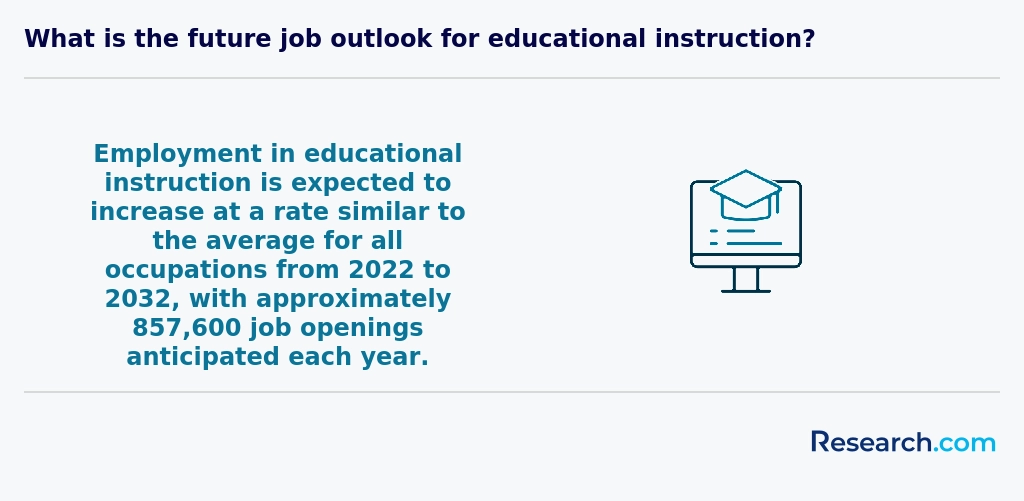
Graduates holding education degrees in Toledo find a steady job market, especially within public school districts facing teacher shortages in STEM and special education fields. Many local alumni from prominent institutions like the University of Toledo recount positive hiring experiences fueled by the district's demand for skilled educators. These opportunities extend beyond traditional classrooms, with expanding early childhood programs and private schools welcoming licensed teachers.
When exploring teaching career opportunities Toledo Ohio offers, candidates should consider licensure in critical shortage areas to improve job prospects. For example, a graduate focusing on special education often secures positions faster due to district needs. Toledo's education graduates report average starting salaries aligning with the regional $59,000 mark, a competitive rate that reflects their specialized credentials and community impact.
For those weighing degree costs, Toledo students benefit from in-state tuition rates averaging $10,000 to $12,000 annually at public universities. Scholarships and financial aid aimed at future teachers reduce the burden further. Alumni frequently highlight practical experiences gained during studies as crucial to thriving in the local job market. Additionally, for those interested in alternative education fields, there are career options connected to the interior design specialization careers domain as supplementary paths.
2027 Most Popular Education Degree Programs Ranking in Toledo
Investing in your education is a significant decision that can greatly influence your future, and the Research.com team is committed to helping you make well-informed choices. To support prospective students in Toledo, we have carefully developed the "2027 Most Popular Education Degree Programs Ranking in Toledo." Our dedication to quality, credibility, and accuracy is demonstrated through extensive research and analysis.
We utilized the following reputable data sources to compile this ranking:
By reviewing this ranking, readers will gain valuable insights into the most popular education degree programs in Toledo, enabling them to make confident and informed decisions about their academic futures. For further information on how this ranking was created, please visit our Research.com methodology page.

Frequently Asked Questions About education
Education degree students in Toledo can maximize their learning experience by actively engaging in both classroom and community opportunities. Participating in local schools for internships and practica allows hands-on application of teaching theories, which is essential for skill development.
Utilizing resources at institutions like the University of Toledo, which offers specialized workshops and tutoring, enhances understanding of diverse educational methods. According to the Ohio Department of Higher Education, students involved in practical experiences have a 30% higher job placement rate within six months of graduation.
Networking with local educators and attending regional education conferences can also broaden perspectives and introduce emerging best practices relevant to Ohio's education system.
The education field in Toledo is witnessing growth in several emerging niches, reflecting broader national trends. One important area is educational technology, where educators are learning to integrate digital tools to enhance student engagement and learning outcomes. According to the Ohio Department of Education, schools in Toledo have increasingly adopted online and hybrid learning models, boosting demand for professionals skilled in edtech.
Special education remains a critical niche, addressing diverse student needs. The Toledo Public Schools report a 12% rise in special education enrollment over the last five years, increasing the need for trained specialists.
Another growing focus is culturally responsive teaching, essential in Toledo's diverse communities, helping educators foster inclusive classrooms.
To prepare for the job market after completing an education degree in Toledo, students should first engage in student teaching experiences, which most local universities require. These placements offer practical classroom exposure and strengthen résumés. According to the Ohio Department of Education, Toledo graduates with certification have a strong placement rate in local school districts within six months of graduation.
Networking is also key. Joining professional organizations like the Toledo Area School Consortium provides access to job fairs and workshops. Additionally, candidates should obtain relevant licensure and consider specialized endorsements, as local schools often seek teachers with skills in STEM or special education.
Finally, maintaining an updated portfolio showcasing lesson plans and student feedback helps during interviews and professional evaluations.
Employers in Toledo value education degree graduates who demonstrate strong classroom management skills. According to the Toledo Public Schools Human Resources Department, effective behavior management directly correlates with improved student outcomes and is highly sought after in new teachers.
Communication skills, both verbal and written, are also essential. Graduates must clearly convey ideas and collaborate with diverse groups, including students, parents, and colleagues. A recent survey by the Ohio Department of Education highlights that 78% of Toledo school administrators prioritize these skills during hiring.
Additionally, adaptability and proficiency with educational technology are increasingly important. Toledo schools have integrated digital tools extensively, so graduates familiar with platforms like Google Classroom often have an advantage in the job market. These skills support modern, flexible teaching approaches that employers demand.
Finding internships in Toledo related to an education degree involves leveraging local school districts and higher education institutions. The Toledo Public Schools (TPS) district often partners with universities to offer student teaching and internship opportunities. These experiences are critical for hands-on learning and meeting licensure requirements. Additionally, the University of Toledo and Owens Community College provide career services that connect education majors with nearby internships.
Students can also explore placements at early childhood centers, after-school programs, and nonprofit organizations focused on education. Engaging with Ohio's Department of Education websites may reveal additional internship listings tailored to future educators.
According to the Ohio Board of Regents, internships in education-related fields in Toledo have increased by 12% over the last three years, reflecting growing opportunities for practical experience in this sector.
In Toledo, an education degree significantly enhances career mobility and advancement within the local school systems and related fields. According to Ohio Department of Education data, educators holding advanced degrees often qualify for higher salary scales and leadership roles faster than their peers with only bachelor's credentials. Toledo Public Schools, the region's largest district, regularly prioritizes candidates with specialized certifications obtained through education degree programs for positions such as instructional coordinators and administrators.
Furthermore, degree holders benefit from a competitive advantage when seeking positions in educational policy, curriculum design, and adult education centers. Regional workforce reports highlight that professionals with education degrees experience a 15-20% higher promotion rate within five years compared to non-degree counterparts.
Studying for an education degree in Toledo offers a strong foundation for interdisciplinary roles by integrating multiple teaching approaches and content areas. Programs in Toledo often emphasize collaboration across subjects such as psychology, sociology, and technology, preparing graduates to address diverse learning needs. According to the Ohio Department of Higher Education, local universities incorporate community-based projects that enhance real-world problem-solving skills.
This cross-disciplinary focus equips students to work effectively in varied educational settings, from traditional classrooms to special education or administrative roles. The curriculum aligns with national standards while addressing regional priorities, ensuring graduates meet expectations for flexibility and innovation in education.
Choosing between a thesis and a non-thesis education degree program in Toledo depends on your career goals and academic interests. Thesis programs typically involve conducting original research, which suits students aiming for doctoral studies or research-focused roles. Non-thesis programs focus more on coursework and practical skills, appealing to those targeting teaching positions or administrative roles.
According to the National Center for Education Statistics, nearly 40% of education graduate students in Ohio opt for non-thesis programs due to their flexibility and shorter completion times. Toledo universities often align with this trend, offering both options to accommodate diverse needs.
Consider your time availability and interest in research before deciding; thesis paths usually require more commitment but can deepen expertise in specific subjects.
Students in Toledo interested in studying education abroad have several pathways through U.S. higher education institutions that support international experiences. Many universities with education programs in Ohio, including those near Toledo, offer study abroad partnerships with schools in Europe, Asia, and Latin America. These programs usually integrate coursework with teaching practicums, providing practical field experience.
According to the Institute of International Education, approximately 12% of U.S. education majors participated in study abroad programs in 2022, reflecting growing interest.
Students may also explore exchange programs sponsored by organizations like the Fulbright Program, which offers scholarships for teaching and research overseas.
Local Toledo colleges often provide advising services that help map out affordable and credit-bearing international study options tailored to education majors.
Part-time job opportunities in Toledo that complement education degree studies often include roles in local schools, tutoring centers, and after-school programs. Toledo Public Schools frequently seek teacher aides and substitute teachers, providing valuable classroom experience for education majors. According to the Toledo-Lucas County Public Library, over 15% of local education students engage in tutoring roles during their studies. Additionally, working at community centers or youth organizations helps develop skills in lesson planning and child engagement. These practical experiences not only enhance resumes but also provide networking opportunities within Toledo's educational community, supporting future employment prospects.
Education students in Toledo have access to several strong networking opportunities that can enhance their career prospects. Local universities like the University of Toledo offer education students chances to connect through student organizations and professional groups focused on teaching and administration. According to the University of Toledo's College of Education and Innovation, these groups host regular events and workshops that foster peer interaction and mentor relationships.
Additionally, Toledo's close ties with area school districts provide education students with practical networking avenues via internships and field experiences. Participation in local conferences and education fairs also helps students engage with experienced educators and potential employers.
The Toledo Regional Chamber of Commerce supports education-related networking events, helping students build connections beyond campus. These resources contribute to a supportive environment for education students aiming to build a professional network within the city and region.
Alumni networks in Toledo offer valuable support to education degree students through mentorship and professional connections. Many universities in Toledo maintain active alumni associations that help graduates find teaching positions within local school districts. According to the Toledo Federation of Teachers, networking through alumni groups can increase job placement success by approximately 20% compared to isolated job searches.
These networks also provide opportunities for student involvement in workshops and continuing education, which is crucial as Ohio updates licensure requirements. Engaging with alumni allows students to stay informed about changes in educational standards and innovations in classroom technology.
Participation in alumni events fosters a sense of community, encouraging collaboration that benefits both new and experienced educators throughout the Toledo region.
Customizing an education degree program in Toledo to fit your career goals involves selecting relevant specializations and elective courses that align with your interests. Many institutions, such as the University of Toledo and local community colleges, offer flexible degree paths including early childhood, special education, and educational leadership tracks. According to the Ohio Department of Higher Education, about 65% of education students in Toledo choose concentrations that enhance their employability in local schools.
Students can also pursue certifications alongside their degrees to qualify for specialized roles like reading specialists or ESL instructors. Additionally, practicum and internship opportunities within Toledo's diverse school districts provide real-world experience tailored to various career paths.
Education students in Toledo face several challenges as they pursue their degrees. One key difficulty is balancing rigorous course loads with required fieldwork and student teaching hours, which can often be demanding and time-consuming. According to data from the Ohio Department of Higher Education, many students report stress related to managing these responsibilities while maintaining academic performance.
Another challenge involves access to quality practicum placements. Toledo's varied school districts sometimes limit the availability of diverse teaching environments, affecting hands-on training opportunities. Additionally, financial strain is common, as tuition and living costs rise without proportional increases in financial aid. These factors collectively impact student progress and retention in education programs in the region.
With an education degree in Toledo, graduates can pursue several professional certifications to enhance their teaching careers. The most common certification is the Ohio Initial Teaching License, required for K-12 public school teachers. Toledo educators often advance by obtaining the Professional Teaching License, which requires additional coursework and experience.
Specialized certifications such as Literacy Specialist or Intervention Specialist are also popular, allowing teachers to focus on reading or special education. The Ohio Department of Education oversees these certifications and provides specific requirements.
Additionally, some educators seek National Board Certification to demonstrate advanced teaching knowledge, which can lead to higher salaries and career advancement.
According to the Ohio Department of Education, over 1,200 teachers in Lucas County held active teaching licenses in 2023, illustrating a strong local demand for certified educators.
To write a winning application for an education program in Toledo, start by thoroughly researching the specific program requirements of local institutions such as the University of Toledo and Owens Community College. Tailor your personal statement to demonstrate a clear passion for teaching and a commitment to the community, referencing Toledo's diverse student population and unique educational challenges.
Highlight relevant experience, including volunteer work or internships in classrooms, as practical experience is highly valued. Include strong letters of recommendation from educators or supervisors who can vouch for your skills and character.
Ensure all application materials are error-free and submitted before deadlines, typically in early spring for fall admission. According to Ohio Department of Higher Education data, programs in Toledo often receive hundreds of applications annually, so attention to detail can set your application apart.
Education is a globally valued career, with increasing demand for skilled professionals in diverse settings. In the United States, including Toledo, Ohio, a career in education offers stability and opportunities for growth. According to the U.S. Bureau of Labor Statistics, employment of kindergarten and elementary school teachers is projected to grow 7% from 2022 to 2032, reflecting steady demand nationwide.
Globally, educators are seen as agents of change, promoting social development and cultural understanding. Toledo's higher education institutions, such as the University of Toledo, provide teacher preparation programs aligned with national standards, ensuring graduates are well-equipped for diverse classrooms.
International perspectives emphasize adaptability and technological proficiency, skills increasingly incorporated into Toledo's education degrees. These programs welcome students interested in shaping education locally and beyond.
Gaining practical experience while studying for an education degree in Toledo typically involves participating in student teaching or internships, which are essential components of most teacher preparation programs. Local institutions like the University of Toledo often require supervised clinical hours in area schools, providing hands-on experience in real classrooms. According to the Ohio Department of Education, candidates must complete at least 12 weeks of student teaching to qualify for licensure. Additionally, Toledo's diverse school districts offer various volunteering and assistant opportunities, allowing students to apply theoretical knowledge practically. These experiences help develop classroom management skills and deepen understanding of educational methodologies.
Choosing the right concentration within an education degree program in Toledo begins with understanding the local school district needs and job market. Areas such as special education, early childhood education, and STEM teaching are in demand, reflecting trends in Ohio's education sector according to the Ohio Department of Education. Students should assess their interests and strengths, considering if they prefer working with young children or specializing in subjects like math or science.
Researching faculty expertise and program accreditation at Toledo institutions can also guide selection. Local internships or partnerships with Toledo Public Schools provide practical experience, helping students make informed choices for certification requirements in Ohio.
- 2027 Most Popular Education Degree Programs Ranking in Cleveland
- 2027 Most Popular Education Degree Programs Ranking in Columbus
- 2027 Most Popular Education Degree Programs Ranking in Erie
- 2027 Most Popular Education Degree Programs Ranking in Indianapolis
- 2027 Most Popular Education Degree Programs Ranking in Pittsburgh
- 2027 Most Popular Education Degree Programs Ranking in Chicago
- 2027 Most Popular Education Degree Programs Ranking in River Forest
- 2027 Most Popular Education Degree Programs Ranking in Louisville
- 2027 Most Popular Education Degree Programs Ranking in Dubuque
- 2027 Most Popular Education Degree Programs Ranking in Washington
See What Experts Have To Say About Studying Education
Read our interview with Education experts


Alan J. Singer
Education Expert
Professor of Teaching, Learning and Technology
Hofstra University

- Top 10 Effective Networking Tips for Students https://www.unfc.ca/blog/networking-tips-for-students
- Top 15 Skills Employers Look for in College Graduates https://www.vupune.ac.in/blog/top-15-skills-employers-look-for-in-college-graduates
- Toledo Public Career Technology Program - Toledo Parent https://toledoparent.com/sponsored-content/toledo-public-career-technology-program/
- The Pros and Cons of Online Learning vs. Traditional Education https://www.sophia.org/blog/higher-education/pros-cons-online-learning-vs-traditional-education/
- How to Build Work Experience While Studying - EN Global Education Ltd https://englobaleducation.co.uk/how-to-build-work-experience-while-studying/
- Online Learning vs Traditional Learning Comparison https://advantagesschool.com/online-learning-vs-traditional-learning/
- The 8 challenges of education in a changing world https://casvitrescantos.com/en/the-8-challenges-of-education-in-a-changing-world/
- 5 Tips on Choosing the Right Course or Study Program - Edunation https://www.edunation.co/5-tips-on-choosing-the-right-course-or-study-program/
- Interdisciplinary Studies: Preparing Students for a Complex World https://www.facultyfocus.com/articles/course-design-ideas/interdisciplinary-studies-preparing-students-for-a-complex-world/
- 18 Highest Paying Jobs With an Education Degree (not teaching) | Devlin Peck https://www.devlinpeck.com/content/jobs-with-an-education-degree


