
2027 Best Education Degree Programs Ranking in California

Co-Founder and Chief Data Scientist
Choosing the right education degree program in California is a big step toward a fulfilling career. Our article presents the 2027 Best Education Degree Programs Ranking in California, carefully crafted by the Research.com team of data scientists to guide you in making an informed decision.
By exploring this ranking, you'll discover top programs that align with your goals and passions. Earning an education degree opens doors to impactful opportunities, and we're here to help you find the best fit for your future.
Key benefits of getting education degree in California
- Education degree graduates in California can earn competitive salaries such as $70,740 annually for elementary school teachers or up to $77,200 for instructional designers, offering strong financial growth potential.
- Graduates from well-known California universities often explore diverse careers including special education, ESL teaching, or curriculum design, providing exciting and meaningful work environments.
- Online education degrees from Californian institutions offer flexibility and convenience, allowing graduates to balance studies with life while gaining the same valuable skills as traditional programs.
- 2027 Best Education Degree Programs Ranking in California
- What can I expect from education degree in California?
- Where can I work with education degree in California?
What can I expect from education degree in California?
If you're thinking about getting an education degree in California, the cost can vary quite a bit depending on where you study. Public schools like the California State University (CSU) system are a popular choice for many students because they offer a more affordable route. Graduates from CSU campuses often mention how reasonable tuition helped them focus more on learning without stressing too much about debt.
On the flip side, private universities usually come with a higher price tag but sometimes offer smaller class sizes or extra support, which some students find worth it. For example, education students at private colleges often talk about the personalized attention they got from professors, making the investment feel worthwhile.
Overall, taking classes at a CSU school typically costs less, and many of these campuses have workshops and resources to guide you through credentialing and finding teaching jobs, which grads really appreciate. So, you can expect a range from budget-friendly public university fees to more premium private institution costs.
Where can I work with education degree in California?
If you earn an education degree in California, your job options are pretty exciting and varied. Most grads from popular schools like UCLA, UC Berkeley, or San Diego State find themselves stepping into classrooms within the state's K-12 public schools, teaching anything from elementary basics to high school math or special education. It's rewarding to see your impact grow year after year.
But teaching isn't the only path. Many grads also move into roles like school counselors or principals after getting extra certifications, especially in busy districts around Los Angeles or the Bay Area. Imagine guiding students through challenges or shaping a whole school's future-that's what a lot of folks from Cal State Long Beach experience.
Higher education jobs are another cool option. Graduates might pivot to advising students or coordinating programs at community colleges or universities, which are buzzing with opportunity across California.
There's even more-nonprofits focused on youth and literacy love hiring education majors, and the booming ed-tech scene in Silicon Valley opens doors in curriculum design or training. So whether it's a classroom, an office, or a tech startup, Californians with a knack for education have plenty of places to make a real difference.
If you graduate with an education degree in California, you can expect some pretty solid earning potential, especially compared to many other states. For example, recent grads from places like UCLA or San Diego State often find themselves making around $70,000 a year as elementary school teachers, which fits right in with the state's median wages. Special education teachers can do even better, earning closer to $76,000 annually, which is awesome if you're passionate about making a difference in that field.
Some grads who dive into roles like instructional designers, maybe after studying at Cal State Fullerton or Stanford's education programs, see salaries near $77,200. If you're thinking about teaching ESL, expect about $65,430 a year, with hourly wages of $31.46-so it's a solid gig for language enthusiasts working in diverse communities.
Starting out as an early childhood educator, the pay is more modest-around $41,410 per year-but many grads feel rewarded knowing they're shaping young minds from the get-go. Plus, California's strong teacher unions and schools in places like San Francisco often kick in bonuses and benefits that add up to a pretty comfortable lifestyle.
- Tuition for a four-year public university in California ranges from $7,000 to $15,000 per year for in-state students, while private institutions often charge over $30,000 annually.
- Entry-level salaries for education graduates in California average around $50,000 per year, with mid-career earnings rising to approximately $75,000 to $85,000.
- The job market is strong due to teacher shortages, especially in STEM, special education, and bilingual education, with more openings in urban and suburban areas.
- Teaching credentials are required and include passing the California Basic Educational Skills Test (CBEST) and subject-specific exams.
- Financial aid options like grants, scholarships, and loan forgiveness programs are available for teachers working in high-need or shortage areas.
If you're thinking about getting an education degree in California, here's the scoop on how long it typically takes. Most people start with a bachelor's degree, which usually takes about four years of full-time study. Graduates from places like UCLA or Cal State Long Beach often mention how those years fly by as they dive into teaching methods and hands-on classroom experience.
For those who want to go further, a master's degree can take another one to two years. Many folks who studied at universities like USC or San Francisco State say it's a rewarding journey, especially when specializing in areas like special education or educational leadership.
Then there are the ambitious ones aiming for a doctoral degree-think PhD or EdD-which could take three to six more years. Those years really test your commitment with research and practical teaching, but hearing from graduates of Stanford's education program, it's totally worth the challenge.
Don't forget the credential programs needed for teaching certification in California, which generally take about one to two years after your bachelor's. Many recent grads from Cal Poly Pomona highlight how this program helped them quickly step into their teaching careers with confidence.
Choosing a California Education degree program that holds proper accreditation and leads to state certification is essential for a smooth path to licensure and classroom placement. The California Commission on Teacher Credentialing (CTC) sets rigorous standards for program approval, ensuring graduates meet competency requirements and are eligible for preliminary or clear credentials. To verify a program’s accreditation status, always consult the CTC Approved Programs Directory and confirm that your institution’s education curriculum aligns with state frameworks for pedagogy, subject matter, and student teaching hours. In addition to program approval, prospective educators must pass the California Basic Educational Skills Test (CBEST) and the California Subject Examinations for Teachers (CSET) in their chosen subject areas. Some programs bundle test preparation workshops directly into the curriculum, while others recommend third-party prep courses-so review each program’s support resources carefully. Financially prudent students can balance cost and quality by exploring accredited online programs; for example, budget-minded learners may refer to our Inexpensive Online Education Degree Programs Ranking in Hays, KS to compare tuition rates and accreditation credentials. Finally, schools accredited by regional agencies such as WASC Senior College and University Commission (WSCUC) often offer additional safeguards of academic rigor. Before enrolling, request detailed syllabi, student teaching placements, and pass-rate statistics for credential exams. By prioritizing both accreditation and CTC approval, aspiring educators can confidently invest in a program that propels them toward a successful teaching career in California.
If you're eyeing an education degree in California, deciding between online and on-campus formats really comes down to how you like to learn and live your life. On-campus at places like UCLA or San Diego State University, you get that buzzing campus vibe-chatting face-to-face with professors, joining group projects, and diving into hands-on student teaching. Graduates often talk about how these in-person moments built strong connections and made learning feel real and immediate.
Online programs cover the same material but through screens, perfect if you're juggling work or family. Imagine logging in for lectures whenever you have time, without the daily commute. But, graduates say staying motivated is key since interactive moments happen mostly in virtual classrooms or forums. Both formats in California share similar tuition, roughly $7,000 a year for state schools like Cal State, but going online can save cash on housing and transport.
In the end, whether you thrive in lively campuses or prefer the comfy couch classroom, California's education degrees have you covered either way.
When choosing an Education degree program in California, evaluating return on investment (ROI) is critical. By comparing average student debt, salary outcomes, and program costs, prospective students can make informed decisions that align with both their financial and professional goals. Average Debt versus Salary Outcomes • Mean Student Loan Debt: $37,850 for bachelor’s graduates in California. • Median Starting Salary: $48,000 for elementary and secondary teachers; $63,130 for ESL teachers; $73,080 for instructional designers. • Typical Payback Period: 8–10 years for in-state tuition at public universities; 4–6 years for graduates securing higher-paying roles in instructional design or district administration. Cost-Benefit Analysis Conducting a simple payback calculation-dividing total program cost by projected annual salary increase-helps determine how long it will take to recoup your investment. For example, a graduate investing $108,584 at a public university who moves into an instructional design role with a $73,080 salary increase could break even in roughly 1.5 years. Exploring Affordable Alternatives To reduce upfront costs and shorten repayment timelines, consider lower-tuition or accelerated programs. Many students begin at community colleges before transferring, while others choose accredited online degrees with competitive rates. For instance, exploring the Inexpensive Online Education Degree Programs Ranking in Hays, KS can reveal wallet-friendly options that still meet California certification requirements. Maximizing Your ROI • Scholarships and Grants: Pursue merit-based and need-based awards to offset costs. • Part-Time Work or Teaching Assistants: Earn income or tuition waivers through on-campus roles. • Accelerated Pathways: Some institutions offer blended bachelor’s/master’s tracks, saving both time and money. • Loan Forgiveness Programs: Public Service Loan Forgiveness (PSLF) and TEACH Grants can significantly lower long-term debt burdens. By carefully analyzing program costs, debt projections, and salary outcomes-while leveraging affordable pathways-you can ensure your Education degree delivers both professional fulfillment and financial stability.
The average cost of an education degree in California can vary quite a bit depending on where you study, but generally, if you're looking at public universities like those in the California State University (CSU) system, you're likely to pay around $15,700 total for in-state students. This fits well within what many graduates have experienced, and it's a manageable amount for many families aiming for a future in teaching.
Many students start out at community colleges, where costs are much lower-around $1,500 per year for in-state students-making it a smart and affordable way to kick off your education journey before transferring to a four-year university. From there, tuition climbs if you head to University of California (UC) schools or private universities. Places like USC or Pepperdine, known for their strong education programs, can be on the pricier end, sometimes reaching $30,000 to $50,000 per year.
It's important to factor in additional costs such as books, fees, and living expenses, which graduates often say made a surprising difference in their overall budget. Luckily, financial aid and scholarships specifically aimed at education degrees help many manage these expenses. If you want to see where to find the most affordable education schools in California, that's a great place to start when planning your path.

Graduates of California’s education programs often credit their long-term success to robust alumni networks and ongoing mentorship initiatives. These networks provide access to career development workshops, job fairs, and personalized guidance from experienced educators, all of which help graduates transition smoothly into competitive job markets. Recent alumni have highlighted that strong networking opportunities not only enrich classroom learning but also forge lasting professional connections that support career advancement long after graduation. Many institutions also offer dedicated career centers and online forums where current students can interact with alumni, sharing insights on classroom challenges and innovative teaching strategies. In addition, prospective students interested in furthering their academic credentials can benefit from exploring additional pathways-such as edd programs near me-which emphasize accelerated learning and practical application in real-world settings. Harnessing the power of alumni connections can play a decisive role in shaping a fulfilling career, ensuring that educators remain well-equipped, confident, and connected throughout their professional journey.
If you're diving into an education degree in California, there's a solid mix of financial aid waiting for you to tap into. Imagine studying at UCLA or San Diego State-graduates often mention how federal aid like the FAFSA opens doors to grants, loans, and work-study gigs that really lighten the load. For instance, the Pell Grant can cover up to $7,395 a year, making a big difference when tuition feels overwhelming.
State aid programs are a real win too. The Cal Grant, popular at UC and CSU schools, can offer up to $12,570 toward tuition. Many graduates from these campuses share how this support made education affordable without drowning in debt. And if you're eyeing high-need subjects like special ed or math, special grants don't require repayment, which feels like a safety net during and after school.
On top of that, you've got scholarships and loan forgiveness programs-some graduates rave about how teaching in qualifying schools helped them wipe away $17,500 of federal loans. Plus, college-based scholarships and work-study roles related to teaching often add extra cash and hands-on experience, making the whole financial side less stressful and more manageable.
Ensuring your Education degree program is properly accredited and aligned with California’s licensure standards is critical for both academic credibility and eligibility to teach. In California, the Commission on Teacher Credentialing (CTC) mandates that all teacher preparation programs hold accreditation through the Council for the Accreditation of Educator Preparation (CAEP) or an equivalent body, and regional accreditation by the Western Association of Schools and Colleges (WASC). Before enrolling, verify that your chosen institution appears on the CTC-approved program list and that its coursework satisfies the California Basic Educational Skills Test (CBEST) and California Subject Examinations for Teachers (CSET) requirements. Key accreditation checkpoints:
- Regional Accreditation: Confirms institutional quality (e.g., WASC Senior College and University Commission).
- Programmatic Accreditation: Validates teacher preparation standards (e.g., CAEP, NCATE).
- State Approval: Ensures alignment with CTC requirements for subject matter competency and teaching methodology. Licensure roadmap: 1. Complete a state‐approved credential program with required fieldwork hours. 2. Pass the CBEST (basic skills) and relevant CSET subtests for your subject area. 3. Apply for a Preliminary Multiple Subject or Single Subject Teaching Credential through the CTC. 4. Fulfill the Induction Program within the first two years of teaching to earn a Clear Credential. Balancing accreditation with affordability is possible. For those seeking cost-effective yet CTC-approved online pathways, explore our Inexpensive Online Education Degree Programs Ranking in Hays, KS to compare accredited programs that fit your budget without compromising licensure eligibility.
If you're thinking about enrolling in an education degree in California, you'll want to know what it takes to get started. For undergrad programs at places like California State University campuses, most students needed their high school diploma or GED and a decent GPA-usually around 2.5 to 3.0. A few graduates mention that submitting transcripts and sometimes test scores, like the SAT or ACT, was part of their process. But many schools are moving away from strict testing requirements, which makes it a bit easier for folks who didn't ace those exams.
For those aiming at credential programs to become certified teachers, the bar's a bit higher. Usually, it means finishing a bachelor's degree with at least a 2.75 GPA. Many grads recall tackling the CBEST test, which covers basic skills in reading, writing, and math, plus sometimes subject-specific tests like the CSET to prove they know their stuff.
Having some hands-on experience with kids, whether volunteering or working in a school, really helps too. Many programs want to see that passion in action, often asking for letters of recommendation and a personal statement. Graduates from popular schools often say this made their applications stand out and helped them feel ready for the classroom challenges ahead.
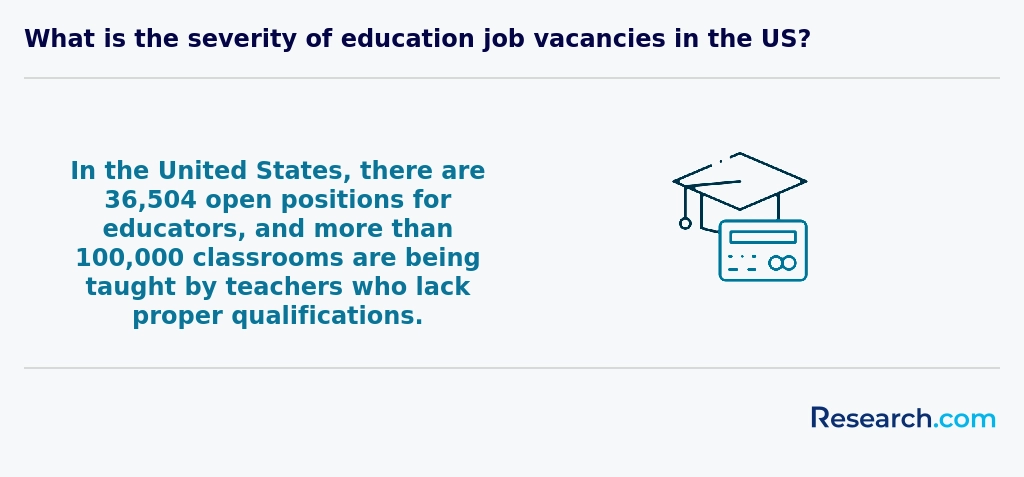
When considering an Education degree program in California, one of the most critical factors to evaluate is the cost. With tuition rates varying significantly across institutions, and additional expenses such as room, board, and supplies, prospective students must carefully plan their financial approach. For those seeking affordability, exploring most affordable education schools in California can be a prudent first step. By understanding the full scope of costs associated with pursuing an Education degree, students can make informed decisions that align with their financial situation and career aspirations, ultimately setting themselves up for success in their academic and professional journeys.
If you're diving into an education degree in California, expect a mix of courses that truly get you ready for the classroom and beyond. Popular programs at places like UCLA or San Francisco State University focus on things like Child and Adolescent Development, which helps you understand how kids grow emotionally and mentally-super useful when you're figuring out how to connect with your students.
You'll also tackle Curriculum Design and Instruction, learning how to create lessons that actually work for all kinds of learners. Many grads mention that Educational Psychology was a game-changer, letting them grasp why students behave the way they do and how to manage a lively classroom.
Multicultural Education is big in California, especially with its diverse schools, so you get great tools for teaching kids from different backgrounds. Plus, courses in Educational Technology keep you up to speed with the latest digital tools that make learning fun and interactive.
And don't forget student teaching! Most programs mix theory with hands-on experience in local schools, giving you that real-world practice before graduation.
If you're looking at education degrees in California, you'll find a bunch of cool specializations to choose from. Lots of grads from Cal State or UCLA talk about how Elementary Education really preps you to teach the little ones, covering everything from math to managing a lively classroom. Then there's Secondary Education, where you can pick a subject like history or science and get ready for those middle and high school vibes. It's a favorite for many who want to dive deep into their passion and teach teens with targeted strategies.
Special Education is another big one, especially since California has a high need for educators skilled with kids who require extra support. Students really appreciate learning about IEPs and inclusive teaching methods here. For those who want to focus on the early years, Early Childhood Education is meant for you, highlighting the importance of those first eight years. Many people discovering their path rely on resources like edd programs near me to find the best fit. The variety of options makes California teaching credential programs options incredibly flexible and exciting.
Other unique paths include Educational Leadership, Curriculum Design, and even Educational Technology. Plus, you get to explore Bilingual or Multicultural Education-quite fitting for such a diverse state. It's like each specialization connects to real classroom stories graduates share from their time at popular colleges, making it all feel super relatable and doable.
Picking the best education degree in California is all about matching the program to your goals and lifestyle. Many graduates from popular universities find success by choosing degrees that prepare them for state certification, especially those aligned with the California Commission on Teacher Credentialing. Whether you're eyeing a bachelor's in elementary education or a master's in curriculum design, make sure the program supports the California Basic Educational Skills Test (CBEST) and other key exams.
Cost plays a big role, too. Affordable teaching degrees California 2027 options can be found at state universities with tuition around $7,000 a year, which helped recent grads feel less stressed about finances while focusing on student-teaching in local schools. Location matters-a lot of students appreciate programs that offer evening or online classes. If you're working or need flexibility, check out programs like those listed in the Inexpensive Online Education Degree Programs Ranking in Hays, KS for ideas on flexible study options.
Finally, don't overlook program reputation and outcomes. Graduates often mention how accredited programs, especially those certified by CAEP, boosted their confidence and job prospects right after college. Look into schools with strong partnerships for student teaching and real-world experience, making your degree worth it when you step into the classroom.

If you're thinking about an education degree career opportunities in California, there's a lot to be excited about. Graduates often land jobs as public school teachers-imagine working in a lively classroom in Los Angeles or San Francisco, helping kids master math or science. Many grads from popular schools like UCLA or Cal State Long Beach rave about how they quickly found teaching roles due to the state's high demand for educators.
Beyond typical teaching gigs, you might find yourself drawn to early childhood education, working in preschools or community centers, which are big in California's push to expand preschool programs. Or, if you're aiming higher, roles as school principals or curriculum coordinators offer great pay and leadership opportunities-something graduates from USC have shared they really enjoyed chasing after their teaching years.
Plus, special education is a booming area here, with teachers supporting kids who need tailored help. And if you love strategy over classrooms, there are cool options like educational consulting or nonprofit work shaping education policy. Many grads discover they want to make a difference this way, sometimes exploring accelerated associates degree paths to get there faster.
If you're thinking about an education degree job market California offers a mix of exciting chances and real challenges. Graduates from popular schools like UCLA or California State University often find plenty of teaching roles, especially in big cities such as Los Angeles or San Francisco. While competition can be stiff in these urban districts, many grads feel energized by the vibrant, diverse classrooms they enter. On the flip side, those willing to work in rural or less populated areas discover there's a strong demand for educators, sometimes landing jobs faster but with fewer resources.
Many graduates share how specializing in areas like special education or bilingual teaching, which are really needed in California's schools, opens more doors. Salary-wise, the state generally pays well, although the high living costs can balance things out. Some former students mention the extra time and cost involved with getting certified in California but see it as a worthy investment. If you want to explore options for your degree, check out paths toward the easiest phd to earn as well.
Career opportunities for education graduates California also tie closely to adapting to the state's growing and diverse student body. For many, the sense of making a real difference in classrooms keeps the passion alive despite challenges.
2027 Best Education Degree Programs Ranking in California
Investing in your education is a significant decision that requires careful consideration, and the Research.com team is committed to supporting you in making well-informed choices. To provide prospective students with trustworthy guidance, we have carefully developed the "2027 Best Education Degree Programs Ranking in California." Our dedication to quality, credibility, and accuracy is demonstrated through rigorous research and thorough analysis.
We utilized the following reputable data sources to ensure a comprehensive evaluation of education programs:
By reviewing this ranking, readers will gain valuable insights into the highest-quality education degree programs in California, empowering them to select the best path for their academic and professional goals. For more information on how this ranking was created, please visit our Research.com methodology page.


Frequently Asked Questions About education
Education degree students in California can maximize their learning experience by engaging deeply with both theoretical and practical components of their programs. California's public universities like CSU and UC systems offer robust fieldwork and student teaching opportunities, which are crucial for skill development.
Active participation in diverse classroom settings enhances cultural competency, a key skill given California's varied student demographics. Additionally, leveraging resources such as campus tutoring centers and joining education-related clubs can foster peer learning and professional networking.
According to the California Department of Education, students who combine coursework with in-classroom experience demonstrate higher employment rates post-graduation. Planning internships early and seeking mentorship also contribute significantly to academic and career success.
Emerging niches within the education field in California reflect broader shifts in technology, diversity, and student needs. One growth area is educational technology, where professionals design digital tools to enhance learning. The California Department of Education highlights increasing demand for tech-savvy educators.
Another expanding niche is culturally responsive teaching, addressing California's diverse student population by integrating inclusive practices and curriculum.
Special education remains critical, especially with new policies expanding support for students with disabilities. According to the National Center for Education Statistics, California saw a 5% increase in special education enrollment between 2018 and 2023.
Finally, careers in mental health counseling within schools are gaining importance, responding to rising awareness of student well-being.
Preparing for the job market after completing an education degree in California involves strategic planning and understanding local opportunities. California employs over 300,000 public school teachers, making it one of the largest education job markets in the US, according to the California Department of Education.
Graduates should obtain a Clear Teaching Credential, which is essential for securing long-term teaching positions in California public schools. Participating in student teaching and internships during your degree enhances practical experience and networking opportunities. The California Commission on Teacher Credentialing provides guidance on this path.
Additionally, networking through professional organizations such as the California Teachers Association can increase job prospects. Being knowledgeable about state testing requirements, including CBEST and CSET exams, is also critical. A résumé emphasizing both academic skills and classroom experience is vital for success.
Employers in California prioritize several key skills when hiring education degree graduates. Strong classroom management abilities top the list, as they are essential for creating effective learning environments. Communication skills, both verbal and written, are critical for interacting with students, parents, and colleagues.
Additionally, cultural competence is highly valued due to California's diverse student population. Graduates must demonstrate the ability to adapt teaching methods to meet varied learning needs. According to the California Department of Education, over 75% of public school students speak a language other than English at home, highlighting the importance of bilingual or ESL training.
Technical literacy, including proficiency with educational technology tools, is increasingly requested. Finally, employers look for problem-solving skills and a commitment to lifelong learning to support continuous student growth.
Finding internships in California relevant to an education degree often begins with utilizing university career centers. Many California State University and University of California campuses boast partnerships with local schools and educational nonprofits, offering students direct internship placements. According to the California Commission on Teacher Credentialing, these internships help meet practicum requirements and provide essential classroom experience.
Online platforms like Handshake and the California Department of Education website frequently list available internships statewide. Networking through professional organizations such as the California Teachers Association can also open internship opportunities tailored to education majors.
Additionally, large urban districts like Los Angeles Unified often offer formal internship programs that let students gain hands-on teaching experience while completing their degrees. Students should start early to maximize available options and meet application deadlines.
In California, an education degree significantly enhances career mobility and advancement opportunities. According to the California Department of Education, individuals with teaching credentials and advanced degrees are more likely to secure positions in competitive school districts. A bachelor's degree in education often qualifies graduates for entry-level teaching roles, while a master's or doctoral degree can lead to leadership positions such as curriculum coordinator, educational administrator, or counselor.
Data from the U.S. Bureau of Labor Statistics indicates that education professionals in California with advanced degrees earn higher median salaries, sometimes exceeding 20% more than those with only a bachelor's degree. This educational attainment is a key factor in promotions and job security within the state's evolving educational landscape.
Studying for an education degree in California equips students with versatile skills to thrive in interdisciplinary roles. California's higher education institutions emphasize collaboration across fields such as psychology, sociology, and technology, fostering a holistic understanding of learning environments. Programs often integrate coursework in educational psychology, cultural studies, and digital literacy, broadening students' perspectives beyond traditional teaching methods.
According to the California Department of Education, over 60% of education degree programs include interdisciplinary training components, preparing graduates to work in diverse settings like special education, counseling, or community outreach. This approach aligns with workforce demands, as educators increasingly address complex student needs requiring knowledge from multiple disciplines.
Choosing between a thesis and a non-thesis education degree program in California depends on your career goals and learning preferences. Thesis programs typically require original research, benefiting those who want to pursue doctoral studies or academic careers. Non-thesis programs focus more on coursework and practical skills, appealing to professionals aiming for immediate employment in schools or educational organizations.
California offers numerous accredited options, with about 65% of education graduate students opting for non-thesis paths according to the California Postsecondary Education Commission. Consider your interest in research, time availability, and the program's alignment with your future plans when making a decision.
Students based in California who wish to study education abroad have multiple pathways through partnerships and exchange programs offered by California universities. Many institutions in the California State University system provide study abroad options focusing on education, allowing students to gain international teaching experience and cross-cultural understanding. According to the California State University Office of the Chancellor, over 2,500 students participate annually in global programs, some of which include education-focused placements.
Additionally, programs like the Gilman Scholarship support California students studying abroad in areas related to education. These opportunities enhance credentials for careers in teaching or educational administration both internationally and in California's diverse classrooms.
Part-time job opportunities in California that complement education degree studies often include roles such as teacher aides, tutoring specialists, and after-school program assistants. These positions provide valuable classroom experience while allowing flexibility for students pursuing their degrees. According to the California Department of Education, nearly 30% of education students engage in some form of instructional support work during their studies, enhancing both skills and resumes.
Additionally, working as a substitute teacher is common, especially for those with some college credits completed. This role offers practical exposure to diverse classroom settings across the state.
Many universities also connect students to research assistant positions focused on educational development and policy, a growing field in California's education sector.
Education students in California have access to numerous networking opportunities through their universities and professional organizations. Many California institutions, such as the University of California and California State University systems, host career fairs, workshops, and speaker events that connect students with educators and administrators statewide. According to the California Department of Education, partnerships between schools and local districts provide valuable field experience and networking. Additionally, organizations like the California Teachers Association and the Association of California School Administrators offer student memberships and events to build professional relationships. These networks play a crucial role in career development and job placement for education graduates.
Alumni networks play a crucial role for education degree students in California by providing valuable professional connections and career support. Many California universities, such as UCLA and CSU Long Beach, have strong alumni communities that help recent graduates find teaching jobs more quickly. According to the California Department of Education, networking can boost job placement rates by up to 20% in the state.
These networks also offer mentorship programs, where experienced alumni guide new teachers through challenges and professional development. Access to exclusive job fairs and workshops is another significant benefit, increasing students' chances to enter competitive districts.
Moreover, alumni events foster collaboration and continuous learning, which enhances teaching skills and career advancement opportunities within California's diverse educational landscape.
Customizing an education degree program in California allows students to align their studies with specific career goals. Many California universities offer specializations such as educational leadership, special education, or curriculum design, enabling tailored learning paths. For example, the California State University system provides flexible course options and concentrations to meet diverse professional needs.
Students may also choose electives focusing on bilingual education or technology integration, both in high demand across California schools. Additionally, practicum placements can often be selected to gain experience in areas like urban education or early childhood development.
According to the California Department of Education, districts prioritize candidates with specialized skills, making customization valuable for job readiness.
Education students in California often face several notable challenges during their studies. One major issue is the high cost of tuition and related expenses, which can exceed $15,000 per year at many public universities, leading to increased student debt.
Additionally, these students frequently encounter limited availability of required fieldwork placements due to high demand and competition within densely populated school districts. The California Commission on Teacher Credentialing reports a growing need for qualified teacher candidates, which paradoxically coincides with placement challenges.
Many students also struggle with balancing demanding coursework and practicum requirements alongside part-time jobs. This pressure can affect academic performance and mental health, with studies showing increased stress levels among education majors nationwide.
With an education degree in California, graduates have access to numerous professional certifications that enhance their teaching credentials. The most common is the California Preliminary Multiple Subject or Single Subject Teaching Credential, which allows individuals to teach in public K-12 schools. According to the California Commission on Teacher Credentialing (CTC), earning these credentials typically involves completing a teacher preparation program and passing exams such as the California Basic Educational Skills Test (CBEST).
Beyond initial credentials, educators can pursue the Clear Credential, which involves additional professional development. Specialized certifications are also available, including the Education Specialist Credential for special education. Other options include administrative credentials for roles like school principal or counselor certification. These certifications help educators meet specific state requirements and broaden career opportunities in California.
Writing a winning application for an education program in California begins with thorough research. California hosts over 400 postsecondary institutions, including notable education schools like Stanford and UCLA. Applicants should clearly demonstrate their commitment to teaching and learning, supported by relevant experience or volunteer work in educational settings.
Strong applications often include a well-crafted personal statement that connects the applicant's goals with California's diverse educational needs. Highlighting familiarity with state standards such as the California Teacher Performance Expectations (TPEs) can strengthen the application.
Additionally, competitive GPA scores-typically above 3.0-and standardized test results may be required, depending on the program. Letters of recommendation from educators or professionals familiar with the applicant's skills are essential. Finally, proof of eligibility to study in the U.S., including transcripts evaluated by recognized services, should be submitted accurately.
Education careers are increasingly viewed through a global lens, reflecting the interconnected nature of modern learning environments. For students in California, understanding worldwide trends can offer valuable insight into future opportunities. The U.S. higher education system, including California's universities, emphasizes practical training aligned with global standards set by organizations like UNESCO and OECD.
Globally, many countries prioritize STEM education and inclusive teaching methods, trends echoed in California's growing focus on multicultural and bilingual education. According to the California Department of Education, over 1.3 million English learners attend public schools, highlighting the need for educators skilled in global competencies.
Additionally, international demand for U.S.-trained educators remains strong, as American education degrees are highly respected worldwide. Certifications earned in California often meet requirements for teaching abroad or in international schools.
Gaining practical experience while studying for an education degree in California is essential to prepare for a successful teaching career. Many California universities integrate student teaching placements as part of their credential programs, allowing candidates to work directly in classrooms under experienced mentors. According to the California Commission on Teacher Credentialing, all teacher preparation programs require a supervised student teaching component ranging from 600 to 1,200 hours.
Additionally, local school districts often offer internships and volunteer opportunities, helping students build classroom management skills and professional networks. Participating in workshops and education-related community projects further enhances practical understanding. These hands-on experiences complement academic coursework and improve employment prospects after graduation.
Choosing the right concentration within an education degree program in California begins with understanding your career goals and interests. California offers diverse specializations such as special education, bilingual education, and curriculum design, reflecting the state's large and diverse student population. According to the California Commission on Teacher Credentialing, concentrative programs often prepare candidates for specific teaching credentials required by the state.
Consider workforce demand: data from the California Department of Education shows high needs for teachers in special education and English learners, which may influence your choice. Evaluate if your chosen concentration offers hands-on fieldwork or student teaching in local school districts, a critical factor certified teachers emphasize.
Additionally, review the concentration's alignment with state credentialing requirements and if it supports advanced certification, such as the Clear Credential or administrative credentials. Consulting academic advisors and current professionals can also provide valuable insight.
- 2027 Best Online Education Degree Programs Ranking in Idaho
- 2027 Best Online Education Degree Programs Ranking in Texas
- 2027 Best Online Education Degree Programs Ranking in Kansas
- 2027 Best Online Education Degree Programs Ranking in Nebraska
- 2027 Best Online Education Degree Programs Ranking in South Dakota
- 2027 Best Online Education Degree Programs Ranking in North Dakota
- 2027 Best Online Education Degree Programs Ranking in Minnesota
- 2027 Best Online Education Degree Programs Ranking in Iowa
- 2027 Best Online Education Degree Programs Ranking in Missouri
- 2027 Best Online Education Degree Programs Ranking in Wisconsin
See What Experts Have To Say About Studying Education
Read our interview with Education experts

Nooshan Ashtari
Education Expert
Professor & Book Author
University of Southern California

Alan J. Singer
Education Expert
Professor of Teaching, Learning and Technology
Hofstra University

- How To Write A Great Cover Letter For Teacher Training - Engage Education https://engage-education.com/blog/how-to-write-a-great-cover-letter-for-teacher-training/
- Is a thesis always mandatory in a master's degree program? - EFMU: The Euler-Franeker Memorial University and Institute https://euler.euclid.int/is-a-thesis-always-mandatory-in-masters-degree-program/
- How long does it take in your state? https://forums.atozteacherstuff.com/index.php
- Teacher Education California Teaching Credential - CGU https://www.cgu.edu/academics/program/teacher-education-california-preliminary-credential-online/
- How to Choose a Concentration for Your Master of Education 3 Questions to Consider https://www.aiuniv.edu/degrees/education/articles/how-to-choose-an-education-specialization
- Why Is Education Important in Your Career Advancement? - KWSP Malaysia https://www.kwsp.gov.my/en/w/article/career-advancement
- Finding Networking Opportunities as a Student | National Society of High School Scholars https://www.nshss.org/resources/blog/blog-posts/how-to-find-networking-opportunities-as-a-student/
- Finding Your Path: How to Align Studies with Career Goals https://www.alfabetaglobal.com/blogs/finding-your-path-how-to-align-your-studies-with-your-career-goals
- Student Expectations and Perceptions of Higher Education - ACA https://aca-secretariat.be/newsletter/student-expectations-and-perceptions-of-higher-education/
- State Financial Aid in California https://www.ppic.org/publication/state-financial-aid-in-california/


