
2027 Easiest Online Master's in Education Degree Programs Ranking in Kansas

Co-Founder and Chief Data Scientist
If you're considering advancing your career with a master's degree in education, this article is made for you. Our 2027 Easiest Online Master's in Education Degree Programs Ranking in Kansas offers a clear guide to help you navigate the options available.
Created by the Research.com team of data scientists, this ranking highlights programs that combine quality with accessibility. Whether you're balancing work, family, or other commitments, finding the right program can make all the difference.
Explore the opportunities that suit your lifestyle and goals while taking a confident step toward a rewarding future in education.
Key benefits of getting online education degree in Kansas
- Education degree graduates in Kansas can earn competitive salaries, such as Education Managers with a mean annual wage of $129,330 and Education Program Managers earning around $104,920.
- Graduates from Kansas universities often pursue diverse career paths like Curriculum Specialists or Education Consultants, offering rewarding opportunities to impact learning and community growth.
- Online education degrees provide flexibility and convenience, allowing students from Kansas to balance studies with work or family life while gaining the same quality education as traditional programs.
- 2027 Easiest Online Master's in Education Degree Programs Ranking in Kansas
- What can I expect from online education degree in Kansas?
- Where can I work with online education degree in Kansas?
What can I expect from online education degree in Kansas?
When diving into an online education degree in Kansas, you can expect tuition to be quite manageable, especially if you call the Sunflower State home. Graduates from Kansas State University or the University of Kansas often share how in-state tuition rates make pursuing their dreams feel less daunting financially. Typically, the price per credit hour ranges from $250 to $400, which means for a 30- to 36-credit-hour program, you're looking at a total cost that fits many budgets.
Imagine balancing coursework, family, and work, while knowing your tuition won't break the bank-that relief and excitement drive many students forward. Plus, the availability of federal loans and scholarships designed specifically for educators in Kansas can ease worries about expenses even more. These financial aids transform the journey into a confident step toward career advancement without overwhelming debt hanging overhead.
For those studying online, the savings are more than just money-they're peace of mind, allowing focus on growth and learning from highly regarded programs right here in Kansas.
Where can I work with online education degree in Kansas?
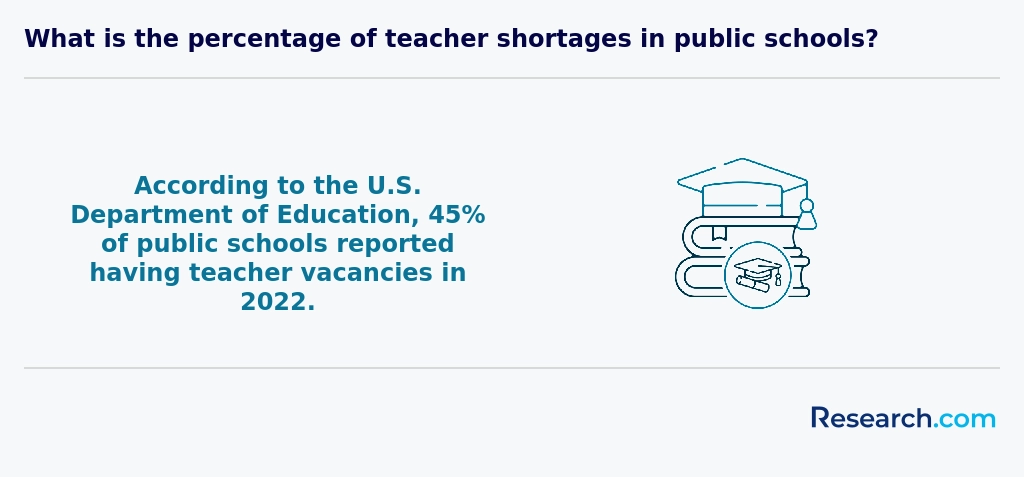
Graduates with an online education degree from well-known Kansas schools like the University of Kansas or Wichita State University find themselves stepping confidently into classrooms across the state. Imagine starting your career in a vibrant rural school district where your teaching skills directly fill critical teacher shortages-this is a common path for many new educators. Licensed to teach elementary, secondary, or special education, these graduates are energized by the real difference they make every day.
Others pursue leadership roles after advancing their studies online, becoming principals or curriculum coordinators, shaping the future of schools and inspiring other teachers. This journey of growth feels rewarding and impactful, especially when working within both urban and rural districts throughout Kansas. Graduates often share how this blend of leadership and education fuels their passion for helping entire communities thrive.
Postsecondary roles are another exciting avenue. Graduates from Kansas State University's education programs might become instructors or advisors at local community colleges, directly supporting adult learners. The drive to uplift education beyond K-12 sparks joy for many, reflecting the growing demand reported by the Kansas Board of Regents.
Some graduates take their skills into nonprofits or educational tech companies, working on innovative STEM programs that energize the state's future workforce. The breadth of possibilities lets you explore a career path uniquely your own-with the confidence that your Kansas-based online degree opens doors across a rich educational landscape.
Imagine graduating with an online education degree from a well-regarded Kansas university, like the University of Kansas or Wichita State University, and stepping into a career where your knowledge truly shines. Graduates often find themselves drawn to roles like Education Manager, where the mean annual wage is around $129,330, reflecting strong demand and rewarding responsibility.
Others become Curriculum Specialists, creatively shaping learning experiences for students while earning a mean salary near $77,200. Those with a passion for guiding programs might choose to be Education Program Managers, making about $104,920 yearly, perfect for graduates eager to oversee initiatives and impact education on a broader scale.
For those fascinated by research and higher education, becoming a Higher Education Professor in Kansas can bring an average annual income of $96,570, blending teaching with academic exploration.
Many online learners report excitement discovering these opportunities, appreciating how their degrees open doors to diverse careers with salaries that reflect their dedication and expertise within Kansas's vibrant education landscape.
- Master's in education programs in Kansas cost between $10,000 and $20,000 for the entire degree.
- Public universities offer lower tuition rates for in-state residents pursuing online education degrees.
- Kansas faces moderate teacher shortages in special education and STEM fields, creating job opportunities.
- Starting salaries for educators with a master's degree range from $41,000 to $47,000 annually.
- Experienced educators with advanced degrees can earn between $55,000 and $65,000 per year.
- Kansas provides grants and initiatives to support professional development and salary increases tied to degree completion.
Picture taking on an accelerated program, completing coursework in as little as 12 to 18 months by embracing a fast-paced rhythm and year-round learning-it's an adventurous way to reach your goals quicker. Others savor a steadier pace, stretching their studies closer to three years to fit part-time schedules, enjoying the chance to absorb knowledge without overwhelming commitments.
Some students enhance their experience by adding certifications or specialized endorsements, which can stretch the timeline but enrich their expertise and career prospects. Those who come armed with prior credits or teaching licenses find their path shortening, making the adventure uniquely their own, tailored by their history and determination.
Understanding program credentials is crucial for Kansas teaching certification:
- CAEP or NCATE accreditation: ensures national recognition of quality standards.
- Kansas State Department of Education approval: mandatory for teacher licensure eligibility.
- Embedded practicum or student teaching: provides supervised in-state field experience.
- Dedicated licensure support: advisors guide transcript reviews and application submission.
- Specialized tracks: choose endorsement areas like elementary, secondary or special education.
For cost-effective accredited programs, explore online schools that accept fafsa to maximize financial aid.
Imagine balancing your coursework with a busy life in Kansas-online education degrees make that not just possible but empowering. Graduates from programs like those at Wichita State University appreciate the flexibility of learning anytime, anywhere, perfect for working professionals or those with family commitments. They tap into accredited programs that maintain high standards, ensuring their credentials are respected statewide.
On the flip side, students choosing the classic on-campus route at the University of Kansas dive into vibrant classroom discussions and genuine face-to-face mentorship. They experience the thrill of hands-on teaching observations and direct access to local schools for internships-moments that spark confidence and deepen their passion for education.
Cost-wise, online learners often save on housing and commuting, stretching their budgets further while still receiving quality instruction. The campus atmosphere, though, offers rich social interaction and immediate feedback that online formats strive to replicate through technology. Both paths invite students in Kansas to explore education in ways that best suit their rhythm and dreams.
Embarking on an online master's in education is both exciting and challenging. To help you navigate your academic pursuits, consider these actionable strategies that have benefited many Kansas educators. First, create a dedicated study space and stick to a regular schedule-this lays the foundation for effective time management and self-discipline. Utilize digital tools and learning management systems provided by your institution to stay organized and engaged with course materials. In addition, actively participate in online discussion boards and networking groups. Collaboration with peers and faculty can enhance your learning experience and provide support during challenging times. Many students also find it beneficial to join forums related to affordable education schools in kansas to exchange tips and insights on balancing academic and personal commitments. Lastly, set clear academic and career goals early on. Regularly reviewing your progress against these goals will ensure you remain focused and motivated throughout the program. Remember, success in online education relies on proactive communication, effective planning, and embracing the digital resources at your disposal.
The average cost of an online education degree in Kansas offers a welcoming surprise for many hopeful students. With a median in-state total cost of about $11,517, earning a degree through institutions like Wichita State University or the University of Kansas feels within reach. Graduates from these programs often reflect positively on the affordability combined with the quality they experienced, making the journey both financially smart and personally rewarding. The excitement of learning from home, without the burden of daily commuting costs, adds to the adventure of advancing one's career in education.
However, for those coming from outside Kansas, the median out-of-state total cost climbs to nearly $29,601. This higher tuition can still feel manageable, especially when schools offer scholarships or special online rates to support driven learners. Many find the investment worthwhile, as it opens doors to impactful roles in educational settings while accommodating their busy lives. Exploring options through the Kansas Board of Regents reveals various ways to reduce expenses and make a dream of an affordable online master's in education Kansas a reality.
Students often discover that textbook and technology fees add just a few hundred dollars per semester, far less than expected for a comprehensive online degree. Learning at one of Kansas's renowned universities ignites a passion that balances the costs against lifelong professional benefits. For those interested, visiting affordable education schools in kansas provides invaluable guidance in navigating costs and finding the best fit for a budget-conscious educational pursuit.

Follow these steps to streamline your application for an online education master’s in Kansas:
- Research accredited options: start with online degree programs accredited by agencies like CAEP and regionally recognized schools.
- Check program approvals: verify each school’s Kansas State Board of Education licensure alignment.
- Gather academic records: request official transcripts showing a minimum 3.0 GPA or equivalent.
- Secure recommendations: obtain 2–3 professional or academic references highlighting teaching potential.
- Craft your statement: write a concise statement of purpose detailing your career goals and relevant experience.
- Apply before deadlines: complete the online application, pay any fees, and track confirmation emails for admission decisions.
When diving into an online education degree in Kansas, the journey is brightened by diverse financial aid options that ease the path. Imagine discovering the Federal Pell Grant, a helpful boost primarily for undergraduates but occasionally accessible to graduate students in unique circumstances, lighting the way through tuition challenges. Graduates from Wichita State University often share how federal loans like Direct Unsubsidized Loans and Grad PLUS Loans offered flexibility and manageable repayment plans, letting them focus on learning rather than worry.
The Kansas Board of Regents also opens doors with state-specific aid, including the Kansas Comprehensive Grant, a lifeline for many attending public institutions. Picture University of Kansas students tapping into specialized scholarships curated precisely for education majors, sometimes extending to online learners, sparking hope and motivation.
Many graduates recall how graduate assistantships, with their tuition waivers and stipends, transformed their academic adventure. Plus, if you work within Kansas's public schools, employer tuition reimbursements can turn dreams into reality, sharing the excitement of growing professionally without financial strain.
Filing the FAFSA early proved a game-changer for countless Kansans, unlocking aid that covered significant tuition portions and fueling ambition toward a rewarding education career.
Ensuring your Online Master’s in Education in Kansas is properly accredited and aligns with state licensure requirements is essential for both career credibility and eligibility to teach. Most reputable programs are regionally accredited by the Higher Learning Commission (HLC) and nationally recognized by bodies such as the Council for the Accreditation of Educator Preparation (CAEP). This dual accreditation guarantees that coursework meets rigorous academic standards and is recognized by school districts nationwide. Before enrolling, verify that your chosen institution’s program is approved by the Kansas State Department of Education (KSDE). Approval ensures that the curriculum covers all competencies required for initial teacher licensure or advanced endorsements-whether you aim to specialize in curriculum design, educational leadership, or special education. Graduates of accredited and state-approved programs automatically satisfy key requirements for licensure exams, such as the Praxis series, and can apply directly for state certification. For candidates seeking flexible pathways, some online programs include embedded clinical experiences or virtual student teaching placements that meet KSDE’s supervised practicum mandates. Always confirm with program advisors how field experiences are arranged and whether any in-person residencies are required. For a broader comparison of accredited, affordable online education master’s options, explore Affordable Online Master’s in Education Degree Programs Ranking in Cincinnati, OH.
Diving into an online education degree in Kansas means starting your journey with some clear but exciting prerequisites. Most programs, like those offered by the University of Kansas or Wichita State, ask for a bachelor's degree-though it doesn't always have to be in education. Graduates often find their backgrounds in psychology or social sciences add a rich layer to their studies, sparking fresh perspectives in class discussions and projects.
Transcripts matter here. Imagine a recent graduate who, with a steady 3.0 GPA, felt confident as they submitted their application, knowing their academic record was solid enough to support their ambitions. While GRE scores are becoming less common requirements, a few programs may still ask for them, so it's always worth checking.
Experience counts deeply. Many successful students bring teaching or volunteer work to the table, which not only meets program expectations but also fuels a passion for applied learning. Adding recommendation letters and thoughtful statements of purpose turns your application into a story of commitment and vision, much like many Kansas graduates have shared about their exciting transitions from hopeful applicants to thriving educators.
Choosing an accredited online Education master’s program is essential for ensuring academic quality, eligibility for licensure, and access to federal financial aid. In Kansas, look for regional accreditation by the Higher Learning Commission (HLC) alongside program-specific approval from the Council for the Accreditation of Educator Preparation (CAEP). HLC accreditation verifies that an institution meets rigorous academic standards, while CAEP focuses on educator preparation, ensuring curricula align with K–12 teaching competencies. Accredited programs often maintain partnerships with local school districts, providing seamless pathways for clinical field experiences and student teaching placements. Graduates from CAEP-accredited programs tend to have higher pass rates on Praxis licensure exams and greater ease in obtaining teaching credentials. Furthermore, employers recognize these credentials, which can enhance your competitiveness in the job market. When evaluating program recognition, verify whether credits transfer easily to doctoral programs or other graduate certificates. Many students pursuing an online college teaching degree benefit from streamlined credit articulation agreements between master’s and EdD programs. To confirm accreditation:
- Review each university’s accreditation page for HLC and CAEP seals.
- Cross-check with the U.S. Department of Education’s database for recognized accrediting agencies.
- Contact admissions offices to request official accreditation documentation. Prioritizing accredited and recognized programs safeguards your investment and positions you for long-term professional success.
Diving into an online education degree in Kansas means engaging with courses that truly prepare you for the classroom adventure ahead. Graduates from popular institutions like the University of Kansas often share excitement about courses like Educational Psychology, where they explore how students of all ages learn and grow. Imagine understanding why a struggling student might light up when given the right encouragement - it changes everything.
Curriculum Design and Instruction classes spark creativity, helping future teachers craft lessons that connect deeply with Kansas's diverse K-12 students. Practical skills from Classroom Management courses become invaluable when navigating real-life classroom dynamics, whether online or during Kansan school placements.
Others point to the thrill of Educational Technology classes that open doors to innovative tools enhancing learning experiences. Specialized electives like Special Education or English Language Learners empower students to champion equity in schools. These courses often bring tangible insights from virtual internships or local teaching practicum, making each lesson come alive with purpose and real-world impact.
Diving into online education degree specializations in Kansas unlocks a world of exciting possibilities perfectly tailored to your career dreams. Graduates from popular universities across the state often talk about how choosing areas like Curriculum and Instruction transformed their teaching techniques, making lessons more engaging and effective for every grade level. Others found passion in Educational Leadership, stepping confidently into roles as principals or district administrators, energized by the impact they could make on whole schools.
If you're drawn to supporting diverse learners, Special Education is a powerful specialization that prepares you to champion students with unique needs, a path many have found profoundly rewarding. Early Childhood Education, another favorite among Kansans, provides joyful insight into childhood development, readying educators to inspire the youngest minds. For those wanting to boost literacy skills, the Reading and Literacy specialization offers tools to turn struggling readers into confident learners.
School Counseling is an adventurous path too, blending academic guidance with social-emotional support, making a real difference in students' lives. Whether you're enrolled at the University of Kansas or another Kansas institution, these Kansas online master's in education concentrations offer the flexibility to study online while working. You can explore your own path by checking out programs and determining which fits best, including programs found through a trusted resource for anyone seeking an online college teaching degree.
Choosing the best online education degrees in Kansas is an exciting journey that starts with exploring accredited programs. Graduates from universities like Kansas State share how accreditation from CAEP gave them confidence in their licensure pursuits, opening doors to teaching jobs across the state. Imagine yourself diving into programs that offer specializations matching your dream role, whether it's curriculum design or instructional technology.
Many find that affordable online master's education programs Kansas offer surprising flexibility, allowing them to balance studies while working or caring for family. Graduate students often praise universities that provide asynchronous classes and round-the-clock support, making learning feel manageable and empowering.
Tuition costs spark curiosity, too. For example, Kansas State's in-state graduate tuition ranges roughly from $7,500 to $10,000, much lower than the national average. This kind of insight helped past students take control of their budgets effectively.
If you're curious about how these programs shape careers, checking out resources like the Kansas Board of Regents or university outcome reports is key. Also, exploring local options through an Affordable Online Master's in Education Degree Programs Ranking in Cincinnati, OH can inspire ideas beyond state lines.
Exploring career paths with an online education degree in Kansas opens doors to exciting opportunities across K-12 teaching, administration, and beyond. Graduates from well-regarded Kansas universities often share how becoming licensed teachers in high-need subjects like special education or STEM fields allows them to make a tangible impact on local communities, earning around $58,000 annually. For those drawn to leadership, roles as principals or academic coordinators offer rewarding challenges and an average salary near $90,000, especially after completing a master's in education leadership available online from popular institutions.
The expanding field of educational technology presents vibrant options as well. Graduates often find fulfillment assisting schools in adopting innovative digital learning tools, a shift accelerated by remote learning trends. Many find their path enriched by unique experiences that blend creativity and problem-solving in curriculum development or instructional coordination, leveraging their skills in education degree job opportunities Kansas.
Additionally, some graduates venture into higher education, becoming academic advisors or student affairs specialists, roles that nurture student success in meaningful ways. Those seeking faster qualifications often explore fast track college programs to expedite their career advancement and embrace new challenges with confidence.
The job market for those holding an online education degree in Kansas is filled with exciting possibilities. Graduates from well-regarded colleges in the state have shared stories of stepping confidently into roles like classroom teachers or curriculum developers in bustling K-12 schools and community colleges. The demand for skilled educators, especially in special education and remote learning, means the journey from degree to career often feels like a natural next chapter. This steady growth is a perfect setting for anyone curious about education careers in the region.
Many graduates find that their online education degrees align well with Kansas's certification requirements, enhancing their readiness for the classroom. Stories from alumni at popular Kansas universities highlight how their flexible online schedules balanced with work and family, making the whole pursuit feel achievable and motivating for anyone exploring online education degree job opportunities Kansas has to offer.
The state's commitment to education often translates into competitive salaries hovering around $55,000 and career growth opportunities. With evolving ed-tech trends, educators trained online are discovering new roles beyond traditional settings. For adventurous learners ready to dive deeper, Kansas offers pathways intertwined with practical experiences found at top universities.
2027 Easiest Online Master's in Education Degree Programs Ranking in Kansas
Investing in your education is a significant decision that can shape your future, and the Research.com team recognizes the importance of providing trustworthy guidance. To support prospective students in Kansas, we have carefully developed the "2027 Easiest Online Master's in Education Degree Programs Ranking in Kansas." Our dedication to quality, credibility, and accuracy is demonstrated through thorough research and analysis underpinning this ranking.
We leveraged the following reputable data sources to ensure a well-rounded evaluation of education programs:
By consulting this ranking, readers will gain insightful information about accessible and high-quality online master's programs in education, empowering them to make informed educational decisions. For further information on our ranking process, please visit our Research.com methodology page.


# 7 position
Southwestern College
Master of Special Education — High Incidence


# 10 position
Ottawa University-Kansas City
Master of Education

Frequently Asked Questions About education
Students pursuing online education degrees in Kansas can enhance their learning by establishing a structured study schedule, which helps manage time effectively amid personal and professional commitments. According to the Kansas State Department of Education, integrating interactive tools such as discussion boards and video conferencing into their routine promotes deeper engagement with course material and peers.
Additionally, taking advantage of university-provided academic advising and tutoring services can improve understanding and retention of complex topics. Research from the National Center for Education Statistics highlights that students utilizing support services have higher completion rates. Finally, staying informed about Kansas teaching licensure requirements relevant to their degree ensures alignment with professional goals.
Emerging niches within the education field in Kansas reflect broader national trends driven by technology and diverse student needs. One significant growth area is educational technology, where professionals design and implement digital learning tools. According to the Kansas Board of Regents, demand for specialists in this field is increasing as schools shift toward hybrid and remote instruction models.
Another niche gaining momentum involves special education, particularly focusing on autism spectrum disorder and emotional support services. Kansas schools report rising enrollment in these programs, creating greater need for qualified educators.
Lastly, career and technical education (CTE) is expanding, aligning with Kansas's focus on workforce development. Degrees emphasizing CTE prepare educators to teach valuable trade and technology skills.
Preparing for the job market after completing an online education degree in Kansas involves strategic planning and skill development. Start by engaging with the Kansas State Department of Education, which oversees teacher certification and licensing. Ensure your degree aligns with Kansas licensure requirements for education professionals.
Next, consider joining local professional organizations like the Kansas National Education Association to expand your network. Networking can increase your chances of job placements in public and private schools throughout the state.
Additionally, gaining practical experience through substitute teaching or internships is valuable. According to the Kansas Department of Labor, education roles in Kansas have a steady demand, with a 4% growth forecast through 2028.
Finally, tailor your resume to highlight online learning competencies and any in-state certifications, which Kansas employers often prioritize.
Employers in Kansas seek education degree graduates who demonstrate strong communication and classroom management skills. These abilities are essential for fostering a positive learning environment and effectively engaging students, according to the Kansas State Department of Education. Additionally, proficiency in instructional technology is increasingly valued, especially as online and hybrid learning grow in popularity statewide. Critical thinking and adaptability are also important, helping educators respond to diverse student needs and changing educational standards. Data from the Kansas Board of Regents highlights that graduates with skills in curriculum development and assessment tend to have better job placement rates. These competencies reflect the evolving demands of Kansas schools.
Finding internships in Kansas relevant to an education degree involves several practical steps. Start by exploring partnerships between universities and local school districts, such as those in Wichita or Topeka, where many teacher preparation programs offer internship placements. The Kansas State Department of Education website provides resources on approved internship and practicum sites statewide.
Utilizing online job boards like Handshake, often linked to Kansas universities including the University of Kansas, can connect students with education internships. Networking through professional organizations such as the Kansas National Education Association also offers valuable leads.
Students should contact their program advisors early, as many education programs require supervised internships and can recommend local, state-approved placements aligned with certification requirements.
Obtaining an online education degree in Kansas significantly enhances career mobility by allowing educators to meet state certification requirements and pursue advanced positions. According to the Kansas State Department of Education, a master's degree is often required for salary increases and leadership roles in public schools.
Online programs offer flexible schedules, enabling working professionals to gain credentials without interrupting their careers. This flexibility encourages continual professional development, which is linked to higher job retention and promotion rates.
Furthermore, Kansas educators with advanced degrees demonstrate increased eligibility for specialized roles such as curriculum coordinator and instructional coach, improving their career advancement opportunities.
Data from the Bureau of Labor Statistics highlights that education professionals in Kansas with master's degrees earn approximately 15% more than those with only a bachelor's degree, reflecting the economic advantage of online graduate education.
Studying for an education degree in Kansas equips students with skills applicable across multiple disciplines, preparing them for a variety of educational roles. Kansas universities emphasize a blend of pedagogical theory, practical teaching experience, and interdisciplinary coursework, fostering adaptability in different learning environments. For example, programs often integrate content from psychology, technology, and communication studies to support holistic student development.
Kansas ranks among the states with a strong commitment to teacher preparation, with over 25 percent of educators holding advanced degrees according to the Kansas State Department of Education (KSDE). This focus enhances graduates' ability to collaborate beyond traditional classroom settings.
Online education programs additionally provide flexibility for working professionals to engage with diverse subjects, equipping them to serve in administrative, counseling, and curriculum development roles.
Choosing between a thesis and a non-thesis education degree program in Kansas depends largely on your career goals and learning preferences. Thesis programs emphasize research skills and often prepare students for doctoral studies or roles in educational research. Non-thesis options generally focus on practical skills and coursework, appealing to professionals seeking advancement in teaching or administrative positions.
In Kansas, about 30% of education master's programs offer thesis tracks, commonly linked to universities with strong research departments like the University of Kansas. The Kansas Board of Regents provides resources outlining program requirements that can help students compare options.
Consider your time commitment and interest in conducting intensive research when deciding, as thesis projects typically require more time and academic writing.
Students based in Kansas seeking to study education abroad through online programs have several pathways available. Many Kansas universities partner with international institutions, offering joint online degrees or exchange opportunities tailored to education majors. For example, Kansas State University supports study abroad programs that may be combined with online coursework, helping students gain global perspectives without relocating.
According to the Kansas Board of Regents, as of 2023, over 15% of education students engaged in programs featured some form of international coursework. Several accredited U.S. institutions provide fully online master's degrees with global education components, complying with Kansas licensing requirements. These programs often include virtual internships or research projects connected to international educational systems, allowing students to acquire cross-cultural skills vital for modern classrooms.
Part-time job opportunities in Kansas can effectively complement online education degree studies by providing practical experience and income. Many students work as teacher assistants in local K-12 schools, gaining hands-on classroom management skills while supporting certified teachers. According to the Kansas Department of Education, the demand for paraprofessionals has risen by 8% over the past five years, reflecting growth in these roles.
Other common positions include tutoring services, where students can apply educational theories in one-on-one settings. Some also find opportunities in after-school programs or community centers, helping with curriculum activities.
Such roles not only enhance resumes but also deepen understanding of educational environments relevant to Kansas schools.
Online education students in Kansas have access to several networking opportunities designed to enhance their professional growth. Many Kansas universities offering online education degrees host virtual events, discussion boards, and workshops that connect students with faculty and peers. For instance, Kansas State University and the University of Kansas provide online forums and alumni networks specifically for education majors.
Additionally, students can engage with local education organizations such as the Kansas National Education Association, which offers conferences and regional meetups. According to the Kansas Board of Regents, collaboration through these channels supports career development and local job placement.
Moreover, students benefit from partnerships between schools and public school districts, creating internship and mentorship possibilities even for remote learners. These initiatives help students build valuable professional contacts statewide.
Alumni networks play a crucial role for online education degree students in Kansas by providing access to professional connections and support systems. Graduates from Kansas institutions often join these networks, which offer mentoring opportunities and career guidance. According to the Kansas Board of Regents, strong alumni engagement can increase job placement success by up to 20% in education fields.
These networks enable students to connect with experienced educators in Kansas classrooms and administration roles. They also provide invitations to exclusive webinars, workshops, and local education events, which can enhance professional development alongside online studies.
Moreover, alumni networks foster lifelong learning and collaboration, important for staying current with Kansas State Department of Education standards and policies. This community support helps online students navigate challenges and build credibility in the regional education job market.
Customizing an online education degree program in Kansas enables students to align their studies with specific career goals. Many Kansas universities offer specializations such as curriculum development, educational leadership, or special education, allowing students to focus on areas relevant to their interests.
Students can often choose electives and practical experiences like internships or research projects that enhance their expertise. According to the Kansas State Department of Education, educators with specialized certifications typically see better job placement and advancement opportunities.
Additionally, some programs provide flexible pacing and credit transfer options, enabling professionals to balance education with work. This adaptability supports career-oriented learning paths within Kansas' evolving education workforce.
Online education students in Kansas face various challenges that can impact their academic success. One common issue involves balancing coursework with personal and professional responsibilities, especially since Kansas has a significant rural population where many learners juggle full-time jobs alongside studies. According to the Kansas Board of Regents, limited access to high-speed internet remains a barrier for some, with about 10% of Kansans lacking reliable broadband at home. This can affect participation in live sessions and timely submission of assignments. Additionally, students often report feeling isolated due to reduced face-to-face interaction, which may hinder networking and collaboration. Technical difficulties and adjusting to virtual learning platforms also present hurdles for many learners.
With an online education degree in Kansas, you can pursue several professional certifications to boost your career in teaching or educational administration. One common path is obtaining Kansas teaching licensure, which requires completing an accredited teacher preparation program and passing the Kansas Teacher Licensure Assessments (KS-ALT).
Beyond licensure, educators often seek certifications such as National Board Certification, recognized nationwide for advanced teaching skills. For those interested in leadership roles, the Kansas State Department of Education offers Administrator Licensure, which qualifies professionals to become principals or superintendents.
Additional certifications include Reading Specialist and Special Education certifications, important in districts serving diverse student populations across Kansas. These credentials often require passing state-approved exams and completing field experience, supporting the growing demand for specialized educators.
Writing a winning application for an online education program in Kansas starts with understanding what local universities seek. Most programs prioritize a strong academic record, especially in education-related coursework. Highlighting relevant professional experience is essential, as Kansas schools value practical classroom knowledge.
Applicants should provide clear, concise statements of purpose. These should explain career goals and why an online degree suits your professional and personal needs. According to the Kansas Board of Regents, schools favor candidates who demonstrate commitment to advancing teaching skills in the state.
Submitting official transcripts and letters of recommendation from supervisors or educators strengthens your profile. Attention to detail, such as meeting application deadlines and following specific program instructions, helps avoid automatic disqualification.
The global perspective on an education career increasingly values flexibility, technological skills, and cultural awareness. In the United States, including Kansas, educators are encouraged to understand diverse learning environments, reflecting trends in international education. According to the Kansas Department of Education, over 50% of school districts are integrating digital tools, highlighting the growing importance of online education skills.
Globally, education professionals are expected to promote equity and inclusive practices. This aligns with U.S. standards, as many Kansas programs focus on meeting diverse student needs. Additionally, international recognition of U.S. teaching credentials boosts job mobility for graduates.
Expertise in curriculum development and instructional technology is increasingly sought, preparing educators for evolving classroom demands worldwide.
Gaining practical experience while studying for an online education degree in Kansas involves combining coursework with hands-on opportunities. Many Kansas universities offer practicum or student teaching placements in local schools, allowing students to apply theory in real classrooms. The Kansas State Department of Education requires supervised teaching hours for licensure, which online programs often incorporate into their curricula.
Students can also volunteer or work part-time in educational settings, such as tutoring centers or after-school programs, to build skills. According to the Kansas Board of Regents, partnerships between universities and school districts help facilitate these experiences. Engaging in professional learning communities or virtual internships is another valuable way to gain practical insight without commuting.
Choosing the right concentration within an online education degree program in Kansas requires careful consideration of your career goals and interests. Kansas offers various specializations, such as curriculum design, educational leadership, and special education, reflecting the state's growing demand for skilled educators in these areas. According to the Kansas State Department of Education, leadership roles are expanding due to retirements and school growth, making administration-focused concentrations valuable.
Research program accreditation and alignment with Kansas licensure requirements to ensure your degree supports certification. Additionally, consider job market trends reported by the Kansas Department of Labor, which show strong demand for teachers with expertise in STEM and special education.
- 2027 Easiest Online Master's in Education Degree Programs Ranking in Oklahoma
- 2027 Easiest Online Master's in Education Degree Programs Ranking in Missouri
- 2027 Easiest Online Master's in Education Degree Programs Ranking in Colorado
- 2027 Easiest Online Master's in Education Degree Programs Ranking in Iowa
- 2027 Easiest Online Master's in Education Degree Programs Ranking in Arkansas
- 2027 Easiest Online Master's in Education Degree Programs Ranking in Texas
- 2027 Easiest Online Master's in Education Degree Programs Ranking in South Dakota
- 2027 Easiest Online Master's in Education Degree Programs Ranking in Minnesota
- 2027 Easiest Online Master's in Education Degree Programs Ranking in Illinois
- 2027 Easiest Online Master's in Education Degree Programs Ranking in New Mexico
See What Experts Have To Say About Studying Education
Read our interview with Education experts

Alan J. Singer
Education Expert
Professor of Teaching, Learning and Technology
Hofstra University


- Online Colleges in Kansas | The 18 Best Online Schools in KS https://www.onlinecolleges.net/kansas/
- Know more about thesis vs non- thesis: what is the difference? https://studyfans.com/en/blogs/816
- Teacher of Global Perspectives (IGCSE) https://www.scie.com.cn/jobs-global-perspectives/
- Seven Major Challenges Facing Education in the 21st Century https://www.internationalschoolparent.com/articles/seven-global-education-challenges/
- Finding Your Path: How to Align Studies with Career Goals https://www.alfabetaglobal.com/blogs/finding-your-path-how-to-align-your-studies-with-your-career-goals
- Online Education | Washburn University https://www.washburn.edu/academics/community-continuing-education/online-education/index.html
- Guide to Online Education Degrees | OEDb.org https://www.oedb.org/rankings/online-education-programs/
- Online Degree vs. Traditional | University of Arkansas Grantham https://www.uagrantham.edu/blog/pros-cons-online-degree-vs-traditional-university/
- Education Cover Letter: 6 Steps to Write a Job-Winning One [+Example & Template] | Cake https://www.cake.me/resources/cover-letter/education-cover-letter
- Education Study Abroad Programs | Go Overseas https://www.gooverseas.com/study-abroad/education


