
2027 Easiest Online Master's in Education Degree Programs Ranking in Minnesota

Co-Founder and Chief Data Scientist
Are you considering pursuing a master's degree in education but want to find the easiest online options in Minnesota? This article introduces the 2027 Easiest Online Master's in Education Degree Programs Ranking in Minnesota created by the Research.com team of data scientists.
Designed to help you make an informed choice, this ranking highlights programs that balance quality with accessible coursework.
Reading this article can guide you toward achieving your educational goals more smoothly, opening doors to rewarding career opportunities in teaching and beyond.
Getting your degree has never felt more within reach.
Key benefits of getting online education degree in Minnesota
- Graduates with an education degree in Minnesota can earn competitive salaries, such as education managers making around $129,330 annually and curriculum specialists earning about $77,200 per year.
- Popular career paths for education graduates from universities like the University of Minnesota include roles like education consultants, program managers, and higher education professors, offering diverse opportunities for growth.
- Online education degrees provide flexible schedules and convenience, allowing students from Minnesota to balance work and study effectively, similar to graduates from schools like Walden University's online programs.
- 2027 Easiest Online Master's in Education Degree Programs Ranking in Minnesota
- What can I expect from online education degree in Minnesota?
- Where can I work with online education degree in Minnesota?
What can I expect from online education degree in Minnesota?
The average cost of an online education degree in Minnesota typically ranges from $12,000 to $15,000 per year at public universities like the University of Minnesota or Minnesota State Colleges and Universities. Many graduates recall feeling relief knowing that in-state tuition rates made their degrees far more accessible, allowing them to focus on learning rather than financial stress. For example, one graduate shared how the affordability helped them balance graduate school alongside a part-time job and family responsibilities without feeling overwhelmed.
Beyond tuition, several schools offer scholarships and assistantships specifically for education students, providing additional financial support. This makes pursuing a master's in education remotely even more feasible, especially for those striving to advance their careers without relocating. Graduates often emphasize how this blend of affordability and flexibility enriched their academic experience, enabling them to engage deeply with coursework in adult learning, leadership, or special education.
For Minnesota residents, these financial benefits unlock opportunities to gain licensure-aligned training and practical skills through programs designed to fit busy lives-turning aspirations into tangible career advancements within local schools and communities.
Where can I work with online education degree in Minnesota?
Graduates with an online education degree in Minnesota often find rewarding careers in K-12 public schools, where their skills are in strong demand. Many alumni from institutions like the University of Minnesota-Twin Cities or St. Cloud State University share how their advanced degrees helped them secure roles as classroom teachers, special education instructors, or curriculum specialists. These positions offer the chance to make real, lasting impacts on students' lives, whether in bustling urban districts or smaller rural schools.
Others discover fulfilling paths in school administration and leadership. With a master's-level education, graduates can become assistant principals or program coordinators, stepping into roles where they help shape school policies and improve student success. Many report that working within the Minnesota State Colleges and Universities system opens doors to adjunct faculty and advising positions, blending teaching with mentorship.
Early childhood education is another vibrant field. Graduates often thrive as program directors or lead teachers in local early learning centers, experiencing firsthand the joy of fostering young children's growth. Nonprofits and government agencies also offer opportunities to apply educational expertise toward community outreach and policy development, creating meaningful change beyond the classroom.
Graduates from online education programs in Minnesota often find themselves stepping into rewarding careers with competitive salaries. For instance, those pursuing roles as Education Managers can expect to earn an average of $129,330 annually, reflecting leadership responsibilities that make a real impact in schools or districts. Similarly, Education Program Managers typically bring in about $104,920 per year, guiding programs that shape students' learning experiences across the state.
Many graduates from institutions like the University of Minnesota or St. Cloud State University have shared their excitement at landing curriculum specialist positions, which come with a solid average salary of $77,200. These roles allow them to creatively influence what gets taught, often transforming classroom environments.
For those interested in consulting within education, starting salaries around $95,600 highlight the value of expertise gained through online degrees. Many graduates find this path fulfilling because it blends flexibility with professional influence.
Remember, investing in your education through respected Minnesota colleges opens doors to these opportunities and salaries, empowering you to make a meaningful difference while achieving personal and financial growth.
- Online education degrees in Minnesota offer flexible options through fully online or hybrid programs from accredited institutions.
- The cost for an online master's degree in education ranges from $12,000 to $25,000, with public universities generally offering lower tuition for residents.
- Entry-level salaries for education graduates average between $45,000 and $55,000 annually, with experienced educators earning over $70,000.
- There is strong job demand for special education teachers, early childhood educators, and STEM-related positions in Minnesota.
- Teacher licensing requires completing an approved preparation program, passing state exams, and obtaining certification.
- Students can benefit from state-specific resources and local practicum opportunities essential for certification.
Completing an online education degree in Minnesota generally depends on your pace and prior credits. For example, a full-time student at the University of Minnesota's College of Education typically finishes a bachelor's degree in about four years. Yet, many graduates share how flexible online programs allowed them to balance work, family, and study, sometimes finishing sooner if they transferred credits. Part-time students often take longer, but that steady progress still leads to success.
Master's degrees, popular among those aiming for advanced certifications or new licensure, usually require 1.5 to 2 years full-time at institutions like Hamline University. Some students find accelerated paths that can be completed in a year, while others pace themselves over three years to accommodate busy lives.
Doctoral candidates often spend 3 to 6 years completing online EdD or PhD programs, juggling dissertation challenges with professional roles. Many graduates express pride in the journey, knowing their time investment directly enhances their impact in Minnesota classrooms and communities.
Choosing between online and on-campus education degrees in Minnesota depends greatly on your lifestyle and learning preferences. Graduates from the University of Minnesota often share how on-campus programs provided them with direct engagement-attending classes in person, participating in hands-on teaching labs, and building strong networks through face-to-face interactions. This structured environment supports those who thrive with routine and personal connections.
On the other hand, many online education students from colleges across Minnesota appreciate the flexibility to learn on their own schedule, balancing family, work, and distance. They highlight the freedom to access lectures and assignments remotely, which is crucial in a state as geographically vast as Minnesota. While self-motivation is key, the online format saves time and money spent on commuting and housing, offering a practical path to certification.
Both paths meet state licensure requirements, but the online route demands strong discipline, and the on-campus option shines for immersive experiences. Consider your daily life and goals to find the best fit for your journey.
A regionally accredited online Master’s in Education is essential for program quality and Minnesota teacher licensure. When evaluating programs, confirm:
- Approval by the Minnesota Professional Educator Licensing and Standards Board (PELSB)
- Accreditation from the Council for the Accreditation of Educator Preparation (CAEP) or a recognized regional body
- Curriculum alignment with state licensure standards for K–12 teaching roles
If you still need a bachelor’s degree to qualify, consider an accelerated bachelor's degree online to jumpstart your educator pathway.
When considering the average cost of online education degree Minnesota programs, students often find the median total cost to be around $17,509. For those enrolled as in-state residents, this figure is more affordable, typically closer to $11,520, while out-of-state students should expect higher expenses, averaging about $23,040. Graduates from popular institutions throughout Minnesota, such as the University of Minnesota system, often share how careful budgeting and planning helped them navigate these tuition differences.
Many students appreciate that Minnesota's public universities offer strong, accessible options with competitive tuition rates. One graduate reminisced about how paying around $500 to $700 per credit hour allowed them to pursue their degree without overwhelming debt. Meanwhile, private colleges provide specialized programs with greater flexibility, though at a higher cost, sometimes reaching $35,000 or more for the entire degree. Understanding these variations is key to choosing the best fit.
It's essential to think beyond tuition alone-technology fees, textbooks, and occasional travel for residencies can add up. Many find that part-time enrollment options help spread costs over time, making the commitment feel more manageable. Financial aid and scholarships available through FAFSA and other programs often ease the financial burden, empowering students to focus on their passion for education.
For those seeking affordable and quality programs, exploring the affordable education schools in Minnesota can provide valuable guidance tailored to individual budgets and goals.

Accreditation by recognized bodies ensures your degree meets Minnesota Professional Educator Licensing and Standards Board (PELSB) standards. To earn a teaching license after graduation:
- Graduate from a regionally accredited online education program (HLC and CAEP recognition)
- Complete PELSB-approved coursework and field experiences
- Pass the Minnesota Teacher Licensure Examinations (MTLE) required for your endorsement area
- Submit an online application to PELSB with official transcripts and applicable fees
- Apply for specific endorsements (e.g., Special Education, STEM, ELL) as needed
Prospective students can compare tuition options in our guide to affordable masters degrees.
When pursuing an online education degree in Minnesota, numerous financial aid options can make your dream more accessible. Many graduates from institutions like the University of Minnesota and St. Cloud State University have utilized federal aid by completing the FAFSA, unlocking grants, subsidized loans, and work-study roles that ease tuition worries.
State-specific supports like the Minnesota State Grant or the Indian Scholarship have been game-changers for local students, significantly shrinking their financial burdens. Imagine receiving a teaching-specific scholarship such as the Minnesota Teaching Incentive Program while preparing to serve in high-need communities-this not only provides funds but also affirms your impact.
Institutional aid is another approachable resource. Several online education programs offer merit scholarships and assistantships that reward your academic promise with tuition waivers or stipends, just as graduates from Bemidji State University have experienced.
Lastly, tapping into employer tuition reimbursement can transform your career journey, especially if you're already an education professional. Many have found this pathway invaluable, turning their job into an ally for further learning and growth.
Choosing an accredited online Education program ensures you meet Minnesota’s Professional Educator Licensing and Standards Board (PELSB) requirements and are eligible for state licensure. The Council for the Accreditation of Educator Preparation (CAEP) is the most widely recognized accrediting body for teacher preparation; many Minnesota institutions hold CAEP accreditation, which guarantees that curriculum, faculty qualifications, and clinical practice components meet rigorous national standards. Key elements to verify when evaluating online Education programs: • CAEP or regionally accredited status – Look for explicit statements on CAEP recognition or accreditation by the Higher Learning Commission (HLC). • State-approved program pathways – Confirm the program’s alignment with PELSB-approved licensure routes (e.g., initial license, add-on endorsements, Tier II). • Clinical experience and student teaching – Ensure online programs partner with local K–12 schools for supervised practicum hours, a mandatory component for licensure in Minnesota. • Assessment benchmarks – Review required performance assessments such as the Minnesota Teacher Licensure Examinations (MTLE) and edTPA, which must be passed before applying for the teaching license. Beyond accreditation, consider how your chosen program supports licensure paperwork, application guidance, and exam preparation. Institutions often provide dedicated licensure advisors who track your progress against PELSB requirements, assist with MTLE registration, and submit your educator license application on your behalf. While Minnesota offers robust support for aspiring educators, you may also explore cost-effective options elsewhere that maintain high accreditation standards. For instance, our Most Affordable Online Education Degree Programs Ranking in the South highlights programs that combine affordability with CAEP accreditation and state licensure alignment.
To enroll in an online education degree in Minnesota, you'll need a bachelor's degree from an accredited institution, often with a minimum GPA around 2.75 to 3.0. Graduates from universities like the University of Minnesota or St. Cloud State University often recall how their solid undergraduate foundation smoothed their transition into graduate studies. If your bachelor's degree is in an unrelated field, don't worry-completing prerequisite courses can help you build essential knowledge in education.
While standardized tests like the GRE aren't always required, some programs may ask for them, especially if you're aiming for competitive tracks. Many local graduates have shared that checking specific requirements early saved them time and boosted their confidence during application.
For those pursuing licensure through the Minnesota Professional Educator Licensing and Standards Board, background checks and verification of coursework matter a lot. Field experience or teaching practice is also key-several recent graduates highlight how their hands-on experiences enriched their learning and made licensure attainable.
Additional prerequisites include submitting a personal statement, letters of recommendation, a resume showcasing your experience, and proof of English proficiency if applicable. These steps aren't just paperwork-they're your opportunity to share your passion and dedication to education with admissions committees.

When evaluating an online Master’s in Education program in Minnesota, ensuring proper accreditation and meeting state licensure standards are critical steps toward long-term career success. Accredited programs not only uphold rigorous academic quality but also satisfy teacher licensure boards and federal financial aid requirements. In Minnesota, prospective candidates should look for regional accreditation by the Higher Learning Commission (HLC) and programmatic accreditation, such as the Council for the Accreditation of Educator Preparation (CAEP). Key accreditation and licensure checkpoints include:
- Regional Accreditation: Confirm HLC recognition to guarantee credit transferability, federal aid eligibility, and proven institutional quality.
- Programmatic Accreditation: Seek CAEP-accredited tracks, which demonstrate adherence to national educator preparation standards.
- State Licensing Compliance: Review Minnesota Board of Teaching requirements-such as passing the Minnesota Teacher Licensure Examinations (MTLE) and completing a supervised practicum-that align with your specialization. Accreditation status can also influence the total investment in your degree. While comparing program fees, be sure to weigh the value of accreditation against expenses; for a detailed breakdown, see our guide on cost of getting online masters degree in education. Ultimately, choosing an accredited online program ensures your credentials are recognized by school districts, accelerates your path to licensure, and maximizes return on investment as you advance in Minnesota’s competitive education landscape.
When pursuing an online education degree in Minnesota, you'll dive into courses that truly prepare you for the dynamic world of teaching. Graduates from well-known institutions like the University of Minnesota often highlight how classes in educational psychology helped them understand their students' varied learning styles-something they apply every day in their classrooms.
Expect to engage deeply with instructional design and technology courses, which build your confidence to create interactive lessons using digital tools. This is essential, especially as online and hybrid learning continue to grow in our state.
Core classes also include curriculum development and assessment, where you learn to craft lesson plans that resonate and measure student progress effectively. Many graduates appreciate the real-life simulations they experienced in classroom management courses, preparing them for handling challenging but rewarding teaching moments.
Special education fundamentals and educational leadership are other vital components, especially if you want to make a meaningful difference or progress into administrative roles within Minnesota's schools. These courses are tailored to meet local standards, aligning with the state's Teacher Licensure Rules and ensuring your readiness for certification exams.
When pursuing an online education degree in Minnesota, you'll find a variety of specializations tailored to meet your career aspirations and the diverse needs of learners across the state. Graduates from popular universities often highlight how the curriculum and instruction specialization gave them practical strategies to enhance student engagement, while others passionate about leadership choose educational leadership and administration, preparing for roles as principals or superintendents. If you have a heart for supporting students with unique needs, the special education track directly addresses Minnesota's strong demand for these professionals.
Many students also appreciate the focus on early childhood education, cultivating skills to nurture young learners' growth, or choose reading and literacy to make a tangible difference in classroom literacy levels. For those inspired by college environments, higher education administration prepares professionals to guide student affairs and manage institutions effectively. Reflective of emerging trends, programs increasingly include technology integration, equipping educators with skills in digital tools and instructional design-a crucial edge in today's classrooms. Exploring online education degree specializations Minnesota allows you to find the path that truly resonates with your passion and goals while considering practical elements like the cost of getting online masters degree in education.
Choosing the best online education degree in Minnesota begins with focusing on accreditation and program quality. Graduates from well-known institutions like the University of Minnesota and St. Cloud State often mention how accreditation by regional bodies such as the Higher Learning Commission ensured their degrees were respected by employers and licensing boards across the state.
Cost is another essential factor. Many students find that affordable online education degrees Minnesota offer excellent value without compromising quality. Comparing tuition and exploring financial aid options can relieve stress, just as former students have found while budgeting their studies. For those weighing options, programs sometimes highlight unique specializations like curriculum design or educational leadership, making it easier to align with personal career goals.
Flexibility matters greatly for working professionals. Former enrollees from popular colleges recall how asynchronous courses allowed them to balance family, work, and study effectively. Programs with strong licensure exam pass rates often reflect intentional alignment with Minnesota's Department of Education standards, smoothing the path to becoming licensed educators.
To explore pricing details and affordable options, be sure to check the Most Affordable Online Education Degree Programs Ranking in the South. This can be a helpful resource for comparing different programs while keeping your budget in mind.
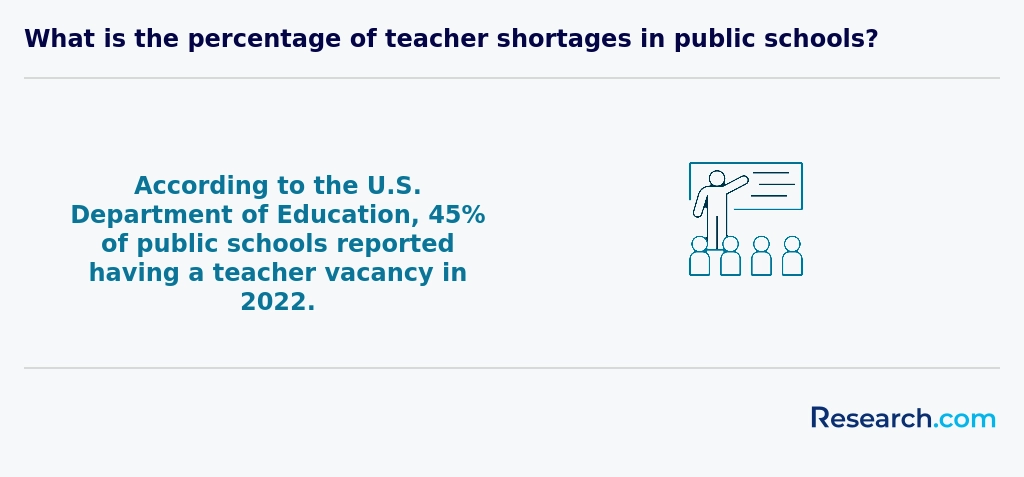
Graduates with an online education degree in Minnesota find themselves stepping into roles that make a meaningful impact in schools and communities. Many become licensed teachers in elementary, middle, or high schools across the state, confident in their ability to meet licensure requirements through accredited online programs from institutions like the University of Minnesota or St. Cloud State University. These roles open doors to classroom leadership in subjects ranging from general education to specialized areas such as ESL or special education. Exploring online education degree jobs in Minnesota often reveals paths beyond classroom teaching, including administrative careers as principals or curriculum coordinators, where leadership drives improved student outcomes and school success.
Career opportunities for education graduates Minnesota expand into areas like educational technology, school counseling, and corporate training. Graduates often share how hands-on training through online formats helped them balance work and study while embracing new teaching tools and strategies. For those eager to connect with innovative programs, considering the best affordable associate degrees online can be a strategic early step toward these fulfilling careers.
The job market for an online education degree in Minnesota remains promising, especially as graduates find rewarding roles across schools and educational organizations statewide. Many graduates from local colleges and universities share how their online programs equipped them for teaching roles in both urban centers and rural communities, where certified educators are in high demand. These graduates often describe fulfilling careers as teachers, curriculum developers, or instructional coordinators, confident in their ability to make a meaningful impact.
With Minnesota's stable school enrollment and reforms emphasizing digital learning, those with an online education degree enjoy opportunities beyond traditional classrooms. Education graduates find roles as consultants or administrators, tapping into skills cultivated through online master's programs. This positive outlook is encouraging if you seek education degree jobs Minnesota offers, highlighting the growing need for professionals skilled in pedagogy and technology integration.
Prospective students can explore affordable options by checking out the best accredited non-profit online universities, which many local graduates recommend for their flexibility and quality, helping them succeed in Minnesota's evolving education field.
2027 Easiest Online Master's in Education Degree Programs Ranking in Minnesota
Investing in your education is a significant decision that can shape your future, and the Research.com team understands the importance of making informed choices. To assist prospective students in Minnesota, we have meticulously crafted the "2027 Easiest Online Master's in Education Degree Programs Ranking in Minnesota." Our commitment to quality, credibility, and accuracy is reflected in the extensive research and analysis conducted to compile this ranking.
We utilized the following reputable data sources to ensure a comprehensive evaluation of education degree programs:
By exploring this ranking, readers will gain valuable insights into the easiest online education master's programs in Minnesota, helping them make informed decisions about their academic and professional futures. For a detailed explanation of our research process, please visit our Research.com methodology page.

# 3 position
Bethel University, Minnesota
Master of Education K-12

# 5 position
Walden University
Master of Education

Frequently Asked Questions About education
Students pursuing online education degrees in Minnesota can enhance their learning by establishing consistent study schedules. Research shows that disciplined time management improves retention and course completion rates.
Engaging actively in virtual class discussions and group projects also supports deeper understanding. The Minnesota Office of Higher Education highlights that interaction with peers and instructors boosts student satisfaction and success.
Utilizing campus resources such as online tutoring, academic advising, and library services-even remotely-provides critical support. According to the National Center for Education Statistics, students who access these services are more likely to graduate on time.
Finally, maintaining strong communication with faculty helps clarify expectations and obtain feedback, enriching the educational experience.
Emerging niches in the education field reflect growing demands for specialized knowledge and skills. In Minnesota, online education degrees now often focus on areas such as educational technology, which integrates digital tools to enhance learning experiences. According to the Minnesota Department of Education, programs supporting literacy development and special education are also expanding, meeting increased needs for inclusive classrooms.
Additionally, leadership and administration remain strong growth areas, aligning with the steady rise of school leadership roles in the state. Career and technical education (CTE) is gaining attention as Minnesota prioritizes job-ready skills through online master's programs. These niches reflect broader national trends while serving Minnesota's unique educational landscape.
Graduates with an online education degree in Minnesota should focus on practical experience and professional networking to succeed in the job market. Minnesota's schools often value candidates with strong classroom management skills and familiarity with state education standards, such as those outlined by the Minnesota Department of Education.
Internships and student teaching placements, even if completed virtually, provide valuable credentials. Additionally, joining Minnesota-based professional organizations like the Minnesota Education Association can open doors to job opportunities and mentorship.
Many Minnesota school districts use online job portals to post vacancies, so regularly checking these platforms helps in timely applications. According to the Minnesota Department of Employment and Economic Development, education careers in Minnesota are expected to grow about 6% over the next decade, highlighting steady demand.
Lastly, obtaining relevant licensure through Minnesota's teacher licensing process enhances employment prospects and reflects a commitment to state standards.
Employers in Minnesota seek education degree graduates with a combination of strong instructional skills and practical classroom management abilities. According to the Minnesota Department of Education, effective communication and adaptability rank as critical skills for new teachers. Graduates must demonstrate proficiency in designing inclusive lesson plans that accommodate diverse learning needs.
Additionally, data literacy is increasingly valued, enabling educators to analyze student performance and tailor teaching accordingly. Collaborative skills are also essential, as Minnesota schools emphasize teamwork among staff to improve student outcomes. Familiarity with educational technology is another important asset given the rise of digital learning tools in classrooms statewide.
Finding internships in Minnesota relevant to an education degree involves several strategic steps. Start by contacting your online program's career services or internship coordinators, as many Minnesota universities have partnerships with local schools and educational organizations. The Minnesota Department of Education website also offers resources and listings for approved internship sites, which can help you identify opportunities within public and charter schools.
Networking is essential. Reach out to education professionals on platforms like LinkedIn, and attend local education conferences such as the Minnesota Education Conference for potential leads. According to the Minnesota Office of Higher Education, about 70% of education internships in the state are unpaid, so be prepared for this possibility while gaining valuable experience.
In addition, explore local school districts like Minneapolis Public Schools and St. Paul Public Schools, which often provide structured internship programs for aspiring educators. Finally, consider nonprofits and community organizations focused on youth education, as they frequently offer hands-on internships that complement academic learning.
Obtaining an online education degree in Minnesota can significantly enhance career mobility and advancement opportunities within the state's education sector. According to the Minnesota Department of Education, professionals with advanced degrees often qualify for higher salary schedules and leadership roles such as curriculum coordinators, instructional coaches, or administrators.
Online degrees offer flexibility, allowing working educators to pursue graduate studies without interrupting their current jobs, which accelerates career progression. The Minnesota Office of Higher Education reports that educators with master's degrees earn on average 20% more than those with only a bachelor's degree. Furthermore, many districts in Minnesota require or prefer advanced certifications that are accessible through accredited online programs.
This growing acceptance reflects a broader national trend recognizing the credibility of accredited online education degrees, especially in fields like teaching and educational leadership. Thus, an online degree can open doors to promotions and expanded career paths within Minnesota's education system.
Studying for an education degree in Minnesota offers strong preparation for interdisciplinary roles by emphasizing collaboration across various fields. Minnesota's education programs integrate topics like psychology, sociology, and technology, equipping students to address diverse learning needs. According to the Minnesota Department of Education, this approach helps develop skills in curriculum design, assessment, and leadership applicable beyond traditional classrooms.
Many online programs encourage partnerships with health, social work, and business sectors, reflecting the state's focus on holistic education. Graduates are better prepared to work in inclusive settings, community outreach, or administrative roles requiring cross-disciplinary knowledge.
When choosing between a thesis and a non-thesis online education degree program in Minnesota, consider your career goals and the program's structure. Thesis programs often require original research and are suited for those aiming to pursue a doctorate or academic roles. Non-thesis options typically emphasize practical skills and may appeal to educators seeking leadership or administrative positions.
Data from the Minnesota Office of Higher Education shows that over 60% of master's graduates in education prefer non-thesis tracks due to their flexibility and shorter completion times. Additionally, many Minnesota institutions offer non-thesis programs designed for working professionals, enhancing their career advancement options.
In sum, assess whether you prefer research-intensive study or applied learning to decide which path fits your personal and professional needs best.
Students based in Minnesota seeking to study education abroad have several practical options, mostly enabled through accredited U.S. institutions offering online programs with global perspectives. Minnesota's Department of Education recognizes degrees from regionally accredited universities, which often include study-abroad or international components integrated into online master's programs. This allows students to gain international experience without relocating. Additionally, some Minnesota universities participate in exchange partnerships that enable credit transfer from foreign institutions.
According to the National Center for Education Statistics, about 15% of Minnesota graduate students were enrolled in online programs as of 2022, a figure that continues to grow. Exploring education degrees with international curricula can enhance a student's global competencies while meeting state licensure requirements.
Part-time job opportunities in Minnesota that complement education degree studies often include roles such as teacher assistants, substitute teachers, and tutors. These positions provide valuable classroom experience without requiring full-time commitment, making them suitable for students pursuing online degrees.
Minnesota's Department of Education reports over 50,000 licensed teachers statewide, highlighting strong demand for qualified educators and support staff. Working as a substitute teacher allows degree students to apply pedagogical theory in real classroom settings while earning income.
Tutoring is another flexible option, with many organizations in Minnesota seeking tutors for K-12 students in subjects like reading and math. This work enhances instructional skills relevant to education careers.
Education students can also find part-time opportunities in after-school programs and community education centers, which help develop classroom management and educational planning abilities.
Online education students in Minnesota benefit from a variety of networking opportunities designed to connect them with peers, faculty, and education professionals statewide. Many universities offer virtual events, including webinars, discussion forums, and student groups tailored to education majors. For example, the University of Minnesota and St. Cloud State University provide online platforms where students collaborate and share insights.
The Minnesota Education Association and local chapters also host conferences and workshops accessible to online learners, promoting professional networking. Additionally, LinkedIn groups specific to Minnesota educators serve as informal yet valuable spaces for connection and career development.
These combined resources help online students build meaningful professional relationships despite distance learning's physical separation.
Alumni networks provide significant benefits to students pursuing online education degrees in Minnesota. These networks connect current students with graduates who have firsthand experience navigating Minnesota's education system and job market. According to the Minnesota State Colleges and Universities system, active alumni communities enhance career opportunities by offering mentorship and job referrals.
Many Minnesota universities, including the University of Minnesota and St. Cloud State University, maintain extensive alumni databases that help students access internships and employment. This support is especially valuable for online learners who may have fewer in-person networking opportunities.
Strong alumni ties also enable knowledge sharing about local educational trends and licensing requirements unique to Minnesota, aiding students in career planning and continued professional development.
In Minnesota, many online education degree programs offer flexible curriculum options allowing students to tailor their studies to match career ambitions. You can typically choose electives or specializations such as curriculum design, educational leadership, or special education. This customization helps align your degree with specific job markets.
Some universities provide opportunities for practicum placements or internships in Minnesota schools, enhancing hands-on experience. According to the Minnesota Office of Higher Education, online programs often allow up to 30% of credits to be selected by students, providing room to focus on areas important to your goals.
Additionally, you may find programs that incorporate state licensure preparation, which benefits those planning to become certified teachers in Minnesota. Reviewing course catalogs and consulting academic advisors ensures the program fits your long-term objectives.
Online education students in Minnesota often face challenges related to balancing coursework with personal and professional responsibilities. Many learners juggle jobs and family, which can limit study time and increase stress. According to the Minnesota Office of Higher Education, time management remains a significant hurdle for over 60% of online students statewide.
Another common difficulty is limited access to reliable high-speed internet in rural areas. Despite improvements, parts of northern Minnesota still experience connectivity issues, affecting students' ability to participate fully in live classes or access materials promptly.
Additionally, some students report feeling isolated, missing face-to-face interaction with peers and instructors that supports motivation and engagement. Technical issues and unfamiliarity with online learning platforms also contribute to early dropout rates in some programs.
With an online education degree in Minnesota, graduates can pursue various professional certifications that enhance their career prospects. One common path is obtaining a Minnesota teaching license, which requires completing a teacher preparation program and passing the Minnesota Teacher Licensing Examinations.
Other certifications include the Reading Specialist license, designed for educators focusing on literacy improvement. Additionally, candidates may pursue administrative licenses, such as the Principal or Superintendent license, which open doors to leadership roles in schools.
Nationally recognized certifications, like the National Board Certification for teachers, are also attainable and valued in Minnesota's education system. These credentials demonstrate advanced teaching skills and commitment to professional growth, as reported by the Minnesota Department of Education.
When applying for an online education program in Minnesota, a strong application highlights your academic readiness and clear career goals. Start by tailoring your personal statement to emphasize why you want to pursue education, citing local needs or trends in Minnesota's schools, as reported by the Minnesota Department of Education.
Include specific examples of your teaching or leadership experience, if applicable, as programs value practical knowledge. Minnesota universities often look for evidence of effective communication skills, so ensure your writing is clear and error-free. Additionally, meet all deadlines and submit required documents like transcripts and recommendation letters promptly.
According to recent data from the National Center for Education Statistics, Minnesota has a growing demand for qualified educators, which you can reference to strengthen your motivation.
The global view of an education career highlights its vital role in shaping societies worldwide. In the US, including Minnesota, educators are increasingly valued for their ability to adapt teaching methods to diverse populations, reflecting global trends.
According to the Minnesota Department of Education, over 70% of teachers hold at least a master's degree, illustrating a strong push for advanced education credentials. This aligns with international standards where higher qualifications improve teaching quality.
Online education degrees offer flexible access to these credentials, meeting global demands for lifelong learning and skill development. The profession is seen as stable and essential, with a Bureau of Labor Statistics projection of 5% job growth for teachers nationwide through 2031.
Global perspectives also emphasize cultural competency and technology integration as key educator skills, which Minnesota's online programs often incorporate to prepare graduates for diverse classrooms.
Gaining practical experience while studying for an online education degree in Minnesota is essential for building teaching skills and meeting licensure requirements. Many programs integrate student teaching or practicum components that can be completed locally in Minnesota schools. According to the Minnesota Department of Education, candidates must complete a supervised clinical experience lasting several weeks to qualify for teacher licensure.
Online students can also seek internships or volunteer opportunities in nearby schools or educational organizations. This hands-on learning helps develop classroom management and lesson-planning skills. Additionally, some Minnesota colleges offer partnerships with local districts to facilitate placements, ensuring practical experience aligns with online coursework.
Choosing the right concentration within an online education degree program in Minnesota begins with assessing your career goals and interests. Minnesota offers diverse options, such as curriculum development, special education, or educational leadership, each aligning with specific job roles. According to the Minnesota Office of Higher Education, education-related occupations are expected to grow about 5% through 2030, highlighting the demand for specialized skills.
Consider the certification requirements if you plan to teach in public schools, as concentrations like special education often lead to licensure. Review program curricula to find courses that match your interests and check if the concentration supports your long-term career plans. Additionally, look at faculty expertise and field experience opportunities within Minnesota to ensure practical learning.
- 2027 Easiest Online Master's in Education Degree Programs Ranking in Wisconsin
- 2027 Easiest Online Master's in Education Degree Programs Ranking in Iowa
- 2027 Easiest Online Master's in Education Degree Programs Ranking in North Dakota
- 2027 Easiest Online Master's in Education Degree Programs Ranking in South Dakota
- 2027 Easiest Online Master's in Education Degree Programs Ranking in Illinois
- 2027 Easiest Online Master's in Education Degree Programs Ranking in Missouri
- 2027 Easiest Online Master's in Education Degree Programs Ranking in Michigan
- 2027 Easiest Online Master's in Education Degree Programs Ranking in Kansas
- 2027 Easiest Online Master's in Education Degree Programs Ranking in Indiana
- 2027 Easiest Online Master's in Education Degree Programs Ranking in Kentucky
See What Experts Have To Say About Studying Education
Read our interview with Education experts

Alan J. Singer
Education Expert
Professor of Teaching, Learning and Technology
Hofstra University

Nooshan Ashtari
Education Expert
Professor & Book Author
University of Southern California

- Online Teaching Programs in Minnesota - TeachingDegree.org https://www.teachingdegree.org/states/minnesota/
- Online Degree vs. Traditional: Choosing the Right Path https://beal.edu/online-degree-vs-traditional/
- How to Gain Real-World Experience While Studying Online | American National University https://an.edu/how-to-gain-real-world-experience-while-studying-online/
- Guide to Online Education Degrees | OEDb.org https://www.oedb.org/rankings/online-education-programs/
- Teaching Job Roles | Teach For Life https://www.teachforlife.com/teachingjobs/global-perspectives-teacher
- The Future of Education: Emerging Trends Reshaping Learning Environments http://www.gesseducation.com/gess-talks/articles/future-education-emerging-trends-reshaping-learning-environments
- The importance of networking in the education sector https://www.tlclive.com/blog/the-importance-of-networking-in-the-education-sector
- Online Teaching Jobs | Elevate K-12 https://www.elevatek12.com/online-teaching-jobs/
- Teacher Certification & Licensure https://www.teachingdegrees.com/certification
- Know more about thesis vs non- thesis: what is the difference? https://studyfans.com/en/blogs/816


