
2027 Best Education Degree Programs Ranking in Missoula

Co-Founder and Chief Data Scientist
Choosing the right education degree program in Missoula can shape your future in meaningful ways. This article introduces the 2027 Best Education Degree Programs Ranking in Missoula, carefully crafted by the Research.com team of data scientists to guide students like you.
By exploring this ranking, you'll discover programs that align with your goals and passion for teaching. Getting an education degree opens doors to rewarding careers that make a positive impact. Let this guide help you make an informed, confident decision on your next academic journey.
Key benefits of getting education degree in Missoula
- Education degree graduates in Missoula can earn competitive salaries, such as $70,740 annually for elementary school teachers and $76,000 for special education teachers, offering a stable and rewarding career.
- Graduates from local institutions often pursue various rewarding paths including teaching, instructional design, or early childhood education, making it easy to find a role that fits your passion and lifestyle.
- Online education degrees provide flexibility and convenience, allowing students to balance work and study effectively while gaining the same respected credentials as traditional programs from Missoula universities.
- 2027 Best Education Degree Programs Ranking in Missoula
- What can I expect from education degree in Missoula?
- Where can I work with education degree in Missoula?
What can I expect from education degree in Missoula?
When you're thinking about the cost of getting an education degree in Missoula, the University of Montana usually comes to mind since it's the go-to spot for most students. For in-state folks, tuition runs around $8,400 a year, which feels pretty reasonable compared to lots of other places. Out-of-state students should expect closer to $29,000 annually, which is a bigger jump but still manageable with the scholarships and financial aid options many students discover along the way.
Graduates often share how these costs felt balanced by the support they got-small class sizes helped them connect with professors, and hands-on classroom experiences made each dollar feel well spent. One common thread you'll hear is that the programs not only prepare you well for Montana's teacher certification exams but also make it easier to plan your finances through various aid opportunities specifically geared toward education majors.
So, if you picture yourself walking into a classroom in Missoula after graduating, you can feel confident that the cost makes sense for the strong local support and opportunities available to you.
Where can I work with education degree in Missoula?
If you've got an education degree in Missoula, you're in luck-there's a bunch of cool places where you can put it to use! Many grads start teaching right away in Missoula County Public Schools, which is pretty great since they're always looking for passionate teachers at all levels, from elementary to high school. Imagine walking into a lively classroom full of curious kids, ready to learn-that's a daily reality for many education grads here.
A lot of graduates also dive into early childhood education, working at local preschools and childcare centers. It's super rewarding to help little ones get their first taste of learning. Plus, with the University of Montana nearby, graduates often snag roles as academic advisors or student success specialists, supporting college students through their journey.
Some grads find their groove behind the scenes, in jobs like instructional coaching or curriculum development at local schools. And don't forget community programs-they're perfect for people who love helping adults learn new skills or guiding youth through outreach projects. Studying education in Missoula really opens up a whole world of possibilities!
Graduates from education programs in Missoula often find themselves earning competitive salaries, especially when compared to statewide averages. For example, an elementary school teacher can expect to make around $70,740 per year, which fits nicely with what local schools offer. Many education grads from schools like the University of Montana are thrilled to see these figures match up with their real-world experience, making those late-night studies feel totally worth it.
Special education teachers tend to earn even more, averaging about $76,000 annually. This higher pay reflects the extra skills and certifications they bring to the table, something several Missoula grads have shared helped them land rewarding roles quickly. If you're interested in teaching English as a second language, the median wage is around $65,430, giving you a solid income while engaging in meaningful work with diverse students.
And if you imagine moving beyond the classroom, instructional designers in the area make roughly $77,200. This is a great path for education majors who like blending teaching with technology and creativity, a combination many recent graduates at Missoula's colleges find exciting and fulfilling.
- The University of Montana in Missoula offers undergraduate and graduate education degrees, including Bachelor of Arts, Bachelor of Science, and Master of Education programs.
- In-state tuition for education degrees ranges from $8,000 to $9,000 annually; out-of-state tuition is approximately $27,000 to $28,000 per year.
- Starting salaries for education graduates average around $45,000 per year, with potential growth to $60,000 or more after five to ten years.
- Job opportunities are mainly in public K-12 schools, higher education, and specialized educational services, with steady demand due to retirements and student population stability.
- Programs emphasize practical experience through student teaching placements in local schools to improve employment chances after graduation.
If you're aiming for an education degree in Missoula, it usually takes about four years to finish a bachelor's if you're studying full-time. Many grads from the University of Montana share that this timeline fits well with their busy college life, letting them dive deep into courses without feeling rushed. For those jumping into a master's program, it's typically between 1.5 to 2 years full-time. Some have found taking it part-time stretches this to around 3 years, which is great if you're balancing work or family.
Lots of folks also choose alternative certification or post-bac teaching certificates, especially if they want a quicker route-typically these wrap up in about a year. One common tip from local grads is that transferring credits or fitting in required student teaching can shift your timeline a bit, but that hands-on experience really makes the journey rewarding.
Overall, Missoula's education programs offer a flexible pace that matches both traditional students and those juggling other commitments perfectly.
Aspiring educators in Missoula must navigate Montana’s specific licensure process to teach in public and private schools. First, candidates must hold at least a bachelor’s degree from a CAEP-accredited institution and complete an approved teacher preparation program, which includes a minimum of 12 weeks of supervised student teaching. Next, applicants register with the Montana Office of Public Instruction (OPI) and submit official transcripts, fingerprinting for a criminal background check, and a completed licensure application. Before applying, teachers must pass the Praxis Core Academic Skills for Educators exams (reading, writing, and mathematics) and the appropriate Praxis II subject assessments. Special education and professional roles may require additional Praxis II subtests or Montana Performance Evaluation for Educators and Researchers (MT PEER) components. Once all requirements are met, OPI issues a Class I (initial) teaching certificate valid for six years. To maintain certification, educators complete 150 renewal points, typically earned through graduate coursework, professional development workshops, or district-approved in-service activities. Alternatively, non-traditional candidates may pursue Montana’s Provisional Teaching License by passing the Praxis exams and enrolling in an alternative certification program. For students exploring low-cost online pathways before residency requirements apply, consider reviewing the Most Affordable Online Education Degree Programs Ranking in Iowa to compare financial aid options and curriculum flexibility.
If you're eyeing an education degree in Missoula, you're probably wondering how online stacks up against on-campus programs. Imagine juggling work and family while studying-online degrees, like those offered through the University of Montana, let you dive into classes anytime, anywhere, which is a total game-changer for busy folks. Graduates often share how this flexibility helped them balance life without missing a beat.
On the flip side, some students love the buzz of campus life-walking the halls, chatting with professors face-to-face, and learning hands-on at Missoula's local colleges. Being on campus means you get quick access to practical teaching placements and in-person support, which really boosts confidence before stepping into a classroom yourself.
Plus, tuition-wise, Missoula's public universities keep things pretty reasonable for locals, whether online or on-site. Some grads say the real difference is how you like to learn: whether you crave structure and social vibes or need the freedom to study on your own schedule.
Investing in an Education degree in Missoula, MT, requires balancing upfront costs with long-term earning potential and career advancement. On average, in-state tuition and fees total approximately $9,750 per year, while out-of-state students pay around $27,457. When accounting for living expenses and materials, the total annual investment ranges from $27,146 to $45,708. Graduates entering roles such as ESL Teacher (mean salary $63,130) or Instructional Designer ($73,080) typically recoup their tuition within 3–5 years, depending on career trajectory and local demand. Beyond entry-level salaries, Education degree holders in Missoula see steady wage growth: • 1–3 years post-graduation: 5–8% increase as educators gain classroom experience and certifications. • 4–6 years post-graduation: 10–15% boost for those who pursue master’s degrees or leadership roles. • 7+ years post-graduation: 20–25% growth for administrators and specialized consultants. Maximizing ROI also involves strategic program selection and financial planning. Prospective students should compare accreditation status, graduate employment rates, and average salary outcomes when evaluating programs. For example, graduates who leverage online components often maintain full-time positions while studying, reducing opportunity costs. For those seeking additional cost-effective options, explore the Most Affordable Online Education Degree Programs Ranking in Iowa to benchmark tuition against projected salary gains. Ultimately, calculating ROI for an Education degree in Missoula means assessing direct costs, projected salary trajectories, and the added value of specializations or advanced certifications. With careful planning and informed program choices, graduates can achieve a positive return on investment within a few years and continue to benefit from career growth throughout their professional journey.
If you're thinking about getting an education degree in Missoula, here's the lowdown on the average costs. Graduates from popular schools like the University of Montana often share how they managed roughly $8,500 to $9,000 in tuition for in-state undergrad programs. That's pretty reasonable compared to other places, especially when you consider Missoula's laid-back vibe and moderate living costs. Graduate students typically pay a bit more, with annual expenses hovering around $12,000 to $13,000 if they're locals.
Out-of-state students do face pricier tuition-sometimes nearly three times as much-so budgeting is key if you're not a Montana resident. But many students find that the local community colleges, such as Missoula College, offer more affordable options with tuition around $6,500 for in-state students. This helps keep the overall cost of education degree programs in Missoula manageable.
A common story you'll hear involves students balancing tuition with room, board, and books, which combined can push yearly expenses closer to $20,000. Luckily, plenty of scholarships, grants, and work-study positions help ease the financial load, especially if you plan on working in Montana's public schools after graduation. For folks interested in becoming an educator in south carolina, some of these financial aid lessons apply universally.
Getting a feel for the average education degree cost Missoula is all about knowing these details so you can plan smart and enjoy the exciting journey toward your career.
Graduates of Education degree programs in Missoula, MT must obtain a Montana Class A teaching certificate to work in K–12 classrooms. First, complete an accredited educator preparation program, ensuring you meet both content and pedagogy requirements. Next, register for and pass the Praxis® Core Academic Skills for Educators (Core) and the relevant Praxis® Subject Assessments (II) for your specialization. Successful completion demonstrates proficiency in reading, writing, mathematics, and subject-specific knowledge. After passing exams, submit your application through the Montana Office of Public Instruction (OPI), including official transcripts, a fingerprint‐based background check, and the non-refundable application fee. Fingerprinting can be completed at an OPI-approved vendor; results are electronically transmitted to expedite processing. Once your application is approved, you’ll receive a Class A certificate, valid for five years and renewable upon completion of 30 clock hours of approved continuing education per renewal cycle. While planning your path to licensure, consider supplementing your skill set with flexible online options. For budget-conscious students, explore the Most Affordable Online Education Degree Programs Ranking in Iowa to compare cost-effective programs that align with Montana’s certification standards.
If you're studying education in Missoula, there's actually quite a bit of financial aid out there to lighten the load. Many grads from the University of Montana mention how helpful federal aid like Pell Grants was-it's free money based on financial need, so no stressing about paying it back. Plus, everyone fills out the FAFSA to unlock those options.
Beyond that, Montana has some sweet local scholarships and grants. The Montana University System offers merit-based awards, which many Missoula education students snag by showing their academic or leadership skills. And if you're from an underrepresented group, programs like MEOP provide extra chances to get funded.
Institutional aid is also a big deal. Universities in town often hand out scholarships just for education majors, rewarding folks who stay active in campus life or volunteer. A lot of grads also rave about loan forgiveness gigs-they teach in underserved schools, then watch part of their loans disappear. That's a win-win!
On top of that, part-time jobs and work-study positions tied to the education departments help students earn while they learn, giving hands-on experience plus cash to cover costs. Lots of Missoula students find this combo really keeps things manageable during the year.
And don't forget local professional groups like the Montana Education Association-they offer scholarships too, so it's worth checking in early and chatting with your school's financial aid office to find all the hidden gems out there.
To further support students in their pursuit of an education degree, it's essential to consider the financial aspects of attending an institution in Montana. Prospective students can explore the cheapest education schools in montana to find options that fit their budget, ensuring they can focus on their academic and professional development without significant financial burdens. This consideration is crucial in making informed decisions about their educational paths, ultimately leading to a more stable and successful career in education.
If you're thinking about jumping into an education degree in Missoula, there are a few key things you'll want to have ready. First off, most places like the University of Montana want you to have finished high school or have a GED. It sounds basic, but it's the foundation that makes sure you're set to handle college-level work.
Many students who've gone through these programs remember having to show their SAT or ACT scores-although some schools are getting more flexible with this lately. That's a relief to a lot of folks who aren't big fans of test days!
Another big one? Your transcripts. Admissions teams want to see solid grades, especially in subjects like English, math, and social studies. It makes sense, right? These are the cornerstones of teaching. Graduates often say having strong writing and critical thinking skills really helped them connect with their future students.
- High school diploma or GED equivalent
- Standardized test scores (SAT or ACT), depending on the institution's policy
- Official academic transcripts
- Letters of recommendation may be required by some programs
On top of that, some programs ask for a personal essay-kind of your chance to tell why teaching fires you up and why you're passionate about education. It's a moment to shine and show your heart for the job.
Also, since a lot of teaching involves hands-on time with kids, you might need to get a background check and keep your immunizations up to date before snapping up internships or practicums. Most students say it's worth it to get all that done early to avoid last-minute stress.
And if you're curious about costs, in-state tuition at the University of Montana is pretty reasonable-around $7,000 a year-so many Missoula locals feel good about starting their education journey close to home without breaking the bank.

Choosing a program accredited by the Council for the Accreditation of Educator Preparation (CAEP) or the Montana Board of Public Education ensures that your degree will meet both national standards and state licensure criteria. In Montana, all aspiring K–12 teachers must complete a state-approved teacher preparation program, pass Praxis Core Academic Skills for Educators exams, and satisfy the Montana Educator Licensure Assessment (MELA) requirements. Upon graduation from a CAEP-accredited institution, candidates apply to the Office of Public Instruction (OPI) for an initial teaching license, which is valid for five years and can be renewed with documented professional development. Many online and on-campus programs in Missoula offer embedded exam preparation courses, while alternative certification routes include intensive summer residencies paired with supervised classroom teaching. Prospective students should also compare cost-effective pathways; for example, some may find a cheap online elementary education program that maintains full accreditation and provides robust licensure support. After receiving an initial license, educators must complete six credits of continuing education or professional development annually to advance toward a five-year renewable professional license. This cyclical process guarantees that teachers remain current with pedagogical best practices, state law updates, and inclusion strategies, thereby safeguarding both quality instruction and student success across Montana classrooms.
If you're diving into an education degree in Missoula, you'll quickly find it's packed with courses that really set you up for success in the classroom. At spots like the University of Montana, grads often talk about how classes in educational psychology opened their eyes to understanding how kids learn differently-super helpful when you're trying to connect with every student in your future classrooms.
Then there's curriculum development, where you get hands-on with designing lesson plans that actually stick. Many students share how exciting it was to experiment with tech tools that make lessons come alive, something schools in Missoula are eager for. Plus, classroom management courses help you build that confident vibe you'll need to run a smooth, respectful learning space.
Don't forget the real-world practicum experiences! Future teachers get to jump right into local schools, trying out their skills with real kids under the watchful eye of a mentor-making all those theory lessons come to life. Special education and multicultural education classes stand out too, especially in Missoula's diverse school environments, making sure everyone feels included and supported.
If you're diving into an education degree in Missoula, you'll find a solid mix of specializations that really set you up for different teaching career options Missoula Montana has to offer. Graduates from the University of Montana often mention how focusing on Elementary or Secondary Education gave them confidence in classrooms, teaching everything from literacy to math or science. Others have loved specializing in Special Education, where they learned how to tailor lessons for students with all kinds of learning styles and needs.
There's also Early Childhood Education if you're passionate about working with the little ones, or Educational Leadership for those dreaming of stepping into principal or coordinator roles down the line. ESL and Counseling tracks are popular too, helping educators support diverse student backgrounds and mental health, which is super important in today's schools.
Plus, if you're curious about the financial side, the University of Montana's tuition is pretty reasonable for in-state students, and focusing your path helps make the most of your time. For some inspiration, checking out the child development salary potential can be a great motivator while choosing your specialization.
Choosing the best education degree programs in Missoula is all about finding the right fit for your goals and lifestyle. Many graduates from the University of Montana rave about how the hands-on student teaching placements helped them feel confident stepping into real classrooms. The local focus means you get practical experience in schools right here, which is a huge advantage when job hunting after graduation. Affordable education degrees Missoula 2027 options are another big plus since tuition is lower than the national average, making it easier to manage costs without stressing out.
Look for programs that offer flexibility too-some graduates balanced work and family by taking part-time or online courses. Don't forget about checking out financial aid and scholarship chances to lighten the load. It's also smart to explore local partnerships for internships and job placement support. If you want to learn more about affordable paths, you can check out cheap accredited online colleges for options that might fit your budget and schedule well.
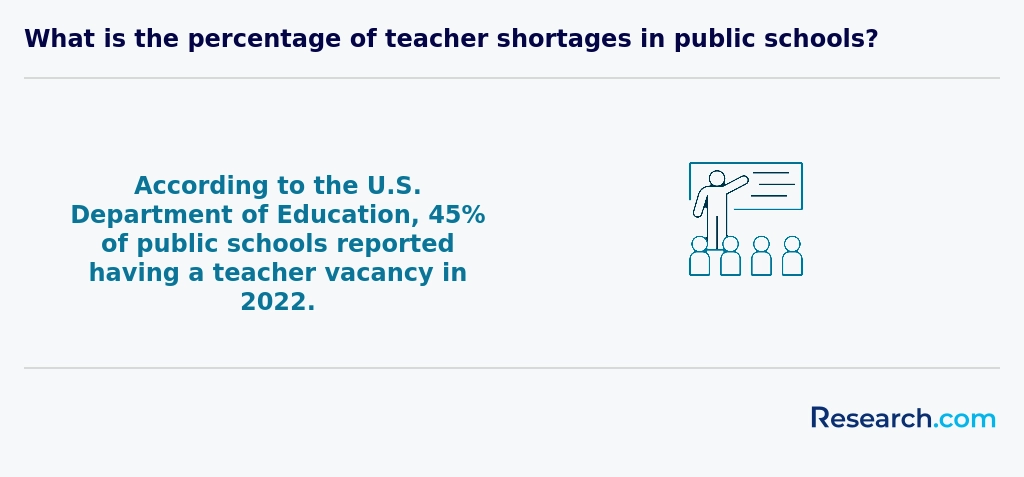
If you're exploring education degree jobs in Missoula, you'll find plenty of options beyond just classroom teaching. Graduates from the University of Montana and other local colleges often land roles ranging from K-12 teaching to special education, which is really growing thanks to the city's focus on inclusive classrooms. A friend who graduated recently shared how rewarding it is to work as a special education teacher here, helping kids thrive in supportive settings.
Teaching careers in Missoula Montana also open doors to positions like school counselors or principals, where you get to shape school policies and support students in big ways. Early childhood education is another favorite path - working in local preschools feels like making a difference from the very start.
For anyone curious about less traditional routes, some grads dive into education technology or adult education programs at community colleges. If you want to explore creative futures, check out the best affordable MFA in creative writing as a side step or next step in education.
The job market for education degree job opportunities in Missoula is looking pretty steady and encouraging. Graduates from popular programs, like those at the University of Montana, often find themselves stepping into roles at local public schools or even specialized education tech positions, thanks to strong ties between the university and school districts. These partnerships mean plenty of hands-on experience through practicum and student-teaching, which really boosts confidence and job prospects.
If you're thinking about a Missoula teaching career outlook 2027, you'll be happy to know the demand remains strong, especially in elementary and secondary education. Many graduates share how rewarding it feels to work in schools with a teacher-to-student ratio close to the state average, allowing for meaningful connections with students. Plus, salary ranges around $50,000 to $55,000 make it a viable career option here compared to other mid-sized cities in Montana.
One thing students often appreciate is the affordable tuition at UM, which combined with education-specific scholarships, makes pursuing these careers more accessible. For a deeper look into opportunities, exploring the highest paying university degrees might shed light on how valuable an education degree can be in Missoula's market.
2027 Best Education Degree Programs Ranking in Missoula
Investing in your education is a significant decision that can shape your future, and the Research.com team understands the importance of making informed choices. To assist prospective students in Missoula, we have meticulously crafted the "2027 Best Education Degree Programs Ranking in Missoula." Our commitment to quality, credibility, and accuracy is reflected in the extensive research and analysis conducted to compile this ranking.
We utilized the following reputable data sources to ensure a comprehensive evaluation of education programs:
By exploring this ranking, readers will gain valuable insights into the best education degree programs available in Missoula, helping them make informed decisions about their educational paths. For more details on our methodology, please visit our Research.com methodology page.

Frequently Asked Questions About education
Education degree students in Missoula can maximize their learning by actively engaging with local schools for hands-on experience. The University of Montana, a leading institution in the area, offers numerous practicum opportunities that allow students to apply theory in real classrooms, enhancing skill development.
Students should also take advantage of professional organizations such as the Montana Education Association, which provides workshops and networking events tailored to aspiring educators. Research indicates that participation in such groups improves employment prospects and teaching efficacy.
Utilizing campus resources like tutoring centers and academic advising can further boost academic success. According to the National Center for Education Statistics, students who engage with support services have higher retention rates.
Emerging niches in the education field reflect the evolving needs of students and communities, including those in Missoula. One key area is educational technology, where specialists design and implement digital learning tools. The U.S. Bureau of Labor Statistics projects a 13% growth in this sector by 2031. Another growing niche is special education, especially for students with autism spectrum disorder and other learning challenges. Missoula's schools increasingly require trained professionals to support these learners, aligning with statewide trends reported by Montana Office of Public Instruction.
Additionally, culturally responsive teaching focusing on Indigenous and multicultural education is gaining importance in Missoula given its diverse population. Environmental education is also expanding, reflecting Montana's emphasis on natural resources and sustainability. These niches offer promising career opportunities for education graduates today.
Preparing for the job market after completing an education degree in Missoula involves strategic steps aligned with local and national trends. Graduates should focus on obtaining Montana teacher certification, required for most K-12 positions. The Montana Office of Public Instruction provides detailed guidelines to help navigate this process.
Networking is vital; connecting with schools in Missoula and broader Montana, where teacher demand remains steady, can increase job prospects. According to the Montana Department of Labor, education employment in the state is projected to grow by 5% through 2030.
Internships and student teaching in local schools offer practical experience, enhancing resumes. Additionally, graduates should stay informed about continuing education opportunities and consider specializing in high-need subjects like special education or STEM to improve competitiveness.
Employers in Missoula seek education degree graduates who exhibit strong communication skills. The ability to clearly convey concepts to diverse student populations is essential in local classrooms.
Critical thinking and problem-solving skills are highly valued, enabling teachers to adapt lesson plans and address individual student needs effectively.
According to the Montana Office of Public Instruction, familiarity with technology integration in education has become crucial, with over 70% of Missoula schools emphasizing digital literacy.
Additionally, employers prioritize cultural competence, reflecting Missoula's growing diversity, and knowledge of inclusive teaching practices.
Finally, classroom management and collaboration skills are also key assets for candidates entering the education field here.
Finding internships in Missoula for education degrees involves exploring local schools, educational nonprofits, and community centers. The Missoula County Public Schools district often offers student teaching and internship opportunities to education majors. Contacting the district's human resources department or career services at nearby institutions like the University of Montana can provide updated listings.
Additionally, Missoula's numerous early childhood centers and after-school programs frequently seek interns interested in hands-on experience. According to the Montana Office of Public Instruction, practical internships greatly enhance job prospects in education.
Networking through local education events and career fairs is also effective. Many internships are competitive, so starting early and maintaining communication with supervisors is advised.
In Missoula, earning an education degree significantly enhances career mobility and advancement opportunities, especially within the local public school system. According to the Montana Office of Public Instruction, educators with bachelor's or advanced degrees typically qualify for higher starting salaries and accelerated promotion tracks compared to those without formal education credentials.
Beyond salary benefits, education degrees open doors to specialized roles such as curriculum coordinator or instructional coach, which require advanced certifications. Missoula's growing emphasis on improving educational outcomes increases demand for well-trained teachers and administrators with recognized degrees.
Furthermore, having an accredited degree supports eligibility for Montana's teacher licensure and continuing professional development, factors essential for long-term career growth in education.
Studying for an education degree in Missoula equips students with skills that transcend traditional teaching roles, fostering interdisciplinary collaboration. Programs often integrate coursework in psychology, sociology, and technology, reflecting the diverse demands of modern education careers. For example, the University of Montana offers teacher preparation that includes educational psychology and community engagement components, preparing graduates to work alongside social workers, counselors, and specialists.
Missoula's education degrees emphasize experiential learning through partnerships with local schools and organizations, enabling students to apply theory in real-world, multidisciplinary settings. This approach aligns with national trends showing that 65% of education professionals engage in cross-sector collaboration, enhancing problem-solving and innovation in schools.
Choosing between a thesis and a non-thesis education degree program in Missoula depends largely on your academic and career goals. Thesis options typically require original research and a formal paper, ideal for students considering doctoral studies or research roles. Non-thesis programs emphasize coursework and practical experience, suitable for those pursuing teaching or administrative positions directly.
Missoula's University of Montana offers both tracks, reflecting broader U.S. trends where about 60% of education graduate students opt for non-thesis paths, valuing quicker completion and applied skills (NCES, 2023).
Consider your time availability, interest in research, and long-term objectives when deciding.
Students based in Missoula seeking education degrees have several opportunities to study abroad through partnerships and exchange programs facilitated by the University of Montana. The university offers custom study-abroad programs in countries such as Spain, South Korea, and France, allowing education majors to gain international perspectives on pedagogy and curriculum development.
These programs often include placements in local schools or educational organizations, enabling hands-on experience. According to the University of Montana's most recent data, approximately 100 students from education disciplines participate in study abroad annually.
Additionally, Missoula students can access scholarships and grants specifically aimed at supporting education majors studying abroad, such as the Gilman Scholarship.
Part-time job opportunities in Missoula that complement education degree studies often include roles directly related to teaching and child development. Many students work as teacher's aides or paraprofessionals in local schools, gaining hands-on experience while supporting classroom instruction. According to the Montana Office of Public Instruction, schools in Missoula County employ over 500 teacher assistants, reflecting steady demand.
Other options include tutoring services, where students can offer academic support to K-12 learners or peers at the University of Montana. Educational nonprofit organizations in Missoula also frequently seek part-time coordinators to assist with after-school programs and literacy initiatives.
These roles provide valuable practical knowledge, strengthen resumes, and enhance communication skills crucial for future educators.
Education students in Missoula benefit from several strong networking opportunities that support career development. The University of Montana, located in Missoula, hosts regular events and job fairs through its College of Education, Health and Human Sciences, connecting students with local school districts and educational organizations.
Students can join professional groups such as the Montana Education Association, which offers workshops, conferences, and mentoring programs tailored to education majors. These venues facilitate valuable interactions with experienced educators and administrators in the region.
Additionally, local school districts frequently collaborate with universities for student teaching placements, creating natural networking occasions.
According to recent data from the Montana Office of Public Instruction, Missoula County Public Schools employ over 1,000 certified teachers, providing a significant network pool for emerging educators.
Alumni networks in Missoula provide valuable support for education degree students by facilitating professional connections within the local and regional school systems. These networks often organize events, workshops, and mentoring programs, which help students enhance their practical skills and gain insights into current educational practices. According to the University of Montana's Education Department, over 70% of education graduates in Missoula find employment through connections made via alumni groups.
Furthermore, alumni can offer guidance on certification processes and classroom management, drawing from their firsthand experiences. This support improves students' preparedness for teaching roles and long-term career growth in Montana's education sector.
Students pursuing education degrees in Missoula can often customize their programs to align with specific career goals. Many local universities, such as the University of Montana, offer flexible curriculum options allowing students to select concentrations like early childhood education, special education, or educational leadership. Elective courses and practicum experiences can be tailored to build skills relevant to careers in teaching, administration, or counseling. According to the Montana University System, Missoula's education graduates benefit from strong partnerships with regional schools, providing practical fieldwork opportunities. Customization also includes options for online and evening classes to fit working professionals' schedules.
Education students in Missoula often face challenges related to balancing rigorous academic requirements with practical teaching experiences. According to the University of Montana, a primary institution offering education degrees locally, students must complete substantial fieldwork which can be time-consuming alongside coursework. Financial pressures are also significant; Montana's average tuition rates remain a barrier for many, with limited availability of scholarships specific to education majors.
Additionally, adapting to evolving state certification standards poses difficulties. Montana requires prospective teachers to pass the Montana Educator Licensure Assessment, which demands thorough preparation.
Finally, access to diverse classroom settings in Missoula is sometimes limited, reducing exposure to varied student populations important for comprehensive training.
With an education degree in Missoula, you can pursue a variety of professional certifications that enhance your teaching credentials and career opportunities. The most common certification is the Montana Teaching License, required to teach in K-12 public schools. This license includes endorsements for specific grade levels and subject areas.
Additional certifications include Special Education credentials, which qualify educators to work with students with disabilities, and Reading Specialist certification, often sought for literacy-focused roles. Some educators also pursue National Board Certification, a rigorous credential recognized nationwide for advanced teaching expertise.
Missoula's local school districts and the Montana Office of Public Instruction provide guidance and resources on certification requirements and processes.
When applying for an education degree program in Missoula, it is crucial to present a clear and well-organized application. Start by thoroughly researching programs at local institutions such as the University of Montana, which offers a variety of accredited education degrees. Highlight your academic achievements, relevant experience, and your motivation for pursuing teaching or education administration. Admissions committees value applicants who demonstrate a strong commitment to local educational improvement and community engagement.
Ensure your personal statement addresses your educational goals and how the program aligns with your career plans. Including specific references to Missoula's community needs or educational challenges can strengthen your application. Also, request letters of recommendation from professionals familiar with your teaching potential or academic performance.
Standardized tests like the GRE are generally not required for many Missoula education programs, but confirming requirements on official university websites is advised. Finally, proofread carefully and submit your application before deadlines to maximize your chances of acceptance.
Education careers are valued globally for their impact on society and knowledge growth. In the United States, including Missoula, teaching professionals are increasingly encouraged to adopt culturally responsive methods to address diverse classrooms. According to the National Center for Education Statistics, educators with degrees in education see steady job growth, with a 7% increase projected through 2031.
Missoula benefits from access to regional educational resources that emphasize both theory and practical experience, preparing students to adapt globally. Internationally, educators often face different certification standards, but U.S. degrees are widely respected for fostering critical thinking and innovation in teaching.
Overall, a career in education blends local community needs with global teaching practices, offering professionals opportunities to influence learners worldwide.
Students pursuing education degrees in Missoula can gain practical experience through several local opportunities. The University of Montana, the primary higher education institution there, offers education majors student teaching placements in nearby K-12 schools. These placements allow students to apply theory in real classrooms, working under experienced mentors.
Additionally, Missoula Public Schools district often collaborates with university programs to provide internships and volunteer positions. These roles help future educators understand classroom management and curriculum development.
Workshops and community programs related to education are frequently available in Missoula, giving students chances to engage beyond traditional settings. According to the Montana Office of Public Instruction, about 85% of education students in Montana participate in such hands-on experiences before graduating.
Choosing the right concentration within an education degree program in Missoula involves understanding local workforce needs and personal career goals. According to the Montana Office of Public Instruction, there is a steady demand for educators specializing in special education and STEM subjects in Missoula County schools.
Students should evaluate which populations they want to serve, such as early childhood, elementary, or secondary education. Missoula College and the University of Montana offer concentrations aligned with these areas. Additionally, reviewing licensure requirements in Montana helps ensure that the chosen concentration qualifies graduates for state certification.
Considering practical experience opportunities, like student teaching placements in Missoula's public schools, can also inform decision making by providing exposure to various subject areas.
- 2027 Best Education Degree Programs Ranking in Denver
- 2027 Best Education Degree Programs Ranking in Stockton
- 2027 Best Education Degree Programs Ranking in Colorado Springs
- 2027 Best Education Degree Programs Ranking in San Francisco
- 2027 Best Education Degree Programs Ranking in Riverside
- 2027 Best Education Degree Programs Ranking in Irvine
- 2027 Best Education Degree Programs Ranking in Phoenix
- 2027 Best Education Degree Programs Ranking in La Jolla
- 2027 Best Education Degree Programs Ranking in San Diego
- 2027 Best Education Degree Programs Ranking in Minneapolis
See What Experts Have To Say About Studying Education
Read our interview with Education experts

Nooshan Ashtari
Education Expert
Professor & Book Author
University of Southern California

Alan J. Singer
Education Expert
Professor of Teaching, Learning and Technology
Hofstra University

- Education Degree Entry Requirements https://universitycompare.com/advice/student/education-degree-entry-requirements
- The Pros and Cons of Online Learning vs. Traditional Education https://www.sophia.org/blog/higher-education/pros-cons-online-learning-vs-traditional-education/
- 18 Highest Paying Jobs With an Education Degree (not teaching) | Devlin Peck https://www.devlinpeck.com/content/jobs-with-an-education-degree
- Montana Access Scholarships | University of Montana https://supportum.org/givingopportunities/campusinitiatives/mt-access.php
- Why Is Education Important in Your Career Advancement? - KWSP Malaysia https://www.kwsp.gov.my/en/w/article/career-advancement
- Outside the college classroom and off the charts: These days, learning has legs | Lumina Foundation https://www.luminafoundation.org/focus-magazine/spring-2025/outside-the-college-classroom-and-off-the-charts-these-days-learning-has-legs/
- Students: This is How You Should Prepare for the Job Market https://www.agencycentral.co.uk/articles/students-this-is-how-you-should-prepare-for-the-job-market/
- Latest Trends in the Field of Education - ICERT https://icert.org.in/latest-trends-in-the-field-of-education/
- Events & Opportunities https://connect.teachforall.org/events-opportunities
- Compare Tuition & Fees https://applymontana.mus.edu/paying-for-school/costs/compare-tuition-and-fees.html



