2027 Most Affordable Online Master's in Education Degree Programs Ranking in Idaho

Co-Founder and Chief Data Scientist
If you're in Idaho and dreaming of advancing your career with an education degree, this article is here to guide you. We present the 2027 Most Affordable Online Master's in Education Degree Programs Ranking in Idaho, thoughtfully created by the Research.com team of data scientists.
This ranking offers clear insights to help you find programs that balance quality and affordability. Pursuing a master's in education can open doors to new opportunities and personal growth. Reading this article will empower you to make confident decisions about your future.
Key benefits of getting online education degree in Idaho
- Education degree graduates in Idaho can expect rewarding salaries, such as Education Managers earning around $129,330 annually and Curriculum Specialists about $77,200, making this a financially promising career path.
- Graduates from Idaho universities often find diverse career opportunities in roles like Higher Education Professors or Education Consultants, allowing them to impact various areas of learning and administration.
- Online education degrees offer flexibility and convenience, enabling working adults in Idaho to earn credentials without interrupting their careers, as shown by successful online graduates from popular state colleges.
- 2027 Most Affordable Online Master's in Education Degree Programs Ranking in Idaho
- What can I expect from online education degree in Idaho?
- Where can I work with online education degree in Idaho?
What can I expect from online education degree in Idaho?
The average cost of pursuing an online education degree in Idaho typically ranges from $300 to $400 per credit hour for in-state students at public universities, such as Boise State University and the University of Idaho. Many graduates recall feeling relieved by the affordability compared to on-campus tuition, which allowed them to focus more on balancing family and work commitments alongside their studies.
Several Idaho institutions also offer tuition waivers and reduced rates specifically for online learners, enhancing financial accessibility. Graduates often cite these savings as vital, enabling them to advance their credentials without incurring overwhelming debt.
Additionally, Idaho residents benefit from state-funded scholarships and financial aid programs aimed at education majors, which students at Boise State and other public universities frequently utilize. This combination of reasonable tuition and supportive funding makes Idaho's online education degrees both a practical and rewarding investment for aspiring educators within the state.
Where can I work with online education degree in Idaho?
Graduates with an online education degree in Idaho often find rewarding careers within the state's K-12 public school system, which employs over 34,000 teachers. Many graduates eagerly join this workforce as classroom teachers, curriculum specialists, or educational coordinators, directly impacting students' learning experiences across Idaho's diverse communities.
Others pursue roles at well-regarded institutions like Boise State University and the College of Western Idaho, where they contribute to teacher training programs, instructional design, and educational technology development. Graduates appreciate the opportunity to apply their skills in real-world settings that value innovation in remote and blended learning.
For those drawn to rural education, districts in Clearwater and Lemhi Counties provide fulfilling roles adapting curriculum for distance learning. Graduates often express pride in supporting underserved communities, using techniques honed through their online studies to expand educational access beyond urban centers.
Specialized positions such as special education instructors or reading specialists also attract graduates, who find these paths both impactful and stable. With Idaho's emphasis on education leadership, many aim for administrative roles, leveraging their online degree to shape policy and advance education quality throughout the state.
Graduates holding an online education degree in Idaho can anticipate competitive earnings across several key roles. For instance, education managers, often pursued by those with advanced degrees from institutions like Boise State University, have a mean annual wage of approximately $129,330. This lucrative salary reflects their leadership responsibilities within school districts or educational organizations.
Similarly, education program managers earn a mean annual wage of $104,920, making this a rewarding career path for graduates who specialize in program development and administration. Curriculum specialists, a common role for those advancing their expertise in pedagogy at Idaho State University, earn around $77,200 annually, demonstrating the financial benefits of obtaining specialized credentials.
Education consultants in Idaho report a mean annual income near $95,600, offering an appealing option for graduates interested in advisory and policy roles within education. These figures, higher than the median teacher salaries in the state, illustrate that an online education degree opens doors to diverse and well-compensated professional opportunities.
Graduates often share how flexible learning at Idaho's universities helped them balance study with work, ultimately allowing them to secure higher-paying positions in urban areas like Boise, where educational roles typically pay more due to cost-of-living adjustments and district funding.
- Idaho State University and the University of Idaho offer accredited online education degree programs without the need to relocate.
- In-state tuition for an online bachelor's degree in education ranges from $6,000 to $10,000 per year, while graduate programs cost between $8,000 and $15,000 annually.
- The Idaho Department of Labor projects a 6% growth in education and training jobs over the next decade, matching national trends.
- Starting salaries for teachers in Idaho average around $38,000, with experienced educators earning up to $65,000 or more annually.
- State scholarships and grants are available to help education students with financial aid for online degree programs.
Completing an online education degree in Idaho generally ranges from two to four years, depending on the level of study and enrollment status. For example, undergraduate students at Boise State University often finish their Bachelor's in Education within four years when studying full-time. Graduates report appreciating the flexibility that allows them to balance coursework with personal and professional responsibilities, often extending their studies to five or six years if attending part-time.
Graduate degree seekers, such as those enrolled in online Master's programs at the University of Idaho, typically complete their studies in about 18 months to two years. Many find the two-year structure ideal, as it fits well with ongoing career demands while providing an efficient pathway to advancement. Those working professionals who take advantage of part-time options highlight how manageable pacing reduces stress and promotes academic success.
Transfer credits and accelerated courses contribute positively to shortening completion time, providing motivated students opportunities to graduate sooner. Students value clear course plans offered by Idaho's public universities, which help map realistic timelines and create confidence throughout the degree journey.
Accreditation is the cornerstone of any reputable online master’s in education program, ensuring that your degree is recognized by employers, licensure boards, and other institutions. In Idaho, the most trusted institutional accreditor is the Northwest Commission on Colleges and Universities (NWCCU), while programmatic accreditation for teacher preparation is granted by the Council for the Accreditation of Educator Preparation (CAEP). Together, these endorsements guarantee that curricula, faculty credentials, and student outcomes meet nationally accepted standards. Key accrediting bodies to verify include:
- Northwest Commission on Colleges and Universities (NWCCU) for regional institutional accreditation
- Council for the Accreditation of Educator Preparation (CAEP) for educator preparation programs
- Idaho State Board of Education approval for state licensure eligibility Graduating from an accredited program not only strengthens your eligibility for state teaching certificates and administrative credentials but also facilitates credit transfer if you pursue further studies. Employers and school districts often require graduation from a CAEP-accredited program as a condition for hiring or promotion, underscoring the importance of this quality assurance. For insights into similarly accredited and cost-effective programs outside Idaho, explore our Cheapest Online Education Degree Programs Ranking in the South to compare tuition rates, accreditation credentials, and regional outcomes.
Online and on-campus education degrees in Idaho differ primarily in delivery, flexibility, and student experience, yet both lead to accredited qualifications recognized statewide. Graduates from institutions like Boise State University often appreciate online programs for their adaptability, allowing them to balance coursework with family and work responsibilities without the need to commute.
Conversely, on-campus students at colleges such as the University of Idaho benefit from direct interaction with professors and classmates, enriching their learning through live discussions and access to campus facilities like libraries and education labs. This face-to-face environment suits those who thrive on structured schedules and immediate feedback.
Tuition in Idaho averages about $8,100 annually for in-state students, with some online programs offering slight savings due to fewer campus-related fees, though this varies by university. Online students frequently note the freedom to progress at their own pace, which can accelerate completion, while on-campus programs stick to fixed semester terms.
Both formats adhere to regional accreditation standards, ensuring consistent academic quality for future educators in Idaho's diverse learning environments.
When considering an online education program in Idaho, it's essential to weigh several factors to ensure you select a program that aligns with your career goals and personal circumstances. One crucial aspect to consider is the cost of the program, as it can significantly impact your financial situation. To find the cheapest education school in idaho, you should research and compare tuition fees, living expenses, and available financial aid options. Additionally, looking into the program's curriculum, flexibility, and support services can provide valuable insights into the overall quality of the program. By carefully evaluating these factors, you can make an informed decision and choose an online education program in Idaho that meets your needs and sets you up for success in your future career.
The average cost of obtaining an online education degree in Idaho varies significantly depending on residency and the institution. For in-state students attending public universities, the median total tuition typically ranges around $17,686. This affordability is a major benefit cited by many graduates from popular Idaho colleges who appreciate manageable expenses combined with quality instruction. Out-of-state students generally face higher costs, with median total tuition reaching approximately $28,601. Despite these higher fees, some institutions offer flat tuition rates for online education programs, which can level the financial playing field for non-residents and create a more predictable budgeting experience.
Private colleges offering online master's degrees in education in Idaho tend to have higher tuition rates, often exceeding $22,995, but many students successfully secure scholarships or financial aid to reduce their overall costs. Graduates from these programs frequently highlight the enhanced support services and flexible schedules as key positives, which streamline the path toward career advancement despite the steeper price.
Students seeking affordable online master's in education programs Idaho can benefit from exploring financial aid options and employer tuition reimbursement, both widely utilized by education professionals in the state. Those enrolled in institutions like Boise State University or Idaho State University often report that factoring in modest additional fees, such as technology or graduation fees, still results in a financially feasible educational journey. For detailed information on affordable options, learners are encouraged to visit affordable online education degrees.
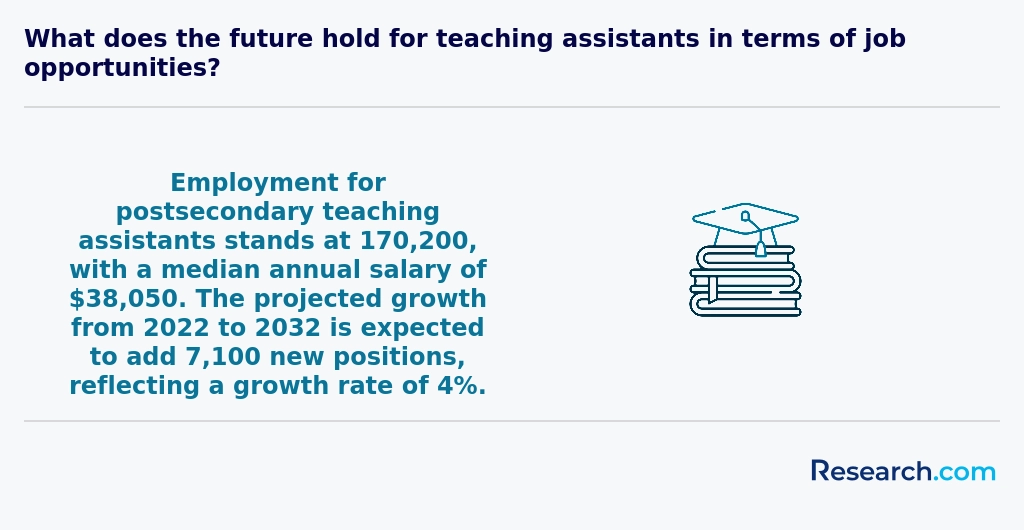
Online Master’s in Education programs in Idaho typically include a robust practicum or student teaching component to satisfy state licensure standards and ensure hands-on experience. Most programs require 12–16 weeks of supervised fieldwork, divided into two distinct placements: one emphasizing instructional planning and delivery, and another focused on classroom management and student engagement. Partnering with local K–12 districts in Boise, Meridian, and Idaho Falls, institutions assign experienced mentor teachers who observe in-class instruction, offer targeted feedback, and evaluate teaching competencies according to Idaho State Board of Education guidelines. To streamline the process, students enroll in practicum seminars that combine synchronous video observations with asynchronous portfolio submissions and reflective journals. Key activities include designing lesson plans aligned with state standards, using data to inform instruction, and conducting peer teaching sessions via virtual classrooms. Before placement, candidates must complete background checks, submit district approval forms, and attend orientation webinars-typically scheduled 3–6 months in advance to coordinate schedules with host schools. Dedicated online platforms facilitate real-time logging of teaching hours, video reflections, and mentor evaluations, making it possible for fully remote learners to engage authentically with classroom environments. Graduates consistently highlight the transformative impact of practicum experiences on their professional readiness, citing increased confidence, strengthened instructional skills, and valuable networking connections within local school communities. For additional perspective on how field requirements compare across regions and to discover cost-effective alternatives, explore our Cheapest Online Education Degree Programs Ranking in the South, which outlines similar practicum structures and support services offered by programs beyond Idaho.
Students pursuing an online education degree in Idaho have access to several financial aid options that significantly reduce the cost burden. Federal aid programs, including the Pell Grant and the Federal Supplemental Educational Opportunity Grant (FSEOG), provide need-based funds that require no repayment. Many students also benefit from low-interest federal student loans designed to support education degree candidates at accredited institutions.
Idaho residents can apply for the Idaho Opportunity Scholarship, which supports eligible students attending state universities. Graduate students in education programs at Boise State University and the University of Idaho often secure merit-based scholarships or assistantships, easing tuition costs. Additionally, workforce development initiatives may offer tuition reimbursement to those training for high-demand teaching roles, such as STEM or rural education.
Graduates commonly report how these combined resources made their online studies affordable and manageable, allowing them to focus on gaining teaching skills rather than financial stress. Applying early through FAFSA is crucial to maximize aid availability and start the journey toward a rewarding education career cost-effectively.
To teach in Idaho after earning your online Master’s in Education, you must meet state licensing standards overseen by the Idaho Professional Standards Commission.
- Program Approval:
Your degree must come from a PSC-approved institution and include required pedagogy coursework.
- Content Exams:
Pass Praxis subject assessments or approved alternatives in your teaching field.
- Application Process:
Submit official transcripts, exam scores and a completed licensure application through the Idaho Education Network portal.
- Background Check:
Complete fingerprinting and a criminal history review as part of the initial license fee.
- Renewal and Continuing Education:
Renew every five years by completing at least six graduate credits or approved professional development hours.
Choose programs designed to align with Idaho’s requirements and boost your licensure success-explore accredited masters programs online.
To enroll in an online education degree in Idaho, candidates must typically hold a bachelor's degree from an accredited institution, often with a focus on education or a related field. For example, graduates of Boise State University's online Master's in Teaching highlight how meeting the minimum GPA requirement of 2.75 made pursuing their degree achievable and motivating. Many Idaho programs require official transcripts reflecting strong academic performance, with a usual GPA benchmark near 3.0, though some institutions offer flexibility.
Applicants aiming for teacher certification pathways generally need a valid teaching license, ensuring they meet state standards before advancing their expertise. However, non-licensed professionals seeking leadership roles appreciate Idaho's adaptable admissions policies that welcome diverse backgrounds. Letters of recommendation and personal statements are common, helping students convey dedication and career goals.
- Most Idaho programs do not mandate standardized tests like the GRE, easing application stress.
- Reliable internet and appropriate technology are vital for successful online study, as emphasized by Idaho State University and other institutions.
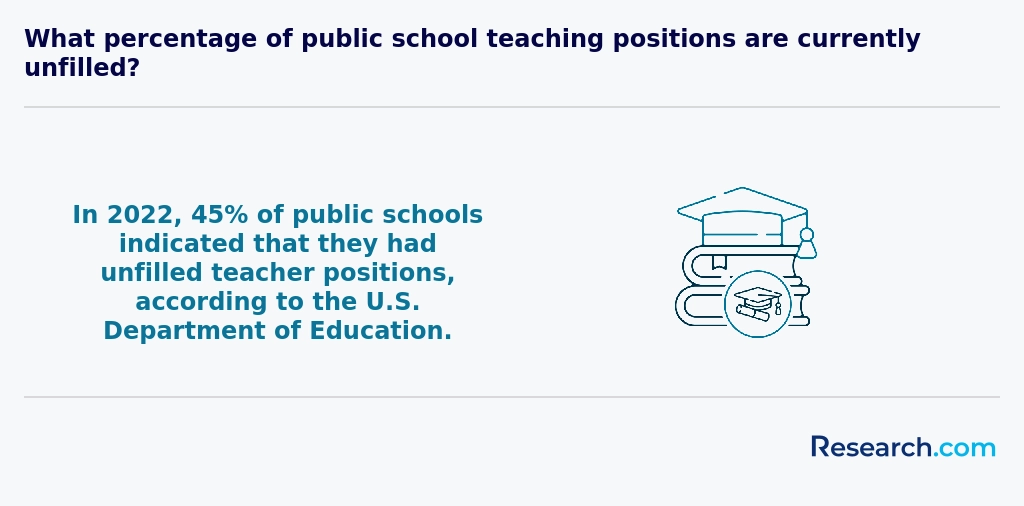
Ensuring that your chosen online Education program in Idaho is properly accredited is essential for both the value of your degree and your eligibility for state licensure. Most reputable programs hold regional accreditation from the Higher Learning Commission (HLC) or national accreditation recognized by the U.S. Department of Education. Additionally, specialized accreditation by the Council for the Accreditation of Educator Preparation (CAEP) signifies that the program meets rigorous standards for educator preparation, which can enhance your employment prospects and transferability of credits. Before applying, verify accreditation status by visiting the accrediting body’s directory or checking each institution’s website. Accredited programs often appear in state-approved licensure lists maintained by the Idaho State Board of Education, ensuring that graduates meet requirements to teach or administer in K-12 and higher education institutions across Idaho. Choosing an accredited program also unlocks federal financial aid and simplifies the process of pursuing advanced certifications or doctoral studies. When comparing affordability alongside accreditation, consider how tuition aligns with program quality. For insights into cost-effective yet accredited options beyond Idaho, explore our Cheapest Online Education Degree Programs Ranking in the South, which highlights programs balancing low tuition with solid accreditation credentials. By prioritizing accreditation and quality assurance, you can confidently invest in an online Education degree in Idaho, knowing it meets industry standards and positions you for long-term career success.
Online education degree programs in Idaho commonly include a blend of foundational and specialized courses designed to equip students for diverse educational roles. Graduates from prominent institutions such as Boise State University and the University of Idaho often highlight core classes like Educational Foundations, which delve into the history and philosophy of education, helping them understand the broader context of teaching.
Other typical courses include Curriculum Design and Instructional Planning, where students learn to craft effective lesson plans aligned with Idaho's state standards, fostering confidence in their ability to engage diverse learners. Assessment and Evaluation courses teach how to measure student progress and use data to refine teaching strategies, a skill many graduates find invaluable in real classrooms.
Technology Integration classes prepare students to incorporate digital tools effectively, making learning more interactive and suited to today's educational environments. Many students appreciate coursework on classroom management and behavioral strategies, which provide practical techniques for maintaining positive student engagement and discipline aligned with Idaho Department of Education guidelines.
Additionally, elective options such as Special Education and Educational Leadership enable students to tailor their studies to their career aspirations, often reporting a deep sense of fulfillment when applying these skills in Idaho's schools.

Online education degree specializations Idaho programs commonly include Curriculum and Instruction, Educational Leadership, and Special Education. Curriculum and Instruction prepares graduates from institutions such as Boise State University and the University of Idaho to design adaptive teaching strategies, enriching classroom experiences. Students often share how this specialization empowered them to become effective instructional coaches.
Educational Leadership attracts those aiming for administrative roles like principals or superintendents, focusing on policy and school management. Graduates recall feeling confident stepping into leadership roles thanks to comprehensive training aligned with Idaho's workforce needs. Special Education courses equip teachers with skills to support diverse learners, reflecting Idaho's commitment to inclusive education under IDEA guidelines.
Other specialized teaching programs online Idaho offer tracks in Educational Technology, Early Childhood Education, and Higher Education Administration. Many graduates value how these programs integrate practical approaches to evolving educational challenges. For those interested in broader academic leadership, exploring online doctoral programs in higher education offered by Idaho colleges can be transformative.
Choosing the best online education degree in Idaho requires careful evaluation of accreditation, curriculum, cost, and flexibility. Graduates from Boise State University and the University of Idaho often emphasize how accreditation by recognized bodies assures quality and eligibility for federal aid, which is essential when seeking affordable online master's in education Idaho. Comparing program curricula helps identify specializations like educational leadership or curriculum development aligned with your career goals, ensuring the degree supports your ambition to become a licensed teacher or administrator.
Cost considerations are crucial; recent graduates frequently highlight the benefit of reduced online tuition compared to on-campus programs. Financial aid opportunities promoted by the Idaho State Board of Education further ease the investment. Additionally, program delivery models vary from fully asynchronous to hybrid formats, critical for students balancing work or family. Many Idaho students pursuing an early childhood education bachelor's online share how flexible scheduling enabled them to succeed without sacrificing personal responsibilities.
Graduation rates and job placement data from Idaho public universities provide reliable insight into program outcomes, helping you select a degree with demonstrated paths to career success. This practical information, combined with your individual needs, guides an informed choice of the best online education degrees Idaho has to offer.
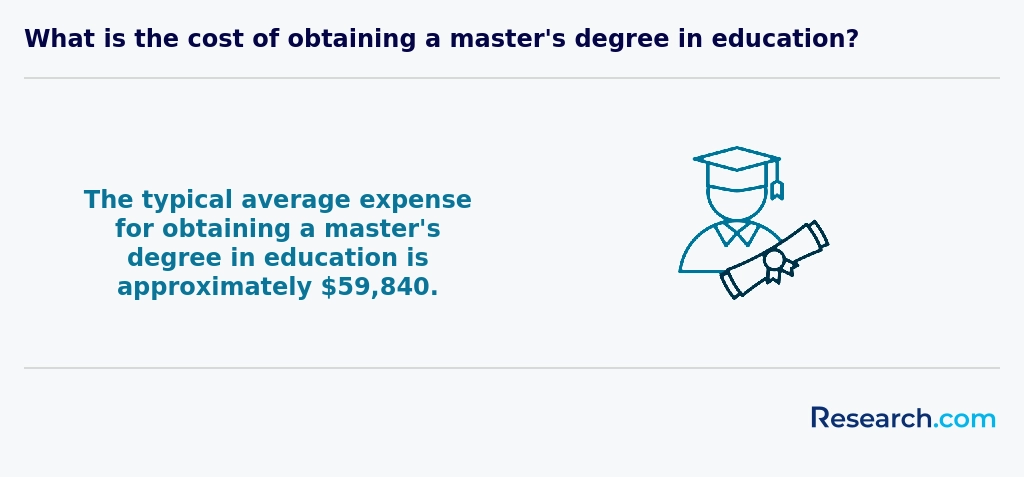
Graduates holding an online education degree in Idaho find diverse career paths within the state's expanding education sector. Many pursue teaching jobs with online education degree Idaho credentials, obtaining licensure through the Idaho State Board of Education to work in public, private, or charter schools across elementary to high school levels. Graduates from institutions like Boise State University have reported fulfilling roles that balance classroom engagement with community impact, often earning competitive salaries in the $45,000 to $55,000 range depending on experience.
Beyond teaching, career opportunities include educational administration-such as principals or curriculum coordinators-where leadership and advanced knowledge greatly enhance effectiveness. Graduates emphasize the rewarding challenge of influencing school-wide academic outcomes, supported by median salaries near $80,000. Special education also represents a vital pathway, aligning passion for student support with ongoing demand in Idaho's schools.
Online education degree career opportunities Idaho also extend to emerging fields like educational technology and adult education. Graduates highlight the advantage of acquiring skills in digital tools and instructional design, increasingly relevant in remote learning environments at community colleges and beyond. For those considering further specialization, programs such as the affordable online master's in early childhood education offer an accessible advancement route within Idaho's competitive tuition landscape.
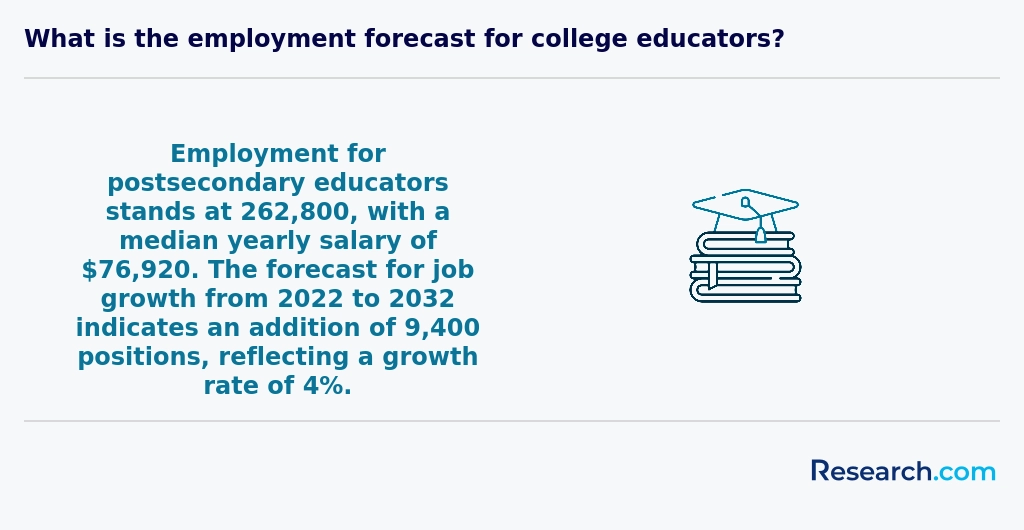
The job market for graduates with an online education degree in Idaho remains promising, especially for those who seek employment in rural districts facing persistent teacher shortages. Many graduates from well-regarded institutions like Boise State University or the University of Idaho report positive outcomes, finding roles in public schools, administrative positions, and educational technology. These opportunities reflect Idaho's commitment to improving STEM education and expanding early childhood learning, areas where specialized educators are in great demand. Such practical experiences illustrate the adaptability and readiness fostered by online education degree programs in meeting local needs.
Those exploring Idaho employment opportunities for education graduates will find the median salary competitive when balanced against the state's lower living costs. Many students appreciate the affordability of regional online programs, which often undercut national averages, easing their path to certification and career entry. For prospective students, exploring affordable programs similar to affordable MFA writing programs online can offer guidance on cost-effective educational routes.
2027 Most Affordable Online Master's in Education Degree Programs Ranking in Idaho
Investing in your education is a significant decision that can shape your future, and the Research.com team understands the importance of making informed choices. To assist prospective students in Idaho, we have meticulously crafted the "2027 Most Affordable Online Master's in Education Degree Programs Ranking in Idaho." Our commitment to quality, credibility, and accuracy is reflected in the extensive research and analysis conducted to compile this ranking.
We utilized the following reputable data sources to ensure a comprehensive evaluation of education programs:
By exploring this ranking, readers will gain valuable insights into the most affordable online master's programs in education available in Idaho, enabling them to make well-informed decisions about their educational investment. For more details on our methodology, please visit our Research.com methodology page.


Frequently Asked Questions About education
Students pursuing online education degrees in Idaho can maximize their learning experience by adopting strong time management and self-discipline strategies. Idaho has a growing number of accredited institutions offering online degrees, which often provide flexible schedules that require students to stay organized and proactively engage with coursework. According to the Idaho State Board of Education, nearly 20% of Idaho college students are enrolled exclusively in online programs, highlighting the importance of digital literacy and active communication skills.
Utilizing available student resources, such as virtual tutoring, academic advising, and library services, can greatly enhance understanding and retention. Participating in online discussion boards and study groups also promotes collaboration and deeper learning.
Finally, Idaho students should verify that their chosen program is regionally accredited to ensure quality and eligibility for financial aid or professional licensure.
Emerging niches within the education field reflect growing needs in technology integration, special education, and educational leadership. In Idaho, demand for online degrees focusing on educational technology has increased as schools adapt to digital learning environments. Programs teaching how to implement virtual classrooms and digital tools are becoming popular.
Special education remains a crucial area because Idaho reports a steady rise in students needing tailored support, suggesting more specialists will be needed. Additionally, leadership roles in K-12 schools and districts are expanding, encouraging degrees in educational administration and policy.
These niches align with national trends and Idaho's educational workforce demands, making them promising paths for online degree seekers.
After completing an online education degree in Idaho, it is important to prepare strategically for the job market. Start by obtaining Idaho teaching certification if you plan to work in K-12 schools, as it is required statewide. According to the Idaho State Department of Education, certification typically involves passing subject-specific exams and completing a background check.
Engage in networking by joining Idaho education associations such as the Idaho Education Association. These connections can provide valuable job leads and professional development opportunities.
Furthermore, tailor your resume and cover letter to highlight your online learning adaptability, technology skills, and any practicum experiences. Utilize Idaho's Department of Labor resources, which report that education-related jobs in the state are projected to grow by 6% over the next decade, indicating a positive employment outlook.
Continuing professional development through workshops or advanced certifications can also enhance your credentials within Idaho's education system.
Employers in Idaho highly value education degree graduates who demonstrate strong communication and classroom management skills. Effective communication enables teachers to engage diverse student populations and collaborate with parents and colleagues. According to the Idaho State Department of Education, classroom management remains one of the top priorities for schools to maintain a productive learning environment.
Additionally, skills in curriculum development and the use of educational technology are increasingly important. Idaho schools are integrating more digital tools, requiring educators to be comfortable with technology to enhance instruction.
Critical thinking and adaptability are also sought-after traits, helping teachers address varied student needs and changing educational standards. Data from the National Center for Education Statistics shows that these competencies improve student performance and school success in Idaho's public education system.
Finding internships in Idaho relevant to an education degree involves leveraging local school districts, state education agencies, and online platforms. The Idaho State Department of Education supports partnerships that often create internship opportunities for education students. Many public and private K-12 schools in Idaho, including those in Boise and Meridian, offer internships for aspiring teachers to gain practical classroom experience.
Students should also explore internships through Idaho's universities offering education degrees, which frequently have established connections with local schools and community programs. Websites like Handshake and the Idaho Career Information System provide listings targeted toward education internships. Networking with educators and attending regional education career fairs can further help identify opportunities.
Obtaining an online education degree in Idaho can significantly enhance career mobility and advancement opportunities for educators. According to the Idaho Department of Labor, educators with advanced degrees often qualify for higher salary tiers and leadership roles within school districts. Online programs from regionally accredited institutions allow Idaho residents to gain credentials without relocating, maintaining local licensure requirements more easily.
Data from the Idaho State Board of Education shows a growing demand for teachers with specialized skills, especially in rural areas, where online degrees help fill those gaps. Graduates with master's degrees frequently move into administrative positions, curriculum development, or specialized instructional roles. This flexibility supports both career growth and better earning potential across Idaho's education sector.
Studying for an education degree in Idaho online equips students with skills to work across multiple disciplines. Idaho's education programs emphasize collaboration between fields such as psychology, technology, and social sciences to better support diverse learners. According to the Idaho State Board of Education, many programs include courses on curriculum design, leadership, and community engagement that foster interdisciplinary thinking.
Idaho's teacher preparation also highlights real-world applications, preparing graduates to address challenges in varying educational environments. With Idaho experiencing steady growth in online degree enrollment, students gain flexible access to these comprehensive programs, making a versatile career path possible.
Choosing between a thesis and a non-thesis education degree program in Idaho depends largely on your career goals and learning preferences. A thesis program typically suits students interested in research or pursuing a doctorate later. It requires designing and completing an original study, which develops strong analytical skills.
On the other hand, non-thesis programs focus more on coursework and practical experience, appealing to professionals aiming to enhance classroom skills or advance in administrative roles quickly.
Idaho's State Board of Education highlights that many Idaho institutions offer flexible online options for both paths, with slightly different credit requirements. Reviewing program structures at schools like Boise State University can clarify which matches your needs best.
Students in Idaho interested in studying education abroad through online programs have several pathways to consider. Many Idaho universities partner with accredited international institutions that offer collaborative online degrees, allowing students to gain global perspectives without leaving the state.
Idaho's State Board of Education reports a rising enrollment in online master's programs, reflecting growing interest in flexible, internationally-influenced curricula. Programs often include coursework aligned with global education standards, preparing students for diverse teaching environments.
Additionally, students can enroll in U.S. institutions with established online education degrees that emphasize global education principles, accessible anywhere in Idaho. Options extend to programs recognized by the Council for the Accreditation of Educator Preparation (CAEP), ensuring quality and relevance.
Advisors recommend verifying that any online program meets Idaho's licensure requirements if the degree leads to teaching certification within the state.
Part-time job opportunities in Idaho that complement education degree studies often align with roles in schools, tutoring, and community programs. Many education students find positions as teacher assistants or paraprofessionals in K-12 public schools, where they gain classroom experience while earning income. According to the Idaho State Department of Education, these roles not only support student learning but also provide valuable insight into school operations.
Tutoring is another popular job, with demand rising due to Idaho's increasing focus on literacy and math skills improvement. Online platforms and local community centers offer flexible schedules that fit well with coursework. Additionally, working in after-school programs or youth organizations can develop leadership and planning skills relevant to education careers.
Online education students in Idaho have growing access to valuable networking opportunities despite the geographic distance. Many Idaho institutions offering online degrees host virtual events such as webinars, discussion groups, and career fairs. These events allow students to connect with peers, faculty, and education professionals across the state. According to the Idaho State Board of Education, universities like Boise State and the University of Idaho actively promote online student engagement through digital platforms and alumni networks.
Additionally, Idaho's vibrant education community includes statewide organizations providing professional development and networking, such as the Idaho Education Association. These resources help online students build relationships crucial for career advancement.
Alumni networks play a vital role for online education degree students in Idaho by offering valuable connections and professional support. These networks frequently provide access to job opportunities within Idaho's growing education sector, which saw a 4% increase in teaching jobs from 2019 to 2023, according to the Idaho Department of Labor.
Through alumni groups, students can engage in mentorship programs that improve career readiness and practical knowledge. Networking events, often available virtually, help build relationships with experienced educators who understand Idaho's unique educational landscape.
Moreover, alumni organizations often share resources such as continuing education workshops and job listings, making transitions into Idaho's school systems smoother for graduates.
Idaho offers flexible online education degree programs that allow students to tailor their studies according to specific career goals. Many institutions provide a variety of concentrations such as curriculum development, educational technology, or special education. By selecting relevant electives and specialization tracks, students can focus on areas that align with career aspirations.
The Idaho State Board of Education supports online program customization to enhance skills pertinent to Idaho's teacher licensing requirements. Additionally, students may often choose between thesis and non-thesis options, allowing for research-oriented or practice-focused careers.
Customizing your degree also involves selecting internships, practicum experiences, or capstone projects that connect theory with real-world classroom challenges within Idaho's educational context.
Online education students in Idaho often face several common challenges. Access to reliable high-speed internet is a significant issue in rural areas, affecting nearly 30% of Idaho's population according to the Federal Communications Commission (FCC). This limits students' ability to participate fully in live lectures or submit assignments on time. Additionally, finding accredited programs that meet Idaho's state licensure requirements for educators can be difficult, as not all online degrees align with local standards.
Time management is another hurdle. Many online learners balance work, family, and studies without the structured schedule of on-campus classes. This can lead to higher dropout rates.
Lastly, students sometimes report limited interaction with faculty and peers, which impacts networking and academic support. These challenges reflect broader trends noted by Idaho's State Board of Education in recent reports.
With an online education degree in Idaho, you can pursue several professional certifications that enhance your teaching career. Popular options include the Idaho Professional Teaching Certificate, required for public school teachers in the state. This certification demands a master's degree, a passing score on the Idaho Standards Achievement Test, and completion of a background check.
Additionally, you may seek National Board Certification, a respected credential recognized nationwide, which can increase your salary potential and professional standing. Specializations such as Reading Specialist or Educational Leadership certifications are also accessible with an education master's degree. These certifications align well with Idaho's growing emphasis on advanced educator qualifications, as reported by the Idaho State Department of Education.
Writing a winning application for an online education program in Idaho begins with thoroughly understanding the specific requirements of the university you are applying to. Many Idaho institutions, such as Boise State University, emphasize a clear statement of purpose that outlines your career goals and how the program aligns with them. According to the National Center for Education Statistics, Idaho ranks among states with growing online graduate enrollment, making competition stronger.
Strong letters of recommendation from academic or professional sources familiar with your skills can make your application stand out. Additionally, highlight any teaching experience or certifications relevant to education, as Idaho values practical expertise.
Ensure your transcripts reflect academic success, especially in education-related courses.
Carefully proofread your application to avoid errors and demonstrate professionalism.
Global perspectives on an education career often emphasize the growing demand for skilled educators who can address diverse learning needs. In the U.S., teaching remains a respected profession, with the Bureau of Labor Statistics projecting an 8% growth in education jobs from 2022 to 2032. Idaho, specifically, has seen significant investment in education, with over 11,000 teachers statewide as reported by the Idaho State Department of Education in 2023.
Online education degrees in Idaho offer flexibility and access to quality teacher preparation programs that align with nationwide standards. Internationally, education careers are valued for their role in fostering social and economic development, which resonates with Idaho's emphasis on rural and community schooling improvements.
The global outlook also highlights the importance of professional development, digital literacy, and cultural competency-skills that online programs increasingly integrate to prepare educators for a worldwide classroom environment.
Students pursuing an online education degree in Idaho can gain practical experience through internships and student teaching placements arranged by their university. Many Idaho institutions partner with local schools to provide distance learners with hands-on classroom exposure, a requirement for state teacher certification. The Idaho State Department of Education mandates supervised teaching hours, ensuring online students develop real-world skills.
Additionally, online learners may engage in virtual simulations and collaborative projects that mimic classroom scenarios. Some programs encourage volunteering or substitute teaching roles within Idaho school districts, enhancing practical skills.
By combining these methods, students satisfy both academic and experiential requirements critical to success in Idaho's education field.
Choosing the right concentration within an online education degree program in Idaho begins with assessing your career goals and interests. The state's education system values specialized skills in areas like curriculum design, special education, and educational leadership, reflecting local workforce needs. According to the Idaho State Department of Education, over 10% of Idaho's teachers work in special education, showing strong demand in this field.
It is important to review program offerings carefully, as not all universities provide the same concentrations online. Look for programs aligned with Idaho teaching certification requirements if licensure is your goal. Additionally, consider the program's flexibility, faculty expertise, and connections to local school districts to enhance practical learning and job placement prospects.
- 2027 Most Affordable Online Master's in Education Degree Programs Ranking in California
- 2027 Most Affordable Online Master's in Education Degree Programs Ranking in Colorado
- 2027 Most Affordable Online Master's in Education Degree Programs Ranking in Arizona
- 2027 Most Affordable Online Master's in Education Degree Programs Ranking in Kansas
- 2027 Most Affordable Online Master's in Education Degree Programs Ranking in Texas
- 2027 Most Affordable Online Master's in Education Degree Programs Ranking in Minnesota
- 2027 Most Affordable Online Master's in Education Degree Programs Ranking in Iowa
- 2027 Most Affordable Online Master's in Education Degree Programs Ranking in Missouri
- 2027 Most Affordable Online Master's in Education Degree Programs Ranking in Arkansas
- 2027 Most Affordable Online Master's in Education Degree Programs Ranking in Wisconsin
See What Experts Have To Say About Studying Education
Read our interview with Education experts

Alan J. Singer
Education Expert
Professor of Teaching, Learning and Technology
Hofstra University

Nooshan Ashtari
Education Expert
Professor & Book Author
University of Southern California

- Teaching Job Roles | Teach For Life https://www.teachforlife.com/teachingjobs/global-perspectives-teacher
- Online Degree vs. Traditional: Choosing the Right Path https://beal.edu/online-degree-vs-traditional/
- Secondary Education at CWI: Let's Get Started https://cwi.edu/academics/academic-transfer/education-secondary
- What Employers Actually Want From Graduates https://bodyswaps.co/resources/blog/what-employers-actually-want-from-graduates
- Finding Your Path: How to Align Studies with Career Goals https://www.alfabetaglobal.com/blogs/finding-your-path-how-to-align-your-studies-with-your-career-goals
- Tips for Choosing Your Graduate Concentration - Graduate Programs for Educators https://www.graduateprogram.org/blog/tips-for-choosing-your-graduate-concentration/
- Financial Aid | College of Eastern Idaho https://www.cei.edu/financial-aid
- Students: This is How You Should Prepare for the Job Market https://www.agencycentral.co.uk/articles/students-this-is-how-you-should-prepare-for-the-job-market/
- What else can I do with an education or teaching degree? https://targetjobs.co.uk/careers-advice/career-ideas/what-else-can-i-do-education-or-teaching-degree
- How to Write a Great Letter of Intent for a Teaching Job | Zen Educate https://www.zeneducate.com/us/resources/becoming-a-teacher/how-to-write-letter-of-intent-teaching-job/