2027 Best Online Master's in Education Degree Programs Ranking in Charlotte, NC

Co-Founder and Chief Data Scientist
Choosing the right online master's in education program can feel overwhelming, especially in a vibrant city like Charlotte. This article introduces the 2027 Best Online Master's in Education Degree Programs Ranking in Charlotte, NC, developed by Research.com's expert team of data scientists. Their careful analysis helps you focus on programs that truly stand out.
By exploring this ranking, you'll gain clarity on your options and understand which degrees provide strong opportunities for growth and success. Pursuing an education degree is a meaningful step toward making a difference while advancing your career. Let this guide support you in making an informed, confident decision.
Key benefits of getting online education degree in Charlotte
- Graduates with an education degree in Charlotte can earn competitive salaries, such as Education Managers making around $129,330 annually and Curriculum Specialists earning about $77,200 per year.
- Career paths for education degree holders are diverse, including roles like Higher Education Professors or Education Program Managers, offering rewarding opportunities within local schools and universities.
- Completing an education degree online in Charlotte offers flexibility and convenience, allowing students to balance work and studies effectively while gaining the same valuable skills as traditional programs.
- 2027 Best Online Master's in Education Degree Programs Ranking in Charlotte, NC
- What can I expect from online education degree in Charlotte?
- Where can I work with online education degree in Charlotte?
What can I expect from online education degree in Charlotte?
The average cost for an online education degree in Charlotte often surprises students in a positive way. Graduates from institutions like UNC Charlotte reflect on the balance between affordability and quality they found, with in-state tuition averaging around $800 per credit hour. This rate allows many to pursue their degree without overwhelming financial strain, especially when compared to out-of-state tuition, which can be about $1,300 per credit hour.
These figures are manageable for part-time students who often juggle teaching jobs and family life. For example, graduates recall stretching their budgets thoughtfully while appreciating how flexible scheduling and local practicum opportunities let them gain practical experience without costly travel. The ability to study asynchronously while maintaining a professional life adds significant emotional relief and makes the investment feel worthwhile.
Choosing a program in Charlotte means embracing a growing education community that values accessibility and support, ensuring that tuition costs align with meaningful career advancement and personal fulfillment.
Where can I work with online education degree in Charlotte?
Graduates with an online education degree in Charlotte often find rewarding roles within the Charlotte-Mecklenburg Schools system, where the demand for qualified educators and administrators is strong. Many alumni from the University of North Carolina at Charlotte share how their online studies prepared them to confidently step into classrooms or leadership positions in these local public schools. This district's size and diversity provide a range of opportunities, whether teaching or supporting student success behind the scenes.
Others find meaningful careers in private or charter schools around Charlotte, where advanced certification gained through online programs opens doors to roles like curriculum coordinators or instructional coaches. Central Piedmont Community College graduates often mention the flexibility of their online degrees as a key factor in meeting varied certification requirements demanded by these institutions.
Some education graduates are drawn to Charlotte's growing educational technology sector. They apply hands-on expertise learned online to design innovative digital learning experiences, supporting the city's shift toward hybrid and remote education models. This blend of education and technology offers a dynamic path that many find exciting and impactful.
Local nonprofits and government organizations also hire education degree holders for community and workforce development roles. Those familiar with these sectors appreciate how their online studies prepare them to create and manage programs that foster lifelong learning and growth.
Graduates holding an online education degree in Charlotte find themselves well-positioned for rewarding careers with competitive salaries. Those stepping into roles like Education Manager often report mean annual wages around $129,330, reflecting the value of advanced leadership skills gained through rigorous programs offered at institutions such as the University of North Carolina at Charlotte. For graduates who pursue positions as Education Program Managers, the typical mean wage is about $104,920, a figure that resonates with many alumni who appreciate the flexible learning combined with practical applications during their studies.
Curriculum Specialists in Charlotte, frequently employed after finishing specialized coursework online, earn mean annual wages near $77,200. These roles are especially appealing to graduates passionate about shaping educational experiences, supported by their degree's focus on instructional design and development. Meanwhile, Education Consultants, leveraging their expertise to improve school systems or corporate training, can expect mean wages of approximately $95,600.
These figures align with the experiences shared by many graduates who find that Charlotte's growing education sector provides not only financial stability but also professional fulfillment, encouraging continued growth and impact in the field.
- Charlotte offers several accredited institutions with fully online or hybrid education degree programs, including bachelor's, master's, and certification tracks.
- Tuition for online master's degrees in education ranges from $15,000 to $30,000 for the full program, with public universities charging about $500 to $800 per credit hour for in-state students.
- Starting salaries for education graduates in Charlotte average between $45,000 and $50,000 annually, with experienced educators earning $60,000 to $75,000 depending on their role.
- The education job market in Charlotte is expected to grow by 5% to 7% over the next decade, slightly above the national average.
- Online programs often include pathways for teacher certification and continuing education credits that meet North Carolina state requirements.
Completing an online education degree in Charlotte typically takes between one and two years for full-time students, especially at institutions like the University of North Carolina at Charlotte. Graduates often share how balancing coursework with jobs or family life made flexible scheduling essential to their success. For part-time students, it's common to extend their program to three years or more, allowing them to maintain a manageable pace without feeling overwhelmed.
Many find eight-week accelerated courses rewarding, as these options condense learning into shorter, intensive terms. While demanding, this route offers a real sense of accomplishment for those who thrive on focus and dedication. Conversely, some students prefer traditional 16-week semesters, enjoying a steadier rhythm that fits their lifestyle.
Those pursuing preliminary licensure programs often complete their studies within six months to a year. This shorter timeline appeals to working educators eager to advance quickly without sacrificing quality. Overall, the journey to earning a Charlotte-based online education degree is as unique as each student's circumstances and goals.
When considering an online education degree, one crucial factor to evaluate is the cost and the potential for affordability, especially for those looking for the cheapest education programs in North Carolina, which can be found by visiting our page on cheapest education programs in north carolina. Understanding the financial implications of pursuing an online degree is essential for making informed decisions about your educational investment. The costs associated with online education programs can vary widely depending on the institution, the degree level, and whether you are an in-state or out-of-state student. Generally, online programs can offer savings compared to traditional on-campus programs, especially when considering commuting and housing costs. However, it's also important to factor in additional expenses such as textbooks, supplies, and any necessary technology or software. Many institutions offer financial aid, scholarships, and flexible payment plans to help make online education more accessible. For prospective students, researching these financial aspects and reaching out to admissions offices for detailed information on costs and aid opportunities can provide a clearer picture of what to expect and help in planning for the financial commitment involved in pursuing an online education degree.
The key difference between online and on-campus education degrees in Charlotte lies in how and where learning happens. Graduates from the University of North Carolina at Charlotte often share how online programs offered them the flexibility to balance jobs and family, completing coursework late at night or weekends. In contrast, those who chose on-campus options valued the regular face-to-face interactions with professors and peers, finding it easier to build immediate connections and engage deeply in classroom discussions.
Both paths require hands-on practicum experiences coordinated locally, ensuring graduates meet licensure standards. For example, students from Queens University of Charlotte describe the vital real-world teaching practice they gained working within Charlotte schools, something that cannot be replicated in purely virtual settings.
The online route often involves digital tools like video lectures and discussion boards, which offer convenience and accessibility. Yet, on-campus students frequently mention the energizing atmosphere of campus events and mentorship opportunities that boost confidence and encourage networking vital for their education careers.
Earning an online Master’s in Education in Charlotte is a key step toward state certification. To meet North Carolina licensure requirements, you must:
- Graduate from a CAEP- or NCATE-accredited master’s program in education.
- Pass the required Praxis exams (Principles of Learning & Teaching and your specific content test) with scores that meet NC DPI standards.
- Complete at least six semester hours of supervised clinical practice or student teaching.
- Submit your official transcripts and application through the North Carolina Educator Licensure Information System (ELIS).
- Renew your teaching license every five years by completing 75 continuing education hours or an approved professional development plan.
For candidates seeking a faster path to certification, explore our accelerated online masters degrees.
The average cost of an online education degree in Charlotte varies significantly depending on residency and institution, but based on recent figures, median total tuition rests around $12,258. For in-state students attending public universities like UNC Charlotte, the expense is remarkably lower, with median in-state totals near $3,012. This affordability allows many local graduates to feel a genuine sense of achievement and relief, knowing their investment is manageable compared to national averages. Out-of-state students might face median costs about $10,920, reflecting the higher fees private or out-of-state tuition rates bring.
Graduates from Charlotte's well-regarded online education programs often recall balancing work and study with a confidence that their tuition costs were reasonable, especially when considering the flexibility the online format provides. This accessibility helped many create a sustainable path toward their careers in education. When thinking about the total tuition and fees for online education programs in Charlotte, it is important to factor in other associated costs like textbooks and technology fees, which, while modest, can accumulate.
Financial aid and scholarships frequently alleviate these expenses, making the pursuit of a degree feel both attainable and worthwhile. For prospective students interested in a specialized path, programs connected with child development degree internships offer valuable experiential learning to complement their studies, often at comparable or advantageous tuition rates.
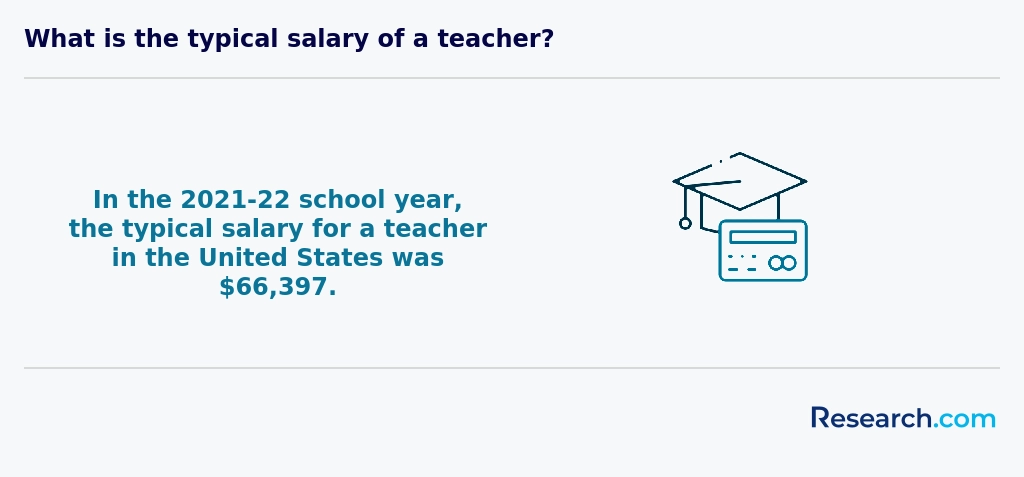
Students pursuing an online education degree in Charlotte often find relief through federal financial aid, such as Pell Grants and federal student loans, accessed by completing the FAFSA. Graduates from UNC Charlotte and other local institutions frequently mention how these resources eased the financial burden, allowing them to focus more on their studies and less on tuition stress. Pell Grants, especially, provide vital support since they don't require repayment, offering peace of mind for many balancing family and work.
State-specific grants from the North Carolina State Education Assistance Authority are another valuable aid source. These often come with the rewarding commitment to serve in public schools across North Carolina, turning education into a career with meaningful impact. For example, many former students recall how NCSEAA grants made their teaching credentials attainable without overwhelming debt.
Local scholarships are also a lifeline. Programs like those offered by Charlotte-Mecklenburg Schools or community nonprofits provide targeted help for those dedicated to teaching locally. Returning graduates often reflect on how employer tuition reimbursement programs helped them advance professionally while studying, a financial boost that made real-world balancing acts less daunting.
- Charlotte-Mecklenburg Schools offers scholarships and loan forgiveness programs for students planning to teach in local public schools.
- Nonprofit organizations in Charlotte may provide scholarships aimed at increasing diversity within teaching professions.
- Many universities offering online education degrees have their own institutional scholarships and assistantships for qualified students.
All programs featured in our 2024 Best Online Master’s in Education Degree Programs Ranking in Charlotte, NC hold accreditation from the Council for the Accreditation of Educator Preparation (CAEP) and regional bodies such as the Southern Association of Colleges and Schools Commission on Colleges (SACSCOC). This dual accreditation ensures rigorous academic standards, continuous improvement processes, and eligibility for federal financial aid. Prospective students can be confident that credits earned will transfer seamlessly and that their degrees will be recognized by school districts nationwide. In addition to institutional accreditation, each program aligns with North Carolina Department of Public Instruction (NCDPI) requirements for initial teacher licensure. Coursework maps directly to licensure competencies-classroom management, assessment strategies, diversity and inclusion, and technology integration-so graduates are fully prepared to apply for the North Carolina teaching certificate. Many programs also offer endorsement tracks in areas like literacy, special education, and educational leadership, meeting both state and national thresholds for specialized teaching roles. When evaluating cost and accreditation, it’s helpful to compare local offerings with programs in other regions. For example, the Affordable Online Education Degree Programs Ranking in Flagstaff, AZ provides a useful benchmark for tuition rates and value. Additionally, students planning to teach outside North Carolina should verify reciprocity agreements; most CAEP-accredited programs facilitate licensure transfer through the Interstate Teacher Assessment and Support Consortium (InTASC) model standards. Finally, continued professional development is embedded within these online master’s curricula. Graduates earn 30–36 graduate credit hours-sufficient for licensure renewal and advancement under North Carolina’s continuing education requirements. With clear accreditation pathways and state licensure alignment, Charlotte’s top online master’s in education programs deliver both quality and career-readiness.
Enrolling in an online education degree in Charlotte often starts with holding a bachelor's degree from an accredited institution, a step many graduates from UNC Charlotte recall as foundational. Their transcripts reflect a GPA of around 2.75 to 3.0, meeting local universities' expectations and setting the stage for success. This minimum academic requirement is reassuring-it confirms that your prior efforts are valued and necessary for advancement.
Beyond academics, admission committees often seek evidence of your dedication to teaching. Many graduates remember submitting letters of recommendation from educational mentors or showcasing their teaching certifications as proof of professional commitment. Work experience in educational settings can also bolster your application, painting a vivid picture of your readiness for advanced study.
Applicants might also need to write a statement of purpose, sharing their passion for education and personal goals. Finally, reliable technology, including a steady internet connection and suitable hardware, is essential for navigating Charlotte's online classrooms smoothly, something former students found critical to their positive learning experience.

Ensuring that your online Master’s in Education program is accredited and meets North Carolina’s licensure standards is crucial for both academic credibility and career advancement. Regional accreditation from agencies like the Southern Association of Colleges and Schools Commission on Colleges (SACSCOC) validates the overall quality of the institution, while programmatic accreditation from the Council for the Accreditation of Educator Preparation (CAEP) confirms that specific education curricula adhere to rigorous professional benchmarks. In Charlotte, NC, programs approved by the North Carolina Department of Public Instruction (NCDPI) streamline your path to an initial teaching license, ensuring coursework aligns with state-mandated competencies in pedagogy, classroom management, and content specialization. Key accreditation and licensure considerations:
- Regional vs. Programmatic Accreditation: Verify both institutional (e.g., SACSCOC) and programmatic (e.g., CAEP) endorsements to guarantee eligibility for federal aid and licensure reciprocity.
- NCDPI Approval: Confirm that practicum and student teaching components meet North Carolina’s clinical hour requirements, which typically include 12 weeks of supervised field experience.
- Reciprocity and Endorsements: If you plan to teach outside North Carolina or pursue specializations such as ESL or reading specialist, ensure your program supports reciprocal licensure agreements and endorsement add-ons. Accreditation not only impacts your eligibility for federal financial aid and student teaching placements but also signals to future employers that you have met nationally recognized standards. For broader comparisons of accredited, cost-effective online education degrees, explore our Affordable Online Education Degree Programs Ranking in Flagstaff, AZ to see how other regionally accredited institutions structure their pathways to teacher licensure.
Students pursuing an online education degree in Charlotte often find themselves immersed in courses that balance theory with real-world application. Graduates from well-known local universities frequently reflect on how foundational courses in educational psychology helped them understand student behaviors and learning styles-knowledge they applied immediately in tutoring and classroom simulations.
Curriculum development and assessment courses are designed to be very hands-on. Many recall crafting detailed lesson plans that meet state standards, a task especially valued in Charlotte's schools, where adapting to diverse learners is essential. These courses quickly become practical tools rather than just abstract concepts.
Special education classes stand out for their impact, with graduates appreciating the focus on adaptive technologies and individualized education plans. This training often boosts their confidence, allowing them to support students with varied needs effectively.
Leadership and administration coursework prepares students for future roles beyond teaching, like school leadership. Local students consistently highlight how policy discussions grounded in Charlotte's education system made these lessons feel highly relevant and motivating.
Lastly, technology integration is a vital part of the curriculum, perfectly aligning with Charlotte schools' push toward hybrid learning environments. Many graduates remember feeling excited by the opportunity to explore digital tools that transform traditional classrooms into engaging, tech-savvy spaces.
Online education degree specializations Charlotte NC address a wide variety of interests, allowing students to tailor their learning to specific career goals. Graduates from prominent Charlotte colleges often mention the value of specializing in Curriculum and Instruction, which helped them design effective teaching methods suited to diverse classroom settings. This specialization resonates with those eager to enhance student engagement through creative lesson planning.
Leadership in education is another key path, with many students focusing on Educational Leadership and Administration. This track prepares them for rewarding roles like school principals or district managers in Charlotte's growing school systems. Alumni frequently reflect on how this specialization strengthened their understanding of school law and finance, essential for impactful decision-making. For aspiring educators, exploring the teaching certification south carolina requirements through practical programs is a beneficial next step.
Other meaningful options include Instructional Technology, where learners master integrating digital tools in urban classrooms, and Special Education, dedicated to supporting students with diverse needs. Expanding your qualifications with these specializations at Charlotte's top schools can evoke pride and confidence in facing future educational challenges.
For those seeking the best online teaching degree programs Charlotte offers, additional specializations such as Early Childhood Education, Adult Education, and ESL provide enriching pathways that connect deeply with the community's unique educational landscape.
Choosing the best online education degree programs Charlotte offers means focusing on genuine quality and real flexibility. Graduates from well-known local institutions like the University of North Carolina at Charlotte often recall how accreditation by respected bodies gave them confidence their degree would open doors professionally. They also emphasize the value of programs that let them specialize in areas such as educational leadership or special education, fitting their unique career visions.
Affordability plays a significant role, too, and many reflect on finding affordable online master's in education Charlotte NC options that balanced cost with strong support services like academic advising. Students juggling work and life appreciate programs offering asynchronous courses, enabling study around busy schedules without sacrificing connection to peers or mentors.
Some alumni highlight how programs connected with Charlotte's local schools helped them secure internships and network effectively, boosting their job prospects. Data-driven insights on employment trends, along with thorough understanding of the West Virginia teacher licensure process, deepen this practical approach to choosing the right degree.
Graduates with an online education degree in Charlotte discover a range of fulfilling career paths that align with the city's vibrant educational landscape. Many find rewarding teaching jobs with online education degree Charlotte opportunities in the extensive Charlotte-Mecklenburg Schools district, where the demand for skilled educators remains strong. These graduates often share how completing their degrees through local universities allowed them to immediately apply innovative teaching methods in classrooms, fostering student engagement and success.
Others leverage their degrees toward roles in educational administration or curriculum development, inspired by Charlotte's focus on leadership and digital learning. Alumni working in leadership roles at well-known Charlotte colleges reflect on the satisfaction of shaping academic programs and supporting fellow educators. Additionally, career paths extend beyond traditional schools-online education degree careers Charlotte NC also include positions in corporate training within the city's booming banking and healthcare sectors, offering graduates diverse and meaningful ways to use their skills.
For those considering the financial aspect, the blend of affordable tuition and strong job prospects makes pursuing these pathways a wise investment. Exploring the top paying master's in education jobs often motivates graduates to envision how far their degree can take them in Charlotte's education field.

The job market for those holding an online education degree in Charlotte is promising, fueled by the city's rapid growth and dynamic school systems. Graduates from local universities often share how their training empowered them to confidently step into roles in Charlotte-Mecklenburg Schools or nearby community colleges. These institutions consistently seek candidates with skills in digital learning and special education, reflecting the evolving nature of teaching careers online Charlotte North Carolina. Many educators appreciate how their online programs, especially those from reputable schools in Charlotte, prepare them for hybrid and remote learning environments which have become a staple post-pandemic.
Salary prospects align well with regional trends; educators with master's degrees can expect earnings generally between $55,000 and $75,000 annually. This is encouraging for many who choose cost-effective online options, including those pursuing an affordable master's in child development, which further opens doors in educational leadership and specialized teaching roles.
2027 Best Online Master's in Education Degree Programs Ranking in Charlotte, NC
Investing in your education is a significant decision that can shape your future, and the Research.com team understands the importance of making informed choices. To assist prospective students in Charlotte, NC, we have meticulously crafted the "2027 Best Online Master's in Education Degree Programs Ranking in Charlotte, NC." Our commitment to quality, credibility, and accuracy is reflected in the extensive research and analysis conducted to compile this ranking.
We utilized the following reputable data sources to ensure a comprehensive evaluation of education programs:
By exploring this ranking, readers will gain valuable insights into the best online master's programs in education available in Charlotte, enabling them to make well-informed decisions about their educational paths. For more details on our methodology, please visit our Research.com methodology page.
# 1 position
The University of North Carolina at Charlotte
Master of Special Education (K-12) General/Adapted Curriculum


Frequently Asked Questions About education
Online education degree students in Charlotte can maximize their learning by actively engaging with course materials and instructors. Studies show that students who participate in discussion boards and virtual group projects tend to retain more information. Using local resources, such as Charlotte's public libraries or tutoring centers, can provide additional support.
Scheduling consistent study times is essential; research indicates that time management improves online course completion rates significantly. Charlotte boasts access to strong internet infrastructure, ensuring uninterrupted learning experiences.
Students should also seek programs accredited by recognized bodies like the Council for the Accreditation of Educator Preparation (CAEP), which is critical for teacher certification in North Carolina.
The education field is evolving rapidly, with several emerging niches gaining importance in Charlotte and beyond. One prominent area is educational technology, where professionals focus on integrating digital tools to enhance learning experiences. This aligns with Charlotte's growing investment in tech-based education solutions, supported by local initiatives. Another rising niche is special education, particularly tailored online programs addressing diverse learning needs, reflecting the increasing demand in Charlotte's public schools.
Additionally, culturally responsive teaching is becoming a key focus, emphasizing inclusivity and equity in education. Leadership roles in education administration also remain in high demand, as school districts seek skilled managers to navigate post-pandemic challenges. These niches offer promising opportunities for online degree candidates in the region.
After completing an online education degree in Charlotte, preparing for the job market involves several key steps. Start by engaging with local school districts such as Charlotte-Mecklenburg Schools, which employs over 14,000 teachers, according to the district's 2023 reports. Networking through professional education organizations like the North Carolina Association of Educators can also enhance job opportunities. Additionally, ensure your teaching license or certification aligns with North Carolina state requirements by consulting the North Carolina Department of Public Instruction. Finally, updating your resume to reflect relevant practical experience, including student teaching or internships, improves your competitiveness in Charlotte's educational job market.
Employers in Charlotte seek education degree graduates with strong classroom management and communication skills. According to the Charlotte-Mecklenburg Schools Human Resources Report 2023, effective communication is vital for collaborating with students, parents, and colleagues. Additionally, digital literacy is increasingly important as many schools integrate technology into their curricula.
Critical thinking and problem-solving skills rank highly as well, enabling educators to adapt lesson plans to diverse learning needs. Data from the North Carolina Department of Public Instruction highlight that 72% of local districts prioritize candidates with demonstrated adaptability and inclusion strategies. Teaching certification and knowledge of state education standards remain essential qualifications in this competitive job market.
Finding internships in Charlotte relevant to an education degree involves a strategic approach combining local resources and online platforms. The Charlotte-Mecklenburg Schools district, one of the largest in North Carolina with over 150,000 students, regularly offers internship opportunities for education majors. Checking their official career site can be a valuable first step.
Additionally, organizations like the Charlotte Chamber of Commerce and local nonprofits often partner with universities to provide hands-on experiences. Websites such as Handshake and Indeed also list Charlotte internships tailored to education students.
Networking through virtual career fairs and connecting with faculty advisors at your online institution improve chances of placement. According to NCWorks, Charlotte's workforce development board, education internships are in demand in both K-12 and community education settings.
Obtaining an online education degree in Charlotte can significantly enhance career mobility and advancement opportunities. According to the Charlotte Regional Partnership, the education sector in the area is expanding, creating demand for qualified professionals. An accredited online degree offers flexibility while meeting local licensure requirements, enabling graduates to pursue roles in public and private schools or administrative positions.
Data from the North Carolina Department of Public Instruction show that educators with advanced degrees typically earn 10-20% higher salaries. Additionally, many school districts in Charlotte prioritize candidates with master's degrees for leadership and specialized roles. Online degrees also support continuous career development without interrupting current employment.
Studying for an education degree online in Charlotte equips students with skills essential for interdisciplinary roles. Programs often integrate coursework in psychology, sociology, and technology, allowing graduates to address diverse learning needs. For example, the Charlotte-Mecklenburg School system emphasizes inclusive education, prompting universities to prepare educators capable of collaboration across various fields.
According to the North Carolina Department of Public Instruction, nearly 40% of roles in education settings require coordination with social services or mental health professionals. Online degrees in Charlotte reflect this trend by incorporating training in communication and leadership, fostering versatile professionals.
Students also benefit from connections within Charlotte's education networks, gaining practical insights that support interdisciplinary teamwork. This well-rounded preparation enhances career opportunities beyond traditional classroom teaching.
Choosing between a thesis and a non-thesis education degree program in Charlotte depends on your career goals and learning preferences. Thesis programs focus on original research, which can benefit those aiming for doctoral studies or roles in academia. They typically require a significant time investment in writing and defending a research project.
Non-thesis programs emphasize practical skills and coursework, often appealing to working professionals seeking advanced knowledge without research demands. According to the North Carolina Department of Education, Charlotte has seen a growing demand for education professionals focused on policy implementation and leadership, where non-thesis degrees may be suitable.
Consider your time availability and future plans when making this choice.
Students based in Charlotte interested in studying education abroad have several options through U.S. institutions offering online programs with international components. Many accredited universities partner with global campuses or provide virtual exchange programs, enabling Charlotte learners to earn degrees recognized worldwide while remaining in the city. According to the North Carolina Department of Education, approximately 8% of the state's graduate students participate in programs with international study elements, reflecting growing accessibility.
Online education degrees often include opportunities for short-term study abroad trips, internships, or research projects in countries aligned with education systems. These flexible programs fit the schedules of working professionals in Charlotte, where the demand for advanced education credentials continues to rise. Resources like the University of North Carolina system report ongoing expansion of online courses integrating global perspectives within education degrees.
Charlotte offers several part-time job opportunities that can complement an education degree. Roles such as teacher assistants, tutors, and substitute teachers are in demand within the Charlotte-Mecklenburg Schools system, which serves over 146,000 students. These positions provide practical classroom experience and help build communication and organizational skills.
Additionally, local libraries and community centers often hire part-time educational program coordinators or youth mentors. These roles support student engagement and offer valuable exposure to diverse learning environments. According to the Bureau of Labor Statistics, education support positions are expected to grow by about 5% through 2030, reflecting steady local demand.
Online education students in Charlotte benefit from a variety of networking opportunities that help bridge the distance of virtual learning. Many universities offering online education degrees, such as the University of North Carolina at Charlotte, host virtual meetups, discussion forums, and local alumni groups. These platforms facilitate connections among peers, faculty, and education professionals in the region.
Additionally, Charlotte's numerous education-focused conferences and workshops provide an in-person complement to online studies. Events like the Charlotte-Mecklenburg Schools professional development sessions offer chances for online students to connect with local educators and gain practical insights.
Charlotte's emerging educational technology sector also supports networking through meetups and seminars, attracting graduate students interested in innovation. According to the Charlotte Regional Business Alliance, over 12,000 education professionals live in the Charlotte metropolitan area, underscoring a rich environment for building professional relationships.
Alumni networks provide significant benefits for online education degree students in Charlotte by fostering connections that extend beyond the virtual classroom. These networks offer access to professional mentorship, job opportunities, and valuable career advice tailored to the regional education sector. According to the Charlotte Chamber of Commerce, local alumni connections can improve job placement rates by up to 15% in education fields. Furthermore, many Charlotte-based universities with online education programs actively engage alumni through events and online platforms, helping students build relationships with experienced educators and administrators. This support system enhances both professional growth and local community integration for graduates.
Customizing an online education degree program in Charlotte allows students to align their studies with specific career goals. Many accredited schools offer flexible curricula where learners can select concentrations such as curriculum design, educational leadership, or special education.
In Charlotte, institutions often provide elective courses or certificates that enhance online degrees, helping students specialize in areas with growing demand, like STEM education or digital literacy.
Additionally, practical experience components such as virtual internships or local school partnerships are common, enabling hands-on learning aligned with individual career paths. According to the National Center for Education Statistics, approximately 15% of North Carolina graduate students enroll in online programs, reflecting their increasing acceptance and adaptability.
Advisors at Charlotte universities typically assist in creating personalized study plans, ensuring academic focus matches market needs and personal ambitions.
Online education students in Charlotte often face challenges related to balancing coursework with personal and professional responsibilities. Many learners juggle full-time jobs and family commitments, which can limit their ability to participate in synchronous classes or meet tight deadlines. According to a 2022 report from the North Carolina Department of Commerce, nearly 60% of online learners in the state cite time management as a primary obstacle.
Technical difficulties also impact students, as reliable internet access varies across Charlotte neighborhoods. While the city has made strides in expanding broadband coverage, some areas still experience connectivity issues that disrupt learning.
Finally, access to campus resources and networking opportunities remains limited for remote students, making it harder for them to engage fully with peers and faculty.
With an online education degree, especially at the master's level, students in Charlotte can pursue various professional certifications that enhance their career opportunities. One common path is obtaining the North Carolina Professional Educator Certification, which qualifies graduates to teach in K-12 public schools statewide.
Additionally, educators may seek specialized certifications such as the National Board Certification, recognized nationwide for advanced teaching skills. For those interested in administration, certifications like the NC Principal's License or Superintendent's License are available, often requiring a master's degree plus additional coursework.
Charlotte educators also have access to certifications in areas like special education, literacy, and ESL (English as a Second Language), supporting diverse student needs. These certifications are supported by state guidelines and recognized by district employers throughout Charlotte and North Carolina.
Writing a winning application for an online education program in Charlotte starts with thorough research. Understand the program's requirements and tailor your materials accordingly. Highlight relevant teaching experience, certifications, or volunteer work within Charlotte's diverse school districts.
Emphasize your motivation to contribute to the local education community. According to the Charlotte-Mecklenburg School district, over 146,000 students attend K-12 schools, reflecting a demand for skilled educators. Use clear examples showing your commitment to improving student outcomes.
Strong recommendation letters from professionals familiar with your educational skills carry weight. Ensure your personal statement is concise, focused, and showcases your career goals aligned with Charlotte's educational needs.
Finally, proofread carefully and submit all required documents before deadlines specific to each institution.
The global perspective on an education career emphasizes the growing importance of flexibility and cultural competence. In the United States, teaching professionals are encouraged to adopt inclusive strategies that reflect diverse student populations. According to the National Center for Education Statistics, about 78% of public school teachers in the U.S. hold at least a master's degree, demonstrating the value of advanced education credentials. For Charlotte-based students, pursuing an online master's degree can align with national trends, as the city's public schools serve a diverse community with over 40% minority enrollment. This diversity calls for educators skilled in global awareness and adaptive teaching methods.
Additionally, education careers worldwide are increasingly linked to technology integration and lifelong learning. The OECD highlights that educators with strong technological skills are better prepared to handle modern classrooms. Online education degrees in Charlotte equip students with these competencies, supporting their readiness for global demands.
Overall, a career in education today requires understanding local needs while embracing international trends, making flexible online programs a practical choice for Charlotte residents seeking to meet these challenges.
Gaining practical experience while pursuing an online education degree in Charlotte is essential for career readiness. Many programs include fieldwork components such as internships or student teaching placements in local schools. Charlotte-Mecklenburg Schools, one of the largest districts in North Carolina, often partners with universities to provide these opportunities.
Students can apply for practicum experiences that allow real classroom interaction under supervision. Additionally, some programs encourage participation in virtual simulations, which mimic classroom challenges and are recognized by education accrediting bodies.
Volunteering with community education organizations in Charlotte offers another practical path. According to the North Carolina Department of Public Instruction, hands-on experience increases employability and helps meet state licensure requirements.
Choosing the right concentration within an online education degree program in Charlotte begins with understanding local workforce demands. According to the North Carolina Department of Public Instruction, Charlotte-Mecklenburg Schools is the largest district in the state, emphasizing the need for specialties such as special education, STEM, and curriculum design.
Prospective students should consider their career goals and the age group they wish to teach, whether early childhood, K-12, or adult education. Researching program accreditation and alignment with North Carolina licensure requirements is essential for certification.
Online programs in Charlotte often offer concentrations like educational technology or leadership, which can lead to roles beyond classroom teaching, such as administration or instructional coordination. Exploring labor market trends in Charlotte through sources like the NC Department of Commerce can also guide concentration decisions.
- 2027 Best Online Education Degree Programs Ranking in Bluefield, VA
- 2027 Best Online Education Degree Programs Ranking in Gainesville, GA
- 2027 Best Online Education Degree Programs Ranking in Greenville, NC
- 2027 Best Online Education Degree Programs Ranking in Morehead, KY
- 2027 Best Online Education Degree Programs Ranking in Norfolk, VA
- 2027 Best Online Education Degree Programs Ranking in Campbellsville, KY
- 2027 Best Online Master's in Education Degree Programs Ranking in Virginia Beach, VA
- 2027 Best Online Education Degree Programs Ranking in Washington, DC
- 2027 Best Online Education Degree Programs Ranking in Valdosta, GA
- 2027 Best Online Education Degree Programs Ranking in Cincinnati, OH
See What Experts Have To Say About Studying Education
Read our interview with Education experts

Alan J. Singer
Education Expert
Professor of Teaching, Learning and Technology
Hofstra University

Nooshan Ashtari
Education Expert
Professor & Book Author
University of Southern California

- Seven Major Challenges Facing Education in the 21st Century https://www.internationalschoolparent.com/articles/seven-global-education-challenges/
- Home https://www.teachercertificationdegrees.com/
- Finding Your Path: How to Align Studies with Career Goals https://www.alfabetaglobal.com/blogs/finding-your-path-how-to-align-your-studies-with-your-career-goals
- The Future of Education: Emerging Trends Reshaping Learning Environments http://www.gesseducation.com/gess-talks/articles/future-education-emerging-trends-reshaping-learning-environments
- Can Higher Education Improve Long-Term Career Success https://studysphereadvisors.com/how-higher-education-influences-long-term-career-growth/
- Career Goals: 17 Inspirational Examples for you in 2026 https://www.imd.org/blog/learning-and-development/career-goals/
- Engaging Students in Meaningful Learning Experiences https://www.facultyfocus.com/articles/effective-teaching-strategies/engaging-students-in-meaningful-learning-experiences/
- How to Gain Real-World Experience While Studying Online | American National University https://an.edu/how-to-gain-real-world-experience-while-studying-online/
- International teaching and education jobs https://www.tes.com/jobs/search/international
- FAQ MA/MSc (Thesis/Non-thesis) Applicants – Graduate School https://lee.yasar.edu.tr/en/faq-ma-msc-with-without-thesis-candidates/