2027 Most Valuable Education Degree Programs Ranking in San Marcos

Co-Founder and Chief Data Scientist
Choosing the right education degree program is an important step for students in San Marcos. To help you navigate your options, this article features the 2027 Most Valuable Education Degree Programs Ranking in San Marcos, created by the Research.com team of data scientists.
By exploring this ranking, you'll gain insights into programs that offer strong career potential and rewarding opportunities. Whether you're just starting or planning to advance your education career, this guide will support you in making an informed decision.
Discover the benefits of investing in your future through education and feel confident about your next move.
Key benefits of getting education degree in San Marcos
- Education degree graduates in San Marcos can expect competitive salaries, such as $70,740 annually for elementary school teachers and up to $77,200 for instructional designers, offering financial stability and growth opportunities.
- Career paths are diverse, from classroom teaching to specialized roles like ESL or special education, exemplified by graduates from Texas State University who find rewarding positions in local schools and educational organizations.
- Completing an education degree online provides flexibility and convenience, as shown by online graduates from Texas State University who balance work and study, making it easier to earn a degree without disrupting their daily lives.
- 2027 Most Valuable Education Degree Programs Ranking in San Marcos
- What can I expect from education degree in San Marcos?
- Where can I work with education degree in San Marcos?
What can I expect from education degree in San Marcos?
Students pursuing education degrees in San Marcos, particularly at Texas State University, typically encounter a well-balanced program designed to blend theory with hands-on teaching experience. Graduates often recall their time spent in local classrooms, where they applied lesson plans and developed classroom management skills under the guidance of experienced mentors. This practical approach not only builds confidence but also prepares students for the fast-evolving demands of modern education.
The average cost of earning an education degree here is notably affordable. For example, in-state tuition at Texas State University hovers around $10,250 per year as of 2023, making it accessible for many aspiring educators. This reasonable pricing allows students to focus on learning rather than financial stress, a reality often appreciated by alumni who value the investment in their futures.
Looking ahead, education programs in San Marcos are likely to incorporate more technology-driven teaching methods and interdisciplinary skills, equipping future educators to thrive in diverse and digital classrooms. This evolving landscape promises exciting opportunities for students ready to shape the future of education locally and beyond.
Where can I work with education degree in San Marcos?
Graduates with an education degree in San Marcos often find rewarding roles within the San Marcos Consolidated Independent School District, where they shape young minds from elementary to high school. Many share stories of small victories, like connecting with students in unique ways or leading innovative classroom projects that spark enthusiasm. Those who studied at Texas State University frequently mention the enriching experience of transitioning into academic advising or tutoring roles on campus, offering support that directly impacts fellow students' success.
Emerging trends show growing opportunities in educational technology and curriculum development companies based locally, where graduates apply their teaching skills in creative, tech-driven environments. Some find fulfillment working with community organizations or nonprofits focused on youth and adult education, where they develop programs that truly improve lives.
Future educators in San Marcos might also explore leadership roles such as instructional coordinators or school counselors, contributing to systemic change within schools. The practical experiences gained at prominent local institutions make these career paths both accessible and inspiring.
Graduates from education programs in San Marcos often find rewarding salary prospects that reflect their dedication and skill. For example, elementary school teachers typically earn a mean annual wage around $70,740, providing a solid starting point for those beginning their careers after studying at popular institutions like Texas State University. Special education teachers can expect to earn even more, with an average salary near $76,000, rewarding their specialized expertise.
Those pursuing roles such as English as a Second Language (ESL) teachers often see yearly earnings of about $65,430, balancing meaningful work with competitive compensation. Early childhood educators might start around $41,410 annually, which many find encouraging considering the strong local community needs and support. Instructional designers, another valuable career path for graduates, can reach mean salaries near $77,200, blending creativity and education technology.
Many graduates report that their San Marcos education programs prepare them well to adapt to evolving educational demands. With growing emphasis on advanced certifications and digital learning, salaries may continue to improve, making these careers both financially and personally fulfilling.
- Texas State University in San Marcos offers education degrees with a focus on both theory and practical classroom experience.
- In-state tuition and fees at Texas State range from $8,000 to $10,000 per year, while out-of-state students pay about $18,000 annually.
- There is steady demand for teachers in Hays County, especially in elementary education, special education, and STEM subjects.
- Starting salaries for education graduates average around $48,000 per year, increasing to $60,000-$65,000 with experience.
- Graduates find jobs in K-12 classrooms, educational administration, counseling, curriculum design, and instructional technology roles.
Completing an education degree in San Marcos typically unfolds over a clear timeframe, yet the journey remains personalized and dynamic. Many graduates from Texas State University share a sense of accomplishment after spending about four years earning a Bachelor's in Education, where foundational courses blend with hands-on teaching experiences. This steady pace allows students to balance learning with real-world application, sparking motivation and growth.
For those advancing to a Master's degree, completion usually spans one to two years full-time, with part-time options offering flexibility for working students. Alumni often describe the adaptable schedules as a crucial factor, enabling them to maintain jobs while deepening their expertise and passion for education.
Doctoral candidates in San Marcos typically commit three to five years, engaging in research and original scholarship that can feel both challenging and deeply rewarding. The prospect of contributing new knowledge energizes many who undertake this path, making the extended timeline a meaningful investment in their future as education leaders.
Personalized factors like enrollment status, online or hybrid formats, and practicum opportunities shape individual timelines, creating diverse yet achievable paths for every education student in San Marcos.
To remain competitive and advance in today’s education landscape, graduates should engage in ongoing professional development and consider advanced credentials that align with their career goals. Many school districts in San Marcos partner with local institutions and professional organizations to offer workshops on the latest instructional strategies, classroom technology integration, and differentiated learning techniques. Teachers can earn micro-credentials or digital badges in areas such as trauma-informed teaching and bilingual education, demonstrating specialized expertise to employers. For those aiming for leadership positions or higher salaries, pursuing a master’s degree can be a game-changer. Educators often turn to accelerated programs that balance rigorous coursework with practical application; for a curated list of programs that can be completed in just one year, see the ranking of the best 1 year online masters in education programs. These programs typically include practicum hours, cohort collaboration, and mentorship components-key factors that ensure you not only deepen your content knowledge but also enhance your leadership and research skills. Additionally, professional associations such as the Texas Classroom Teachers Association and the Association for Supervision and Curriculum Development (ASCD) provide annual conferences, webinars, and peer-reviewed journals that support reflective practice and networking. By committing to continuous learning-through micro-credentials, graduate degrees, or association memberships-San Marcos educators can stay abreast of emerging trends, meet state certification requirements, and position themselves for roles in administration, curriculum design, and policy development.
Graduates from Texas State University in San Marcos often describe their on-campus education degree experience as deeply immersive, benefiting from face-to-face interactions with professors and peers. They recall lively classroom discussions, group projects in campus libraries, and the motivation that comes from a structured schedule of 15-20 hours weekly in class. This environment fosters strong community ties and easy access to campus resources like tutoring centers, creating a supportive atmosphere that helps maintain focus and engagement.
Conversely, online education students appreciate the flexibility to study around work and family commitments, often completing coursework late at night or during weekends. They highlight the convenience of avoiding commuting and housing costs, which can reduce overall expenses by up to 20%. Many online degree candidates from San Marcos programs enjoy virtual discussion boards and video calls, enabling connections despite physical distance. However, they also mention that self-discipline becomes crucial, as the absence of routine classroom settings challenges time management skills.
Looking ahead, a hybrid model might emerge, blending personal interaction with digital convenience, helping San Marcos students experience the best of both worlds while adapting to evolving educational needs.
Living and learning in San Marcos extends well beyond the classroom. Students experience a vibrant community that supports both academic growth and personal well-being, with state-of-the-art facilities, engaging extracurricular programs, and dedicated student services. Campuses in this region foster an inclusive atmosphere where clubs, cultural events, and professional development workshops help students build lifelong networks and essential soft skills. Many institutions offer robust counseling, tutoring, and career placement programs designed to enhance every aspect of campus life. For example, exploring options among valuable education schools in texas may reveal diverse campus cultures that not only prepare students for academic success but also nurture leadership, resilience, and community involvement. This supportive environment plays a critical role in transforming a standard educational journey into a holistic experience that molds well-rounded, future-ready educators.
In San Marcos, the average cost of an education degree reflects a balance between opportunity and investment, with median in-state total costs around $11,450. Many who choose Texas State University, a well-regarded institution for education degrees, find this investment manageable and aligned with the value of their career prospects. Graduates often share that the cost, while significant, feels justified by the strong community connection and practical teaching experience they receive throughout their studies. Recognizing the typical total tuition and fees for education degrees in San Marcos helps students plan ahead with confidence.
Out-of-state students considering San Marcos can expect higher expenses, with median costs closer to $36,540. Yet many find that financial aid and scholarships available through Texas State University and other local programs greatly ease the burden. For example, some graduates recall how merit-based assistance allowed them to fully engage in student teaching opportunities without worrying about costs. This balance helps create a positive atmosphere where investing in an education degree in San Marcos sparks hope and motivation for future educators.
As tuition costs escalate nationwide, local students appreciate San Marcos as a relatively affordable option that remains competitive. The average cost of education degrees here fits well within expectations for public universities in Texas and aligns smoothly with the broader market. Students envision their path ahead with excitement, knowing that the average cost of education degree in San Marcos positions them well for success in their teaching careers.
Those interested in exploring education careers further can find valuable insights at https://research.com/careers/education-careers, helping them connect cost considerations with career goals and emerging opportunities.
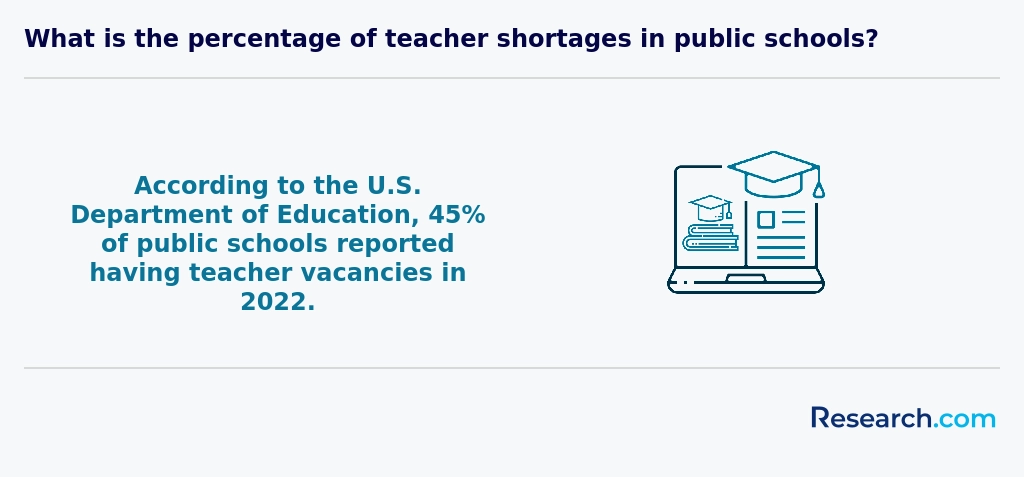
Here are the top 5 most valuable education programs, ranked by tuition affordability, curriculum strength, and job placement rates:
- Texas State University – Bachelor of Science in Early Childhood Education: In-state tuition ~$9,750/year; 92% job placement; hands-on student teaching in local schools.
- Texas State University – Bachelor of Science in Elementary Education: In-state tuition ~$9,750/year; 90% placement; robust mentor program.
- Texas State University – Bachelor of Science in Special Education: In-state tuition ~$9,750/year; 88% placement; focus on inclusive classroom strategies.
- Texas State University – Master of Arts in Teaching (MAT): Tuition ~$10,800/year; 85% diploma-to-job rate; online and on-campus flexibility.
- Texas State University – Master of Education in Educational Leadership: Tuition ~$11,500/year; 80% advancement into administrative roles; leadership practicums.
To compare these programs with other high-earning fields, see our guide to best degrees to make money.
Graduates from education programs at Texas State University in San Marcos often share how federal student aid like Pell Grants, which can provide up to $7,700 annually, made pursuing their degrees feel attainable and less stressful. Many envision these grants evolving with technology to offer streamlined applications and quicker approvals, making financial support more accessible for future cohorts.
Teacher-specific funding, such as the TEACH Grant offering up to $4,000 per year, inspires students committed to serving underserved communities, sparking hope for more targeted grants that address emerging educational needs. Local initiatives like the Teach for Texas Grant further enhance this vision by supporting graduates eager to impact Texas public schools, fostering a strong sense of community and purpose among San Marcos students.
Work-study programs also play a crucial role, allowing students to earn while gaining hands-on experience in real classrooms or education centers near Texas State University. Imagining these programs expanding into virtual or hybrid models could open doors for even broader opportunities, blending earning with innovative learning experiences.
Local education degree programs in San Marcos, TX, consistently report strong pass rates on the Texas Examinations of Educator Standards (TExES), with many institutions averaging a 90% first-attempt success rate. These programs integrate targeted exam preparation workshops into their curricula, covering essential competencies in pedagogy, classroom management, and subject-specific content. Faculty-led review sessions and simulated teaching demonstrations help candidates build confidence and mastery before test day. In addition, partnerships with local school districts enable real-world practicum experiences that directly align with state certification requirements, ensuring graduates not only pass licensure exams but also demonstrate classroom readiness. Prospective students should look for programs offering comprehensive licensure support, including personalized advising, mock exams, and mentor networks of certified teachers. For those exploring flexible, budget-friendly options, the Affordable Online Education Degree Programs Ranking in St. Paul, MN provides insights into programs with similar licensure success at competitive rates. By comparing support services, pass-rate statistics, and hands-on teaching opportunities, future educators in San Marcos can select a degree path that maximizes both certification outcomes and long-term career prospects.
Enrolling in education degree programs in San Marcos, such as those at Texas State University, already involves several evolving prerequisites that reflect both tradition and innovation. Graduates often recall the importance of holding a high school diploma or equivalent and maintaining a solid GPA around 2.5 to 3.0, which signals readiness to engage deeply with education theory and practice.
Looking ahead, these academic benchmarks might be complemented by even more dynamic assessments of communication skills and empathy, essential for future educators. Many students have appreciated how background checks and writing essays not only ensure safety and proficiency but also encourage self-reflection, preparing them emotionally for working with diverse student populations in San Marcos classrooms.
Standardized testing is becoming more flexible, with universities gradually embracing test-optional policies, making access feel more equitable and less stressful for applicants. For example, graduates describe relief and confidence in admissions processes that value holistic potential over test scores alone.
At the graduate level, applicants typically bring a bachelor's degree and personal experiences supported by recommendation letters and statements of purpose. These elements help highlight dedication and practical insights gained in local educational settings, fostering a supportive community eager to nurture future teachers.
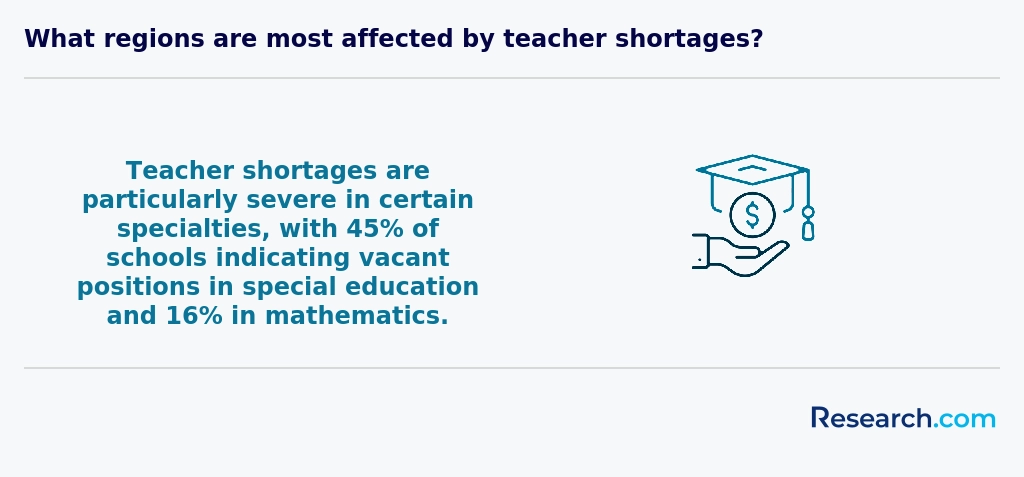
Becoming a licensed teacher in Texas involves a clear set of requirements that align with state standards and ensure classroom readiness.
- Complete an accredited educator preparation program at a regionally accredited institution.
- Pass the Texas Examinations of Educator Standards (TExES), including both core subject and pedagogy exams.
- Submit a certification application through the Texas Education Agency (TEA) and pay the required fees.
- Complete fingerprinting and a criminal background check as mandated by state law.
- Receive your Standard Teaching Certificate and select your subject and grade-level endorsements.
- Maintain and renew certification every five years by completing required continuing professional education (CPE) hours.
Many online programs are structured to cover these steps efficiently-explore affordable options at fafsa approved online colleges.
Education degree programs in San Marcos, especially at institutions like Texas State University, typically include courses that blend theory with hands-on practice to prepare future teachers for real classrooms. Graduates often describe their experience studying Educational Psychology as eye-opening, helping them understand the mental and emotional development of children, which they apply during their practicum in local schools.
Courses in Curriculum Development and Classroom Management equip students with tools to design engaging lessons and maintain positive learning environments adaptable to diverse student needs. Instructional Technology classes are becoming increasingly important, with many graduates embracing digital tools and multimedia to make lessons more dynamic and accessible.
Assessment and Evaluation courses enable students to track and respond to individual progress, a skill praised by those who have worked in San Marcos-area schools. Foundations of Education provide a rich context by exploring educational history and philosophy, helping students connect past trends to future teaching innovations.
Specialized courses tailored to areas like special education or early childhood teaching also enhance practical skills, ensuring graduates feel confident and motivated as they step into their education careers in the San Marcos community.

Education degree specializations in San Marcos typically cover a broad spectrum tailored to meet diverse student and community needs. Graduates from popular colleges often highlight hands-on experiences in Early Childhood Education and Secondary Education, where practical internships in local schools bring classroom theories to life. Many describe the satisfaction of directly impacting young learners, whether through specialized subjects like math and science or in supporting students with unique needs via Special Education.
With San Marcos's growing cultural diversity, Bilingual and Multicultural Education is gaining prominence, preparing educators to engage meaningfully with students from varied backgrounds. These specializations reflect an awareness of future educational challenges and local demographics, enhancing job prospects within the area. Schools known for top education programs San Marcos embed these trends into their curricula, fostering adaptable and passionate educators.
Graduates also appreciate the chance to explore Educational Leadership within their cohorts, envisioning future roles as school administrators or curriculum developers. Prospective students keen on becoming an educator in south carolina can find parallels in how practical, experience-driven training shapes success across states.
Choosing the best education degree in San Marcos means looking beyond just course listings. Graduates from Texas State University often share how hands-on student teaching placements and strong mentoring shaped their confidence and classroom readiness. These real-world experiences are pivotal in deciding which program truly aligns with your teaching aspirations. When considering affordable education degrees San Marcos tuition comparison is crucial; public universities like Texas State offer a balance between quality and cost, with many students leveraging scholarships and state programs to ease financial strain. Imagine entering a program accredited by CAEP where the curriculum not only prepares you for the Texas Examinations of Educator Standards but also connects you with local schools for meaningful internships. For those exploring flexible options, some choose the cheapest accredited online bachelor's programs, providing future teachers with adaptability while studying. Ultimately, reflecting on graduate success and program support can guide you to a degree that energizes your teaching journey in San Marcos.
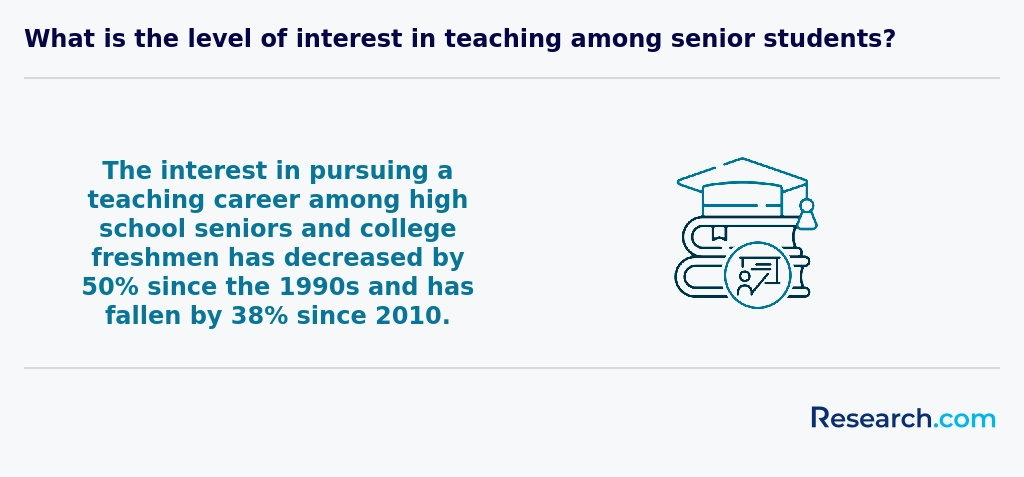
Graduates from education programs in San Marcos find exciting career paths beyond traditional classroom roles, reflecting the evolving landscape of education. Many pursue teaching positions in local schools, embracing subjects from elementary education to specialized areas like special education or STEM fields, supported by the strong local demand in San Marcos. These education degree career opportunities in San Marcos are enriched by experiences at popular institutions such as Texas State University, where graduates share enthusiasm about hands-on training and community engagement.
Other graduates venture into leadership roles such as school principals or curriculum developers, leveraging additional certifications to impact educational strategies and policies. The adaptability of these roles offers promising job prospects with education degree in San Marcos, encouraging proactive students to explore certification pathways, including connections to resources like the Montana teaching license application, which some view as a model for expanding statewide credentials.
Emerging trends also open doors in educational technology and student support services, where education degree holders develop innovative digital tools or provide critical counseling. These opportunities foster a hopeful outlook for those eager to shape inclusive and tech-savvy learning environments across San Marcos schools.
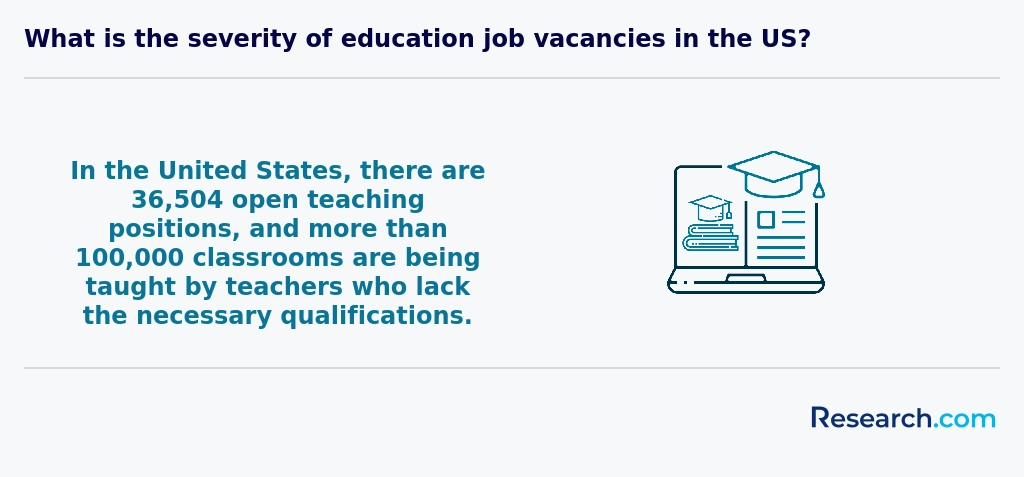
The job market for education degree holders in San Marcos is poised for steady growth, driven by the area's expanding population and increasing school enrollments. Graduates from local universities such as Texas State University often report positive employment experiences, benefiting from competitive salaries and supportive community networks. For those exploring education degree job opportunities San Marcos offers, early childhood and special education remain in particularly high demand, reflecting broader state efforts to bolster underserved fields.
Many graduates find themselves excited by the possibility of contributing directly to the community through roles in educational administration or curriculum development, beyond traditional classroom teaching. Pursuing additional certifications like bilingual education or leadership makes these opportunities even more accessible and rewarding by aligning with the San Marcos teaching career outlook.
Students contemplating pathways in education can also explore valuable resources on certification standards, such as Virginia teaching credential requirements, to understand diverse credentialing options that might influence their career strategies.
2027 Most Valuable Education Degree Programs Ranking in San Marcos
Investing in your education is a significant decision that can profoundly impact your future, and the Research.com team recognizes the importance of providing trustworthy guidance. With this in mind, we have carefully developed the "2027 Most Valuable Education Degree Programs Ranking in San Marcos" to help prospective students navigate their options with confidence. Our dedication to quality, credibility, and accuracy is demonstrated through rigorous research and analysis.
We utilized the following reputable data sources to ensure a comprehensive evaluation of education degree programs:
By exploring this ranking, readers will gain valuable insights into the most valuable education degree programs in San Marcos, enabling them to make well-informed decisions about their academic and professional futures. For a detailed explanation of how this ranking was created, please visit our Research.com methodology page.

Frequently Asked Questions About education
Students pursuing education degrees in San Marcos can maximize their learning experience by actively engaging in both classroom and fieldwork settings. Participating in local schools for practicum or student teaching provides practical experience essential for effective teaching skills. According to Texas State University, the city's main public university, over 90% of education students complete hands-on internships, which correlates with higher employment rates after graduation.
Additionally, students should take advantage of campus resources such as tutoring centers, faculty office hours, and education-focused workshops. Staying current with state education standards and policies, including those by the Texas Education Agency, helps students tailor their skills to local classroom demands.
Networking with local educators and joining professional organizations in San Marcos can also open doors to mentorship and career opportunities.
Emerging niches in the education field reflect the evolving demands of the 21st-century workforce. In San Marcos, specialization in educational technology is gaining momentum, driven by an increased reliance on digital learning tools. According to the Texas Higher Education Coordinating Board, programs blending technology with pedagogy show a 15% enrollment growth over the past three years.
Another expanding area is special education with a focus on autism spectrum disorders and inclusive education. Local school districts report a growing need for trained professionals able to support diverse learners effectively.
Lastly, bilingual and ESL education programs are expanding in San Marcos, paralleling demographic shifts. The demand for educators skilled in language acquisition strategies remains strong, especially in this multicultural region.
Preparing for the job market after earning an education degree in San Marcos involves several strategic steps. First, gaining practical experience through internships or student teaching placements in local schools is critical. Texas Education Agency data emphasizes that hands-on teaching experience greatly improves employability. Networking with San Marcos Independent School District educators and attending local job fairs can also open valuable opportunities.
Additionally, obtaining state teaching certification is mandatory to work in public schools, so candidates should prioritize passing the Texas Examinations of Educator Standards (TExES).
Continuing professional development and joining education-focused organizations in San Marcos will help graduates stay informed about job openings and trends.
Employers in San Marcos prioritize strong communication skills in education degree graduates, as these are essential for effective teaching and collaboration. According to the Texas Education Agency, nearly 75% of local school districts emphasize verbal and written communication when hiring educators.
Critical thinking and problem-solving abilities are also highly valued. Graduates who can adapt lesson plans and address diverse classroom challenges tend to succeed in San Marcos schools.
Additionally, technology proficiency is increasingly important. With more classrooms integrating digital tools, knowledge of educational software is frequently required.
Lastly, cultural competency and patience remain key attributes, given San Marcos' diverse student population and focus on inclusive education.
Finding internships in San Marcos related to an education degree involves several practical steps. Prospective students should start by exploring opportunities through Texas State University, which is the primary institution offering education programs in the area. The university's Career Services and Education Department frequently list local internship openings in public schools and community education centers.
Networking with faculty and attending university career fairs can also provide direct access to internship providers. Additionally, checking with San Marcos Independent School District, which serves many local schools, can yield placements geared toward future educators.
Online platforms like Handshake, commonly used by Texas State students, often feature internships specific to education fields in San Marcos. According to recent data, about 70% of education majors at Texas State secure internships through university-facilitated channels, increasing real-world teaching experience before graduation.
Obtaining an education degree in San Marcos significantly enhances career mobility and advancement opportunities. According to the Texas Higher Education Coordinating Board, graduates with education degrees from institutions like Texas State University often find greater access to teaching positions across public and private schools in the region. This qualification is essential for licensure and certification required by the Texas Education Agency, which governs educator standards.
Salary data from the Bureau of Labor Statistics shows educators with a degree typically earn 15-20% more than those without. Advancement into specialized roles such as curriculum coordinators or administrative positions also commonly requires an advanced education degree. These degrees thus serve as a gateway for both entry-level and leadership careers in San Marcos's growing educational sector.
Studying for an education degree in San Marcos equips students with skills for interdisciplinary roles by emphasizing collaboration across various fields such as psychology, technology, and social sciences. Local programs integrate coursework designed to handle diverse learning environments, preparing graduates to work effectively in schools, community organizations, and educational policy settings.
According to Texas State University, the largest institution in San Marcos, their education programs include hands-on experiences that foster critical thinking and adaptability. These attributes are essential for roles that require knowledge of curriculum design, educational technology, and counseling.
Data from the National Center for Education Statistics show that interdisciplinary competencies increase employability by 20%, reflecting the growing demand for versatile educators in Texas. This preparation enhances career opportunities within and beyond traditional classrooms.
Choosing between a thesis and a non-thesis education degree program in San Marcos depends largely on your career goals and learning preferences. Thesis programs typically require original research and are suited for those interested in pursuing a PhD or working in research or academia. Non-thesis options focus more on practical skills and coursework, appealing to professionals aiming for leadership roles or classroom teaching.
In San Marcos, institutions like Texas State University offer both pathways, with about 40% of education graduate students opting for the thesis track, according to university data from 2023. This choice impacts time to graduation, with thesis programs averaging two years and non-thesis programs often shorter.
Consider also your interest in research, workload capacity, and your future plans. Consulting academic advisors in San Marcos schools can provide tailored guidance.
Students based in San Marcos seeking education degrees abroad have several pathways through U.S. institutions offering study abroad programs. Texas State University, located in San Marcos, provides partnerships with universities worldwide, allowing education majors to gain international experience while earning credits toward their degrees. These programs often include placements in countries with diverse educational systems, enhancing cross-cultural competencies.
Moreover, U.S. higher education emphasizes accreditation and credit transferability, supporting students' progress when studying abroad. According to the Institute of International Education, about 10% of education undergraduates participate in global exchanges, broadening their pedagogical perspectives.
Financial aid and scholarships for study abroad may be available, making these options more accessible for San Marcos residents.
Students pursuing education degrees in San Marcos can find several part-time job opportunities that enhance their professional skills. Tutoring local K-12 students is a common choice, allowing hands-on teaching experience while strengthening subject knowledge.
Working as teacher aides in nearby schools offers valuable classroom management practice and exposure to teaching strategies. According to the San Marcos Unified School District, part-time aides often work 15-20 hours weekly, aligning well with class schedules.
Additionally, positions in after-school programs and youth centers help develop leadership and communication skills critical for future educators. The Texas Workforce Commission notes that such roles are among the fastest growing part-time jobs in the area related to education support.
Education students in San Marcos benefit from various networking opportunities supported by local institutions and community organizations. Texas State University, the largest in the area, hosts several education-focused career fairs annually, attracting over 100 school districts from Texas. These fairs allow students to connect directly with potential employers and experienced educators.
Additionally, student organizations such as the Future Educators Association provide regular meetings, workshops, and mentoring programs where students can build professional networks.
Local school districts also partner with universities to offer student teaching placements, which are vital for developing relationships with practicing teachers and administrators. According to Texas Education Agency reports, nearly 70% of local education graduates find employment through these networks.
Alumni networks provide significant advantages for education degree students in San Marcos. These networks connect current students with graduates who have experience working in the local school districts and educational institutions. By engaging with alumni, students gain valuable mentorship, career advice, and potential job opportunities. Data from the National Association of Colleges and Employers shows that 85% of jobs are filled through networking, highlighting the importance of these connections.
San Marcos-based alumni often host workshops and networking events, helping students build professional skills and local contacts. This direct link to practicing educators can improve job placement rates for graduates in the area.
Customizing an education degree program in San Marcos involves selecting courses and specializations that align with your career goals. Many institutions, including Texas State University, offer flexible tracks such as curriculum development, special education, or educational leadership to tailor your studies.
Advisors play a key role in helping students design a program that fits their ambitions. For example, you can choose electives focused on technology integration or bilingual education, which are in demand locally. According to the Texas Higher Education Coordinating Board, about 62% of education graduates from San Marcos enter public school teaching roles, illustrating a strong job market connection.
Internships and practicum placements in nearby districts like San Marcos CISD allow hands-on experience, further customizing your education and better preparing you for specific career paths.
Education students in San Marcos often face several challenges common to teacher preparation programs across the United States. One key difficulty is managing the demanding workload, which combines rigorous coursework with extensive field experiences in local classrooms. According to data from Texas State University, a leading institution in San Marcos, students report time management as a top concern during their studies.
Additionally, many students encounter financial barriers, as education degrees typically require unpaid student teaching semesters. This can create stress, especially for those balancing work or family responsibilities.
Another challenge is adapting to diverse classroom environments. San Marcos classrooms often reflect a wide range of socioeconomic and cultural backgrounds, requiring aspiring educators to develop strong cultural competence and inclusive teaching strategies early in their training.
Lastly, addressing state certification requirements remains complex. Students must pass the Texas Examinations of Educator Standards, and navigating these criteria while maintaining academic performance adds pressure throughout the education degree journey.
With an education degree in San Marcos, graduates can pursue several professional certifications to enhance their careers. A common certification is the Texas Teacher Certification, required to teach in public schools across the state. This credential validates that candidates meet state standards for classroom instruction.
Additionally, educators can specialize by obtaining certifications such as ESL (English as a Second Language) or special education endorsements, which are highly valued in diverse classrooms. The Texas Education Agency reports that over 15% of San Marcos-area teachers hold these specialized certifications, reflecting local educational needs.
Beyond teaching, certifications in educational leadership or counseling are also available for those aiming for administrative or support roles. These pathways offer expanded career opportunities and higher earning potential within San Marcos school districts.
Writing a winning application for an education program in San Marcos starts with thorough research on the specific school's requirements. Many institutions, such as Texas State University, emphasize a strong academic record and relevant experience working with children or in education settings. Applicants should highlight any volunteer or professional roles to demonstrate commitment.
Personal statements must clearly explain your motivation for pursuing education and how you plan to contribute to the local community upon graduation. Admission officers in San Marcos value clarity and genuine passion.
Additionally, obtaining strong letters of recommendation from educators or supervisors is crucial, as these provide insight into your character and abilities. According to recent data from the Texas Higher Education Coordinating Board, programs in the region receive growing numbers of applicants, making a well-crafted application more important than ever.
Education careers in the United States, including San Marcos, are increasingly influenced by global trends emphasizing cultural awareness and technological integration. Teachers today are expected to prepare students for a diverse, interconnected world. According to the National Center for Education Statistics, the demand for qualified educators in the U.S., including Texas, is projected to grow 7% by 2030. This growth reflects a global recognition of education as a key driver for economic and social development.
In San Marcos, institutions align their education programs with international standards, ensuring graduates are competitive globally. Programs often include training in bilingual education and digital literacy, skills highly valued worldwide. Understanding these global perspectives can help students make informed decisions about their education career paths.
Gaining practical experience while studying for an education degree in San Marcos is essential for success in the teaching profession. Many programs require students to complete fieldwork or student teaching placements in local schools. This hands-on experience allows you to apply theoretical knowledge in real classrooms under the supervision of experienced educators.
Additionally, San Marcos benefits from partnerships between universities and nearby school districts, making internships more accessible. These placements often last a semester and provide opportunities to develop lesson planning, classroom management, and assessment skills.
Some programs also encourage volunteering or assistant roles in educational settings, which can enhance practical skills and build professional networks. According to the Texas Education Agency, such experiences improve teacher readiness and employment prospects in the state.
Choosing the right concentration within an education degree program in San Marcos involves careful consideration of your career goals and local demand. Education programs typically offer concentrations such as early childhood, special education, or secondary education, each targeting different student populations and skill sets.
In San Marcos, the demand for bilingual educators and special education teachers has grown steadily, reflecting Texas Education Agency (TEA) workforce reports. Selecting a concentration aligned with these needs can increase job prospects after graduation.
Consider also how each concentration's curriculum fits your interests and strengths by reviewing course offerings from Texas State University, a major institution in San Marcos known for its well-established education programs.
Additionally, gaining practical experience through local internships or student teaching in San Marcos-area schools can provide valuable insight into each specialization.
- 2027 Most Valuable Education Degree Programs Ranking in Mobile
- 2027 Most Valuable Education Degree Programs Ranking in Birmingham
- 2027 Most Valuable Education Degree Programs Ranking in Montgomery
- 2027 Most Valuable Education Degree Programs Ranking in Colorado Springs
- 2027 Most Valuable Education Degree Programs Ranking in Denver
- 2027 Most Valuable Education Degree Programs Ranking in Tallahassee
- 2027 Most Valuable Education Degree Programs Ranking in Atlanta
- 2027 Most Valuable Education Degree Programs Ranking in Phoenix
- 2027 Most Valuable Education Degree Programs Ranking in Macon
- 2027 Most Valuable Education Degree Programs Ranking in Gainesville
See What Experts Have To Say About Studying Education
Read our interview with Education experts

Alan J. Singer
Education Expert
Professor of Teaching, Learning and Technology
Hofstra University


- How to Pick Your Concentration for Your M.Ed. Degree | ACE Blog https://ace.edu/blog/how-to-pick-your-med-concentration/
- CSUSM fees | Study Group https://students.studygroup.com/study-options/direct-admit/california-state-university-san-marcos/fees
- Cal State San Marcos Tuition and Financial Aid https://www.prepscholar.com/sat/s/colleges/Cal-State-San-Marcos-tuition-financial-aid
- Why Is Education Important in Your Career Advancement? - KWSP Malaysia https://www.kwsp.gov.my/en/w/article/career-advancement
- Skills Employers Look for in Business Graduates – EU Business School https://www.euruni.edu/blog/skills-employers-look-for-in-business-graduates/
- Education Degree Entry Requirements https://universitycompare.com/advice/student/education-degree-entry-requirements
- Get the skills employers want | Study UK https://study-uk.britishcouncil.org/why-study/succeed-your-career/get-skills-employers-want
- Online Degree vs. Traditional: Choosing the Right Path https://beal.edu/online-degree-vs-traditional/
- Top 10 Effective Networking Tips for Students https://www.unfc.ca/blog/networking-tips-for-students
- Networking For Educators: How To Grow A Professional Circle - Carlow University https://www.carlow.edu/networking-for-educators/