2027 Best Education Degree Programs Ranking in Saint Charles

Co-Founder and Chief Data Scientist
Choosing the right education degree program is an exciting step toward a rewarding career in Saint Charles. This article presents the 2027 Best Education Degree Programs Ranking in Saint Charles, carefully crafted by the Research.com team of data scientists.
Designed to guide you through the many options, this ranking helps you make informed decisions based on reliable data. Pursuing an education degree can open doors to meaningful work and personal growth.
Read on to discover programs that align with your goals and aspirations, and take the next step confidently.
Key benefits of getting education degree in Saint Charles
- Education degree graduates in Saint Charles can earn competitive salaries, such as Special Education Teachers making around $76,000 annually and Instructional Designers earning about $77,200 per year, offering strong financial benefits.
- Graduates from local colleges often pursue rewarding careers as Elementary School Teachers, ESL Teachers, or Early Childhood Educators, providing diverse opportunities to impact students' lives positively.
- Completing an education degree online from a popular Saint Charles university allows flexible scheduling and learning at your own pace, making it easier to balance work and family commitments while advancing your career.
- 2027 Best Education Degree Programs Ranking in Saint Charles
- What can I expect from education degree in Saint Charles?
- Where can I work with education degree in Saint Charles?
What can I expect from education degree in Saint Charles?
The average cost of pursuing an education degree in Saint Charles typically ranges between $20,000 and $25,000 per year for full-time undergraduates, with Lindenwood University serving as a prime example. Graduates often recall balancing tuition costs with financial aid and scholarships specifically designed for education majors, which can significantly ease the financial burden. This realistic range makes the investment seem achievable for many, especially when considering the hands-on training and state certification preparation included in the curricula.
Students from Lindenwood describe immersive coursework that includes practical classroom management and student teaching internships-experiences they found both challenging and rewarding despite the cost. Such internships are critical, helping bridge theory and real-world teaching, which many graduates emphasize as essential for passing Missouri's licensing exams.
While tuition might feel steep at first glance, the value placed on thorough pedagogical training and licensure alignment often justifies the expense. Potential students might also explore graduate programs focusing on leadership or curriculum design, offered locally or online, often with varied pricing and financial aid options.
Where can I work with education degree in Saint Charles?
Graduates with an education degree in Saint Charles often find teaching positions in public and private schools, where demand continues for skilled professionals in core subjects, special education, and STEM fields. For example, those from Lindenwood University describe rewarding experiences working as licensed teachers, impacting students at all levels from elementary to high school.
Beyond teaching, many graduates explore roles such as school counselors or curriculum developers within the Saint Charles School District. These alternatives allow educators to influence learning environments without being confined to the classroom, though they may require additional certification. This flexibility appeals to those seeking career diversity after studying education locally.
Some graduates pursue early childhood education careers in licensed preschools or childcare programs, driven by a passion for foundational learning and community impact. Others leverage their degrees in higher education settings at institutions like Lindenwood University, supporting college students as academic advisors or teaching assistants, which offers a different but fulfilling educational role.
Outside traditional schools, career paths include youth programs, nonprofit educational initiatives, and corporate training roles in Saint Charles businesses. Graduates often express satisfaction in these versatile opportunities, demonstrating how an education degree from Saint Charles enables meaningful work beyond the classroom.
Graduates from education programs in Saint Charles often find starting salaries around $39,000 to $42,000 when teaching in local public schools with a bachelor's degree, a figure supported by the Missouri Department of Elementary and Secondary Education. However, those pursuing advanced degrees can expect more substantial earnings. For example, the U.S. Bureau of Labor Statistics shows elementary school teachers earn a mean annual wage of about $70,740 nationwide, suggesting that local salaries for experienced teachers may rise similarly.
Special education teachers, a growing and essential role in Saint Charles, have a national mean salary of approximately $76,000, which aligns closely with local reports of $50,000 to $55,000, reflecting both demand and skill specialization. Graduates from schools like Lindenwood University often note the benefit of their master's degrees in reaching these higher earnings.
Other pathways for education graduates include roles like instructional designers, who earn a mean wage around $77,200, combining education expertise with technology and curriculum development. These options demonstrate varied, rewarding career paths beyond classroom teaching in Saint Charles, with opportunities to build on experience for increased financial and professional satisfaction.
- Tuition for undergraduate education programs in Saint Charles ranges from $20,000 to $30,000 per year, while community colleges offer education-related associate degrees for $4,000 to $8,000 annually.
- Starting salaries for graduates with a bachelor's in education are around $40,000 to $45,000 per year, matching Missouri's statewide averages for new teachers.
- Experienced teachers in Saint Charles can earn between $55,000 and $65,000 annually, depending on experience and certifications.
- Teacher certification in Missouri requires completing an approved degree, passing state exams, and completing student teaching hours.
- Graduate education degrees cost between $10,000 and $20,000 per year and can lead to higher salaries and administrative roles.
- The job market for education graduates is stable, with a 5% projected growth in teaching jobs over the next decade, especially in special education, math, and science.
Completing an education degree in Saint Charles typically spans from two to four years, depending largely on the degree level and program format chosen. For example, graduates from local institutions like Lindenwood University often recall their bachelor's programs lasting about four years of full-time study, involving hands-on student teaching that enriched their understanding of real classroom dynamics.
Alternatively, some community college attendees share how their associate degrees in early childhood education took roughly two years, providing a quicker route to employment or a foundation for advancing to a bachelor's degree. These shorter programs can be appealing for those eager to enter the workforce sooner or balance school with family and jobs.
Graduate students pursuing a master's degree in education in Saint Charles frequently describe their studies as taking approximately two years full-time, although many opt for part-time or online courses to accommodate work schedules. This flexibility allows candidates to deepen their expertise without sacrificing income or personal responsibilities.
However, it's important to remember that additional licensure requirements or certification exams may extend this timeline, depending on individual circumstances. Students' experiences vary, highlighting how personal factors influence the journey toward earning an education degree locally.
Choosing an accredited education program and understanding Missouri’s licensure pathway are critical steps to launching your teaching career in Saint Charles, MO. Accreditation ensures that your degree meets national quality standards and prepares you for state certification exams. In Missouri, most reputable education programs hold Council for the Accreditation of Educator Preparation (CAEP) approval and are recognized by the Missouri Department of Elementary and Secondary Education (DESE). Graduates from CAEP-accredited programs benefit from streamlined licensure applications and broader recognition if they relocate to another state. Before enrolling, verify that your chosen institution:
- Maintains CAEP and regional accreditation (e.g., Higher Learning Commission).
- Offers coursework aligned with DESE’s educator preparation requirements, including field experiences and student teaching hours.
- Provides clear guidance on passing the Missouri Content Assessment and the Missouri Educator Gateway Assessments (MEGA) required for initial teaching certificates. Financial considerations often influence program choice, especially when balancing quality and affordability. To compare accredited online offerings that fit both your budget and certification needs, check out what is the most affordable elementary education online program. This resource highlights programs that combine state-approved curricula with cost-effective tuition, ensuring you can achieve licensure without excessive debt.
Graduates from universities in Saint Charles often highlight clear distinctions between online and on-campus education degree experiences. On-campus students appreciate the direct, face-to-face engagement with professors and peers, fostering a strong sense of community and immediate feedback during student teaching practicums. This immersive environment supports hands-on learning, particularly in schools nearby where they complete required fieldwork, making each day feel dynamic and connected.
Conversely, graduates who chose online programs emphasize the flexibility to balance coursework with jobs or family life. They value accessing lectures and assignments at convenient times without commuting to campuses like those in Saint Charles. However, many note that online learning demands self-discipline and proactive communication to stay on track and form meaningful interactions virtually.
Cost differences can be subtle in Saint Charles, with tuition roughly similar but online students sometimes saving on campus fees or transportation. Ultimately, decisions hinge on individual learning styles and life circumstances, with both formats ensuring eligibility for Missouri's teaching certification upon completion.
Pursuing a doctoral degree in education opens pathways to leadership roles in academia, policy analysis, and advanced instructional design. In Saint Charles, MO, prospective doctoral candidates can choose between traditional campus-based Doctor of Education (EdD) and Doctor of Philosophy (PhD) programs or flexible online options. Coursework typically spans 30–60 credit hours beyond the master’s level, focusing on research methodologies, educational policy, and specialized concentrations such as curriculum development, organizational leadership, or equity in education. Most programs culminate in a dissertation or capstone project that contributes original scholarship to the field. Admission requirements generally include a master’s degree in education (or related field) with a minimum 3.5 GPA, GRE or MAT scores, a research proposal, and letters of recommendation. Many local universities-such as Lindenwood University and nearby University of Missouri–St. Louis-offer funded assistantships or fellowships, providing tuition waivers and stipends in exchange for teaching or research support. Students benefit from mentorship by faculty experts who publish in top-tier journals and lead grant-funded studies on topics such as technology integration and inclusive pedagogy. Collaborative research centers at partner institutions enable doctoral candidates to engage in interdisciplinary projects, attend specialized seminars, and present at national conferences. For those seeking cost-effective, fully online doctoral pathways, explore our Low Cost Online Doctorate in Education Degree Programs Ranking in Virginia, which highlights affordable online EdD options with strong research support and accreditation.
The average cost of a education degree in Saint Charles reflects a blend of public and private institution pricing, with median totals around $21,600 for in-state students. Graduates from local universities often share that tuition and fees can feel steep but manageable-especially when weighed against the rewarding careers they pursue. Costs vary significantly between institutions, influenced by whether a student attends a public college, where tuition is generally lower, or a private university, which can be more expensive but might offer enhanced networking and specialized resources.
Understanding Saint Charles education degree tuition and fees requires recognizing that additional expenses like textbooks, supplies, and living costs play a vital role in overall affordability. Many education students report budgeting carefully for these necessities, which can add up quickly. Fortunately, numerous scholarships and financial aid options specific to the region and education majors can ease these burdens, making the pursuit more accessible.
One common scenario involves students balancing part-time work or applying for state grants to stay within budget while studying at favored schools known for strong education programs. For students seeking flexibility, options such as affordable online graduate programs in speech pathology can also influence financial planning related to education degrees in the area, offering alternative routes to completion without relocation costs.
Accreditation is the cornerstone of any reputable Education degree program in Saint Charles, MO. Prospective students should verify that their chosen institution is approved by the Council for the Accreditation of Educator Preparation (CAEP) and recognized by the Missouri Department of Elementary and Secondary Education (DESE). CAEP accreditation ensures programs meet rigorous standards in curriculum design, faculty qualifications, and field experiences, while DESE recognition confirms alignment with state licensure requirements for K–12 teaching, special education, and administrative credentials. Before enrolling, review the program’s state approval status on the DESE website and look for CAEP’s seal of quality. Accredited programs typically include student‐teaching placements in local districts, structured mentorship from certified educators, and regular performance assessments that prepare you for the Missouri Educator Gateway Assessments (MEGA). These elements not only bolster your learning outcomes but also streamline the path to initial and advanced teaching certificates. For graduate students aiming to advance beyond master’s level licensure or pursue leadership roles, consider cost-effective doctoral pathways that maintain high accreditation standards. One such resource is our Low Cost Online Doctorate in Education Degree Programs Ranking in Virginia, which highlights accredited online doctorates designed to meet both regional accreditation and DESE doctoral endorsement criteria. By prioritizing accrediting bodies and licensure alignment, you’ll ensure your Education degree delivers both academic rigor and professional credibility.
Students pursuing education degrees in Saint Charles often rely on multiple financial aid sources to manage tuition and expenses effectively. Federal aid through FAFSA remains the cornerstone, with grants like the Pell Grant providing up to $7,395 annually without repayment obligations. For instance, graduates from Lindenwood University frequently mention how these grants eased their financial burden, allowing them to focus on student teaching rather than part-time jobs.
State-specific aid complements federal programs. Missouri's Access Missouri Financial Assistance offers need-based grants tailored to in-state education candidates, helping reduce out-of-pocket costs significantly. Many local students attest to this support making an otherwise prohibitive cost manageable.
Institutional scholarships at colleges around Saint Charles provide another vital layer of assistance. These are awarded based on merit or dedication to teaching, with some scholarships covering everything from modest sums to full tuition remission. Graduates often describe the confidence boost received when scholarship aid recognized their commitment.
Additional options such as work-study programs, community scholarships, and loan forgiveness for teachers working in low-income schools enrich the aid landscape. Together, these resources can transform the financial challenges of an education degree in Saint Charles into an attainable goal.
For students in Saint Charles, MO, considering the financial implications of pursuing an education degree, it's essential to explore the most affordable options available. One crucial aspect to consider is the cost of attending institutions in the area, including tuition fees, living expenses, and additional costs. By researching and comparing these factors, prospective students can make informed decisions that align with their financial situation. For instance, those looking for affordable education schools in Missouri can find valuable information by visiting most affordable education schools in Missouri, which provides insights into institutions that offer quality education at a lower cost, helping students achieve their academic goals without amassed debt.
To enroll in an education degree program in Saint Charles, most students find that holding a high school diploma or a GED is essential. Graduates from popular local colleges often recall the relief of meeting this straightforward requirement, which serves as a foundational step toward their teaching careers. Some report that submitting standardized test scores like the SAT or ACT was initially stressful, but many institutions now apply test-optional policies, easing this hurdle considerably.
Competitive applicants typically maintain a GPA between 2.5 and 3.0, reflecting the demanding nature of education studies that emphasize communication and critical thinking. Many recall how preparing personal statements or recommendation letters brought an opportunity for self-reflection, which later helped them connect authentically with faculty and peers.
Those seeking graduate degrees in Saint Charles note the necessity of a bachelor's degree and sometimes GRE scores, though the latter is becoming less common. Moreover, local colleges emphasize the importance of meeting Missouri's teacher certification tests, such as MoGEA, ensuring readiness for real classroom challenges. These requirements collectively build confidence and professionalism among students pursuing education degrees here.

To ensure your Education degree is recognized by Missouri schools and employers, choose a regionally accredited program approved by the Council for the Accreditation of Educator Preparation (CAEP) or the Missouri Department of Elementary & Secondary Education (DESE). CAEP accreditation guarantees your coursework meets rigorous national standards in pedagogy, content knowledge, and clinical practice. Once you complete an accredited program, you must pass the Missouri Educator Gateway Assessments (MEGA)-including the General Education, Content, and Classroom Management exams-or Praxis equivalents, to qualify for an initial teaching certificate. DESE also requires a criminal background check, completion of a state-approved mentor teacher program, and 24 credit hours in diversity education. Renewal of a professional certificate involves six semester hours of continuing education every five years. For those considering advanced leadership roles or doctoral study, it’s wise to compare accredited pathways that balance cost and reputation. Educators can explore options such as the Low Cost Online Doctorate in Education Degree Programs Ranking in Virginia to identify affordable, fully accredited doctoral programs that align with Missouri’s licensure reciprocity and national accreditation standards.
Education degrees in Saint Charles typically include courses that blend theory with hands-on practice, preparing students for real classroom challenges. Graduates from Lindenwood University often describe foundational courses like Introduction to Education as eye-opening, revealing the historical and philosophical roots of teaching in the U.S. This background helps them appreciate the complexity behind everyday lessons.
Many students find Child and Adolescent Development particularly relatable, as it deepens understanding of learners' psychological and social growth-valuable when managing diverse classrooms in Saint Charles schools. Courses in Classroom Management and Educational Psychology equip future teachers with practical strategies to foster positive learning environments, a common theme among graduates who recall managing real student behaviors during their practicum experiences.
Curriculum Design and Assessment courses push students to think critically about lesson planning and measuring progress, skills that are tested during student teaching placements. Instructional Technology classes often inspire enthusiasm, showing how digital tools can transform engagement. Overall, the coursework at local institutions aligns closely with Missouri's certification standards, aiming to prepare confident, reflective educators.
Education degree specializations in Saint Charles often reflect the diverse needs of local schools and student populations. Graduates from popular universities here recognize the value of programs like Early Childhood Education, which prepares them to nurture foundational skills in young children, and Secondary Education that equips future teachers with expertise in subjects like math or English, essential for middle and high school settings.
Many students appreciate the focus on hands-on experiences offered by Saint Charles institutions, where internships in local schools help them translate theory into practice. Another popular path is Special Education, valued for its inclusive strategies supporting learners with various challenges. Some graduates also pursue Educational Leadership and Administration to impact school policies positively.
Beyond subject-specific training, students are mindful of certification demands embedded within Saint Charles teacher certification programs, requiring them to pass exams such as Missouri Educator Gateway Assessments. Aspiring educators have also found useful insight by exploring history-related careers that connect with education specialization options.
Choosing the best education degree in Saint Charles requires a blend of practicality and personal insight. Graduates from local institutions often emphasize the value of accreditation, particularly programs recognized by CAEP or regional bodies, as these ensure smoother pathways to certification and public school employment. However, accreditation is not the sole marker of quality; some students find that smaller colleges, like Saint Charles Community College, offer more affordable education degrees Saint Charles options that serve as effective stepping stones, especially when budget constraints exist.
Flexibility is another important consideration. Many students juggling work and family find that Lindenwood University's online education programs provide the scheduling adaptability they need, reflecting a growing trend towards hybrid formats. Positive experiences from alumni highlight how such options enable them to progress without sacrificing income or personal commitments. For those looking to advance beyond traditional degrees, exploring virtual educational leadership doctorates can open doors to higher-level roles without geographic limitations.
Finally, understanding your desired specialization-whether in early childhood education, administration, or special education-is crucial. Graduates report that programs aligning closely with their career goals, coupled with strong local employer connections, enhance their job placement outcomes in Saint Charles. Thus, careful evaluation of program reputation and graduate success is key when seeking the best education degree programs in Saint Charles.

Graduates with an education degree in Saint Charles find diverse career paths that reflect the region's commitment to quality teaching and student support. Many begin as classroom teachers in public or private schools, focusing on elementary, middle, or high school education. Some pursue roles as special education teachers, addressing unique learning needs, while others advance toward administrative positions such as principals or curriculum coordinators. These roles often require additional certification but offer rewarding opportunities to shape educational environments.
Students near the University of Missouri-St. Louis, a hub for education programs, often share their positive experiences balancing classroom theory with real-world practice. For those exploring teaching jobs for education graduates Saint Charles, school counselor and instructional coordinator positions provide alternative routes that emphasize student well-being and curriculum development respectively, highlighting the impact one can have beyond direct classroom instruction.
Beyond K-12, graduates interested in higher education may pursue advanced degrees and certifications, although these paths demand further investment. Understanding associated costs and program requirements is essential for informed decisions, whether researching traditional tracks or complementary fields like a music degree requirements that may enrich teaching portfolios.
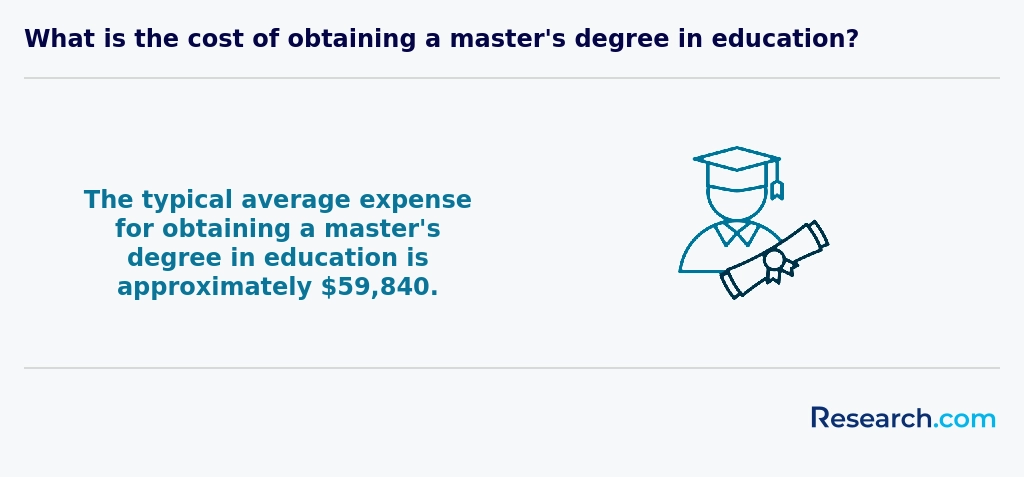
The job market for education degree holders in Saint Charles shows steady opportunities but also requires realistic expectations. Graduates from popular local universities often find positions in K-12 schools, especially within districts like Fort Zumwalt and Wentzville, where demand for licensed teachers in subjects like math and special education remains consistent. However, competition is moderate, and many graduates emphasize the importance of obtaining state teaching licenses and endorsements to stand out. This reflects the broader teaching careers outlook Saint Charles 2027, where continual credential upgrades can improve employability.
Many graduates share positive experiences transitioning to substitute teaching or educational support roles, which offer flexibility and a foot in the door for newcomers. Additionally, evolving priorities around student mental health have broadened opportunities in counseling and support services. While tuition for education degrees can be a concern, those exploring programs at Saint Charles institutions often compare costs against options available through the most affordable education schools in Missouri. This practical approach helps balance expenses and local job market potential for education degree job opportunities Saint Charles.
2027 Best Education Degree Programs Ranking in Saint Charles
Investing in your education is a significant decision that can shape your future, and the Research.com team understands the importance of making informed choices. To assist prospective students in Saint Charles, we have meticulously crafted the "2027 Best Education Degree Programs Ranking in Saint Charles." Our commitment to quality, credibility, and accuracy is reflected in the extensive research and analysis conducted to compile this ranking.
We utilized the following reputable data sources to ensure a comprehensive evaluation of education degree programs:
By exploring this ranking, readers will gain valuable insights into the best education degree programs available in Saint Charles, empowering them to make informed decisions about their academic futures. For more details on our methodology, please visit our Research.com methodology page.

Frequently Asked Questions About education
Education degree students in Saint Charles can maximize their learning experience by actively engaging in both academic and practical opportunities. Saint Charles offers access to diverse school districts where students can participate in field experiences and student teaching, essential for hands-on learning. According to the Missouri Department of Higher Education, practical experience significantly improves job placement rates for graduates.
Students should also take advantage of local education conferences and workshops, which provide networking and professional development tailored to regional educational standards.
Utilizing campus resources such as tutoring centers and education labs strengthens understanding of core teaching methods. Additionally, joining education-focused student organizations in Saint Charles fosters peer collaboration and leadership skills.
Emerging niches within the education field reflect shifts in societal needs and technological advancements. In Saint Charles and across the U.S., one growing area is educational technology, focusing on integrating digital tools into classrooms to enhance learning outcomes. According to the U.S. Bureau of Labor Statistics, careers in instructional design and educational technology are expected to grow 9% from 2022 to 2032, faster than average for all occupations.
Another developing niche is special education, with increased demand for teachers trained to support students with diverse learning needs. Missouri's Department of Elementary and Secondary Education reports a steady rise in special education enrollment, influencing degree programs locally.
STEM education also continues expanding, with emphasis on preparing educators who can teach science, technology, engineering, and math effectively. This focus aligns with nationwide initiatives to boost competitiveness in these fields.
Preparing for the job market after earning an education degree in Saint Charles involves strategic steps aligned with local opportunities. Graduates should focus on gaining classroom experience through student teaching internships, a common requirement in Missouri teacher certification. Networking with local school districts, such as the Saint Charles R-V School District, enhances job prospects, as these districts often prioritize hiring locally trained educators.
Professional development is key; attending workshops and obtaining endorsements in high-demand areas like special education or STEM can increase candidate competitiveness. According to the Missouri Department of Elementary and Secondary Education, teacher demand in Saint Charles County is expected to grow by 5% through 2028.
Finally, maintain an updated resume and consider joining local chapters of educational associations to access job listings and mentorship.
Employers in Saint Charles prioritize several key skills when hiring education degree graduates. Communication skills rank high, as effective interaction with students, parents, and colleagues is essential. According to the Missouri Department of Elementary and Secondary Education, strong classroom management abilities are also critical to maintain a productive learning environment.
Additionally, adaptability and familiarity with technology are increasingly important. With schools integrating digital tools, graduates proficient in educational technology have an advantage. The local job market data from the Saint Charles Economic Development Department shows that critical thinking and problem-solving skills are frequently mentioned in educator job postings.
Finally, collaboration and cultural competency remain vital in addressing diverse student needs and supporting teamwork within schools.
Finding internships in Saint Charles relevant to an education degree involves leveraging local school districts and educational organizations. The Saint Charles School District often partners with nearby colleges to offer field experience and student teaching placements. Contacting district offices directly or visiting their websites can reveal available opportunities.
Many education programs in Saint Charles require internships for graduation, making university career centers a key resource. These centers maintain lists of approved placements and guide students through application processes.
Additionally, local non-profits and community centers sometimes offer tutoring or education-related internships. Online platforms like Handshake may also list openings specific to the region.
According to the Missouri Department of Elementary and Secondary Education, internships are essential for licensure preparation within the state, emphasizing the importance of relevant fieldwork.
Obtaining an education degree in Saint Charles significantly enhances career mobility within the local school districts and regional educational institutions. According to the Missouri Department of Elementary and Secondary Education, educators with a bachelor's or master's degree are more likely to qualify for specialized teaching roles and leadership positions.
Higher education credentials often lead to salary increases and eligibility for administrative roles such as curriculum coordinator or principal. For example, St. Charles County schools report that certified teachers with advanced degrees typically receive higher pay scales compared to those with only initial licensure.
Moreover, ongoing professional development tied to education degrees supports career advancement. Earning such credentials remains a vital factor in achieving long-term growth in Saint Charles's educational workforce.
Studying for an education degree in Saint Charles offers strong preparation for interdisciplinary roles by integrating diverse subject matter expertise with teaching skills. Programs often emphasize collaboration across fields such as psychology, social work, and technology to equip candidates for varied educational settings. According to the Missouri Department of Higher Education, Saint Charles institutions incorporate practicum experiences in different community environments, fostering adaptability.
Students engage with coursework that strengthens communication, leadership, and critical thinking, essential for addressing complex challenges in schools and beyond. Additionally, regional partnerships with local schools and social agencies support real-world learning opportunities. This approach reflects national trends prioritizing versatile educators ready to work in multidisciplinary teams.
Choosing between a thesis and a non-thesis education degree program in Saint Charles depends on your career goals and time commitment. Thesis programs often emphasize research and are suited for students aiming at academic or research careers. They typically require the completion of a substantial research project, which can take several months.
Non-thesis programs focus more on practical skills and coursework, allowing students to finish faster. According to data from the Missouri Department of Higher Education, many local education employers value experience and applied knowledge, which aligns well with non-thesis graduates.
Consider your future plans carefully before deciding.
Students in Saint Charles interested in pursuing education degrees abroad have several pathways through established US programs. Many universities in Missouri, including the University of Missouri system, offer study abroad options in education that allow credit transfer toward degrees. These programs focus on global education theories, teaching practices, and cultural exchange.
Popular destinations include countries in Europe and Asia, where students gain firsthand experience in diverse classrooms. According to the Institute of International Education, over 10,000 U.S. education majors participate annually in study abroad programs nationwide, reflecting growing interest.
Local advisors at Saint Charles Community College provide guidance on accredited programs, scholarships, and eligibility requirements to facilitate smooth enrollment. Such opportunities enhance career prospects in a globally connected education environment.
Students pursuing education degrees in Saint Charles can find numerous part-time job opportunities that enhance their academic experience. Common roles include teacher assistants, tutoring younger students, and working in local after-school programs. These positions provide practical experience and help develop classroom management skills.
According to data from the Saint Charles County Workforce Development Board, educational support roles in local schools have grown by 8% over the past three years, reflecting steady demand. Many local school districts offer part-time openings that align with college schedules, beneficial for degree candidates.
Additionally, roles in community centers and libraries offer opportunities to engage with educational programming, fostering skills relevant to future teaching careers. These jobs also allow students to build networks within the local education community, an advantage for post-graduation employment.
Education students in Saint Charles have access to numerous networking opportunities through local universities and professional organizations. Lindenwood University, a major institution in the area, regularly hosts education-focused events, workshops, and career fairs that connect students with local school districts and educational leaders.
Additionally, the Missouri State Teachers Association offers networking events and conferences within the region, providing platforms for students to engage with experienced educators and policymakers. Saint Charles community colleges also facilitate internships and partnerships with nearby schools, helping students gain practical experience and build professional connections.
According to the Missouri Department of Elementary and Secondary Education, such collaborations enhance job placement rates for graduates by approximately 15% statewide, benefiting Saint Charles students specifically.
Alumni networks offer significant advantages to education degree students in Saint Charles by fostering professional connections and mentoring opportunities. These networks connect current students with graduates who have experience navigating the local education landscape. According to the Missouri Department of Higher Education, networking through alumni can increase job placement rates by up to 20% in teaching positions within the state.
In Saint Charles, these networks often host workshops, job fairs, and guest lectures, creating direct access to school districts and educational organizations. Additionally, alumni provide valuable advice on certification processes and continuing education opportunities, which are crucial for educators in Missouri.
Participation in alumni activities can enhance communication and leadership skills, essential for future educators. Overall, alumni networks act as a bridge between academic preparation and successful careers in the Saint Charles education community.
In Saint Charles, customizing your education degree program to align with career goals is possible through several flexible options. Many local institutions offer specialization tracks, such as special education, curriculum development, or educational leadership, allowing students to target specific fields within education. Students can also choose elective courses that match their interests and desired job roles.
Internships and practicum opportunities in Saint Charles schools provide hands-on experience tailored to your career focus. Additionally, some programs allow mentorship or independent study projects, supporting individual career ambitions.
According to the Missouri Department of Higher Education, over 70% of education students in the region benefit from these customizable features, demonstrating a strong emphasis on aligning academic paths with professional aspirations.
Education students in Saint Charles commonly face several challenges unique to their region and the broader U.S. system. One major issue is balancing fieldwork with coursework. Many programs require significant classroom observation and teaching practice in local schools, which can be difficult alongside maintaining a full academic schedule. According to data from the Missouri Department of Elementary and Secondary Education, the demand for qualified teachers in Saint Charles County has increased by 8% over the past five years, adding pressure to complete practical experiences efficiently.
Additionally, financial constraints are a notable concern. Tuition and related costs for education degrees continue to rise, while financial aid options remain limited, especially for part-time students. Many students must juggle jobs and studies, impacting their academic performance.
Lastly, adapting to evolving educational standards and technology also challenges students. Staying current with digital tools and inclusive teaching practices requires extra effort beyond traditional coursework.
With an education degree, graduates in Saint Charles can pursue several professional certifications to enhance their careers in teaching and education administration. Common certifications include the Missouri Teaching Certificate, required for licensed K-12 public school teachers. This certification involves passing state exams and completing background checks, overseen by the Missouri Department of Elementary and Secondary Education (DESE).
Beyond teaching licenses, educators may consider certifications in specialized areas such as special education, reading specialists, or English as a Second Language (ESL). These credentials can improve job prospects and salary potential.
Administrators with education degrees can also seek Principal or Superintendent certifications, requiring additional coursework and exams.
According to DESE, over 1,200 education certificates were awarded statewide in 2023, reflecting strong demand in regions including Saint Charles.
Writing a winning application for an education program in Saint Charles requires attention to detail and clarity. Begin by thoroughly researching the specific program's requirements, as many local institutions align with Missouri Department of Higher Education standards. Highlight your relevant academic background, emphasizing coursework or experience related to education. Including quantifiable achievements, such as GPA or volunteer hours in teaching, strengthens your profile.
Letters of recommendation hold significant weight; seek endorsements from educators or professionals familiar with your skills. Saint Charles programs often value candidates with clear career goals-articulate these in your personal statement.
According to Saint Charles Community College, applicants with a GPA above 3.0 and demonstrated leadership experience have higher acceptance rates.
Education careers in the United States, including Saint Charles, benefit from global trends emphasizing adaptability and cultural awareness. According to the National Center for Education Statistics, teachers in Missouri, including Saint Charles, must meet licensure requirements that often include bachelor's degrees and ongoing professional development.
Globally, education professionals are expected to address diverse student needs and integrate technology in classrooms. The U.S. Department of Education reports a growing demand for educators skilled in digital tools and inclusive teaching practices.
In Saint Charles, the local education system aligns with these global standards, encouraging degrees that prepare graduates for international perspectives and local challenges.
Gaining practical experience while studying for an education degree in Saint Charles is essential for career readiness. Many local colleges, such as Lindenwood University, offer structured student teaching placements where candidates work directly in Saint Charles-area schools. These internships typically occur during the final years of the program and provide hands-on classroom management and instructional practice.
Additionally, students can pursue tutoring or mentoring roles through community organizations like the Boys & Girls Clubs of Greater Saint Louis. Volunteering in after-school programs allows future educators to develop skills beyond academics.
State guidelines also require completion of supervised field experience hours, ensuring that students meet Missouri's teacher certification standards before graduation.
Choosing the right concentration within an education degree program in Saint Charles involves understanding your career goals and local demand. Education programs often offer concentrations such as early childhood, special education, or secondary education. According to the Missouri Department of Elementary and Secondary Education, demand for special education teachers in Saint Charles County has grown by 15% over the past five years, reflecting a statewide trend.
Research local school district hiring practices to see which specialties are most needed. Consider your passion and strengths, as practical experience in your chosen area can improve job prospects. Consulting academic advisors and attending information sessions can also support informed decisions tailored to Saint Charles' education landscape.
- 2027 Best Education Degree Programs Ranking in Columbia
- 2027 Best Education Degree Programs Ranking in Kansas City
- 2027 Best Education Degree Programs Ranking in Indianapolis
- 2027 Best Education Degree Programs Ranking in Des Moines
- 2027 Best Education Degree Programs Ranking in River Forest
- 2027 Best Education Degree Programs Ranking in Dubuque
- 2027 Best Education Degree Programs Ranking in Louisville
- 2027 Best Education Degree Programs Ranking in Chicago
- 2027 Best Education Degree Programs Ranking in Winona
- 2027 Best Education Degree Programs Ranking in Wichita
See What Experts Have To Say About Studying Education
Read our interview with Education experts

Nooshan Ashtari
Education Expert
Professor & Book Author
University of Southern California


- College Financial Planner - St Charles Financial Services https://saintcharlesfinancial.com/college-financial-planning/
- Graduation Requirements - City of St Charles School District https://www.stcharlessd.org/families/graduation-requirements
- Events & Opportunities https://connect.teachforall.org/events-opportunities
- Students: This is How You Should Prepare for the Job Market https://www.agencycentral.co.uk/articles/students-this-is-how-you-should-prepare-for-the-job-market/
- Tips for Choosing Your Graduate Concentration - Graduate Programs for Educators https://www.graduateprogram.org/blog/tips-for-choosing-your-graduate-concentration/
- ST. CHARLES BORROMEO https://stcharles-kettering.org/parents/financial-assistance/
- How To Write A Great Cover Letter For Teacher Training - Engage Education https://engage-education.com/blog/how-to-write-a-great-cover-letter-for-teacher-training/
- Tuition & Fees - Staten Island https://saintcharlesschoolsi.org/tuition-amp-fees
- The Pros and Cons of Online Learning vs. Traditional Education https://www.sophia.org/blog/higher-education/pros-cons-online-learning-vs-traditional-education/
- Your career at KIDS&Co. - dwujęzyczne przedszkola KIDS&Co. https://kids-co.pl/en/career/