
2027 Best Online Education Degree Programs Ranking in Washington, DC

Co-Founder and Chief Data Scientist
Choosing the right online education degree program can feel overwhelming, especially with so many options available in Washington, DC. This article introduces the 2027 Best Online Education Degree Programs Ranking in Washington, DC, created by the Research.com team of data scientists.
Designed to help you make an informed decision, the ranking highlights top programs that align with your goals and lifestyle. Pursuing an education degree can open doors to rewarding careers and personal growth, making this guide a valuable resource on your path.
Explore the article to find programs that inspire and empower your future in education.
Key benefits of getting online education degree in Washington
- Graduates with an education degree in Washington can expect strong earning potential, such as a Special Education Teacher making around $76,000 annually or an Instructional Designer earning about $77,200 per year.
- A typical education graduate from a well-known Washington university can explore diverse career paths, including roles as Elementary School Teachers, ESL Teachers, or Early Childhood Educators, offering rewarding opportunities to impact students' lives.
- Completing an education degree online in Washington offers flexibility and convenience, allowing students to balance work and study while benefiting from quality programs like those offered by local universities known for their approachable online formats.
- 2027 Best Online Education Degree Programs Ranking in Washington, DC
- What can I expect from online education degree in Washington?
- Where can I work with online education degree in Washington?
What can I expect from online education degree in Washington?
The average cost of an online education degree in Washington is generally more affordable compared to traditional on-campus programs. Public universities like Central Washington University and Eastern Washington University offer competitive tuition rates that many graduates found manageable, especially when balancing work and studies. For example, graduates often mention that the savings on commuting and housing amplified the value of their investment.
In addition to tuition, students should consider local expenses tied to practicum placements, but these are typically low since placements happen near the student's residence. Many online learners also highlight how applying for the Washington College Grant helped reduce out-of-pocket costs significantly, making programs more accessible.
One graduate from Eastern Washington University shared how the flexible payment plans and access to state financial aid allowed them to stay financially steady while advancing their career. This practical support system, combined with reasonable tuition fees, makes pursuing education degrees online in Washington a financially sound choice.
Where can I work with online education degree in Washington?
Graduates with an online education degree in Washington can confidently pursue teaching roles in K-12 public schools after obtaining state certification. For instance, many former students from the University of Washington have secured positions in high-demand areas like special education and STEM subjects, benefiting from shortages that keep job prospects strong.
Beyond teaching, your degree opens doors to administrative roles such as instructional coordinators or curriculum developers. Seattle Public Schools and Spokane Public Schools frequently hire graduates with this background, especially those who combine experience with targeted training. These jobs allow you to influence education policies directly and see tangible results in classrooms.
Higher education is another practical path-graduates often become academic advisors or student service coordinators at institutions like Washington State University. These roles enable you to support future educators while applying your knowledge daily.
If technology excites you, education technology firms and nonprofits in Washington actively seek instructional designers and e-learning specialists. Helping build digital learning tools can be rewarding, especially as you contribute to statewide education innovation.
Finally, public agencies such as the Washington State Department of Early Learning offer roles focused on community outreach and program development, letting you impact education on a broad scale while enjoying competitive salaries around $54,000 to $89,000 annually.
Graduates with an online education degree in Washington can realistically expect to earn salaries that reflect both their chosen specialization and experience level. For example, elementary school teachers earn a mean annual wage of about $70,740, a figure that aligns well with salaries reported by graduates from well-regarded programs at University of Washington and Seattle Pacific University. These figures reassure new teachers starting in districts across the state, where entry salaries commonly fall between $45,000 and $55,000.
Those who pursue special education often find even more promising pay, with an average annual salary around $76,000, a boost appreciated by many alumni who pursued advanced online degrees to meet the growing demand for specialized educators. Likewise, English as a Second Language (ESL) teachers earn approximately $65,430 yearly, a role many graduates from Washington State University's online programs find rewarding in diverse communities.
For graduates interested in educational technology, the instructional designer role pays a competitive $77,200 on average. This opens doors to dynamic, growing career paths supported by flexible online education that graduates from schools like City University of Seattle often mention when describing their smooth transition into the workforce.
- Online education degrees in Washington are available from accredited schools with options from bachelor's to master's levels, including endorsements and certifications.
- In-state tuition at public universities ranges from $7,000 to $12,000 per year, while private institutions may charge between $20,000 and $30,000 annually.
- Graduates with a bachelor's degree typically earn about $48,000 per year, and those with a master's degree start around $55,000 annually in Washington.
- Experienced educators and administrators in the state can earn median salaries between $70,000 and $90,000, depending on experience and certifications.
- Washington requires teacher candidates to complete state-approved certification programs, including exams and background checks, regardless of whether the degree is online or on campus.
Completing an online education degree in Washington typically takes about four years for a bachelor's when attending full-time, matching the pace of well-known programs at institutions like the University of Washington or Seattle Pacific University. Graduates often share how balancing courses with work or family required them to choose part-time enrollment, extending their studies beyond four years but offering flexibility crucial for real life.
Some students take advantage of accelerated tracks available at schools such as Eastern Washington University, completing their degree in as little as two to three years by taking extra courses or enrolling during summer terms. This approach appeals to those eager to enter the workforce sooner while maintaining quality.
For master's degrees, the timeline shrinks to roughly 18 months to three years. Graduates from Western Washington University's online master's programs highlight how the structured schedules and clear credit requirements-usually around 30 to 36 credit hours-help them finish efficiently without sacrificing personal time.
Considering full-time versus part-time status, transfer credits, and course availability can make all the difference when planning your path.
To become a licensed teacher in Washington, DC, graduates of online education programs must navigate the Office of the State Superintendent of Education (OSSE) certification process. Candidates typically pursue one of two pathways: 1. Traditional Route: - Hold a bachelor’s degree from a regionally accredited institution. - Complete a state-approved educator preparation program with supervised student teaching. - Pass the Praxis Core Academic Skills for Educators and Praxis II subject assessments relevant to your endorsement area. - Submit a performance assessment portfolio demonstrating classroom competencies. 2. Alternative Route (Local Alternative Preparation Program – LAPP): - For career changers or those with non-education degrees, enroll in a LAPP certified by OSSE. - Teach under a provisional license while completing coursework and mentorship requirements. - Pass all required Praxis exams within the provisional period. Key Steps and Requirements:
- Application: Submit an online application through OSSE’s ELMS portal, including official transcripts, background check clearance, and exam scores.
- Fees: Budget for application ($100), licensure exams (~$150–$200 each), and portfolio review ($100).
- Renewal: Licenses are valid for five years; renewal requires 50 Professional Learning Units (PLUs) or completion of a graduate-level education course. For candidates seeking cost-effective degree options that meet accreditation standards, explore our Cheapest Online Education Degree Programs Ranking in Ohio to compare tuition rates and program quality before applying to certification pathways.
Choosing between online and on-campus education degrees in Washington depends largely on your lifestyle and learning preferences. Graduates from the University of Washington praise online programs for their flexibility, allowing them to manage coursework around jobs and family without the stress of commuting. This asynchronous format fits well for those living in rural areas or balancing other commitments.
Conversely, those attending programs at Western Washington University often highlight the vibrant campus atmosphere, where face-to-face interaction with professors and peers enhances hands-on learning and networking opportunities. This direct engagement fosters a strong community feel that many find motivating.
Cost is a practical factor to consider. Online degrees might reduce fees related to housing and transport, but technology expenses can add up. Both options require regional accreditation, like that from the Northwest Commission on Colleges and Universities, ensuring your degree holds value in the job market.
Finally, student services vary: on-campus students usually have easier access to tutoring and career centers, though online programs are improving virtual support, which some graduates find surprisingly effective.
For prospective students in Washington, DC, who are interested in pursuing online education degrees without breaking the bank, it's essential to explore options that offer quality education at an affordable price. Many institutions in the area provide competitive pricing without compromising on the educational experience. When considering the financial aspects of obtaining an online education degree, prospective students should look into programs that not only fit their budget but also align with their career aspirations. Researching the most affordable education programs in District of Columbia can be a valuable step in this process, as it allows students to compare different institutions based on factors such as tuition rates, financial aid options, and the overall cost of attendance. By doing so, students can make informed decisions about their educational investments, ensuring that their journey towards becoming educators is both financially sustainable and rewarding.
The average cost of an online education degree in Washington typically falls between $10,000 and $15,000 annually for public universities, which attracts many in-state students seeking affordable options. Graduates often share how choosing a public institution, like Washington State University, helped them manage their budget effectively while accessing quality education, with tuition around $13,000 per year. Similarly, students enrolled in University of Washington's online programs find that tuition hovers near $15,000 annually, which remains competitive compared to many other states.
When planning your finances, remember to factor in additional expenses like textbooks and technology fees, which can add between $500 to $1,500 yearly. Many students appreciate how these extra costs are generally transparent and manageable, especially when combined with available institutional scholarships, financial aid, or discounts for professionals and military personnel. This practical approach makes earning an online education degree in Washington a worthwhile investment with clear financial planning.
For those comparing costs nationwide, it's useful to consider the total tuition and fees for education degrees Washington DC offers and how in-state options in Washington remain a financially wise choice. To explore more cost-effective alternatives, prospective students often look into the most affordable education programs in District of Columbia, gaining insights to make informed decisions.

Earning an online education degree in Washington, DC is only the first step toward a teaching career; graduates must also ensure their program is accredited and that they meet state licensure requirements. District of Columbia Public Schools and public charter schools only recognize degrees from institutions accredited by a U.S. Department of Education–approved body, such as the Middle States Commission on Higher Education or the Council for the Accreditation of Educator Preparation (CAEP). Before enrolling, verify that your online program holds one of these accreditations to guarantee eligibility for licensure and financial aid. For those comparing costs or looking for alternative programs, consider exploring the Cheapest Online Education Degree Programs Ranking in Ohio to benchmark affordability. Key steps to obtain your DC teaching license:
- Complete a state-approved educator preparation program, either at the bachelor’s or master’s level.
- Pass the required assessments: Praxis Core Academic Skills for Educators (or approved substitute), the Praxis II subject test, and the edTPA performance assessment.
- Submit an application through DC’s Office of the State Superintendent of Education (OSSE) Educator Licensure System, including official transcripts, test scores, and a background clearance. Upon meeting these requirements, candidates receive an Initial License valid for three years. To upgrade to a Standard License, educators must complete an induction program and accrue at least two years of teaching experience. Staying informed about periodic changes-such as new content assessments or updated background check protocols-is crucial for a seamless transition from online study to classroom practice in Washington, DC.
Many students pursuing an online education degree in Washington find essential financial support through federal aid such as Pell Grants, which can cover up to $7,395 annually without repayment. Graduates from universities like the University of Washington have shared how applying early through FAFSA unlocked this vital award, making their studies far more affordable.
State aid is equally important. The Washington College Grant can cover part or all of tuition and fees for eligible in-state students attending public institutions like Western Washington University. Several graduates have benefited from this grant, easing their financial stress while balancing coursework and family responsibilities.
Additionally, numerous university-specific scholarships target online education learners, often rewarding merit or financial need. For instance, some education majors at Central Washington University received scholarships designed to support teacher workforce development within the state.
Work-study options, adapted for remote students, help cover living expenses through flexible employment at local schools or educational nonprofits.
Professional groups such as the Washington Education Association also offer scholarships, creating another pathway for motivated students to advance their careers in education.
As the landscape of online education continues to evolve, emerging technologies and innovative teaching strategies are reshaping the way students learn and succeed. Today’s online programs are increasingly leveraging interactive platforms, adaptive learning technologies, and virtual classrooms that not only enhance accessibility but also provide personalized learning experiences. These advancements help bridge the gap between traditional and digital education, making it easier for students to acquire new skills and stay competitive in a rapidly changing job market. In addition, many institutions are now incorporating interdisciplinary studies into their curricula, allowing students to complement their education with related fields-such as exploring an online library science degree masters-that further broaden their academic and professional horizons. This commitment to constant innovation ensures that online education remains a dynamic option for those seeking both immediate practical skills and long-term career growth.
To enroll in an online education degree program in Washington, start by securing a high school diploma or GED if you're aiming for an undergraduate path. Many universities like Western Washington University welcome applicants with these credentials and have recently embraced test-optional admissions, easing pressure on standardized tests like the SAT or ACT.
Graduate hopefuls, such as those pursuing a Master's in Education at Seattle University, must hold a bachelor's degree from an accredited institution. It's common for programs to expect a minimum GPA around 3.0, plus some relevant coursework or professional experience related to education. For instance, recent graduates often share how highlighting teaching or tutoring experience boosted their acceptance chances.
All applicants should prepare to submit official transcripts, letters of recommendation, and a personal statement outlining their goals. Many find writing this essay clarifies their career path and energizes their application. Also, check that the program aligns with Washington's Professional Educator Standards Board requirements to ensure smooth credentialing after graduation.
Accreditation is a critical factor when evaluating online education degree programs in Washington, DC, as it ensures that your credential is recognized by employers and eligible for federal financial aid. Most reputable DC institutions hold regional accreditation through the Middle States Commission on Higher Education (MSCHE), while programmatic accreditation for teacher preparation often comes from the Council for the Accreditation of Educator Preparation (CAEP). Before enrolling, confirm that your chosen program is authorized to operate in DC by the Office of the State Superintendent of Education (OSSE), which oversees all teacher licensure requirements. Graduates of accredited programs are eligible to sit for the DC Praxis exams and apply for a Standard or Advanced DC teaching license, demonstrating their readiness to meet local classroom standards. Additionally, out-of-state students should verify reciprocity agreements if they plan to teach elsewhere. While Washington, DC programs tend to have higher tuition rates, prospective students looking for budget-friendly alternatives may explore the Cheapest Online Education Degree Programs Ranking in Ohio for comparative cost insights and accreditation details.
Online education degrees in Washington typically include core courses such as curriculum development, educational psychology, and classroom management. Graduates from well-known schools like the University of Washington often highlight how these classes helped them design effective lesson plans and manage diverse classrooms confidently.
Specialized courses offer practical skills in areas like instructional technology, which prepares students to integrate digital tools seamlessly-a crucial need in Washington's evolving K-12 classrooms. Other focused topics include assessment strategies, special education methods, and multicultural education, reflecting the state's diverse student population. Graduates appreciate that these courses equip them to create welcoming, inclusive learning environments.
For those pursuing administration roles, programs typically cover school leadership, education law, and policy analysis. Electives in adult education also prepare students to teach beyond traditional K-12 settings, like community colleges or corporate training programs.
Hands-on practicum experiences remain vital. Many colleges coordinate student teaching locally in Washington, helping graduates apply theory in real classrooms and meet state certification requirements, which past graduates describe as an invaluable confidence builder.
Online education degree specializations in Washington offer clear pathways for students ready to advance in their careers. For example, graduates from the University of Washington often highlight the Curriculum and Instruction specialization, where they learn to design lesson plans that align with state standards while adapting to diverse classrooms. Central Washington University students frequently choose Special Education, gaining practical skills to support students with disabilities through individualized education programs and inclusive strategies.
Educational Leadership and Administration is another sought-after specialization, perfect for those aiming to become school principals or superintendents. This track covers essential topics like school finance and human resource management, giving graduates confidence to take on leadership roles. Those focusing on Early Childhood Education learn best practices for nurturing development from birth through third grade-an increasingly critical need in Washington's growing communities.
Students interested in boosting literacy skills across all ages find the Reading and Literacy specialization valuable. Many choose to complement their degrees with credential options, such as endorsements in ESL, or explore related fields like an online library science degree masters to broaden their career opportunities. These focused areas represent some of the best online education programs Washington DC institutions provide to meet regional workforce demands.
To choose the best online education degree in Washington, start by confirming the program's accreditation through recognized agencies like those approved by the U.S. Department of Education. Graduates from universities such as the University of Washington appreciate how accreditation opened doors for their careers and ensured their degrees were respected. Next, compare tuition costs carefully, keeping in mind that online education programs in Washington often range widely in price. Many students find that scholarships or employer tuition reimbursement make a big difference in managing expenses. Flexibility matters, especially for working adults balancing family and jobs. Programs offering asynchronous classes and reliable academic support, typical of popular Washington State University courses, help learners stay on track without stress. Finally, focus on career outcomes by selecting programs aligned with Washington's teacher licensure requirements and in-demand specialties like ESL or educational leadership. For more tailored financial options to consider, you can explore the Cheapest Online Education Degree Programs Ranking in Ohio.
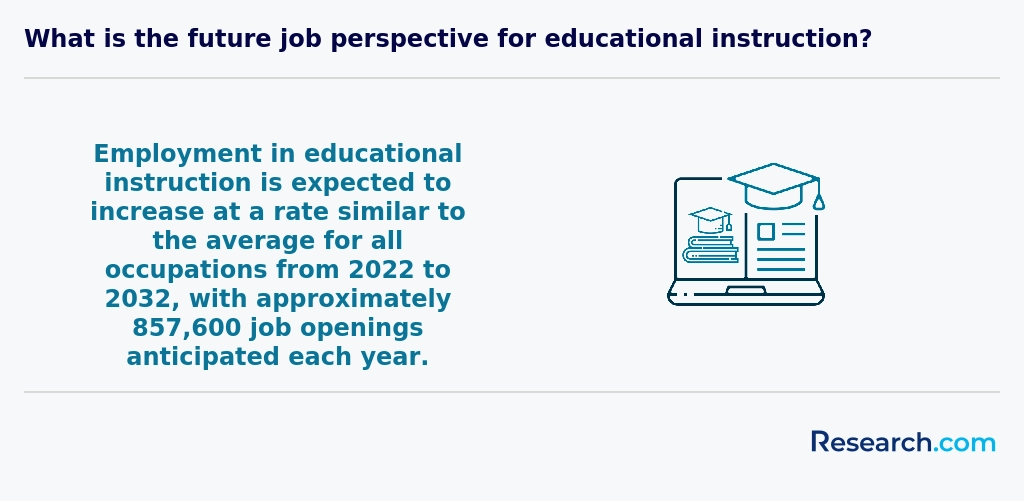
Graduates with an online education degree in Washington often find rewarding careers as certified teachers in both public and private schools, particularly in high-demand areas like STEM, special education, and bilingual education. Many graduates from well-known institutions such as the University of Washington have shared that the state's competitive average teacher salary of about $77,000 makes teaching a practical and fulfilling choice.
Beyond classroom teaching, careers in school leadership are a solid next step. Positions like principals, instructional coordinators, and school administrators offer salaries ranging from $80,000 to $120,000, depending on experience and district size. Graduates from Washington State University's education programs find these leadership roles ideal for those seeking to influence school policies and curricula.
For those exploring other education degree job opportunities in Washington DC, roles in higher education such as academic advisors or instructional designers at community colleges enrich student support systems. Online education grads often thrive as education consultants or curriculum developers, creating tailored learning experiences for diverse student populations.
Many also tap into emerging career paths like educational technology specialists who help schools expand digital learning platforms. Washington's online degree programs remain affordable, with tuition averaging $9,000 to $12,000 per year, making it feasible to pursue these fulfilling career options. For students eager for rapid advancement, exploring a bachelor's degree online fast can be a smart move.
The job market for online education degree graduates in Washington is robust, particularly for those targeting K-12 public schools. Graduates from well-known institutions like the University of Washington or Seattle University report positive experiences entering sectors such as special education and STEM teaching, where demand is strong. These roles align closely with Washington's growing emphasis on bilingual education and technology integration. For those pursuing online education degree jobs in Washington DC, state certification is essential, and many programs fulfill Professional Educator Standards Board requirements, smoothing the path to employment in public and private schools.
Beyond teaching, education graduates find opportunities in administration and counseling, with steady job openings reported by district hiring offices. Financially, affordable in-state tuition and state grants reduce barriers, making programs more accessible. Some recent graduates successfully used an accelerated bachelors degree to enter the workforce faster while keeping costs manageable. This practical approach helps meet the demand predicted to rise through 2030, building a satisfying career in Washington's evolving education landscape.
2027 Best Online Education Degree Programs Ranking in Washington, DC
Investing in your education is a significant decision that can shape your future, and the Research.com team understands the importance of making informed choices. To assist prospective students in Washington, DC, we have meticulously crafted the "2027 Best Online Education Degree Programs Ranking in Washington, DC." Our commitment to quality, credibility, and accuracy is reflected in the extensive research and analysis conducted to compile this ranking.
We utilized the following reputable data sources to ensure a comprehensive evaluation of online education programs:
By exploring this ranking, readers will gain valuable insights into the best online education degree programs available in Washington, DC, helping them make informed decisions about their educational paths. For more details on our methodology, please visit our Research.com methodology page.
# 1 position
The George Washington University
Master of Special Education for Culturally & Linguistically Diverse Learners


Frequently Asked Questions About education
Online education degree students in Washington can maximize their learning experience by actively engaging with course materials and participating in virtual discussions. Research from the National Center for Education Statistics shows that interaction with peers and instructors greatly improves retention and satisfaction. Time management is essential; students should create a consistent study schedule to stay on track. Additionally, utilizing Washington's public libraries and academic resources enhances access to research databases and tutoring services. Many universities in the state also offer virtual career advising and technical support, which can help students overcome challenges unique to online learning environments.
To further improve outcomes, students should set specific goals and regularly assess their progress. According to the Washington Student Achievement Council, students who maintain regular communication with advisors have higher completion rates. Finally, leveraging state-wide professional networks and online communities related to education can provide practical insights and opportunities for collaborative learning.
Emerging niches within the education field reflect evolving demands in Washington and across the U.S. One growing area is educational technology, with an emphasis on designing and managing online learning tools. The shift to remote instruction has increased the need for specialists in this area. Another promising niche is special education, particularly in addressing diverse student needs in virtual settings.
Additionally, there is rising demand for experts in educational leadership focused on equity and inclusion, important topics in Washington's diverse communities. According to the Washington State Employment Security Department, jobs in instructional coordination and educational administration are projected to grow by over 8% through 2030.
After earning an online education degree in Washington, preparing for the job market requires strategic planning. Start by utilizing Washington's robust network of education employers, including public schools and private institutions, many of which actively recruit graduates from local universities. According to the Washington State Employment Security Department, the education sector in the state is projected to grow by 8% through 2030, signaling positive job prospects.
Graduates should also obtain necessary state certifications, such as the Washington Professional Educator Certificate, which is crucial for teaching positions. Engaging in internships or substitute teaching roles during study can strengthen resumes and practical skills.
Finally, networking through local education associations like the Washington Education Association can provide valuable connections and career support.
Employers in Washington consistently seek education degree graduates with strong classroom management and communication skills. According to the Washington Office of Superintendent of Public Instruction, effective communication with diverse student populations is essential in K-12 education roles.
Analytical skills also rank highly, enabling educators to assess student progress and adapt teaching methods. The Washington Workforce Training and Education Coordinating Board highlights critical thinking as key in designing inclusive learning environments.
Technology proficiency is increasingly important, especially for online or hybrid classrooms. Graduates familiar with digital tools can better engage students and support remote learning.
Finally, collaboration and cultural competency are vital, reflecting Washington's diverse communities and inclusive educational policies.
Finding internships in Washington relevant to an education degree requires strategic use of local and online resources. Start by exploring the Washington State Internship Directory, which lists opportunities across school districts and nonprofit organizations focused on education. Additionally, universities such as the University of Washington and Seattle University often partner with local schools to offer internship placements for education students. According to the Washington Student Achievement Council, roughly 65% of education students secure internships through these partnerships. Networking through local professional groups like the Washington Education Association can also open doors. Finally, platforms like Handshake and LinkedIn provide listings specific to the Washington region.
Obtaining an online education degree in Washington offers significant advantages for career mobility and advancement. The state's Department of Education reports a steady demand for qualified educators, with employment in teaching-related fields projected to grow by 8% through 2030. Online degrees from accredited institutions enable working professionals to enhance their qualifications without relocating or leaving their current jobs.
Washington employers increasingly recognize online credentials, especially when the programs are regionally accredited. Graduates often find better job prospects, salary increases, and leadership roles. For example, earning a master's in education online can lead to administrative positions, which have a median annual wage higher than teaching roles, according to the U.S. Bureau of Labor Statistics.
In addition, online education degrees provide flexibility and access to cutting-edge teaching methods, essential for adapting to Washington's evolving educational landscape.
Studying for an education degree online in Washington offers students a strong foundation for interdisciplinary roles by integrating diverse fields such as psychology, sociology, and technology. Washington's education programs emphasize collaboration across disciplines, preparing graduates to work in varied settings beyond traditional classrooms.
Programs often incorporate courses on educational technology and community engagement, reflecting the state's push for innovation in schools, supported by the Washington State Office of Superintendent of Public Instruction. This approach equips students to address complex educational challenges involving multiple stakeholders.
Moreover, Washington ranks among the top states for teacher salaries and education funding, encouraging programs to develop practical skills aligned with real-world demands. Such preparation enhances adaptability for roles in administration, curriculum design, or educational policy.
Choosing between a thesis and a non-thesis education degree in Washington depends largely on your career goals and learning preferences. Thesis programs typically require original research and a substantial written project, preparing students for doctoral studies or research-oriented careers. Non-thesis tracks often focus more on coursework and practical experience, appealing to educators aiming for administrative roles or immediate classroom application.
Washington's public universities, like the University of Washington, offer both options with flexibility for online learners. According to the National Center for Education Statistics, graduate enrollment in education fields in Washington grew by 7% from 2018 to 2022, showing increased demand for tailored programs. Consider your time commitment and whether you prefer research or practice to decide which path suits you best.
Students based in Washington interested in studying education abroad have a variety of options, primarily through online programs offered by accredited U.S. institutions. Washington residents benefit from access to several universities that provide online education degrees with international study components or partnerships. These programs often include virtual internships, study abroad opportunities, or international collaborations, allowing students to gain global perspectives without leaving the state.
According to the National Center for Education Statistics, nearly 40% of Washington's higher education students enroll in at least one online course, indicating strong local support for distance learning.
Many programs are designed to align with Washington's teaching certification requirements while incorporating global education standards, making them attractive for future educators seeking international experience.
In Washington, part-time job opportunities that complement education degree studies are diverse and well-suited for students pursuing online education degrees. Many students work as teacher assistants or paraprofessionals in local schools, gaining valuable classroom experience while balancing their studies. According to the Washington Office of Superintendent of Public Instruction, there is a consistent demand for educational support roles across the state.
Additionally, tutoring and after-school program coaches provide flexible options for education students to apply their knowledge practically. These roles often offer hourly wages between $15 and $20, providing both income and hands-on learning.
Libraries and community centers also hire part-time education aides who support literacy and learning programs, enhancing practical skills relevant to education careers.
Online education students in Washington have access to a variety of networking opportunities that help build professional connections. Many universities offer virtual career fairs and webinars, enabling students to interact with alumni and local education professionals.
Statewide organizations, such as the Washington State School Directors' Association, host events that online learners can attend remotely. According to the Washington Student Achievement Council, nearly 60% of online education students participate in some form of virtual networking during their studies.
Social media groups and online forums specific to Washington schools also provide platforms to share resources, job leads, and advice.
Alumni networks are a valuable resource for students pursuing online education degrees in Washington. These networks connect current students with graduates who offer career advice, mentorship, and job opportunities. According to the National Association of Colleges and Employers, 85% of jobs are filled through networking, highlighting the importance of strong alumni connections.
In Washington, many universities support active alumni groups that organize virtual events and professional development workshops. This engagement helps students build relationships within the local education community, even when studying remotely.
Access to these networks can also provide information about regional job markets, internships, and education trends.
Customizing an online education degree program in Washington allows students to align their studies with specific career objectives. Many Washington institutions offer flexible course selections and specializations, such as curriculum design, educational technology, or administration. This flexibility helps tailor learning to roles in public schools, private institutions, or educational consulting.
Students can often choose electives or certifications that enhance skills in high-demand areas like special education or ESL instruction, reflecting Washington's diverse student population. Advisors at state universities, including the University of Washington, guide students to design programs that meet both licensure requirements and personal ambitions.
Additionally, practicum and internship opportunities within Washington's school districts provide valuable hands-on experience aligned with career goals.
Online education students in Washington often face several key challenges that impact their academic success. One common issue is limited access to reliable high-speed internet, especially in rural areas, which affects about 7% of households statewide according to the Washington State Broadband Office. This connectivity gap can hinder participation in live lectures and timely submission of assignments.
Another challenge is balancing coursework with work and family responsibilities. Many students enrolled in online programs are working adults or parents, making time management critical. The Institute for Higher Education Policy highlights that about 60% of Washington online learners juggle multiple roles, which can lead to stress and lower retention rates.
Additionally, students sometimes report feeling isolated due to reduced face-to-face interaction with instructors and peers. This can affect motivation and networking opportunities, essential for both academic growth and career prospects in education fields.
With an online education degree in Washington, you can pursue several professional certifications that enhance your career prospects. Popular options include Washington State's Professional Educator Certificate (PEC), which is essential for teaching in K-12 public schools. The state requires passing the edTPA and relevant subject tests, demonstrating your teaching skills and content knowledge.
Additionally, you might consider the National Board Certification, a prestigious credential recognizing advanced teaching expertise nationwide. For those interested in educational leadership, the Washington State Principal Certificate is another significant certification.
These certifications align with Washington's growing emphasis on qualified educators. According to the Washington Office of Superintendent of Public Instruction, over 80% of teaching candidates complete state-approved certification programs, highlighting the value of these credentials.
Writing a strong application for an online education program in Washington requires clear focus and preparation. Start with a comprehensive personal statement that highlights your passion for education and explains why an online degree suits your goals. Admissions committees appreciate applicants who demonstrate understanding of Washington's unique educational context and challenges.
Include detailed information about your prior academic performance, especially relevant coursework or certifications. Many Washington institutions weigh GPA and test scores heavily, so provide accurate, updated transcripts. The Washington Student Achievement Council offers data suggesting that competitive programs typically admit students with GPAs above 3.0.
Finally, secure strong letters of recommendation from instructors or professionals familiar with your dedication to education. Be sure to follow application deadlines closely, as Washington schools enforce them strictly.
Globally, education careers are increasingly valued for their role in shaping future generations and advancing societal goals. In the United States, including Washington, education professionals benefit from a growing demand driven by diverse student populations and technological integration. According to the U.S. Bureau of Labor Statistics, employment for kindergarten through secondary school teachers is projected to grow 5% from 2021 to 2031, reflecting steady opportunities.
Washington D.C. especially emphasizes educational equity and innovation, attracting educators interested in urban and policy-focused roles. Online education degrees in this region provide flexibility and access to programs aligned with national standards, aiding students to meet both local and global teaching credentials.
International perspectives highlight the importance of cultural competence and lifelong learning within education careers, elements increasingly emphasized within Washington's educational programs. This global outlook supports educators in adapting to diverse environments while meeting state licensure requirements.
Gaining practical experience while pursuing an online education degree in Washington is essential for career readiness. Many accredited programs incorporate student teaching or practicum experiences, which can often be completed at local schools near your residence. Washington state requires teacher candidates to complete a minimum of 450 hours of supervised field experience for certification, according to the Office of Superintendent of Public Instruction (OSPI).
Additionally, online students can seek educational internships, volunteer positions, or work in after-school programs to develop hands-on skills. Networking through local education organizations like the Washington Education Association can also help connect students with practical opportunities.
Choosing the right concentration within an online education degree program in Washington requires understanding local demand and your career goals. The Washington State Workforce Training and Education Coordinating Board reports steady growth in teaching jobs, especially in special education and STEM fields. Prioritize concentrations aligned with these areas to improve job prospects.
Consider your interests and strengths: early childhood, special education, or educational leadership are common concentrations that serve distinct roles. Check if your chosen program aligns with Washington's teaching certification requirements, as approved by the Office of Superintendent of Public Instruction (OSPI).
Research each program's curriculum, faculty expertise, and support services for online learners. Engage with alumni or advisors to ensure the concentration suits your professional aspirations.
- 2027 Best Online Education Degree Programs Ranking in Philadelphia, PA
- 2027 Best Online Education Degree Programs Ranking in Loretto, PA
- 2027 Best Online Education Degree Programs Ranking in Norfolk, VA
- 2027 Best Online Master's in Education Degree Programs Ranking in Virginia Beach, VA
- 2027 Best Online Education Degree Programs Ranking in Indiana, PA
- 2027 Best Online Education Degree Programs Ranking in California, PA
- 2027 Best Online Education Degree Programs Ranking in Pittsburgh, PA
- 2027 Best Online Education Degree Programs Ranking in New York, NY
- 2027 Best Online Education Degree Programs Ranking in Slippery Rock, PA
- 2027 Best Online Education Degree Programs Ranking in Greenville, NC
See What Experts Have To Say About Studying Education
Read our interview with Education experts


Nooshan Ashtari
Education Expert
Professor & Book Author
University of Southern California

- Online Degrees https://lowercolumbia.edu/online/
- Get the skills employers want | Study UK https://study-uk.britishcouncil.org/why-study/succeed-your-career/get-skills-employers-want
- MONPERATOTO Jati Diri Situs Togel Online Resmi Bersama Agen Toto Togel 4D Terpercaya https://writerslife.org/educational-markets/
- Elevating Student Voice in Education - Center for American Progress https://www.americanprogress.org/article/elevating-student-voice-education/
- Online Education Degree Programs | University of Phoenix https://www.phoenix.edu/online-education-degrees.html
- Education Technology Trends to Watch in 2065: 10 Innovations Shaping the Future of Learning https://www.digitallearninginstitute.com/blog/education-technology-trends-to-watch-in-2026
- How To Write A Great Cover Letter For Teacher Training - Engage Education https://engage-education.com/blog/how-to-write-a-great-cover-letter-for-teacher-training/
- Top 10 Effective Networking Tips for Students https://www.unfc.ca/blog/networking-tips-for-students
- Promising Niches in the Global EdTech Landscape - Blog https://rocketech.it/blog/post/global-edtech-landscape-what-niches-are-the-most-promising
- Online Colleges in Washington | OEDb.org https://www.oedb.org/washington/


