
2027 Easiest Online Master's in Education Degree Programs Ranking in Missouri

Co-Founder and Chief Data Scientist
Choosing the right online master's in education program can feel overwhelming, especially for Missouri students balancing work and life. This article introduces the 2027 Easiest Online Master's in Education Degree Programs Ranking in Missouri, created by the Research.com team of data scientists. It's designed to help you navigate your options with confidence.
By exploring this ranking, you'll gain insights into programs that fit your goals and lifestyle, making your journey toward advancing your education smoother and more rewarding.
Pursuing a degree in education opens doors to new opportunities and personal growth. Let this guide support your next steps.
Key benefits of getting online education degree in Missouri
- Graduates with education degrees in Missouri can expect rewarding salaries, such as Education Managers earning an average of $129,330 annually and Education Program Managers making about $104,920 per year.
- Career paths for education degree holders include roles like Curriculum Specialists and Education Consultants, reflecting diverse opportunities at institutions like the University of Missouri.
- Online education degrees offer flexibility and convenience, allowing graduates from schools like Missouri State University to balance work and study while gaining valuable credentials faster than traditional routes.
- 2027 Easiest Online Master's in Education Degree Programs Ranking in Missouri
- What can I expect from online education degree in Missouri?
- Where can I work with online education degree in Missouri?
What can I expect from online education degree in Missouri?
The average cost of an online education degree in Missouri typically falls between $10,000 and $25,000 for the entire program, making it an accessible investment for many aspiring educators. Graduates from renowned institutions like the University of Missouri or Missouri State University often share how this affordability allowed them to balance work, family, and studies with ease. They describe the relief of not being overwhelmed by financial strain while pursuing their passion for teaching or school leadership.
Many find joy in programs designed with real-world flexibility, blending asynchronous classes with live discussions that bring classmates together despite busy schedules. These affordable options empower students across Missouri to gain strong, state-approved credentials without sacrificing their daily commitments. Scholarships and state aid further brighten the path, turning dreams of advancing in education into achievable goals.
Where can I work with online education degree in Missouri?
Graduates with online education degrees in Missouri find rewarding careers in diverse educational settings, from bustling public schools to innovative charter schools across the state. Many alumni from institutions like the University of Missouri or Missouri State University share how their degrees opened doors to fulfilling teaching roles in elementary, middle, and high schools, where they inspire young minds every day.
Beyond traditional classrooms, online education graduates thrive as curriculum designers, instructional coordinators, and school leaders. These roles allow them to shape educational programs and support teachers' growth, fueling a positive impact that extends beyond a single classroom. For example, graduates working in St. Louis or Kansas City often mention the excitement of developing new teaching strategies that keep learning engaging and effective.
Colleges and universities in Missouri also welcome online education degree holders as academic advisors or program managers, tapping into their expertise in modern technologies and learner-centered approaches. Many find joy in helping adult learners or leading workforce training initiatives at community colleges, creating brighter futures for their communities.
The expanding field of educational technology offers dynamic opportunities too, letting graduates contribute to virtual learning and innovative digital curriculums. Missouri's growing education landscape is full of promise, where passion for teaching meets meaningful career possibilities.
Graduates with an online education degree in Missouri can look forward to rewarding career paths with competitive salaries that reflect their dedication and expertise. For instance, education managers in Missouri earn a mean annual wage of $129,330, showcasing the strong leadership opportunities available to those with advanced skills gained through programs at institutions like the University of Missouri or Missouri State University.
Many graduates find fulfillment as higher education professors, earning around $96,570 annually, a testament to the value placed on knowledgeable educators shaping future generations. Others pursuing roles such as education program managers can expect salaries near $104,920, blending their passion for education with important administrative responsibilities.
Curriculum specialists, often graduates from Missouri's well-regarded education colleges, earn approximately $77,200 a year, playing a vital role in designing impactful learning experiences. Education consultants, who support schools and districts with strategic guidance, earn close to $95,600 annually.
These figures illustrate how investing in an online education degree in Missouri opens doors to thriving careers filled with growth, stability, and the chance to make a meaningful difference in the lives of learners statewide.
- Missouri offers several accredited universities with fully online master's programs in education that allow students to study remotely.
- The cost for a master's degree in education ranges from $10,000 to $25,000, with public universities generally being more affordable than private ones.
- Entry-level educators with a master's degree in Missouri earn between $45,000 and $55,000 annually, while mid-career teachers can earn $60,000 to $70,000 per year.
- There is stable job demand for teachers in Missouri, especially in special education, STEM, and ESL subjects, across both urban and rural areas.
- Educators must complete approved teacher preparation programs and pass state exams, with many online degrees aligned to these licensure requirements.
- Missouri supports ongoing professional development through online or hybrid courses to help educators maintain and improve certification.
Completing an online education degree in Missouri is a rewarding journey that fits various lifestyles and goals. Many graduates from the University of Missouri and Missouri State University celebrate finishing their bachelor's degrees in about four years while balancing work and family commitments. These programs offer flexibility that empowers students to learn at their own pace without sacrificing quality.
For those pursuing a master's degree, dedication often translates to a fulfilling experience of 1.5 to 3 years, with many successful graduates valuing the option to study part-time. This pacing lets professionals grow in their careers while advancing their education, turning their aspirations into reality without overwhelming their daily lives.
Doctoral students often share inspiring stories of completing their Ed.D. programs within three to five years, appreciating how Missouri's online options support their ambitions despite busy schedules. Each step reveals a path tailored to individual needs, emphasizing that perseverance and passion lead to meaningful achievement.
Online education master’s programs in Missouri offer comprehensive support to help you balance work, life and study:
- Academic advising: Personalized guidance on course selection, licensure routes and degree planning.
- Technical assistance: 24/7 help desk for troubleshooting learning platforms, software and hardware issues.
- Virtual library and research tools: Access to e-books, scholarly journals and education databases.
- Tutoring and writing support: One-on-one coaching for assignments, research projects and thesis preparation.
- Career services: Resume review, interview prep and networking events, including pathways to post-master’s study in edd degrees.
Choosing between online and on-campus education degrees in Missouri opens up exciting possibilities tailored to your lifestyle. Imagine a graduate from the University of Missouri who balances a full-time job while pursuing their degree online, enjoying the freedom to study evenings and weekends without missing important family moments. Meanwhile, another graduate from Missouri State University thrives in a vibrant campus environment, engaging face-to-face with professors and fellow students during interactive classes.
Online programs in Missouri offer remarkable flexibility, perfect for working professionals or parents, allowing you to learn at your own pace through robust digital platforms. At the same time, on-campus programs provide immersive experiences with direct access to campus resources and active networking opportunities.
Both paths meet Missouri's accreditation and licensure standards, ensuring your degree leads to a rewarding teaching career. Whether saving costs on housing through online study or enjoying the energizing atmosphere of on-campus life, you're empowered to shape your educational journey around what fits you best.
Choosing an online master’s in education in Missouri means verifying both regional accreditation and state approval to ensure your degree leads to licensure:
- DESE approval: Confirms program alignment with Missouri Department of Elementary and Secondary Education standards and certification requirements.
- Regional accreditation: Look for Higher Learning Commission (HLC) accreditation to guarantee credit transferability and employer recognition.
- Licensure tracks: Select Initial Certification (Classroom Teaching) or Advanced Certification (Educational Leadership, Special Education) based on your career goals.
- Assessment requirements: Ensure coursework prepares you for Missouri Educator Gateway Assessments (MEGA) and any state-specific exams.
For accelerated pathways and specialized certifications, explore our guide to one year masters programs to find options that fit your timeline.
The average cost of an online education degree in Missouri offers a promising balance between quality and affordability, especially for those seeking an affordable online master's in education Missouri residents find accessible through institutions like the University of Missouri system and Missouri State University. With typical in-state tuition averaging around $12,622, many graduates share how this manageable investment has opened doors to advancing their careers without overwhelming financial strain.
Graduates often describe the value of these programs not just in terms of cost, but through flexible scheduling and practical learning applicable to their current roles in schools. For example, many find that paying approximately $15,615 on average for their degree provides both the credentials and confidence to inspire students and lead educational initiatives. This cost includes tuition and modest fees for technology or materials, making it feasible to plan budgets with clarity.
For those considering the broader spectrum of options, private universities or out-of-state choices may have higher tuition, but Missouri's public schools stand out for combining strong educational reputations with affordability. Prospective students aiming to reduce expenses can leverage scholarships and state grants, making the dream of earning an online education degree easier to realize. Exploring opportunities, such as an online master in education, enables learners to tailor their studies around their lives and goals.

Before committing time and resources to any online master’s in Education program, it’s critical to verify that the institution holds recognized accreditation from a U.S. Department of Education–approved agency. Accreditation not only ensures rigorous academic standards, but also affects eligibility for federal financial aid, credit transferability, and state licensure. In Missouri, most reputable universities will be regionally accredited by the Higher Learning Commission (HLC), while programmatic accreditation-such as CAEP (Council for the Accreditation of Educator Preparation)-confirms that teacher preparation meets industry benchmarks. To confirm a program’s status, start by checking the university’s accreditation page and cross-reference it with the HLC directory or the Council for Higher Education Accreditation (CHEA) database. Look specifically for CAEP, NCATE, or ACEI seals if you plan to specialize in areas like Elementary Education or Special Education. Additionally, consult the Missouri Department of Elementary and Secondary Education (DESE) to ensure your chosen program satisfies state licensure requirements. Quality assurance extends beyond initial approval. Top programs offer ongoing curriculum reviews, advisory committees of K–12 practitioners, and regular outcomes reporting-such as graduate pass rates on teacher certification exams and job placement metrics. Prospective students can further assess program quality by reviewing student satisfaction surveys and alumni success stories. For a comprehensive list of accredited offerings, explore our ranking of the best online master in education programs, where each entry meets both regional and programmatic accreditation standards.
Students pursuing online education degrees in Missouri have access to a wide range of financial aid options that make their dreams achievable. Through federal programs like Pell Grants and Direct Loans, many have received crucial support without the stress of immediate repayment. Graduates from institutions such as the University of Missouri have shared how these grants lifted a significant financial burden, allowing them to focus fully on their studies and future classrooms.
State-level aid further amplifies opportunities. Programs like the Access Missouri Financial Assistance and the A+ Scholarship have empowered countless aspiring teachers to afford tuition, especially at community colleges and vocational schools throughout Missouri. These resources create a pathway to a rewarding education career, even for those balancing work and family life.
Additionally, many Missouri universities offer scholarships tailored for education students, encouraging careers in high-need areas like special education and STEM. Educators have found that combining these scholarships with federal TEACH Grants or loan forgiveness programs provides not just funds but also motivation and hope to make a lasting difference in their communities.
When evaluating online master’s in education programs in Missouri, understanding potential earnings and payback periods is crucial for a sound investment. According to the Bureau of Labor Statistics, Missouri elementary and secondary school teachers report median annual salaries of $58,540 and $62,330 respectively, while instructional coordinators-often requiring a master’s degree-earn around $67,150 per year. School principals and administrators can see median wages of $90,340, reflecting the leadership trajectory that a master’s in education can unlock. Calculating your return on investment (ROI) involves comparing total program costs-including tuition, fees, and any loan interest-to post‐graduation earnings. For example, a $30,000 total program cost could be recouped in less than two years, assuming a salary increase of $15,000 annually after graduation. Factoring in part‐time work, scholarships, and financial aid reduces both upfront expenses and the time needed to break even. Beyond direct salary gains, non‐monetary returns-such as accelerated career advancement, job stability, and the ability to lead in curriculum design-add significant value. Prospective students should also explore cross‐state affordability options; for instance, our Inexpensive Online Education Degree Programs Ranking in Kentucky offers insights into budget-friendly programs that may complement Missouri’s offerings and further enhance ROI.
To enroll in an online education degree in Missouri, most universities expect you to hold a bachelor's degree, often in education or a related field. Imagine a graduate from the University of Missouri who started with a passion for teaching and strengthened it through their undergraduate studies-this foundation helped them confidently pursue advanced courses online.
Applicants usually submit official transcripts with a minimum GPA around 2.75 to 3.0, showing their readiness to tackle graduate-level work. For instance, graduates from Missouri State University recall how meeting this requirement boosted their confidence as they transitioned to deeper educational concepts.
While some programs request GRE scores, many waive this for those with strong academic records or relevant professional experience, like teachers eager to expand their skills without extra testing stress.
Additional preparations might include sharing resumes or recommendation letters highlighting your experience in classrooms or educational settings, helping schools see your potential clearly.
Finally, international students and those educated abroad may provide English proficiency proof, ensuring everyone thrives in Missouri's welcoming online learning environments.
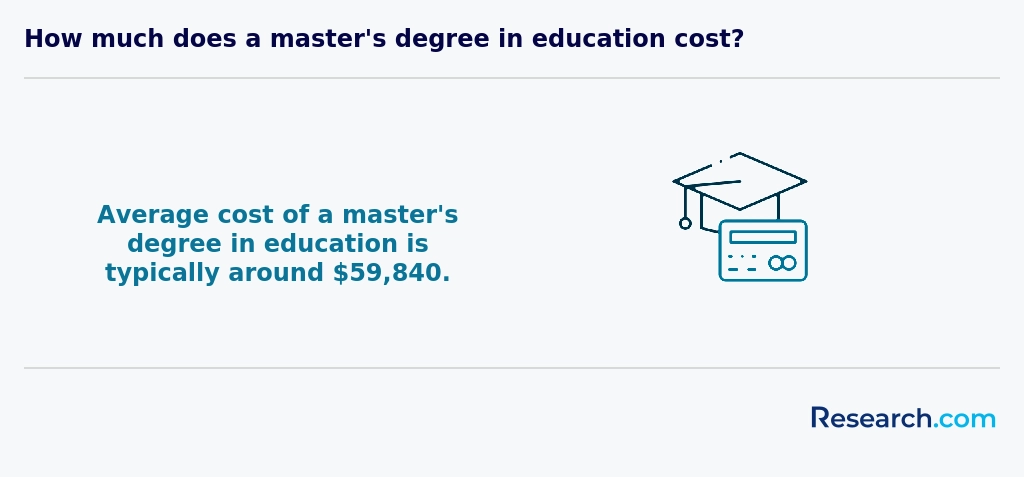
As an aspiring educator, you may find a wealth of resources both within your educational institution and externally to support your academic journey. At institutions like the University of Missouri, students can access virtual research assistance, writing assistance, and one-on-one tutoring services that can greatly enhance your learning experience. For those considering [affordable education programs in Missouri](https://research.com/rankings/education/most-affordable-education-mo), it's crucial to explore these resources to ensure you maximize your academic and professional growth. Externally, several organizations such as the Missouri Department of Elementary and Secondary Education offer valuable resources, including professional development opportunities, educational materials, and training programs. Moreover, the Missouri Nonprofit Association provides insights into community outreach and grant-writing skills, which are highly sought after in education-related roles. Additionally, federal loan forgiveness options, such as those available for teachers who work in public settings, especially in high-need fields, offer financial relief and make pursuing an education degree more feasible. Engaging with these resources can significantly impact your career prospects. For example, graduates from Missouri State University have reported leveraging external resources to secure rewarding careers in educational administration and policy-making roles. By staying connected with both internal and external resources, you can stay at the forefront of educational trends and opportunities, ensuring you make informed decisions about your career path.
Online education degree programs in Missouri offer an exciting blend of courses that prepare you to inspire and lead future generations. Graduates from well-known institutions like the University of Missouri and Missouri State University often highlight how foundational classes such as Educational Psychology opened their eyes to understanding student growth and motivation in real classrooms.
Courses like Curriculum Development help you craft engaging lesson plans that spark curiosity, while Instructional Technology shows you how to integrate modern tools that make learning dynamic and accessible-something many online students find empowering as they balance studies with life.
Assessment and Evaluation classes teach practical techniques to gauge student progress accurately, ensuring you can celebrate wins and address challenges confidently. Meanwhile, Classroom Management offers effective strategies to create positive, thriving learning environments, a skill graduates cherish when stepping into their first teaching roles.
Many programs also tailor courses to your career path, whether that's special education, leadership, or early childhood, aligning perfectly with Missouri's certification standards. Knowing you're gaining both theory and hands-on preparation fuels a sense of readiness and excitement for your educational journey.
Online education degree specializations Missouri students pursue often reflect the inspiring mission to transform classrooms and communities. Graduates from leading institutions like the University of Missouri or Missouri State University frequently highlight how specializations such as Curriculum and Instruction empower them to craft engaging lesson plans that truly resonate with diverse learners. Many find the Educational Leadership and Administration track energizing, preparing them to step confidently into roles like school principals or district leaders, shaping policies that uplift entire schools.
Others embrace specialized education master's programs Missouri offers in Special Education, where they gain the knowledge to create inclusive environments that celebrate every student's potential. Those passionate about early learning cherish the Early Childhood Education specialization, relishing the joy of laying strong educational foundations for young minds. With options like Reading and Literacy, educators refine their skills to foster lifelong learners. For a deeper dive into affordable paths, students often consult Inexpensive Online Education Degree Programs Ranking in Kentucky for guidance beyond Missouri.
Choosing the best online education degree in Missouri means focusing on what truly fits your life and goals. Graduates from well-known universities in Missouri often talk about how accreditation from respected bodies like CAEP or the Higher Learning Commission assured them their degree held real value. Imagine yourself growing through a curriculum tailored to your passion-whether that's special education, literacy, or educational leadership-just like many who successfully advanced their careers at Missouri's respected institutions.
Many students find that affordable online master's in education Missouri programs make a huge difference, allowing them to manage tuition ranging roughly from $10,000 to $20,000 while balancing work and study. The support services and flexibility offered by schools in Missouri truly helped others stay motivated and connected. If you're looking for innovative paths, consider programs that offer practical internship opportunities or explore the benefits of an online doctorate no dissertation, which some graduates found empowering for career growth.

Graduates with an online education degree in Missouri find themselves stepping into rewarding career opportunities that shape the future of learning across diverse settings. Many become licensed K-12 teachers, bringing passion and expertise to classrooms in Springfield, Columbia, or Kansas City, where state certification ensures they are well-prepared to inspire young minds. For those aiming higher, roles in educational leadership like school principals or district administrators offer fulfilling challenges, often supported by specialized tracks from Missouri's top institutions such as the University of Missouri or Missouri State University.
Career opportunities for education graduates Missouri also include positions as early childhood education specialists or childcare program directors, roles that bring meaningful impact in communities such as St. Louis. Others pursue exciting paths as curriculum developers, educational technology specialists, or higher education advisors, applying their skills in vibrant college environments. Many graduates express pride in using their degree to meet the state's growing demand for special education teachers.
Those considering the practical side of earning an education degree appreciate Missouri's affordability. Investing in an online degree here can open doors to a host of promising futures, encouraging students to explore the best paying 4 year degrees alongside their education focus.
The job market for online education degree jobs Missouri is promising and growing, especially for graduates from well-known institutions such as the University of Missouri and Missouri State University. These graduates often share stories of quickly finding rewarding teaching positions in both urban schools in Kansas City and rural districts where their flexible online training stands out. With Missouri's ongoing teacher shortage in special education, math, and science, many feel empowered to pursue careers knowing their skills are in high demand.
Graduates frequently describe how earning their degree online allowed them to balance work and family life while preparing for licensure pathways that Missouri supports. This combination of convenience and state certification eligibility opens doors to diverse roles beyond classroom teaching, including curriculum development and educational leadership. For those looking at cost-effective learning options, considering the best affordable online colleges for working adults in Missouri can make advanced degrees more accessible.
The Missouri job outlook for education graduates remains stable, offering various opportunities to contribute meaningfully to the state's education system and enjoy fulfilling careers fueled by passion and practical training.
2027 Easiest Online Master's in Education Degree Programs Ranking in Missouri
Investing in your education is a significant decision that can shape your future, and the Research.com team understands the importance of making informed choices. To assist prospective students in Missouri, we have meticulously crafted the "2027 Easiest Online Master's in Education Degree Programs Ranking in Missouri." Our commitment to quality, credibility, and accuracy is reflected in the extensive research and analysis conducted to compile this ranking.
We utilized the following reputable data sources to ensure a comprehensive evaluation of education programs:
By exploring this ranking, readers will gain valuable insights into the easiest and most accessible online master's programs in education in Missouri, enabling them to make confident and well-informed decisions about their academic futures. For more details on our methodology, please visit our Research.com methodology page.


# 4 position
Southeast Missouri State University
Master of Teaching English to Speakers of Other Languages (TESOL)




# 10 position
Missouri State University-West Plains
Master of Educational Administration
Frequently Asked Questions About education
Students pursuing online education degrees in Missouri can enhance their learning by actively engaging with course materials and instructors. According to the Missouri Department of Higher Education, consistent communication and participation in virtual discussions are key to success in online programs. Additionally, utilizing campus resources such as online tutoring and academic advising, often available even to remote students, improves comprehension and retention.
Time management is critical; setting a structured study schedule helps balance coursework with personal responsibilities. Missouri ranks well nationally for accessible online education, making it important for learners to select accredited programs to ensure quality and recognition of their degrees.
Emerging niches within the education field increasingly attract interest from Missouri students pursuing online degrees. Specializations such as educational technology and instructional design stand out, driven by the growing demand for digital learning environments. According to the Missouri Department of Elementary and Secondary Education, schools are expanding technology use, which creates opportunities for experts in this area.
Another key niche is special education, particularly for students with autism spectrum disorder. Missouri reports a steady rise in special education enrollment, highlighting the need for trained professionals.
Finally, early childhood education remains essential, as Missouri offers various state-funded programs promoting development in younger learners.
After earning an online education degree in Missouri, preparing for the job market involves several strategic steps. Graduates should start by researching Missouri's school districts, as these often have specific hiring requirements and salary scales. According to the Missouri Department of Elementary and Secondary Education (DESE), certification and licensure remain crucial even for online degree holders.
Networking plays a vital role; joining organizations like the Missouri National Education Association can open doors to job leads and professional development. Additionally, creating a strong resume that highlights online learning skills-such as digital communication and self-motivation-is important.
Missouri's average teacher salary was about $56,000 in 2023, per DESE, so negotiating based on local data can be effective.
Finally, consider internships or substitute teaching positions to gain local classroom experience, which many employers value highly.
Employers in Missouri prioritize several key skills when hiring graduates with education degrees. Strong communication abilities are essential, as educators must effectively convey information to diverse student populations. Classroom management skills are highly valued for maintaining a productive learning environment. Missouri's Department of Elementary and Secondary Education emphasizes adaptability, especially as schools increasingly integrate technology.
Moreover, critical thinking and problem-solving skills help teachers address varied student needs. According to recent state employment reports, collaboration and teamwork stand out as important, given the cooperative nature of school settings. Culturally responsive teaching is increasingly recognized, reflecting Missouri's growing diversity in student demographics.
Finding internships in Missouri relevant to an education degree involves a strategic approach combining online resources and local networking. The Missouri Department of Elementary and Secondary Education (DESE) offers internship opportunities that align with teacher certification requirements. Many online education programs in the state partner with local schools to provide practical experience.
Students should also explore Missouri's regional education centers, which often host internship postings. Websites like Handshake and Missouri Job Centers are valuable for finding openings in school districts.
Engaging with professional organizations such as the Missouri State Teachers Association can expand contacts and uncover hidden internship opportunities.
In 2023, nearly 75% of education majors in Missouri reported securing internships through university partnerships or local school collaborations, highlighting the importance of leveraging these connections.
Obtaining an online education degree in Missouri can significantly enhance career mobility and advancement opportunities. Many educators in Missouri seek master's degrees to meet licensure requirements or to qualify for salary increases. According to the Missouri Department of Elementary and Secondary Education, over 60% of teachers hold advanced degrees, which often lead to leadership roles such as curriculum coordinators or administrators.
The flexibility of online programs allows working professionals to earn credentials without leaving their jobs, enabling steady career progression. Additionally, Missouri's increasing demand for qualified educators supports graduates in securing higher-paying, specialized positions within the state's school districts and private institutions.
Studying for an education degree in Missouri prepares students for interdisciplinary roles by emphasizing broad-based knowledge and practical skills across multiple fields. Missouri's online education programs often integrate coursework in psychology, sociology, technology, and management to equip educators with diverse tools essential for varied professional environments.
According to the Missouri Department of Higher Education & Workforce Development, programs align with state standards that encourage cross-disciplinary understanding, enabling graduates to manage classrooms, support student mental health, and implement educational technology effectively.
This interdisciplinary focus helps future educators collaborate with specialists and adapt to diverse educational settings, enhancing their career flexibility beyond traditional teaching roles.
Choosing between a thesis and a non-thesis education degree program in Missouri depends largely on your career goals and learning preferences. Thesis programs typically require original research and are well-suited for students aiming for doctoral studies or research-oriented roles. Non-thesis options often focus on practical skills and coursework, ideal for professionals seeking leadership positions or career advancement in schools and districts.
Missouri's Department of Higher Education reports that many online master's programs offer both formats, with about 40% of students opting for non-thesis tracks to balance work and study. Cost and program length also vary; thesis paths may take longer due to research commitments.
Students based in Missouri seeking to study education abroad have several pathways available, primarily through partnerships between Missouri institutions and international universities. While fully online education degree programs in Missouri rarely offer direct foreign university enrollment, many schools provide study abroad options as part of their curriculum for on-campus students. According to the Missouri Department of Higher Education, about 4% of Missouri college students participate in study abroad programs, with education majors among them.
Additionally, some Missouri universities with online education degrees encourage short-term international placements or virtual exchange programs. These options help students gain global perspectives while completing their degrees. Students should consult their institution's international office to learn about specific agreements and support services.
Part-time job opportunities in Missouri that complement education degree studies often involve roles within schools and community programs. For instance, many students work as teacher aides or substitute teachers, gaining hands-on classroom experience while pursuing their online degrees. According to the Missouri Department of Elementary and Secondary Education (DESE), substitute teaching is accessible with minimal certification, making it a flexible option for education students.
Additionally, tutoring services provide valuable experience and are in demand across Missouri, especially in subjects like math and reading. Jobs at after-school programs or youth organizations also help build skills relevant to educational careers. Such roles not only enhance resumes but also deepen understanding of student needs and educational environments.
Online education students in Missouri have several networking opportunities despite not attending campus physically. Many Missouri universities offering online education degrees provide virtual events, webinars, and discussion boards that connect students with peers and faculty. For example, the University of Missouri system frequently hosts online career fairs and professional development workshops accessible to remote students.
Additionally, students can join state-based organizations such as the Missouri School Counselor Association or the Missouri Teachers Association, which offer special sections for graduate students. These groups provide access to conferences, local meetups, and mentorship programs that support networking and career growth.
According to the Missouri Department of Higher Education & Workforce Development, online learners benefit from regional education consortia that create collaborative learning and networking spaces tailored to state education professionals.
Alumni networks provide valuable support to online education degree students in Missouri by fostering connections that extend beyond graduation. These networks enable students to access mentorship, career advice, and professional opportunities from graduates established in Missouri's education sector. According to the Missouri Department of Higher Education, strong alumni engagement correlates with higher job placement rates for graduates.
Many universities in Missouri actively involve their alumni in virtual events and exclusive job boards, making networking accessible despite physical distance. This is especially important for online students, who may not experience traditional campus interactions.
Furthermore, active alumni networks can offer localized insights about Missouri's school systems, helping graduates tailor their career paths effectively. Such resources create a bridge between online learning and real-world application within the state's education community.
Customizing an online education degree program in Missouri involves selecting courses and specializations that align with your career goals. Many Missouri universities offer flexible degree plans allowing students to focus on areas such as curriculum development, administration, or special education. For instance, Missouri State University provides online master's degrees with multiple concentration options to suit diverse professional paths.
The Missouri Department of Higher Education encourages prospective students to explore programs accredited by the Council for the Accreditation of Educator Preparation (CAEP), ensuring high standards. Additionally, students may incorporate internships or practicum experiences within their local districts to gain practical skills relevant to their goals.
Advising services are commonly available to help tailor the program, mapping coursework to licensure requirements or leadership roles. This flexibility supports education professionals in meeting Missouri's evolving workforce needs, which the U.S. Bureau of Labor Statistics projects to grow by 7% through 2031.
Online education students in Missouri often face challenges related to access and engagement. Despite increased internet availability, rural areas in Missouri still report about 20% of households lacking high-speed broadband, which can hinder smooth online learning (Missouri Office of Broadband Development, 2023). Technical issues and platform navigation difficulties also frustrate many students new to online formats.
Another common challenge is balancing studies with personal and professional responsibilities. Research shows that over 40% of Missouri's online learners juggle full-time jobs, making time management critical but difficult (National Center for Education Statistics, 2022). Additionally, some students experience feelings of isolation due to limited face-to-face interaction with peers and instructors.
With an online education degree in Missouri, graduates can pursue several professional certifications that enhance their teaching credentials or expand career opportunities. One common certification is the Missouri Teaching Certificate, required for most public school educators in the state. Additionally, candidates can earn National Board Certification, a prestigious credential recognized nationwide for advanced teaching expertise.
Other options include specialized certificates such as the Missouri Reading Specialist Certificate or special education endorsements, which help educators meet specific student needs. According to the Missouri Department of Elementary and Secondary Education, possessing these certifications can improve job prospects and salary potential within Missouri's education system.
When applying for an online education program in Missouri, start by thoroughly researching the schools and their specific admission requirements. Missouri is home to several accredited institutions offering flexible online master's degrees in education, including the University of Missouri and Missouri State University, both recognized by the Council for Higher Education Accreditation (CHEA).
Focus on crafting a clear personal statement that highlights your teaching experience, career goals, and reasons for choosing online study. Admissions committees value applicants who demonstrate commitment to education and clear objectives.
Ensure your application includes strong letters of recommendation from supervisors or professors familiar with your professional skills.
Also, check if standardized test scores like the GRE are required, as requirements vary by program.
Globally, careers in education are valued for their vital role in shaping societies and fostering lifelong learning. In the United States, including Missouri, the demand for qualified educators remains strong, with the Bureau of Labor Statistics projecting an 8% growth in education jobs through 2031. Missouri alone anticipates a steady need for teachers, driven by increasing enrollment and efforts to improve educational outcomes, according to the Missouri Department of Elementary and Secondary Education.
Internationally, education careers emphasize cultural competence and adaptability, skills that online degrees in Missouri increasingly integrate. This global outlook benefits candidates who pursue teaching licensure or advanced degrees, preparing them to engage diverse classrooms and evolving educational technologies.
Gaining practical experience while pursuing an online education degree in Missouri is crucial for career readiness. Many Missouri universities incorporate student teaching or practicum components into their online programs, allowing students to complete hands-on training in local schools. The Missouri Department of Elementary and Secondary Education (DESE) requires supervised field experiences as part of teacher certification, ensuring students apply theory in real classroom settings.
Additionally, some programs partner with K-12 schools across Missouri to offer internships or mentoring opportunities. These experiences provide valuable insights into classroom management and instructional techniques, enhancing professional skills.
Volunteering or working as a substitute teacher can also supplement practical experience during degree completion.
Choosing the right concentration within an online education degree program in Missouri requires careful consideration of your career goals and interests. Missouri offers concentrations ranging from curriculum and instruction to educational leadership, each aligning with distinct roles in the education field. According to the Missouri Department of Elementary and Secondary Education, areas like special education and STEM teaching are in high demand.
Research local job market trends to identify which specializations are growing. For instance, schools in Missouri increasingly seek educators skilled in technology integration. Additionally, consider program accreditation and how the concentration supports licensure requirements in Missouri, ensuring your degree meets state standards for professional advancement.
- 2027 Easiest Online Master's in Education Degree Programs Ranking in Kansas
- 2027 Easiest Online Master's in Education Degree Programs Ranking in Iowa
- 2027 Easiest Online Master's in Education Degree Programs Ranking in Arkansas
- 2027 Easiest Online Master's in Education Degree Programs Ranking in Oklahoma
- 2027 Easiest Online Master's in Education Degree Programs Ranking in Illinois
- 2027 Easiest Online Master's in Education Degree Programs Ranking in Kentucky
- 2027 Easiest Online Master's in Education Degree Programs Ranking in Tennessee
- 2027 Easiest Online Master's in Education Degree Programs Ranking in Indiana
- 2027 Easiest Online Master's in Education Degree Programs Ranking in South Dakota
- 2027 Easiest Online Master's in Education Degree Programs Ranking in Minnesota
See What Experts Have To Say About Studying Education
Read our interview with Education experts

Alan J. Singer
Education Expert
Professor of Teaching, Learning and Technology
Hofstra University

Nooshan Ashtari
Education Expert
Professor & Book Author
University of Southern California

- Education Technology Trends to Watch in 2065: 10 Innovations Shaping the Future of Learning https://www.digitallearninginstitute.com/blog/education-technology-trends-to-watch-in-2026
- Home https://www.teachercertificationdegrees.com/
- Is a thesis always mandatory in a master's degree program? - EFMU: The Euler-Franeker Memorial University and Institute https://euler.euclid.int/is-a-thesis-always-mandatory-in-masters-degree-program/
- How To Write A Great Cover Letter For Teacher Training - Engage Education https://engage-education.com/blog/how-to-write-a-great-cover-letter-for-teacher-training/
- Promising Niches in the Global EdTech Landscape - Blog https://rocketech.it/blog/post/global-edtech-landscape-what-niches-are-the-most-promising
- Finding Networking Opportunities as a Student | National Society of High School Scholars https://www.nshss.org/resources/blog/blog-posts/how-to-find-networking-opportunities-as-a-student/
- Events & Opportunities https://connect.teachforall.org/events-opportunities
- Adult Degree Completion Program--Online Elementary Education https://www.mssu.edu/academics/education/teacher/degree-completion-program-elem-ed.php
- How to Write a Great Letter of Intent for a Teaching Job | Zen Educate https://www.zeneducate.com/us/resources/becoming-a-teacher/how-to-write-letter-of-intent-teaching-job/
- UCM Online https://www.ucmo.edu/academics/ucm-online/index.php


