
2027 Easiest Online Master's in Education Degree Programs Ranking in Tennessee

Co-Founder and Chief Data Scientist
Choosing the right online master's in education program can feel overwhelming, especially in Tennessee. To make this easier, the Research.com team of data scientists has created the 2027 Easiest Online Master's in Education Degree Programs Ranking in Tennessee.
This ranking helps you quickly identify degree programs that match your goals and lifestyle.
Reading this article will guide you toward programs known for accessibility and quality, empowering your journey to a rewarding career in education.
Investing in your education is a positive step that opens doors and builds confidence for the future.
Key benefits of getting online education degree in Tennessee
- The mean annual wage for education graduates in Tennessee is promising, with roles like Education Manager earning around $129,330 and Curriculum Specialists making about $77,200, showing strong earning potential.
- Graduates from Tennessee's popular universities often pursue careers as Higher Education Professors, Education Program Managers, or Education Consultants, reflecting diverse and rewarding paths in education.
- Completing an education degree online in Tennessee offers flexibility and convenience, allowing students to balance work and study, which enhances career growth without compromising personal commitments.
- Key benefits of getting online education degree in Tennessee
- What can I expect from online education degree in Tennessee?
- Where can I work with online education degree in Tennessee?
- How much can I make with online education degree in Tennessee?
- 2027 Easiest Online Master's in Education Degree Programs Ranking in Tennessee
- Key Findings
- How long does it take to complete online education degree in Tennessee?
- What's the difference between online and on-campus education degree?
- What is the average cost of online education degree in Tennessee?
- What financial aid is available to online education degree students in Tennessee?
- What are the prerequisites for enrolling in online education degree program in Tennessee?
- What courses are typically in online education degree programs in Tennessee?
- What types of specializations are available in online education degree programs in Tennessee?
- How do you choose the best online education degree in Tennessee?
- What career paths are available for online education degree students in Tennessee?
- What is the job market for online education degree in Tennessee?
- Related Education Rankings for Nearby States
- Top Trending Education Rankings
- See What Experts Have To Say About Studying Education
What can I expect from online education degree in Tennessee?
For many online education students in Tennessee, affordability is a welcome surprise. Graduates from Memphis or Middle Tennessee State University often share how the cost feels like a savvy investment rather than a burden. Thanks to online programs, the average tuition runs about 20% lower than traditional campus routes, making dreams more accessible without sacrificing quality.
Imagine balancing coursework alongside a job or family commitments, knowing tuition won't break the bank. Southern residents frequently enjoy in-state rates, which further ease financial worries. Financial aid earmarked specifically for online learners adds yet another supportive layer, helping students focus on learning instead of stressing over bills.
These programs aren't just cheaper-they come with the credibility of Southern Association of Colleges and Schools accreditation. For those juggling busy lives yet aiming high, Tennessee's flexible and cost-effective online degrees in education open doors with welcoming affordability and practical support, setting students up for success in classrooms or leadership roles across the state.
Where can I work with online education degree in Tennessee?
Graduates with an online education degree from institutions like the University of Tennessee or Belmont College often find themselves stepping confidently into vibrant classrooms across the state. Imagine joining one of the 72,000+ teachers shaping young minds in Tennessee's public schools, from bustling Nashville to quiet rural communities eager for passionate educators.
Many alumni share excitement about earning their state certification online and immediately applying it by teaching English, math, or special education in K-12 schools. Others discover unexpected opportunities, taking roles in charter schools or early childhood centers, where advanced degrees open doors to specialized positions.
Some graduates eagerly embrace leadership, advancing as curriculum coordinators or principals with support from Tennessee's clear pathways to administration. The surge in digital learning is another thrilling frontier: virtual teaching and educational technology roles are rapidly emerging, especially in districts expanding their online programs.
Whether working as adjunct professors at community colleges or driving literacy initiatives with nonprofits, graduates relish the diverse career journeys an online education degree in Tennessee unlocks.
How much can I make with online education degree in Tennessee?
Imagine graduating from a respected Tennessee university with an online education degree and stepping into a career filled with opportunity. Graduates from institutions like the University of Tennessee or Vanderbilt often find themselves in roles where salaries reflect their dedication. For instance, education managers-those inspiring teams and shaping programs-earn around $129,330 annually, a rewarding reflection of their influence on the state's education landscape.
Others who pursued online degrees find fulfilling careers as education program managers, making approximately $104,920 a year. This role blends leadership with strategy, perfect for graduates who enjoyed collaborative projects during their studies at Tennessee State University. For those specializing as curriculum specialists, the mean salary is about $77,200, allowing them to craft learning experiences that shape the future.
Education consultants also see competitive earnings near $95,600 annually, often working alongside schools and districts to innovate and improve. Higher education professors in Tennessee earn a mean wage of around $96,570-a great path for graduates passionate about advancing knowledge at colleges like Middle Tennessee State University.
In Tennessee's vibrant education field, earning potential rises alongside your ambition and unique path, with many graduates discovering how their online degree opens doors to exciting and lucrative roles.
2027 Easiest Online Master's in Education Degree Programs Ranking in Tennessee
How do we rank schools?
Investing in your education is a significant decision that can shape your future, and the Research.com team recognizes the importance of making well-informed choices. To support prospective students seeking accessible master's programs in Tennessee, we carefully developed the "2027 Easiest Online Master's in Education Degree Programs Ranking in Tennessee." Our emphasis on quality, credibility, and accuracy is demonstrated through rigorous research and thorough analysis.
We utilized the following reputable data sources to ensure a comprehensive evaluation of education programs:
By consulting this ranking, readers will discover valuable insights into the most accessible online master's in education programs in Tennessee, empowering them to choose the right path with confidence. For a deeper understanding of how the ranking was created, please visit our Research.com methodology page.


Key Findings
- Tennessee offers fully online and hybrid education degree programs through accredited institutions, providing flexibility for students balancing other commitments.
- The average cost for a master's-level online education degree ranges from $10,000 to $25,000, with public universities offering lower tuition for in-state residents.
- Starting salaries for education graduates in Tennessee are typically between $42,000 and $45,000 per year, increasing to $55,000 to $60,000 with experience or advanced certifications.
- There is steady demand for teachers in Tennessee, especially in rural areas and in subjects like math, science, and special education.
- Graduates usually must complete state-approved programs, pass the Tennessee Teacher Licensing Assessments, and meet background check requirements for licensure.
- Online programs often include part-time and accelerated options plus support services like academic advising and career counseling tailored to educators.
How long does it take to complete online education degree in Tennessee?
The magic lies in tuning your study tempo, using transfer credits to leap ahead, and tapping summer courses to speed up. Online learners in Tennessee often celebrate this personalized journey as a way to balance ambition with life's beautiful chaos.
What's the difference between online and on-campus education degree?
Imagine balancing coursework around a busy Tennessee teaching schedule without hopping on campus-that's the reality for many online education degree students at Middle Tennessee State University or the University of Tennessee at Chattanooga. These graduates often share how the freedom to study anytime, anywhere, transforms their learning experience, letting them dive into assignments after work or during weekend breaks.
In contrast, on-campus students soak up the buzz of university life, attending lively lectures and collaborating face-to-face with professors and peers. They enjoy the electric atmosphere of libraries and campus events-something hard to replicate online but deeply rewarding for those craving direct human connection.
Tuition-wise, online programs usually trim costs by cutting commuting and housing expenses, though the actual tuition may be similar. Yet, the true catch is the flexible scheduling online learners adore versus the structured timetable on-campus students follow, meeting at regular times for classes and labs.
Both paths meet Tennessee's rigorous accreditation standards, ensuring your degree holds value whether you're logging in from home or walking across a campus quad bustling with life.
What is the average cost of online education degree in Tennessee?
The average cost of an online education degree in Tennessee opens a window into an exciting journey balancing quality and affordability. Graduates from the University of Tennessee system often share how their in-state tuition, hovering around $17,494 in total, made pursuing a master's degree achievable without overwhelming financial stress. This total tuition and fees for online education degree in Tennessee reflect median in-state costs, offering students a clearer picture of what to expect as they map out their educational adventure. Imagine enrolling in a program where technology fees are minimal or included, helping to keep the overall expense manageable while still receiving top-notch instruction.
Contrast this with graduates from private Tennessee colleges, where tuition can stretch beyond $31,000, a reflection of the higher per-credit cost but often balanced by smaller class sizes and personalized attention. Many students describe the experience as worth the investment, especially when scholarships and financial aid soften the load, turning what seemed daunting into an empowering milestone. Prospective learners inspired by stories like these often seek the cheapest education programs in tennessee to find hidden gems that fit their budget and ambitions.
Those pursuing these degrees appreciate how Tennessee's competitive pricing encourages exploration within the Southeast, supporting future educators with affordable and flexible learning paths. Whether it's nearer the median in-state total or the broader state average, the financial outline helps students make informed, confident decisions on their educational voyage.

What financial aid is available to online education degree students in Tennessee?
Exploring financial aid for online education degrees in Tennessee opens a gateway to exciting opportunities. Many students find federal student aid through FAFSA to be a stepping stone, unlocking grants, loans, and work-study options that make the journey manageable. While graduate students often lean on federal loans with appealingly low interest rates, undergraduates enjoy the benefit of grants like the Federal Pell Grant.
Imagine a graduate from the University of Tennessee discovering state aid through the Tennessee Student Assistance Corporation (TSAC). Programs like the Tennessee Education Lottery Scholarship can brighten their path, easing tuition burdens for qualifying students, especially undergraduates, while some master's candidates tap into additional TSAC scholarships tailored to their needs.
At institutions like Tennessee State University, many have thrilled to institutional scholarships and assistantships, rewarding strong academics and financial need alike. Teachers already in Tennessee schools embrace loan forgiveness programs and professional development grants, turning career advancement into an exciting adventure rather than a financial worry.
Private scholarships from community foundations and the Tennessee Education Association (TEA) add another hopeful dimension, making education degrees in Tennessee feel both accessible and inspiring.
What are the prerequisites for enrolling in online education degree program in Tennessee?
Diving into an online education degree in Tennessee means first holding a bachelor's degree from an accredited school-often from places like the University of Tennessee or Middle Tennessee State University. Graduates describe the thrill of seeing their transcripts accepted after proving academic strength, usually a GPA around 3.0 or higher, which opens doors to mastering graduate coursework with confidence.
Many students share how showing professional experience or even a Tennessee teaching license brought real momentum to their application, especially for specialized paths like curriculum design or educational leadership. Imagine the pride in meeting state standards that align perfectly with career goals!
While the GRE isn't always mandatory, some adventurous applicants at competitive programs successfully navigated the process by showcasing their passion and school experience instead. Reliable internet and tech-savvy skills are essential companions on this journey, with students appreciating resources offered by local universities to stay connected and engaged.

What courses are typically in online education degree programs in Tennessee?
Imagine diving into courses like Foundations of Education or Educational Psychology while attending a popular Tennessee university, all from your favorite study nook at home. Graduates often describe how curriculum development classes transformed their approach to crafting engaging lessons that truly resonate with diverse students across Tennessee's varied classrooms.
These online programs frequently spotlight practical gems like Instructional Technology Integration, where learners explore digital tools that bring lessons to life-perfect for today's tech-savvy K-12 environment. For instance, students at well-known institutions feel empowered applying these skills during their supervised practicum, bridging theory and practice seamlessly.
Many graduates recall how courses on Classroom Management and Diversity Education opened their eyes to inclusive strategies that support all learners, especially in culturally rich Tennessee communities. Tackling topics like special education basics and English language learner support prepares you thoroughly for certification and real classroom triumphs.
Hands-on learning through internships, required even in remote setups, completes this adventurous journey. It's a dynamic mix that makes online education degrees from Tennessee both rigorous and rewarding, sparking excitement about the future of teaching.
What types of specializations are available in online education degree programs in Tennessee?
Diving into online education degree specializations in Tennessee opens up exciting paths tailored to your ambitions. Imagine yourself at a top institution like the University of Tennessee, exploring Curriculum and Instruction to master innovative teaching strategies that truly engage K-12 learners. Graduates from state colleges often share how Educational Leadership and Administration specializations empower them to confidently step into roles as school principals, transforming school cultures with fresh ideas.
If you're drawn to making a real difference for students with unique needs, Special Education specialization is a rewarding choice embraced by many Tennessee online master's in education programs. These programs equip you with skills to champion inclusion and accessibility, fostering success stories that deeply resonate with grads from Middle Tennessee State University. Meanwhile, Reading and Literacy focuses on sparking a love for reading, a vital mission in Tennessee's communities.
For those excited by technology's role in classrooms, Instructional Technology offers a cutting-edge focus that alumni praise for blending creativity and practical skills. Whether you're ready to lead or teach, these pathways invite exploration and growth, making online learning in Tennessee both flexible and impactful. Explore more about online masters degrees in education and find your adventurous fit.
How do you choose the best online education degree in Tennessee?
Choosing the best online education degree in Tennessee means diving into what truly fits your life and ambitions. Imagine a graduate from the University of Tennessee who thrived on asynchronous classes, enjoying the freedom to study between shifts at their job. This flexibility often defines the appeal of Tennessee's programs. Consider programs with solid accreditation like those recognized by SACSCOC, ensuring your degree holds weight when stepping into classrooms or school leadership roles.
Think about the type of education path that excites you-whether it's a bachelor's completion or a specialized master's in educational leadership. Graduates from Middle Tennessee State University found aligning their degree with licensure requirements on Tennessee's Department of Education site made their journey smoother and more rewarding.
Cost can spark a sense of relief or worry. Fortunately, affordable online master's in education Tennessee options often come between $7,000 and $10,000 annually at public universities. Those wanting to explore financial options should check out Low Cost Online Education Degree Programs Ranking in Texas for comparison and inspiration.
What career paths are available for online education degree students in Tennessee?
Graduates holding an online education degree in Tennessee find themselves stepping into a vibrant world of opportunities. Many eagerly become classroom teachers, embracing roles in elementary education or special fields like STEM, motivated by the state's clear certification paths and robust online programs from popular institutions like the University of Tennessee or Middle Tennessee State University. These graduates often share stories of meaningful connections with students, making teaching jobs with online education degree Tennessee feel like a calling rather than just a job.
Others venture into instructional coordination, crafting dynamic curricula that elevate learning across districts. Imagine working behind the scenes, shaping how thousands of students engage with knowledge. Then there's school administration-graduates thrive as principals or education administrators, leading schools with passion and advanced leadership degrees, turning challenges into rewarding innovations.
Some explore educational technology, pioneering virtual classrooms and distance learning strategies. For adult education or workforce training, graduates unlock doors for diverse learners. Those interested in policy analysis or special education find deep fulfillment influencing statewide reforms or supporting students with disabilities. Many also discover the joy of higher education roles, such as academic advising.
Curious about expanding your skill set? Check out the top online school for trade skills to diversify your career options and complement your education degree.
What is the job market for online education degree in Tennessee?
The job market for graduates holding an online education degree in Tennessee is bursting with opportunity. Numerous educators from well-known universities in the state share stories of stepping confidently into classrooms across both bustling cities and rural communities where their skills fill vital gaps. With a high demand especially in special education, STEM, and ESL fields, graduates feel a real sense of purpose as they contribute to shaping Tennessee's future.
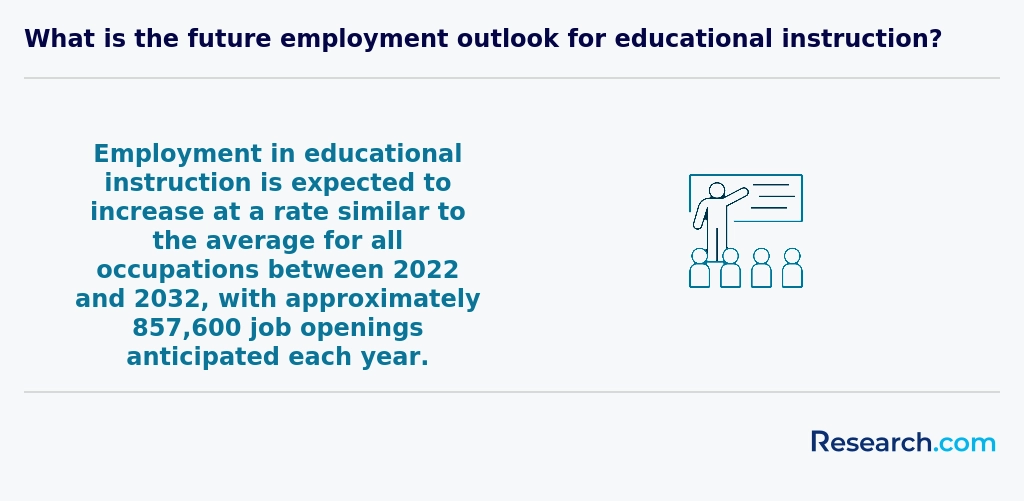
Employment opportunities for education graduates Tennessee-wide reflect strong growth trends, supported by projections indicating steady job openings in teaching and educational administration. Flexible online programs at Tennessee colleges allow students to balance their studies with life's demands, making career advancement accessible. Many alumni celebrate the affordability of degrees here, noting how tuition costs are friendlier compared to other states, while also benefitting from scholarships and financial aid.
For those curious about financial rewards and long-term prospects, it's exciting to know that Tennessee teachers earn competitive wages that grow with experience and specialization. Those inspired by education often explore paths that can open doors to leadership or specialized roles. If you're driven to discover which trade school job pays the most, envisioning a rewarding career in education just might be your next adventure.
Frequently Asked Questions About education
Students pursuing online education degrees in Tennessee can enhance their learning by establishing a structured study schedule. Research shows that consistent routines improve retention and time management, especially in asynchronous courses.
Engaging actively in virtual discussions and group projects helps deepen understanding and builds professional networks. Tennessee's higher education institutions often provide dedicated online student support, including tutoring and library access, which students should utilize fully.
Staying informed about Tennessee's educational policies and K-12 standards can also benefit candidates aiming for teaching certification. The Tennessee Higher Education Commission offers resources that align degree content with state requirements, ensuring practical relevance.
Finally, balancing coursework with practical experience through internships or school partnerships available in Tennessee strengthens both skills and resumes.
The education field is rapidly evolving, with several emerging niches gaining attention, especially for students pursuing online degrees in Tennessee. One prominent area is educational technology, which integrates digital tools to enhance learning experiences. Tennessee has seen increased investments in this niche to support remote and hybrid schooling models.
Another growing area is special education, where there is rising demand for experts trained to assist diverse learners, including those with disabilities and behavioral challenges. According to the Tennessee Department of Education, vacancies in special education teaching roles have increased by 8% in recent years.
Additionally, STEM education, particularly in science and math teaching, remains a key focus. Programs tailored to these niches prepare educators to meet state goals of improving student outcomes in critical subjects.
Graduates with an online education degree in Tennessee should focus on building a strong resume that highlights both their academic achievements and any practical experience gained through internships or student teaching placements. Tennessee's Department of Education reports that candidates with hands-on classroom experience tend to have a higher job placement rate.
Networking is also critical. Joining professional associations such as the Tennessee Education Association can provide valuable contacts and access to job fairs specific to the state. Additionally, obtaining Tennessee teaching licensure after graduation remains essential for many positions.
Job seekers should utilize local resources like the Tennessee Department of Labor and Workforce Development, which offers employment data and career counseling tailored to educators. Staying updated on regional salary trends-where the average teacher salary in Tennessee is approximately $58,000 as of 2023-can also help graduates negotiate effectively.
Employers in Tennessee highly value education degree graduates who demonstrate strong communication skills. The ability to convey ideas clearly to diverse student populations is essential, especially given Tennessee's growing emphasis on inclusive education.
Critical thinking and problem-solving capabilities are also in demand. Graduates must adapt instructional methods to meet varying learning needs, reflecting Tennessee's commitment to personalized education approaches, as noted by the Tennessee Department of Education.
Classroom management skills rank among the top priorities. Tennessee schools increasingly seek educators who can create safe, productive learning environments.
Finally, technological proficiency is critical. With Tennessee expanding remote and hybrid learning opportunities, graduates skilled in digital tools have a competitive edge in the job market.
Finding internships in Tennessee relevant to an education degree involves several strategic steps. Start by exploring resources at Tennessee's public universities, such as the University of Tennessee system, which often provides internship placement support for education majors. Many school districts across Tennessee partner with local universities to offer internships that fulfill state licensure requirements.
The Tennessee Department of Education website lists approved internship programs and provides guidance on licensure pathways. Additionally, platforms like Handshake and regional education job fairs are valuable for discovering local internship openings.
Given that Tennessee has over 2,000 public schools, many districts offer classroom-based experiences tailored for education students. Networking with faculty and joining professional organizations like the Tennessee Education Association can further enhance opportunities.
Obtaining an online education degree in Tennessee can significantly impact career mobility and advancement. Tennessee's commitment to improving education quality means graduates with credentials often find increased opportunities for promotion and higher salaries.
For example, according to the Tennessee Department of Education, teachers with a master's degree can earn up to 15% more than those with only a bachelor's degree. This financial incentive encourages professionals to pursue further education online, especially given the flexibility it offers.
Moreover, many school districts in Tennessee require advanced degrees for leadership roles such as curriculum coordinators or principals. Online programs accredited by regional agencies ensure graduates are qualified for these positions, enhancing career trajectories.
Finally, online education degrees help individuals adapt to evolving teaching standards, making them competitive in Tennessee's growing educational job market.
Studying for an education degree in Tennessee through online programs often emphasizes interdisciplinary skills. These degrees combine pedagogy, psychology, and subject-specific knowledge, enabling graduates to work effectively across various educational settings. Tennessee's higher education institutions align their curricula with state standards and workforce needs, preparing students to address diverse challenges in schools and community organizations.
Programs include coursework in technology integration, leadership, and curriculum design, which are crucial for interdisciplinary roles. According to the Tennessee Higher Education Commission, more than 35% of education graduates engage in roles beyond traditional teaching, such as counseling, administration, or educational technology.
This broad preparation helps graduates adapt to evolving education environments, meeting the needs of varied learner populations statewide.
When choosing between a thesis and a non-thesis education degree program in Tennessee, consider your career goals and learning preferences. Thesis programs require original research and a detailed written report, preparing students for roles in academia or research-focused positions. Non-thesis programs typically emphasize coursework and practical skills, suited for those aiming to advance in teaching or administration.
Tennessee's higher education institutions often offer both options in online formats, allowing flexibility. According to the Tennessee Higher Education Commission, about 45% of master's students opt for non-thesis pathways because they can be completed faster and focus on applied knowledge.
Evaluate program requirements, time commitments, and your professional objectives carefully.
Students in Tennessee seeking to study education abroad through online degrees have several practical options available. Many regionally accredited universities offer online master's programs in education with international study components or partnerships. These programs allow students to gain global perspectives while completing their degrees remotely.
The University of Tennessee system, for example, provides online education degrees with opportunities for study abroad or international research projects integrated into the curriculum. According to the Tennessee Higher Education Commission, over 15% of graduate students in education utilize online platforms, reflecting growing accessibility.
Additionally, students can participate in faculty-led study abroad sessions or virtual exchanges organized by Tennessee institutions, facilitating international experience without disrupting degree progress. This combination supports Tennessee learners in expanding their global understanding within the U.S. education system framework.
In Tennessee, part-time job opportunities that complement education degrees often focus on roles within the educational and community sectors. Many students pursue positions as teacher assistants, which provide practical classroom experience and help develop instructional skills relevant to future teaching careers. According to the Tennessee Department of Education, there is steady demand for paraprofessionals in public schools, making this a valuable option.
Other common roles include tutoring services, where individuals support K-12 students in various subjects, enhancing both teaching proficiency and student engagement strategies.
Additionally, jobs in after-school programs and educational nonprofits can strengthen leadership and curriculum development skills. These opportunities offer flexible hours that fit well alongside online education degree programs.
Online education students in Tennessee have a variety of networking opportunities despite their remote status. Many universities in the state, such as the University of Tennessee and Tennessee State University, offer virtual events, webinars, and discussion forums designed to connect online learners with peers and faculty. According to the Tennessee Higher Education Commission, these institutions increasingly emphasize digital engagement to foster community among distance learners.
Professional organizations like the Tennessee Education Association also provide online networking platforms and local chapter meetings, which can help students connect within the state's education community. Additionally, LinkedIn groups specific to Tennessee educators offer ongoing peer support and job leads.
Alumni networks offer considerable benefits to students pursuing online education degrees in Tennessee. These networks provide access to a broad community of graduates who often share job leads, mentoring, and professional advice. In Tennessee, institutions like the University of Tennessee system actively engage alumni to support current students, with reported alumni participation rates around 30%, which helps strengthen career connections.
Research shows that alumni contacts can improve employment prospects, especially important in education fields where networking supports job placements in schools across the state. Additionally, many alumni networks host workshops and networking events accessible online, making them highly valuable for remote learners.
Customizing an online education degree program in Tennessee allows students to focus on areas that match their career goals. Many Tennessee universities offer concentrations such as curriculum development, educational leadership, or special education. By choosing specific electives, students can tailor their learning to meet local school district requirements or state certification standards.
Tennessee also provides flexible scheduling options for working professionals, including part-time study and accelerated courses. According to the Tennessee Higher Education Commission, over 30% of education graduate students enroll in online programs, highlighting strong demand for adaptable learning.
Advisors play a key role in guiding students through course selection to align with licensure and career advancement.
Online education students in Tennessee often face challenges related to time management and balancing studies with personal and professional responsibilities. According to the Tennessee Higher Education Commission, many adult learners juggle work, family, and coursework simultaneously, which can increase stress.
Technical difficulties also pose barriers, especially in rural areas where reliable internet access remains limited. The Federal Communications Commission reports that about 12% of Tennesseans lack broadband access at home, affecting their ability to participate fully in online programs.
Additionally, some students struggle with feelings of isolation due to limited face-to-face interaction, which may impact motivation and engagement. Tennessee universities are developing support resources, but gaps remain that affect student retention and success in online education.
With an online education degree in Tennessee, you can pursue various professional certifications to advance your career. One common path is obtaining a teaching license through the Tennessee Department of Education, which requires passing the Praxis exams.
Other certifications include endorsements in special education, English as a Second Language (ESL), and STEM fields. Many educators also pursue National Board Certification, a respected credential that can increase salary and job opportunities.
Additionally, administrators might seek licensure for school leadership roles, such as principal or supervisor certification.
These credentials enhance career flexibility and are supported by Tennessee's education workforce development initiatives.
Writing a winning application for an online education program in Tennessee begins with thorough research. Applicants should carefully review admission requirements from institutions such as the University of Tennessee or Tennessee State University. These schools often require official transcripts, letters of recommendation, a statement of purpose, and sometimes standardized test scores.
Highlighting relevant teaching experience and clear career goals strengthens your application. Use the statement of purpose to explain why an online format suits your learning style and professional needs. In Tennessee, about 55% of education graduates find jobs within a year, so demonstrating career readiness is crucial, according to the Tennessee Higher Education Commission.
Also, ensure all documents are submitted before deadlines, typically in spring or summer for fall admission. Tailoring your application to each program's unique focus increases your chances of acceptance.
Globally, education careers are viewed as vital to societal progress and economic development. In the United States, including Tennessee, there is growing recognition of the need for skilled educators who can adapt to diverse learning environments. According to the Tennessee Department of Education, the demand for qualified teachers is expected to rise by 6% over the next decade, reflecting national trends. Online education degrees offer flexible pathways for professionals to enter or advance in this field. Internationally, education professionals are valued for their roles in shaping future generations, but standards and career expectations can vary widely from country to country.
Gaining practical experience while pursuing an online education degree in Tennessee is crucial for career readiness. Many accredited Tennessee programs include student teaching or internship components, which must be completed in-person at local schools. These placements allow candidates to apply theory in classroom settings under the guidance of certified mentors.
Additionally, Tennessee's Department of Education encourages partnerships between universities and public school districts, helping students access diverse practicum sites. According to recent state reports, over 80% of education program students engage in supervised field experiences, enhancing teaching skills.
Online students can also participate in virtual simulations and interactive platforms provided by some institutions to complement real-world practice.
Choosing the right concentration within an online education degree in Tennessee starts with understanding your career goals. The state's education system emphasizes areas such as special education, curriculum design, and educational leadership, which are commonly offered concentrations.
Research from the Tennessee Department of Education shows a growing demand for teachers skilled in special education and STEM subjects. Selecting a concentration aligned with these needs can improve job prospects.
Additionally, consider program accreditation and how well the concentration aligns with Tennessee's licensure requirements. For example, leadership tracks often prepare candidates for principal or administrative certification recognized statewide.
Finally, review course flexibility and support services to ensure the concentration fits your schedule and learning style.
Related Education Rankings for Nearby States
- 2027 Easiest Online Master's in Education Degree Programs Ranking in Kentucky
- 2027 Easiest Online Master's in Education Degree Programs Ranking in Mississippi
- 2027 Easiest Online Master's in Education Degree Programs Ranking in Alabama
- 2027 Easiest Online Master's in Education Degree Programs Ranking in Georgia
- 2027 Easiest Online Master's in Education Degree Programs Ranking in North Carolina
- 2027 Easiest Online Master's in Education Degree Programs Ranking in Missouri
- 2027 Easiest Online Master's in Education Degree Programs Ranking in Arkansas
- 2027 Easiest Online Master's in Education Degree Programs Ranking in Virginia
- 2027 Easiest Online Master's in Education Degree Programs Ranking in Indiana
- 2027 Easiest Online Master's in Education Degree Programs Ranking in South Carolina
Top Trending Education Rankings
See What Experts Have To Say About Studying Education
Read our interview with Education experts

Nooshan Ashtari
Education Expert
Professor & Book Author
University of Southern California

Alan J. Singer
Education Expert
Professor of Teaching, Learning and Technology
Hofstra University

References
- Online Teaching Jobs | Elevate K-12 https://www.elevatek12.com/online-teaching-jobs/
- International teaching and education jobs https://www.tes.com/jobs/search/international
- Can Higher Education Improve Long-Term Career Success https://studysphereadvisors.com/how-higher-education-influences-long-term-career-growth/
- Online Colleges in Tennessee https://mycollegeguide.org/online-colleges-in-tennessee/
- Skills Employers Look for in Business Graduates – EU Business School https://www.euruni.edu/blog/skills-employers-look-for-in-business-graduates/
- Education Technology Trends to Watch in 2065: 10 Innovations Shaping the Future of Learning https://www.digitallearninginstitute.com/blog/education-technology-trends-to-watch-in-2026
- Events & Opportunities https://connect.teachforall.org/events-opportunities
- Why Is Education Important in Your Career Advancement? - KWSP Malaysia https://www.kwsp.gov.my/en/w/article/career-advancement
- Top 10 Effective Networking Tips for Students https://www.unfc.ca/blog/networking-tips-for-students
- Know more about thesis vs non- thesis: what is the difference? https://studyfans.com/en/blogs/816


