
2027 Fastest Online Doctorate in Education Degree Programs Ranking in the Midwest

Co-Founder and Chief Data Scientist
For aspiring educators in the Midwest, choosing the right doctorate program can shape your future. This article presents the 2027 Fastest Online Doctorate in Education Degree Programs Ranking in the Midwest, created by the Research.com team of data scientists. It is designed to help you make an informed choice about which programs best match your goals and lifestyle.
Discover programs that combine quality education with flexibility, allowing you to advance your career without compromising your commitments. Earning an education degree opens doors to meaningful opportunities and personal growth.
Key benefits of getting online education degree in the Midwest
- Graduates with education degrees in the Midwest can earn competitive salaries, such as Academic Deans making around $100,720 and University Presidents earning approximately $258,900 annually.
- Education degree holders often pursue diverse career paths including roles like University Professor or Department Chair, offering rewarding opportunities to shape future generations.
- Obtaining an education degree online from respected Midwestern universities offers flexibility and convenience, empowering students to balance work and study while gaining the same valuable skills as traditional programs.
- Key benefits of getting online education degree in the Midwest
- What can I expect from online education degree in the Midwest?
- Where can I work with online education degree in the Midwest?
- How much can I make with online education degree in the Midwest?
- 2027 Fastest Online Doctorate in Education Degree Programs Ranking in the Midwest
- Key Findings
- How long does it take to complete online education degree in the Midwest?
- Accreditation and Program Quality
- What's the difference between online and on-campus education degree?
- Effective Strategies for Succeeding in Your Online Education Journey
- What is the average cost of online education degree in the Midwest?
- Regional Education Opportunities and Trends
- What financial aid is available to online education degree students in the Midwest?
- Doctoral Research and Dissertation Support
- What are the prerequisites for enrolling in online education degree program in the Midwest?
- Program Accreditation and Recognition
- What courses are typically in online education degree programs in the Midwest?
- What types of specializations are available in online education degree programs in the Midwest?
- How do you choose the best online education degree in the Midwest?
- What career paths are available for online education degree students in the Midwest?
- What is the job market for online education degree in the Midwest?
- Top Trending Education Rankings
- See What Experts Have To Say About Studying Education
What can I expect from online education degree in the Midwest?
Students pursuing an online education degree in the Midwest often find tuition rates for in-state public institutions range from $500 to $900 per credit hour, making the overall cost more affordable compared to many coastal programs. For example, graduates from well-known public universities in states like Illinois or Ohio frequently mention appreciating this financial accessibility alongside available scholarships and employer tuition reimbursement programs. These supports ease the burden of long-term study, especially when balancing work and family responsibilities.
However, it's important to recognize that actual costs vary depending on program structure and enrollment intensity. Some students at hybrid programs in Michigan report additional expenses tied to occasional campus visits, which may influence their budgeting decisions. The region's generally lower cost of living also enhances the overall value, allowing students to invest more comfortably in their education without extreme financial strain.
Ultimately, the blend of competitive pricing and flexible scheduling contributes to graduates feeling empowered and motivated, confident that their financial investment aligns well with their career advancement goals in education leadership or policy roles.
Where can I work with online education degree in the Midwest?
With an online education degree from Midwestern institutions like the University of Illinois or Michigan State University, graduates often find themselves working in diverse roles within K-12 public school systems. Many alumni share how securing positions as teachers or curriculum specialists in states such as Ohio and Illinois felt rewarding, especially when their degrees included teacher certification or administrative credentials.
Others discover opportunities in higher education, working as instructional designers or academic advisors at community colleges and private universities. These roles allow graduates to contribute to innovative online and hybrid learning programs, a growing focus in this region's educational landscape.
Some graduates combine their education background with technology skills, gaining employment in education tech firms located in Chicago or Minneapolis. Real-life examples include roles in curriculum development or educational consulting, where creativity and instructional knowledge merge.
Additionally, the corporate sector offers emerging career paths in professional development and employee training. Graduates specializing in adult learning often express enthusiasm about helping companies improve leadership and compliance programs.
Lastly, working with nonprofit organizations or government agencies on education policy or community programs provides yet another meaningful route, especially in states like Wisconsin and Indiana, where graduates find purpose in contributing to regional educational progress.
How much can I make with online education degree in the Midwest?
Graduates of online education programs in the Midwest often find rewarding opportunities with competitive salaries, especially in leadership roles at universities. For instance, those who earn positions as academic deans can expect a mean annual wage of about $100,720, reflecting the advanced expertise and responsibility required. Graduates aiming higher may pursue roles such as provost or university president, both averaging salaries near $258,900 annually, showcasing the financial potential of top-tier administrative careers in education.
Midwest colleges known for strong education programs, like the University of Illinois or Ohio State University, frequently prepare graduates to step confidently into these roles. Many report feeling energized by the prospect of contributing to educational innovation while securing financial stability. However, salary growth often demands years of experience and demonstrated leadership, suggesting recent graduates might initially earn less while building their credentials.
While some educators start closer to $60,000, moving into mid- and upper-level positions significantly boosts earning potential. Graduates appreciate that the region's moderate cost of living makes these salaries particularly advantageous in achieving both career satisfaction and personal goals.
2027 Fastest Online Doctorate in Education Degree Programs Ranking in the Midwest
How do we rank schools?
Investing in your education is a significant decision that can shape your future, and the Research.com team understands the importance of making informed choices. To assist prospective students interested in online Doctorate in Education programs in the Midwest, we have meticulously crafted the "2027 Fastest Online Doctorate in Education Degree Programs Ranking in the Midwest." Our commitment to quality, credibility, and accuracy is reflected in the extensive research and analysis conducted to compile this ranking.
We utilized the following reputable data sources to ensure a comprehensive evaluation of programs:
By exploring this ranking, readers will gain valuable insights into the fastest accredited online Doctorate in Education degree programs in the Midwest, enabling them to make informed and efficient educational decisions. For more details on our research process, please visit our Research.com methodology page.
# 1 position
Indiana State University
Doctor of Educational Administration: Higher Education Leadership


# 8 position
University of South Dakota
Doctor of Educational Administration and Leadership, PreK-12 Educational Leadership Specialization


# 14 position
Bethel University, Minnesota
Doctor of Leadership (K-12 Education) (Higher Education)

# 16 position
University of Nebraska-Lincoln
Doctor of Educational Studies - Educational Leadership & Higher Education - Higher Education


# 19 position
Walden University
Doctor of Education


Key Findings
- Tuition for online education degrees at Midwestern public universities typically ranges from $8,000 to $15,000 per year.
- Private institutions in the Midwest may charge over $20,000 annually but often provide financial aid and scholarships for online learners.
- Early-career salaries for education graduates average between $45,000 and $50,000, with experienced professionals earning $60,000 or more.
- There is steady demand for teachers in special education, STEM, and bilingual education, especially in rural and suburban districts offering incentives.
- Most online education programs in the Midwest are accredited regionally, meeting state licensure requirements and supporting certification exam eligibility.
How long does it take to complete online education degree in the Midwest?
Completing an online education degree in the Midwest generally aligns with national timelines but offers notable flexibility that many graduates find beneficial. For instance, bachelor's degrees typically take about four years full-time, yet part-time students balancing family and work often extend their studies to five or six years or more. Graduates from universities in Illinois and Ohio often share how accelerated credit for prior experience helped them shave off valuable time.
Master's degrees commonly require two years full-time, but many students at institutions like Michigan State take longer, often three to four years, due to part-time enrollment. These learners appreciate the opportunity to attend summer sessions, reducing stress and allowing continued income.
Doctoral candidates at the University of Wisconsin and Indiana University experience a wider range, from three to six years. Those pursuing EdD programs reflect on how the demanding research and dissertation components require patience but also offer deep personal fulfillment.
The flexibility of year-round terms and credit transfers transforms potentially overwhelming timelines into achievable goals, making these pathways deeply rewarding for Midwestern learners.
Accreditation and Program Quality
Accreditation confirms that a school meets recognized educational standards, but program quality requires a closer look. A fast online doctorate may be appealing, but speed should not come at the expense of dissertation support, faculty access, curriculum depth, or career relevance.
When reviewing the fastest online doctorate programs in the Midwest, consider these quality indicators:
- Regional vs. national accreditation: Regional accreditation, including accreditation associated with bodies such as HLC, NCA, and MSCHE, is often preferred by employers and other institutions. National accreditation may apply to some specialized or career-focused schools.
- Specialized education accreditation: Look for program-specific recognition from organizations such as the Council for the Accreditation of Educator Preparation (CAEP) or the National Council for Accreditation of Teacher Education (NCATE), especially if the degree connects to educator preparation or licensure.
- Institutional reputation: Review faculty credentials, published research, program transparency, alumni outcomes, and available student support. High graduation rates and positive job placement statistics often signal a stronger support system.
- Curriculum rigor: A quality doctorate should include research methods, leadership theory, applied inquiry, ethics, policy, and specialization coursework aligned with your goals.
- Online infrastructure: Strong programs provide reliable learning platforms, library access, technical support, and virtual opportunities to interact with faculty and peers.
Cost also belongs in the quality conversation. A lower-priced program can be a strong choice if it is accredited, transparent, and well supported. Students comparing budget-conscious options may find the Low Cost Online Education Degree Programs Ranking in Flagstaff, AZ useful for thinking through affordability alongside academic standards.
What's the difference between online and on-campus education degree?
Online and on-campus education degree programs in the Midwest share core academic content, but their delivery and student experience differ notably. Graduates from institutions like the University of Illinois Urbana-Champaign report that online programs provide invaluable flexibility, allowing them to juggle full-time work and family while pursuing coursework remotely. This accessibility is vital in the Midwest, where balancing commitments is a common concern.
Conversely, students who attended traditional on-campus programs at places such as Michigan State University often describe a strong sense of community from face-to-face interactions, study groups, and direct access to campus resources. This environment fosters connection and mentorship that some find essential for professional growth in education careers.
While online degrees can reduce costs related to commuting and housing-key benefits highlighted by graduates from online tracks at Ohio State University-tuition rates may be comparable across formats. Additionally, some on-campus students benefit from scholarships or campus employment that online learners might miss.
Effective Strategies for Succeeding in Your Online Education Journey
Succeeding in an online education program requires more than logging in and completing assignments. Online doctoral and graduate students often balance coursework with full-time teaching, administration, family responsibilities, and professional obligations, so structure matters from the first term.
Build a realistic weekly system
Set fixed blocks for reading, writing, discussion posts, research tasks, and faculty meetings. Treat these blocks like work appointments. Doctoral programs move quickly when students make steady progress each week rather than waiting for large openings in their schedule.
Stay visible in the online classroom
Active participation helps you build relationships with faculty and peers, especially in programs where networking happens through discussion boards, virtual seminars, group projects, and video meetings. Ask questions early, contribute to peer feedback, and attend optional sessions when possible.
Use support services before you fall behind
Online students should take advantage of academic advising, writing centers, library consultations, research methods support, and technology help desks. These services are especially important in doctoral programs, where delays in research design, data collection, or dissertation approval can extend time to completion.
Connect the degree to your career plan
Choose papers, research projects, and practicum experiences that support your professional goals. If you are building expertise before or alongside doctoral study, reviewing options such as masters of education online programs can help you understand graduate-level pathways and specialization choices.
The students who benefit most from online education are usually those who plan ahead, communicate regularly, and use the flexibility of online learning without becoming isolated from the academic community.
What is the average cost of online education degree in the Midwest?
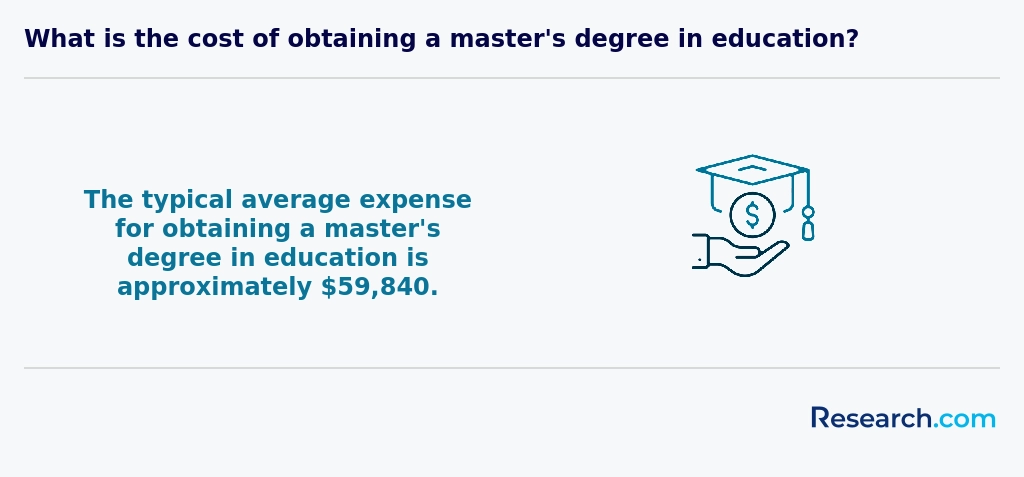
The average cost of an online education degree in the Midwest generally centers around a median total cost of about $46,276, reflecting a balance between in-state and out-of-state tuition rates. In-state students often experience more affordable pricing, with median costs near $36,360, while out-of-state students might face prices closer to $46,892. These numbers align well with experiences shared by graduates from popular Midwestern universities, where the flexibility of online programs often offsets some expenses typically associated with on-campus attendance.
Midwestern institutions like those in Illinois or Ohio have made strides in offering competitive and transparent tuition structures, recognizing that many students seek affordable online doctorate in education Midwest options without compromising quality. Graduates frequently highlight how tailored financial aid and scholarship services helped manage these tuition costs, making their investment in education feel worthwhile and achievable. This is particularly relevant to those considering advanced leadership roles in education, where program cost versus career outcome requires careful evaluation.
Aside from tuition, it's important to consider fees for technology and course materials, which can vary by university. Additional expenses can arise from travel if occasional on-campus residencies are required, though many programs strive to minimize these demands. For students weighing choices, examining affordable options through universities known for valuable education programs in North Dakota, for example, can uncover pathways that balance cost and quality effectively.
Regional Education Opportunities and Trends
The Midwest offers a broad range of online education pathways, including doctoral programs for educators who want to move into leadership, curriculum design, policy, research, or higher education roles. The region includes large public universities, state systems, private colleges, and institutions serving rural, suburban, and urban school communities.
Prospective students should pay attention to how each program connects to regional workforce needs. Midwestern schools often need educators who understand district leadership, teacher preparation, special education, instructional technology, and community-based education challenges. Students comparing programs may also find value in reviewing related state-specific options, such as valuable education programs in North Dakota, to understand how cost, curriculum, and institutional focus can vary across the region.
When evaluating regional opportunities, focus on practical indicators rather than reputation alone:
- Accreditation: Confirm that the institution is recognized by an appropriate accrediting body and that the program supports any licensure or certification goals you may have.
- Format: Check whether courses are asynchronous, synchronous, hybrid, cohort-based, or self-paced.
- Research fit: Look for faculty expertise that matches your dissertation or applied research interests.
- Local relevance: Consider whether the curriculum addresses Midwestern education policy, rural education, urban schooling, workforce development, or district leadership.
- Student support: Online doctoral students need strong advising, library access, writing support, and dissertation guidance to finish efficiently.
The fastest program is not automatically the best choice. A stronger decision weighs speed against academic quality, faculty access, cost, and the program’s usefulness in your target career path.
What financial aid is available to online education degree students in the Midwest?
Students pursuing online education degrees in the Midwest can tap into a range of financial aid options, though these often vary by institution and state. For example, many graduates from public universities such as the University of Illinois report significant relief through the Monetary Award Program (MAP), a state grant that eases tuition costs for in-state learners. Completing the FAFSA remains crucial; it unlocks federal aid including Pell Grants, which can cover up to $7,395 annually for eligible undergraduates, providing tangible support for many families juggling expenses.
Graduate students at schools like Ohio State University often rely on federal Direct Unsubsidized Loans and Grad PLUS Loans, as grant funding tends to be more limited at this stage, making careful budgeting essential. Additionally, institutional scholarships targeted at online education cohorts offer both merit- and need-based awards, which alumni frequently describe as pivotal to their academic persistence. Employer tuition assistance programs also play a significant role, particularly for mid-career teachers who find reassurance knowing their advanced studies are partially funded while they continue working.
While these aids prove invaluable, prospective students should critically evaluate each option's eligibility criteria and limitations. Not all aid fully covers the $9,000-$15,000 average annual tuition, so blending multiple sources often becomes necessary. Personal stories from alumni highlight how strategic use of these funds, combined with university payment plans, transforms financial barriers into achievable goals.
Doctoral Research and Dissertation Support
Dissertation support can determine whether an online doctorate is truly fast. Many students complete coursework on schedule but lose momentum during proposal development, data collection, analysis, or final manuscript revisions. Strong programs build research support into the doctoral experience rather than leaving students to navigate the process alone.
When comparing online doctorate in education programs in the Midwest, look for the following forms of support:
- Dedicated faculty mentors: Candidates should have access to advisors who provide feedback on research questions, methodology, proposal drafts, data collection plans, and dissertation chapters.
- Research methodology workshops: Useful programs offer training in qualitative and quantitative methods, statistical software, research ethics, and applied education inquiry.
- Dissertation boot camps and writing retreats: Structured writing sessions, peer review, and faculty-led workshops can help students maintain progress during the most demanding phase of the degree.
- Digital library access: Doctoral students need full access to education databases, journals, research guides, and librarian support for literature reviews and evidence-based research.
- Grant writing and funding assistance: Support with external funding opportunities, federal fellowships, foundation grants, sample proposals, and budgeting templates can be valuable for research-intensive projects.
- Statistical and technical support: Access to statisticians, instructional technologists, and software support helps prevent avoidable delays.
- Scholar-practitioner community: Virtual forums, research groups, and regional symposia can help online students build academic relationships and identify publication or presentation opportunities.
If affordability is a major concern before entering the dissertation phase, the Low Cost Online Education Degree Programs Ranking in Flagstaff, AZ can help frame how cost and academic support should be evaluated together. A low-cost program is most valuable when it also provides the advising and research infrastructure needed to finish.
What are the prerequisites for enrolling in online education degree program in the Midwest?
Enrollment in online education degree programs in the Midwest usually requires a bachelor's degree, often in education or related fields like psychology or sociology. Graduates from schools such as the University of Illinois or Michigan State frequently recall balancing prerequisite coursework with personal responsibilities before starting their online journey. While a minimum GPA of around 3.0 is commonly expected, some programs value other aspects of an applicant's profile, offering flexibility that uplifts nontraditional students.
Applicants must provide official transcripts, recommendation letters, and a thoughtful statement of purpose explaining their goals. One graduate reflected on how crafting a personal essay helped clarify their passion for teaching despite a non-linear career path. For many, proving relevant work experience is essential, especially in graduate programs, reinforcing readiness beyond academic credentials.
Standardized tests like the GRE may be waived by some Midwestern universities in favor of holistic assessment. Meanwhile, practical tech skills and reliable internet access are vital, echoing stories from students at Indiana University who stress how mastering digital tools enhanced their learning satisfaction and confidence.
Program Accreditation and Recognition
Accreditation should be one of the first items you verify when comparing online Doctorate in Education programs. It affects academic quality, employer recognition, federal financial aid eligibility, credit transfer, and, in some cases, professional licensure or certification.
Many reputable Midwest institutions hold regional accreditation from agencies such as the Higher Learning Commission (HLC). Some education programs may also hold specialized recognition from organizations such as the Council for the Accreditation of Educator Preparation (CAEP) or the National Council for Accreditation of Teacher Education (NCATE). These forms of accreditation signal that a school or program has gone through external review for standards such as faculty qualifications, curriculum design, student outcomes, and continuous improvement.
Before applying, confirm accreditation through the U.S. Department of Education’s Database of Accredited Postsecondary Institutions and Programs (DAPIP). Do not rely only on program marketing pages. If your goal includes principal licensure, superintendent certification, teacher advancement, or work across state lines, also contact your state education agency to confirm whether the program meets the requirements you need.
Students comparing affordability and accreditation together can also review the Low Cost Online Education Degree Programs Ranking in Flagstaff, AZ as an example of how cost and recognized quality should be considered side by side.
What courses are typically in online education degree programs in the Midwest?
Online education degrees in the Midwest usually include a mix of foundational and specialized courses that reflect both practical and theoretical needs. Graduates from institutions like the University of Illinois or Ohio State often mention how courses in educational psychology helped them understand diverse student behaviors in real classrooms, making lessons more engaging and effective.
Curriculum design is another staple, where students learn to create lesson plans that meet state standards while adapting to varied learning styles. For example, a graduate recalled adapting materials for remote learners during the pandemic, underscoring the real-world applicability of these skills.
Instructional technology courses are particularly valued for their focus on digital tools, crucial for online educators in the Midwest balancing face-to-face and virtual classrooms. Leadership and school law courses also prepare students for administrative roles, blending theory with cases from Midwestern school districts.
Electives such as special education respond to regional demands, with graduates describing meaningful experiences using inclusive teaching strategies in Illinois or Ohio schools. This variety supports diverse career paths, aligning with the workforce needs of the region.
What types of specializations are available in online education degree programs in the Midwest?
Online education degree specializations Midwest programs commonly include areas like Educational Leadership and Administration, Curriculum and Instruction, Special Education, Higher Education Administration, and Educational Technology. Graduates from universities in Ohio and Illinois often share how these tracks provide practical knowledge tailored to regional educational needs, such as managing districts or integrating digital tools in classrooms. Such specializations prepare students for leadership roles while addressing real-world challenges faced by Midwest schools.
Some graduates highlight that programs in public institutions balance theory with local practicum experiences, offering a palpable connection to their regional communities. Meanwhile, others appreciate the focus on emerging issues like data-driven decision making and educational equity. These emphasize responsiveness to diverse learners and aim to close achievement gaps, reflecting trends seen in many Midwest online doctorate in education options.
Students considering their path can benefit from exploring programs that align with their career goals, as seen in many institutions promoting affordable, flexible curricula. Prospective candidates can learn more about cost-effective options by reviewing masters of education online offerings in the region.
How do you choose the best online education degree in the Midwest?
Choosing the best online education degree in the Midwest requires careful attention to accreditation and flexibility to suit your lifestyle. Graduates from well-known Midwestern institutions often emphasize how accreditation by bodies like the Council for the Accreditation of Educator Preparation (CAEP) or the Higher Learning Commission (HLC) provided them with confidence in their degree's legitimacy-something that directly influenced their career advancement.
Cost also plays a significant role. While some students at public universities appreciated affordable tuition around $10,000 annually, others opted for private schools despite tuition costs exceeding $25,000, valuing specialized programs and faculty expertise. Comparing expenses beyond tuition, such as technology fees and textbooks, proved crucial-many found detailed cost assessments helpful to avoid surprises. For those seeking low cost, exploring Low Cost Online Education Degree Programs Ranking in Flagstaff, AZ offered useful insights although outside the Midwest.
Flexibility is key for balancing work, family, and study. Students praised asynchronous courses that allowed them to manage time independently, while others needed part-time options to progress steadily toward degrees. Real-life experiences from graduates of prominent Midwestern universities show that examining faculty support, student services, and licensure guidance can make all the difference when pursuing top accredited online doctorate programs Midwest.

What career paths are available for online education degree students in the Midwest?
Graduates holding an online education degree in the Midwest discover diverse career paths spanning from K-12 teaching to educational leadership. Many find rewarding roles as licensed teachers in states like Illinois and Ohio, where demand remains steady, especially in STEM and special education fields. Experiences shared by graduates from popular Midwest institutions highlight the flexibility of online programs that prepare students for certification while balancing personal commitments, thus fostering positive enthusiasm about their career prospects within the region's varied school districts. This flexibility is a key factor distinguishing these degrees.
Many also pursue advanced roles such as school principals or district administrators, reflecting the growing interest in Midwest education doctorate job opportunities. Graduates from universities known for strong online EdD programs report that leadership positions offer a meaningful way to impact education systems. However, it's important to consider that such roles often require significant experience beyond the degree itself.
Other promising careers include educational technology specialists and faculty positions at community colleges, where graduates apply their skills in real-life settings. Online education degree careers Midwest extend into nonprofit management or curriculum development, propelled by the region's supportive education networks. For those aiming for swift advancement, exploring a degree fast track can enhance opportunities, as many graduates attest to its effectiveness in speeding career growth without sacrificing depth.
What is the job market for online education degree in the Midwest?
The job market for online education degree jobs Midwest presents both promising opportunities and challenges. Graduates from well-regarded institutions in the region often find themselves well-positioned to fill roles in expanding school districts that seek flexible employees capable of handling diverse educational needs. For instance, graduates who earned their degrees from universities known for strong online education programs in Illinois and Ohio report positive career outcomes, especially in curriculum development and educational technology roles.
However, while demand grows in suburban and rural areas, it varies significantly by specialization. Those with expertise in STEM education or special education tend to see more openings than others. Moreover, working educators pursuing online degrees appreciate the ability to upskill without leaving current roles, a factor that makes advanced qualifications both attainable and practical in the Midwest job market for education graduates.
The affordability of these programs compared to traditional on-campus options, supported by competitive tuition rates, encourages many to explore pathways like the cheapest online college bachelor degree. This financial accessibility combined with a growing demand for qualified education professionals creates an encouraging environment for candidates in the Midwest.
Frequently Asked Questions About education
Online education degree students in the Midwest can maximize their learning by actively engaging with their virtual classrooms and peers. Research from the National Center for Education Statistics shows that students who regularly participate in discussions and group work tend to perform better academically.
Utilizing local library resources and academic support centers can also enhance learning, as many Midwestern institutions partner with public libraries for additional materials and tutoring services. Setting a consistent study schedule helps maintain focus, especially amid competing work and family responsibilities common in the region.
Students should also take advantage of technology tools offered by their programs, such as learning management systems and video conferencing platforms, to connect effectively with instructors and classmates.
Careful selection of accredited programs within the Midwest ensures that credits earned will be recognized by employers and meet state licensure requirements.
Emerging niches in the education field reflect evolving societal and technological needs, especially within the Midwest. One notable area is educational technology, where professionals develop innovative tools to improve student engagement and learning outcomes. The presence of tech-focused universities in Illinois and Ohio supports this growth.
Another rising niche is special education, driven by increased awareness and legal requirements to serve diverse learners. According to the National Center for Education Statistics, Midwestern states report steady growth in special education enrollment, highlighting demand for experts.
Additionally, there is expansion in online curriculum design, responding to the surge in remote learning. Educational leadership also remains critical, as schools seek leaders skilled in managing diverse, digital learning environments.
After completing an online education degree in the Midwest, preparing for the job market involves strategic planning. Begin by building a strong professional network through local education associations such as the Midwest Education Research Association. Networking can connect graduates to job openings specific to the region.
Internships or practicum experiences during your program increase employability by providing practical skills and local references. Data from the National Center for Education Statistics indicates that 70% of educators in the Midwest secure employment through networking and hands-on experience.
Updating your resume and LinkedIn profile to highlight online learning accomplishments and relevant certifications is essential. Also, researching local school districts and their certification requirements ensures better alignment with job expectations in the Midwest market.
Employers in the Midwest highly value education degree graduates who demonstrate strong communication skills. Effective verbal and written communication is essential for collaborating with students, parents, and colleagues. According to the National Center for Education Statistics, communication ranks among the top three skills needed in the region's schools.
Critical thinking and problem-solving abilities are also crucial. Midwest educators must adapt to diverse classroom environments and devise strategies to meet varied student needs.
Technological proficiency has grown increasingly important. As online and blended learning expand, graduates familiar with digital tools are preferred. The Illinois State Board of Education highlights tech competence as vital for 21st-century teaching.
Lastly, cultural awareness and adaptability are key, given the Midwest's evolving demographic landscape.
Finding internships relevant to an education degree in the Midwest involves leveraging local school districts, universities, and education-focused organizations. Many Midwest states, including Illinois and Ohio, report over 60% of education internships occur within public schools, providing hands-on experience in K-12 settings according to the National Center for Education Statistics (NCES).
Students should also explore partnerships between online degree programs and regional schools. These connections often offer structured placements. Additionally, state Departments of Education websites list approved intern opportunities for teacher candidates.
Networking with education professionals through platforms such as regional education conferences or organizations like the Midwest Education Research Association (MERA) can lead to internship openings.
Using university career services and job boards focused on Midwest educational institutions further increases chances of finding relevant internships.
Online education degrees in the Midwest significantly enhance career mobility and advancement opportunities for educators and administrators. According to the National Center for Education Statistics, 45% of Midwest teachers holding advanced online degrees report promotions within five years of graduation. These degrees offer flexibility, allowing working professionals to balance studies and employment, thus maintaining career momentum. Employers increasingly value the technological proficiency and self-discipline gained through online learning, skills that align with growing digital demands in education. Additionally, credential recognition in states like Illinois, Michigan, and Ohio supports statewide licensing portability, making it easier for graduates to seek roles across multiple school districts and educational institutions.
Studying for an education degree in the Midwest offers strong preparation for interdisciplinary roles by integrating diverse fields such as psychology, sociology, and technology. Midwestern universities emphasize collaborative learning and real-world application, which helps students develop skills needed across multiple disciplines.
According to the National Center for Education Statistics (NCES), many Midwest institutions include coursework and practicum experiences that focus on community engagement and educational leadership. This approach broadens a graduate's perspective, making them adaptable to various roles in education, from curriculum design to policy analysis.
Moreover, online programs often connect students with professionals from different sectors, encouraging a multifaceted understanding of educational challenges. This combination equips graduates to contribute effectively in interdisciplinary teams within schools, nonprofits, or government agencies.
Choosing between a thesis and a non-thesis education degree program in the Midwest depends on your career goals and learning preferences. Thesis programs generally emphasize research skills, requiring students to conduct original research and write a comprehensive thesis. This path suits those planning to pursue doctoral studies or careers in academia.
Non-thesis programs focus more on practical knowledge and coursework, ideal for professionals targeting leadership or administrative roles in education. According to the National Center for Education Statistics, many Midwest universities offer both options, with about 40% of education graduate students opting for non-thesis tracks for faster completion.
Cost, time commitment, and access to faculty mentorship are also key factors. Thesis programs often require longer timelines and close faculty collaboration, while non-thesis options may provide more flexibility for working adults.
Students based in the Midwest seeking to study education abroad have several pathways through online and hybrid programs. Many universities in the region offer partnerships with international institutions, enabling students to earn education degrees with global perspectives without leaving the U.S. For example, institutions in states like Ohio and Illinois collaborate with overseas universities to integrate study-abroad components within their doctoral programs.
Additionally, Midwestern students can take advantage of virtual exchange programs, which have grown significantly since 2020, allowing engagement with international peers and faculty. According to the National Center for Education Statistics, nearly 12% of Midwestern graduate students enrolled in education-related fields participated in some form of international study or collaboration in 2023.
These options provide affordable, flexible ways to gain international insight, crucial in today's interconnected education sector.
Part-time job opportunities that complement education degree programs in the Midwest often focus on roles within schools and community organizations. Many students work as teacher aides or paraprofessionals, positions that provide hands-on classroom experience and enhance pedagogical skills. According to the U.S. Bureau of Labor Statistics, the Midwest states employ over 50,000 teacher aides annually, highlighting steady demand.
Additionally, tutoring services are popular; Midwest residents increasingly seek academic support, creating openings for education students to tutor in subjects like math and reading. Local libraries and after-school programs also offer part-time roles, enabling students to develop educational leadership and communication expertise.
Online education students in the Midwest benefit from multiple networking opportunities through their universities and regional organizations. Many Midwestern institutions offer virtual events, such as webinars and online forums, connecting students with faculty and peers nationwide. For example, the University of Illinois system hosts regular online meetups to foster relationships among education students. Additionally, state education associations, including those in Ohio, Michigan, and Minnesota, often provide memberships or events open to online learners.
According to a 2023 report by the Midwest Higher Education Compact, over 60% of Midwestern institutions have expanded digital alumni networks, enhancing connections for remote students. These networks enable students to find mentors, internship leads, and professional collaborations tailored to the education field in the region. This emphasis on active, virtual communities supports the career advancements of online learners across the Midwest.
Alumni networks play a crucial role in supporting online education degree students in the Midwest. These networks offer valuable opportunities for mentorship, networking, and career advancement. According to the National Center for Education Statistics, Midwestern graduates who engage with alumni communities report higher employment rates within six months of graduation.
Participation in these networks can provide students with access to job openings, professional development workshops, and industry-specific advice. Many Midwestern universities, such as the University of Illinois and Ohio State University, maintain active alumni groups dedicated to education professionals. This connection helps online students build relationships despite geographic distances.
By fostering ongoing engagement, alumni networks enhance both educational experiences and future career prospects for online students in the region.
Customizing an online education degree in the Midwest allows students to align their studies with specific career goals. Many regional universities offer flexible curricula with elective courses in leadership, curriculum design, or educational technology. According to the National Center for Education Statistics, over 70% of Midwestern institutions provide online specialization options tailored to working professionals.
Students can also select practicum or capstone projects focused on their preferred field, such as K-12 administration or higher education policy. Additionally, some programs enable credit transfers from relevant work experience, accelerating degree completion. This flexibility helps professionals target skills needed for advancement within educational settings in their communities.
Online education students in the Midwest often face several key challenges. Limited broadband access remains a significant barrier, especially in rural areas where nearly 25% of households lack reliable internet, according to the FCC's 2023 report. This issue can hinder participation in synchronous classes or timely submission of assignments.
Balancing work, family, and study commitments is another common difficulty. Many Midwestern students are working adults who must manage multiple responsibilities without on-campus support.
Additionally, some students report a lack of engagement and networking opportunities compared to traditional programs. This can affect motivation and completion rates.
An online education degree in the Midwest opens pathways to several respected professional certifications. Graduates often pursue credentials such as the Professional Educator License, required for teaching in many states like Illinois and Ohio. Additionally, certifications like Reading Specialist or Special Education licenses are common specialties that complement online education degrees.
Higher education professionals may also seek the Certified Online Instructor (COI) credential, enhancing skills in digital teaching environments. According to the Midwestern Higher Education Compact, demand for certified teachers in STEM and special education fields has increased by nearly 15% over recent years, reinforcing the value of these certifications.
For educational administrators, certifications such as the School Principal or Superintendent License are accessible following an online education degree. These credentials often require supervised experience and state-specific exams but significantly boost career opportunities across Midwest school districts.
Writing a winning application for an online education program in the Midwest requires clear organization and attention to detail. Begin by thoroughly researching the program's requirements and deadlines, which often vary by institution. Highlight relevant professional experience and academic achievements to demonstrate preparedness for graduate-level work.
Strong personal statements should clearly articulate your career goals in education and why an online format suits your needs. According to the National Center for Education Statistics, over 30% of Midwestern schools offer flexible online education degrees, so emphasizing adaptability can set you apart.
Letters of recommendation from academic or professional mentors enhance credibility and confirm your commitment to education careers.
The global view on a career in education highlights its growing importance as societies prioritize lifelong learning. In the United States, including the Midwest, education professionals are seen as key contributors to economic growth and social development. According to the National Center for Education Statistics, the Midwest experienced a steady increase in enrollment for online education degrees over the past five years.
Internationally, education careers emphasize innovation and adaptability, qualities that align well with flexible online programs offered by Midwestern institutions. Educators trained here often influence global standards through research and policy development.
Moreover, the U.S. Bureau of Labor Statistics projects a 9% growth in education-related jobs by 2030, reflecting sustained demand both domestically and abroad.
Gaining practical experience while studying for an online education degree in the Midwest is essential for career readiness. Many Midwestern universities encourage students to complete internships or practicum placements in local schools or educational organizations. These opportunities allow students to apply theory in real-world settings, often earning credit toward their degree.
Additionally, online programs frequently partner with school districts throughout the region, facilitating connections for students without geographic constraints. According to the National Center for Education Statistics, practical training improves employment outcomes for 68% of education graduates nationwide, a trend also seen in the Midwest.
Some programs include virtual simulations or project-based assignments, further enhancing practical skills while accommodating remote learners.
Choosing the right concentration within an online education degree in the Midwest requires careful consideration of your career goals and local market demand. According to the National Center for Education Statistics, areas like curriculum design, educational leadership, and special education are highly relevant in this region due to evolving K-12 and higher education needs.
Evaluate concentrations that align with Midwest school district priorities, such as technology integration and equity in education. Research shows that schools here increasingly seek leaders skilled in data-driven decision making and inclusive teaching strategies. Checking if your preferred concentration offers licensure or certification pathways can also enhance employability.
Lastly, analyze program flexibility and faculty expertise to ensure the concentration supports your professional growth while balancing work and study commitments.
Top Trending Education Rankings
See What Experts Have To Say About Studying Education
Read our interview with Education experts

Nooshan Ashtari
Education Expert
Professor & Book Author
University of Southern California


References
- Top 10 Effective Networking Tips for Students https://www.unfc.ca/blog/networking-tips-for-students
- Guide to Online Education Degrees | OEDb.org https://www.oedb.org/rankings/online-education-programs/
- Midwestern Career College | Career Training https://mccollege.edu/
- How to choose the best bachelor's in education program for you | edX https://www.edx.org/resources/how-to-choose-a-bachelors-in-education
- Engaging Students in Meaningful Learning Experiences https://www.facultyfocus.com/articles/effective-teaching-strategies/engaging-students-in-meaningful-learning-experiences/
- How To Write A Great Cover Letter For Teacher Training - Engage Education https://engage-education.com/blog/how-to-write-a-great-cover-letter-for-teacher-training/
- Putting theory into practice: The value of an interdisciplinary approach to teaching https://my.chartered.college/impact_article/putting-theory-into-practice-the-value-of-an-interdisciplinary-approach-to-teaching/
- Online Degree vs. Traditional: Choosing the Right Path https://beal.edu/online-degree-vs-traditional/
- How to Write a Great Letter of Intent for a Teaching Job | Zen Educate https://www.zeneducate.com/us/resources/becoming-a-teacher/how-to-write-letter-of-intent-teaching-job/
- WI Higher Educational Aids Board - External Links https://heab.state.wi.us/exlinks.html


