2027 Easiest Online Master's in Education Degree Programs Ranking in Alabama

Co-Founder and Chief Data Scientist
Choosing the right online master's in education program can feel overwhelming, especially for students in Alabama seeking flexibility and quality. This article presents the 2027 Easiest Online Master's in Education Degree Programs Ranking in Alabama, carefully created by the Research.com team of data scientists.
Our goal is to help you navigate your options with confidence by highlighting the programs worth considering. Earning an education degree opens doors to rewarding careers and meaningful impact in your community. Explore this guide to find a path that fits your goals and lifestyle.
Key benefits of getting online education degree in Alabama
- Education degree graduates in Alabama can earn competitive salaries, such as Education Managers making around $129,330 annually and Curriculum Specialists earning about $77,200, reflecting strong career earning potential.
- Graduates from the University of Alabama often pursue rewarding careers as Education Consultants or Program Managers, opening doors to leadership roles in schools and educational organizations.
- Completing an education degree online through institutions like Auburn University offers flexibility and convenience, allowing students to balance work and family while earning a respected degree that employers value.
- 2027 Easiest Online Master's in Education Degree Programs Ranking in Alabama
- What can I expect from online education degree in Alabama?
- Where can I work with online education degree in Alabama?
What can I expect from online education degree in Alabama?
When diving into an online education degree in Alabama, many students find the cost surprisingly manageable. Graduates from universities like the University of Alabama or Auburn University often share how in-state tuition rates make pursuing a degree affordable, even from a distance. On average, you can expect to invest between $7,000 and $15,000 per year, depending on your chosen institution and residency status.
Imagine balancing work, family, and study while accessing top-tier education from Alabama State University-all without the hefty price tag of out-of-state programs. This affordability allows students to focus on enriching their knowledge in curriculum development and leadership strategies rather than stressing over finances. With public universities often extending the same tuition rates to online learners, many feel encouraged and supported as they advance toward roles like instructional coordinators or school administrators.
These financial realities, combined with accredited programs tailored to Alabama's education standards, create a vibrant pathway for ambitious students eager to transform their careers.
Where can I work with online education degree in Alabama?
Graduates holding an online education degree in Alabama step into a world filled with vibrant career paths. Picture yourself teaching in a lively Birmingham classroom, or designing creative learning modules as an instructional coordinator in Auburn. Many graduates from universities like the University of Alabama find themselves welcomed into public K-12 schools, filling crucial roles to support students in bustling urban areas and quiet rural communities alike.
Beyond traditional classrooms, alumni often embrace dynamic positions in private and charter schools that prize innovative teaching methods and tech-savvy approaches. Imagine shaping young minds in Huntsville while incorporating the latest digital tools, skills honed through your online studies.
Others discover rewarding roles in higher education, offering student support or coordinating programs at respected institutions. Several graduates share how these positions allow them to enrich campus life without being front-line teachers.
Excitement also awaits in adult education and corporate training, where applying pedagogical expertise can transform community programs and workforce education across Alabama's diverse regions.
Alabama graduates securing roles as Education Consultants typically earn about $95,600 annually, providing expert guidance to schools and organizations. Meanwhile, Curriculum Specialists offer their creative skills for $77,200 on average, shaping the learning experience for countless students.
Stories from online education alumni at institutions like the University of Alabama showcase the real-life excitement of climbing these salary ladders while making a difference. Earning a degree online doesn't just open doors-it leads to careers with competitive pay that reflects the dedication and passion poured into education.
- Tuition for online education programs at Alabama public universities ranges from $300 to $400 per credit hour for in-state students.
- Master's degree programs typically require 30 to 36 credit hours, costing between $9,000 and $14,000 in total tuition.
- Starting salaries for education graduates with online degrees are about $42,000 annually, increasing to over $55,000 after 10 years.
- Alabama employs over 80,000 education professionals in public schools, with additional job opportunities in rural areas.
- Online programs offer flexible, asynchronous schedules and support services tailored for working adults.
- Degrees must align with Alabama's teaching certification requirements to qualify for state licensure and public school employment.
Master's seekers often find excitement in completing their degrees between 1.5 and 3 years. For instance, a graduate from Auburn University might seize an accelerated pathway, tackling heavier course loads and finishing in a swift 18 months, fueled by ambition and focus. Others embrace part-time plans, weaving studies seamlessly into their busy lives while stretching completion up to three years.
This adventure is shaped by choices like full- or part-time enrollment, credit transfers, and personal commitments, making each journey uniquely rewarding and perfectly tailored to the dynamic lives of Alabama's students.
Starting an online master’s in education in Alabama comes with flexibility-and requires strategy. Follow these best practices to maximize learning and balance commitments:
- Create a consistent weekly study schedule, blocking out dedicated hours for readings, assignments and discussion posts.
- Use your institution’s support services, such as online tutoring, library resources and career advising, to stay on track and deepen understanding.
- Actively engage with peers and faculty through virtual forums or group projects to build a professional network and stay motivated.
- Track state certification requirements and accreditation standards early to ensure your coursework aligns with Alabama’s licensure pathways.
- Explore accelerated pathways like 1 year graduate programs if you’re aiming to finish faster without sacrificing program quality.
Imagine diving into your education degree from the comfort of your home, juggling work and family while accessing lectures anytime online. Many Alabama students find this freedom transformative, especially in programs offered by universities like Auburn or the University of Alabama. Online degrees let you explore coursework through videos and discussions, perfect for those who thrive on self-paced learning and crave flexibility without sacrificing accreditation.
On the flip side, attending classes on campus creates a vibrant atmosphere where spontaneous chats with professors and classmates spark inspiration. Picture walking between lectures at Auburn's campus, feeling the energy of a scheduled day and making use of campus libraries and study groups. This hands-on interaction helps some students stay motivated and connected, fostering a sense of community hard to replicate online.
Both paths offer unique adventures. Some grads rave about online learning's adaptability, avoiding commuting costs in Alabama's cities, while others cherish the structured rhythm and face-to-face support found at campus locations. The choice ultimately invites you to tailor education to your lifestyle and dreams.
A crucial element that can significantly enhance your online Education degree experience in Alabama is the availability of robust student support services and career networking opportunities. These resources are designed to assist you throughout your academic journey and provide a competitive edge when entering the job market. Many online programs offer personalized academic advising, technical support for digital learning environments, virtual tutoring sessions, and dedicated career counseling that helps you explore internships and job placements. In addition, numerous institutions facilitate online communities where students can collaborate, share experiences, and expand their professional networks. These support structures are vital in building the skills and confidence necessary for long-term success and can be a game changer when comparing program options. For more details on cost-effective options, prospective students should consider exploring most affordable education schools in alabama as part of their research process. Emphasizing these student-centric resources not only enhances your learning experience but also prepares you for a successful transition from academia to a rewarding career in education.
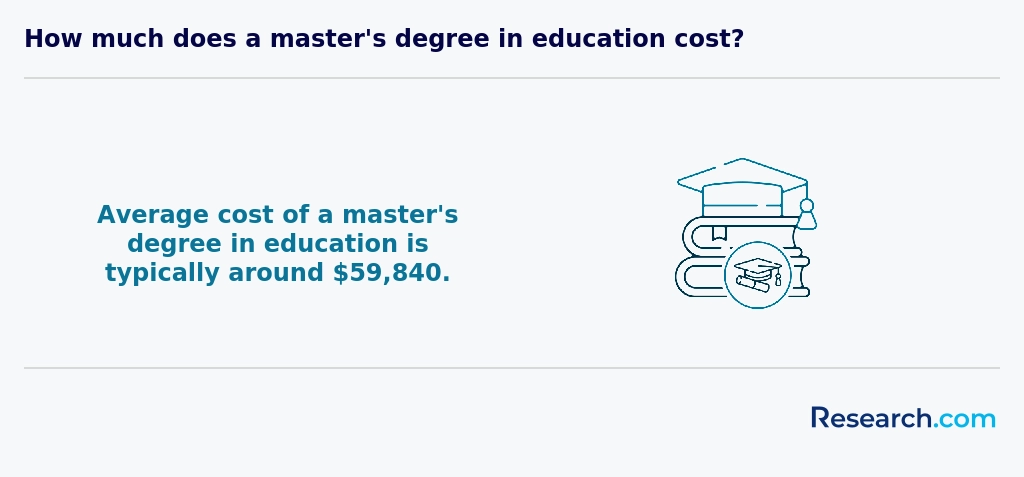
The average cost of an online education degree in Alabama invites prospective students to embark on a rewarding journey without overwhelming financial burdens. In-state learners find the most appealing rates, with typical tuition totaling around $40,365. This makes affordable online master's in education programs Alabama offers especially attractive, as graduates share stories of balancing work, family, and studies while appreciating the value of quality education that doesn't break the bank.
Out-of-state students, meanwhile, might encounter higher expenses, often nearing $48,510 in total. Yet, many have expressed delight in discovering scholarships and employer tuition reimbursement options that significantly ease these costs. Public institutions such as the University of Alabama or Auburn University stand out for their reasonable tuition and flexible online formats. These schools are a favored choice for many who have embarked on this educational adventure with enthusiasm and optimism.
Private universities like Samford may charge steeper rates, but their tailored programs and smaller class sizes often create a nurturing environment that students rave about. Additional fees can add up, but careful planning and support from academic advisors often transform potential worries into manageable stepping stones.
Those curious about exploring the landscape of affordable options can discover some of the most affordable education schools in Alabama, opening the door to a promising future energized by the pursuit of knowledge and personal growth.

Ensure that your chosen online master’s program holds regional accreditation (SACSCOC) and program-specific approval (CAEP or NCATE) from the Alabama State Department of Education to guarantee licensure eligibility.
- Regional accreditation by SACSCOC validates institutional quality and supports transfer credits.
- CAEP or NCATE accreditation confirms alignment with national educator preparation standards.
- Alabama State Department of Education approval is mandatory for graduates to sit for the Alabama Educator Certification Assessments (AEPA).
To obtain teacher certification in Alabama:
- Complete a state-approved educator preparation program.
- Pass the required AEPA content and pedagogy examinations.
- Apply for licensure through the Alabama State Department of Education portal with official transcripts.
For those interested in related accredited online programs, explore a library science degree online.
Imagine stepping into the world of education through an online degree in Alabama, knowing there's a map of financial aid guiding your journey. Graduates from the University of Alabama and Auburn University often share how federal aid, like Federal Direct Loans offering up to $20,500 annually, turned daunting tuition costs into manageable payments. The FAFSA application is their first step, unlocking grants and loans that feel like safety nets on an adventurous path.
Beyond federal aid, the Alabama Student Assistance Program lightens the tuition load at public universities, helping students chase teaching dreams without being overwhelmed by bills. Some online students have found unexpected help through employer tuition assistance, making coursework feel less like a burden and more like a supported step toward career growth.
- Federal Direct Loans: Lower interest rates and flexible repayment designed to ease financial pressure.
- State scholarships targeting education students, fostering passion for teaching across Alabama.
- Work-study options and professional grants that add layers of support along the way.
Before beginning an online Education degree in Alabama, it’s essential to understand the state’s certification and licensure process for educators. Most Master’s and teaching endorsement programs must align with the Alabama State Department of Education (ALSDE) standards, meaning institutions need to be regionally accredited and approved by ALSDE. Prospective teachers will typically complete: • Required coursework in pedagogy, classroom management and subject‐specific education aligned with Alabama’s College and Career Ready Standards. • Supervised clinical practice hours (student teaching) arranged through partnerships between the university and local school districts. • State exams, such as the Praxis Core Academic Skills for Educators and appropriate Praxis Subject Assessments, though some programs now offer edTPA as an alternative performance‐based assessment. After completing your online degree, you’ll submit your application for an Initial Professional Educator Certificate to ALSDE, providing official transcripts, test scores, and verification of clinical hours. Processing times can range from four to eight weeks; plan ahead if you intend to start teaching in the next academic year. If affordability is a key concern or you’re open to exploring programs outside Alabama, consider our comprehensive ranking of low-cost alternatives: Low Cost Online Education Degree Programs Ranking in Springfield, MO. This resource can help you compare tuition rates, accreditation status, and licensure support services across institutions.
Diving into an online education degree in Alabama means starting with a solid foundation: most programs ask that you hold a bachelor's degree from a regionally accredited school. Imagine a graduate from the University of Alabama, feeling confident because their accredited degree unlocked doors to advanced studies without hurdles. This key step reassures programs that you're ready for deeper learning.
Official transcripts showing your GPA-usually around 2.5 to 3.0-help schools gauge your academic journey. Some colleagues from Auburn University found that while standardized tests like the GRE were once expected, many programs now waive them, opening exciting paths amid evolving admissions.
Beyond grades, you'll often share stories through personal statements and letters of recommendation, painting a vivid picture of your passion for education. Graduates from Alabama State University often highlight how this storytelling helped them connect with admissions committees on a human level. And for those whose first language isn't English, proof of proficiency through tests like TOEFL becomes your ticket to express yourself clearly.
Ultimately, these prerequisites aren't just boxes to check-they're stepping stones in a thrilling academic adventure right here in Alabama.
Enrolling in an accredited online program is only the first step-graduates must also navigate Alabama’s certification and licensure process to teach in public schools. First, candidates should complete a state-approved degree pathway, such as one of the highly regarded online master’s degrees in education that align with the Alabama State Department of Education (ALSDE) standards. These programs typically integrate the required pedagogy coursework and supervised practicum hours needed for licensure. Next, candidates must pass the relevant Praxis exams (e.g., Praxis Core Academic Skills for Educators and Praxis Subject Assessments) and submit official transcripts, test scores, and fingerprint clearance through the ALSDE educator portal. Finally, after all documentation is approved, educators receive their initial Class B certificate, valid for three years and renewable upon meeting continuing education requirements. By choosing an ALSDE-approved online master’s program, aspiring teachers in Alabama can streamline their path to certification and ensure full compliance with state regulations.
Students diving into an online education degree in Alabama embark on a rich journey through courses that bring teaching to life. Imagine exploring Educational Psychology and Child Development, where you uncover how children's minds grow, helping you tailor lessons that truly resonate. Graduates from universities like the University of Alabama share how courses in Curriculum Design and Instructional Methods sparked their creativity, inspiring fresh, engaging ways to deliver content.
Classroom management and Assessment and Evaluation classes equip you with practical tools, making managing diverse learning environments feel like second nature when you step into your own classroom. Many find the Special Education Strategies course eye-opening, offering the rewarding challenge of supporting students with unique needs.
Further adventure awaits through studying School Leadership and Alabama State Education Laws and Ethics, gearing you to lead with confidence and integrity. At institutions across Alabama, learners appreciate the blend of synchronous and asynchronous activities, letting them balance life's demands while gaining the skills to inspire tomorrow's students.
Online education degree specializations Alabama students discover often spark excitement as they navigate diverse pathways. Graduates from the University of Alabama and Alabama State University recount how delving into Curriculum and Instruction transformed their ability to craft engaging lessons that truly resonate with students of all ages. Others find joy in the Special Education focus, embracing the challenge and fulfillment of supporting learners with unique needs through innovative strategies.
For those drawn to leadership, Educational Leadership and Administration opens doors to managing schools and inspiring change, a favorite for students balancing careers with studies. Reading and Literacy specialization appeals to educators passionate about nurturing essential skills in young learners, often recalled fondly by alumni of local programs. Meanwhile, Instructional Technology captivates tech-savvy students eager to fuse digital innovation with teaching, reflecting trends in Alabama master's in education focus areas.
One can easily envision alumni praising their practical experiences gained through partnerships with Alabama schools, preparing them confidently for real classroom settings. Exploring these options leads many toward online master's degrees in education that perfectly match their ambitions and lifestyles.
Choosing the best online education degree in Alabama is an exciting journey that begins with finding a program that truly fits your professional dreams and lifestyle. Many graduates from popular Alabama universities share how important it was to confirm their program's accreditation, such as CAEP or SACSCOC, which made transferring credits smooth and ensured their teaching licenses were recognized statewide. Imagine balancing family life and work-online programs with asynchronous courses became lifesavers, allowing learners to study whenever they found the right moment.
Cost is another adventurous puzzle. Students searching for an affordable online master's in education Alabama found that tuition ranged broadly, but many discovered hidden gems through scholarships and employer tuition reimbursement. Exploring resources like the Low Cost Online Education Degree Programs Ranking in Springfield, MO unlocked real savings and a path to success without financial stress.
Curriculum matters deeply-graduates chose programs tailored to Alabama's education certification requirements, focusing on specializations like special education or educational leadership. This way, their studies aligned perfectly with their passion and local job markets, ensuring each lesson felt like a step toward an eagerly awaited career.
Graduates with an online education degree in Alabama discover a range of exciting career paths that extend beyond traditional classrooms. Many find themselves stepping into roles as certified teachers, energized by the vibrant communities within Alabama's public schools and universities like the University of Alabama and Auburn University. These graduates often share stories of how their online programs offered flexibility while preparing them for real-world challenges.
Others venture into educational administration, becoming the principals and coordinators who shape school culture and policy. The state's demand for leaders in education opens doors for those with advanced training. For those drawn to meaningful impact, special education roles provide opportunities to champion inclusive learning, especially as Alabama increases focus on supporting diverse learners. Exploring options in educational technology and curriculum development sparks creativity, perfectly suited for today's digital landscape.
For ambitious minds eager to accelerate their careers, Alabama also offers short certificate programs that pay well, ideal for pairing with an online education degree. With such diversity, pursuing online education degree careers in Alabama or an Alabama master's in education job opportunities turns into an adventure in growth and discovery.
The job market for graduates with an online education degree in Alabama is vibrant and full of opportunities, especially for those eager to make an impact in teaching and educational leadership. Graduates from popular institutions like the University of Alabama and Auburn University often find themselves stepping into roles as classroom teachers, instructional coordinators, or administrators with confidence. Many share how the flexibility of online programs allowed them to balance work and study, opening doors in both urban and rural school districts where demand for certified educators remains strong.
In Alabama, there's a particularly compelling need for teachers in special education and STEM subjects, making the market highly promising. Those with online degrees benefit from affordable tuition fees within state universities, which enhances this adventurous path into education. Job seekers with these credentials often enjoy competitive salaries and the chance to explore hybrid or remote teaching environments, adding exciting variety to their careers. Curious about further advancing your credentials? Check out what are some certifications that pay well to discover additional pathways to boost your career potential.
Whether in classroom settings, administrative offices, or curriculum development roles, Alabama's educational landscape welcomes online degree holders eager to explore diverse career avenues. This dynamic environment promises continual growth aligned with the state's evolving education needs, opening doors for those adventurous enough to dive in.
2027 Easiest Online Master's in Education Degree Programs Ranking in Alabama
Investing in your education is a significant decision that can shape your future, and the Research.com team understands the importance of making informed choices. To assist prospective students in Alabama, we have meticulously crafted the "2027 Easiest Online Master's in Education Degree Programs Ranking in Alabama." Our commitment to quality, credibility, and accuracy is reflected in the extensive research and analysis conducted to compile this ranking.
We utilized the following reputable data sources to ensure a comprehensive evaluation of education programs:
By exploring this ranking, readers will gain valuable insights into the easiest and most accessible online master's programs in education available in Alabama, helping them make informed decisions about their educational pathways. For more details on our methodology, please visit our Research.com methodology page.



Frequently Asked Questions About education
Online education degree students in Alabama can maximize their learning by creating a dedicated study schedule. Research from the Alabama Commission on Higher Education shows that students who set consistent study times are 30% more likely to complete their courses on time. Active participation in virtual discussions also enhances comprehension and retention. Using university resources such as tutoring centers and digital libraries provides additional support. Additionally, students should ensure they have reliable internet access, as the Federal Communications Commission notes that 80% of Alabama households have broadband, but rural areas still face connectivity issues. Staying organized and seeking peer collaboration further improves success in online programs.
Emerging niches within the education field in Alabama reflect broader national trends focused on innovation and technology integration. One key area is educational technology, where professionals develop and implement tools for online and blended learning environments. This niche responds to the increasing demand for remote education solutions, especially after 2020.
Another growing field is special education, with emphasis on inclusive practices for students with disabilities. Alabama's commitment to improving special education is supported by state initiatives aligned with federal guidelines.
Additionally, early childhood education and literacy development remain critical, as Alabama works to boost reading proficiency rates among young learners. Career and technical education (CTE) is also expanding, preparing students for diverse job markets.
Sources such as the Alabama State Department of Education and the National Center for Education Statistics provide ongoing data supporting these trends.
After completing an online education degree in Alabama, preparing for the job market involves several strategic steps. First, take advantage of Alabama's strong network of public schools and private institutions, which often prefer candidates with state certification. The Alabama State Department of Education reports that having a valid teaching certificate can increase your job prospects significantly.
Networking is essential; joining local education groups or attending job fairs can connect you with potential employers. Additionally, consider obtaining endorsements or specialized certifications, such as ESL or special education, to enhance your qualifications.
Finally, tailor your resume to highlight practical skills gained during your online program, including technology integration and remote instruction experience, which remain valuable post-pandemic.
Employers in Alabama value several key skills in graduates with education degrees, especially those pursuing online programs. Strong communication abilities are essential, as educators must effectively convey information to students and collaborate with parents and colleagues. Classroom management skills rank highly, given Alabama's diverse student populations and varied learning environments.
Additionally, adaptability and technology proficiency are increasingly important. With online learning growing statewide, educators skilled in digital tools are in demand. According to the Alabama Department of Education, candidates who demonstrate data-driven decision-making and cultural competence have a competitive edge. These skills reflect the evolving needs within Alabama's public schools and contribute to improved student outcomes statewide.
Finding internships in Alabama relevant to an education degree involves targeting local school districts, government programs, and nonprofit organizations focused on education. Alabama's State Department of Education offers resources and partnerships designed to connect students with practical classroom experience, often required for degree completion.
Many universities with online education programs, such as the University of Alabama, partner with nearby K-12 schools to facilitate internship placements. According to the Alabama Department of Education, 67% of education students successfully secure teaching internships within the state each year.
Prospective interns can also explore opportunities through websites like Handshake or directly contact school career counselors to access local listings. Networking with educators and attending regional education conferences in Alabama can further improve chances of finding quality internships.
In Alabama, earning an online education degree can significantly enhance career mobility and advancement, especially for educators seeking leadership roles or specialized positions. According to the Alabama State Department of Education, teachers with a master's degree often qualify for higher salary tiers, increasing earning potential by up to 15%.
Online degrees provide flexible access to advanced credentials without interrupting current employment, allowing professionals to gain skills in curriculum design, administration, or special education at their own pace.
Additionally, many Alabama school districts prioritize candidates with graduate degrees for promotions to roles like instructional coach or principal, increasing the likelihood of career growth. The convenience of online learning broadens access for educators statewide, fostering ongoing professional development aligned with Alabama's educational standards.
Studying for an education degree in Alabama offers a foundation for interdisciplinary roles by combining core teaching skills with knowledge from psychology, technology, and leadership fields. Many Alabama institutions design online programs following state and national standards that emphasize collaboration across subjects.
For example, coursework often integrates educational psychology and digital learning tools, preparing graduates to work effectively with diverse student populations and support staff.
According to the Alabama Commission on Higher Education, about 40% of educators in the state participate in interdisciplinary professional development, reflecting this trend.
This approach makes graduates adaptable to roles beyond traditional classrooms, such as curriculum design and educational consulting.
Choosing between a thesis and a non-thesis online education degree in Alabama depends largely on your career goals and learning preferences. A thesis program requires conducting original research and writing a detailed paper, which is ideal for students interested in academia, research positions, or pursuing a doctoral degree.
Non-thesis programs typically focus on coursework and practical skills, making them suitable for professionals aiming to advance in teaching or administrative roles. According to the Alabama Commission on Higher Education, many state universities offer both options fully online, with flexibility tailored to working adults.
Consider your interest in research and time commitment when choosing your path.
Students in Alabama interested in studying education abroad while pursuing an online degree have several options through partnerships between local universities and international institutions. Many Alabama universities offering online education degrees, such as the University of Alabama and Auburn University, provide study abroad opportunities integrated into their programs. These often include virtual exchanges, summer sessions overseas, or semester-long international residencies.
The Alabama Commission on Higher Education supports these initiatives to broaden the scope of teacher education, recognizing the importance of global perspectives in teaching. According to recent state data, approximately 15% of education students participate in some form of study abroad experience.
These programs enable students to gain cross-cultural insights, which are valuable in today's diverse classrooms. However, exact availability can vary by institution and degree track.
Part-time job opportunities in Alabama that complement education degree studies often involve direct interaction with students or educational settings. Positions such as teacher assistants, substitute teachers, or tutors are common choices. According to the Alabama State Department of Education, substitute teaching pays approximately $85 per day, providing flexible income for students pursuing online degrees.
Additionally, library aides and after-school program coordinators offer valuable experience supporting educational environments. These roles reinforce classroom management and instructional skills vital for prospective educators.
The demand for educational support roles in Alabama public schools is steady, aligning well with the 19% expected growth in teaching jobs nationwide by 2030, as reported by the U.S. Bureau of Labor Statistics.
Online education students in Alabama benefit from several networking opportunities tied to local universities and professional organizations. Many Alabama institutions, including the University of Alabama and Auburn University, offer virtual events and networking platforms tailored to online learners.
Students can join education-focused groups like the Alabama Association of School Administrators and the Alabama Education Association, which provide conferences, webinars, and local chapter meetings. These platforms enable connections with educators across the state.
Additionally, statewide virtual career fairs and online alumni communities give students access to job leads and mentorship in education. According to the Alabama Commission on Higher Education, such engagement helps online students build professional networks despite geographical distance.
Alumni networks play a crucial role in supporting online education degree students in Alabama by providing valuable connections and resources. These networks often offer mentorship programs that link current students with graduates who have navigated similar career paths. According to the Alabama Commission on Higher Education, students engaged with alumni networks report higher job placement rates after graduation.
In Alabama, many universities offer access to exclusive job boards and professional development workshops through their alumni associations. This creates opportunities for online students to expand their professional contacts despite the lack of in-person campus experiences.
Furthermore, alumni events and online forums help build a sense of community, which can be essential for distance learners who might otherwise feel isolated. These connections often lead to collaborative projects, internships, or job referrals within the state's education sector, enhancing students' career prospects.
Customizing an online education degree program in Alabama allows you to tailor your studies to match your specific career goals. Many Alabama universities offer flexible curricula where you can choose electives, specializations, or certification tracks aligned with your interests, such as special education, instructional design, or educational leadership.
Alabama State University and the University of Alabama, among others, provide options for adding endorsements required for certain teaching roles. According to the Alabama Commission on Higher Education, over 60% of students in online programs customize their degrees through elective courses or concentrations.
Advisors often help create personalized plans that can enhance your expertise and improve job opportunities within Alabama's education system.
Online education students in Alabama commonly face several challenges that can impact their academic success. One major issue is inconsistent internet access, particularly in rural areas where broadband availability is limited. According to the Federal Communications Commission, about 20% of Alabama residents lack high-speed internet, which complicates participation in online classes.
Another difficulty involves balancing coursework with personal and professional responsibilities. Many students pursuing online degrees are working adults or parents, making time management critical yet challenging.
Additionally, students sometimes report limited interaction with instructors and peers, reducing opportunities for networking and collaborative learning. This lack of engagement can affect motivation and academic performance.
Finally, navigating financial aid and understanding accreditation standards remain areas of concern for prospective online learners in the state.
With an online education degree in Alabama, graduates can pursue several professional certifications to enhance their careers. One common path is obtaining teacher certification through the Alabama State Department of Education, which qualifies candidates to teach in K-12 public schools. Many online programs prepare students to meet these licensure requirements.
Additionally, graduates can seek National Board Certification, a respected credential that signifies advanced teaching expertise. Other options include certifications in special education, instructional coordination, or school administration, which are in demand across Alabama's educational system.
These certifications often require passing exams and completing supervised experience, providing a strong foundation for leadership roles. According to the Alabama Commission on Higher Education, the demand for qualified educators with specialized certifications continues to grow statewide.
Crafting a strong application for an online education program in Alabama begins with thorough research. Understand the specific requirements of the university and program you are applying to, as many Alabama schools, such as the University of Alabama or Auburn University, have distinct expectations. Highlight your academic background and professional experience relevant to education, emphasizing any teaching or leadership roles.
Ensure your personal statement clearly communicates your commitment to improving education in Alabama, referencing local educational challenges or initiatives when appropriate. According to the Alabama Commission on Higher Education, online program completion rates have been growing, showing the importance of demonstrating persistence and motivation in your application.
Include strong letters of recommendation from supervisors or professors who can attest to your skills and dedication. Finally, proofread carefully; grammar and clarity matter greatly, as online programs especially value self-discipline and communication skills crucial for success in remote learning.
The global perspective on an education career recognizes the vital role educators play in shaping societies. In the United States, including Alabama, demand for skilled teachers and education leaders is expected to grow by about 8% from 2020 to 2030, according to the U.S. Bureau of Labor Statistics. This growth reflects expanding educational needs worldwide.
Alabama supports this trend with numerous online education degree programs designed to meet regional and global standards. These programs prepare graduates to navigate diverse classrooms and implement inclusive teaching strategies.
Internationally, educators with strong technology skills and adaptability are increasingly valued, making online degrees a practical choice for Alabama students wishing to compete globally.
Students pursuing an online education degree in Alabama can gain practical experience through local partnerships and practicum placements. Many Alabama universities require fieldwork or student teaching in nearby K-12 schools, allowing hands-on application of teaching methods.
Additionally, programs often collaborate with districts across the state's 67 counties, including urban and rural settings, ensuring diverse classroom exposure. The Alabama State Department of Education supports placements that align with candidates' certification goals.
Internships and volunteer opportunities in educational nonprofits also provide valuable experience outside traditional classrooms. According to recent data from the National Center for Education Statistics, Alabama has over 700 public schools, offering numerous sites for practical training.
Choosing the right concentration within an online education degree in Alabama begins with assessing your career goals. Popular concentrations include curriculum design, educational leadership, special education, and literacy, each aligning with distinct career paths. According to the Alabama Commission on Higher Education, fields like special education are in high demand due to statewide teacher shortages. It is important to consider accreditation status and whether the program meets Alabama State Department of Education certification requirements.
Researching course flexibility and practicum opportunities is also critical. Many programs offer part-time study options, which suits working professionals. Reviewing Alabama's regional employment trends and salary data can further guide your choice toward high-need specialties.
- 2027 Easiest Online Master's in Education Degree Programs Ranking in Mississippi
- 2027 Easiest Online Master's in Education Degree Programs Ranking in Tennessee
- 2027 Easiest Online Master's in Education Degree Programs Ranking in Georgia
- 2027 Easiest Online Master's in Education Degree Programs Ranking in Louisiana
- 2027 Easiest Online Master's in Education Degree Programs Ranking in Arkansas
- 2027 Easiest Online Master's in Education Degree Programs Ranking in Kentucky
- 2027 Easiest Online Master's in Education Degree Programs Ranking in South Carolina
- 2027 Easiest Online Master's in Education Degree Programs Ranking in North Carolina
- 2027 Easiest Online Master's in Education Degree Programs Ranking in Missouri
- 2027 Easiest Online Master's in Education Degree Programs Ranking in Indiana
See What Experts Have To Say About Studying Education
Read our interview with Education experts

Nooshan Ashtari
Education Expert
Professor & Book Author
University of Southern California


- 5 Tips on Choosing the Right Course or Study Program - Edunation https://www.edunation.co/5-tips-on-choosing-the-right-course-or-study-program/
- My Experience with Online Learning | Leeds Beckett University https://www.leedsbeckett.ac.uk/blogs/student-blog-squad/2020/09/my-experience-with-online-learning/
- The Advantages of Studying an Online Degree https://www.falmouth.ac.uk/news/advantages-studying-online-degree
- Education Technology Trends to Watch in 2065: 10 Innovations Shaping the Future of Learning https://www.digitallearninginstitute.com/blog/education-technology-trends-to-watch-in-2026
- Online Degree vs. Traditional | University of Arkansas Grantham https://www.uagrantham.edu/blog/pros-cons-online-degree-vs-traditional-university/
- Benefits of Networking for Students https://www.melioeducation.com/blog/benefits-of-networking-for-students/
- Guide to Online Education Degrees | OEDb.org https://www.oedb.org/rankings/online-education-programs/
- What Employers Actually Want From Graduates https://bodyswaps.co/resources/blog/what-employers-actually-want-from-graduates
- Teacher of Global Perspectives (IGCSE) https://www.scie.com.cn/jobs-global-perspectives/
- Putting theory into practice: The value of an interdisciplinary approach to teaching https://my.chartered.college/impact_article/putting-theory-into-practice-the-value-of-an-interdisciplinary-approach-to-teaching/