2027 Most Valuable Education Degree Programs Ranking in Statesboro

Co-Founder and Chief Data Scientist
Choosing the right education degree program is an important step toward a rewarding career. This article introduces the 2027 Most Valuable Education Degree Programs Ranking in Statesboro, developed by the Research.com team of data scientists to help you make informed decisions.
By exploring this ranking, you'll discover which programs offer the best value and opportunities in Statesboro. Pursuing an education degree can lead to a fulfilling profession that makes a positive impact. We're here to guide you toward the options that match your goals and aspirations.
Key benefits of getting education degree in Statesboro
- Salary for education degree graduates: Graduates can expect rewarding salaries like $77,200 annually as Instructional Designers or $76,000 for Special Education Teachers, reflecting strong earning potential in education fields.
- Potential career paths: A typical education graduate from Georgia Southern University in Statesboro can pursue diverse roles such as Early Childhood Educator or ESL Teacher, enjoying varied and fulfilling career opportunities.
- Benefits of an online education degree: Online graduates from Georgia Southern University gain flexibility and convenience, allowing them to balance studies and life while earning respected credentials that open doors to great jobs.
- 2027 Most Valuable Education Degree Programs Ranking in Statesboro
- What can I expect from education degree in Statesboro?
- Where can I work with education degree in Statesboro?
What can I expect from education degree in Statesboro?
The average cost of earning an education degree in Statesboro varies, but many students find programs at institutions like Georgia Southern University to be both affordable and worthwhile. Tuition for in-state students generally ranges between $4,000 and $6,000 per semester, excluding additional fees and materials. Graduates often mention that this investment feels manageable given the university's strong support system and career services tailored to education majors.
Students pursuing education degrees typically budget for textbooks, supplies, and lab fees, which can add several hundred dollars each semester. However, many have found that on-campus resources and local partnerships, such as mentoring opportunities with surrounding schools, provide valuable hands-on experience at no extra cost.
Financial aid, scholarships, and work-study options are commonly utilized by students at Statesboro institutions, easing the financial burden. Graduates emphasize that this combination of reasonable tuition and practical support creates a learning environment where the cost aligns with meaningful career preparation in education.
Where can I work with education degree in Statesboro?
If you earn an education degree in Statesboro, your first and most straightforward job path is often within the Bulloch County School District. Many graduates find rewarding roles as teachers in elementary, middle, or high schools where their degree opens doors to diverse subject areas, special education, or even administrative positions. Graduates from Georgia Southern University, a well-known local institution, often report smooth transitions into these K-12 roles thanks to strong connections the university maintains with district schools.
Beyond traditional classrooms, Statesboro offers roles in academic advising and student support at Georgia Southern itself, where education graduates can directly contribute to teacher training and research. Others take advantage of local government opportunities-like youth program coordinators with Parks and Recreation-using their skills for community impact.
Private and charter schools such as Beaumont Union Academy also seek education graduates, offering innovative teaching environments. Early childhood centers and educational nonprofits provide additional career options, especially if you're interested in combining teaching with program development or technology.
Graduates with an education degree in Statesboro can expect to earn salaries that align closely with national trends, with opportunities to increase pay through experience and specialization. For example, educators who secure roles as elementary school teachers can anticipate an average annual wage around $70,740, reflecting the strong demand in local schools near institutions like Georgia Southern University. These graduates often share their satisfaction at combining a passion for teaching with a stable income that supports local living costs.
Similarly, special education teachers in Statesboro typically earn approximately $76,000 per year, benefiting from both their specialized skills and increasing institutional need. ESL teachers, often hired in diverse community schools, have mean annual wages near $65,430, which highlights the value of bilingual skills for education grads. Early childhood educators start with salaries averaging $41,410, a practical starting point for many local program graduates eager to make an impact early in their careers.
Those branching into instructional design report earnings around $77,200 annually, offering a higher salary for graduates focusing on curriculum development or educational technology. Many find this path rewarding, allowing them to blend creative skills with their education background in a growing regional job market.
- Georgia Southern University in Statesboro offers undergraduate and graduate education degrees focused on teacher preparation, leadership, and certifications.
- In-state tuition costs about $4,600 per year for bachelor's degrees, while out-of-state students pay around $15,500 annually; graduate programs cost about $6,000 yearly for residents.
- Entry-level salaries for education graduates average $40,000 per year, increasing to about $60,000 with experience and advanced degrees.
- Job opportunities include roles in public schools, private institutions, and educational support services, supported by Georgia's ongoing efforts to improve education standards.
- Teacher licensure in Georgia requires completing an approved program and passing certification exams, with Georgia Southern programs aligned to these requirements.
If you're aiming to complete an education degree in Statesboro, plan on about four years for a Bachelor of Science or Bachelor of Arts, especially at Georgia Southern University, the area's largest institution for education programs. Many graduates recall the balance of general education, content courses, and hands-on student teaching in their final year, which solidified their readiness for the classroom.
For those going for a master's degree, expect around 1.5 to 2 years full-time or up to 4 years part-time if you're juggling work or family. Many students appreciate this flexibility, as it allows steady progress without overwhelming their schedules. Specialties like curriculum development or educational leadership make the time investment worthwhile.
Doctoral candidates should be prepared for a longer journey-typically 3 to 6 years depending on research and dissertation demands. Those pursuing this path at local universities often highlight the rewarding nature of contributing to educational research while balancing personal commitments.
Below is our curated ranking of the top education degree programs in Statesboro, GA, evaluated on affordability, job placement, and student satisfaction. For students still exploring what is a teaching degree, this list offers clarity on program types and outcomes: 1. Bachelor of Science in Early Childhood Education, Georgia Southern University • Annual Tuition: $9,750 (in-state) • Job Placement Rate: 92% within six months • Student Satisfaction: 4.6/5 2. Master of Education in Adult & Lifelong Learning, Georgia Southern University • Annual Tuition: $11,200 (in-state) • Job Placement Rate: 88% within one year • Student Satisfaction: 4.5/5 3. Bachelor of Science in Special Education, Georgia Southern University • Annual Tuition: $9,750 (in-state) • Job Placement Rate: 90% within six months • Student Satisfaction: 4.7/5 4. Online Certificate in Educational Technology, Georgia Southwestern State University • Program Fee: $4,200 total • Completion Rate: 85% • Student Satisfaction: 4.4/5 5. Associate of Science in Early Childhood Education, Ogeechee Technical College • Annual Tuition: $3,800 (in-district) • Job Placement Rate: 80% within three months • Student Satisfaction: 4.3/5 Each program featured here represents the 2024 Most Valuable Education Degree Programs based on rigorous data analysis. Consider your career goals, budget, and preferred learning format when selecting the program that best aligns with your professional ambitions.
Choosing between online and on-campus education degrees in Statesboro involves weighing flexibility against direct interaction. Graduates from Georgia Southern University often praise the face-to-face experience for building strong connections with professors and classmates, which helps with hands-on learning and access to campus resources like tutoring centers and libraries.
On the other hand, online students appreciate the ability to study around work and family commitments without commuting. Many have found programs in Statesboro offer interactive virtual group projects, making the learning experience engaging despite the distance. These online degrees also usually cost less overall since they eliminate housing and transportation expenses.
Both formats meet Georgia's certification requirements, so the choice largely depends on your lifestyle. If you prefer a structured environment with in-person support, on-campus may suit you best. If balancing education with a busy schedule is a priority, online programs provide a practical, accessible alternative without sacrificing quality.
As the education landscape continues to evolve, it is essential for prospective students and educators to stay informed about emerging trends that are shaping the future of teaching and learning. One major development is the rapid integration of technology in education. Hybrid and blended learning environments are becoming the norm, allowing institutions to offer more flexible, personalized learning experiences. This evolution not only enhances accessibility but also equips educators with innovative tools to improve classroom engagement. Another key trend is the increasing focus on competency-based education and microcredentials. These approaches enable students to gain specific skills and certifications that are directly aligned with real-world demands, making them more competitive in today’s job market. With a growing emphasis on lifelong learning, institutions are revising their curricula to better prepare graduates for a future that values adaptability and continuous professional development. Furthermore, institutions that are recognized as a valuable education school in georgia are leading the charge by integrating cutting-edge teaching methodologies and investing in state-of-the-art facilities. These schools are not only refining traditional educational practices but are also pioneering innovative partnerships with local industries to ensure their graduates possess relevant, up-to-date expertise. Staying abreast of these trends can provide students with critical insights that will help them choose programs tailored to future job market needs, ensuring that their educational investment translates into long-term career success and personal fulfillment.
The average cost of an education degree in Statesboro typically centers around a total tuition and fees for education degrees in Statesboro amounting to about $6,022 for in-state students at Georgia Southern University, the primary institution offering these programs. Graduate and undergraduate students appreciate that this cost, while modest, reflects a public university's commitment to affordability without sacrificing quality.
Graduates often recall managing expenses beyond tuition, such as mandatory fees for technology and health services, which add a few hundred dollars per semester. Books and materials, essential for education majors, usually cost around $1,000 a year. Living expenses can vary widely; on-campus housing might run near $8,000 per academic year, but many find off-campus options more flexible to fit their budgets. These practical considerations shape a realistic understanding of the total investment in education.
For students seeking alternatives or more flexibility, exploring different study formats can help. Some turn to options like the top MFA programs online affordable to balance cost and convenience, though primarily Georgia Southern's programs lead locally in affordability and reputation.
Compared to private institutions in Statesboro, where tuition can exceed $20,000 annually, the public university's rates stand out as appreciably economical. This appealing balance of cost and quality encourages many local students to pursue education degrees here, confident that their investment supports both their academic aspirations and financial wellbeing.
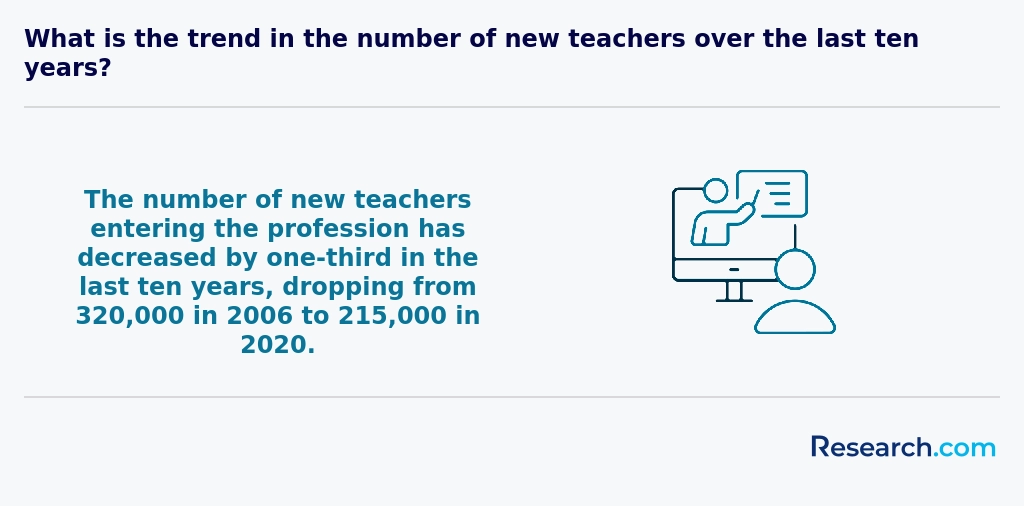
A quick overview of the highest-value local education degree options based on affordability, job outcomes, and student satisfaction:
- Georgia Southern University – Bachelor of Science in Education: fully accredited, 95% state certification pass rate, integrated student-teaching placements.
- East Georgia State College – Associate of Science in Education: small class sizes, direct transfer pathway to Georgia Southern, average tuition under $5,000/year.
- Ogeechee Technical College – Technical Certificate in Early Childhood Education: fast-track credential, flexible evening and online classes.
- Georgia Southwestern State University – Online Master of Education: competitive tuition, asynchronous format, 90% graduate employment rate in instructional roles.
- GSU Armstrong Campus – Associate of Science in Teaching: foundational coursework with field observations, streamlined admissions for in-state students.
For additional savings on graduate degrees, explore the cheapest online graduate programs.
Students pursuing an education degree in Statesboro should start by completing the FAFSA to access federal aid like Pell Grants, which can offer up to $7,395 annually without needing repayment. Many graduates from Georgia Southern University have relied on these funds to reduce their tuition burden significantly. Beyond federal aid, the state's HOPE Scholarship and HOPE Teacher Scholarship provide merit-based awards specifically for Georgia residents, easing costs and rewarding commitment to teaching in local public schools.
Institutional scholarships at Statesboro schools also play a crucial role. For instance, education students at Georgia Southern often receive departmental scholarships based on academic performance and community involvement, which means hard work inside and outside the classroom truly pays off.
Work-study jobs on campus or in education-related community programs allow students to earn while gaining experience, which past graduates say boosted both their bank accounts and resumes. Lastly, private scholarships through groups like the Georgia Association of Educators add another layer of financial help, expanding your options beyond school and government aid.
- Georgia Southern University – Bachelor of Science in Early Childhood Education
In-state tuition $9,750/year; 92% job placement rate; extensive student-teaching component.
- Georgia Southern University – Bachelor of Science in Special Education
In-state tuition $9,750/year; 89% certification exam pass rate; focused IEP development training.
- East Georgia State College – Associate of Science in Elementary Education
Tuition $4,200/year; evening and weekend classes; 85% of graduates transfer to four-year programs.
- Ogeechee Technical College – Technical Certificate in Instructional Design
Tuition $3,500/year; 80% graduate satisfaction; fully online curriculum.
- Georgia Southwestern State University – Master of Education in Adult and Lifelong Learning
Hybrid format; tuition $6,500/year; 95% professional advancement within two years.
To compare earning potential across fields, see our best degrees to make money.
To enroll in an education degree program in Statesboro, start by securing a high school diploma or equivalent like a GED. Graduates from local institutions often mention how meeting this basic step opens doors to programs at colleges such as Georgia Southern University. Many programs expect a minimum GPA around 2.5 to 3.0, reflecting consistent academic effort, so focus early on maintaining solid grades to strengthen your application.
Standardized test scores like the SAT or ACT may still be required, although some schools have recently adopted test-optional policies. Gathering strong letters of recommendation and writing a clear personal statement are practical ways to highlight your motivation to become an educator. Several students recall that these documents gave admissions committees a sense of their passion and readiness for teaching.
Expect to complete a background check, a crucial step since education degrees involve working closely with children in practicum settings. Some programs also ask for foundational coursework in subjects like English or math, so enrolling in these classes early can ease your transition into advanced topics.
By tackling these prerequisites methodically, you'll join a community of enthusiastic education students in Statesboro ready to make a meaningful impact.
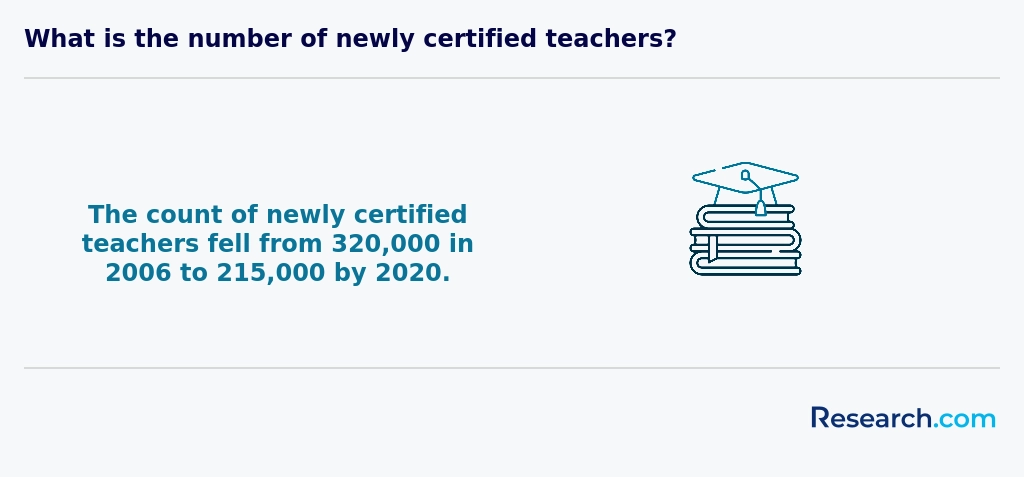
Understanding the return on investment (ROI) for an Education degree in Statesboro, GA, is crucial for making a financially sound choice. ROI measures how quickly graduates recoup their educational expenses through earnings, helping prospective students weigh program quality against cost. In Statesboro, the top-ranked programs offer average starting salaries of $38,640 to $73,080, with total program costs ranging from $27,146 to $58,628 per year. By comparing these figures, students can estimate payback periods: graduates earning $63,130 as ESL teachers may offset a four-year in-state cost of $108,584 in under two years, while Instructional Designers at $73,080 can break even even faster. To further optimize affordability, it’s helpful to explore programs that deliver strong outcomes at lower tuition rates. For instance, our sister ranking of the Most Affordable Online Education Degree Programs Ranking in Michigan highlights institutions where annual tuition falls below $10,000, enabling graduates to minimize debt while maintaining quality. Applying similar cost‐saving strategies-like choosing online or hybrid formats, leveraging institutional scholarships, and maximizing federal grants-can significantly improve ROI in Statesboro. Ultimately, a balanced ROI approach involves selecting a program with solid job placement rates and competitive salaries, alongside manageable costs and robust financial aid. By prioritizing value metrics alongside affordability, students in Statesboro can ensure their Education degree not only fulfills their passion but also delivers a lasting financial benefit.
Education degrees in Statesboro focus on practical courses that build a strong foundation for classroom success. Graduates from Georgia Southern University, for example, often share how courses like Foundations of Education and Educational Psychology helped them understand student behavior and learning differences, making everyday teaching more effective and rewarding.
Core classes such as Curriculum Design and Assessment teach you to create lesson plans that meet diverse student needs, while Classroom Management courses prepare you to lead a positive, structured environment. These skills are exactly what education students say gave them confidence when stepping into their first teaching roles.
Subject-Specific Teaching Methods allow you to specialize in areas like math, science, or English, aligning with the grade level you aim to teach. Practical experience through the Student Teaching or Practicum course at a Statesboro institution puts theory into action, supervised by experienced educators, creating real-world readiness that graduates consistently praise.
This course lineup is tailored for those aiming to pass state certification and thrive in local classrooms, making education degrees in Statesboro a practical and emotional investment in your teaching career.

Education degree specializations in Statesboro cover a wide range of practical fields tailored to specific career paths in teaching and education. At institutions like Georgia Southern University, graduates often remark on the value of focusing on Early Childhood Education, which equips them with strategies for engaging young learners effectively from pre-kindergarten through early elementary school. Others find fulfillment in Special Education, where they're trained to support students with diverse learning needs through personalized instructional methods.
For those aiming to teach older students, Secondary Education emphasizes subject-focused training for middle and high school settings, something many graduates appreciate as it directly prepares them for classroom challenges. If your interest leans toward leadership, Educational Leadership and Administration programs provide skills useful for managing schools and shaping policy. Curriculum and Instruction specialization helps future educators design impactful teaching programs, while Reading and Literacy focuses on boosting reading skills across varying learner levels.
Considering the variety of Statesboro education degree program options, it helps to explore accredited elementary education programs online that offer flexibility and state-relevant certification pathways, ensuring you gain both theoretical knowledge and hands-on experience valuable for local teaching careers.
Start by identifying which education degree matches your career goals-elementary, secondary, special education, or educational leadership-all offered at Georgia Southern University, a top choice in Statesboro. Graduates often reflect positively on the program's real-world readiness, thanks to strong academic advising and student teaching placements in local schools.
Cost is vital; affordable education degrees Statesboro cost comparison shows Georgia Southern's in-state tuition is about $4,000 to $5,000 annually, much lower than private alternatives. Many students take advantage of scholarships and financial aid to ease this burden.
Consider program flexibility, especially if balancing work or family commitments. Online and hybrid options are increasingly popular. For example, some graduates appreciated the benefits of online physical education degree courses that allowed them to study anytime while gaining practical experience.
Finally, check accreditation and teacher certification success rates. Graduates report that proximity to schools facilitates internships and networking, boosting employment chances in Georgia's public education system.
Graduates with an education degree in Statesboro commonly find a variety of practical career paths. Many begin as K-12 teachers in local schools, supported by Bulloch County Schools, where demand is steady for certified educators in subjects like math, science, and English. Education students from popular institutions in Statesboro often share satisfaction from hands-on classroom experiences that prepare them well for these roles, highlighting relatable day-to-day success in fostering student growth.
Alternatively, career options expand into educational administration. Graduates who pursue leadership roles such as principals or curriculum coordinators benefit from enhanced earning potential and influence over school policies. Those entering special education, which is growing rapidly due to regional and national focus on inclusivity, find rewarding opportunities supporting diverse learners-a path many Statesboro graduates appreciate for its impact and need.
Others diversify into instructional coordination or educational technology, capitalizing on online tools that are increasingly integrated into local schools. For students curious about combining creative arts with education, exploring accredited MFA programs online affordable offers another route.
The broad spectrum of Statesboro education degree career options in Statesboro truly reflects local needs while offering meaningful work that graduates describe as both stable and fulfilling.
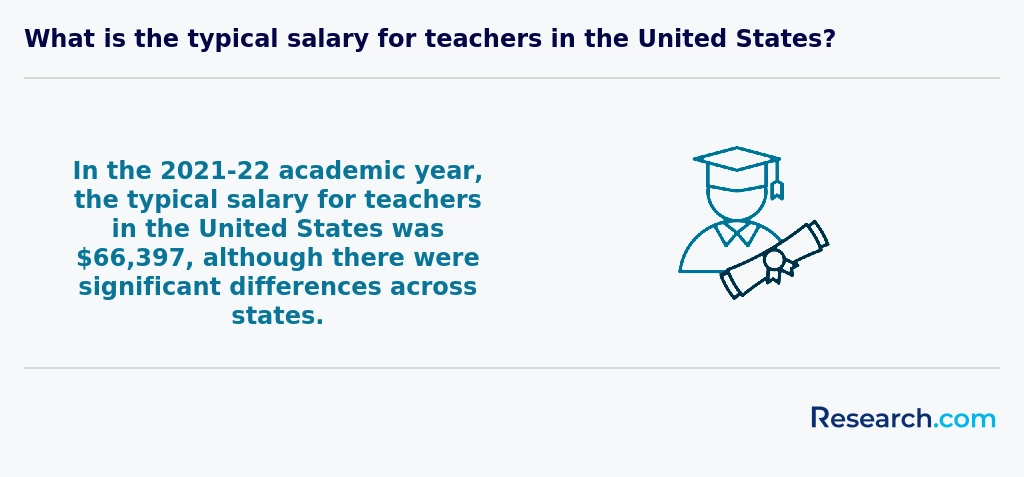
The job market for education degree holders in Statesboro remains steady, particularly within local public and private K-12 schools like Bulloch County Schools. Graduates from Georgia Southern University frequently find employment in general subjects such as mathematics and special education, where demand is consistently high due to ongoing population growth and state initiatives to improve STEM education. Many education degree job outlook Statesboro graduates share positive experiences about landing roles not only in teaching but also in educational administration, instructional coordination, and community-focused programs at places like the Statesboro Regional Library System.
Salary expectations here are practical; entry-level teaching jobs start around $40,000, while average pay in the area ranges from $50,000 to $55,000, which, although below national postsecondary levels, reflects local budgets and cost of living. Those who pursue certifications beyond initial teaching credentials increase their chances in this competitive market. A strategic step for candidates is to prepare carefully for certification requirements, possibly referencing guidelines such as the Wisconsin teacher certification exams as a comparative resource to understand testing demands.
Understanding these realities can help education graduates plan effectively and embrace a positive outlook when entering the job market, knowing they contribute meaningfully to Statesboro's growing educational landscape.
2027 Most Valuable Education Degree Programs Ranking in Statesboro
Investing in your education is a significant decision that can profoundly impact your future, and the Research.com team recognizes the importance of providing trustworthy and precise guidance. To support prospective students in Statesboro, we have carefully developed the "2027 Most Valuable Education Degree Programs Ranking in Statesboro." Our dedication to quality, credibility, and accuracy is demonstrated through extensive research and rigorous analysis performed to produce this ranking.
We utilized the following reputable data sources to ensure a comprehensive evaluation of education degree programs:
By exploring this ranking, readers will obtain valuable insights into the most valuable education degree programs available in Statesboro, empowering them to make well-informed decisions about their academic and professional journeys. For further information about the processes behind this ranking, please visit our Research.com methodology page.

Frequently Asked Questions About education
Education degree students in Statesboro can maximize their learning experience by actively engaging in both classroom instruction and practical teaching opportunities. Institutions like Georgia Southern University offer extensive field experiences, allowing students to apply theory in real-world settings. Research shows that hands-on practice improves retention and skill development significantly.
Networking with faculty and peers helps students stay informed about emerging educational trends and job openings. Utilizing campus resources such as tutoring centers and academic workshops can also enhance understanding of complex subjects. According to the National Center for Education Statistics, Statesboro students benefit from smaller class sizes, averaging 20-25 students, which fosters personalized learning. Staying proactive and seeking feedback are essential strategies.
Emerging niches within the education field in Statesboro reflect broader trends seen across the United States. One key area is educational technology, where degrees focus on integrating digital tools into classroom learning to enhance student engagement. The U.S. Bureau of Labor Statistics projects a 7% growth in instructional coordinators, many specializing in technology integration, over the next decade.
Another growing niche is special education, particularly programs addressing autism spectrum disorders and emotional disabilities. Research from Georgia Southern University highlights increased demand for specialized educators in Bulloch County.
Additionally, STEM education remains a priority, with emphasis on training teachers who can effectively teach science, technology, engineering, and math subjects.
Graduates with an education degree in Statesboro can enhance their job market readiness by gaining practical experience through local schools and community programs. Statesboro offers access to various internships and student-teaching opportunities, critical for developing classroom skills. According to the Georgia Department of Education, hands-on experience improves employment prospects significantly.
Networking with education professionals and joining organizations such as the Georgia Association of Educators can provide valuable connections and job leads. Additionally, obtaining relevant state certifications and continuing education units (CEUs) is essential to meet Georgia's licensure requirements and remain competitive.
Exploring job fairs and career services at nearby institutions like Georgia Southern University helps in understanding market demands and employer expectations specific to Statesboro and surrounding areas.
Employers hiring education degree graduates in Statesboro prioritize strong communication skills. Effective verbal and written communication allows teachers to engage students and collaborate with colleagues successfully. According to the Georgia Department of Education, adaptability is also highly valued, especially as educators face diverse classroom environments.
Critical thinking and problem-solving abilities are essential, enabling graduates to develop creative lesson plans and respond to unique student needs. Furthermore, digital literacy is increasingly important; proficiency with educational technology tools is a key skill in modern classrooms, as highlighted by the Bulloch County School District.
Finally, cultural competency and emotional intelligence are crucial for fostering inclusive and supportive learning spaces in Statesboro's diverse educational settings.
Finding internships in Statesboro relevant to an education degree often begins with exploring opportunities offered by Georgia Southern University, a major institution in the area. The university's College of Education provides structured internship placements in local schools, which are integral to degree completion and practical experience. According to Georgia Southern's 2023 data, over 85% of education students secure internships within 50 miles of Statesboro.
Additionally, prospective interns can contact the Bulloch County School District, which collaborates with local colleges to support internship programs. Networking through university career services and attending local education job fairs also improves placement chances. Utilizing state job boards targeting teaching internships broadens options further.
In Statesboro, earning an education degree significantly enhances career mobility and advancement, particularly within the local public school system. According to the Georgia Department of Education, teachers holding at least a bachelor's degree with proper certification tend to access a wider range of job opportunities, including specialized roles such as curriculum coordinators or instructional coaches. Higher educational attainment also correlates with increased salary potential; for example, Statesboro educators with master's degrees can earn 10-20% more than their counterparts with only a bachelor's degree. Additionally, advanced degrees are often required for leadership positions like school principals or district administrators in Bulloch County.
The availability of multiple higher education institutions in Statesboro, such as Georgia Southern University, supports ongoing professional development. These programs align with state certification standards, facilitating smoother career progression for graduates. Furthermore, continuing education is emphasized for licensure renewal, adding to the degree's long-term value in maintaining and advancing teaching credentials.
Studying for an education degree in Statesboro offers a strong foundation for interdisciplinary roles by integrating multiple fields such as psychology, sociology, and technology. Programs at institutions like Georgia Southern University emphasize collaborative teaching strategies and real-world applications, preparing graduates to work in diverse settings.
Students engage in coursework that develops skills in communication, curriculum design, and community engagement, which are essential for roles that cross traditional educational boundaries. According to the National Center for Education Statistics, over 60% of education students in Georgia participate in interdisciplinary projects during their studies.
This approach ensures that graduates can adapt to various professional environments, from schools to social service agencies, enhancing their career flexibility in Statesboro's evolving job market.
When choosing between a thesis and a non-thesis education degree program in Statesboro, students should consider their career goals and learning preferences. Thesis programs emphasize research and require students to conduct original studies, which suits those interested in academic or research careers. Non-thesis programs focus more on practical coursework, ideal for professionals aiming to advance their teaching or administrative skills.
Statesboro's universities, such as Georgia Southern University, offer both options with varying requirements. According to the National Center for Education Statistics, roughly 40% of education graduate students prefer non-thesis tracks for flexibility. Cost and time commitment also differ: thesis degrees often take longer due to research demands.
Students in Statesboro interested in studying education abroad have growing opportunities thanks to partnerships between local universities and international institutions. Georgia Southern University, the primary higher education institution in Statesboro, offers study abroad programs that include education-focused placements in countries such as Spain and Germany. These programs provide practical classroom experience and cultural immersion, enhancing global teaching skills.
Additionally, students can participate in exchange programs through organizations like the Council on International Educational Exchange (CIEE), which facilitate education degrees abroad while receiving credit toward their Statesboro institution.
According to Georgia Southern's Office of International Education, approximately 150 students studied abroad in the 2022-2023 academic year, with a significant portion from the College of Education.
In Statesboro, several part-time job opportunities complement education degree studies by providing practical experience. Working as a teacher's assistant in local public schools offers direct exposure to classroom management and curriculum planning. This role, available in Bulloch County School District, is often flexible and aligns well with student schedules.
Additionally, tutoring positions-especially in subjects like math and reading-are common. Many students find opportunities at community centers or through programs affiliated with Georgia Southern University, which supports local education initiatives.
Another viable option includes childcare assistant roles in daycare facilities, providing hands-on experience with early childhood education, relevant for those pursuing teaching certifications.
Education students in Statesboro benefit from various networking opportunities connected to local universities, primarily Georgia Southern University. The university's College of Education frequently hosts events, workshops, and career fairs aimed at connecting future teachers with local school districts and education professionals.
Statesboro's connection to nearby school systems allows students to engage in internships and partnerships, offering practical experience and professional contacts. Additionally, organizations like the Georgia Association of Educators provide platforms for networking, advocacy, and professional development specifically tailored to education students and teachers in the region.
These opportunities are essential for building relationships that support career growth after graduation.
Alumni networks offer significant advantages to education degree students in Statesboro. These networks provide valuable connections with former graduates who work in local schools and educational organizations. Such relationships can increase opportunities for student-teaching placements and internships, which are crucial for practical experience. According to Georgia Southern University, which serves many education students in Statesboro, alumni often participate in mentoring programs that support current students' academic and professional development.
Additionally, alumni can assist with job referrals in Bulloch County and surrounding districts. This access boosts employment prospects after graduation. Networking events and workshops organized by alumni groups also help students develop professional skills and understand the evolving education landscape in Georgia.
Customizing your education degree program in Statesboro involves selecting courses and specializations that align with your career goals. Many local institutions, including Georgia Southern University, offer flexible curricula allowing students to choose concentrations such as early childhood education, special education, or educational leadership.
You can also participate in internships or practicum experiences within the Statesboro community or nearby school districts, providing practical skills tailored to your interests. According to the National Center for Education Statistics, programs increasingly emphasize hands-on learning and certifications relevant to Georgia's state teaching standards.
Additionally, pursuing graduate certificates or endorsements in areas like ESL or instructional technology can further refine your skills and enhance employability in the regional job market.
Education students in Statesboro often face challenges related to balancing rigorous coursework with practical field experiences. Many programs require comprehensive student teaching hours, which can create scheduling conflicts and increase stress. According to data from Georgia Southern University, a major institution in Statesboro, about 30% of education majors report difficulties managing time between classes and on-site teaching placements.
Financial strain is also a concern, as education degrees sometimes offer lower starting salaries compared to other fields. This can impact students' ability to cover tuition and living expenses.
Additionally, there is increasing pressure to stay updated with evolving educational technologies, which requires ongoing learning and adaptation. These factors combine to create a demanding environment for education students in Statesboro.
With an education degree in Statesboro, graduates can pursue several professional certifications to enhance their teaching credentials and career prospects. The most common certification is the Georgia Professional Standards Commission (GaPSC) teaching certification, required for K-12 public school educators. This certification validates competency in specific subjects and grade levels.
Beyond initial certification, educators can obtain endorsements in areas such as special education, reading and literacy, or English for Speakers of Other Languages (ESOL). These credentials can increase job opportunities and salary potential.
Additionally, National Board Certification is a respected option offering advanced professional recognition nationwide.
According to GaPSC data, over 2,500 educators in Bulloch County actively maintain such certifications, reflecting a strong local emphasis on qualified teaching professionals.
When applying to education programs in Statesboro, start by thoroughly researching the specific requirements of each institution, such as Georgia Southern University. Tailor your personal statement to highlight your passion for teaching, relevant experience, and understanding of educational challenges. Include concrete examples of leadership or community involvement, which are highly valued in education admissions.
The application should clearly demonstrate your commitment to student success and professional growth. Submitting strong letters of recommendation from educators or supervisors who know your skills can significantly boost your chances.
Lastly, ensure all transcripts and test scores meet the program's criteria. According to the National Center for Education Statistics, about 65% of accepted applicants in Georgia have a GPA above 3.0, indicating academic readiness.
The global perspective on an education career increasingly values versatility and cultural awareness. In the US, including Statesboro, educators are expected to understand diverse learning environments shaped by globalization. According to the National Center for Education Statistics (NCES), programs focusing on multicultural education and technology integration are growing in popularity.
Statesboro, home to institutions like Georgia Southern University, offers education degrees emphasizing global competencies. Graduates are prepared for classrooms with varied student backgrounds and are encouraged to engage with international education trends.
Employment data from the Bureau of Labor Statistics highlights steady demand for teachers nationwide, with Statesboro reflecting similar trends due to its expanding school districts. This growth points to stable career opportunities.
Gaining practical experience while studying for an education degree in Statesboro is essential for preparing for a teaching career. Many local institutions, including Georgia Southern University, incorporate field placements or student teaching as part of their accredited programs. These opportunities allow students to work directly in nearby classrooms, gaining hands-on experience in diverse educational settings.
Additionally, Statesboro's public schools often partner with universities to provide internships and practicum roles, giving students a chance to apply theory in real-world situations under certified teacher supervision.
Volunteering in community education programs or tutoring can also build valuable skills and networks relevant to the education profession.
Choosing the right concentration within an education degree program in Statesboro involves understanding local demand and personal interests. Education programs often include concentrations like early childhood, special education, or secondary education. According to the Georgia Professional Standards Commission, special education is a high-need area statewide, which can increase job opportunities.
Consider your career goals and the age group you prefer to teach. In Statesboro, institutions such as Georgia Southern University offer tailored programs reflecting regional educational priorities.
Additionally, seek programs with strong practicum or internship components, as hands-on experience is vital. Reviewing State licensure requirements helps ensure your concentration aligns with certification standards.
- 2027 Most Valuable Education Degree Programs Ranking in Macon
- 2027 Most Valuable Education Degree Programs Ranking in Jacksonville
- 2027 Most Valuable Education Degree Programs Ranking in Greenville
- 2027 Most Valuable Education Degree Programs Ranking in Atlanta
- 2027 Most Valuable Education Degree Programs Ranking in Gainesville
- 2027 Most Valuable Education Degree Programs Ranking in Tallahassee
- 2027 Most Valuable Education Degree Programs Ranking in Montgomery
- 2027 Most Valuable Education Degree Programs Ranking in Greensboro
- 2027 Most Valuable Education Degree Programs Ranking in Raleigh
- 2027 Most Valuable Education Degree Programs Ranking in Birmingham
See What Experts Have To Say About Studying Education
Read our interview with Education experts


Nooshan Ashtari
Education Expert
Professor & Book Author
University of Southern California

- Finding Networking Opportunities as a Student | National Society of High School Scholars https://www.nshss.org/resources/blog/blog-posts/how-to-find-networking-opportunities-as-a-student/
- The 8 challenges of education in a changing world https://casvitrescantos.com/en/the-8-challenges-of-education-in-a-changing-world/
- Career Technical & Agricultural Education - Statesboro High School https://shs.bulloch.k12.ga.us/departments/career-technical-agricultural-education
- Tips for Choosing Your Graduate Concentration - Graduate Programs for Educators https://www.graduateprogram.org/blog/tips-for-choosing-your-graduate-concentration/
- Students: This is How You Should Prepare for the Job Market https://www.agencycentral.co.uk/articles/students-this-is-how-you-should-prepare-for-the-job-market/
- Get the skills employers want | Study UK https://study-uk.britishcouncil.org/why-study/succeed-your-career/get-skills-employers-want
- Education Cover Letter: 6 Steps to Write a Job-Winning One [+Example & Template] | Cake https://www.cake.me/resources/cover-letter/education-cover-letter
- The Future of Education: Emerging Trends Reshaping Learning Environments http://www.gesseducation.com/gess-talks/articles/future-education-emerging-trends-reshaping-learning-environments
- MONPERATOTO Jati Diri Situs Togel Online Resmi Bersama Agen Toto Togel 4D Terpercaya https://writerslife.org/educational-markets/
- Real-World Experiences in Education: Boosting Student Skills and Employability - FSUK International College https://fsukinternationalcollege.com/2024/07/bridgingreal-world-experiences-in-education/