
2027 Most Affordable Education Degree Programs Ranking in the South

Co-Founder and Chief Data Scientist
Choosing the right education degree program can be overwhelming, especially when affordability matters. This article introduces the 2027 Most Affordable Education Degree Programs Ranking in the South, developed by the Research.com team of data scientists to guide you through options that balance cost and quality.
By exploring this ranking, you'll discover programs that offer real value and open doors to meaningful careers. Pursuing an education degree is a powerful step toward making a positive impact, and finding the right fit makes that journey even more rewarding.
Key benefits of getting education degree in the South
- Education degree graduates in the South can expect competitive salaries, such as $70,740 annually for elementary school teachers, $76,000 for special education teachers, and $77,200 for instructional designers, reflecting strong earning potential.
- A graduate from a popular Southern university might pursue diverse careers in teaching, instructional design, or early childhood education, offering flexibility and rewarding opportunities to make a difference.
- Online education degrees from respected Southern institutions provide convenience and flexibility, allowing students to balance work, family, and studies while gaining skills that lead to successful careers.
- Key benefits of getting education degree in the South
- What can I expect from education degree in the South?
- Where can I work with education degree in the South?
- How much can I make with education degree in the South?
- 2027 Most Affordable Education Degree Programs Ranking in the South
- Key Findings
- How long does it take to complete education degree in the South?
- Accreditation and State Licensure Requirements
- What's the difference between online and on-campus education degree?
- Online Education Opportunities in the South
- What is the average cost of education degree in the South?
- Future Trends in Education: Staying Ahead in a Changing Landscape
- What financial aid is available to education degree students in the South?
- Accreditation and State Certification Requirements
- What are the prerequisites for enrolling in education degree program in the South?
- Pursuing an Affordable Master’s in Education in the South
- What courses are typically in education degree programs in the South?
- What types of specializations are available in education degree programs in the South?
- How do you choose the best education degree in the South?
- What career paths are available for education degree students in the South?
- What is the job market for education degree in the South?
- Top Trending Education Rankings
- See What Experts Have To Say About Studying Education
What can I expect from education degree in the South?
The cost of chasing an education degree in the South often surprises hopeful teachers in a pleasant way. Imagine attending a university like the University of Georgia or Florida State, where in-state tuition tends to hover around $9,800-cheaper than the national average of $11,000. Graduates from these schools often describe feeling a blend of relief and excitement, knowing their investment isn't just in classrooms but in lifelong career security.
One graduate recalls balancing part-time work with coursework, thankful for programs blending hands-on internships and flexible online options to fit a busy life. It's not about sky-high fees but affordable access to quality preparation that grounds them for future classrooms. State-funded institutions in southern cities embrace candidates from diverse backgrounds, making education degrees both attainable and empowering, even for those juggling families or second careers.
By investing here, students find a gateway to rewarding roles in local schools, reflecting the region's flourishing demand for teachers without an overwhelming financial burden.
Where can I work with education degree in the South?
Graduates armed with an education degree from Southern powerhouses like the University of Georgia or Texas A&M find themselves stepping into a world bursting with opportunity. Imagine leading a lively classroom in a rural Georgia town where your passion for special education ignites young minds craving attention and understanding. Or picture transitioning into a bustling school district in Florida, where recent grads swiftly climb into administrative roles-becoming principals or curriculum coordinators-and directly shaping the future of community schools.
Some graduates uncover fulfilling careers beyond the classroom, weaving their skills into early childhood programs that serve hundreds of thousands of Texas toddlers, or pioneering educational technology innovations that transform learning landscapes across Southern campuses. Others channel their leadership from university academic advising offices at institutions like the University of North Carolina, guiding future educators through their own journeys.
Whether sparking curiosity in a small-town school or crafting educational policy with nonprofit organizations, education degree holders in the South tap into a diverse ecosystem where their work ripples through families and communities, making a tangible, joyful impact every day.
How much can I make with education degree in the South?
Graduates from education programs in the South often find their pockets pleasantly surprised. Picture a newly minted teacher from a popular Southern university stepping into an elementary classroom, earning a mean annual wage of about $70,740. It's enough to envision weekend brunches and unexpected road trips without financial stress.
Other Southern grads lean into specialization-a special education teacher, for instance, commands around $76,000 yearly, a figure that sparks pride and stability. ESL educators in the region clock in salaries near $65,430, offering a rewarding blend of cultural exchange and solid pay that fuels both personal growth and professional confidence.
Meanwhile, early childhood educators, nurturing the littlest minds, earn roughly $41,410, a reminder that passion often meets practicality in classrooms across Southern states. Instructional designers, crafting digital learning experiences from Southern tech hubs, reap salaries nearing $77,200-melding creativity with career success.
What connects these diverse paths? Southern education grads often move from lecture halls to fulfilling careers that balance heart and paycheck, inspired by vibrant campus communities and regional opportunities. They know their degree unlocks more than income-it opens doors to impact and lasting satisfaction.
2027 Most Affordable Education Degree Programs Ranking in the South
How do we rank schools?
Investing in your education is a significant decision that can greatly influence your future, and the Research.com team is committed to helping you make informed choices. To provide valuable guidance, we have carefully developed the "2027 Most Affordable Education Degree Programs Ranking in the South." Our dedication to quality, credibility, and accuracy is demonstrated through thorough research and analysis.
We utilized the following reputable data sources to create this comprehensive ranking:
By reviewing this ranking, readers will gain crucial insights into affordable education degree options in the South, empowering them to select programs that align with their goals and budgets. For further information about how this ranking was created, please visit our Research.com methodology page.


# 10 position
Louisiana State University-Shreveport
Master of Education in Curriculum and Instruction


# 19 position
Chipola College
Bachelor of Science in Education


Key Findings
- In-state tuition for education degrees at public universities in the South typically ranges from $6,000 to $10,000 annually.
- Private colleges in the South usually charge between $15,000 and $25,000 per year for education programs.
- Starting salaries for new education graduates in Southern states like Texas and Florida range from $40,000 to $45,000 annually.
- Experienced educators in the South can earn between $55,000 and $65,000 per year, depending on their district and level of education.
- Teaching jobs in the South are expected to grow by 4% to 7% through the mid-2020s, matching national growth rates.
- Loan forgiveness and signing bonuses are offered in many Southern states for teachers in high-need areas such as special education, STEM, and bilingual education.
How long does it take to complete education degree in the South?
Imagine walking the sunny quads of the University of Florida, where eager education majors count the years until they don their caps and gowns. For bachelor's degree seekers, it's typically a four-year journey-a marathon of lecture halls, lesson plans, and late-night study sessions that mirrors the vibrant rhythm of Southern academia. Graduates often smile recalling how, even if life stretched that path to six years through part-time courses or transfers, the warmth of campus and supportive faculty made every step feel worthwhile.
Step into the shoes of a master's student at Vanderbilt University, balancing coursework with life's demands, where one to two years of intense, passionate study transform educators into innovators. Many embrace part-time or online options, extending the adventure up to three years or more, but with the freedom to craft their own pace under Southern skies.
Doctoral candidates face a deeper dive-three to six years of research, discovery, and dissertation breakthroughs. Southern institutions cherish their scholars' perseverance here, recognizing that every chapter written at places like UF or Vanderbilt is steeped in dedication and the vibrant culture of the region.
Accreditation and State Licensure Requirements
Ensuring your chosen program holds the proper accreditation and aligns with state licensure standards is critical for a seamless path to the classroom. Most reputable Southern universities are regionally accredited by bodies like the Southern Association of Colleges and Schools Commission on Colleges (SACSCOC) and hold programmatic accreditation from the Council for the Accreditation of Educator Preparation (CAEP). Accreditation verifies that curricula meet rigorous quality benchmarks and that your degree will be recognized by hiring districts across the South. Key steps to verify accreditation and licensure alignment: • Confirm regional accreditation (e.g., SACSCOC, HLC, NWCCU) via the institution’s website or the U.S. Department of Education database. • Check CAEP or state board of education approval for teacher preparation programs to ensure compliance with certification requirements. • Review required exams-commonly Praxis Core, Praxis II, or state-specific content assessments-and complete any mandated background checks or portfolio submissions. State licensure requirements vary: • Alabama, Georgia, Florida and other Southern states each set unique GPA thresholds, clinical practice hours, and exam passing scores. • Many states now require a supervised teaching internship or residency; verify whether your program includes a built-in practicum or offers partnerships with local school districts. • Plan for ongoing professional development: most licenses require renewal every 3–5 years, often tied to continued education credits or advanced degree completion. For educators seeking a flexible route to certification, online master’s programs can bridge gaps between coursework and state licensure. Compare accredited options through our Cheapest Online Master’s in Education Degree Programs Ranking in Illinois, which highlights affordable, state-approved pathways ideal for Southern teachers aiming to meet licensure criteria while advancing their credentials. By prioritizing accredited programs with clear licensure roadmaps, you safeguard your investment and ensure eligibility for teaching positions throughout the South.
What's the difference between online and on-campus education degree?
Imagine strolling through the sun-dappled quad of the University of Georgia, chatting with professors face-to-face, the buzz of campus life all around you-this is the heartbeat of on-campus education degrees in the South. Graduates recall how those moments of spontaneous conversation in libraries or over coffee shaped their teaching philosophies. The tactile reality of student teaching in local schools, arranged by their college, felt like a rite of passage enhanced by hands-on support.
Now, contrast that with a graduate of an online education program at a well-known Southern university, juggling homeschooling toddlers while logging in for an asynchronous lecture at midnight. The freedom to study in pajamas or during a lunch break empowers many busy souls. They cherish the flexibility yet share how they carve out personal spaces for practice-teaching at nearby schools, weaving real-world experience into their remote learning tapestry.
The costs echo similar tunes; in-state tuition hovers around $8,500 at public Southern institutions, but online learners often skip commuting and housing fees. Both camps proudly uphold rigorous accreditation, proving that whether you're walking campus paths or clicking through modules from a hammock, quality education in the South is within reach-crafted to fit your rhythm and lifestyle.
Online Education Opportunities in the South
When considering education degree programs in the South, it's essential to weigh the benefits of online versus on-campus study. For those seeking flexibility and affordability, online education programs can offer a compelling alternative. Many institutions in the South, such as those found through our top online education programs in north carolina, provide high-quality online courses and degree pathways that cater to working professionals and individuals with other commitments. These programs often feature interactive learning platforms, virtual classrooms, and accessible faculty, ensuring that students receive a comprehensive education that prepares them for successful careers in teaching and beyond. By exploring online education opportunities, prospective students can find a program that fits their lifestyle, budget, and academic goals, ultimately leading to a rewarding career in education.
What is the average cost of education degree in the South?
Imagine stepping onto the campus of a Southern university, where the promise of an education degree stretches before you like a well-paved road, mostly affordable and full of opportunity. The average cost of pursuing an education degree in the South lands around $13,136 for in-state students, a figure that many graduates recall with gratitude as they balance tuition with living expenses. This median total cost opens doors for aspiring teachers who find programs full of supportive peers and faculty at places like the University of Georgia or Texas A&M, where resident tuition can be as manageable as $9,500 to $10,000 annually.
Freshman students from Florida's public universities often share stories of how their tuition, just under $7,500, made earning an education degree feel like a real, tangible goal rather than a distant dream. When combined with scholarships and state-funded programs, the financial path softens, creating a sense of excitement and relief as one navigates these costs.
Since the total expenses for education degree programs southern states usually hover near these midpoints, the investment feels intentional and supported. For those considering flexible online options, looking into the top online education programs in north carolina can reveal innovative avenues that fit diverse lifestyles, enhancing affordability and accessibility.

Future Trends in Education: Staying Ahead in a Changing Landscape
As the education sector continues to evolve, understanding emerging trends and future opportunities is essential for prospective and current educators alike. Technological advancements, such as adaptive learning software and virtual classrooms, are reshaping how instruction is delivered, creating a demand for professionals who can seamlessly integrate digital tools into traditional teaching methods. Moreover, the rise of competency-based education and micro-credentialing allows educators to continuously upgrade their skills in response to changing industry needs. Staying ahead means not only adapting to current innovations but also anticipating the future of education. For instance, online learning and remote education have become more prominent, opening doors for professionals to pursue further studies while maintaining their careers. Many education experts recommend exploring the best online doctorate programs as a flexible option to gain advanced expertise without interrupting professional commitments. Incorporating these insights into your educational journey can help you build a robust career that is resilient to the rapid changes in teaching and learning environments. This forward-looking approach not only increases your competitiveness in the job market but also equips you with the tools to lead innovative classrooms and drive educational reform in the years to come.
What financial aid is available to education degree students in the South?
Imagine stepping onto the vibrant campus of the University of Georgia or Florida State, where dreams of shaping young minds mingle with the hope of financial support. Many Southern education students find solace in the Federal Pell Grant, a no-strings-attached boost averaging $4,500 annually that feels like a gentle nudge toward their teaching goals. This grant often blends with state-specific programs-like those in South Carolina and Georgia-that light the financial path for local hopefuls.
Picture a graduate at Louisiana State who secured the TEACH Grant, clutching up to $4,000 per year while promising to serve in underserved areas-a pact that carries both opportunity and responsibility. Federal Direct Loans also whisper a safety net, offering up to $12,500 yearly with friendlier terms that soften the blow of tuition hikes.
And then there's the rhythm of work-study gigs, where students at institutions like the University of Alabama turn classrooms into workplaces, earning while learning. These financial lifelines don't just ease bills; they fuel confidence and craft a community bound by shared ambition in the Southern teaching legacy.
Accreditation and State Certification Requirements
Accreditation ensures that education degree programs meet the rigorous standards set by organizations such as CAEP and regional bodies like SACSCOC or MSCHE. State certification typically requires:
- Completion of an approved curriculum with at least 120 credit hours, including foundational courses in educational psychology, curriculum design, and classroom management.
- A supervised student-teaching practicum (often 300–600 hours, depending on the state).
- Passing scores on licensure exams (e.g., Praxis Core Academic Skills for Educators and Praxis Subject Assessments, or state-specific tests like TExES in Texas).
- Submission of official transcripts, background checks, and application to the State Department of Education. Because requirements vary across Southern states, verify that your chosen program aligns with your home state’s licensure standards before enrolling. Seek out institutions with regional accreditation and CAEP approval to ensure seamless transfer of credentials. For those planning to advance to a master’s level, exploring the Cheapest Online Master’s in Education Degree Programs Ranking in Illinois can help you identify accredited, cost-effective pathways that streamline certification and boost career advancement.
What are the prerequisites for enrolling in education degree program in the South?
Imagine stepping onto a bustling campus in the heart of the South, ready to dive into education studies-a journey fueled by a high school diploma or GED, the first key to unlocking this path. Graduates from well-known Southern universities recall the mix of excitement and nerves when submitting SAT or ACT scores, though many now share relief as test-optional policies ease that pressure, shifting focus to the whole applicant instead of just numbers.
For those chasing a graduate degree, that bachelor's hangs proudly on their wall-a testament to dedication. Some recall how their diverse academic backgrounds sparked unique conversations during admissions, especially when they complemented gaps with prerequisite courses tailored to education.
Letters of recommendation and personal stories, like one graduate's teaching volunteer stint that transformed a community, paint colorful portraits of candidates. Background checks ensure safety, reaffirming trust as students prepare to teach the next generation. These tangible steps create a nurturing gateway toward becoming a proud educator in the Southern states.
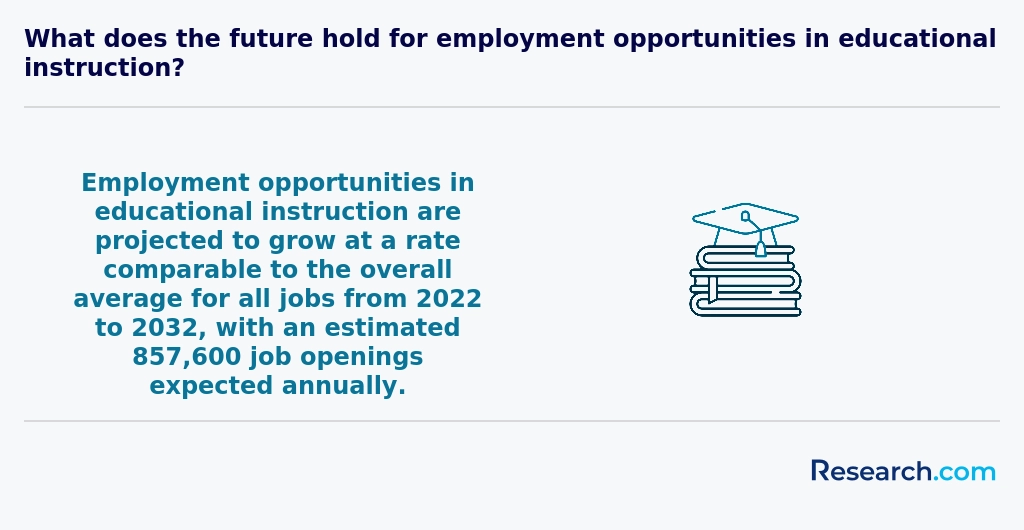
Pursuing an Affordable Master’s in Education in the South
Earning a Master’s in Education can open doors to leadership roles, higher salaries, and specialized expertise-yet many prospective students worry about escalating costs and time commitments. Fortunately, several Southern universities and accredited online providers offer budget-friendly master’s programs designed for working professionals. By choosing the right program, you can balance rigorous coursework with your existing obligations while minimizing student debt. When evaluating graduate options, consider exploring programs with asynchronous coursework and low per-credit tuition. For instance, online platforms often partner with state universities to deliver high-quality curricula at a fraction of on-campus rates. To compare top online offerings beyond the South, see our Cheapest Online Master's in Education Degree Programs Ranking in Illinois for insight into tuition, graduation rates, and student support services. Accreditation and state licensure alignment are critical. Ensure your chosen program holds CAEP or NCATE accreditation and meets your state’s certification requirements if you plan to pursue administrative or specialized roles. Many institutions provide clear degree maps, clinical practicum placements, and exam preparation workshops to streamline your path to credentialing. Financial aid for graduate students includes federal Stafford Loans, TEACH Grants for those committing to high-need schools, and institutional fellowships that cover full tuition or offer stipends. Accelerated pathways-such as 12-month cohort models-can reduce living expenses and allow you to enter the workforce sooner. By combining merit scholarships, employer tuition assistance, and careful program selection, an advanced degree in education becomes both attainable and transformative.
What courses are typically in education degree programs in the South?
Imagine stepping into a bright classroom at a renowned Southern university, where your journey begins with courses like Foundations of Education that unravel the mysteries of how young minds absorb knowledge. Graduates often recall how Child and Adolescent Development felt like decoding the emotions and energies buzzing in their practicum classrooms, making them ready to nurture every student's unique learning groove.
Hands-on lessons in Classroom Management Techniques transform theoretical chatter into real moments of calm amid chaos, a must-have skill for any future teacher in vibrant schools across Texas or Georgia. The thrilling blend continues with Instructional Technology, where students experiment with digital tools, imagining classrooms alive with interactive learning, much like those in Florida's public colleges.
Southern programs also dive into Diversity and Inclusion in Education, inviting future educators to champion equity with heart and innovation. Whether it's mastering Educational Assessment and Evaluation or embracing Special Education Practices, every course shapes educators who don't just teach-they inspire lifelong curiosity throughout the region's schools.
What types of specializations are available in education degree programs in the South?
Imagine walking the vibrant campuses of Southern universities where education degree specializations in the South unfold like a colorful map of opportunity. Graduates often share how diving into Early Childhood Education feels like unlocking the magic of those earliest years, shaping curious minds right from birth through third grade. Meanwhile, peers focusing on Secondary Education recall engaging in lively classroom simulations, preparing to inspire middle and high school students in subjects from Math to Social Studies, especially at renowned Southern schools where these programs shine. For those passionate about making a difference in special needs communities, Special Education programs tap into a powerful sense of purpose, echoing the region's growing demand for compassionate and skilled educators.
Many Southern colleges also embrace instructional innovation with Instructional Technology, weaving emerging digital tools into lessons, a favorite among students eager to teach in tomorrow's classrooms. With affordable teaching degree options Southern states offer, graduates often remark on how bilingual and ESL specializations equip them to connect with diverse communities, reflecting the South's rich cultural tapestry. For those eyeing leadership roles, Educational Leadership provides a pathway to shape policy and school culture in deeply rewarding ways. Exploring further? Consider checking out the best online doctorate programs to expand horizons even more.
How do you choose the best education degree in the South?
Choosing the best education degree in the South isn't just about picking a school; it's about envisioning your future classroom while balancing budget, location, and passion. Picture a graduate from a top Southern university who found joy in their program's blend of online flexibility and in-person mentoring-this mix made juggling work and family doable. Southern institutions often offer vibrant specializations, from early childhood development to educational leadership, weaving your unique interests into real-world impact.
Don't overlook cost differences: public in-state rates can be as low as $5,000 yearly, while private or out-of-state tuition soars past $20,000. Graduates often praise programs with solid regional accreditation by SACSCOC and strong ties to local schools, where hands-on teaching experiences transform theory into soul-stirring practice. If affordability is key, see how some find pathways using Cheapest Online Master's in Education Degree Programs Ranking in Illinois for inspiration from outside the South.
Ultimately, the best affordable education degrees in the South harmonize accreditation, cost, and flexible formats, while graduates revel in strong employment prospects, boosted by the state's supportive educational ecosystem. Choosing your path here means stepping into a community that nurtures your growth as an educator.

What career paths are available for education degree students in the South?
Graduates with an education degree in the South embark on a vibrant spectrum of career paths, each infused with opportunities to shape lives and communities. Picture a fresh graduate from a well-known Southern university stepping into a bustling classroom in Texas, bringing energy and innovative teaching methods to eager students. Beyond the front lines of teaching, these degrees unlock doors to roles as school counselors or educational psychologists, where graduates nurture student well-being and crack the code of learning strategies. In South Carolina, curriculum developers craft dynamic lesson plans that ripple through entire districts, reflecting the passion of those who thrived at local colleges.
For those drawn to leadership, becoming an educational administrator or instructional coordinator in a Southern state like Georgia means overseeing both staffing and the evolving educational landscape, fueled by regional demand for teaching jobs and salaries in Southern states. Many graduates also gravitate toward special education, championing tailored support for diverse learners. And as education grows, so do the jobs in higher ed advising-graduates from the South's best colleges often find niches here, driven by a rewarding sense of impact.
Financially savvy students recognize the value in programs highlighted in the Cheapest Online Master's in Education Degree Programs Ranking in Illinois, complementing their Southern education journey while expanding career horizons in education degree career opportunities in the South.
What is the job market for education degree in the South?
Graduates with an education degree in the South find themselves stepping into a dynamic job market where schools eagerly welcome new teachers. Imagine walking the halls of a bustling college known for its strong education programs, like the University of Florida or the University of Georgia, where recent graduates share stories of landing roles swiftly in both suburban and rural schools. This is no coincidence-population growth in these areas means classrooms need fresh minds, and turnover rates in critical subjects like math and special education keep the door wide open for newcomers. For those exploring options beyond traditional teaching, the South offers expanding roles in educational technology and coordination, making career paths as varied as the region itself.
The teaching career opportunities Southern states present are not just abundant but also financially considerate. While salaries range between $45,000 and $60,000, graduates often find this supported by a cost of living that lets them thrive without the financial squeeze seen elsewhere. Many Southern students take advantage of affordable tuition at local public universities, which averages around $8,000 per year, fueling both their passion and practicality.
One standout aspect is the variety of settings hiring qualified professionals-private, charter, and special education schools all eagerly recruit graduates. For students focused on deeper skill-building, finding the right certification that pay well can be a strategic move to enhance employability and job satisfaction in this fertile education landscape.
Frequently Asked Questions About education
Education degree students in the South can maximize their learning experience by taking advantage of regional resources and opportunities. Many Southern universities offer fieldwork placements in diverse school settings, allowing students to apply theory in real classrooms early in their programs. According to the National Center for Education Statistics, practicum and student teaching are crucial components for degree completion and professional readiness.
Students should also engage with local education communities through workshops and networking events common in Southern states, fostering mentorship and collaboration. Utilizing state-funded scholarship programs and online course options can make education more affordable and flexible, particularly important in the South where in-state tuition often remains lower than the national average.
The education field in the South is expanding into several emerging niches driven by changing societal and technological needs. One growing area is educational technology (EdTech), where professionals design and implement digital tools to enhance learning. According to the Southern Regional Education Board, EdTech job opportunities are expected to grow by over 15% by 2028.
Another niche is special education with a focus on supporting diverse learners through inclusive strategies. Southern states report a 10% rise in demand for special education teachers between 2020 and 2025.
Additionally, bilingual and multicultural education is gaining momentum. With increasing Hispanic populations in states like Texas and Florida, educators skilled in these areas are highly sought after.
Lastly, careers in education policy and administration are opening as districts look to improve equity and funding models across the region.
Preparing for the job market after completing an education degree in the South involves several strategic steps. Graduates should focus on obtaining state-specific teaching certifications, as Southern states like Texas and Georgia have distinct licensure requirements outlined by their Departments of Education. Gaining practical experience through student teaching or internships is vital; many Southern universities, such as the University of Florida, emphasize hands-on learning to boost employability.
Networking with local school districts can improve job prospects, as regional familiarity often plays a role in hiring decisions. According to the National Center for Education Statistics, the Southern region reports a steady demand for qualified teachers, particularly in rural areas where shortages persist. Graduates are encouraged to stay informed about continuing education and professional development opportunities to remain competitive and advance in their careers.
Employers in the South highly value education degree graduates who demonstrate strong communication and classroom management skills. According to the Southern Regional Education Board, effective communication with students, parents, and colleagues is essential for success in Southern schools.
In addition, cultural competency is increasingly important as Southern classrooms become more diverse. Teachers who can create inclusive environments and adapt to varied learning styles are in demand.
Data from the National Center for Education Statistics shows that expertise in technology integration is also a key skill. Many Southern school districts prioritize educators who can use digital tools to enhance student learning.
Finally, critical thinking and problem-solving abilities remain fundamental traits sought by employers across the region.
Finding internships in the South relevant to an education degree involves leveraging regional resources and university partnerships. Southern states like Texas and Florida have numerous public school districts and educational nonprofits that offer internships. According to the Southern Regional Education Board, many universities in the South maintain active internship programs connecting students to local K-12 schools, helping them gain classroom experience early.
Students should start by consulting their college's education department or career center, as these offices often maintain exclusive listings. Online platforms such as Handshake also list education internships tailored to Southern states. Additionally, networking with local teachers and attending education conferences in the region can uncover valuable opportunities.
In the Southern United States, earning an education degree can significantly enhance career mobility and advancement opportunities. According to the Southern Regional Education Board, educators with advanced degrees earn on average 20% more than those with only a bachelor's degree. Many school districts in states like Georgia, Texas, and North Carolina offer salary increases and leadership opportunities for teachers holding master's or doctoral degrees.
Additionally, an education degree often opens pathways to administrative roles, curriculum development, and specialized positions such as reading specialists or educational consultants. The demand for qualified educators in the South remains steady, bolstered by ongoing population growth and school expansions. This creates a favorable environment for degree holders aiming for upward mobility within the education sector.
Professional licensure and certifications linked to education degrees also improve job stability and geographic flexibility, enabling graduates to work across multiple Southern states. Data from the National Center for Education Statistics (NCES) highlights that Southern states have seen a 5% rise in enrollment for advanced education programs over the past five years, reflecting growing recognition of the degree's impact on career advancement.
Studying for an education degree in the South offers unique preparation for interdisciplinary roles by combining strong foundations in pedagogy with regional cultural and economic contexts. Southern universities often incorporate collaborative coursework across disciplines such as psychology, sociology, and technology, equipping students with versatile skills for diverse educational environments.
According to the Southern Regional Education Board, many Southern institutions emphasize practical experiences and partnerships with community organizations, fostering skills in communication and problem-solving across different fields.
This approach reflects workforce demands: the Bureau of Labor Statistics notes growing interdisciplinary roles in education, requiring adaptability beyond traditional classroom teaching.
Choosing between a thesis and a non-thesis education degree program in the South depends largely on your career goals and learning preferences. Thesis programs typically require original research and are ideal for those aiming at doctoral studies or research-focused roles.
Non-thesis programs tend to emphasize coursework and practical experience, appealing to professionals seeking advancement in teaching or administration. According to the National Center for Education Statistics, Southern universities often offer both, with about 40% of master's students opting for thesis tracks.
Consider time commitment: thesis programs may extend your study by a semester or more due to research demands, while non-thesis paths usually conclude faster.
Ultimately, reviewing program requirements from Southern institutions and assessing your long-term plans will guide your choice.
Students based in the South seeking to study education abroad have several pathways through US institutions offering international programs. Many Southern universities, such as the University of Florida and the University of Georgia, provide study abroad options focused on education, often including placements in countries like the United Kingdom, Australia, and Spain.
These programs allow students to earn credits toward their education degrees while gaining global perspectives on teaching methods and educational systems. According to the Institute of International Education, Southern states represent a growing share of outbound study abroad students in education-related fields, especially at the graduate level.
Additionally, some schools partner with international universities to offer dual degree or exchange programs, expanding options for Southern students without requiring full relocation.
Part-time job opportunities in the South that complement education degree studies often involve direct engagement with teaching and learning environments. Common roles include teacher's aide positions, tutoring, and substitute teaching. These jobs provide practical experience that enhances classroom theory learned in degree programs. For example, in states such as Georgia and North Carolina, substitute teaching can be pursued with minimal certification, offering flexible hours and valuable exposure to school settings (U.S. Department of Education, 2023).
Additionally, after-school program assistants and childcare providers offer part-time roles supporting student development outside typical classroom hours. According to the Southern Regional Education Board, these roles help build communication and management skills essential for future educators.
Education students in the South benefit from numerous networking opportunities that can enhance their professional growth. Many universities in Southern states, like the University of Georgia and University of Florida, host education-focused career fairs and alumni events, connecting students with experienced educators and potential employers. According to the Southern Regional Education Board, roughly 75% of Southern education students participate in internships, providing practical experience and valuable contacts.
Professional organizations, such as the Southern Early Childhood Association, also offer regional conferences and workshops. These events enable students to meet peers, mentors, and leaders in education while staying updated on best practices and policy changes.
Alumni networks play a significant role in supporting education degree students in the South. These networks provide access to experienced professionals who offer mentorship, career advice, and job opportunities within regional school districts. According to the Southern Regional Education Board, nearly 70% of education graduates in southern states find their first teaching position through alumni connections.
Networking events and online platforms also facilitate collaboration, allowing students to exchange resources and stay current with teaching trends. Additionally, alumni often contribute to scholarship funds helping to reduce financial burdens for current students. Overall, strong alumni networks enhance both career readiness and professional growth for education students in the South.
Customizing an education degree program in the South allows students to align their studies with specific career goals. Many Southern universities provide flexible curricula where students can choose concentrations such as special education, curriculum design, or educational technology. According to the Southern Regional Education Board, nearly 60% of education programs in the South offer electives tailored to local workforce needs.
Students can also participate in internships or field experiences within local school districts, gaining practical skills while networking for future employment. Additionally, online and hybrid program options enable working professionals to balance study with career demands. Certification pathways often include endorsements in high-demand subjects like ESL or STEM education, offering further customization.
Education students in the South often encounter multiple challenges during their studies. One key issue is limited access to diverse field experiences, as rural and underserved areas make up a large portion of the region. According to the Southern Regional Education Board, many students struggle to find quality practicum sites that expose them to varied classroom settings.
Financial strain is another common obstacle. The average tuition for public universities in Southern states ranges widely but often remains a barrier for students balancing work and school. Furthermore, the Southern Education Foundation highlights that students of color, who form a substantial demographic in the South, face gaps in academic support and resources.
Additionally, adapting to evolving state certification requirements can delay graduation or entry into the workforce. State-by-state differences in curriculum and testing create complexity that education students must navigate carefully. These factors collectively shape the demanding landscape of earning an education degree in the South.
With an education degree in the South, you can pursue several professional certifications that enhance your career opportunities. Among the most common is state teacher certification, required for public school teaching positions across southern states. Each state has specific exam and coursework requirements, often including the Praxis tests.
Beyond classroom teaching, many graduates opt for certifications in special education, ESL (English as a Second Language), or school administration. For example, special education certification helps meet growing demand, as the South sees higher rates of students requiring specialized support (NCES, 2022).
Other certifications include reading specialist endorsements and instructional coaching credentials. These qualifications often improve salary potential and job stability, especially in states like Georgia and Texas, which have robust certification pathways.
When applying to education degree programs in the South, a clear and focused personal statement is essential. Admissions committees value applicants who demonstrate an understanding of regional educational challenges, such as addressing rural school needs or diverse classroom environments common in Southern states. According to the National Center for Education Statistics, many Southern schools emphasize culturally responsive teaching, so highlighting relevant experiences is important.
Additionally, strong letters of recommendation from educators familiar with your commitment to teaching can significantly boost your application. Academic transcripts that show consistent performance, especially in relevant subjects, strengthen your profile.
Remember to tailor your application to each program's specific requirements and clearly state your career goals within Southern education contexts.
Education careers in the United States are increasingly viewed through a global lens, with rising emphasis on cross-cultural competencies and international education standards. For students in the South pursuing education degrees, this means opportunities to engage with global teaching methods and international collaboration. According to the National Center for Education Statistics (NCES), Southern states account for a significant share of teacher preparation programs, making it a key region for educators entering a globalized workforce.
Many Southern programs now include coursework on global education trends, preparing graduates to address diverse classroom needs. The global perspective also highlights the importance of technology integration and bilingual education, reflecting broader international demands.
Gaining practical experience is essential while studying for an education degree in the South. Many universities require supervised student teaching placements, giving hands-on classroom experience under certified mentors. In states like Texas and Georgia, these internships often last a full semester, providing valuable exposure to diverse educational settings.
Additionally, some programs offer partnerships with local schools for part-time assistant teaching roles or tutoring, allowing students to apply theory in real-time. According to the National Center for Education Statistics (NCES), over 60% of Southern education students engage in fieldwork before graduation.
Volunteering in community education programs is another practical option to build skills and professional networks.
Choosing the right concentration within an education degree program in the South involves assessing your career goals and regional needs. Common concentrations include elementary education, special education, and secondary education, each offering distinct career paths.
Data from the Southern Regional Education Board (SREB) highlights growing demand for teachers skilled in special education and STEM subjects across Southern states. Selecting a concentration aligned with workforce shortages can improve job prospects after graduation.
Consider the certification requirements in your state, as they vary widely in the South. Programs often tailor concentrations to meet these standards, providing a practical path to licensure.
Evaluating faculty expertise, practicum opportunities, and program flexibility can also guide your choice in concentration to best fit your learning style and long-term goals.
Top Trending Education Rankings
See What Experts Have To Say About Studying Education
Read our interview with Education experts


Alan J. Singer
Education Expert
Professor of Teaching, Learning and Technology
Hofstra University

References
- 10 Reasons Why Education Helps to Advance Your Career - Insight Training https://insight.edu.au/blog/career-advancement-through-education/
- How to strengthen your school’s network by integrating alumni | Edusign https://edusign.com/blog/how-to-strengthen-your-schools-network-by-integrating-alumni
- Latest Trends in the Field of Education - ICERT https://icert.org.in/latest-trends-in-the-field-of-education/
- 18 Highest Paying Jobs With an Education Degree (not teaching) | Devlin Peck https://www.devlinpeck.com/content/jobs-with-an-education-degree
- One Degree, Five Career Pathways: Where A BEd (Foundation Phase Teaching) Degree Can Take You | Boston City Campus https://www.boston.ac.za/blog/one-degree-five-career-pathways-where-a-boston-bed-foundation-phase-teaching-degree-can-take-you/
- What Employers Actually Want From Graduates https://bodyswaps.co/resources/blog/what-employers-actually-want-from-graduates
- How to Build Work Experience While Studying - EN Global Education Ltd https://englobaleducation.co.uk/how-to-build-work-experience-while-studying/
- An Overview of Specialization Options in Education Degrees https://www.euroeducation.net/articles/an-overview-of-specialization-options-in-education-degrees.htm
- 5 Tips on Choosing the Right Course or Study Program - Edunation https://www.edunation.co/5-tips-on-choosing-the-right-course-or-study-program/
- Tips for Choosing Your Graduate Concentration - Graduate Programs for Educators https://www.graduateprogram.org/blog/tips-for-choosing-your-graduate-concentration/





