2027 Best Education Degree Programs Ranking in Tacoma

Co-Founder and Chief Data Scientist
Choosing the right education degree program is an important step toward a rewarding career in teaching or education leadership. If you're a student in Tacoma, this article provides a clear guide to help you navigate your options.
Our 2027 Best Education Degree Programs Ranking in Tacoma was carefully developed by the Research.com team of data scientists to offer you reliable insights. This ranking highlights the top programs worth considering, making your decision easier and more confident.
Reading this article will help you discover quality programs that fit your goals and set you up for success. Pursuing an education degree can open doors to meaningful opportunities and personal growth.
Key benefits of getting education degree in Tacoma
- Graduates with an education degree in Tacoma can expect strong earning potential, with special education teachers earning around $76,000 annually and instructional designers making approximately $77,200 per year.
- Career paths include becoming elementary or special education teachers or instructional designers, as seen from successful graduates of the University of Washington Tacoma who enjoy diverse, rewarding opportunities.
- Online education degrees from institutions like the University of Washington Tacoma offer flexibility and convenience, allowing students to balance work and study while still gaining a valuable credential that employers respect.
- 2027 Best Education Degree Programs Ranking in Tacoma
- What can I expect from education degree in Tacoma?
- Where can I work with education degree in Tacoma?
What can I expect from education degree in Tacoma?
The average cost of pursuing an education degree in Tacoma tends to range between $10,000 and $12,000 per year for in-state students attending public universities. This figure often surprises aspiring educators who may expect much higher expenses, but it reflects the region's commitment to making teacher preparation accessible. Graduates recount how financial aid and scholarships significantly lightened their burdens, enabling them to focus on hands-on learning rather than financial stress.
For example, students at the University of Washington Tacoma benefit not only from affordable tuition but also from programs tailored to align with Washington state certification standards. These carefully designed experiences-such as student teaching placements in community schools-bring coursework to life, making every dollar invested feel worthwhile.
The real value emerges when considering the blend of theory and practice embodied in Tacoma's education programs. Affordable tuition paired with practical application builds confidence and joy in graduates as they enter classrooms ready to inspire future generations, proving that cost and quality can go hand in hand.
Where can I work with education degree in Tacoma?
With an education degree in Tacoma, you're stepping into a world of real, tangible opportunities-far beyond just traditional classroom teaching. Many graduates from Tacoma Community College or the University of Washington Tacoma find themselves shaping young minds in public K-12 schools, where the demand for teachers in special education, math, and science remains strong. Imagine the fulfillment of guiding a student struggling with learning challenges, knowing you're making a lasting impact on their future.
Others discover rewarding roles in early childhood education centers, where Tacoma's expanding network of over 150 licensed childcare facilities welcomes passionate educators eager to nurture the city's youngest learners. For some graduates, the path leads into educational administration-becoming principals or program directors who shape entire schools and curricula. This isn't just a job; it's a leadership role that directly influences the quality of education in over 50 local schools.
Specialized fields like special education or English language learning open doors to meaningful careers supporting Tacoma's diverse student community. And don't overlook positions at Tacoma's community colleges, where education degrees unlock opportunities for teaching and academic support roles, bringing a new dimension to traditional education paths.
Graduates from education programs in Tacoma could expect a varied range of salaries depending on their chosen path. For example, elementary school teachers generally earn around $70,740 annually, a figure reflecting Tacoma's competitive market influenced by the Seattle-Tacoma-Bellevue area. Those specializing as special education teachers may find themselves earning approximately $76,000 per year, highlighting a rewarding career both financially and personally.
Alumni from University of Washington Tacoma or Pierce College often share stories of starting teachers earning near $52,000, yet quickly advancing to mid-$70,000s as experience and credentials increase. Instructional designers, a growing field for education graduates, command a mean annual wage of about $77,200-showing how versatile an education degree can be in Tacoma's diverse academic landscape.
Graduates who pursue ESL teaching roles earn around $65,430, bringing valuable support to Tacoma's multicultural classrooms. Early childhood educators, while earning closer to $41,410, often find deep satisfaction nurturing young minds in local communities.
These figures, combined with Tacoma's strong union backing and district support, offer a promising outlook for education graduates seeking meaningful, stable careers with solid compensation.
- Tuition for education degrees in Tacoma public universities ranges from $8,000 to $12,000 per year for in-state students, while private schools charge between $20,000 and $30,000 annually.
- Additional costs such as fees, textbooks, and living expenses should be considered, but financial aid like state grants and federal loans can help lower expenses.
- The average starting salary for education graduates in Tacoma is about $45,000 per year, with potential increases to $65,000-$70,000 after ten years of experience.
- Education jobs in Tacoma are expected to grow by 7% over the next decade, driven by population growth and school district expansions.
- State certification in Washington requires completing an approved teacher preparation program and passing standardized tests before becoming licensed.
The journey to completing an education degree in Tacoma varies widely, yet it often challenges preconceived timelines. Graduates from the University of Washington Tacoma recall starting with a bachelor's program that commonly takes four years of immersive study, balancing demanding coursework with hands-on local practicum experiences. This blend makes the time investment feel meaningful rather than just a countdown.
Some community college alumni who began with an associate degree found the typical two-year track gave them a strong foundation quickly, especially when flexible scheduling allowed them to work simultaneously. Meanwhile, those pursuing master's degrees often cherish the part-time options, enabling them to juggle teaching jobs while expanding their expertise, enriching their professional and personal growth over one to two years.
Doctoral candidates, facing three to six years of focused research, highlight the rewarding challenge of contributing original insights to education in Tacoma's vibrant academic environment. These varied timeframes invite reflection on what completing a degree means beyond mere duration-it's about immersive, real-world learning that transforms both career and identity.
For many education graduates in Tacoma, WA, the next logical step after earning an undergraduate degree is to further enhance their qualifications with an advanced degree. Pursuing a Master's in Educational Leadership, for example, can open doors to higher-level administrative roles and provide the strategic skills needed to drive change in educational institutions. This advanced study not only deepens your understanding of effective school management and innovative teaching methodologies, but it also boosts your professional credibility and earning potential. Today, many professionals seek flexible learning options to balance career and family commitments; in this context, exploring online master's programs becomes an attractive alternative. For a comprehensive look at cost-effective and high-quality courses, consider checking out most affordable online master’s degrees in educational leadership. By investing in further education, you position yourself at the forefront of educational innovation, making a lasting impact on the future of learning in Tacoma and beyond.
Choosing between online and on-campus education degrees in Tacoma reveals striking contrasts beyond simple convenience. Graduates from the University of Washington Tacoma often praise the rich, face-to-face mentoring they received, describing moments in campus libraries or local schools where immediate feedback shaped their teaching style. This immersive environment fosters a sense of community and hands-on confidence hard to replicate digitally.
Conversely, online learners appreciate the flexible pace that fits around jobs or family responsibilities, especially those balancing Tacoma's bustling urban life. Yet, they share stories of the challenge in independently securing practicum hours within local districts, navigating licensing requirements without direct university facilitation. This self-driven model tests motivation and time management, but it also cultivates resilience.
Both paths demand rigorous standards-the same accreditation by CAEP ensures quality-but the lived experience diverges sharply. Tacoma students must weigh whether they thrive through structured, in-person immersion or flexible, tech-enabled autonomy, shaping not only their education but their future teaching identities.
To make informed decisions about their education, prospective students in Tacoma, WA, should consider the affordability of education programs. When evaluating the cost of tuition, it's essential to explore options for reducing expenses, such as enrolling in most affordable education programs in Washington. This approach enables students to balance their financial commitments with their academic aspirations, ultimately leading to a more sustainable and successful educational journey. By understanding the financial aspects of education and making strategic choices, students can navigate the complexities of higher education and achieve their career goals in fields like teaching, educational administration, or curriculum development.
The average cost of a education degree in Tacoma reflects a careful balance between opportunity and investment. Graduates from popular institutions like the University of Washington Tacoma often find that the median total cost hovers around $66,000, regardless of residency status. This figure challenges common perceptions that in-state students always pay significantly less; both in-state and out-of-state attendees can face similar overall expenses once fees, materials, and living costs are included. For students already living in Tacoma, this cost can feel both daunting and motivating-prompting them to consider not just tuition but the full spectrum of what education entails.
Many who pursue education degrees locally report a strong sense of value, viewing their expenses as an investment in a rewarding career dedicated to community impact. Tuition and fees for education programs Tacoma reflect this dynamic: public institutions might offer lower sticker prices for bachelor's degrees, but when graduate programs and private colleges enter the picture, costs can shift significantly. These graduates often speak of the importance of exploring financial aid. The availability of scholarships and aid programs plays a crucial role in making the degree feasible and sustaining motivation throughout their studies.
Those weighing the financial commitment often discover practical advice by reviewing the most affordable education programs in Washington, which showcase options that align with both budget and long-term career goals. Considering tuition as just one element, students reflect on the holistic expenses including books, supplies, and living costs, which together frame the total economic landscape of education in Tacoma.
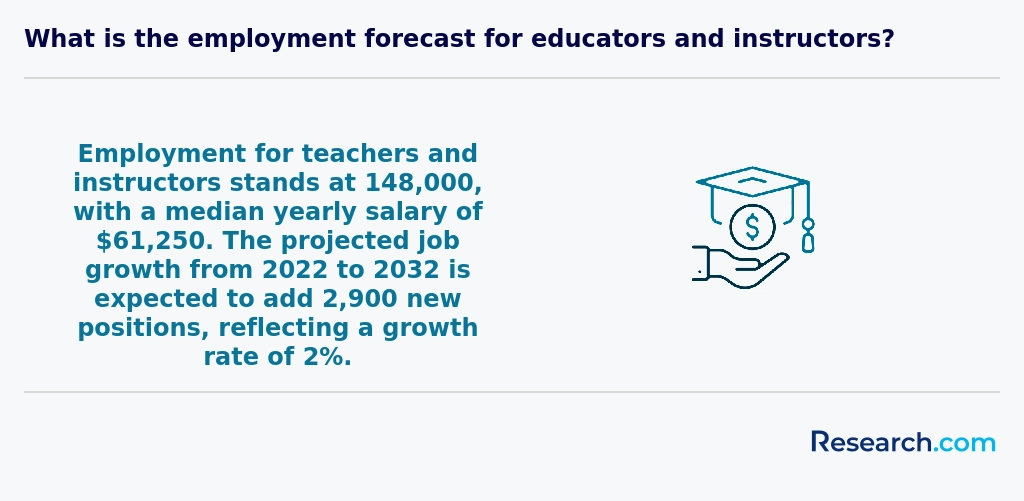
Aspiring educators in Tacoma must navigate Washington’s teacher certification pathway, which ensures you’re fully prepared and legally authorized to teach. First, candidates need a bachelor’s degree from an accredited institution and must pass the WEST‐B (Basic Skills) assessment or approved alternatives. Next, you’ll apply for a Residency Teaching Certificate through the Washington Office of Superintendent of Public Instruction (OSPI), submitting official transcripts, test scores, and a background check clearance. During your residency, you’ll complete two years of mentored teaching while fulfilling a Washington state-approved educator preparation program. Upon successful completion of residency requirements and program coursework, you become eligible for the Professional Teaching Certificate. This long-term credential requires ongoing professional development-educators must earn 100 clock hours every five years through approved workshops, graduate courses, or in-district training. Special education, STEM, bilingual education, and other endorsements can be added by passing corresponding WEST‐E or NES assessments and completing required pedagogy courses. For educators seeking advanced credentials and flexible formats, consider exploring our Most Affordable Online Master’s in Education Degree Programs Ranking in Slippery Rock, PA , which highlights cost-effective paths to meet license renewal and endorsement requirements. By understanding these certification milestones-from Residency to Professional status and beyond-you’ll be well-positioned to thrive in Tacoma’s dynamic educational landscape.
Many education students in Tacoma find unexpected relief through federal aid like Pell Grants, which can provide up to $7,395 annually without the stress of repayment. Graduates at the University of Washington Tacoma often describe how work-study programs offered a lifeline, blending income with real-world teaching experiences that boosted both their confidence and resumes.
State resources, such as the College Bound Scholarship, frequently transform the financial landscape for low- and middle-income families, making Tacoma Community College tuition more accessible than many realize. The Washington State Opportunity Scholarship is a game changer, awarding up to $22,500 over five years for students committed to teaching locally-fueling a sense of purpose and community among recipients.
Locally, scholarships like UW Tacoma's Teacher Education Scholarship or grants from the Tacoma Education Foundation, ranging from $500 to $5,000, often become pivotal moments in a student's journey, turning hopes into achievable goals. Programs like the Teacher Loan Forgiveness, forgiving up to $17,500 after teaching in underserved Tacoma schools, provide both financial freedom and renewed passion for giving back.
Education programs in Tacoma, WA, distinguish themselves through robust field experience components and strategic partnerships with area school districts, ensuring that students gain real-world classroom exposure before graduation. Through collaborations with Tacoma Public Schools, University Place School District, and local nonprofits like the Y WCA, teacher candidates complete multiple practicum placements that refine their instructional techniques, classroom management, and cultural competency. For example, Pacific Lutheran University’s partnership with Tacoma Public Schools offers a year-long residency model, during which candidates co-teach alongside veteran educators and receive continuous feedback. Similarly, the University of Washington Tacoma embeds mentorship from experienced instructors in its field seminars, allowing students to observe differentiated instruction in action and co-develop lesson plans for diverse learners. In addition to traditional K-12 placements, many programs leverage connections with community organizations-such as the Tacoma Boys & Girls Clubs and local adult literacy centers-to prepare educators for non-profit and adult education settings. These experiences not only enhance teaching portfolios but also expand professional networks, often leading to job offers upon graduation. Prospective students interested in flexible, cost-effective alternatives may also explore the Most Affordable Online Master's in Education Degree Programs Ranking in Slippery Rock, PA, which outlines online practicum arrangements that accommodate working professionals. By engaging in field experiences tailored to their chosen specializations, Tacoma education majors graduate with the confidence, connections, and practical skills needed to excel in today’s dynamic educational landscape.
Enrolling in an education degree program in Tacoma is not merely about submitting documents; it demands proof of genuine academic and personal readiness. Graduates from Tacoma's well-regarded institutions often recall how their journey began with solid groundwork-holding a high school diploma or GED for undergraduates and a bachelor's degree for graduate hopefuls. This ensures everyone starts on equal footing, ready to tackle the complexities of education.
Applicants must also overcome standardized test barriers-SAT or ACT scores for undergraduates, or Praxis Core tests for certification-challenging not just knowledge but perseverance. Several graduates reflect on how these assessments sharpened their focus on teaching fundamentals before advancing further.
More intangible but equally vital are letters of recommendation and personal statements, where candidates reveal their passion for education. Popular Tacoma colleges emphasize these as ways to glimpse motivation and character, essential for nurturing empathetic educators.
- Minimum GPAs around 2.5 to 3.0 vary by school but signal academic consistency.
- Background checks and immunization records ensure student safety and compliance with child-related regulations.
- Volunteer experience in educational settings often tilts the scales, emphasizing real-world commitment.
Such prerequisites shape not only qualified students but future educators deeply connected to Tacoma's vibrant learning communities.
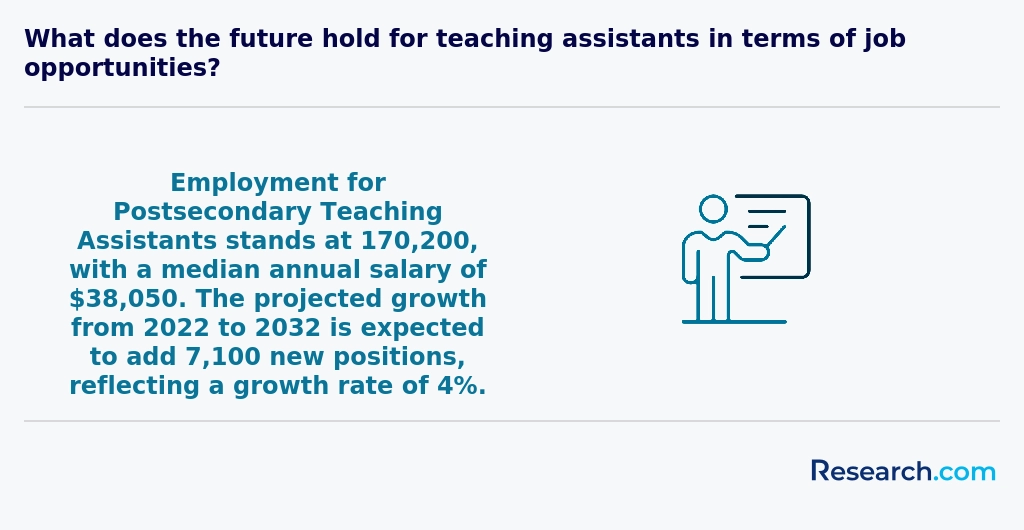
Education degree programs in Tacoma, WA, emphasize hands-on learning through structured internships and practicum placements that bridge theory with real-world classroom experience. Most bachelor’s and master’s tracks require 12–16 weeks of supervised student teaching in local K–12 schools, where candidates design lesson plans, lead instruction, and receive feedback from certified mentor teachers. These field experiences not only develop classroom management and differentiated instruction skills but also foster vital professional connections within Tacoma’s school districts. To accommodate diverse schedules, some programs integrate practicum hours with online coursework; aspiring educators interested in flexible study formats might explore the Most Affordable Online Master’s in Education Degree Programs Ranking in Slippery Rock, PA to compare how online formats handle supervised teaching. Additionally, partnerships with organizations like the Tacoma School District and local nonprofits offer paid internships in curriculum development and educational technology, enabling students to build portfolios and boost employability before graduation.
Education degree programs in Tacoma immerse students in courses that balance theory with hands-on practice, directly reflecting the city's diverse classroom landscape. Graduates from Tacoma's popular universities often describe how studying Educational Psychology helped them understand not just development stages but the individual stories behind each learner, making lessons more impactful.
In courses like Curriculum Development and Instructional Strategies, students design lesson plans tailored to Tacoma's culturally rich communities. One graduate shared that exploring Diversity and Inclusion wasn't just theoretical-it transformed how they approach teaching, fostering real connections in classrooms where nearly half the students come from minority backgrounds.
Classroom Management and Assessment classes prepare future teachers to create respectful, dynamic environments, an essential skill in Tacoma's bustling schools. Practicum experiences at local schools offer an invaluable bridge from theory to practice, giving students confidence and a deep sense of purpose as they navigate real challenges and celebrate small victories.
This blend of coursework, rooted in Tacoma's unique educational needs, ensures that every student leaves feeling ready and passionate to inspire the next generation.
Education degree specializations in Tacoma extend far beyond the traditional classroom teacher role, deeply reflecting the community's commitment to inclusivity and innovation. Graduates from the University of Washington Tacoma often share how immersing themselves in Elementary or Secondary Education gave them confidence to navigate real classrooms, teaching diverse student populations. Others recount how Special Education programs prepared them emotionally and practically for the challenges of supporting students with disabilities, a critical area given Washington State's focus on inclusive education.
Many students dive into teaching certification programs Tacoma to develop expertise in Early Childhood Education or ESL and Bilingual Education, vital for the city's multicultural environment. Some find themselves drawn to Educational Leadership, inspired to influence school policies and pursue administrative roles. Others explore emerging fields like curriculum development and educational technology, discovering fresh perspectives on how to engage learners effectively.
For those seeking flexible advancement, graduates often recommend considering the most affordable online master's degrees in educational leadership to elevate their careers while balancing life in Tacoma's vibrant educational landscape.
Choosing the best education degree in Tacoma means probing beyond reputation and glitzy brochures. Graduates from the University of Washington Tacoma often recall how program accreditation and alignment with the Professional Educator Standards Board shaped their seamless path to certification-an essential step often overlooked in the excitement of choosing a school. It's this accreditation focus that sets a strong foundation for real-world teaching success.
Affordability is equally compelling. Students at Tacoma Community College highlight the relief of balancing rigorous education programs with manageable tuition under $5,000 per year, making education dreams feel achievable rather than overwhelming. Considering affordable teaching degrees Tacoma WA demands looking carefully at tuition juxtaposed with financial aid opportunities unique to local institutions.
Think about specialized endorsements and practical experiences too. Many find that hands-on clinical training in Tacoma schools offers an irreplaceable edge, fostering confidence before stepping into full classrooms. For flexible learners juggling life, online options ranked among the Most Affordable Online Master's in Education Degree Programs Ranking in Slippery Rock, PA serve as inspiration for balancing personal growth with professional demands.

Graduates pursuing education degree jobs in Tacoma often discover a diverse range of fulfilling career paths that extend well beyond the traditional classroom. Many find themselves thriving in roles as elementary or secondary school teachers within Tacoma Public Schools, where their work directly impacts a culturally rich and diverse community. Others embrace special education, driven by the rewarding challenge of supporting students with disabilities-a growing necessity in the region due to inclusive education policies.
Career opportunities for Tacoma education graduates also include becoming school counselors or academic advisors, positions vital to fostering student well-being and academic success amid the complexities of urban school districts. Educational administration offers another avenue, where graduates can influence school operations and policy from leadership roles. Early childhood education and adult education instruction in Tacoma's community colleges further broaden the horizon for those eager to inspire learners at various life stages.
Many graduates from Tacoma's well-regarded institutions recall how real-world experiences shaped their passion. Tuition investments, mitigated by scholarships, become a stepping stone to meaningful work that blends personal growth with community impact. For those looking to deepen their expertise, exploring Most Affordable Online Master's in Education Degree Programs Ranking in Slippery Rock, PA can expand opportunities beyond local boundaries while building on the foundation laid in Tacoma.
The education degree job opportunities Tacoma offers are shaped by a stable yet evolving market that benefits graduates from local institutions like the University of Washington Tacoma and Pacific Lutheran University. These graduates often share stories of landing positions within the Tacoma Public Schools district, where vacancies in special education, STEM, and bilingual education highlight where demand truly lies. Many find encouragement knowing starting salaries hover around $60,000 to $65,000, competitive figures that reflect Washington State averages and support a comfortable entry into the profession.
Teacher employment outlook Tacoma Washington reveals growth fueled by retirements and rising student enrollment, creating a ripple effect of opportunity for new educators. Graduates often note how the accessible tuition in Tacoma's education programs helped ease financial stress, allowing them to focus on their passion for teaching. For those still exploring career paths, understanding what are the most useful college majors can sharpen their focus on building valuable skills that align with the region's needs.
2027 Best Education Degree Programs Ranking in Tacoma
Investing in your education is a significant decision that can shape your future, and the Research.com team is fully aware of the importance of making well-informed choices. To aid prospective students in Tacoma, we have carefully developed the "2027 Best Education Degree Programs Ranking in Tacoma." Our dedication to quality, credibility, and accuracy is demonstrated through rigorous research and comprehensive analysis conducted to produce this ranking.
We utilized the following reputable data sources to ensure a thorough evaluation of education degree programs:
By consulting this ranking, readers will receive valuable guidance to identify top education programs in Tacoma, empowering them to make decisions aligned with their academic and professional goals. For a detailed explanation of our approach, please visit our Research.com methodology page.


# 4 position
University of Washington-Tacoma Campus
Master of Education (MEd) in Elementary Education

# 5 position
Faith International University
Doctor of Education

Frequently Asked Questions About education
Education degree students in Tacoma can maximize their learning experience by engaging actively with both coursework and practical opportunities. Many local institutions, including the University of Washington Tacoma, emphasize practicum placements in nearby schools, allowing students to apply theory in real classrooms. Research from the Washington State Board for Community and Technical Colleges highlights that hands-on experiences increase teacher preparedness by up to 40%.
Students should also take advantage of Tacoma's diverse community, developing culturally responsive teaching strategies that are crucial in this region. Additionally, joining study groups and education clubs enhances peer learning and networking. Utilizing university career services to connect with local education employers can further improve job prospects after graduation.
Emerging niches in the education field reflect growing demands for specialized skills and innovative teaching methods. In Tacoma, areas such as educational technology, special education, and bilingual instruction are gaining momentum. According to recent reports from the Washington State Employment Security Department, jobs in educational technology are projected to grow by 12% through 2028.
Special education remains a critical focus due to increased awareness of diverse learning needs. Tacoma Public Schools has boosted efforts to support students with disabilities, creating more opportunities for educators in this field.
Bilingual and multicultural education programs are expanding, responding to Tacoma's diverse population. Educators fluent in Spanish and other languages are especially sought after to meet district needs.
Preparing for the job market after earning an education degree in Tacoma requires strategic planning and practical experience. Start by gaining classroom experience during your studies through student teaching or internships, which are often required by Washington state certification programs. Tacoma Public Schools is one of the largest local employers, so familiarizing yourself with their hiring protocols and attending job fairs can boost your chances.
Networking is essential; consider joining local professional organizations such as the Washington Education Association. According to the U.S. Bureau of Labor Statistics, employment for teachers in Washington is projected to grow about 7% through 2031, indicating steady demand.
Finally, completing state certification and keeping up with continuing education requirements enhances your job prospects and readiness for the Tacoma job market.
Employers in Tacoma prioritize several key skills in candidates with education degrees. Strong communication abilities rank highly, enabling graduates to engage effectively with students, parents, and colleagues. According to the Washington State Workforce Training and Education Coordinating Board, adaptability and problem-solving skills are also critical, as educators often face dynamic classroom environments requiring flexibility.
Additionally, cultural competence is essential in Tacoma's diverse schools, helping teachers meet the needs of students from varied backgrounds. Data from Tacoma Public Schools highlights that graduates with proficiency in educational technology are sought after, reflecting the increasing integration of digital tools in teaching.
Overall, mastery of classroom management, collaboration, and a commitment to lifelong learning are consistently emphasized by local employers.
Finding internships in Tacoma relevant to an education degree involves leveraging local school districts and community organizations. Tacoma Public Schools and Clover Park School District often offer internship or practicum opportunities for education students, providing direct classroom experience.
Additionally, the University of Washington Tacoma and Pacific Lutheran University have partnerships with nearby schools, which help students secure placements. According to the Washington State Employment Security Department, education internships in Tacoma increased by 12% in the last three years, reflecting growing opportunities.
Students can also explore programs through Tacoma's nonprofit centers focused on youth education and development. Networking with local educators and attending career fairs hosted by universities remain important steps.
Obtaining an education degree in Tacoma significantly enhances career mobility and advancement for professionals in the field. According to the Washington State Employment Security Department, educators with a bachelor's or master's degree experience faster job placement and higher salary prospects compared to those without formal credentials. Tacoma's school districts, including Tacoma Public Schools, often prioritize candidates holding state-certified education degrees, which can lead to roles beyond teaching, such as curriculum development or administrative positions.
Additionally, educators invested in continuing education or earning advanced degrees in Tacoma tend to access leadership roles more readily. The local demand for qualified educators remains steady, supported by community growth and education funding initiatives documented by the Tacoma Chamber of Commerce.
Studying for an education degree in Tacoma equips students with skills essential for interdisciplinary roles. Tacoma's education programs emphasize collaboration across subjects like psychology, sociology, and technology, reflecting the complex demands of modern classrooms. According to the Washington State Workforce Training and Education Coordinating Board, Tacoma educators increasingly engage in cross-disciplinary practices to meet diverse learner needs.
Local institutions integrate practical experiences that connect theory with multiple fields, preparing graduates for roles beyond traditional teaching. For example, Tacoma's programs incorporate service learning and partnerships with community organizations, fostering real-world problem solving.
This approach aligns with national trends favoring educators capable of addressing social, emotional, and academic challenges simultaneously.
Choosing between a thesis and a non-thesis education degree program in Tacoma depends largely on your career goals and learning preferences. A thesis program typically involves conducting original research and writing a detailed paper, which is ideal for those considering further academic work or a career in research. Conversely, non-thesis programs focus more on coursework and practical skills, suited for professionals aiming to enter or advance in teaching or administrative roles.
According to data from the National Center for Education Statistics, many Tacoma institutions offer flexible formats for education degrees, reflecting strong local demand for both research and applied expertise. Prospective students should also consider program length, time commitments, and faculty support as available in Tacoma schools.
It is advisable to review specific program requirements and speak with advisors in Tacoma-based colleges to align your choice with your professional aspirations.
Students in Tacoma seeking to study education abroad have several options through affiliated programs with local institutions. The University of Washington Tacoma, for example, offers exchange opportunities with partner universities in countries such as Japan and Germany, focusing on comparative education and teaching methods. Many programs last a semester or a full academic year, allowing students to gain international classroom experience.
According to the Institute of International Education, Washington state sent nearly 7,000 students abroad in 2022, with education majors comprising a notable share. Tacoma students can also access broadly recognized programs like those run by the Council on International Educational Exchange (CIEE), which provide valuable teaching internships worldwide.
Students pursuing education degrees in Tacoma have various part-time job opportunities that complement their studies and enhance practical skills. Many local schools and community centers offer tutoring positions, allowing students to apply teaching methods in real settings. According to Tacoma Public Schools, over 20 percent of their student instructors are part-time tutors, which helps build classroom experience early on.
Additionally, working as a teacher's assistant in nearby elementary or secondary schools provides exposure to lesson planning and classroom management. Nonprofits focused on youth development, such as Youth Tutoring Program of Tacoma, frequently hire education students part-time.
These roles not only support income but also strengthen resumes, making them valuable for future educators in Tacoma's competitive job market.
Education students in Tacoma have access to various networking opportunities that support their academic and professional growth. Local universities, such as the University of Washington Tacoma and Pacific Lutheran University, host education-focused events and career fairs annually. These events connect students with experienced educators and school district representatives.
Additionally, Tacoma Public Schools offers student teaching placements that foster strong professional relationships. Organizations like the Tacoma Education Association provide workshops and conferences, promoting collaboration among aspiring teachers in the region. These community connections enable students to build vital networks before entering the workforce.
According to the Tacoma-Pierce County Chamber of Commerce, education employment has grown 8% over the last five years, signaling expanding opportunities for networking and job placement locally.
Alumni networks provide valuable support for education degree students in Tacoma by connecting them with experienced graduates who work in local schools and educational organizations. These networks facilitate mentorship, offering students advice on classroom management, curriculum development, and career pathways. According to a 2023 report from the Washington Student Achievement Council, 68% of education graduates in the Tacoma area found employment within six months by leveraging alumni contacts.
Furthermore, alumni networks often organize workshops, job fairs, and professional development events, which help students stay updated on teaching standards and certification requirements in Washington State. Engaging with alumni can also increase access to hidden job markets and internships, enhancing practical training opportunities while still in school.
Customizing your education degree program in Tacoma involves selecting courses and specializations aligned with your career goals. Many local institutions offer flexible curricula that allow students to focus on areas like special education, curriculum design, or educational leadership. For example, the University of Washington Tacoma provides options to tailor coursework through elective credits and practicum experiences.
Additionally, Tacoma schools often encourage partnerships with local K-12 districts, enabling hands-on internships that enhance practical skills. According to the Washington Student Achievement Council, students who engage in such experiences report better job placement upon graduation.
Graduate students can pursue endorsements or certifications such as ESL or reading specialist credentials, which complement teaching licenses and increase employment opportunities in the Puget Sound region.
Education students in Tacoma commonly face several challenges during their academic journey. One key difficulty is balancing coursework with fieldwork requirements, as many programs demand extensive classroom observations and student teaching in local schools. This hands-on component can be time-consuming and stressful alongside classes.
Financial barriers also impact students; according to the Washington Student Achievement Council, tuition costs and limited scholarship options pose significant hurdles for many Tacoma students pursuing education degrees. Additionally, navigating the state's teacher certification process adds complexity, with specific exams and background checks required before entering the profession.
Finally, adapting to diverse classroom environments in Tacoma's urban schools demands strong cultural competence and classroom management skills, often challenging for new educators. These factors combined make the path to becoming a teacher in Tacoma demanding but essential for addressing local educational needs.
With a degree in education, students in Tacoma can pursue several professional certifications that enhance their teaching careers. The most common is the Washington State Teaching Certificate, which is required to teach in public K-12 schools. This certification has endorsements for different subjects and grade levels.
Additional certifications include the National Board Certification, a prestigious credential recognized nationwide that can lead to higher salaries and job advancement. For those interested in special education, the Special Education Certification is available through the Washington Office of Superintendent of Public Instruction.
Other options include ESL (English as a Second Language) endorsements, which are important in diverse areas like Tacoma, where English language learners are increasing per recent state reports. These certifications open more employment opportunities in public and private schools.
Writing a winning application for an education program in Tacoma requires clear organization and attention to detail. Start by researching local institutions like the University of Washington Tacoma and Tacoma Community College to understand their specific program requirements and deadlines. According to the Washington State Board for Community and Technical Colleges, education degree programs here often emphasize practical teaching experience.
Highlight your academic achievements, relevant volunteer work, and any experience working with children. Tacoma schools value candidates demonstrating community involvement and cultural awareness. Including a well-crafted personal statement that connects your goals with Tacoma's diverse educational needs can strengthen your application.
Be sure to request letters of recommendation from educators or professionals familiar with your skills. Accurate and complete paperwork is critical to avoid delays in processing your application. Following these steps increases your chances of acceptance into Tacoma's competitive education programs.
Education careers in the United States, including Tacoma, are influenced by global trends emphasizing multicultural competence and digital literacy. According to the Washington State Workforce Training and Education Coordinating Board, demand for qualified educators in Tacoma is expected to grow by 7% through 2030. This growth aligns with global recognition of education as a tool for social equity and economic development.
Internationally, there is a strong focus on inclusive education and lifelong learning, which shapes curriculum standards in U.S. programs. Tacoma's education degrees often incorporate these global perspectives, preparing graduates to work in diverse classrooms and adapt to evolving technologies.
Such global viewpoints enhance U.S. educators' ability to engage with students from varied backgrounds, reflecting Tacoma's multicultural community as shown in the latest U.S. Census data. For students in Tacoma, pursuing an education degree with an international understanding offers broader career opportunities locally and beyond.
Gaining practical experience while pursuing an education degree in Tacoma is essential for career readiness. Many local institutions, such as the University of Washington Tacoma, offer practicum and student teaching opportunities integrated into their programs. These placements typically occur in nearby schools across Tacoma, providing direct classroom experience under the supervision of certified educators. According to data from the Washington State Office of Superintendent of Public Instruction, over 60% of teacher preparation students in the region complete hands-on internships before graduation.
Additionally, Tacoma community colleges often partner with local districts to facilitate field experiences that help students develop classroom management and instructional skills. Volunteering in after-school programs or tutoring can also supplement formal practicum hours, giving students diverse exposure to educational environments.
Choosing the right concentration within an education degree program in Tacoma involves careful consideration of your interests and career goals. Education degrees often offer various specializations, such as early childhood education, special education, or educational leadership. Tacoma's local job market favors educators skilled in special education and STEM subjects, reflecting regional school district needs reported by the Tacoma Public Schools district.
Students should research concentration requirements and available practicum opportunities at Tacoma universities like the University of Washington Tacoma. Accreditation by bodies like CAEP ensures quality training connected to current education standards.
Additionally, explore how each concentration aligns with teacher certification requirements in Washington state, as this impacts your pathway to employment. Consulting with academic advisors can help clarify these factors.
- 2027 Best Education Degree Programs Ranking in Stockton
- 2027 Best Education Degree Programs Ranking in San Francisco
- 2027 Best Education Degree Programs Ranking in Irvine
- 2027 Best Education Degree Programs Ranking in Riverside
- 2027 Best Education Degree Programs Ranking in Denver
- 2027 Best Education Degree Programs Ranking in La Jolla
- 2027 Best Education Degree Programs Ranking in San Diego
- 2027 Best Education Degree Programs Ranking in Colorado Springs
- 2027 Best Education Degree Programs Ranking in Phoenix
- 2027 Best Education Degree Programs Ranking in Minneapolis
See What Experts Have To Say About Studying Education
Read our interview with Education experts


Nooshan Ashtari
Education Expert
Professor & Book Author
University of Southern California

- The importance of networking in the education sector https://www.tlclive.com/blog/the-importance-of-networking-in-the-education-sector
- Education degree - Tłumaczenie po angielsku - Słownik angielsko-polski Diki https://www.diki.pl/slownik-angielskiego
- Why Experience is Just as Important as Education https://lateral-connect.com/why-experience-is-just-as-important-as-education/
- Financial Aid : Tacoma Community College https://www.tacomacc.edu/costs-admission/financial-aid/
- The Pros and Cons of Online Learning vs. Traditional Education https://www.sophia.org/blog/higher-education/pros-cons-online-learning-vs-traditional-education/
- 5 Tips on Choosing the Right Course or Study Program - Edunation https://www.edunation.co/5-tips-on-choosing-the-right-course-or-study-program/
- Latest Trends in the Field of Education - ICERT https://icert.org.in/latest-trends-in-the-field-of-education/
- The State of Public Education: A Journey of Equity, Access, and Empowerment https://graduatetacoma.org/the-state-of-public-education-a-journey-of-equity-access-and-empowerment/
- International teaching and education jobs https://www.tes.com/jobs/search/international
- 18 Highest Paying Jobs With an Education Degree (not teaching) | Devlin Peck https://www.devlinpeck.com/content/jobs-with-an-education-degree