
2027 Best Online Bachelor's in Education Degree Programs Ranking in the South

Co-Founder and Chief Data Scientist
Choosing the right education degree program is an important step toward a fulfilling career. For students in the South, this article offers a comprehensive guide to online bachelor's in education programs tailored to your needs.
The 2027 Best Online Bachelor's in Education Degree Programs Ranking in the South was created by the Research.com team of data scientists to help you make an informed decision. By exploring this ranking, you'll discover credible options that match your goals and lifestyle.
Pursuing an education degree opens doors to meaningful work that positively impacts communities. This article supports your journey with trusted information and clear insights.
Key benefits of getting online education degree in the South
- Education degree graduates in the South can expect competitive salaries, such as $76,000 for Special Education Teachers and $77,200 for Instructional Designers, providing strong financial stability.
- Graduates from popular Southern universities often pursue rewarding careers as Early Childhood Educators or ESL Teachers, opening up diverse opportunities to make a positive impact on students' lives.
- Online education degrees offer flexibility and convenience, as seen with graduates from well-known Southern schools, enabling students to balance work, family, and study while earning their credential efficiently.
- 2027 Best Online Bachelor's in Education Degree Programs Ranking in the South
- What can I expect from online education degree in the South?
- Where can I work with online education degree in the South?
What can I expect from online education degree in the South?
Many graduates from well-known Southern universities have found that the average cost of pursuing an online education degree hovers around $9,200 per year at public institutions, though this can be even lower for residents. Imagine balancing your job and family while studying online at a university in Georgia or North Carolina, paying less than a traditional campus program but receiving the same accredited curriculum tailored to state certification needs.
These students often express relief at the affordability, especially since financial aid and scholarships targeted at future educators are widely accessible. One graduate recalls managing her budget with online coursework from a Texas university, appreciating how cost-effective it was to earn her degree without sacrificing essential in-person teaching practicum experiences. This blend of affordability, flexibility, and practical training creates a unique educational journey that aligns with Southern values and realities, encouraging aspiring teachers to invest confidently in their future careers.
Where can I work with online education degree in the South?
Graduates with online education degrees from respected Southern institutions like the University of North Carolina or Florida State University often discover that their career options extend far beyond the classroom. Many start as licensed teachers, filling urgent needs in districts throughout Georgia or Texas where demand for math and science educators remains high. One graduate shared how earning an online degree gave her flexibility to balance family life while securing a rewarding teaching position in a growing Texas school district.
Others find themselves drawn toward dynamic administrative roles-curriculum development, instructional design, or educational technology-where they influence how learning happens across multiple schools. With Southern school systems embracing digital tools, these careers are expanding fast, offering meaningful ways to reshape education for diverse communities.
Higher education also beckons graduates aiming to support future teachers or lead student services at colleges such as Clemson or Louisiana State University. Beyond academia, community organizations and adult education programs provide fulfilling paths, especially as Southern states boost funding for career readiness initiatives. The dynamic Southern education landscape rewards those ready to innovate and inspire.
Graduates from online education programs in the South often discover that their earning potential surpasses initial expectations. For instance, a graduate from a well-regarded Southern university stepping into a role as an elementary school teacher can anticipate an average annual salary of around $70,740, which challenges the common notion that teaching pays poorly. Those specializing as special education teachers see even greater rewards, earning an average of $76,000 annually, reflecting the valued expertise required in this field.
Consider a graduate from a popular Southern college who transitions into instructional design; this pathway offers an appealing salary near $77,200 per year. With such roles growing in importance, especially as education moves increasingly online, the financial prospects brighten beyond traditional classrooms.
A compelling real-life example involves graduates pursuing ESL teaching, where salaries average $65,430 annually, providing both professional fulfillment and financial stability in diverse school communities. These figures highlight that an online education degree in the South can unlock vibrant career opportunities with salaries that reflect both skill and dedication.
- Tuition and fees for online bachelor's degrees in education in Southern states range from about $9,000 to $18,000 per year, depending on the institution and residency.
- Entry-level teachers with a bachelor's degree in education typically earn between $40,000 and $45,000 annually in the South.
- Experienced teachers with additional certifications can earn $55,000 to $60,000 or more in most Southern states.
- There is a strong demand for educators in Texas, Florida, Georgia, and North Carolina, especially in special education, STEM, and bilingual education.
- Online education degrees from accredited institutions are accepted for state teaching certification and licensure in the South.
- Many Southern universities offer virtual tutoring, internship support, and career counseling to help students meet certification requirements and enter the workforce.
Completing an online education degree in the South commonly takes about four years when studying full-time, a timeline familiar to graduates from institutions like the University of Florida or University of Georgia. Yet, this timeframe is more flexible than many expect. Graduates balancing jobs or family schedules often extend their journey to five or six years, valuing the ability to pace their studies without sacrificing personal responsibilities.
Consider a working parent enrolled at a Southern university offering accelerated courses or competency-based learning; they might finish more quickly by demonstrating mastery in key subjects rather than following a rigid semester schedule. This flexibility is a hallmark of many Southern online programs, providing a personalized rhythm that reflects real life rather than a fixed calendar.
Graduates frequently describe feelings of accomplishment tied to these adaptable paths-recognizing that obtaining a degree isn't just about speed, but about growth that fits into a full, dynamic life. The time invested isn't just years spent but experiences gained.
Obtaining a state teaching license after earning an Online Bachelor’s in Education in the South is critical for entry into the profession. Requirements vary by state but generally include completing a teacher preparation program at an accredited institution, passing standardized content and pedagogy exams (such as Praxis Core Academic Skills and Subject Assessments), and fulfilling a supervised student-teaching practicum. Southern states like Georgia, Florida, Texas, and North Carolina each have specific certification pathways administered by their Department of Education, often requiring:
- Educational credentials: a bachelor’s degree in education from a CAEP-accredited or state-approved program.
- Examination requirements: Praxis Core for basic skills, Praxis II or state-specific content exams, and in some states, the edTPA performance assessment.
- Background checks: fingerprinting and criminal history review to ensure suitability for working with minors.
- Application process: submission of official transcripts, exam scores, and licensure fees to the state board. For graduates seeking flexibility, Alternative Certification or Educator Preparation Programs (EPPs) offer pathways to licensure while teaching under supervision. Reciprocity agreements between Southern states can facilitate license transfer when relocating, but practitioners should verify requirements on the receiving state’s education website. In addition to initial licensure, maintaining certification involves ongoing professional development. Most states mandate renewal every 3–5 years, requiring specific Continuing Education Units (CEUs) or graduate credits. Those considering advanced degrees to support licensure and career growth may also explore the Cheapest Online Master’s in Education Degree Programs Ranking in the Midwest, which highlights cost-effective master’s options to meet both state renewal and specialization requirements. By understanding these licensure and certification steps, prospective educators can strategically plan their academic and professional trajectory, ensuring a seamless transition from graduation to the classroom.
Graduates from Southern institutions like the University of Alabama or Florida State University often recall how on-campus education degrees offered them invaluable face-to-face engagement. They describe vibrant classroom discussions and immediate feedback from professors as energizing forces driving their academic success. This real-time interaction fosters a deep sense of community and motivation that's harder to replicate online.
Conversely, graduates from online programs at universities such as the University of South Carolina emphasize the freedom to learn on their own schedules. Balancing family responsibilities or jobs in rural areas becomes feasible without daily commutes. The ability to pause and revisit lectures creates a personalized pace that nurtures confidence and self-discipline, though it demands strong motivation.
Financially, Southern students appreciate online programs for eliminating housing and campus fees, reducing the usual $8,000 yearly expenses tied to public four-year universities. However, they acknowledge the trade-off of fewer networking opportunities and less immediate access to campus resources, highlighting a nuanced decision rather than a simple better-or-worse choice.
- Online students typically benefit from self-paced learning and the ability to revisit recorded lectures.
- On-campus students experience real-time interaction and immediate feedback.
- Online formats require strong self-discipline and technology access, which can impact completion rates.
Accreditation ensures your online Bachelor’s in Education meets rigorous quality standards and qualifies you for state teacher licensure. When evaluating programs, look for accreditation by the Council for the Accreditation of Educator Preparation (CAEP) or the NCATE standards, as these benchmarks signal that curriculum, faculty credentials, and student outcomes align with national best practices. State approval is equally vital: accredited programs approved by Southern Regional Education Board (SREB) member states streamline the pathway to the Praxis exams and licensure renewal. Key accreditation and certification considerations:
- CAEP or NCATE Accreditation: Verifies that coursework covers pedagogical theory, classroom management, and field experiences.
- State Board of Education Approval: Ensures program content satisfies specific licensure requirements for K–12 certification in Southern states.
- Exam Pass Rates: Top programs proudly publish their graduates’ passage rates on the Praxis Core and Praxis Subject Assessments.
- Clinical Practice and Student Teaching: Accredited programs partner with local districts to provide supervised practicums, mentoring new educators through live classroom hours.
- Continuing Certification Support: Look for dedicated offices offering licensure tracking, exam prep workshops, and guidance on alternative certification routes. Choosing an accredited program not only facilitates a smoother licensure process but also enhances employability. Employers and district hiring panels often prioritize candidates whose degrees come from recognized providers. For graduates aiming to advance into leadership roles or specialized fields, consider exploring the Cheapest Online Master’s in Education Degree Programs Ranking in the Midwest to identify affordable accredited master’s options that build on your bachelor’s credentials.
The average cost of a online education degree in the South reflects a balance between quality and affordability, with in-state students often finding tuition around $22,600 total. This figure sharply contrasts with out-of-state students, who may face fees exceeding $75,000, underscoring the significance of residency status in determining expenses. Graduates from Southern institutions frequently share how manageable costs allowed them to focus more on their studies and less on financial strain, making the pursuit of their education goals feel genuinely attainable.
Many students in the South enjoy the virtues of virtual learning environments offered by universities like the University of Florida, where tuition hovers near $129 per credit hour for in-state enrollees. This pricing model keeps the total cost competitive and accessible, especially when paired with financial aid opportunities that Southern private schools sometimes extend. Considering the total tuition and fees for Southern online education degrees, students often find the investment worthwhile when contrasted with the hidden costs of traditional campuses, such as housing and commuting.
Engaging deeply with in demand education programs within the region highlights how the reputation and accreditation of these schools play powerful roles in shaping cost structures. The average student experience in this environment is not just about numbers but also feeling supported by programs designed to be inclusive and financially manageable while cultivating strong professional outcomes.

Earning an online bachelor’s in education in the South is only the first step toward a teaching career; graduates must also obtain state licensure and certification to lead classrooms legally and confidently. Most Southern states require candidates to: • Complete a state-approved teacher preparation program, which your online curriculum should satisfy by including a full-year student-teaching practicum under licensed supervision. • Pass content-specific examinations, such as the Praxis Core Academic Skills for Educators and Praxis Subject Assessments, with minimum scores set by each state’s Department of Education. • Undergo a criminal background check and submit fingerprinting documentation as part of the licensure application. After completing your coursework and practicum, you’ll need to apply for an initial teaching license, which typically remains valid for three to five years. During this period, many educators pursue advanced certification or master’s degrees to unlock higher salary tiers and specialized roles. For budget-conscious advancement, consider exploring the Cheapest Online Master's in Education Degree Programs Ranking in the Midwest, which highlights programs offering strong licensure support at competitive rates. Finally, stay informed about each state’s renewal requirements, often involving continuing education credits or professional development workshops. Proactive engagement with your state education board and membership in organizations like the Southern Regional Education Board (SREB) can streamline the certification process and ensure you remain compliant as education standards evolve.
Many Southern students pursuing online education degrees at universities like the University of Florida or the University of Georgia find unexpected financial relief through diverse aid options. For these students, the Free Application for Federal Student Aid (FAFSA) opens doors to Pell Grants-offering up to $7,395 annually-that feel like a breath of fresh air, especially when balancing work and study from home.
Federal loans, including Direct Subsidized and Unsubsidized Loans, bring flexible repayment terms but require careful consideration since they add future debt. Graduate learners often tap into PLUS Loans, providing essential support when professional goals demand advanced degrees beyond the bachelor's level.
State-funded grants are a hidden gem; a graduate recalling their time at Georgia State University credits these grants for significantly easing tuition costs. Institutional scholarships and teacher-specific grants like the TEACH Grant emotionally resonate with students driven by a passion to serve high-need communities.
Employer tuition assistance further personalizes the aid landscape, often transforming the challenge of advancing education into an achievable, hopeful journey for working professionals.
Enrolling in an online education degree program in the South demands more than just academic credentials-it asks for a commitment that blends preparation with passion. Graduates from prominent institutions like the University of Florida or Vanderbilt University often recall the significance of meeting prerequisites such as a high school diploma or its equivalent, which laid the foundation for their success. Equally vital was their ability to submit standardized test scores when required, despite recent test-optional shifts, ensuring a well-rounded application.
The GPA requirement, typically between 2.5 and 3.0, might seem like a barrier but often motivates students to sharpen their academic resilience before embarking on their journey. Southern colleges also emphasize personal statements and letters of recommendation-opportunities to convey genuine enthusiasm and readiness. One graduate shared how crafting a heartfelt essay helped solidify their focus and connection to the education field.
Practical elements like background checks for practicum eligibility and technological readiness underscore the real-world nature of online education degrees. Reliable internet and computer skills are not mere add-ons but essential tools, echoing the experiences of many who balance family, work, and study. These prerequisites in the South shape not just students but future educators ready to inspire the next generation.
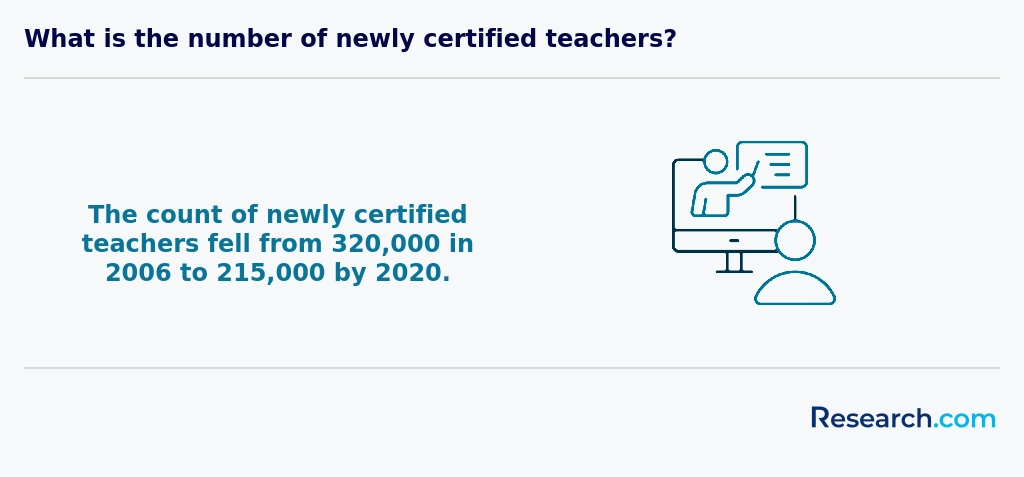
The field of education is constantly evolving, with new trends and technologies emerging every year. To stay ahead of the curve, it's essential to understand the current landscape and future outlook of the industry. According to recent reports, there is a growing demand for in demand education programs that focus on areas such as special education, instructional technology, and educational leadership. These programs are designed to equip students with the skills and knowledge needed to succeed in today's educational environment. As the industry continues to shift and grow, it's likely that we'll see even more innovative and specialized programs emerge, providing students with a wide range of options to pursue their passions and interests in education.
Online education degree programs in the South commonly feature courses that challenge students to rethink traditional teaching roles while equipping them with vital skills for modern classrooms. Graduates from well-regarded institutions like the University of North Carolina and Florida State University often recount how foundational courses such as Educational Psychology illuminated the complexities of student learning styles beyond textbook theory, making them more empathetic educators.
Core classes in Curriculum Development and Instructional Technology push students to innovate, blending lesson planning with digital tools that redefine engagement in both rural Georgia and urban Charlotte schools. Classroom Management courses resonate deeply, as many students relate real-life success stories of transforming disruptive environments into supportive learning communities.
Programs offer targeted methods courses depending on grade level, where elementary education students dive into literacy strategies while secondary education students explore subject-specific pedagogy. Southern graduates frequently highlight practicum experiences as eye-opening, stressing how these hands-on opportunities, even in online formats common at institutions like the University of Florida, cement their readiness to face diverse classrooms.
Students pursuing online education degree specializations in the South often find themselves choosing from thoughtfully tailored programs that go beyond textbook theory. Graduates from prominent Southern universities frequently share how specializing in Elementary or Secondary Education equipped them with practical tools to manage diverse classrooms, reflecting the unique cultural and socioeconomic fabric of Southern communities. These programs often integrate state certification requirements, ensuring readiness to teach in local public schools.
Others foreground their passion by selecting specializations in Education Leadership or Administration, envisioning themselves as future principals or district leaders driving change in areas where educational disparities are pronounced. Through real-world case studies, curriculum coordinators emerge from Curriculum and Instruction tracks feeling empowered to innovate teaching methods, fulfilling urgent regional needs.
Southern online teaching degree options also include ESL Education and Adult Education, fields gaining momentum amidst demographic shifts. Reflecting on the journeys of Southern graduates, the affordability and accessibility of these online degrees enable many to embrace second careers or advance within rural school systems. For those seeking pathways with practical and financial sensibility, exploring the cheapest edd programs can be a game-changer.
Choosing the best online education degree in the South means looking beyond just cost or convenience. Graduates from prominent Southern universities often reflect on how accreditation by SACSCOC made their degrees respected by employers and helped transfer credits seamlessly when they changed schools or states. Because each Southern state has differing licensure needs, a program's alignment with your state's certification rules can make or break your career path.
Many who pursue affordable online teaching degrees in southern states find that flexible programs allowing evening or weekend coursework, combined with field placements nearby, create a realistic balance with their jobs and families. For example, students from well-known colleges in Georgia or Texas often recount how access to local practicum sites boosted their confidence and employability.
Cost remains crucial but is no longer the sole criterion. Comparing tuition while factoring in technology fees and support services reshapes how you value a program's real expense. If finances are a concern, reviewing options like the Cheapest Online Master's in Education Degree Programs Ranking in the Midwest can inspire strategic decisions by demand and region.
- Investigate graduation and placement rates for insight into a program's effectiveness.
- Ensure courses match licensure needs for your intended Southern teaching state.
- Seek programs with strong reputations in Southern education networks to increase job opportunities.

Graduates with an online education degree in the South uncover a spectrum of meaningful career paths that defy the notion of a single teaching route. Many find rewarding careers as K-12 teachers or school counselors in states like Texas and Georgia, where growing student populations demand dedicated professionals. These graduates from prominent Southern universities often share how their programs provided practical strategies to thrive in fast-evolving classrooms, making their transition into teaching roles smoother and more fulfilling. This variety in teaching job opportunities for education graduates in Southern states opens doors to impact communities directly while nurturing future generations.
Others leverage their degree towards leadership roles such as educational administrators or principals, roles that blend educational expertise with organizational leadership. Alumni from well-known Southern colleges describe feeling empowered to influence school policy and advocate for student success, fueled by the flexible and affordable education options available in the region.
Technology-driven positions like instructional designers or e-learning specialists also appeal to many, illustrating how the region embraces innovation. Graduates often recall how their programs integrated ed-tech tools, preparing them to reshape how education is delivered. For those seeking industry-bridging careers, working as adult education instructors or corporate trainers is common, applying educational theory to practical organizational needs.
For prospective students mindful of cost, the South's affordability stands out. Public universities in the region typically offer in-state online education degrees priced between $7,000 and $15,000 annually. To explore affordable options rigorously, consider the Cheapest Online Master's in Education Degree Programs Ranking in the Midwest, a resource often consulted by Southern students aiming to maximize value in their education journey.
- K-12 teacher or school counselor
- Educational administrator or principal
- Instructional designer or e-learning specialist
- Adult education instructor or corporate trainer
The job market for graduates with an online education degree in the South is shaped by vibrant and growing communities that need passionate educators. Graduates from institutions like the University of Florida or Texas A&M often find themselves joining schools where their efforts directly impact underserved rural areas or rapidly expanding suburban districts. This demand is fueled by ongoing population growth, making teaching career opportunities in the southern US more dynamic and promising than many expect.
Many online education degree students from these popular Southern colleges share stories of balancing work and family while earning credentials recognized by state certification boards. This flexibility creates a practical route into meaningful careers. Beyond traditional roles, some graduates pursue innovative paths in digital education and instructional design, responding to the rise of blended learning models across the region.
Salary expectations may differ from national averages, but graduates report satisfaction in roles that blend community connection with career growth. For those curious about maximizing their earning potential, exploring the highest paid masters degree options compatible with education fields can be insightful.
2027 Best Online Bachelor's in Education Degree Programs Ranking in the South
Investing in your education is a significant decision that can shape your future, and the Research.com team understands the importance of making informed choices. To support prospective students seeking education degrees in the South, we have carefully developed the "2027 Best Online Bachelor's in Education Degree Programs Ranking in the South." Our dedication to quality, credibility, and accuracy is demonstrated through thorough research and analysis.
We utilized the following reputable data sources to ensure a comprehensive evaluation of education programs:
By exploring this ranking, readers will gain valuable insights into the best online bachelor's education programs available in the South, helping them make informed decisions about their educational paths. For more information on our methodology, please visit our Research.com methodology page.
# 1 position
Appalachian State University
Bachelor of Middle Grades Education Science and Social Studies

# 2 position
University of Central Florida
Bachelor of Exceptional Student Education, Learning and Language

# 3 position
Florida International University
Bachelor of Early Childhood Education, Early Childhood Development track


# 5 position
Mississippi State University
Bachelor of Elementary Education with concentrations in Early Childhood or Middle School


# 10 position
The University of Alabama
Bachelor of Human Environmental Sciences, Early Childhood Education


# 15 position
University of Southern Mississippi
Bachelor of Elementary Education, Teacher Assistant program


Frequently Asked Questions About education
Online education degree students in the South can maximize their learning experience by actively engaging with course materials and instructors. Research from the Southern Regional Education Board (SREB) shows that students who participate in online discussions and group projects tend to perform better academically. Setting a regular study schedule helps manage time effectively, especially for working adults balancing family commitments. Utilizing university resources such as virtual tutoring and academic advising is essential. Additionally, students should ensure their chosen program is accredited by recognized agencies like the Council for the Accreditation of Educator Preparation (CAEP), which maintains high standards across Southern institutions.
The education field in the South is experiencing growth in several emerging niches that reflect broader societal and technological trends. One notable area is STEM education, particularly with a focus on integrating technology into classrooms. According to the Southern Regional Education Board, demand for qualified STEM educators is rising as states increase funding for these programs.
Another growing niche is special education, driven by state policies emphasizing inclusive learning environments and support for students with disabilities. Online degrees specializing in special education prepare teachers to meet these needs.
Additionally, bilingual and English as a Second Language (ESL) education are expanding due to increasing linguistic diversity in Southern states like Texas and Florida. These niches offer promising career paths for online education students.
Graduates with online education degrees in the South should actively engage with regional job markets. Understanding that states like Texas, Georgia, and Florida employ over 500,000 teachers combined emphasizes the high demand for qualified educators (National Center for Education Statistics, 2023).
Building a professional network through platforms like LinkedIn and joining local chapters of national organizations, such as the Southern Regional Education Board, can provide valuable connections and job leads.
Certifications and licensure remain essential. Graduates must ensure they meet state-specific teaching certification requirements, which often include passing exams like Praxis.
Internships, substitute teaching, or volunteering in local schools can increase practical experience and employability in the competitive Southern education market.
Employers in the Southern United States increasingly value education degree graduates who demonstrate strong classroom management skills and the ability to adapt instruction for diverse student populations. According to the Southern Regional Education Board, graduates with competency in culturally responsive teaching are in higher demand, as schools serve varied communities.
Data from the National Center for Education Statistics highlight that effective communication and technology integration skills are also critical. These skills help teachers engage students both in-person and via digital platforms, a growing trend especially for online and hybrid learning environments in the South.
Finally, leadership qualities and collaboration abilities rank high, as Southern schools often emphasize teamwork among educators to improve student outcomes.
Finding internships in the South relevant to an education degree requires targeted research and local networking. Many Southern universities partner with nearby K-12 schools and educational organizations to offer internship placements, especially in states like Texas, Florida, and Georgia. According to the National Center for Education Statistics, these states host hundreds of school districts open to interns.
Students should visit their online program's career services and connect with regional education associations, such as the Southern Regional Education Board. Online job portals specific to the South also list internship opportunities with school districts, nonprofits, and community centers focused on education.
Building relationships with local educators through virtual or in-person events can improve chances of finding quality internships. Additionally, certifications like CPR or substitute teaching permits, often required by Southern districts, enhance eligibility.
In the Southern United States, earning an online education degree can significantly enhance career mobility, especially in the teaching profession. According to the Southern Regional Education Board, districts increasingly value candidates with formal credentials that match state certification requirements, which many online programs offer.
Online degrees often provide flexibility for working professionals, allowing them to gain qualifications without interrupting their current jobs. This flexibility can accelerate promotions or transitions into leadership roles such as instructional coordinators or school administrators.
Furthermore, the U.S. Bureau of Labor Statistics projects a steady 5% growth in education-related jobs in Southern states through 2030, underscoring increasing demand. Holding an accredited online degree meets hiring standards and opens paths to higher salaries and specialized positions.
Studying for an education degree online in the South offers unique preparation for interdisciplinary roles by combining core teaching skills with knowledge from fields such as psychology, technology, and social sciences. Southern universities often emphasize collaborative learning approaches to equip students for diverse educational settings.
According to the Southern Regional Education Board, many programs integrate coursework on cultural competency and educational leadership, vital for addressing varying student needs across disciplines.
The online format supports flexibility, allowing students to engage with contemporary tools and methodologies crucial in interdisciplinary teams.
Ultimately, Southern education degrees encourage adaptability, critical thinking, and effective communication, which are essential in today's interconnected educational environments.
Choosing between a thesis and a non-thesis online education degree program in the South depends on your career goals and learning preferences. Thesis programs often require original research, making them ideal for students interested in advanced study or academic roles.
Non-thesis programs usually focus more on practical knowledge and hands-on skills, appealing to professionals aiming to enter or advance in teaching or administration quickly. According to the Southern Regional Education Board, many Southern universities tailor non-thesis options to meet local school system needs.
Consider your time commitment; thesis tracks generally require more research and writing. Meanwhile, non-thesis paths may offer more flexibility for working students.
Students in the Southern United States seeking to study education abroad have limited direct options due to the nature of online degrees primarily being domestic. However, many Southern institutions offer online education programs with partnerships or study-abroad components that can complement international learning experiences. According to the National Center for Education Statistics, over 30% of Southern colleges incorporate global perspectives into their curricula.
Some universities provide virtual exchange programs allowing students to collaborate with peers overseas without leaving the US. Additionally, schools accredited by the Council for the Accreditation of Educator Preparation (CAEP) ensure that degrees meet rigorous standards recognized internationally. This approach helps Southern students gain global competencies while studying locally.
Part-time job opportunities in the South that complement education degree studies often focus on roles providing practical classroom experience. Popular positions include teacher's aide, tutoring, and substitute teaching. According to the Southern Regional Education Board, these roles allow students to apply theory in real settings while managing flexible hours.
Many school districts in Southern states hire part-time substitutes, offering wages between $80 and $120 per day, which supports students financially while gaining valuable experience. Tutoring services, both in-person and online, also provide opportunities, with rates averaging $15 to $25 per hour as reported by the National Tutoring Association.
Additionally, after-school program staff positions help education students develop skills in classroom management and youth engagement.
Online education students in the South benefit from a variety of networking opportunities, despite the virtual learning format. Many Southern universities offer dedicated online communities, including discussion forums and virtual meetups, to connect students with peers and faculty. According to a 2023 report by the Southern Regional Education Board, over 60% of Southern institutions provide career networking events specific to online learners.
Additionally, partnerships between Southern schools and local school districts often enable online education students to participate in internships or student teaching in regional classrooms. Professional organizations like the Southern Education Association also host conferences and workshops accessible to online students in the region.
Alumni networks play a crucial role for online education degree students in the South by offering valuable professional connections. These networks connect graduates with experienced educators and administrators across Southern states, enhancing job search outcomes and career advancement opportunities.
Studies show that 85% of jobs in education are obtained through networking, making alumni groups an essential resource. Southern universities often facilitate local events and online forums to help graduates build regional connections that respect the specific needs of Southern school systems.
Additionally, alumni networks provide mentorship, helping online students navigate their programs and plan career paths tailored to Southern education standards. Institutions like the Southern Association of Colleges and Schools Commission on Colleges emphasize this ongoing support as a factor in student success.
Many universities in the Southern US allow online education degree students to customize their programs by selecting specialized tracks or concentrations. Common options include early childhood education, special education, and educational leadership. According to the Southern Regional Education Board (SREB), 75% of public universities in the South offer flexible course selections that let students align studies with career goals.
Students can often choose elective courses or internships that match their interests. Some programs also provide opportunities for certification endorsements, such as ESL or reading specialist credentials, to enhance employability.
Advisors typically work with students to develop individualized study plans, ensuring alignment with state licensure requirements and professional goals.
Students pursuing online education degrees in the South often encounter challenges linked to internet access. According to the Federal Communications Commission's 2023 report, approximately 25% of rural households in Southern states lack reliable broadband, impacting their ability to participate fully in virtual learning.
Another common issue is balancing coursework with work and family obligations. Southern states tend to have higher rates of adult learners who juggle multiple responsibilities while studying, making time management a significant hurdle.
Additionally, students sometimes face difficulties with local accreditation recognition and transferring credits among regional institutions, which can delay degree progress.
With an online education degree, students in the South can pursue various professional certifications that enhance their teaching credentials and career prospects. Common certifications include state teacher certification or licensure, required to teach in public schools across Southern states such as Texas, Georgia, and North Carolina, each with specific requirements governed by their education departments.
Additional certifications include the National Board Certification, which is a prestigious voluntary credential recognized nationwide and can increase earning potential. Another option is becoming a Reading Specialist or ESL (English as a Second Language) certified, both in high demand due to diverse student populations in the South.
The Southern Regional Education Board (SREB) provides resources on certification standards, ensuring alignment with regional workforce needs.
To write a winning application for an online education program in the South, start by carefully researching the program's specific requirements and deadlines. Southern institutions, such as those in Texas and Florida, often emphasize a strong personal statement that highlights your passion for teaching and understanding of regional educational challenges, according to the Southern Regional Education Board. Include relevant experiences like tutoring or volunteer work in local schools, which strengthens your application.
Demonstrate your readiness for online learning by detailing your time management and technological skills. Also, submit official transcripts showing competitive GPA levels; many Southern programs look for at least a 3.0 GPA. Lastly, request letters of recommendation from educators familiar with your academic or professional work to add credibility.
Education careers in the United States, especially in the South, are viewed within a global framework that values skilled educators for economic and social development. According to the National Center for Education Statistics, southern states continue to see steady demand for teachers due to growing populations and increased funding in K-12 education.
Globally, teaching is recognized as vital for fostering innovation and cultural exchange. The U.S. Department of Education highlights that Southern online education degrees help meet regional needs while enabling flexibility for diverse learners. Countries around the world often study the U.S. education system for its teacher training programs and educational technologies.
The Southern region's investment in online education degrees aligns with global trends aiming to increase access and affordability. As remote learning expands worldwide, online degrees from southern universities offer quality education careers with an international outlook.
Gaining practical experience while pursuing an online education degree in the South involves several effective strategies. Many Southern universities partner with local schools to offer virtual or in-person student teaching placements. These opportunities allow students to apply theoretical knowledge in real classrooms, a requirement for state teacher certification in places like Georgia and North Carolina (NC Department of Public Instruction).
Additionally, internships and practicum experiences are available through district collaborations, often coordinated by university program advisors. Engaging in online forums and professional education networks within the region can also provide mentorship options and broaden practical insights.
Southern states, such as Texas and Florida, emphasize hands-on training as integral to education degrees, ensuring graduates meet licensure standards. According to the Southern Regional Education Board, about 85% of education students in the South complete field experiences before graduation.
Choosing the right concentration within an online education degree in the South requires careful consideration of your career goals and regional demand. According to the Southern Regional Education Board, areas such as special education and educational leadership show strong growth prospects.
Evaluate concentrations that align with local school district needs, as states like Texas and Florida often prioritize certified teachers in STEM fields and bilingual education. Online programs in the South commonly offer concentrations in curriculum and instruction, early childhood, and educational technology.
Review program accreditation and state licensure requirements to ensure your chosen concentration supports certification in your intended teaching state.
Research program alumni outcomes to gauge success in job placement and salary growth within the Southern job market.
See What Experts Have To Say About Studying Education
Read our interview with Education experts

Alan J. Singer
Education Expert
Professor of Teaching, Learning and Technology
Hofstra University


- Financial Aid Guide for Students at Online Colleges - OnlineColleges.net https://www.onlinecolleges.net/for-students/financial-aid-online-students/
- Education Study Abroad | CIEE https://www.ciee.org/go-abroad/college-study-abroad/programs/subjects-disciplines/education-study-abroad
- The 8 challenges of education in a changing world https://casvitrescantos.com/en/the-8-challenges-of-education-in-a-changing-world/
- How To Write A Great Cover Letter For Teacher Training - Engage Education https://engage-education.com/blog/how-to-write-a-great-cover-letter-for-teacher-training/
- How to maximize your education benefits and supercharge your career - Colorado State University Global https://csuglobal.edu/blog/how-maximize-your-education-benefits-and-supercharge-your-career
- The importance of networking in the education sector https://www.tlclive.com/blog/the-importance-of-networking-in-the-education-sector
- Online Degree vs. Traditional | University of Arkansas Grantham https://www.uagrantham.edu/blog/pros-cons-online-degree-vs-traditional-university/
- What should I study to ensure I can get a job? https://personal.nedbank.co.za/learn/blog/courses-for-in-demand-jobs.html
- 7 ways to improve the quality of education in the U.S. https://standtogether.org/stories/education/ways-to-improve-the-quality-of-education-in-the-us
- Online Degree vs. Traditional: Choosing the Right Path https://beal.edu/online-degree-vs-traditional/


