
2027 Easiest Online Education Degree Programs Ranking in Connecticut

Co-Founder and Chief Data Scientist
If you're considering advancing your career with an education degree in Connecticut, this article is here to guide you. The 2027 Easiest Online Education Degree Programs Ranking in Connecticut was created by the Research.com team of data scientists to help you find programs that fit your lifestyle and goals.
Choosing the right degree can feel overwhelming, but with clear data and expert insight, making an informed choice becomes easier. Earning an education degree opens doors to rewarding opportunities and personal growth.
Explore the ranking and discover programs designed with your success in mind.
Key benefits of getting online education degree in Connecticut
- Graduates with an education degree in Connecticut can expect rewarding salaries, such as Special Education Teachers earning around $76,000 and Instructional Designers making approximately $77,200 annually, reflecting strong demand and financial stability.
- Career paths include roles like Elementary School Teacher or ESL Teacher, offering opportunities to impact communities positively, as seen with graduates from the University of Connecticut who often pursue these fulfilling positions.
- Online education degrees from institutions like Southern Connecticut State University provide flexible learning schedules, allowing students to balance work and family while gaining the same respected credentials as traditional programs.
- 2027 Easiest Online Education Degree Programs Ranking in Connecticut
- What can I expect from online education degree in Connecticut?
- Where can I work with online education degree in Connecticut?
What can I expect from online education degree in Connecticut?
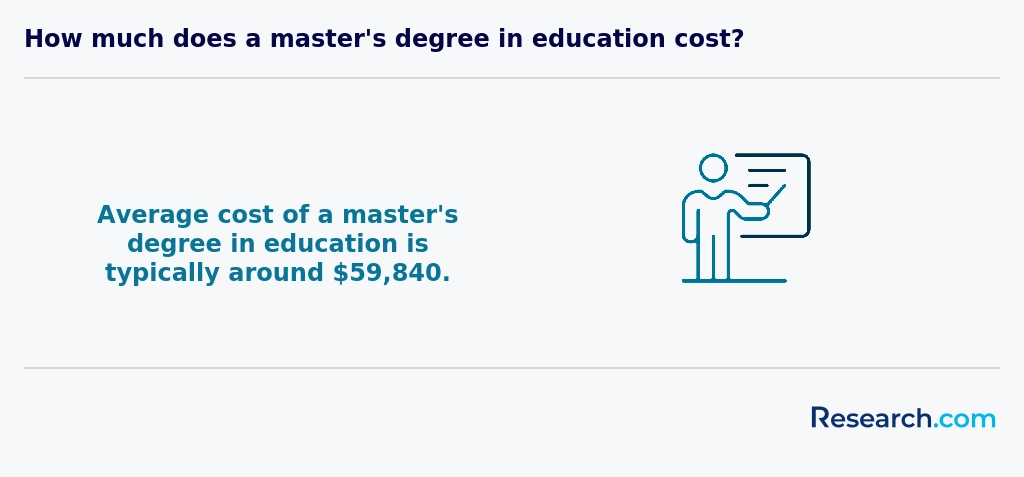
The average cost of pursuing an online education degree in Connecticut typically mirrors that of on-campus programs, resting around $13,000 per year for in-state students. Many graduates recall balancing this investment with financial aid or employer assistance, making the journey both attainable and rewarding. Imagine enrolling at the University of Connecticut or Central Connecticut State University-these institutions offer programs crafted to align with state certification requirements, all while keeping tuition competitive.
One graduate shared how the blend of remote coursework and flexible scheduling allowed them to keep a full-time job, reducing added financial strain. Another reflected on how tuition felt like an investment that opened doors to rewarding teaching roles across the state.
Cost here isn't just a number-it's the key to exploring new professional paths, gaining credentials, and becoming part of Connecticut's vibrant education community.
Where can I work with online education degree in Connecticut?
With an online education degree in Connecticut, adventure awaits across many dynamic career paths. Graduates from places like the University of Connecticut or Southern Connecticut State University often step into classrooms in Hartford or New Haven, fueled by excitement to inspire young minds in elementary, special, or secondary education. The state's strong demand for teachers in subjects like math and science means these positions frequently open doors to meaningful, well-compensated work.
Others discover thrilling roles beyond traditional teaching-imagine crafting innovative curricula as instructional coaches or designing engaging digital lessons amid Connecticut's expanding remote learning programs. Graduates have also shared how working as academic advisors or student success coordinators at community colleges taps into their passion for empowering peers on a personal level.
For those drawn to broader impact, nonprofits and public agencies provide avenues to shape education through community outreach and youth development. This vibrant spectrum of opportunities echoes the inspiring journeys of many graduates who embrace their degree to make a real difference in Connecticut's evolving educational landscape.
Graduates with an online education degree in Connecticut discover they can earn impressive salaries that reflect the state's strong commitment to education. For example, elementary school teachers around the state can expect to make an average of $70,740 annually, offering a rewarding start to their teaching careers. Special education teachers, often praised for their dedication, earn about $76,000, highlighting how specialization can boost income.
Aspirants who engage with universities like the University of Connecticut or Southern Connecticut State University often share how their online programs prepared them for real classroom challenges, making their transition smoother and more fulfilling. Those who pursue careers as instructional designers, a growing field blending education with technology, find mean salaries near $77,200, showing exciting new paths beyond traditional classrooms.
Even early childhood educators earn around $41,410, opening doors to meaningful work with younger children. As a graduate from Connecticut's respected programs yourself, visualize the satisfaction of stepping into roles where your skills are valued and your earning potential reflects your dedication.
- Connecticut offers accredited online education degrees from bachelor's to master's levels that meet state certification standards.
- Tuition for public universities ranges from $10,000 to $15,000 per year for in-state online students, while private schools charge between $20,000 and $35,000 annually.
- The state expects a 3% growth in employment for education professionals over the next decade.
- Starting salaries for new educators average around $48,000, with mid-career teachers earning $65,000 to $75,000 per year.
- Teachers must complete a state-approved preparation program and pass licensure exams, which many online degrees include in their curriculum.
Imagine transferring credits from past colleges and suddenly realizing your path just got shorter. That's a game changer for many part-time students who appreciate the flexibility. Master's degree seekers often find themselves immersed in one to two years of intense, meaningful study, sometimes choosing self-paced formats to fit family life or careers.
This dynamic approach reflects how Connecticut's online education programs embrace your ambitions, helping you transform curiosity into empowering qualifications at a rhythm just right for you.
Earning an online Education degree in Connecticut is just the first step toward a teaching career; securing state certification is essential to unlock classroom opportunities. The Connecticut State Department of Education (CSDE) requires candidates to complete an approved educator preparation program, pass the relevant Praxis exams (Core Academic Skills for Educators and content-specific assessments), and satisfy a background check/fingerprinting process. Most accredited online programs in Connecticut are designed to align with CSDE standards, offering dedicated coursework in pedagogy, special education, and educational psychology that directly map to licensure requirements. To streamline your path to certification: 1. Verify Program Approval: Ensure your online institution holds CSDE approval and national accreditation (e.g., CAEP or NCATE). 2. Praxis Preparation: Integrate study tools-many programs include built-in Praxis prep modules and sample questions within your courses. 3. Clinical Experience: Look for programs that coordinate student-teaching placements in local Connecticut districts, which not only fulfill state mandates but also build your professional network. 4. Application Timeline: Submit your CSDE Application for Educator Certification (AEC-1) following completion of all degree requirements and passing scores; allow 4–6 weeks for processing. 5. Reciprocity Considerations: If you’ve earned out-of-state credentials, review interstate reciprocity agreements; some certifications may expedite licensure conversion. Additionally, for educators weighing cost and flexibility outside Connecticut, be sure to explore our Cheapest Online Master's in Education Degree Programs Ranking in Texas to compare tuition rates and program structures that might fit your professional goals. By understanding and planning for certification early, you’ll move seamlessly from your online coursework to the front of the classroom.
Imagine pursuing your education degree from the comfort of your home in Hartford while balancing work and family life. That's the appeal of online programs offered by institutions like the University of Connecticut, where courses unfold through digital platforms, letting you watch lectures on your own time and submit assignments without a rigid schedule. Graduates often share how this flexibility transformed their learning journey, making it feel personalized and manageable.
On the flip side, stepping onto the campus of Central Connecticut State University brings a different energy. Here, face-to-face classes spark lively discussions, spontaneous study sessions at the library, and opportunities to build close connections with professors and classmates. Many find that this immersive experience fuels their motivation and deepens their grasp of educational theories.
While tuition at public colleges across Connecticut averages around $15,000 yearly, online learners enjoy savings on commuting and housing, making it an attractive choice. Both paths demand dedication and meet the same rigorous standards, but the difference lies in the rhythm of your daily life and how you engage with the learning world.
Choosing a reputable Online Education degree in Connecticut means verifying both regional and specialized accreditation:
- Regionally accredited by a U.S. Department of Education–recognized agency (e.g., New England Commission of Higher Education).
- Accredited by the Council for the Accreditation of Educator Preparation (CAEP) or approved by the Connecticut State Board of Education.
- Ensures eligibility for federal financial aid, credit transfer, and state teacher licensure.
Accredited programs protect your investment and career prospects. If you plan to pursue further study, compare options for an affordable online master's degree.
The average cost of an online education degree in Connecticut hovers around a median total of $40,300, which offers a fascinating glimpse into how quality learning and investment intersect. Graduates from well-known institutions like the University of Connecticut often reflect on how studying online provided them with both flexibility and access to top-notch resources, all while managing tuition that makes sense for their goals. Depending on residency, the median in-state or out-of-state total cost is about $24,750, highlighting how being a Connecticut resident can significantly impact affordability.
Exploring Connecticut online education degree tuition and fees reveals a balance between pursuing a quality education and managing financial commitment. Imagine a student potentially juggling work and family while attending a renowned public university's online program; this adaptability often makes the cost feel more like an investment in future opportunities rather than just an expense. Many who have walked this path appreciate the practical learning combined with advanced technology supporting their remote education experience.
Costs beyond tuition, such as technology fees and materials, usually add approximately $1,000 to $2,000 annually, but some programs go further to ease this burden. Prospective learners curious about distance education benefits for educational leaders can explore specific programs at Connecticut colleges where financial aid options and flexible payment plans are thoughtfully designed to support diverse students' needs.

Choosing an Online Education degree in Connecticut that holds proper accreditation is essential for ensuring academic rigor, transferability of credits, and eligibility for federal financial aid. Connecticut’s leading universities are regionally accredited by the New England Commission of Higher Education (NECHE), which verifies that institutions meet high standards in faculty qualifications, resource availability, and student outcomes. Beyond regional accreditation, many education programs earn specialized recognition from the Council for the Accreditation of Educator Preparation (CAEP), affirming that curriculum, field experiences, and assessment practices align with national teaching standards. When comparing programs, look for these key accreditation indicators:
- Institutional accreditation by NECHE or an equivalent regional body.
- Programmatic accreditation from CAEP or the Association for Advancing Quality in Educator Preparation (AAQEP) for teacher preparation tracks.
- State approval from the Connecticut State Department of Education, required for licensure pathways in elementary, secondary, or special education. Accredited programs also facilitate smooth credit transfers if you later pursue advanced degrees. For example, graduates often leverage seamlessly applied credits toward an online master’s in education, maximizing online masters degree in education benefits such as accelerated completion times and specialized electives. Verifying accreditation not only protects your investment but also ensures that your Connecticut-based online Education degree meets employer and certification expectations nationwide.
Imagine embarking on your online education degree journey at the University of Connecticut, where financial aid can turn daunting tuition into an exciting opportunity. Many graduates share how the Free Application for Federal Student Aid (FAFSA) opened doors to Pell Grants, providing vital, no-repayment funds that significantly eased their financial worries. Beyond federal aid, Connecticut's unique state programs, like the Roberta B. Willis Scholarship Program, offer targeted support to future educators, sparking motivation for those passionate about teaching.
At schools like Southern Connecticut State University, students often discover additional scholarships and grants tailored specifically for online learners, bringing a sense of personalized encouragement. Some even mention employer tuition assistance through local school districts, a practical boost that lets hardworking adults advance professionally without financial strain. Navigating these aid options feels like assembling a toolkit designed just for Connecticut's aspiring teachers, turning dreams of education degrees into achievable, joyful realities.
When considering an online Education degree in Connecticut, it is essential to verify that the programs you explore are fully accredited and backed by strong institutional reputations. Accredited programs adhere to strict academic standards and are recognized by regional and national accrediting bodies, ensuring that your degree holds value with employers and further educational institutions. In Connecticut, reputable schools often undergo rigorous reviews and maintain high-quality instructional practices, which significantly enhance the long-term career prospects for graduates. Prospective students should research both the accreditation status and alumni outcomes of each program to make well-informed decisions. For example, exploring rankings that highlight affordability and quality, such as the comprehensive guide offered by cheapest education school in connecticut, can provide valuable insights. By prioritizing accredited institutions with established reputations, you secure not only a trusted education but also a solid foundation for future success in a competitive job market.
For those chasing a master's or specialized certification, holding a bachelor's degree aligned with education or a related field is key - a stepping stone graduates often recall with pride. Their applications also included transcripts showing solid academic performance, usually with a GPA around 2.5 to 3.0, proving their readiness for the challenge ahead.
Personal statements and recommendation letters often paint a fuller picture, just as fellow students from Eastern Connecticut State University shared stories of volunteering and teaching that lit up their applications. And if licensure is the goal, expect background checks and passing tests like Praxis to join the adventure.
All these prerequisites intertwine, guiding you toward a rewarding educational experience uniquely shaped by Connecticut's standards and inspiring campuses.

After earning an online Education degree in Connecticut, aspiring teachers must complete the state’s certification process to legally teach in public schools. Key steps include:
- Graduate from a state-approved teacher preparation program
- Complete a supervised student-teaching internship, typically 12–16 weeks
- Pass the Praxis Core Academic Skills exam and the Praxis II content test for your subject area
- Submit an application, official transcripts, exam scores, and fingerprint clearance through the Connecticut State Department of Education
- Maintain and renew your Initial Educator Certificate by completing continuing education or graduate credits
Candidates seeking a faster route can consider accelerated online degrees to meet requirements more quickly and enter the classroom sooner.
Diving into an online education degree in Connecticut, you'll find an exciting mix of courses that spark curiosity and practical skills. Imagine exploring Foundations of Education at the University of Connecticut, where graduates describe gaining a fresh perspective on how teaching shapes communities. Courses like Educational Psychology offer eye-opening insights into how students learn, making theory come alive as if you're stepping into the minds of diverse learners.
Many students at Southern Connecticut State University rave about how Integrating Technology in the Classroom opened doors to innovative digital tools that transform lessons, preparing them to thrive in today's tech-rich schools. Special education classes immerse you in real challenges, focusing on Individualized Education Programs (IEPs) and inclusive strategies, which graduates say profoundly changed their approach to teaching.
Hands-on experiences are a game-changer. Even online learners complete supervised practicums in local schools, blending coursework with real classrooms. This deep connection between course content and practical teaching in Connecticut's education programs feels like an adventurous journey toward becoming a confident, effective educator.
Exploring online education degree specializations Connecticut offers invites you to discover paths as diverse as the students themselves. Imagine diving into early childhood education, where graduates from local universities describe the joy of shaping young minds from infancy through age eight, equipped with hands-on strategies and developmental theories.
Others share excitement about elementary education with subject concentrations, allowing a focus on math, science, or English-perfect for those eager to inspire curious young learners from K-6 grades in a flexible online format. Secondary education in specific disciplines appeals to future teachers ready to conquer the challenges of grades 7-12, crafting lesson plans that ignite passion in their favorite subjects.
Many students find themselves drawn to special education, a specialty praised for its rewarding impact on students with disabilities. Meanwhile, online programs also open doors to educational leadership and administration, where aspiring principals and coordinators gain skills to lead schools confidently. Some graduates highlight the appeal of instructional design and technology integration, preparing to innovate classrooms and online environments alike. For those curious about career growth, exploring the best online master's in ESL is a compelling option within these degree offerings.
Imagine diving into the journey of selecting the best online education degree programs Connecticut has to offer. Picture graduates from well-known institutions like the University of Connecticut sharing how accreditation made all the difference, ensuring their qualifications carried weight with local school districts. The adventure begins with checking that your chosen program is certified by trusted bodies such as CAEP or Connecticut's state agencies-this step unlocks doors to respected teaching careers.
Visualize balancing your studies with a busy life: asynchronous classes offer the freedom to learn when it suits you best. Reflect on a graduate who found a perfect match by focusing on special education, a field actively embraced in Connecticut schools. This emphasis enriches your skills and opens diverse opportunities, much like exploring the various special education teacher career paths.
As you explore affordable online teaching degrees Connecticut provides, think about comparing total costs beyond tuition-like technology fees or materials-just as fellow students did. This mindful approach ensures a smooth voyage toward your dream career without unexpected financial storms disrupting your progress.
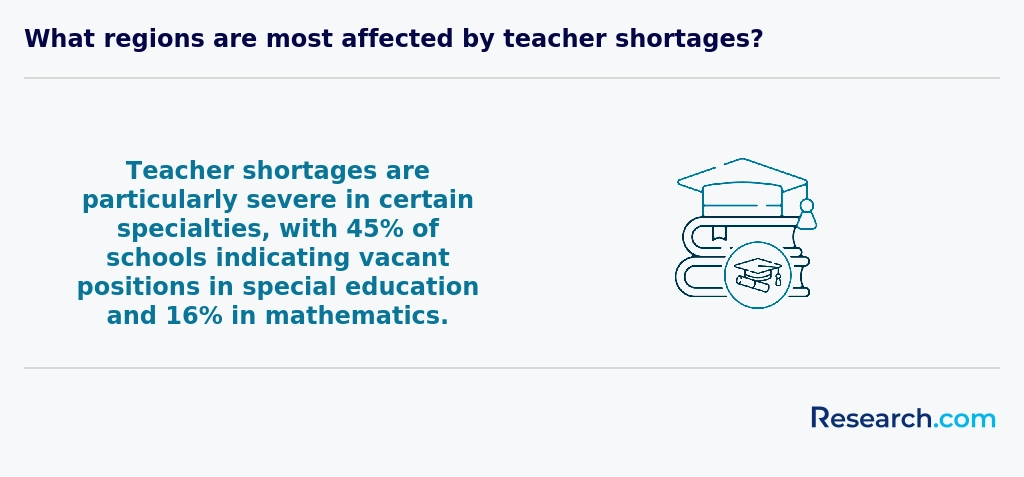
Graduates with an online education degree in Connecticut often find themselves stepping into vibrant roles shaped by local demand and policy. Many become licensed teachers, energized by the prospect of shaping young minds in classrooms across the state's elementary, middle, or high schools. Connecticut's clear pathway for certification through state-approved online programs opens up exciting possibilities, especially in high-need areas like math and special education.
Others dive into educational administration, inspired by experiences shared among graduates from well-known institutions like the University of Connecticut or Southern Connecticut State University. These roles involve leading schools or developing innovative curricula, blending leadership with a passion for improving education systems. The journey doesn't stop there-adventurous graduates might explore careers as instructional coordinators, education consultants, or educational technology specialists, bringing fresh energy to Connecticut's diverse learning environments. This spirit of exploration is echoed in many stories from students who chose online education degree careers Connecticut offers, driven by a desire to impact schools beyond the classroom.
For those curious about advancing further, these experiences often spark interest in higher degrees, revealing promising pathways like careers with doctorate in education that deepen expertise and open new doors.

The job market for online education degree jobs in Connecticut blooms with promise, especially for graduates from universities known for their strong education departments. Picture a recent graduate from a popular Connecticut college, stepping into classrooms eager to inspire young minds in Hartford or New Haven. Their online degree equips them with the flexibility and certifications needed to thrive amid the state's steady demand for qualified educators. Public schools and higher education institutions offer varied roles, from elementary teaching to specialized positions in educational technology or bilingual education.
Connecticut's commitment to maintaining a robust teacher workforce means salaries often exceed national averages, adding a rewarding financial incentive. Graduates find themselves drawn to programs that blend rigorous academics with hands-on experience, turning theory into impact. Many also explore pathways such as library science degree programs online to expand their career options within education.
Familiarity with state licensure requirements enhances employability, confirming that a well-matched online degree can open doors throughout urban and rural districts. This combination of opportunity and preparation makes Connecticut a fertile ground for education graduates chasing meaningful and stable careers.
2027 Easiest Online Education Degree Programs Ranking in Connecticut
Investing in your education is a significant decision that can influence your future, and the Research.com team recognizes the importance of providing accurate and trustworthy information to aid that decision. To support prospective students in Connecticut, we have carefully developed the "2027 Easiest Online Education Degree Programs Ranking." Our dedication to quality, credibility, and precision is demonstrated through thorough analysis and the use of multiple reputable data sources.
We utilized the following trusted data sources to create this comprehensive ranking:
By consulting this ranking, readers will gain valuable insights into the most accessible online education degree programs in Connecticut, helping them make well-informed educational choices. For more information on how this ranking was created, please visit our Research.com methodology page.

# 2 position
Holy Apostles College and Seminary
Bachelor of History in the Social Studies

# 3 position
Charter Oak State College
Bachelor of Early Childhood Education

Frequently Asked Questions About education
Students pursuing online education degrees in Connecticut can maximize their learning by actively engaging with course materials and participating in virtual discussions. Research from the Connecticut Office of Higher Education highlights that consistent communication with instructors and peers enhances understanding and retention. Utilizing available resources, such as virtual libraries and tutoring services offered by Connecticut institutions, also supports academic success. Time management is crucial; creating a dedicated study schedule helps balance coursework with personal and professional responsibilities. Additionally, students should leverage Connecticut's education technology platforms that feature interactive tools designed to improve learning outcomes and student engagement.
Emerging niches within the education field in Connecticut reflect broader national trends focused on technology integration, special education, and mental health support. Online programs increasingly emphasize expertise in educational technology, preparing teachers to use digital tools effectively. According to the Connecticut State Department of Education, demand for educators skilled in special education and English language learning continues to rise due to statewide diversity and inclusion efforts.
Additionally, the field of school counseling and behavioral health is expanding, driven by awareness of student mental health needs. Data from the National Center for Education Statistics shows a 12% growth in these roles nationwide, mirrored in Connecticut's schools.
The rise of personalized and culturally responsive teaching methods also constitutes a growing area of focus for education professionals.
After completing an online education degree in Connecticut, it is crucial to align your skills with the local job market demands. Research from the Connecticut Department of Labor shows that teacher employment opportunities are growing steadily, especially in special education and STEM fields. Networking with local school districts and joining professional organizations such as the Connecticut Education Association can enhance job prospects.
Additionally, obtaining state certification through the Connecticut Department of Education is essential for K-12 teaching positions. Graduates should also gain classroom experience via internships or substitute teaching to strengthen their resumes.
Staying current with educational technology trends can set candidates apart, given the increasing integration of digital tools in Connecticut classrooms.
Employers in Connecticut highly value education degree graduates who demonstrate strong communication and classroom management skills. According to the Connecticut State Department of Education, effective verbal and written communication is essential for teachers to engage diverse students successfully. Additionally, skills in lesson planning aligned with Connecticut's Next Generation Science Standards (NGSS) and Common Core State Standards remain critical.
Analytical skills and the ability to use technology in instructional settings are increasingly demanded. The Connecticut Education Association reports that educators proficient in digital tools improve student learning outcomes by integrating online resources and adaptive learning platforms effectively.
Finally, interpersonal skills and cultural competency are important given Connecticut's diverse student population. Graduates who can foster inclusive environments are preferred by many school districts throughout the state.
Finding internships in Connecticut relevant to an education degree involves several strategic steps. First, students should explore partnerships between their online program and local school districts, as many Connecticut institutions collaborate with public and private schools for practical experience. The Connecticut Department of Education website offers resources and listings for available internships and student teaching placements.
Networking through Connecticut educational organizations like the Connecticut Association of Schools can also open doors. Additionally, universities often provide internship portals tailored to their education students.
Many local nonprofits and community centers offer education-related internship opportunities, supporting youth development programs across the state.
An online education degree in Connecticut can significantly enhance career mobility and advancement, especially in the state's growing education sector. According to the Connecticut Department of Labor, roles for education professionals are projected to grow by 6% through 2030, reflecting steady demand.
Online degrees offer flexibility, allowing working adults to upskill without interrupting their careers. Many Connecticut school districts now prefer candidates with advanced degrees, which are increasingly attainable via accredited online programs.
In addition, earning an online education degree often qualifies graduates for higher pay scales and leadership roles such as curriculum specialists or administrators, contributing to upward mobility.
State certifications required for teachers can also be earned through online study pathways accredited by the Connecticut State Department of Education, ensuring alignment with professional standards.
Studying for an education degree in Connecticut equips students with skills needed for interdisciplinary roles by combining knowledge from multiple fields. Programs often integrate coursework in psychology, sociology, and technology, reflecting trends in U.S. education to foster well-rounded educators. Connecticut's emphasis on inclusive teaching strategies prepares candidates to work with diverse populations across settings.
The Connecticut State Department of Education highlights that educators with interdisciplinary training are better prepared for roles beyond traditional classrooms, such as curriculum design, counseling, and educational technology integration. Online education programs in the state commonly include practical applications involving collaboration across disciplines.
This approach aligns with national priorities identified by the U.S. Department of Education, which encourages blending methods from different sectors to address complex educational challenges. Connecticut students benefit from access to resources and partnerships supporting interdisciplinary skill development in their online studies.
When choosing between a thesis and a non-thesis online education degree in Connecticut, consider your career goals and learning preferences. Thesis programs emphasize original research and are ideal for students aiming for doctoral studies or roles in academia. Non-thesis tracks focus more on practical application and coursework, fitting those seeking immediate career advancement in teaching or administration.
Connecticut's Department of Higher Education reports that about 45% of online education master's students opt for thesis programs, reflecting strong interest in research. Evaluating faculty expertise and program flexibility also helps in making a decision.
Understanding the time commitment is crucial: thesis options usually take longer due to the research project, while non-thesis paths may offer faster completion.
Students in Connecticut seeking to study education abroad have a few viable options through online degree programs offered by accredited US institutions. Many regional universities, including those in Connecticut, partner with international organizations to provide global perspectives within their curricula. According to the Connecticut Office of Higher Education, over 20% of local students enroll in online programs that feature international coursework or virtual study abroad components.
These programs allow students to earn fully accredited degrees with flexible schedules, combining domestic convenience with exposure to global educational practices. Examples include collaborative courses with universities in Europe and Asia, enhancing cross-cultural competencies without leaving the state. This model is especially valuable given current travel uncertainties.
Part-time job opportunities that complement education degree studies in Connecticut often include roles such as teacher assistants, substitute teachers, and tutors. According to the Connecticut Department of Education, employment for teacher assistants is expected to grow by 6% through 2030, making this a practical option for students seeking relevant experience.
Many school districts offer substitute teaching positions that require minimal certification, which allows online education students to gain classroom management skills while continuing their studies. Tutoring is another common option, especially in subjects like math and reading, where local demand remains high.
Additionally, after-school program staff roles provide hands-on experience supporting youth development in diverse educational settings. These positions allow students to directly apply pedagogical theories learned through their degree.
Online education students in Connecticut have access to a variety of networking opportunities despite studying remotely. Many public and private institutions, such as the University of Connecticut and Southern Connecticut State University, offer virtual events, student organizations, and online forums to connect peers.
Additionally, local teaching associations and conferences frequently invite online students, enabling professional networking and career development. For example, the Connecticut Education Association provides virtual workshops and resources tailored to education students.
Connecticut's strong educational community fosters collaboration through webinars and internships, helping online learners build professional contacts statewide while accommodating flexible schedules.
Alumni networks offer significant benefits to online education degree students in Connecticut by providing valuable professional connections. Graduates can tap into these networks for job leads, mentorship, and career advice. According to the Connecticut Department of Labor, strong professional networks increase job placement rates by up to 20% for recent graduates.
Many Connecticut universities, including the University of Connecticut, actively support online students with alumni events and digital platforms. This support helps online learners feel connected despite geographic distances.
Engagement with alumni can also lead to internships and collaborative projects, enhancing real-world experience crucial to education careers in the state.
In Connecticut, students pursuing an online education degree can tailor their programs to meet specific career objectives by selecting relevant specializations and elective courses. Many public and private institutions in the state offer options such as curriculum design, educational leadership, or special education that align with varied professional goals. According to the Connecticut Office of Higher Education, flexible scheduling and personalized academic advising support customization efforts. Additionally, some programs allow credit transfer and incorporate practicum experiences, enabling students to gain practical skills suited to their desired roles in teaching or administration. Researching program accreditation and state licensure requirements is also crucial.
Online education students in Connecticut often face several common challenges. One significant issue is balancing coursework with work and family responsibilities. According to the Connecticut Department of Higher Education, approximately 60% of online learners in the state are working adults, which can limit study time.
Another challenge is access to reliable technology and high-speed internet. Despite Connecticut's overall strong broadband infrastructure, some rural areas report connectivity issues, impacting students' ability to participate in live sessions or submit assignments on time.
Additionally, students may encounter limited opportunities for hands-on experiences, such as practicum placements, which are essential in many education degree programs. Networking with peers and professors can also be more difficult in a virtual environment, potentially affecting student engagement and support.
With an online education degree, Connecticut students can pursue several professional certifications that enhance career opportunities. One of the most common is the Connecticut Initial Educator Certificate, necessary to teach in public schools. This certification requires passing tests like the Praxis Core and content-specific Praxis exams. Additionally, educators can aim for the Professional Educator Certificate by completing additional coursework and years of teaching experience.
Other certifications include endorsements in special education, bilingual education, and literacy instruction, which address specific student needs. National certifications, such as the National Board for Professional Teaching Standards (NBPTS), are also valued and attainable with an education degree from Connecticut institutions.
According to the Connecticut Department of Education, obtaining these certifications often increases teacher salary and job stability in the state's public schools.
Applying to an online education program in Connecticut requires careful preparation to stand out. Start by thoroughly researching accredited institutions; Connecticut's Department of Higher Education oversees state colleges ensuring quality. Highlight your academic background and relevant experience clearly, as many programs emphasize practical teaching skills. Craft a compelling personal statement that explains your motivation for pursuing education online, focusing on how the degree aligns with your career goals. Connecticut's online programs often seek applicants who demonstrate commitment to lifelong learning and adaptability.
Include strong letters of recommendation, ideally from education professionals familiar with your work. Finally, carefully review Connecticut-specific application requirements and deadlines to submit a complete and polished application on time.
Globally, an education career is regarded as vital for social and economic development. In the United States, including Connecticut, educators are expected to meet high standards to address diverse student needs and prepare learners for a competitive world. According to the Connecticut Department of Education, teacher demand remains steady, driven by population growth and educational reform efforts.
Internationally, education professionals often face evolving challenges such as integrating technology and promoting equity. Online education degrees from Connecticut universities equip graduates with skills relevant both locally and globally. These programs emphasize practical training and culturally responsive teaching methods, preparing students for diverse classrooms worldwide.
Gaining practical experience during an online education degree in Connecticut is essential for career readiness. Many programs incorporate virtual student-teaching placements in local schools, allowing students to apply theory in real classrooms. These internships or practicum opportunities are often coordinated by the program in partnership with Connecticut school districts.
Additionally, Connecticut's Department of Education requires supervised fieldwork hours for teacher certification, which online students must complete in approved local schools. This hands-on training helps develop classroom management and instructional skills.
Some universities also offer mentorships and workshops with Connecticut educators to expand professional networks and practical knowledge. According to the Connecticut State Board of Education, about 90% of education students successfully complete such field experiences to meet licensure requirements.
Choosing the right concentration within an online education degree in Connecticut begins with understanding your career goals. Common areas include curriculum design, special education, and educational leadership. According to the Connecticut State Department of Education, demand for qualified special education teachers is expected to grow by 8% through 2028, making this concentration a promising choice.
Evaluate program accreditation to ensure the concentration meets state licensure requirements. Many Connecticut institutions offer specialized tracks aligned with state standards, which is essential for certification.
Consider your current experience and the population you wish to serve, as some concentrations focus on early childhood, K-12, or adult education.
- 2027 Easiest Online Education Degree Programs Ranking in New York
- 2027 Easiest Online Education Degree Programs Ranking in Pennsylvania
- 2027 Easiest Online Education Degree Programs Ranking in Maryland
- 2027 Easiest Online Education Degree Programs Ranking in Maine
- 2027 Easiest Online Education Degree Programs Ranking in West Virginia
- 2027 Easiest Online Education Degree Programs Ranking in Kentucky
- 2027 Easiest Online Education Degree Programs Ranking in North Carolina
- 2027 Easiest Online Education Degree Programs Ranking in South Carolina
- 2027 Easiest Online Education Degree Programs Ranking in Tennessee
- 2027 Easiest Online Education Degree Programs Ranking in Indiana
See What Experts Have To Say About Studying Education
Read our interview with Education experts


Nooshan Ashtari
Education Expert
Professor & Book Author
University of Southern California

- Why We Collaborate | RISE Network https://www.ctrise.org/about-rise/why-we-collaborate/
- Know more about thesis vs non- thesis: what is the difference? https://studyfans.com/en/blogs/816
- UB Online https://www.bridgeport.edu/academics/online/
- How To Write A Great Cover Letter For Teacher Training - Engage Education https://engage-education.com/blog/how-to-write-a-great-cover-letter-for-teacher-training/
- How to choose the best bachelor's in education program for you | edX https://www.edx.org/resources/how-to-choose-a-bachelors-in-education
- Teaching Job Roles | Teach For Life https://www.teachforlife.com/teachingjobs/global-perspectives-teacher
- Online Teaching Jobs | Elevate K-12 https://www.elevatek12.com/online-teaching-jobs/
- How to Choose a Concentration for Your Master of Education 3 Questions to Consider https://www.aiuniv.edu/degrees/education/articles/how-to-choose-an-education-specialization
- Online Degree vs. Traditional | University of Arkansas Grantham https://www.uagrantham.edu/blog/pros-cons-online-degree-vs-traditional-university/
- MONPERATOTO Jati Diri Situs Togel Online Resmi Bersama Agen Toto Togel 4D Terpercaya https://writerslife.org/educational-markets/





