
2027 Most Popular Education Degree Programs Ranking in Connecticut

Co-Founder and Chief Data Scientist
Choosing the right education degree program in Connecticut can feel overwhelming. To guide you through this important decision, our article presents the 2027 Most Popular Education Degree Programs Ranking in Connecticut, developed by the Research.com team of data scientists. This ranking highlights top programs to help you make an informed choice based on reliable data and trends.
Education degrees open doors to fulfilling careers that impact lives and communities positively. Exploring this article will provide valuable insights to confidently start your journey toward becoming an educator.
Key benefits of getting education degree in Connecticut
- Graduates with an education degree in Connecticut can expect strong earning potential, with Special Education Teachers earning around $76,000 and Instructional Designers averaging $77,200 annually, providing financial confidence in their careers.
- Career paths are diverse, from becoming an Elementary School Teacher to an ESL Teacher, showcasing flexibility and rewarding opportunities for graduates from Connecticut's well-known institutions like the University of Connecticut.
- Obtaining an education degree online offers great convenience and flexibility, allowing graduates to balance work and family life while gaining valuable skills comparable to traditional degrees from schools such as Southern Connecticut State University.
- 2027 Most Popular Education Degree Programs Ranking in Connecticut
- What can I expect from education degree in Connecticut?
- Where can I work with education degree in Connecticut?
What can I expect from education degree in Connecticut?
In Connecticut, pursuing an education degree is both a rewarding and affordable investment in your future. Students attending universities like the University of Connecticut or Central Connecticut State University typically experience average tuition costs ranging from $10,000 to $20,000 per year for in-state learners. Graduates often recall how this manageable expense paired with exceptional hands-on training, such as student teaching in vibrant school communities, empowered them to gain confidence and practical skills.
Education programs in Connecticut blend rigorous coursework with real classroom experiences, helping students feel prepared and inspired. Imagine yourself developing curriculum plans or engaging with students during a practicum-these moments, supported by well-established programs accredited by CAEP, make the tuition a worthwhile path toward a meaningful career. Many find that the cost reflects the incredible value of personalized mentorship and state-approved certification, setting a strong foundation to step into impactful teaching and leadership roles within your community.
Where can I work with education degree in Connecticut?
Graduates with an education degree in Connecticut step confidently into a world full of rewarding opportunities. Many find their passion teaching in K-12 public schools, sharing knowledge from early childhood to high school, just like alumni from the University of Connecticut and Southern Connecticut State University who thrive in classrooms statewide. These roles shape the future daily and bring deep fulfillment.
Beyond teaching, education graduates embrace impactful careers as school counselors, curriculum developers, or instructional coordinators, helping schools grow and adapt. Connecticut's education agencies eagerly welcome these professionals to elevate learning experiences across communities.
University graduates often pursue faculty or administrative roles at higher education institutions, fueling their love for research and mentoring the next generation. Special education is an inspiring field gaining momentum here, offering graduates a chance to make a lasting difference for students with disabilities.
With options from nonprofit organizations to education technology startups near New Haven or Hartford, those with education degrees in Connecticut find diverse, meaningful careers that empower both themselves and the learners they serve.
Graduates with an education degree in Connecticut find rewarding career opportunities with competitive salaries that reflect their dedication and expertise. For example, many public school elementary teachers earn a mean annual wage of about $70,740, allowing them to thrive while shaping young minds in vibrant communities near universities such as the University of Connecticut and Central Connecticut State University.
Special education teachers, who provide crucial support to students with unique needs, earn an impressive average salary of $76,000. This higher pay recognizes the specialized skills gained through education programs and offers graduates a fulfilling path.
For those passionate about early childhood education, salaries average $41,410, yet many graduates attest to the meaningful impact of their work in Connecticut's diverse childcare centers.
Instructional designers, often involved in creating engaging learning experiences for schools and organizations, enjoy mean annual wages of $77,200, reflecting strong demand for creative educational expertise.
Graduates from Connecticut's education programs consistently report excitement about their roles, energized by not only competitive pay but the chance to contribute deeply to student success and community growth.
- In Connecticut, education degrees are available at public universities, private colleges, and community colleges, with the University of Connecticut offering multiple specializations.
- Tuition costs vary widely: public universities charge $12,000 to $15,000 per year for in-state students, private colleges range from $30,000 to $45,000, and community colleges cost about $5,000 annually.
- Starting salaries for education graduates typically range from $45,000 to $50,000, with experienced teachers earning between $70,000 and $75,000 per year.
- The job market is stable with growing demand, particularly for special education and STEM teaching positions.
- Connecticut requires state certification for public school teachers, including completing an approved education program and passing Praxis exams.
- Many programs offer partnerships with local schools for student-teaching, which aids practical experience and job opportunities.
Completing an education degree in Connecticut is an exciting and achievable journey. Most graduates from universities like the University of Connecticut or Central Connecticut State University find that earning a bachelor's degree takes about four years of dedicated full-time study. Picture yourself walking across the stage after four years, ready to impact young minds and shape the future.
For those driven to specialize and grow their expertise, a master's degree usually follows, adding roughly two more years of enriching study. Many students appreciate the flexibility of part-time or hybrid programs, which fit perfectly with busy lives and careers, allowing you to learn without missing a beat.
Accelerated pathways also exist, with some combined bachelor's-to-master's programs finishing around five years. Graduates taking this route often share how these streamlined programs opened doors faster, giving them a powerful edge in the education field here in Connecticut.
Understanding the return on investment (ROI) of an education degree is crucial for prospective students weighing tuition costs against long-term career benefits. On average, Connecticut’s public four-year institutions charge in-state students $9,750 in annual tuition, translating to $108,584 over four years when room and board are included. With median starting salaries ranging from $38,640 for Early Childhood Educators to $63,130 for ESL Teachers and $73,080 for Instructional Designers, graduates typically recoup their educational expenses within 4–6 years. To calculate ROI, divide the average net salary increase by total program cost. For example, an Instructional Designer earning $73,080 annually-against a $108,584 investment-yields a 67% payback in the first year and breaks even by year two. Even entry-level K-12 teachers with median salaries of $66,000 see a full payback in under five years. Factoring in salary growth (roughly 3% annually), lifetime earnings can exceed $1.5 million, offering a compelling ROI compared to many other fields. Maximizing ROI involves choosing accredited programs with strong job-placement rates and affordable online options. Prospective students should compare program costs, financial aid packages, and expected salary trajectories. For budget-conscious learners exploring out-of-state or alternative routes, consider the Inexpensive Online Education Degree Programs Ranking in Charleston, IL to benchmark cost-effective strategies and accelerate your path to a positive ROI.
Choosing between online and on-campus education degrees in Connecticut opens exciting opportunities tailored to your lifestyle and career goals. On-campus programs at places like the University of Connecticut or Southern Connecticut State University offer vibrant campus life with face-to-face mentorship and rich peer connections. Graduates often cherish hands-on experiences in dynamic classrooms and access to invaluable campus resources that nurture their professional growth.
Meanwhile, online degrees from institutions such as Charter Oak State College provide remarkable flexibility for working adults and busy parents. These programs empower students to learn on their own schedule, using interactive video lectures and virtual classrooms that bring the community to your fingertips. Graduates frequently highlight the confidence they gained mastering self-discipline and time management while balancing personal commitments.
Both paths in Connecticut maintain rigorous standards ensuring your degree meets state certification requirements, so you're fully prepared to inspire future generations no matter which option you choose.
Becoming a certified teacher in Connecticut involves meeting state standards that ensure readiness for the classroom.
- Earn a bachelor’s degree in education (or a related field) from an accredited institution.
- Complete an approved teacher preparation program, including supervised clinical experiences-many find flexible options like easy online degrees.
- Pass the Praxis Core Academic Skills tests and Praxis Subject Assessments in your teaching area.
- Submit to a criminal background check and fingerprinting as required by the Connecticut State Department of Education.
- Apply for initial educator certification through the CSDE portal, providing transcripts, test scores, and program completion verification.
- Fulfill ongoing professional development requirements to maintain and advance certification levels.
The average cost of an education degree in Connecticut reflects a thoughtful balance of opportunity and investment, with a median total cost around $57,984. In-state students pursuing their education degree often benefit from a significantly reduced median cost of about $35,760, making the pursuit of teaching careers more accessible and rewarding. Many graduates from well-regarded institutions in Connecticut share inspiring stories of how affordability met quality, allowing them to focus on their passion for education without overwhelming financial stress.
For students considering where to begin their journey, imagining life on a vibrant campus, learning alongside dedicated peers, and gaining hands-on experience helps bring the numbers to life. These experiences are often paired with manageable education degree tuition fees Connecticut families can plan for, especially at respected public universities known for their supportive environments and strong academic programs. Students often find joy in the vibrant community and resources that accompany the investment in their degree.
Beyond tuition, planning for living expenses and fees is essential, but many find their investment is softened by scholarships and financial aid, creating a hopeful path toward a fulfilling career in education. For those eager to explore options, the most affordable education schools in Connecticut provide excellent value, flexible programs, and a nurturing environment to thrive.

When considering an education degree program in Connecticut, it's essential to factor in the cost of tuition and additional expenses. The total cost of attendance can vary significantly depending on whether you're an in-state or out-of-state student, with in-state students facing an average annual tuition of around $9,750. For those looking to minimize costs, exploring options like the most affordable education schools in Connecticut can be a wise decision. This approach allows prospective students to balance their academic aspirations with financial realities, making their educational journey more manageable and less prone to significant debt accumulation. By understanding the financial implications and available financial aid, such as grants, scholarships, and federal student loans, individuals can make informed decisions about their education degree program in Connecticut.
Students pursuing education degrees in Connecticut are fortunate to access a variety of financial aid options that make their goals achievable and affordable. Many benefit from federal Pell Grants, which provide up to $7,395 annually without the burden of repayment. Imagine a graduate from the University of Connecticut's Neag School of Education whose scholarship helped cover full tuition, easing financial worries and allowing them to focus on becoming an inspiring teacher.
State-specific programs like the Roberta B. Willis Scholarship encourage commitment to Connecticut's public schools by providing substantial tuition support. Graduates often share how these scholarships empowered them to pursue their passion for education without hesitation.
Additionally, work-study positions offer practical experience and earning opportunities, while employer tuition reimbursements and TEACH Grants motivate professionals to grow within high-need Connecticut communities. Many students also find joy in discovering local civic and foundation scholarships that add meaningful assistance over time, turning dreams into reality.
Investing in an Education degree is a significant commitment, and understanding its return on investment (ROI) can guide prospective students toward informed decisions. To calculate ROI, compare the total cost of attendance-including tuition, fees, room and board, and opportunity cost-with projected lifetime earnings. On average, in-state students at Connecticut public universities incur a total four-year cost of $108,584 for a bachelor’s in Education. With a median starting salary of approximately $66,000 for elementary and high school teachers, graduates typically recoup their investment in about two years. Even when accounting for living expenses and loan interest, the payback period rarely exceeds three years, thanks to competitive wages and state incentives like the TEACH Connecticut Scholarship. For students seeking lower upfront costs, consider exploring our Inexpensive Online Education Degree Programs Ranking in Charleston, IL, which highlights alternative pathways with reduced tuition and flexible schedules. Online programs often lower room and board expenses, shortening the break-even timeline without sacrificing accreditation or job placement rates. Beyond the break-even point, Education graduates benefit from stable career trajectories and incremental salary increases tied to advanced degrees and certifications. For example, adding a Master’s in Education ($59,840 average cost) typically yields a 10–15% salary boost, further enhancing long-term ROI. When evaluating programs, factor in average starting salaries, regional cost-of-living adjustments, and advancement opportunities to ensure your investment aligns with both financial goals and professional aspirations.
To embark on your journey toward an education degree in Connecticut, you'll first need a high school diploma or an equivalent like the GED. Many graduates from universities such as the University of Connecticut share how maintaining a strong GPA and submitting SAT or ACT scores helped unlock their path into education programs, even as some schools embrace test-optional policies to welcome diverse talents.
If you're considering graduate studies, a bachelor's degree from an accredited institution is essential. Graduates often recall how their undergraduate coursework in education or related fields provided a solid foundation, allowing them to thrive in Master's programs at places like Southern Connecticut State University.
Applicants can expect to showcase their passion and readiness through official transcripts, heartfelt letters of recommendation, and personal essays that capture their teaching dreams. Many successful students have found that highlighting volunteer work or classroom experiences truly resonates with admissions committees, turning their aspirations into inspiring realities.
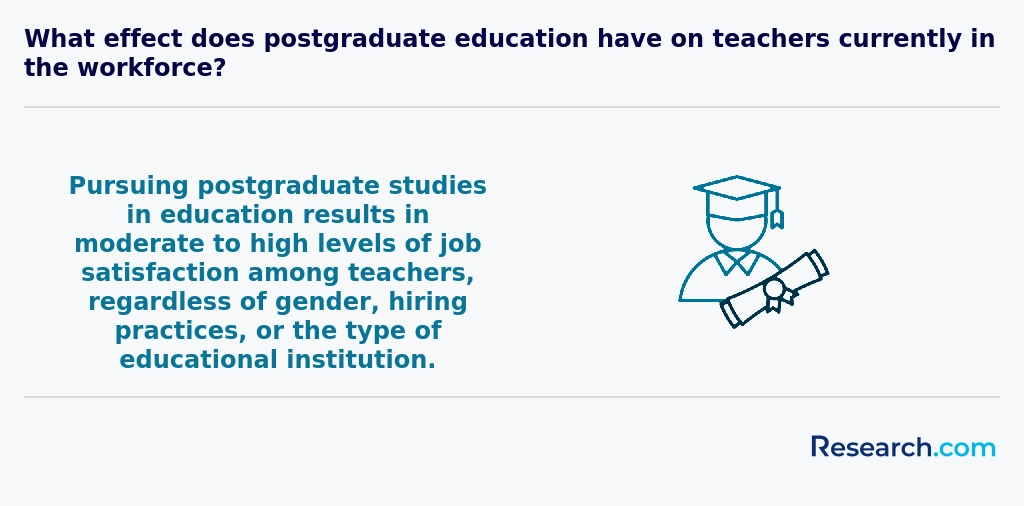
The education sector is rapidly evolving, blending traditional teaching methods with innovative digital solutions that are reshaping classroom dynamics and career pathways alike. With the growing emphasis on personalized learning, artificial intelligence, and technology integration, educators are increasingly required to acquire new skills that extend beyond conventional classroom management and pedagogy. Emerging trends include the rise of hybrid teaching models, greater reliance on digital curriculum development, and the adoption of advanced instructional tools that facilitate real-time student assessments. In this dynamic environment, many graduates are exploring avenues for further education to stay ahead of these shifts. For example, pursuing the best online doctorate in higher education program can provide educators with in-depth expertise and leadership skills essential for adapting to future educational demands. Staying informed about these trends and continuously building relevant skills ensures that education professionals remain competitive and capable of driving meaningful change in an ever-changing academic landscape.
At universities across Connecticut, education degree programs inspire students through a rich blend of courses designed to build confident, skilled teachers. Graduates often share how courses in educational psychology opened their eyes to understanding student learning styles, helping them craft lessons that truly connect.
Core classes in curriculum development and instructional strategies empower future educators to design dynamic, engaging learning experiences, whether for a lively elementary classroom or a focused secondary class. Many describe their excitement mastering assessment techniques, which enable them to track student progress and adapt lessons for every learner's success.
Students also value coursework on classroom management and cultural diversity, preparing them to create welcoming, inclusive environments where all students can thrive. Specialized classes let learners dive into subjects they are passionate about-be it STEM, literacy, or special education-building a strong foundation to inspire their future classrooms.
Hands-on internships at respected Connecticut colleges give students real-world teaching experience, under expert mentorship, reinforcing their skills and fueling their enthusiasm to make a difference in education.
In Connecticut, education degree specializations offer vibrant pathways tailored to inspire future educators. Graduates from renowned universities commonly share their excitement about specializing in Elementary Education, where they learn to engage young minds from kindergarten to grade six with creativity and patience. Those passionate about adolescent growth often embrace Secondary Education, selecting majors like mathematics or social studies to deeply connect with middle and high school learners.
Many students pursuing teaching certification and majors Connecticut find Special Education especially rewarding, as it empowers them to support diverse learners in inclusive classrooms. Graduates often describe a profound sense of purpose working with students facing unique challenges. Early Childhood Education also captivates those eager to kindle a lifelong love of learning among children from birth to age eight, aligning beautifully with state priorities.
Other specializations like English as a Second Language (ESL), Educational Leadership, and Instructional Technology provide exciting opportunities to impact Connecticut's diverse and evolving school communities. For those aiming higher, many explore the best online doctorate in higher education program, expanding their leadership and academic horizons.
Choosing the best education degree in Connecticut means focusing on what truly aligns with your passion and career dreams. Many graduates from institutions like the University of Connecticut share how their hands-on student teaching experiences helped them feel confident and ready to impact their classrooms. When exploring the best education degree programs in Connecticut, accreditation by NECHE ensures your education is respected and valued by employers throughout the state.
Cost is an important factor, and students often find that understanding tuition fees early-such as $18,100 annually at public universities-helps them plan effectively. Private colleges offer excellent programs too, but it's wise to compare prices and consider financing options. For those seeking options on affordability, the Inexpensive Online Education Degree Programs Ranking in Charleston, IL can inspire ideas on budget-conscious paths.
Many students pursuing affordable education degrees Connecticut 2027 appreciate programs that integrate comprehensive practicum hours. These real-world teaching experiences, often supervised by certified educators, bring theory to life and prepare future teachers for certification tests and real classroom challenges.
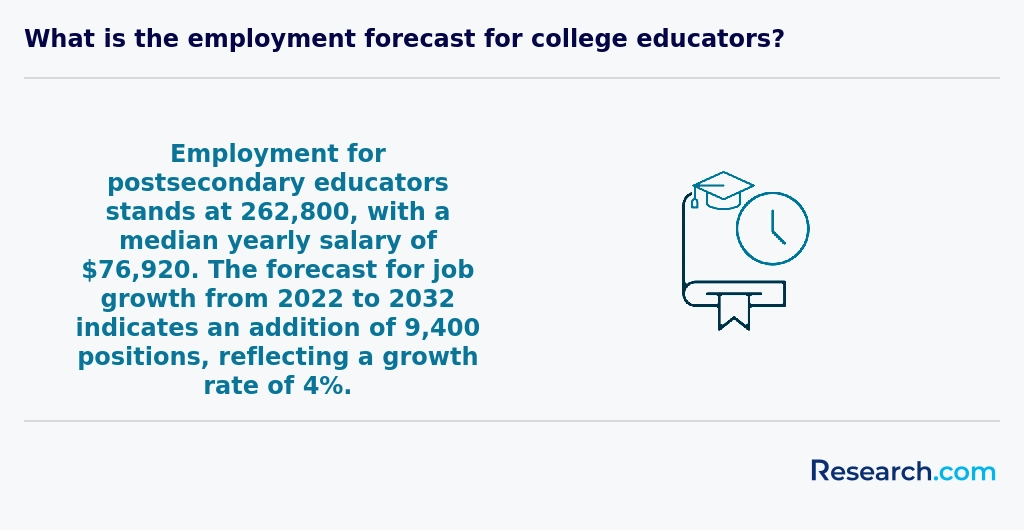
Graduates with an education degree in Connecticut discover a world of opportunities that extend well beyond traditional classroom teaching. Many become licensed K-12 teachers, specializing in areas like early childhood or STEM, fulfilling the steady demand for skilled educators throughout the state. Others take on inspiring roles as school counselors or instructional coordinators, directly shaping student success and curriculum innovation.
For education degree career opportunities in Connecticut, graduates from notable institutions like the University of Connecticut or Southern Connecticut State University often pursue leadership positions such as school principals or district administrators, impacting entire school communities. These roles bring the reward of influencing education policy and student outcomes on a larger scale while enjoying competitive salaries. Some graduates find fulfillment as academic advisors or admissions counselors in Connecticut's vibrant higher education sector.
Many students also choose to advance their training by enrolling in the quickest online degree for working adults, balancing work and study to accelerate their careers. These pathways offer an uplifting outlook for anyone passionate about making a lasting difference in education throughout Connecticut.
Graduates with education degrees from Connecticut universities, such as the University of Connecticut and other renowned colleges, find themselves well-positioned in a steady job market. The education degree job outlook in Connecticut remains strong, especially in districts like Bridgeport and Hartford where teacher demand is high due to rising student populations and retirements. Many graduates experience rewarding careers in public schools, private institutions, and specialized educational roles that embrace new learning technologies.
The state's commitment to professional development and union support fosters a positive environment where education professionals feel valued and secure. Salaries in Connecticut regularly outpace the national average, motivating many to build long-term careers in the field. Students transitioning from programs at Connecticut colleges often highlight the practical training and supportive networks that help them confidently enter classrooms or educational technology roles.
With in-state tuition averaging about $13,000 annually, aspiring teachers often explore financial aid and scholarships to make education degrees affordable. If you're curious about advanced opportunities, you might explore resources on what is the easiest doctorate to get to expand your career options in education.
Connecticut education degree employment opportunities are diverse, offering robust career pathways from early childhood education to specialized fields like ESL and STEM, making it an inspiring choice for those passionate about shaping the future through teaching.
2027 Most Popular Education Degree Programs Ranking in Connecticut
Investing in your education is a significant decision that can shape your future, and the Research.com team understands the importance of making informed choices. To assist prospective students in Connecticut, we have meticulously crafted the "2027 Most Popular Education Degree Programs Ranking in Connecticut." Our commitment to quality, credibility, and accuracy is reflected in the extensive research and analysis conducted to compile this ranking.
We utilized the following reputable data sources to ensure a comprehensive evaluation of education degree programs:
By exploring this ranking, readers will gain valuable insights into the most popular education degree programs available in Connecticut, empowering them to make well-informed decisions about their academic and career paths. For more details on our methodology, please visit our Research.com methodology page.


Frequently Asked Questions About education
Education degree students in Connecticut can maximize their learning experience by engaging actively in both coursework and fieldwork. According to the Connecticut State Department of Education, practical experiences such as student teaching are essential, providing hands-on skills that complement theoretical knowledge. Students should seek diverse placements in urban and suburban schools to gain a broad understanding of educational settings.
Networking with peers and faculty also enhances learning. Many Connecticut institutions offer workshops and seminars focused on the latest teaching strategies and technology integration. Additionally, leveraging resources from the Connecticut Education Network can improve digital literacy, which is increasingly important in modern classrooms.
Finally, staying informed about state certification requirements and continuing education opportunities ensures students remain competitive in the local job market.
Emerging niches within the education field in Connecticut reflect national trends but also respond to local needs. Areas such as special education and STEM (science, technology, engineering, and math) education continue to grow. The demand for teachers skilled in technology integration has risen as schools adopt digital learning tools.
There is also increasing interest in bilingual education, spurred by the state's diverse population. According to the Connecticut Department of Education, about 7% of students are English language learners, creating a need for educators trained in English as a Second Language (ESL).
Another niche gaining attention is early childhood education, especially with Connecticut's investment in expanding preschool access. Careers in educational leadership, including curriculum development and school administration, are in higher demand as districts adapt to evolving educational standards and equity initiatives.
After completing an education degree in Connecticut, preparing for the job market requires strategic steps. Graduates should seek certification through the Connecticut State Department of Education, which ensures eligibility for public school teaching positions. Networking opportunities, such as attending local education fairs or joining professional organizations like the Connecticut Education Association, can enhance job prospects.
Practical experience is crucial; recent reports from the Connecticut Department of Labor highlight that internships and student teaching roles significantly improve hiring chances. Understanding Connecticut's specific curriculum standards, including the Common Core implementation, is essential for new educators.
Additionally, pursuing continued professional development can increase competitiveness in a market where the average starting salary for teachers is approximately $46,000, according to the National Education Association.
Employers in Connecticut highly value education degree graduates who demonstrate strong classroom management skills. According to the Connecticut State Department of Education, effective behavior management directly impacts student success, making this skill essential for new teachers.
Additionally, communication skills are critical. Graduates must engage clearly with students, parents, and colleagues to foster a productive learning environment. The Connecticut Education Association highlights collaboration as a key trait valued by school districts statewide.
Technological proficiency is increasingly important, especially with the rise of blended learning. Familiarity with educational software and digital tools is now often required in Connecticut classrooms.
Lastly, data-driven decision-making is sought after. Using student performance data to tailor instruction is a growing priority in Connecticut's education system, endorsed by recent Connecticut educational policy updates.
Finding internships in Connecticut for education degree students involves leveraging several local resources. Many universities, such as the University of Connecticut and Southern Connecticut State University, have dedicated career centers that connect students with internship opportunities in local school districts. According to the Connecticut State Department of Education, internships are often available in public and private K-12 schools statewide, helping students gain practical teaching experience.
Students should also explore the Connecticut Education Association's internship listings, which frequently feature opportunities in various educational roles. Networking with educators through local professional organizations and attending job fairs can further expand access to internships. Additionally, consulting school district websites may reveal open positions for student teachers and interns in public education settings.
In Connecticut, obtaining an education degree significantly enhances career mobility and advancement opportunities. According to the Connecticut Department of Education, educators with advanced degrees are more likely to be promoted to leadership roles such as curriculum coordinators or school administrators. Additionally, the state's competitive teacher salary scale rewards higher qualifications, with teachers holding master's degrees earning on average 10-15% more than those with only a bachelor's. Many districts also offer incentives for continuing education, encouraging professionals to pursue advanced certifications or endorsements. This combination of higher pay and leadership pathways makes an education degree a key asset for career growth in Connecticut's public schools.
Studying for an education degree in Connecticut equips students to handle interdisciplinary roles by integrating multiple fields such as psychology, technology, and social sciences. Connecticut's universities emphasize collaborative learning and practical experience, encouraging future educators to work across disciplines. For instance, the Connecticut Department of Education highlights that 78% of education programs incorporate technology to prepare teachers for diverse classroom environments.
Programs often include coursework in counseling, curriculum development, and educational leadership, fostering skills beyond traditional teaching. This approach helps graduates adapt to roles involving policy development, special education, and administration. The state's strong focus on inclusive education further broadens graduates' understanding of varied learner needs and community contexts.
Choosing between a thesis and a non-thesis education degree program in Connecticut depends largely on your career goals and learning preferences. Thesis programs typically require original research and a formal written thesis, which is ideal if you plan to pursue a doctoral degree or a career in academia. Non-thesis programs focus more on coursework and practical application, suitable for those seeking immediate entry into teaching or administrative roles.
In Connecticut, schools like the University of Connecticut offer both options, reflecting a nationwide trend where about 60% of education master's programs provide a non-thesis track. According to the National Center for Education Statistics, around 45% of graduate students in education prefer the non-thesis route for its flexibility.
Consider your time availability too-a thesis program often takes longer due to research demands, while non-thesis programs can be completed quicker. Financial aid and assistantship opportunities may also vary by program type, affecting your decision. Visiting campuses and discussing options with advisors can clarify which path aligns best with your professional aspirations.
Students in Connecticut seeking education degrees have multiple options for studying abroad through partnerships between local universities and international institutions. Schools such as the University of Connecticut offer exchange programs, allowing education majors to gain global perspectives while earning credit toward their degree. According to the Institute of International Education, roughly 3,000 Connecticut students studied abroad in 2022, with many participating in education-focused programs.
Connecticut students can also access short-term study abroad experiences during summer or winter sessions, which provide immersive teaching practicum opportunities. These options help candidates develop cross-cultural competence crucial for modern educators.
Additionally, scholarships and financial aid specific to study abroad in education are available through state programs and university grants, making international study more accessible.
Part-time job opportunities in Connecticut can greatly complement education degree studies by providing practical experience. Many students work as teacher assistants in local schools, gaining firsthand classroom management skills. According to the Connecticut State Department of Education, the demand for substitute teachers remains steady, making this a flexible option. Additionally, tutoring services, particularly in subjects like math and reading, are prevalent in communities near universities such as the University of Connecticut. These roles enhance communication and instructional abilities. Working in after-school programs or community centers is another avenue, allowing students to apply educational theories in real settings while earning income.
Education students in Connecticut benefit from numerous networking opportunities through universities, professional organizations, and state education initiatives. Institutions such as the University of Connecticut and Central Connecticut State University often host career fairs and workshops connecting students with local school districts and education professionals.
Additionally, Connecticut Education Association (CEA) offers memberships and events aimed at future educators to build relationships with experienced teachers and administrators. The state also supports collaborative partnerships between colleges and public schools, providing valuable internship and practicum placements that enhance networking.
These opportunities allow students to engage with a community of more than 40,000 certified educators statewide, according to the Connecticut State Department of Education, fostering connections essential for career development.
Alumni networks play a significant role in supporting education degree students in Connecticut. These networks connect current students with graduates who have professional experience in schools across the state. This access often leads to valuable mentorship opportunities and practical advice tailored to the Connecticut education system.
Many Connecticut universities report strong alumni engagement, which assists students in securing internships and teaching positions. For example, the Connecticut State Department of Education highlights partnerships facilitated through alumni connections that help graduates enter local school districts more easily.
Research also shows that 70% of teaching candidates in Connecticut find jobs through personal connections, including alumni networks.
Customizing an education degree program in Connecticut allows students to align their studies with specific career goals. Many state universities and colleges offer flexible curricula, including concentrations in special education, curriculum design, or educational technology. Students can select electives that focus on areas like bilingual education or administration.
Connecticut institutions such as the University of Connecticut emphasize internships and practical experience, helping students gain skills relevant to local school districts. According to the Connecticut State Department of Education, tailoring coursework improves job placement rates by better matching state workforce needs.
Additionally, some programs support part-time or online study options, offering convenience for working professionals pursuing advancement or certification in specialized fields.
Education students in Connecticut commonly face several significant challenges during their academic journey. Many report difficulty balancing rigorous coursework with required field experiences and student teaching placements. According to the Connecticut State Department of Education, securing diverse and quality practicum sites can be competitive due to limited availability in certain districts.
Financial strain is another major concern; the cost of tuition combined with unpaid internships often pressures students to seek part-time work. Additionally, adapting to evolving certification requirements, including passing the Praxis exams, poses hurdles for some aspiring educators.
Finally, dealing with the state's growing focus on inclusion and special education requires students to be well-prepared, which can demand extra coursework and training hours.
With an education degree in Connecticut, graduates can pursue several professional certifications that enhance their teaching credentials. The most common certification is the Connecticut Initial Educator Certificate, which allows individuals to teach in public schools across the state.
Beyond this, many educators aim for the Professional Educator Certificate, which requires additional experience and coursework. Specializations include certifications in special education, ESL (English as a Second Language), and school counseling, reflecting the state's focus on diverse student needs.
Connecticut also offers endorsements in areas like reading instruction and administration, supporting career advancement within schools. According to the Connecticut State Department of Education, over 20,000 educators hold active certifications, underscoring strong demand for qualified teachers in the state.
Writing a winning application for an education program in Connecticut requires attention to detail and clear communication of your goals. Begin by thoroughly researching the specific education programs offered by Connecticut institutions, such as the University of Connecticut and Central Connecticut State University. Tailor your personal statement to highlight your passion for teaching and your understanding of Connecticut's diverse student population.
Be sure to include your academic history, relevant experience, and any certifications or volunteer work related to education. According to the Connecticut Department of Education, programs increasingly value candidates with practical classroom experience. Finally, request strong recommendation letters from educators or supervisors familiar with your skills.
Education careers in the United States, including Connecticut, are viewed globally as both vital and dynamic. The U.S. higher education system emphasizes a blend of theory and practical experience, preparing graduates to meet diverse learning needs. According to the Connecticut Department of Education, over 50,000 educators serve in the state's public schools, highlighting strong local demand.
Globally, education professionals are encouraged to understand cultural differences and promote inclusive teaching methods. U.S. education degrees often incorporate such training, which aligns with international trends prioritizing equity and technology integration in classrooms.
Data from the National Center for Education Statistics shows steady growth in teaching roles nationwide, reflecting ongoing opportunities for degree holders. For potential Connecticut students, these global perspectives underscore the importance of adaptable skills and lifelong learning in an education career.
Gaining practical experience while studying for an education degree in Connecticut is essential for preparing to become an effective teacher. Most Connecticut universities require students to complete supervised student teaching placements in local schools, often lasting one semester or more. This hands-on experience allows future educators to engage with diverse classrooms and develop instructional skills.
Additionally, many programs encourage internships and volunteer work through partnerships with Connecticut's public schools, community centers, or educational nonprofits. According to the Connecticut State Department of Education, these opportunities help nearly 90% of teacher candidates build critical in-classroom experience before graduation.
Some institutions also offer practica focused on special education, literacy, or STEM, reflecting regional demands. These structured field experiences enhance practical knowledge and improve job readiness in Connecticut's education sector.
Choosing the right concentration within an education degree program in Connecticut involves evaluating your career goals and interests carefully. Connecticut offers various concentrations such as elementary education, special education, and literacy, reflecting local workforce needs reported by the Connecticut Department of Education.
Consider which student populations you want to work with, as this influences your choice. For example, special education is growing in demand statewide due to rising student diversity and inclusion policies. Programs accredited by the Council for the Accreditation of Educator Preparation (CAEP) in Connecticut provide guidance on certification paths linked to different concentrations.
Additionally, review job placement rates and licensure success in each concentration, data often published by universities and the Connecticut Office of Higher Education. These indicators help ensure your education aligns with market demands and licensure requirements in the state.
- 2027 Most Popular Education Degree Programs Ranking in Rhode Island
- 2027 Most Popular Education Degree Programs Ranking in Massachusetts
- 2027 Most Popular Education Degree Programs Ranking in Pennsylvania
- 2027 Most Popular Education Degree Programs Ranking in Vermont
- 2027 Most Popular Education Degree Programs Ranking in Maryland
- 2027 Most Popular Education Degree Programs Ranking in Virginia
- 2027 Most Popular Education Degree Programs Ranking in West Virginia
- 2027 Most Popular Education Degree Programs Ranking in Kentucky
- 2027 Most Popular Education Degree Programs Ranking in North Carolina
- 2027 Most Popular Education Degree Programs Ranking in South Carolina
See What Experts Have To Say About Studying Education
Read our interview with Education experts

Nooshan Ashtari
Education Expert
Professor & Book Author
University of Southern California

Alan J. Singer
Education Expert
Professor of Teaching, Learning and Technology
Hofstra University

- How to Build Work Experience While Studying - EN Global Education Ltd https://englobaleducation.co.uk/how-to-build-work-experience-while-studying/
- Get the skills employers want | Study UK https://study-uk.britishcouncil.org/why-study/succeed-your-career/get-skills-employers-want
- Bachelor of Education Degree (Here's What To Expect) https://www.alleducationschools.com/teaching-degrees/bachelors-in-education/
- Navigating Challenges In Education, Learning & Development - those who can https://www.thosewhocan.org/navigating-challenges-in-education-learning-and-development/
- Secondary Education https://www.easternct.edu/education/programs-of-study/secondary-education.html
- College Career Pathways - Connecticut Technical Education and Career System (CTECS) https://www.cttech.org/college-career-pathways/
- What else can I do with an education or teaching degree? https://targetjobs.co.uk/careers-advice/career-ideas/what-else-can-i-do-education-or-teaching-degree
- Tuition & Aid https://www.ccsu.edu/tuition-aid
- Putting theory into practice: The value of an interdisciplinary approach to teaching https://my.chartered.college/impact_article/putting-theory-into-practice-the-value-of-an-interdisciplinary-approach-to-teaching/
- Learn about the requirements for being an early childhood teacher - Connecticut Office of Early Childhood https://www.ctoec.org/become-a-provider/fake/


