
2027 Most Popular Education Degree Programs Ranking in Vermont

Co-Founder and Chief Data Scientist
Choosing the right education degree program in Vermont can shape your future career and personal growth. This article introduces the 2027 Most Popular Education Degree Programs Ranking in Vermont, created by the Research.com team of data scientists to help you make an informed decision.
Discover which programs stand out for their quality and opportunities. Whether you're starting your journey or seeking to advance, understanding these rankings can guide you toward programs that truly fit your goals.
Exploring education degrees opens doors to rewarding careers that impact communities and inspire lifelong learning.
Key benefits of getting education degree in Vermont
- Graduates with an education degree in Vermont can expect competitive salaries, such as $76,000 annually for Special Education Teachers and $77,200 for Instructional Designers, offering financial stability and growth.
- Career paths for education graduates in Vermont are diverse, including roles in early childhood education, special education, and instructional design, providing many fulfilling opportunities to impact local communities.
- Completing an education degree online from a Vermont university allows flexible scheduling and accessibility, making it easier to balance work and family while still earning a respected credential.
- 2027 Most Popular Education Degree Programs Ranking in Vermont
- What can I expect from education degree in Vermont?
- Where can I work with education degree in Vermont?
What can I expect from education degree in Vermont?
The average cost of pursuing an education degree in Vermont, particularly at public institutions like the University of Vermont, tends to hover around $18,000 per year for in-state undergraduate tuition. Many education students find this investment manageable, especially when weighing the value of hands-on classroom experiences and supervised teaching hours integral to Vermont's programs.
Graduates often recall how these real-world practicum opportunities-embedded in diverse Vermont schools-gave them confidence far beyond what textbooks alone could offer. Imagine stepping into a busy classroom in Burlington or a small town school in northern Vermont, fully supported by your university's guidance. The tuition, while significant, pays for these immersive moments that truly shape future teachers.
Financial aid and scholarships specifically tailored to aspiring educators frequently ease the financial burden, making Vermont's programs feel surprisingly accessible. Such support encourages students to focus on mastering inclusive education strategies and equity-driven teaching without being overwhelmed by cost concerns.
Where can I work with education degree in Vermont?
Graduates from education programs at Vermont colleges often find themselves teaching in public K-12 schools, where the demand for passionate educators remains strong. Imagine starting your career in a small Vermont town, shaping young minds in classrooms energized by community spirit and personalized learning. Many alumni speak of the fulfillment they gain from obtaining licensure through the Vermont Standards Board for Professional Educators and stepping into roles that matter deeply.
Others venture into leadership positions like principals or curriculum coordinators, especially in rural districts where their influence can transform entire schools. Graduates recall how additional certifications opened doors to these impactful roles, allowing them to foster change beyond the classroom walls.
Early childhood education and special education are fields where many feel specifically called. Supporting families and children in preschool settings or designing individualized plans for students with diverse needs brings a strong sense of purpose. Vermont's supportive environment for pre-K programs enhances these opportunities.
Beyond traditional teaching, some education degree holders contribute to nonprofits, community initiatives, or higher education support, where their skills create meaningful, lasting effects. Their journeys often begin at well-regarded Vermont institutions, sparking careers rich with connection and growth.
Graduates with education degrees in Vermont often find their earnings shaped by the specific roles they pursue. For example, elementary school teachers commonly earn around $70,740 annually, a figure that surprises many who expect lower pay in early education. Special education teachers make even more, with salaries averaging $76,000, reflecting the demand for their specialized skills.
English as a Second Language (ESL) teachers in Vermont report mean annual wages near $65,430, earning about $31.46 an hour, which aligns well with educators' passion for fostering communication and cultural understanding. Early childhood educators, while earning less at approximately $41,410 yearly, enjoy the rewarding experience of shaping young minds at local institutions like the University of Vermont or Castleton University.
Instructional designers, a growing field often pursued by those interested in integrating technology and curriculum development, see mean wages around $77,200. Many graduates recall how their education programs helped them blend creativity with practical skills, improving their salary prospects well beyond traditional classroom roles.
These figures emphasize that education graduates in Vermont aren't confined to modest salaries; instead, they navigate a landscape rich with opportunity and meaningful work, often growing their income as they deepen expertise and pursue advanced roles.
- Public universities in Vermont charge about $14,000 per year for in-state tuition, while private colleges can exceed $40,000 annually.
- Community colleges offer more affordable education degree programs, typically costing under $5,000 per year for two-year programs.
- Starting salaries for education graduates in Vermont average around $40,000 per year, increasing to about $60,000 or more with experience and advanced roles.
- Teacher licensure requires completing an approved preparation program, passing Praxis exams, and applying through the Vermont Department of Education.
- High demand exists for educators in special education, STEM, and bilingual education due to ongoing recruitment and state educational priorities.
In Vermont, completing an education degree feels like a journey that blends academic rigor with real-world experience. At institutions like the University of Vermont or Castleton University, undergraduates typically spend around four years full-time earning their Bachelor of Arts or Science in Education. Graduates often describe this time as transformative-not just for the knowledge gained, but for the relationships built during immersive student teaching semesters. This hands-on internship, lasting one semester, is where theory truly meets practice in local schools, giving students invaluable confidence and connection to their future careers.
Graduate degrees paint a different picture. Many master's students, appreciating the flexible pacing, complete their Master of Education or Master of Arts in Teaching in one to two years. Some accelerated programs at Vermont colleges reward prior experience, helping students move quickly toward certification.
Doctoral candidates, meanwhile, embark on a more extended commitment-four to six years of research and dissertation work, often balancing teaching roles and family life alongside their studies.
When considering an education degree in Vermont, one of the crucial factors to think about is the affordability of the program. Prospective students should look into the total cost of attendance, including tuition, room, and board, as well as additional expenses such as textbooks and supplies. Fortunately, Vermont offers a range of financial aid options, including grants, scholarships, and loans, to help make education more accessible. For those looking for the cheapest education school in vermont, it's essential to weigh the cost against the quality of education and potential career outcomes. By doing so, students can make informed decisions about their academic and financial futures, setting themselves up for success in their chosen career paths within the education sector.
Choosing between online and on-campus education degrees in Vermont often feels like weighing two very different worlds. Graduates from the University of Vermont describe the energy of daily campus life-the spontaneous hallway conversations, hands-on practicum in local classrooms, and easy access to resources like libraries and labs-that online programs can't replicate. Meanwhile, Champlain College students pursuing education degrees online share how the flexibility changed their experience: juggling parenting, work, and coursework at their own pace without sacrificing quality.
Yet, both paths require supervised student teaching within Vermont schools-a crucial bridge to state licensure that anchors theory in real classrooms. On-campus learners feel integrated as they move seamlessly from lecture halls to teaching sites, while online students often balance remote study with scheduled in-person placements, making adaptability essential.
Cost and interaction contrast sharply too. On-campus students embrace vibrant networking but face housing and transportation fees, while online peers might save money and gain autonomy but sometimes struggle with the virtual barrier. These differences reveal how personal priorities shape the choice, not just the format itself.
The education landscape in Vermont is rapidly evolving as technological advancements and innovative teaching methodologies reshape learning environments. As educators embrace integrated digital tools, virtual classrooms, and data-driven instruction, today’s students are receiving a more personalized and engaging educational experience. This forward-thinking approach not only prepares graduates for traditional classroom roles but also equips them with the skills necessary for emerging careers in educational technology and remote learning environments. Innovative strategies such as flipped classrooms, blended learning, and comprehensive online platforms have become increasingly common-offering flexibility and improved accessibility for both students and educators. For instance, many education professionals are now exploring complementary studies; some even choose to broaden their expertise by enrolling in online programs like masters library science, which provide insights into managing digital resources and driving educational innovation in a technology-driven world. Furthermore, Vermont institutions are investing in advanced professional development, ensuring that educators remain at the forefront of evolving pedagogical trends. Emphasizing critical thinking, adaptability, and lifelong learning, these programs help cultivate a dynamic workforce ready to meet the modern demands of education. Keeping an eye on these emerging trends can significantly boost your career potential, ensuring that you remain relevant and competitive in an ever-changing educational landscape.
Understanding the average cost of education degree in Vermont means confronting more than just tuition figures. For many students attending the University of Vermont or other well-known state colleges, the median in-state total cost hovers around $47,850, while the overall median cost stands at about $64,644. These numbers reflect what graduates often recall as a significant investment but one balanced by the rewarding experience of hands-on student teaching and supportive academic communities.
Graduates frequently mention how costs extend beyond tuition-covering textbooks, certifications, and living expenses-which adds layers to the financial commitment. This richer perspective helps students evaluate whether their passion for education justifies the expense. While private colleges in Vermont typically charge higher tuition, some students find financial aid or scholarships that make the path more affordable, proving that creative funding solutions can ease worries about cost.
For those open to alternative routes, the Vermont Higher Education Agency highlights community and technical colleges offering education-related associate degrees for around $5,000 to $7,000 annually, a pragmatic choice for many aiming to start teaching careers without the full financial burden of a four-year degree.
To gauge what fits best, prospective educators can explore options like the cheapest education school in Vermont, helping to align aspirations with financial realities and encouraging fresh thinking about how to approach education degree tuition and fees.

To teach in Vermont’s public schools, graduates must secure state certification, ensuring they meet rigorous standards of preparation and practice. First, complete an approved educator preparation program accredited by the Vermont Agency of Education. Most candidates then register for and pass the Praxis tests in their subject area and pedagogy. Vermont requires a minimum Praxis score, so review score requirements carefully before scheduling exams. Next, submit a Vermont Teacher Licensing Application online, including official transcripts, Praxis score reports, and a fingerprint-based criminal background check. Applicants also develop an Individualized Learning Plan (ILP) or Professional Growth Plan (PGP), demonstrating reflective practice and ongoing development aligned with Vermont’s Principles of Professional Practice. Some candidates pursue alternative routes, such as the Troops to Teachers or Career and Technical Education licensing, which combine on-the-job training with academic coursework. If you’re exploring flexible program formats, consider comparing accredited options in Vermont alongside more affordable online pathways, like the Inexpensive Online Education Degree Programs Ranking in San Diego, CA, to balance cost and convenience. Upon approval, the initial license is valid for three years, during which educators complete a state-approved mentoring and induction program. To advance to a professional license, demonstrate successful teaching evaluations and 180 hours of approved professional development. Maintaining licensure requires renewal every five years, with evidence of 90 hours of continuing education or a master’s degree. Understanding these steps early can streamline the transition from graduate to licensed educator and ensure compliance with Vermont’s high standards.
Many Vermont education students find financial aid a vital lifeline in managing costs at institutions like the University of Vermont or Castleton University. Federal aid through FAFSA opens doors to Pell Grants, which can provide up to $7,395 annually-enough to cover a significant portion of tuition for those demonstrating financial need. Graduates often share how work-study opportunities not only eased their expenses but also enriched their resumes with meaningful educational experience.
State-specific programs play a powerful role too. The Vermont State Grant, capping near $3,550, often bridges the gap for in-state students, making colleges like Saint Michael's College more accessible. Those committed to teaching in high-need areas frequently benefit from Teach Grants, which offer up to $4,000 per year-transforming the dream of teaching in Vermont's rural schools into a reality.
- VSAC scholarships reward merit and dedication, targeting both undergraduate and graduate education students with awards reflecting their promise and drive.
- Loan forgiveness programs, especially the Teacher Loan Forgiveness, relieve up to $17,500 for educators serving low-income Vermont communities, fueling graduates' passion and alleviating debt stress.
Moreover, some Vermont colleges offer assistantships and institutional scholarships that provide stipends or tuition waivers, creating real hope for students balancing studies and financial pressures. Through this mosaic of support, Vermont's education students feel empowered, knowing that financial barriers can bend when resources align with their commitment to teaching.
Aspiring educators in Vermont must navigate a clear licensure pathway to teach in public and private schools, ensuring their credentials align with state standards and classroom requirements. To obtain an Initial License, candidates typically complete a state-approved teacher preparation program-often including student teaching placements-and pass the appropriate Praxis exams in pedagogy and subject matter. Upon successful application through the Vermont Agency of Education, educators receive endorsements for specific grade ranges (PreK–3, 5–9, or 7–12) and content areas. Vermont also offers alternative certification routes for career changers holding a bachelor’s degree in another field. Through the “Teach for America” program or the Vermont Troops to Teachers initiative, candidates can earn a Provisional License while completing required coursework and mentorship. After two years of supervised teaching, educators apply for their Professional License, valid for five years and renewable with evidence of continuing professional development. Maintaining licensure involves completing 100 professional development points every five years, which can include workshops, graduate courses, or participation in instructional leadership cohorts. Many candidates explore flexible delivery formats to meet these requirements; for example, reviewing our Inexpensive Online Education Degree Programs Ranking in San Diego, CA can provide insights into cost-effective ways to fulfill credit hours without sacrificing quality. Understanding Vermont’s certification process is crucial for planning your education pathway. By aligning your degree, practicum experiences, and exam preparation with state requirements, you ensure a smooth transition from student to licensed educator-ready to inspire the next generation.
Enrolling in an education degree program in Vermont isn't just about checking boxes; it's about showing a real passion for teaching. Graduates from well-known institutions like the University of Vermont often recall how submitting a heartfelt personal statement made their application stand out, revealing their dedication beyond just academics. Yes, official high school transcripts and a solid GPA-usually around 2.5 to 3.0-are essential, but many programs now look deeper. Some even waive standardized tests like the SAT or ACT, recognizing that potential is more than a number.
Beyond grades, prospective students face a crucial step: background checks mandated by the Vermont Agency of Education. This ensures the safety of students statewide and builds trust in future educators. Many have found that completing prerequisite courses in subjects like English or psychology and gaining classroom observation hours helped solidify their commitment to teaching. It's a journey combining academic readiness with personal growth, crafted uniquely in Vermont's supportive educational landscape.

Choosing an accredited program is the first step toward a successful teaching career in Vermont. The Council for the Accreditation of Educator Preparation (CAEP) is the gold standard: graduates from CAEP-accredited programs automatically meet state approval criteria and streamline the licensure process. Additionally, Vermont’s Department of Education maintains a list of state-approved teacher preparation providers-be sure your institution appears on this list to ensure your coursework satisfies all professional standards. To obtain an initial Vermont teaching license, candidates must: • Hold at least a bachelor’s degree from a regionally accredited institution. • Complete a state-approved educator preparation program (including student teaching). • Pass the required Praxis exams (Core Academic Skills and Subject Assessments). • Submit a fingerprint clearance and background check. • Achieve a minimum GPA-often 3.0-though some programs waive this requirement based on professional experience. After earning your initial license, Vermont requires ongoing professional development through continuing education credits or completion of the Vermont Standards Board-approved mentoring program. Many educators leverage affordable online courses to meet renewal requirements; for examples of cost-effective pathways, explore Inexpensive Online Education Degree Programs Ranking in San Diego, CA. Understanding these accreditation and licensing steps up front will help you avoid surprises, fast‐track your entry into the classroom, and position yourself as a credible candidate for Vermont schools and districts.
In Vermont, education degree programs dive deeply into courses that challenge how future educators think about teaching. Graduates from institutions like the University of Vermont often describe early coursework in educational philosophy and the history of teaching as moments that reshaped their understanding of why education matters beyond rote learning. These foundational classes push students to see classrooms as dynamic communities rather than simply places to deliver content.
Child and adolescent development courses bring these abstract ideas to life, helping students grasp the real emotional and cognitive changes their future pupils experience. At colleges such as Castleton University, this knowledge becomes palpable during hands-on field experiences where students observe and engage with children at various development stages, often sparking a sense of discovery and fulfillment.
Specialized classes in literacy instruction or special education directly prepare graduates to meet Vermont's teaching standards, turning theory into practice. Many report that student teaching placements in local schools are where they truly feel the excitement and challenge of forming meaningful connections with learners, confirming their commitment to education as a transformative career.
Education degree specializations in Vermont reflect a deep commitment to preparing educators for real challenges in local classrooms. Graduates from popular institutions such as the University of Vermont or Castleton University often recount how their chosen tracks-from Elementary Education to Educational Leadership-craft a vivid, hands-on understanding of Vermont's unique needs. For example, those focusing on Special Education find themselves energized by the chance to innovate individualized plans, improving outcomes for students with disabilities. Meanwhile, programs in Secondary Education push graduates to master subject-specific content that resonates with Vermont's diverse student body.
Those pursuing Vermont teaching degree program options often highlight the importance of Early Childhood Education or English as a Second Language specializations, which embrace the state's growing linguistic diversity and early development priorities. Reflecting on their experiences, many appreciate how this tailored training feels immediately relevant, turning theoretical ideals into weekly classroom victories. For students combining education with interdisciplinary interests, exploring paths like masters library science can further expand career horizons.
Choosing the best education degree in Vermont means going beyond surface factors like tuition or location. Graduates from the University of Vermont often reflect on how deeply their hands-on classroom experiences shaped their confidence and teaching philosophy. When you consider programs at Castleton University or Middlebury College, don't just look at rankings-investigate their student-teaching placements and partnerships with local schools, as these are critical for real-world preparation. For those seeking affordable teaching degrees in Vermont, keeping an eye on financial aid options like the Vermont State Grant is essential to ease the burden of what might initially seem like steep tuition.
Think about how your ideal daily routine would look: would you prefer a program offering hybrid or online courses to balance work or family commitments? Reflect on the success stories of education graduates who emphasized the value of rigorous academic support and strong Praxis exam pass rates, which are vital for licensure here in Vermont. For further insight into balancing cost and quality, explore the Inexpensive Online Education Degree Programs Ranking in San Diego, CA.
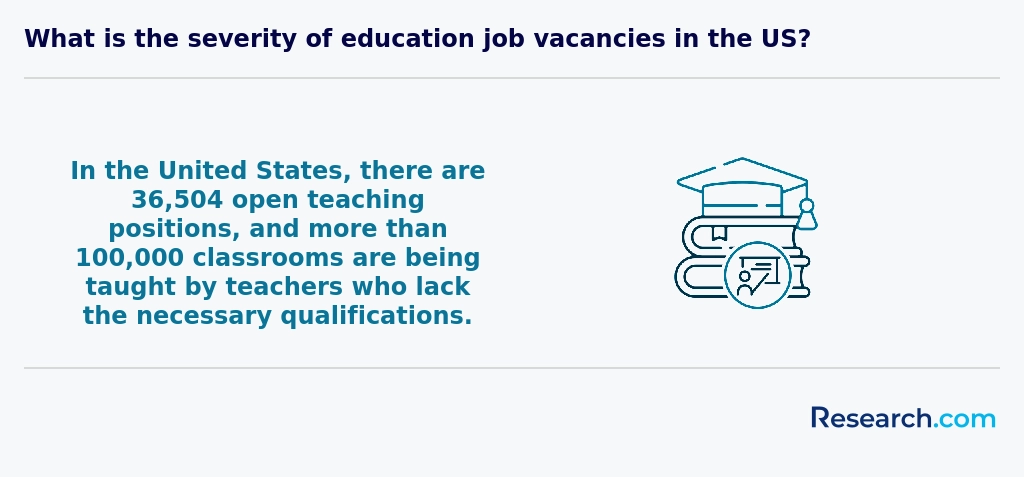
Graduates with an education degree in Vermont often envision themselves as classroom teachers, but the reality offers far richer opportunities. While many secure positions as K-12 educators in subjects like special education, math, and science-fields with persistent statewide need-others leverage their credentials into leadership roles. Alumni from Vermont's University of Vermont and Vermont Technical College frequently share how roles as principals or district administrators, which demand advanced degrees and practical teaching experience, allow them to craft policies that directly improve student outcomes.
Exploring beyond typical roles, some graduates find fulfilling careers as educational consultants or curriculum developers, shaping innovative teaching methods or integrating technology into classrooms across the state. Vermont's strong emphasis on supporting students with disabilities also opens doors for special education professionals eager to make a difference.
Those seeking alternatives often consider postsecondary positions-college instructors or academic advisors at Vermont's higher education institutions-where a master's degree may suffice. For those aiming to shorten their pathway, an expedited bachelor's degree can provide a faster start. The landscape of jobs with education degree in Vermont extends into nonprofit, government, and corporate arenas, inviting graduates to transform education from multiple vantage points.
The education degree job outlook in Vermont defies some common assumptions about instability in teaching careers. Graduates from institutions like the University of Vermont often find Vermont's job market surprisingly steady, supported by the state's commitment to quality education and manageable student-teacher ratios. Many report rewarding opportunities in both urban and rural settings, with smaller districts offering unique community connections and fulfilling roles beyond just classroom instruction.
Those pursuing a teaching career opportunities Vermont 2027 should consider how credentials and continuous development play a crucial role in securing positions and advancing salaries. For instance, obtaining a Vermont teaching certification not only opens doors in public schools but also enhances job security. Graduates have noted that advanced degrees substantially improve their prospects, both in salary and role diversity.
Cost considerations are essential, yet many find that in-state tuition at Vermont's respected public universities remains reasonable, especially when combined with scholarships and financial aid. For those weighing options, exploring easiest masters programs can help streamline entry into the workforce while balancing investment and return on education.
2027 Most Popular Education Degree Programs Ranking in Vermont
Investing in your education is a significant decision that can shape your future, and the Research.com team recognizes the importance of providing trustworthy guidance. To support prospective students in Vermont, we have carefully developed the "2027 Most Popular Education Degree Programs Ranking in Vermont." Our dedication to quality, credibility, and accuracy is demonstrated through rigorous research and data analysis. We utilized the following reputable data sources to ensure a thorough assessment of education degree programs:
By consulting this ranking, readers will receive valuable insights to make well-informed decisions about their educational paths. For additional information on how this ranking was created, please visit our Research.com methodology page.


Frequently Asked Questions About education
Education degree students in Vermont can maximize their learning experience by actively engaging in both coursework and hands-on practice. Vermont's higher education institutions emphasize field experiences, such as student teaching placements, which are essential for developing practical skills. According to the Vermont Department of Education, participating in diverse classroom environments increases adaptability and understanding of student needs.
Students should also take advantage of state resources like the Vermont Higher Education Collaborative, which offers workshops and networking opportunities. Seeking mentorship from experienced educators and staying current with Vermont's education standards will further enhance their professional readiness. Balancing theory with practical application is key for success in Vermont's education programs.
The education field in Vermont is evolving, with several emerging niches gaining attention among prospective students. One key area is special education, responding to rising demand for trained professionals to support diverse learner needs. According to the Vermont Agency of Education, the state has increased its focus on inclusive classrooms, driving job growth in this sector.
Another promising niche is educational technology. With schools adopting digital tools rapidly, expertise in integrating technology into curricula is increasingly valuable. Vermont's emphasis on remote learning since 2020 has accelerated this trend.
Additionally, early childhood education remains vital, supported by Vermont's policies promoting quality care and education for young children. Career opportunities in this niche are expanding as well.
Graduates with an education degree in Vermont should focus on building practical experience to enhance their job prospects. Vermont requires licensed teachers to complete student teaching or internships, which are valuable for gaining classroom skills and networking with local schools.
Networking with educators through Vermont's Professional Educator Standards Board and attending job fairs can open employment opportunities. Familiarity with Vermont's specific standards for teacher certification, including passing the Praxis exams, is essential. According to the Vermont Agency of Education, about 85% of new teachers secure jobs within one year of graduation.
Continuing education and professional development also boost employability. Many Vermont school districts encourage ongoing training to stay current with teaching methods and state requirements.
Employers in Vermont seek education degree graduates with strong communication skills. Being able to clearly convey ideas and instructions is essential in classrooms and collaboration with parents and colleagues. According to the Vermont Agency of Education, interpersonal skills rank among the top qualities for educators in the state.
Another important skill is adaptability. Vermont schools emphasize inclusive teaching strategies, requiring graduates to adjust methods for diverse student needs. This flexibility improves student engagement and learning outcomes.
Additionally, knowledge of technology is vital. With increasing use of digital tools in Vermont classrooms, graduates proficient in educational technology stand out. Data from the National Center for Education Statistics shows that over 80% of Vermont schools integrate technology in daily teaching.
Finally, classroom management and critical thinking are highly valued, enabling graduates to maintain positive learning environments and solve challenges effectively.
Finding internships in Vermont related to education degrees involves several practical steps. Most colleges in the state, including the University of Vermont and Castleton University, offer career services that connect education students with local schools and educational programs for hands-on experience.
Networking plays a crucial role; joining local chapters of organizations like the Vermont-NEA (National Education Association) can provide valuable internship leads. Additionally, many Vermont school districts have partnerships with higher education institutions, offering placements that meet state certification requirements.
Online job boards such as Handshake and Vermont's Department of Labor also list internship opportunities in education fields.
In Vermont, earning an education degree significantly enhances career mobility and advancement opportunities within the state's education sector. According to the Vermont Agency of Education, educators with a professional license and a bachelor's or master's degree often have access to higher salary scales and more diverse roles, including administrative positions and specialized instructional roles.
Vermont's emphasis on continuous professional development means degree holders are better positioned for promotions and leadership roles. For example, nearly 60% of Vermont teachers hold advanced degrees, which correlates with better job security and expanded career paths.
The state's relatively small school districts benefit from versatile educators who can fill multiple roles, increasing the value of a comprehensive education degree. Furthermore, the degree can serve as a credential for roles outside traditional teaching, such as curriculum development or educational policy jobs within Vermont's educational institutions.
Studying for an education degree in Vermont offers significant preparation for interdisciplinary roles by emphasizing collaboration across multiple fields. Vermont's teacher preparation programs often incorporate coursework in psychology, sociology, technology, and special education to build a broad skill set tailored for diverse classroom environments.
The Vermont Agency of Education encourages integrated learning approaches, ensuring candidates develop competencies beyond traditional teaching methods, such as using data analysis and educational technology. According to recent data from the National Center for Education Statistics, Vermont's education programs show strong alignment with national standards promoting interdisciplinary knowledge.
This grounding equips graduates to work in varied settings including community education, counseling, and curriculum development, highlighting the state's commitment to versatile educator training.
Choosing between a thesis and a non-thesis education degree program in Vermont depends on your career goals and learning preferences. Thesis programs typically require original research and a formal dissertation, suitable for students aiming for academic or research careers. Non-thesis programs focus more on coursework and practical experience, ideal for educators seeking classroom or administrative roles.
According to Vermont's higher education standards, institutions like the University of Vermont offer both options, with thesis tracks often taking longer to complete. The Vermont Higher Education Agency notes that thesis students spend 20-30% more time on research activities.
Consider your future plans and discuss options with academic advisors to align your choice with your professional objectives.
Students based in Vermont who want to study education abroad have several pathways through U.S. higher education institutions. Many Vermont colleges, such as the University of Vermont, offer study abroad programs and international partnerships that allow education majors to gain global experience. According to the Institute of International Education, about 10% of U.S. education students participate in study abroad each year, enhancing their cross-cultural teaching skills.
Programs typically range from short-term summer sessions to a full academic year. Vermont students can also access scholarships like the Gilman Scholarship, which supports U.S. undergraduates with financial aid for studying abroad in education fields. Veterans Affairs and Fulbright programs may provide additional opportunities.
Part-time job opportunities in Vermont can significantly complement education degree studies by offering practical experience and financial support. Many education students find roles as teacher assistants or paraprofessionals within local school districts, gaining classroom management skills and exposure to diverse learning needs. According to the Vermont Agency of Education, over 30% of education majors engage in such roles, which enrich their understanding of curriculum development and student engagement.
Additionally, tutoring services remain in demand throughout Vermont's communities, especially in rural areas where personalized academic support is valued. Part-time positions with after-school programs and childcare centers also align well with education studies, providing hands-on experience in educational environments.
Education students in Vermont benefit from numerous networking opportunities through universities and professional organizations. Institutions such as the University of Vermont and Castleton University host events and career fairs that connect students with local school districts and educational leaders. Vermont's small geographic area fosters close connections among educators, making informal networking accessible.
The Vermont-NEA (National Education Association) offers memberships to pre-service teachers, providing access to workshops, conferences, and a statewide community of educators. Additionally, mentorship programs link students with experienced teachers, enhancing both practical knowledge and professional contacts.
According to the Vermont Agency of Education, collaboration between schools and universities is strong, supporting students' entry into the profession through internships and cooperative teaching experiences.
Alumni networks offer significant advantages to education degree students in Vermont by providing vital professional connections and support. Graduates from Vermont colleges, such as the University of Vermont and Castleton University, benefit from these networks that connect them with experienced educators across the state.
These connections lead to increased job placement opportunities, mentorship, and access to local teaching openings, which is critical given Vermont's competitive education job market. According to Vermont's Agency of Education, approximately 80% of new teachers find employment through referrals and networks.
Moreover, alumni events and platforms facilitate ongoing learning and collaboration, enhancing career development for education students.
Customizing an education degree program in Vermont allows students to align their studies with specific career goals. Many Vermont institutions, such as the University of Vermont and Castleton University, offer flexible curricula where students select concentrations like special education, curriculum design, or educational leadership. Students can often choose elective courses and participate in internships or practicum experiences tailored to their interests.
In Vermont, hands-on experience is highly valued; programs emphasize classroom practica in local schools, which helps build practical skills. According to the Vermont Agency of Education, personalized degree tracks contribute to higher teacher retention within the state. Prospective students should consult academic advisors to design a plan meeting licensure requirements and their professional aspirations.
Education students in Vermont commonly face challenges related to limited internship and student teaching opportunities due to the state's small population and rural landscape. This can affect hands-on experience, which is crucial for teacher preparation.
Additionally, financial constraints are notable; Vermont has one of the higher average tuition rates for public universities in New England, making affordability a concern for many prospective educators (Vermont State Colleges data, 2023).
Another difficulty is balancing coursework with practical teaching requirements, as many students must manage jobs or family commitments alongside their studies. According to the Vermont Department of Education, around 35% of education majors report this as a significant stress factor.
Finally, adapting to evolving state certification standards demands extra effort, with consistent updates to testing and credentialing that require students to stay informed throughout their education.
With an education degree in Vermont, several professional certifications become available, enhancing career opportunities in teaching and related fields. The most common certification is the Vermont Initial Educator License, required for public school teaching. It validates your ability to teach specific subjects or grade levels.
For ongoing advancement, Vermont offers the Professional Educator License, which demands additional professional development or a master's degree. Specialized certifications include endorsements in special education, literacy, and English language learning. According to the Vermont Agency of Education, these certifications align with statewide standards to improve educational outcomes.
Additionally, educators may pursue leadership credentials, such as the Administrative License, to work as school principals or supervisors. These certifications typically require passing exams and meeting experience criteria. Overall, Vermont has a structured pathway for certified educators to grow professionally.
Writing a successful application for an education program in Vermont requires clear focus and attention to detail. Start by researching specific programs at institutions like the University of Vermont or Castleton University, which are well-regarded for their education degrees.
Highlight your relevant experience working with children, volunteer roles, or any teaching assistantships, as practical experience is highly valued in Vermont's education field. According to the Vermont Agency of Education, applicants with hands-on experience tend to perform better throughout their studies.
Craft a compelling personal statement that explains your motivation to teach, your educational philosophy, and how you plan to contribute to Vermont's schools. Be sure to meet all application requirements and deadlines exactly as stated by each school.
Education careers in the United States, including Vermont, are influenced by global perspectives emphasizing cultural awareness and adaptability. According to the U.S. Department of Education, educators increasingly incorporate international best practices to improve teaching methods and student engagement. Vermont's teacher preparation programs often include training on global competencies to prepare graduates for diverse classrooms.
Globally, education professionals are expected to embrace technological advancements and address equity issues. The National Center for Education Statistics reports that Vermont's teacher workforce reflects a strong commitment to community values and student-centered learning.
Understanding these global trends can help Vermont students pursue degrees with skills relevant both locally and internationally.
Gaining practical experience while studying for an education degree in Vermont is essential for developing effective teaching skills. Many Vermont colleges and universities incorporate student teaching as a required part of their education programs. This hands-on experience typically involves working in local K-12 schools under the supervision of certified teachers.
Additionally, internships and practicum placements offer opportunities to engage with diverse classroom environments. According to the Vermont Department of Education, partnerships between higher education institutions and public schools facilitate these experiences, helping students apply theory to real-world settings.
Volunteering and after-school program involvement are other valuable ways to build practical skills. These experiences not only strengthen résumés but also prepare students for Vermont's licensure requirements, which emphasize classroom competency.
Choosing the right concentration within an education degree program in Vermont requires careful consideration of your career goals and the regional education landscape. Vermont's public schools often seek teachers specializing in early childhood, special education, and STEM subjects, reflecting statewide priorities reported by the Vermont Agency of Education. Research shows around 30% of education majors in Vermont focus on special education or early childhood, signaling strong demand.
Prospective students should review program offerings at institutions like the University of Vermont, which highlights concentrations in literacy, special education, and educational leadership. Additionally, consider certification requirements set by Vermont's Teacher Licensing Office, as some concentrations match specific licensure paths.
Reflect on your interests, local job market trends, and available practicum experiences to select a concentration that aligns with both your passion and Vermont's employment needs.
- 2027 Most Popular Education Degree Programs Ranking in Massachusetts
- 2027 Most Popular Education Degree Programs Ranking in Rhode Island
- 2027 Most Popular Education Degree Programs Ranking in New Jersey
- 2027 Most Popular Education Degree Programs Ranking in Pennsylvania
- 2027 Most Popular Education Degree Programs Ranking in Maryland
- 2027 Most Popular Education Degree Programs Ranking in Virginia
- 2027 Most Popular Education Degree Programs Ranking in West Virginia
- 2027 Most Popular Education Degree Programs Ranking in Kentucky
- 2027 Most Popular Education Degree Programs Ranking in North Carolina
- 2027 Most Popular Education Degree Programs Ranking in South Carolina
See What Experts Have To Say About Studying Education
Read our interview with Education experts

Alan J. Singer
Education Expert
Professor of Teaching, Learning and Technology
Hofstra University


- Teaching PreK-12 Physical Education https://vermontstate.edu/academic-programs/physical-education-bs/teaching-licensure-in-prek-12-physical-education/
- Students: This is How You Should Prepare for the Job Market https://www.agencycentral.co.uk/articles/students-this-is-how-you-should-prepare-for-the-job-market/
- VTDigger highlights the challenges of filling promising jobs - Advance Vermont https://advancevermont.org/blog-vtdigger-series-overview/
- Bachelor of Education Degree (Here's What To Expect) https://www.alleducationschools.com/teaching-degrees/bachelors-in-education/
- Career Technical Education Programs https://education.vermont.gov/learning/flexible-pathways/career-technical-education/career-and-technical-education
- Top 10 Effective Networking Tips for Students https://www.unfc.ca/blog/networking-tips-for-students
- Promising Niches in the Global EdTech Landscape - Blog https://rocketech.it/blog/post/global-edtech-landscape-what-niches-are-the-most-promising
- 10 Reasons Why Education Helps to Advance Your Career - Insight Training https://insight.edu.au/blog/career-advancement-through-education/
- Navigating Challenges In Education, Learning & Development - those who can https://www.thosewhocan.org/navigating-challenges-in-education-learning-and-development/
- From Hangars to Horizons: Learners Take Flight Through Real World Learning and Mentorship https://education-reimagined.org/from-hangars-to-horizons/


