2027 Easiest Online Master's in Education Degree Programs Ranking in District of Columbia

Co-Founder and Chief Data Scientist
Are you a future educator in the District of Columbia looking to advance your career? This article offers a carefully crafted 2027 Easiest Online Master's in Education Degree Programs Ranking in District of Columbia created by the Research.com team of data scientists. It's designed to help you make an informed choice about which programs truly fit your goals and lifestyle.
Exploring these programs can open doors to new opportunities and personal growth. Whether you want flexibility or quality education, this ranking guides you toward degrees worth considering, making your journey smoother and more rewarding.
Key benefits of getting online education degree in District of Columbia
- Graduates with an education degree in District of Columbia can earn competitive salaries, such as Education Managers averaging $129,330 annually and Education Program Managers earning around $104,920, reflecting strong financial rewards for their skills.
- Career paths for education graduates include roles like Curriculum Specialist and Education Consultant, offering varied opportunities in schools, colleges, and educational organizations that value innovative teaching and management.
- Completing an education degree online from a well-known local university offers flexibility for busy learners, allowing them to balance work and study while gaining credentials recognized by employers in District of Columbia.
- 2027 Easiest Online Master's in Education Degree Programs Ranking in District of Columbia
- What can I expect from online education degree in District of Columbia?
- Where can I work with online education degree in District of Columbia?
What can I expect from online education degree in District of Columbia?
Embarking on an online education degree in District of Columbia often comes with an average tuition range between $15,000 and $30,000 for the entire program, depending on the university and the level of specialization. Graduates from well-known institutions like George Washington University and American University recall feeling empowered by balancing their studies alongside busy professional lives, thanks to flexible scheduling and well-structured coursework. The cost may feel like a worthwhile investment as students gain access to expert faculty, vibrant virtual classrooms, and hands-on practicums embedded within DC's schools.
Many find that financial aid, scholarships, and employer tuition reimbursement soften the upfront expense, sparking a sense of relief and encouraging continued growth. Imagine juggling teaching commitments while exchanging ideas in digital forums or applying leadership skills in local internships - all without ever leaving the city. This affordability combined with convenience reflects the true value of pursuing an education degree in DC, where the blend of cost, quality, and connection makes the journey exciting and accessible.
Where can I work with online education degree in District of Columbia?
With an online education degree in District of Columbia, you can dive into a thrilling variety of career adventures. Imagine joining the vibrant team at District of Columbia Public Schools as a passionate classroom teacher or stepping up as an instructional coordinator, shaping the future of young learners. Many graduates from George Washington University or Howard University find themselves thriving in these dynamic school environments, fueled by the district's genuine demand for skilled educators to tackle teacher shortages and inspire students.
Other paths lead to bustling federal hubs like the Department of Education or the Smithsonian Institution, where your role might involve crafting innovative training programs or managing impactful educational outreach. Graduates often share how these positions offer a stimulating mix of policy work and hands-on program leadership.
Or, picture yourself advising students at the University of the District of Columbia, designing cutting-edge curricula, or embracing faculty roles as postsecondary education grows steadily here. Nonprofits add another exciting avenue, where many education grads engage in community literacy or advocacy, making tangible differences in equity and access.
The possibilities are as diverse as the city itself, opening doors to meaningful, rewarding careers across public schools, federal agencies, universities, and nonprofits-all within the vibrant education landscape of DC.
Graduates with an online education degree in the District of Columbia find exciting salary prospects that reflect both their expertise and the vibrant local education scene. Imagine stepping out of your virtual classroom at a renowned DC university and into a role as an Education Manager, where you could earn around $129,330 annually, tapping into leadership opportunities that transform school programs.
Others venture into specialized roles such as Education Program Managers with wages near $104,920 or Curriculum Specialists earning roughly $77,200-showcasing how versatile your degree can be. Those passionate about guiding students at the college level often become Higher Education Professors, with mean salaries close to $96,570, combining their love for knowledge with a rewarding paycheck.
Many graduates also excel as Education Consultants, earning about $95,600 a year by advising schools and organizations-a role that blends insight with innovation. These numbers reflect real possibilities in DC's dynamic education job market, where online degree holders thrive amid demand and professional growth.
- Online education master's degrees in D.C. offer various specializations like curriculum development, educational leadership, and special education.
- The average total cost for a master's degree in education ranges from $20,000 to $40,000, with public universities generally charging less than private ones.
- Financial aid and scholarships are available for education students to help reduce tuition expenses.
- Starting salaries for education graduates with a master's degree average around $55,000 per year, while experienced educators and administrators can earn over $80,000 annually.
- D.C.'s job market for education professionals is strong due to demand from local school districts and educational organizations.
- Most online education degrees in D.C. are regionally accredited, which supports licensure and career advancement opportunities.
For those eyeing a master's degree, the timeline tightens even more. Some dynamic graduates share how their online master's programs wrapped up in just around two years, thanks to flexible scheduling and fast-tracked courses. It's a thrilling blend of challenge and reward that many find energizing.
Balancing work, family, and studies often means a part-time approach, stretching the path but adding welcome freedom. With transfer credits and tailored electives in play, every student's journey forms its own exciting map, showing that in DC, your education timeline is truly yours to shape and explore.
Investing in an online Education degree in the District of Columbia requires a clear understanding of costs versus long-term earnings potential. On average, the median total program cost is $19,890; when compared to the US Bureau of Labor Statistics median annual wage for Teachers and Instructors in D.C. of $61,250, graduates can expect to recoup tuition expenses within approximately four to six years, depending on full-time or part-time study and prior certifications. To optimize ROI, consider maximizing transfer credits, enrolling full-time to shorten program length, and leveraging cost-saving opportunities highlighted in the Low Cost Online Education Degree Programs Ranking in Massachusetts as a benchmark for competitive tuition rates. Beyond tuition, factor in potential salary increases tied to advanced credentials: for instance, school administrators in D.C. with a master’s in Education report average salaries 15–20% higher than classroom teachers. Federal and local financial aid can further reduce net costs-students who secure Pell Grants or District of Columbia Tuition Assistance Grants may lower out-of-pocket expenses by up to 50%. Finally, when calculating ROI, include non-monetary returns such as career advancement, expanded professional networks, and enhanced job security. These qualitative benefits, combined with the quantitative payback period, ensure a comprehensive assessment of how an online Education degree in D.C. can yield both financial and personal rewards.
Imagine diving into a master's in education from a vibrant campus in the heart of D.C., like at American University or The George Washington University. On-campus students treasure the buzz of live discussions, face-to-face mentoring, and spontaneous study sessions with peers. This immersive experience often sparks connections and energizes learning in ways online might not capture fully.
Now picture a working professional weaving coursework into their busy day without stepping foot outside their home. Online programs offered by these same institutions deliver that freedom-access lectures anytime, anywhere, and shape study around your personal rhythm. Graduates often describe the convenience as a game-changer, especially when balancing family or jobs.
Cost plays its part too-on-campus programs in the District can run from $15,000 to $30,000 annually, reflecting campus facilities and resources. Online options typically trim some expenses, though technology needs and occasional campus visits can arise. Both paths maintain rigorous standards, accredited by the Middle States Commission, ensuring your degree holds equal weight no matter where you learn.
To teach in D.C. public and charter schools, you must earn state certification through the Office of the State Superintendent of Education (OSSE). Most online master’s programs in education are CAEP-accredited and prepare candidates for initial or advanced licensure.
- Graduate from a CAEP-accredited online program that aligns with DC licensure standards
- Pass required Praxis exams (Core, content-specific, or edTPA performance assessment)
- Apply to OSSE with official transcripts, exam scores, and fingerprint clearance
- Select endorsements based on your career goals (e.g., Special Education, Elementary Education)
If you need additional undergraduate credits to meet prerequisites, consider an accelerated bachelor's degree program to fast-track your path to certification.
When exploring the average cost of online education degrees in District of Columbia, many learners find themselves navigating a spectrum of tuition fees. Graduates from popular local institutions like American University and George Washington University often share how their total expenses for a master's program hovered around $33,690. This investment reflects not just the tuition but the flexibility and expertise they experienced while balancing studies with busy lives.
Online education degrees in DC tend to be higher than the national average, but this comes with quality and access to esteemed faculty. Many students appreciate that programs offer part-time enrollment and per-credit options, allowing them to tailor their education journey and manage costs more adventurously. The appeal lies in the ability to learn from home or a favorite coffee spot in the city, embracing new opportunities without the usual campus hustle.
For those searching for affordable online master's in education programs DC, it's worth considering various scholarship and financial aid avenues that can soften the financial load. Some graduates highlight how combining tuition assistance with online learning helped them achieve their goals while maintaining work-life balance. If you're ready to dive into this exciting path, you might want to check out affordable education schools in district of columbia for practical options.
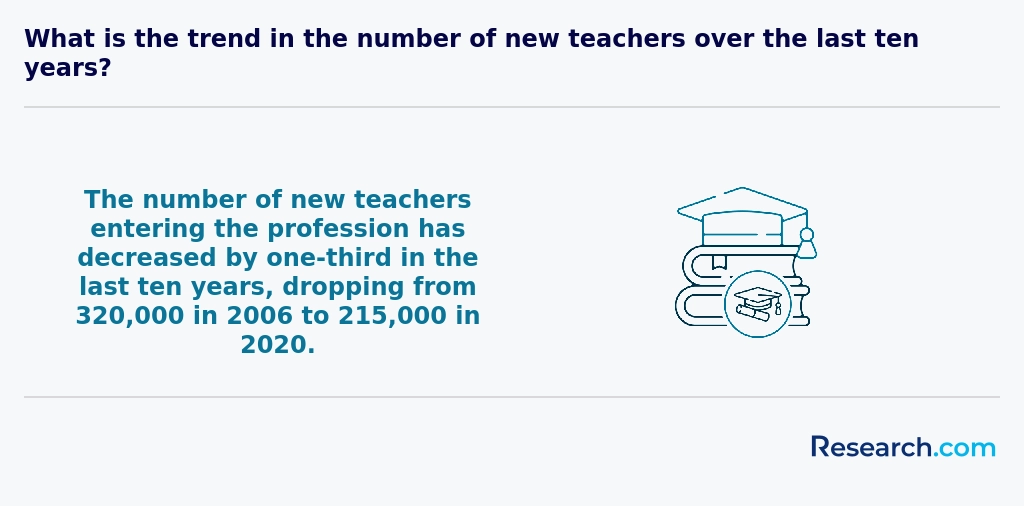
Pursuing an online Education degree in District of Columbia offers unique local advantages that extend beyond the program curriculum. The region boasts a vibrant educational landscape, where government agencies, non-profit organizations, and prestigious institutions create a dynamic network of support and career opportunities. Students benefit from proximity to influential educational policymakers and active professional communities, fostering a collaborative atmosphere that drives innovation in teaching practices. Additionally, local initiatives and funding opportunities help make quality education accessible; for instance, exploring affordable education schools in district of columbia reveals programs that combine academic rigor with financial accessibility. This regional focus not only equips graduates with the skills needed for immediate employment but also instills a deep understanding of the local educational challenges and opportunities, paving the way for sustainable career growth and leadership in the field.
Diving into an online education degree in the District of Columbia uncovers exciting financial aid opportunities that many students eagerly embrace. Imagine enrolling at a well-known institution like George Washington University or the University of the District of Columbia, where graduates often share stories of easing their financial stress thanks to federal aid accessed through FAFSA. Pell Grants, although mostly for undergraduates, open doors for many to start their journey, while federal student loans provide manageable repayment terms for graduate students venturing into advanced studies.
Local perks also enhance this adventure. The DC Tuition Assistance Grant (DCTAG) is a hidden gem for DC residents attending private schools within the district, sometimes even helping with online program tuition. Many grads recall how institutional scholarships rewarded their commitment to teaching, especially in high-need DC public schools, transforming ambitions into reality.
Excitement builds further with programs like Public Service Loan Forgiveness (PSLF), where dedicated educators see their loans gradually vanish after years of service. Plus, some employers step in with tuition reimbursement, adding another layer of support that students often find inspiring and motivating.
- Federal aid via FAFSA, including loans and work-study
- District of Columbia Tuition Assistance Grant (DCTAG) for eligible residents
- Institutional scholarships for education students
- Loan forgiveness through Public Service Loan Forgiveness (PSLF)
- Employer tuition reimbursement programs
Earning one of the easiest online master’s in education degrees in the District of Columbia provides clear advantages:
- Flexible scheduling for working professionals, with asynchronous courses and accelerated terms
- Cost-effective tuition: Many programs rank among affordable online graduate programs, minimizing debt and maximizing return on investment
- Accelerated completion options allow full-time students to finish in as little as 18 months
- Accredited coursework (CAEP or regional accreditation) ensures seamless alignment with local licensure requirements
- Practical field experience through local partnerships prepares graduates for real-world teaching and leadership roles
Landing a spot in an online education degree program in the District of Columbia often starts with having a bachelor's degree in hand, usually from an accredited institution nearby. Imagine a graduate from a well-known DC university who didn't major in education but embraced prerequisite courses offered online to build a solid foundation. This step opens doors to programs that demand a bit of groundwork before diving deeper.
Official transcripts and a decent GPA-typically around 3.0-are common checkpoints. Some successful applicants share how their professional experience in schools or educational nonprofits added a vibrant layer to their applications, sometimes overshadowing a slightly lower GPA.
Though standardized tests like the GRE may feel daunting, many schools in DC either waive or make them optional, especially after the pandemic shifted admission landscapes. Writers often mention how crafting a compelling statement of purpose helped bring their unique aspirations to life, resonating with admissions teams at local institutions.
For many, proving English proficiency through exams such as TOEFL or IELTS is the final piece of the puzzle to unlock those virtual classroom doors within this vibrant capital city's educational community.
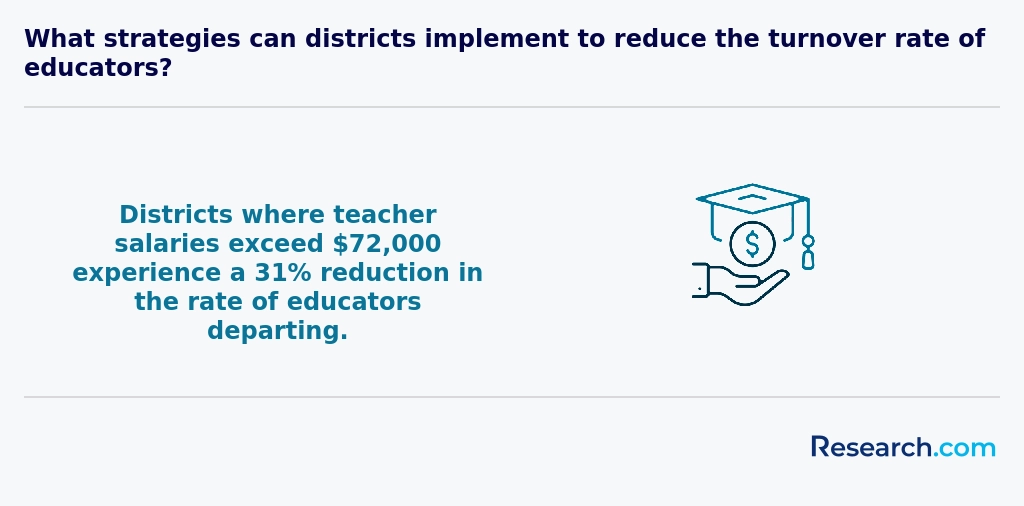
Navigating accreditation and state licensing is essential for online Education degrees in the District of Columbia. Accredited programs ensure your degree is recognized by employers and qualifies you for teaching certification. In DC, look for programs accredited by the Council for the Accreditation of Educator Preparation (CAEP) or the Association for Advancing Quality in Educator Preparation (AAQEP). These accreditations confirm that curriculum, clinical experiences, and faculty meet rigorous national standards. To become a certified teacher in DC, graduates must complete a state-approved program and pass the DC Praxis exams. Key steps include:
- Verify that your online program holds regional accreditation (e.g., Middle States Commission on Higher Education) and CAEP/AAQEP institutional approval.
- Review DC Office of the State Superintendent of Education (OSSE) requirements for educator licensure, including background checks and fingerprinting.
- Ensure your coursework aligns with DC’s competencies in areas like pedagogical knowledge, assessment strategies, and culturally responsive teaching. Prospective students often wonder if is getting online masters degree in education easy. While flexibility and online support can simplify logistics, meeting accreditation and licensing criteria demands careful program selection. Confirming both national accreditation and state approval will streamline your path to the classroom, enhance your credentials, and safeguard your investment in higher education.
Diving into an online education degree in the District of Columbia means immersing yourself in dynamic courses that truly prepare you for the vibrant challenges of local schools. Graduates from popular D.C. institutions often share how courses like Educational Psychology transformed their understanding of student learning, making every lesson feel like a personal discovery about how kids think and grow.
Imagine crafting lesson plans inspired by the Curriculum Design and Instructional Strategies course, bringing creativity right into your virtual classroom. Many students find themselves energized by tackling Diversity and Inclusion, which feels particularly vital in a city as diverse as D.C., helping them embrace multicultural classrooms with confidence.
Other favorites include Assessment and Evaluation, where graduates learn to track real progress, and Educational Technology, a toolkit of modern digital resources that keeps teaching fresh and interactive. Those drawn to leadership often cherish courses on policy and administration, envisioning themselves as future principals or curriculum coordinators shaping education across the district.
Diving into online education degree specializations in District of Columbia opens up an exciting array of paths tailored to ignite your passion for teaching and leadership. Imagine designing dynamic lesson plans through a Curriculum and Instruction specialization that graduates from local colleges rave about for its hands-on approach, or stepping into the shoes of a school leader with Educational Leadership and Administration, preparing for roles that shape entire school communities in DC.
For those drawn to making a difference in unique learner needs, Special Education offers the chance to become a pivotal support system for students with disabilities, a track highly valued across the District's schools. Early Childhood Education sparks joy for many graduates who cherish the early developmental milestones of children in DC's diverse neighborhoods.
One standout adventure is the TESOL specialization, perfectly suited for the District's vibrant cultural mosaic, equipping you with skills to teach English confidently to speakers from all around the world. Students at well-known institutions in DC find these online courses flexible and enriching, especially when considering if is getting online masters degree in education easy under such specialized offerings.
Choosing the best online education degree programs District of Columbia feels like embarking on a thoughtful exploration. Graduates from local institutions often share how accreditation was their compass, ensuring their degree held real value and opened doors with D.C. Public Schools. Specialization matters too-some found their passion in educational leadership while others thrived focusing on special education, perfectly matching local job demands.
Affordability shapes the adventure, especially for those seeking an affordable online master's in education DC. Public options like the University of the District of Columbia offered them a budget-friendly pathway without sacrificing quality. Flexibility became a game changer as working professionals juggled family and jobs, appreciating asynchronous courses that felt like learning on their own terms.
One key checkpoint is certification compatibility, since D.C. requires state-approved programs to earn a teaching license. Exploring program outcomes and alumni success stories also fueled confidence. For a deeper dive into budget-friendly choices, many students turned to the Low Cost Online Education Degree Programs Ranking in Massachusetts before deciding.
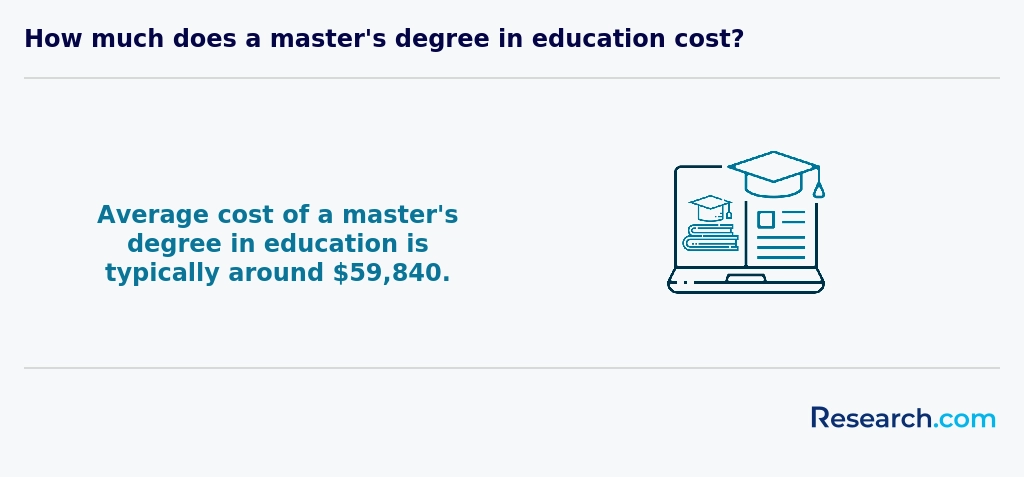
Graduates with an online education degree in District of Columbia uncover a world of career possibilities that spark both passion and purpose. Imagine stepping into vibrant classrooms across D.C., becoming a cherished certified teacher in special education or STEM fields, where your impact resonates daily. Many find their calling in teaching and administration jobs in DC education, evolving into dynamic principals or curriculum coordinators shaping innovative programs at local schools.
Others dive into the exciting realm of instructional design and technology, crafting engaging digital curricula that keep pace with the city's forward-thinking education landscape. Graduates from popular institutions like George Washington University and University of the District of Columbia share stories of transitioning smoothly into roles as program directors or academic advisors, thriving within the district's nonprofits and government education agencies.
Such rich experiences make online education degree careers in District of Columbia feel like a thrilling journey, always inviting new learning adventures. For those balancing life's demands, exploring best accelerated online degrees for working adults in education offers a path to growth without pause.
The job market for online education degree jobs in District of Columbia offers vibrant opportunities for graduates eager to make a real impact. Many graduates from popular universities in the area share stories of seamlessly transitioning into roles like instructional coordinators or school administrators, fueled by the city's demand for innovative education leaders. Imagine designing curriculum strategies by day and engaging with diverse student groups by afternoon - this dynamic environment makes every workday feel like an exciting challenge.
District of Columbia education job market outlook is bright, particularly as schools emphasize technology skills and inclusive learning. Graduates often find themselves preferred candidates because of their hands-on online training combined with the city's supportive education community. Local schools and charter institutions actively seek educators who can navigate digital tools, creating a playground for those wanting to infuse creativity into classrooms.
Many pursuing an online education degree in D.C. benefit from affordable programs and scholarships that ease financial burdens. Exploring easy masters programs here opens doors to rewarding careers where graduates become valued contributors shaping education's future.
2027 Easiest Online Master's in Education Degree Programs Ranking in District of Columbia
Investing in your education is a significant decision that can shape your future, and the Research.com team understands the importance of making informed choices. To assist prospective students in the District of Columbia, we have meticulously crafted the "2027 Easiest Online Master's in Education Degree Programs Ranking in District of Columbia." Our commitment to quality, credibility, and accuracy is reflected in the thorough research and analysis conducted to compile this ranking.
We utilized the following reputable data sources to ensure a comprehensive evaluation of online education degree programs:
By exploring this ranking, readers will gain valuable insights to help them choose the easiest and most suitable online master's programs in education within the District of Columbia. For more information on how this ranking was developed, please visit our Research.com methodology page.
# 1 position
The George Washington University
Master of Special Education for Culturally & Linguistically Diverse Learners


Frequently Asked Questions About education
Students pursuing online education degrees in the District of Columbia can maximize their learning by taking advantage of local academic resources and technology. Access to the DC Public Library's digital collections and partnerships with nearby institutions supports research and study. According to the National Center for Education Statistics, DC has a 78% rate of adults with at least some college education, indicating a supportive academic environment. Time management plays a critical role; students should establish consistent study routines to balance coursework with personal and professional responsibilities. Additionally, engaging in virtual study groups and utilizing campus-based tutoring services, when available, can enhance understanding and retention.
The education field in the District of Columbia is seeing growth in several specialized areas, reflecting broader trends in U.S. education. One emerging niche is educational technology, driven by increasing demand for remote learning tools. According to the National Center for Education Statistics, investments in digital platforms have surged nationally, influencing DC's online programs.
Another growing area is special education, where professionals are trained to support diverse learners, including those with disabilities. The demand for qualified special educators in DC is rising due to new state policies emphasizing inclusive education.
Additionally, bilingual education is gaining attention in DC, a city with a diverse population. Programs focusing on English language learners are expanding to meet local community needs, informed by DC Public Schools' latest demographic studies.
Preparing for the job market after completing an online education degree in the District of Columbia requires strategic planning and local insight. Graduates should begin by understanding the region's education workforce, where over 77,000 jobs relate to teaching and administration, according to the Bureau of Labor Statistics (2023). Networking with local school districts, such as DC Public Schools, can provide opportunities and insights into hiring trends.
It is crucial to obtain or renew DC teaching licensure, as certification standards are regulated locally by the Office of the State Superintendent of Education. Additionally, gaining practical experience through internships or substitute teaching strengthens resumes.
Utilizing DC-based career centers and job fairs tailored to education professionals enhances job placement chances. Proficiency in both digital tools and culturally responsive teaching practices increases employability in the diverse urban schools of the District.
Employers in the District of Columbia prioritize strong communication and classroom management skills in education degree graduates. According to the DC Office of the State Superintendent of Education, effective verbal and written communication is essential for fostering student engagement and collaboration. Additionally, pedagogical knowledge tailored to diverse urban classrooms is highly valued.
Data from the National Center for Education Statistics shows that adaptability and proficiency with educational technology are increasingly important for educators in DC schools. Online degrees emphasizing these skills better prepare candidates for the district's evolving learning environments.
Critical thinking and problem-solving capabilities are also sought after, as they help teachers address unique challenges in Washington's public school system.
Finding internships in the District of Columbia relevant to an education degree involves leveraging the area's extensive network of schools, government agencies, and nonprofit organizations focused on education. The DC Public Schools system and local charter schools often offer internship opportunities for education students to gain classroom experience. Additionally, the U.S. Department of Education headquarters and related federal agencies provide internships that offer insight into education policy and administration.
Many universities in DC, such as George Washington University and American University, maintain connections with local schools and education-focused nonprofits, which can help online students secure placements. The DC Workforce Investment Council also provides resources and listings for internships in education fields.
Research from the DC Office of the State Superintendent of Education shows that internships significantly increase the chances of employment upon graduation, with about 65% of education graduates securing jobs through internships or related connections. Students should consider reaching out early to internship coordinators and utilize online platforms like Handshake for local listings.
Online education degrees in the District of Columbia provide significant benefits for career mobility and advancement, particularly in the education sector. With DC's strong focus on educational reform and innovation, professionals holding accredited online degrees often find increased opportunities for leadership roles. The DC Office of the State Superintendent of Education (OSSE) highlights that many school districts and public agencies now recognize online degrees for teacher certification and administrative positions.
Graduates with online education degrees can access a broader job market without relocating, crucial in a competitive region like DC. According to the National Center for Education Statistics, online degree holders report a 15% higher chance of promotion within five years compared to non-degree holders. This increased flexibility and accreditation acceptance make online education degrees a practical path for advancement in the District.
Studying for an education degree in the District of Columbia equips students with skills to navigate interdisciplinary roles by integrating knowledge from diverse fields such as policy, psychology, and technology. DC's unique educational landscape, influenced by federal agencies and diverse urban populations, offers students practical insights into collaborative problem-solving.
Programs often emphasize critical thinking and adaptive learning strategies, preparing graduates to work across sectors like social services and administration. According to the DC Office of the State Superintendent of Education, ongoing partnerships between universities and local government enhance experiential learning opportunities.
This approach fosters professionals capable of addressing complex educational challenges through a multidisciplinary lens.
When choosing between a thesis and a non-thesis education degree program in the District of Columbia, consider your career goals and learning preferences. Thesis programs typically require original research and are suited for students aiming for research roles or doctoral studies. Non-thesis options focus on coursework and practical skills, often preferred by working professionals seeking leadership or administrative positions.
In DC, many online programs from accredited institutions align with state standards, offering flexibility. According to the National Center for Education Statistics, nearly 40% of graduate students in DC opt for non-thesis programs for faster completion.
Consider program length, faculty support, and whether you plan to publish research or prioritize applied learning when deciding.
Students in the District of Columbia seeking online education degrees often explore options that connect them with international programs through U.S.-based institutions. While truly studying abroad online is limited by accreditation and licensing rules, many universities offer global perspectives within their curricula, allowing D.C. students to engage with diverse education models remotely.
Some online programs collaborate with foreign universities or include international coursework, which helps students gain insight into global education trends. According to NCES data, over 25% of graduate students in D.C. enroll in online courses, reflecting growing demand for flexible, accessible learning.
Students should carefully verify accreditation and residency requirements to ensure their degree is recognized both within and outside the U.S. The District's Department of Education supports initiatives encouraging globally informed teaching practices, enhancing online education pathways.
Students pursuing online education degrees in the District of Columbia have access to various part-time job opportunities that enhance their academic experience. Common roles include teaching assistants, offering support in local schools or tutoring centers. According to the DC Office of the State Superintendent of Education, tutoring and after-school program positions are in high demand, especially in core subjects like literacy and math.
Additionally, part-time roles in educational nonprofits provide hands-on experience with curriculum development and student engagement. The district's focus on education reform also creates opportunities in research and data analysis for education policy organizations. These positions build relevant skills that complement a degree in education while allowing flexibility for coursework.
Online education students in the District of Columbia have access to strong networking opportunities despite studying remotely. Many local universities offer virtual alumni groups and professional organizations designed to connect online learners with educators and leaders in the D.C. area. For example, American University and George Washington University maintain active online communities for teacher candidates.
The District's high concentration of educational institutions and government agencies also creates networking potential through internships and virtual workshops. According to the National Center for Education Statistics, D.C. hosts over 20 postsecondary institutions offering education degrees, promoting collaboration among students.
Students can leverage LinkedIn groups and local chapters of national education associations to build professional relationships crucial for career advancement.
Alumni networks play a crucial role for students pursuing online education degrees in the District of Columbia. These networks provide access to professional connections that can lead to job opportunities and career advancement within the region's competitive education sector. Research from the National Center for Education Statistics highlights that alumni engagement increases employment rates for graduates by 15% on average.
In DC, many education programs emphasize strong alumni connections to support mentorship and resource sharing. For online students, this is especially important, as it helps overcome geographic barriers by fostering community and collaboration.
Additionally, alumni networks often offer workshops, job boards, and exclusive events that enhance professional growth. Participation in such networks can significantly expand a graduate's reach in the local education market, which is valued for its high concentration of schools and educational organizations.
Customizing an online education degree in the District of Columbia allows students to align their studies with specific career goals, such as administration, curriculum design, or special education. Many programs offer concentrations or elective options to tailor the degree. For example, local institutions often provide endorsements in STEM education or literacy development.
Some online programs in D.C. also permit internships or practicum placements within local schools, helping students gain practical experience. According to the National Center for Education Statistics, D.C. has seen a 12% increase in education-related jobs, highlighting demand for specialized skills.
Additionally, students can often accelerate their studies or choose part-time formats to fit professional schedules, enhancing flexibility while pursuing certification or advanced degrees.
Online education students in District of Columbia often face challenges related to balancing rigorous coursework with personal and professional responsibilities. Many learners must juggle jobs and family commitments while attending virtual classes, which can cause stress and time management difficulties.
Access to reliable technology and high-speed internet is another hurdle. Although DC has high internet penetration rates, some students still encounter connectivity issues, impacting their ability to participate fully in live sessions or submit assignments on time.
Additionally, students may struggle with limited chances for in-person networking and support. According to the National Center for Education Statistics, retention rates in online programs tend to be lower than traditional ones, reflecting challenges with student engagement and motivation.
With an online education degree in the District of Columbia, you can pursue several professional certifications that enhance your expertise and career prospects. Common certifications include the Teacher Certification through the D.C. Office of the State Superintendent of Education (OSSE), which allows teaching in public schools across the district.
Additionally, you may earn certifications like National Board Certification, recognized nationwide and signaling advanced teaching skills. Other options include specialized credentials in areas like Special Education or English as a Second Language (ESL), also offered through OSSE. These certifications require meeting specific coursework and testing criteria.
District of Columbia educators with certifications often report higher salaries and increased job opportunities, according to the latest OSSE data. Pursuing these credentials complements an online education degree and opens doors within the city's education system.
To write a winning application for an online education program in the District of Columbia, start by thoroughly researching the program's specific admission requirements and values. Highlight your relevant experience and goals clearly, as D.C. schools often value candidates who demonstrate a commitment to educational equity and community impact, reflecting local priorities noted by the DC Office of the State Superintendent of Education.
Use a concise and compelling personal statement to explain why you chose online learning and how the program aligns with your career plans. Emphasize any local teaching experience or service that connects you to the D.C. education community.
Strong letters of recommendation are critical; seek references who can attest to your academic ability and dedication to education. Lastly, ensure your application is error-free and submitted before deadlines, as punctuality and professionalism are highly regarded in the competitive D.C. admissions landscape.
Globally, education careers are valued for their impact on social development and economic growth. In the United States, including the District of Columbia, teaching is increasingly seen as a profession requiring both advanced knowledge and practical skills, often gained through master's degrees. According to the National Center for Education Statistics, demand for skilled educators is expected to grow by 6% from 2021 to 2031.
International perspectives emphasize cross-cultural competencies and adaptability, highlighting the importance of online education programs that connect educators worldwide. District of Columbia's institutions reflect this trend by offering flexible, accredited online master's degrees tailored for diverse learners and professional advancement.
Gaining practical experience while pursuing an online education degree in the District of Columbia is essential for career readiness. Many programs incorporate hands-on opportunities such as virtual student teaching or internships arranged through local school partnerships. The DC Office of the State Superintendent of Education (OSSE) supports local candidates by connecting them to public schools where they can complete required practicum hours.
Students may also engage in supervised fieldwork in nearby schools, which is often coordinated remotely but requires in-person participation. Additionally, some universities foster connections with DC-area educational organizations, boosting networking and experience.
This combination of virtual coursework and real-world application ensures students meet licensure requirements and develop classroom skills effectively.
Choosing the right concentration within an online education degree program in the District of Columbia begins with understanding your career goals. The DC education sector emphasizes specialties like special education, educational leadership, and curriculum development, reflecting local workforce needs reported by the DC Office of the State Superintendent of Education (OSSE).
Consider concentrations that align with growing job markets. For example, the demand for special education teachers in DC is projected to grow by 7% through 2028, exceeding national averages. Leadership roles in urban schools also show steady growth due to ongoing educational reforms.
Research program accreditation and faculty expertise. Programs accredited by the Council for the Accreditation of Educator Preparation (CAEP) assure quality and compliance with DC teaching standards.
Finally, evaluate each concentration's flexibility and availability of practicum or internship opportunities within DC schools, which are essential for hands-on experience and licensure.
- 2027 Easiest Online Master's in Education Degree Programs Ranking in Arizona
- 2027 Easiest Online Master's in Education Degree Programs Ranking in South Dakota
- 2027 Easiest Online Master's in Education Degree Programs Ranking in North Dakota
- 2027 Easiest Online Master's in Education Degree Programs Ranking in Kansas
- 2027 Easiest Online Master's in Education Degree Programs Ranking in Minnesota
- 2027 Easiest Online Master's in Education Degree Programs Ranking in Iowa
- 2027 Easiest Online Master's in Education Degree Programs Ranking in Missouri
- 2027 Easiest Online Master's in Education Degree Programs Ranking in Wisconsin
- 2027 Easiest Online Master's in Education Degree Programs Ranking in Mississippi
- 2027 Easiest Online Master's in Education Degree Programs Ranking in Michigan
See What Experts Have To Say About Studying Education
Read our interview with Education experts

Alan J. Singer
Education Expert
Professor of Teaching, Learning and Technology
Hofstra University

Nooshan Ashtari
Education Expert
Professor & Book Author
University of Southern California

- The Advantages of Studying an Online Degree https://www.falmouth.ac.uk/news/advantages-studying-online-degree
- Online Degree vs. Traditional: Choosing the Right Path https://beal.edu/online-degree-vs-traditional/
- International teaching and education jobs https://www.tes.com/jobs/search/international
- Teacher of Global Perspectives (IGCSE) https://www.scie.com.cn/jobs-global-perspectives/
- Online Undergraduate Degrees & Certificates | Columbia College https://www.columbiasc.edu/academics/online-undergraduate-degrees-certificates
- Most Popular Online Teaching Bachelor's Degree Schools in ... https://teachingdegreesearch.com/rankings/most-popular-online/bachelors-degrees/middle-atlantic/district-of-columbia/
- How To Write A Great Cover Letter For Teacher Training - Engage Education https://engage-education.com/blog/how-to-write-a-great-cover-letter-for-teacher-training/
- Teaching Job Roles | Teach For Life https://www.teachforlife.com/teachingjobs/global-perspectives-teacher
- How to Choose a Concentration for Your Master of Education 3 Questions to Consider https://www.aiuniv.edu/degrees/education/articles/how-to-choose-an-education-specialization
- Can Higher Education Improve Long-Term Career Success https://studysphereadvisors.com/how-higher-education-influences-long-term-career-growth/