
2027 Most Affordable Online Bachelor's in Education Degree Programs Ranking in Virginia

Co-Founder and Chief Data Scientist
Considering an education degree in Virginia? Our article introduces the 2027 Most Affordable Online Bachelor's in Education Degree Programs Ranking in Virginia, crafted by Research.com's team of data scientists to help you find the best value options.
Choosing the right program is important, and this ranking offers clear insights that can guide your decision with confidence. An education degree opens many doors, empowering you to make a positive impact while advancing your career.
Explore affordable, quality programs designed to fit your goals and lifestyle. Your future in education starts here.
Key benefits of getting online education degree in Virginia
- Salary for education degree graduates: Graduates can expect competitive salaries like $76,000 for Special Education Teachers and $77,200 for Instructional Designers, offering financial stability in rewarding roles.
- Career paths: Graduates from Virginia's popular universities often pursue diverse roles such as Early Childhood Educators or ESL Teachers, matching their passion with meaningful community impact.
- Benefits of online degrees: Earning an education degree online from Virginia institutions provides flexibility to balance work and study, making it easier to gain experience while advancing your qualifications.
- 2027 Most Affordable Online Bachelor's in Education Degree Programs Ranking in Virginia
- What can I expect from online education degree in Virginia?
- Where can I work with online education degree in Virginia?
What can I expect from online education degree in Virginia?
The average cost for online undergraduate education degrees at Virginia public universities typically ranges from $8,000 to $12,000 per year for in-state students. Graduates from popular institutions such as James Madison University or Virginia Commonwealth University often recount how this competitive tuition, coupled with access to financial aid and scholarships tailored for education majors, made their degree paths more affordable and stress-free.
Students frequently appreciate the value of these programs, noting how manageable tuition expenses enable them to focus on mastering key teaching competencies like classroom management and curriculum design. For many, balancing work and study becomes more achievable knowing that lower costs reduce financial pressure, allowing them to engage fully with program resources.
Such affordability combined with flexible asynchronous courses and strong institutional support helps learners from diverse backgrounds pursue licensure and career advancement efficiently. This alignment with state requirements ensures graduates leave well-prepared without the burden of excessive student debt, fostering enthusiasm and confidence as they embark on their professional teaching journeys.
Where can I work with online education degree in Virginia?
Graduates with an online education degree in Virginia find diverse employment opportunities statewide, particularly in public and private K-12 schools. Many secure teaching positions in high-demand subjects such as math, science, special education, and world languages, supported by degrees accredited by the Virginia Board of Education that fulfill licensure requirements. For instance, graduates from Virginia Commonwealth University often report fulfilling and impactful teaching careers in their local school districts.
Beyond classroom roles, education degree holders frequently work as educational coordinators or curriculum specialists within school districts and nonprofit organizations. They engage in designing instructional materials and supporting teacher development. Old Dominion University graduates commonly step into these positions, experiencing professional growth and meaningful collaboration.
There is also expanding demand in educational technology. Specialists help integrate digital tools and deliver remote learning, driving innovation across Virginia's schools. Many graduates express enthusiasm about contributing to this evolving landscape through virtual learning programs funded by district investments.
Graduates also find rewarding roles in higher education as academic advisors or adjunct instructors, particularly at institutions like Virginia Commonwealth University. Others contribute to education policy and workforce development in government agencies and community organizations, where their expertise supports youth advocacy and program outreach.
Graduates holding an online education degree in Virginia often secure roles with competitive salaries reflecting their qualifications and the state's educational demand. For instance, elementary school teachers, commonly employed by universities such as George Mason University or James Madison University graduates, earn a mean annual wage of approximately $70,740. Special education teachers typically see higher earnings, with averages near $76,000.
English as a Second Language (ESL) teachers, an increasingly vital role in Virginia's diverse schools, earn around $65,430 annually, making these positions appealing for graduates seeking impactful careers. Early childhood educators, essential for foundational learning, usually start with an average yearly wage near $41,410. In addition, instructional designers, who develop educational technology and curriculum for institutions and districts across Virginia, can expect salaries averaging about $77,200.
These figures illustrate promising financial outcomes for those completing online education programs. Graduates from popular Virginia institutions often report satisfaction not only with their earning potential but also with meaningful employment that grows alongside their experience and advanced certifications.
- Online education degree programs in Virginia are offered by accredited public universities like Old Dominion University, James Madison University, and the University of Virginia.
- The average annual cost for an online bachelor's degree in education ranges from $8,000 to $20,000 for in-state students, with public universities generally being more affordable than private ones.
- Starting salaries for education graduates in Virginia average around $45,000 per year, increasing to $60,000 to $70,000 with experience and advanced roles.
- The job outlook for education professionals in Virginia is positive, with growing demand in special education, STEM, and ESL teaching areas.
- Online programs often include pathways to teacher licensure aligned with Virginia Department of Education standards, facilitating certification after graduation.
- Graduates have access to statewide resources for continuing education and career advancement within Virginia's education system.
Completing an online education degree in Virginia typically takes between two and four years, depending on factors like enrollment status, transfer credits, and program structure. Full-time students often finish in about four years, mirroring traditional on-campus timelines, which many graduates find reassuring. For instance, students from Virginia Tech and Old Dominion University have reported completing their degrees in as little as two and a half to three years through accelerated programs, balancing work and study effectively.
Part-time enrollment is common and suits working adults, though it may extend the overall duration. Graduates often appreciate the flexibility this provides, letting them progress at a manageable pace without sacrificing income. Additionally, practical components like student teaching add essential time but enrich learning and prepare students for licensure, making the extra commitment worthwhile.
Transfer credits from previous education can further shorten completion time, a benefit many online learners in Virginia value deeply as it respects their past academic efforts and speeds their path to graduation.
In today's rapidly evolving education landscape, staying ahead means being informed about emerging trends and technological advancements that directly impact the online learning experience. As online education programs continue to integrate cutting-edge digital tools-ranging from immersive virtual simulations to AI-powered tutoring systems-students in Virginia are better positioned to receive a truly modern, interactive education. These innovations not only enhance course delivery and facilitate more personalized feedback but also prepare graduates for dynamic, tech-driven classroom environments. Moreover, institutions are increasingly forming strategic partnerships to offer seamless transitions from bachelor's to graduate studies, so that motivated learners can further advance their knowledge. For example, many prospective educators explore opportunities such as the most affordable online masters degrees in teaching, which build directly on foundational skills gained through their undergraduate programs. Emphasizing trends like mobile learning, micro-credentialing, and adaptive learning technologies, this wave of innovations promises to make online education even more efficient, engaging, and aligned with current industry standards, ensuring that Virginia’s educators are ready to meet future challenges head on.
Online and on-campus education degree programs in Virginia differ primarily in delivery and student experience. On-campus programs at universities like the University of Virginia or James Madison University require physical attendance, offering fixed schedules and direct interactions with professors and classmates. Graduates often describe the energizing atmosphere of campus life and immediate access to resources such as libraries and study groups as invaluable.
In contrast, online degrees from institutions such as George Mason University provide flexibility, allowing students to balance work and family while studying on their own time. Many online learners appreciate this convenience, noting how it enables them to advance their education without uprooting their daily commitments.
Cost differences are notable, with Virginia's public universities charging about $12,500 annually for in-state tuition, while online options often reduce tuition by 10-30%, alongside savings on commuting and housing.
Despite format differences, all Virginia education students complete supervised fieldwork locally, ensuring hands-on teaching experience. Both pathways maintain rigorous accreditation, assuring quality and licensure readiness.
Earning your online bachelor’s in education is only the first step toward a rewarding teaching career in Virginia. To qualify for a Virginia teaching license, graduates must: 1. Complete a state‐approved teacher preparation program, such as those featured in our Low Cost Online Bachelor’s in Education Degree Programs Ranking in Virginia. 2. Pass the Virginia Communication and Literacy Assessment (VCLA) and relevant Praxis Subject Assessments for your endorsement area. 3. Fulfill supervised student teaching or internship requirements, typically a minimum of 12 weeks in a classroom setting under a certified mentor teacher. 4. Submit a fingerprint‐based background check and official transcripts to the Virginia Department of Education (VDOE). After completing these steps, you apply online through the VDOE licensure portal, selecting your endorsement (e.g., Early Childhood, Special Education, or Secondary Education). Your initial license is valid for five years and can be renewed upon completing required continuing education credits or advanced degree coursework. Understanding these licensure criteria early helps you plan field experiences and exam preparation alongside your coursework. By aligning your practicum placements with Virginia’s endorsement requirements and leveraging the cost-effective programs highlighted in our ranking, you streamline the path from degree completion to classroom readiness.
The average cost of an online education degree in Virginia typically centers around $43,200 for in-state students, reflecting tuition fees across several reputable institutions. Graduates from well-known universities such as Old Dominion University and George Mason University often share how these costs, while significant, come with the benefit of flexible scheduling and accessible coursework tailored to working professionals. Many students find that the investment aligns well with their career goals and progression in the education field.
For those pursuing an affordable online bachelor's degree in education Virginia offers, the Virginia Community College System stands out by enabling students to start with a two-year associate degree at lower tuition rates, generally between $150 and $200 per credit hour. This pathway alleviates financial burden and allows smoother transfer to four-year universities, making higher education more achievable for many.
While tuition is a key consideration, graduates often note the value of financial aid options, including federal grants and employer tuition assistance, which can significantly reduce out-of-pocket expenses. Those researching specifics will find it beneficial to explore detailed pricing and aid information, including opportunities at the cheapest online education school in Virginia, to tailor their education funding strategy effectively.
Ensuring program accreditation and understanding Virginia’s teacher licensure pathway are essential steps for prospective educators. Regionally accredited institutions, such as those recognized by the Southern Association of Colleges and Schools Commission on Colleges (SACSCOC), guarantee that your degree meets rigorous academic standards. National accreditation from the Council for the Accreditation of Educator Preparation (CAEP) further validates the quality of teacher preparation, ensuring your certification will be recognized by school districts across Virginia and beyond. When evaluating affordable online options, refer to our Low Cost Online Bachelor's in Education Degree Programs Ranking in Virginia to compare accredited programs that align with state requirements. Key accreditation benefits include:
- Eligibility for federal financial aid and state grants
- Seamless credit transfers between institutions
- Compliance with Virginia Department of Education (VDOE) standards Virginia’s licensure process typically involves: 1. Completion of an approved educator preparation program 2. Passing Praxis assessments (Core Academic Skills for Educators and subject-specific exams) 3. Application to the VDOE for a Virginia Initial Professional License (IPL) 4. Completion of a two-year induction period under a Virginia Professional License (VPL) with endorsed mentoring For out-of-state applicants, many accredited online programs satisfy VDOE reciprocity agreements, streamlining certification transfer. Verify program status via the VDOE’s online database and consult advisor services offered by your institution. By prioritizing accredited degrees and understanding the certification roadmap, you’ll transition confidently from online coursework to a classroom-ready educator in Virginia.
Students pursuing online education degrees in Virginia benefit from a robust mix of financial aid options designed to ease their journey. Many graduates from institutions such as George Mason University and Old Dominion University appreciate the impact of federal Pell Grants, which can cover up to $7,395 annually, significantly lowering out-of-pocket expenses.
Subsidized federal loans also provide essential support, offering lower interest rates and manageable repayment plans tailored to need. Virginia residents have additional advantages through state-specific aid like the Virginia Tuition Assistance Grant (VTAG), particularly useful for those attending private colleges offering online education programs. Meanwhile, the Virginia Student Financial Assistance (VSFA) program offers targeted scholarships, which several recent graduates have cited as vital in funding their degrees without incurring crushing debt.
Furthermore, aspiring educators experience relief through the Virginia Teacher Loan Forgiveness Program, which rewards those teaching in high-need public schools by reducing loan burdens. This program motivates many to commit to fulfilling teaching roles, fostering a rewarding and financially secure start to their careers.
Earning an online bachelor’s in education degree is only the first step toward a teaching career in Virginia; understanding the state’s licensure requirements ensures a smooth transition from classroom theory to practice. Prospective teachers must complete an approved educator preparation program (EPP), pass the relevant Praxis exams (Core Academic Skills for Educators and content-specific assessments), and submit an application through the Virginia Department of Education (VDOE). Many students find it helpful to consult the Low Cost Online Bachelor's in Education Degree Programs Ranking in Virginia to select programs that align with VDOE-approved curricula and prepare them for licensure exams. After graduation, candidates apply for an Initial License by submitting official transcripts, Praxis score reports, and a confirmation of program completion. Those who already hold a bachelor’s degree in another field may qualify for alternative certification routes, such as the Career Switcher or Residency programs, which combine on-the-job training with targeted coursework. Each pathway requires background checks, child abuse clearances, and fingerprinting under the state’s Virginia Service-Related Criminal Background Check (VSR CBC) process. Maintaining licensure involves renewing certification every five years, which can be done through continuing education credits, a master’s degree in education, or completing National Board Certification. Advanced licensure levels, such as the Professional License, demand additional graduate coursework or demonstrated teaching effectiveness. Understanding these renewal options early helps educators plan professional development goals and budget for tuition or workshop fees. By navigating the licensure process strategically-selecting accredited online programs, scheduling Praxis exams in advance, and tracking renewal requirements-aspiring teachers can minimize delays and focus on what matters most: making a lasting impact in Virginia classrooms.
To enroll in an online education degree program in Virginia, applicants must first hold a high school diploma or equivalent, such as a GED, which serves as a foundational requirement across institutions like James Madison University and Old Dominion University. Many graduates recall the reassurance this baseline provided as they transitioned into rigorous coursework, often with a minimum GPA requirement around 2.5 to 3.0, reflecting the academic preparedness expected.
Standardized test scores, such as the SAT or ACT, remain necessary for certain programs despite some schools making submissions optional. These scores help maintain Virginia's educator licensure standards, ensuring candidates are well-prepared for their future classrooms.
Prospective students typically complete prerequisite courses in English composition, basic math, and child development before beginning professional education classes. Graduates frequently mention how these foundational subjects enhanced their understanding of teaching methodologies and student engagement.
Applicants with prior degrees must provide official transcripts and may undergo background checks, especially if practicum placements involve working with Virginia's schoolchildren, safeguarding both students and educators.
Finally, reliable internet access and computer literacy are essential, empowering students to succeed in the fully online learning environments supported by Virginia's top universities.
When considering the various online education programs available in Virginia, it's essential to weigh factors such as accreditation, program variety, cost, and financial aid. One of the critical decisions prospective students face is finding a program that fits their budget without compromising on quality. For those seeking the cheapest online education school in Virginia, it's crucial to research thoroughly, considering not just the tuition fees but also the overall value the program offers, including support services, flexibility, and potential career outcomes. By prioritizing these aspects, students can make informed decisions that lead to a fulfilling and successful career in education.
Online education degree programs in Virginia typically include a robust selection of courses that prepare students for effective teaching careers. Graduates from well-regarded institutions like Old Dominion University and James Madison University often recall the emphasis on foundational topics such as Foundations of Education and Learning Theories and Instructional Planning and Assessment, which helped them confidently develop lesson plans tailored to diverse classrooms.
Courses in Classroom Management Techniques and Educational Technology and Digital Learning Tools are especially valued by students, as they equip future educators to create engaging and well-organized learning environments. Students also highlight how classes on Special Education Fundamentals and Instructional Methods for Diverse Learners foster a deep understanding of inclusive practices, aligning closely with Virginia's commitment to equitable education.
Hands-on components, such as practicums often integrated into these programs, are highly regarded for bridging theory with real-world teaching experiences. Many graduates express appreciation for coursework in child development and curriculum design, which ensures readiness to meet licensure standards set by the Virginia Department of Education.
Online education degrees in Virginia offer diverse specializations tailored to meet various career paths within education. Common tracks include Elementary Education, ideal for those passionate about teaching young children, and Secondary Education, which prepares educators to focus on subjects like English or Science at the middle and high school levels. Graduates often speak to the rewarding experience of specializing in Special Education, responding to Virginia's increasing demand for teachers skilled in supporting students with unique learning needs. Early Childhood Education is another prominent focus, reflecting the state's commitment to expanding quality early learning programs.
Educational Leadership or Administration tracks enable working professionals to advance toward roles such as school principals or district administrators, while Curriculum and Instruction specializations emphasize developing innovative teaching strategies. Students pursuing Virginia affordable online teaching degree options often highlight how programs at institutions like James Madison University and Old Dominion University effectively combine flexibility with robust specializations. For those interested, pathways toward National Board Certification or endorsements in ESL and reading are also widely supported. Prospective students can explore the most affordable online masters degrees in teaching to find suitable programs that balance quality and cost.
Choosing the best online education degree in Virginia begins with verifying program accreditation, essential for licensure and employer recognition. Graduates from institutions like Old Dominion University commonly praise how accreditation by CAEP or recognized bodies ensures their degree holds weight in Virginia's competitive teaching job market. Another key factor is specialization; selecting a focus such as elementary or special education can directly align your studies with your career goals and state licensure requirements. Many educators have found that programs offering clear pathways to licensure enable smoother transitions into local schools.
Cost and flexibility often influence decisions. Virginia's online education learners frequently highlight the importance of affordable online teaching programs Virginia offers, with some programs charging flat per-credit fees that fit diverse budgets. For instance, financial aid options or scholarships for Virginia residents can ease tuition burdens, as seen in popular programs at Virginia Commonwealth University. Fully asynchronous courses provide much-needed flexibility for working adults balancing family and study.
To compare cost options effectively, consider resources like the Low Cost Online Bachelor's in Education Degree Programs Ranking in Virginia. This helps prospective students find programs balancing affordability with quality. Additionally, pay attention to program outcomes; graduates often report that strong advising and career services at these Virginia schools contribute positively to timely graduation and successful employment.
Graduates with an online education degree in Virginia have access to a wide range of career paths that reflect the state's growing demand for qualified educators. Many find rewarding teaching jobs with online education degree Virginia credentials, working in K-12 public and private schools, including specialized roles such as special education or ESL instruction. Several graduates from reputable institutions like the University of Virginia and Virginia Commonwealth University share how their flexible online studies supported their smooth transition into classroom settings across the Commonwealth.
Beyond teaching, career options extend to school counseling, curriculum development, and education administration. For instance, graduates often advance into leadership positions such as academic coordinators or principals after gaining graduate-level credentials. Others have successfully entered adult education and corporate training fields, designing workforce development programs that impact Virginia's economy. Many online learners leverage their degrees as stepping stones toward advanced credentials, appreciating how accessible Virginia's online offerings are, as highlighted in the Low Cost Online Bachelor's in Education Degree Programs Ranking in Virginia.
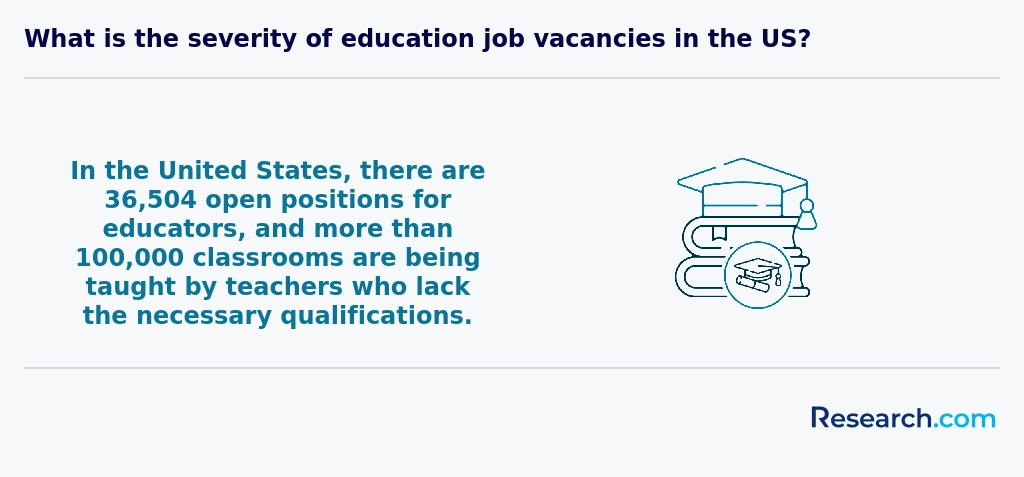
The job market for graduates holding an online education degree in Virginia remains robust, especially for those trained to address teacher shortages in critical subjects such as special education, science, mathematics, and world languages. Graduates from popular Virginia institutions often find themselves well-prepared to meet state licensure requirements, which public schools mandate. This licensure compliance enhances employability for online education degree job outlook Virginia, ensuring graduates can enter classrooms fully qualified and confident.
Many graduates relay positive experiences from their hands-on student teaching placements in local districts, which facilitate smooth transitions into various educational settings, including public, private, and charter schools. Salary prospects are encouraging, with early career teachers earning competitive starting salaries typically between $40,000 and $45,000, supported by strong benefits and job security across the state's districts.
Tuition costs for accredited online bachelor's degrees in education at Virginia colleges remain affordable compared to traditional programs, helping graduates reduce debt while stepping into a growing job market. Prospective students can explore top accredited universities in the us to identify programs that align with this promising Virginia teaching career opportunities online degree.
2027 Most Affordable Online Bachelor's in Education Degree Programs Ranking in Virginia
Investing in your education is a significant decision that can profoundly impact your future, and the Research.com team recognizes the importance of providing reliable guidance. To support prospective students in Virginia, we have carefully developed the "2027 Most Affordable Online Bachelor's in Education Degree Programs Ranking in Virginia." Our dedication to quality, credibility, and accuracy is demonstrated through rigorous research and thorough analysis. We utilized the following reputable data sources to create a comprehensive and trustworthy ranking:
By consulting this ranking, readers will acquire valuable insights into affordable and high-quality online education degree programs in Virginia, empowering them to make well-informed educational choices. For further information on how this ranking was developed, please visit our Research.com methodology page.


# 3 position
Mary Baldwin University
Bachelor of Autism Studies & Applied Behavior Analysis


Frequently Asked Questions About education
Students pursuing online education degrees in Virginia can maximize their learning experience by actively engaging with course materials and faculty. Virginia's public universities, including Virginia Commonwealth University and Old Dominion University, offer robust online platforms designed to support interactive learning. Research from the Virginia Department of Education highlights that students who participate regularly in virtual discussions and utilize campus resources tend to succeed at higher rates.
Additionally, time management is crucial. Setting a dedicated study schedule helps balance coursework with personal and professional responsibilities. Virginia's online programs often provide flexible timelines to accommodate working adults.
Finally, students benefit from joining professional groups and networking with peers through virtual events, which enhances understanding and career readiness within the state's education landscape.
Emerging niches within the education field reflect evolving needs in Virginia's schools and workforce. One growing area is educational technology, where specialists design and implement digital tools for learning. The demand increased notably during and after the COVID-19 pandemic, with Virginia's public schools adopting more online and hybrid models.
Another niche is special education, particularly focusing on students with autism and other developmental disabilities. Virginia reported a 12% rise in special education enrollment over recent years, driving demand for qualified teachers. Additionally, bilingual education is expanding due to Virginia's increasing multicultural population, requiring educators skilled in English as a Second Language (ESL) instruction.
Career and technical education (CTE) also sees growth, preparing students for in-demand jobs in healthcare, information technology, and skilled trades. The Virginia Department of Education emphasizes CTE as vital for workforce development, linking education closely to economic needs.
After earning an online education degree in Virginia, preparing for the job market involves several important steps. Start by obtaining state teacher certification through the Virginia Department of Education, which many employers require. Networking plays a crucial role; joining organizations such as the Virginia Education Association offers valuable connections and resources.
Virginia's education job market shows steady growth, with an expected increase of 5% in teaching jobs by 2030 according to the Bureau of Labor Statistics. Tailor your resume to highlight both your online learning experience and practical skills gained through student teaching or internships.
Consider attending job fairs hosted by Virginia's public school districts or universities to meet potential employers directly. Additionally, continuing professional development through workshops can boost your credentials and expand your knowledge of Virginia-specific education standards.
Employers hiring education degree graduates in Virginia prioritize strong communication skills. Clear verbal and written communication is essential for effective teaching and collaboration within schools. According to the Virginia Department of Education, classroom management expertise is also highly valued, as it directly impacts student learning environments.
Another critical skill is adaptability, especially given the increasing use of technology in classrooms statewide. Graduates familiar with digital tools and online teaching methods stand out in today's job market. Data from the National Center for Education Statistics shows Virginia schools have steadily increased technology integration since 2018.
Finally, cultural competence is important. Virginia's diverse student population requires educators to be sensitive to various backgrounds to foster inclusive learning spaces. Ongoing professional development in this area is a frequent employer expectation.
Finding internships in Virginia relevant to an education degree involves several practical steps. Many universities in Virginia, including George Mason University and Virginia Commonwealth University, offer career services that connect students with internship opportunities in local school districts and educational organizations.
The Virginia Department of Education encourages partnerships with public schools which often provide internships for education students. According to the Virginia Education Association, internships in teaching are commonly available in populous regions like Fairfax and Richmond.
Online students can also explore platforms such as Handshake and local Virginia job boards to locate internships, including those with virtual components. Networking through professional groups like the Virginia Association for Supervision and Curriculum Development can further enhance internship searches.
In Virginia, earning an online education degree significantly enhances career mobility and advancement opportunities. According to the Virginia Department of Education, teachers with bachelor's degrees are eligible for licensure, a crucial step for entering the education workforce. Online degrees provide flexibility, allowing working professionals to upskill without pausing their careers. Data from the National Center for Education Statistics shows that educators with bachelor's degrees see higher starting salaries and increased chances for promotions in school administration or specialized teaching roles.
Moreover, Virginia's Salary Scale for public educators often rewards degree attainment with salary increases, supporting career growth. Online degrees accredited by regionally recognized bodies also meet licensure requirements.
Studying for an education degree in Virginia offers students a foundation that supports interdisciplinary roles in various professional fields. Virginia's online programs often integrate coursework from psychology, technology, and leadership, preparing graduates to work beyond traditional classroom teaching. According to the Virginia Department of Education, many programs emphasize critical thinking and adaptability, which are essential skills in interdisciplinary environments.
Educators trained in Virginia gain experience in curriculum design that incorporates STEM, social sciences, and digital literacy. This broad scope allows graduates to collaborate with professionals from healthcare, social work, and business sectors.
Virginia's online education degrees frequently include practicum opportunities crossing multiple disciplines, enhancing real-world skills across different fields.
Choosing between a thesis and a non-thesis online education degree in Virginia depends on your career goals and academic interests. Thesis programs usually require students to conduct original research, culminating in a formal paper. This path suits those aiming for advanced studies or research careers.
Non-thesis programs focus more on coursework and practical application, ideal for professionals seeking to enter or advance in educational roles without a research emphasis. According to the Virginia Department of Education, many local school districts value practical experience over research for teacher positions.
Consider your schedule and learning style, as thesis tracks often demand more time for research and writing. Accreditation by bodies such as the Council for the Accreditation of Educator Preparation (CAEP) ensures program quality in Virginia.
Students based in Virginia looking to study education abroad have several pathways to consider. Many universities in Virginia partner with international institutions to offer study abroad programs focused on education. These programs typically include practical teaching experience and coursework aligned with U.S. teacher certification requirements.
Virginia's higher education system supports global learning opportunities through the Virginia Department of Education and initiatives like the Virginia International Education Consortium. These programs help students gain cross-cultural skills essential for the education profession.
Online education degrees with international components are growing as well. Some programs allow students to complete coursework remotely while participating in short-term study abroad experiences, making it easier to manage costs and time.
According to the Institute of International Education, approximately 3% of education majors from Virginia universities participate in study abroad programs annually, reflecting growing interest. Accredited institutions also ensure that credits earned abroad transfer smoothly toward degree completion.
Students pursuing online education degrees in Virginia can enhance their experience and resumes with part-time jobs related to the teaching field. Common roles include teacher assistants, which help develop classroom management skills and support certified teachers. According to the Virginia Department of Education, roughly 10,000 assistant positions are available statewide annually.
Another opportunity is tutoring, either independently or through local organizations, allowing students to reinforce subject knowledge while earning income. Virtual tutoring also aligns well with online study schedules.
School paraprofessional roles support special education services and can be found in public districts across Virginia.
Such positions offer practical experience relevant to licensure requirements and can improve job prospects after graduation.
Online education students in Virginia have growing access to networking opportunities facilitated by their institutions and the state's educational framework. Many Virginia universities offering online education degrees provide virtual events, discussion forums, and alumni groups to connect students and professionals across the region.
Additionally, organizations like the Virginia Education Association host conferences and workshops that welcome online learners, fostering professional development and peer connections. According to the Virginia Department of Education, approximately 15,000 educators participate annually in such events, which helps build valuable contacts.
Students can also benefit from internship programs arranged through school partnerships with local school districts, creating real-world networking channels. These experiences help online students integrate into Virginia's education community despite physical distance.
Alumni networks play a vital role in supporting online education degree students in Virginia. These networks offer valuable connections to graduates and current professionals in the education field throughout the state. According to the Virginia Department of Education, strong professional relationships can significantly enhance job placement and career advancement opportunities. Online students gain access to mentorships, internships, and exclusive job postings often shared within these communities.
Many Virginia universities, such as Old Dominion University and George Mason University, maintain active alumni associations that hold virtual events and networking sessions tailored for online learners. Studies show that 85% of jobs are filled through networking, highlighting the importance of these alumni connections for future educators in Virginia.
In Virginia, customizing an online education degree to match your career goals is possible through several flexible options. Many programs allow you to select specialized concentrations, such as early childhood education, special education, or educational technology, aligning your studies with your professional interests. You can also choose elective courses that focus on leadership or curriculum development to enhance specific skills.
Additionally, partnerships between online programs and local school districts provide practical experiences tailored to Virginia's licensure requirements. According to the Virginia Department of Education, over 40% of online education students opt for programs offering such hands-on components. Exploring these choices ensures your degree fits both your goals and state certification standards.
Online education students in Virginia often face unique challenges that can impact their academic success. A primary difficulty is maintaining motivation and time management, especially since many students balance studies with work or family responsibilities. According to the Virginia Department of Education, nearly 40% of online students report struggling to stay engaged without in-person support.
Another issue is technology access. While Virginia is expanding broadband coverage, rural areas still experience connectivity problems, hindering smooth participation in virtual classes. Limited access to reliable internet can delay assignments and limit interaction with instructors.
Lastly, navigating state-specific licensure requirements after graduation presents challenges. Students must ensure their online program aligns with Virginia's teaching standards to qualify for certification, which can be complex to verify without expert guidance.
With an online education degree in Virginia, you can pursue a variety of professional certifications to enhance your career prospects. One common certification is the Virginia Professional Teaching License, required for public school teachers in the state. This license has multiple endorsements, including elementary, secondary, and special education.
Additionally, many graduates seek certifications such as the National Board Certification for teachers, which is recognized nationwide and boosts earning potential. Other options include instructional technology certifications or specialized credentials in areas like ESL (English as a Second Language) or reading.
The Virginia Department of Education offers detailed guidance on certification pathways, ensuring online degree holders meet all state-required standards. According to the Virginia Education Association, certified teachers in Virginia often experience higher job security and salary benefits compared to non-certified educators.
When applying for an online education program in Virginia, start by carefully reviewing the program's admission requirements. Virginia institutions often emphasize a strong academic record and relevant experience. According to the Virginia Department of Education, highlighting any previous teaching or tutoring roles can strengthen your application.
Craft a clear personal statement explaining your motivation for pursuing an education degree online. Be specific about your career goals and how the program aligns with them. Including knowledge of Virginia's educational standards and regulations demonstrates your commitment.
Ensure all transcripts and standardized test scores (if required) are submitted on time. Some schools may request recommendation letters; choose references familiar with your educational abilities.
Online programs in Virginia value applicants who show time management and self-motivation skills, so mention any examples of these traits.
Globally, an education career is valued as essential for social development and economic growth. In the United States, including Virginia, educators are considered crucial for preparing the next generation of learners and workers. According to the Virginia Department of Education, the demand for qualified teachers is expected to grow by nearly 5% through 2028, reflecting steady opportunities in this field.
Internationally, education careers often emphasize multicultural competence and adapting teaching methods to diverse student needs. For Virginia students pursuing online degrees, this global outlook enriches their training, preparing them for diverse classrooms locally and abroad.
U.S. higher education places importance on both theoretical knowledge and practical experience for aspiring teachers. Virginia's accredited online programs align with national standards, ensuring graduates are well-prepared to meet rigorous certification requirements.
Gaining practical experience while studying for an online education degree in Virginia is essential for career readiness. Many Virginia universities include student teaching or practicum components within their online programs, allowing students to complete hands-on work in local schools near their residence. The Virginia Department of Education requires supervised teaching hours for licensure, which online students can fulfill through partnerships between their institutions and nearby school districts.
Additionally, some programs encourage internships or volunteer opportunities in educational settings. These experiences help build classroom management and instructional skills. According to the Virginia Community College System, combining online coursework with practical training supports a strong transition into teaching roles.
Choosing the right concentration within an online education degree program in Virginia starts with understanding your career goals. The state offers various options, including early childhood education, special education, and educational leadership. Each concentration aligns with specific teaching licenses regulated by the Virginia Department of Education.
Consider your interests and the demand for teachers in Virginia. For example, special education teachers are in high demand, with the Virginia Employment Commission projecting steady employment growth in this area through 2030.
Research programs accredited by the Council for the Accreditation of Educator Preparation (CAEP) to ensure quality education and licensure eligibility.
Finally, review course offerings and practicum requirements to find a concentration that fits your schedule and learning preferences.
- 2027 Most Affordable Online Bachelor's in Education Degree Programs Ranking in North Carolina
- 2027 Most Affordable Online Bachelor's in Education Degree Programs Ranking in Kentucky
- 2027 Most Affordable Online Bachelor's in Education Degree Programs Ranking in Pennsylvania
- 2027 Most Affordable Online Bachelor's in Education Degree Programs Ranking in Ohio
- 2027 Most Affordable Online Bachelor's in Education Degree Programs Ranking in Georgia
- 2027 Most Affordable Online Bachelor's in Education Degree Programs Ranking in Indiana
- 2027 Most Affordable Online Bachelor's in Education Degree Programs Ranking in New York
- 2027 Most Affordable Online Bachelor's in Education Degree Programs Ranking in Florida
- 2027 Most Affordable Online Bachelor's in Education Degree Programs Ranking in Alabama
- 2027 Most Affordable Online Bachelor's in Education Degree Programs Ranking in Missouri
See What Experts Have To Say About Studying Education
Read our interview with Education experts

Alan J. Singer
Education Expert
Professor of Teaching, Learning and Technology
Hofstra University


- Job Training Programs | VA | FastForward https://fastforwardva.org/
- Online Degree vs. Traditional: Choosing the Right Path https://beal.edu/online-degree-vs-traditional/
- Teaching Job Roles | Teach For Life https://www.teachforlife.com/teachingjobs/global-perspectives-teacher
- VSU Online https://www.vsu.edu/online/
- Promising Niches in the Global EdTech Landscape - Blog https://rocketech.it/blog/post/global-edtech-landscape-what-niches-are-the-most-promising
- Top 10 Effective Networking Tips for Students https://www.unfc.ca/blog/networking-tips-for-students
- Online Colleges in Virginia https://www.onlineschools.org/guides/virginia/
- EDUCATION AS A KEY IN CAREER BUILDING https://journals.vilniustech.lt/index.php/JBEM/article/download/15399/10674
- Online Education Associate to Bachelor's Degree Program https://www.uvawise.edu/academics/departments/education/associate-to-bachelors
- Students: This is How You Should Prepare for the Job Market https://www.agencycentral.co.uk/articles/students-this-is-how-you-should-prepare-for-the-job-market/


