
2027 Easiest Online Doctorate in Education Degree Programs Ranking in Omaha, NE

Co-Founder and Chief Data Scientist
Are you considering advancing your education with a doctorate but want a program that fits your busy lifestyle in Omaha? This article presents the 2027 Easiest Online Doctorate in Education Degree Programs Ranking in Omaha, NE, developed by the Research.com team of data scientists.
This ranking helps you make an informed decision by highlighting programs that combine quality with convenience. Pursuing an education degree can open new career doors and deepen your expertise. Reading this guide will give you confidence and clarity on which programs are worth considering on your path forward.
Key benefits of getting online education degree in Omaha
- Salary for education degree graduates: Graduates in Omaha can expect competitive salaries, with Academic Deans earning around $100,720 annually and University Presidents earning as much as $258,900, reflecting strong earning potential in education careers.
- Career paths: Education degree holders from universities in Omaha often find rewarding roles such as Department Chairs or Academic Deans, offering opportunities to lead and shape academic programs while making a difference in communities.
- Benefits of online degrees: Earning an education degree online allows flexibility for working students in Omaha to balance family and career, often accelerating graduation and opening doors without the commute to campus.
- 2027 Easiest Online Doctorate in Education Degree Programs Ranking in Omaha, NE
- What can I expect from online education degree in Omaha?
- Where can I work with online education degree in Omaha?
What can I expect from online education degree in Omaha?
The average cost for an online education degree in Omaha varies depending on the institution and residency status. For example, graduates from the University of Nebraska at Omaha (UNO) report paying between $8,000 and $12,000 annually for in-state tuition when enrolled in online bachelor's or master's programs. This affordability is boosted by in-state tuition benefits, which many Nebraska residents can access, making the price significantly lower than out-of-state rates.
Students often combine federal financial aid, scholarships, and employer tuition reimbursement to reduce out-of-pocket expenses. One graduate shared how using all three allowed them to comfortably manage tuition costs while working full-time.
Private colleges and smaller institutions may have higher tuition, sometimes reaching $15,000 a year for certain certifications or specialized programs. These choices often excite students who value smaller class sizes and personalized attention, balancing cost against individual needs.
In all cases, budgeting realistically for books, technology fees, and software subscriptions used in platforms like Canvas is crucial for a smooth online learning experience in Omaha.
Where can I work with online education degree in Omaha?
Graduates with an online education degree in Omaha often find rewarding roles within Omaha Public Schools, the city's largest educational employer, where demand for licensed teachers and curriculum specialists remains strong. Many graduates share how securing a teaching license through local programs at the University of Nebraska Omaha or Metropolitan Community College opened doors to stable positions working directly with students in K-12 classrooms.
Others have successfully transitioned into higher education or administrative roles at these institutions, supporting online course development or advising students, a growing need given Omaha's shift toward hybrid learning environments. Real-life experiences of graduates highlight how their digital teaching skills made them valuable assets in these settings.
For those interested in community impact, education nonprofits in Omaha provide avenues to lead outreach programs or manage adult education, offering a chance to see tangible results from policy work or program development. Additionally, corporate training roles within local companies utilize expertise in instructional design-showing that your degree extends beyond traditional schools into dynamic career paths.
Graduates earning an online education degree in Omaha can expect practical salary ranges that align with national standards. For example, those who secure positions as university professors or department chairs typically earn around $96,570 annually, a figure supported by local data reflecting Omaha's steady educational job market.
Advancing to higher administrative roles at Omaha institutions such as the University of Nebraska at Omaha or Creighton University often leads to significant salary increases. Academic deans can expect mean annual wages near $100,720, providing a rewarding step up for graduates pursuing leadership.
For those aiming even higher in academia, roles like provosts or university presidents at Omaha's top colleges offer substantial compensation, with salaries averaging $258,900 per year. Graduates from online programs who strategically leverage local connections and continuing education can realistically envision this career path.
Graduates often share how earning an online degree while balancing work and family in Omaha helped them advance from teaching roles to these lucrative positions. The local education environment actively supports professionals growing through these ranks, making salary progression both achievable and motivating.
- Tuition for online bachelor's degrees in Omaha ranges from $8,000 to $15,000 per year at public universities.
- Graduate education degrees typically cost between $12,000 and $25,000 total depending on program length.
- Entry-level salaries for education graduates start around $40,000 to $45,000 annually after graduation.
- Experienced educators with advanced degrees can earn $60,000 to $75,000 within five to ten years.
- Omaha's job market includes expanding public, charter, and private school opportunities, especially in special education and administration.
- Online programs often include local practicum components to meet Nebraska licensure requirements.
An online bachelor's degree in education in Omaha typically takes about four years if you study full-time, but flexibility is key. Many students balance work and family by choosing part-time routes, extending the timeline but maintaining steady progress. For example, graduates from the University of Nebraska at Omaha (UNO) often share how they completed their degrees by leveraging accelerated terms, which reduce courses to 5-8 weeks instead of traditional semesters.
Master's degrees, like UNO's online Master of Arts in Education, usually take between 1.5 and 3 years. Graduates frequently highlight that part-time enrollment allowed them to continue working while advancing their credentials, making their journey manageable and rewarding.
Doctoral degrees, including EdD and PhDs, demand more time-typically 3 to 6 years-because of the research and dissertation workload. Using credit transfers from previous schooling can help speed up completion, a strategy often praised by Omaha graduates.
Practical planning around course load, transfer credits, and financial balance directly influences how soon you graduate, making Omaha's online education programs adaptable to your unique lifestyle.
Navigating the application process for an online Doctorate in Education in Omaha, NE requires careful planning and attention to detail. To maximize your chances of acceptance, follow these essential steps: 1. Research Program Requirements - Verify minimum GPA (typically 3.0 or higher) and any standardized test scores (GRE or MAT) needed. - Review specific prerequisite coursework (e.g., research methods, educational psychology). 2. Prepare Your Application Materials - Official transcripts from all post-secondary institutions. - A professional résumé highlighting leadership, teaching, or research experience. - A compelling statement of purpose (500–1,000 words) that outlines your career goals, research interests, and how Omaha’s online Ed.D. aligns with your vision. - Two to three academic or professional letters of recommendation that attest to your scholarly aptitude and leadership potential. 3. Meet Key Deadlines - Fall admission: submit by December 1 for priority consideration; final deadline January 15. - Spring admission: submit by July 1 for a late-cycle review. - Check individual university calendars for rolling deadlines and international applicant cutoffs. 4. Complete the Interview and Technical Check - After preliminary review, some programs may schedule a video interview to assess fit and research alignment. - Ensure you meet technology requirements (high-speed internet, compatible webcam/microphone). By understanding each phase-research, document prep, deadlines, and interview-you’ll position yourself for success. For additional insights on budget-friendly options, compare our Inexpensive Online Education Degree Programs Ranking in Gainesville, FL to discover alternative pathways that align with your financial goals.
Choosing between online and on-campus education degrees in Omaha mainly hinges on how you want to balance your daily life with your studies. Graduates from the University of Nebraska Omaha who took online courses often praise the flexibility-being able to watch lectures after work or while caring for family makes earning a degree manageable without pausing their careers.
In contrast, those attending classes on campus enjoy face-to-face time with professors and peers, which can build strong networks and provide immediate feedback. This traditional setting suits students who thrive on routine and hands-on learning, benefiting from campus resources like libraries and study groups.
Scheduling also differs: online courses are typically asynchronous, allowing you to set your own pace within deadlines, while on-campus programs follow a fixed timetable. Tuition fees at Omaha institutions vary but are often similar, so it's practical to consider which format fits your discipline and lifestyle best.
Graduates highlight that succeeding online demands self-motivation and solid time management, whereas on-campus learning offers more structured support. Reflecting on your work-life balance and learning style helps clarify which path aligns with your goals.
Before making your final decision, it’s vital to integrate expert advice and actionable steps into your decision-making process. First, assess your career goals and academic strengths by researching the latest industry trends and seeking mentorship from experienced education professionals. For example, engaging with alumni networks and virtual university events can provide firsthand insights into program effectiveness and post-graduation success. Additionally, carefully review each program’s career support services, including internship opportunities and job placement assistance, to better understand how the institution helps bridge the gap between education and employment. Once you’ve gathered this essential information, make sure to compare program goals, curricular details, and flexible learning options to find the one that truly aligns with your aspirations. For a deeper look into streamlined options and further guidance on navigating online programs, visit our detailed overview of easiest education in Nebraska. By taking these proactive steps, you can be confident in choosing a program that not only meets academic standards but also positions you strongly for a thriving career in education.
The average cost of an online education degree in Omaha typically centers around $47,520 total tuition, reflecting current median figures that many students find reasonable given the quality of education available locally. Graduates from popular universities like the University of Nebraska at Omaha often share how the balance of tuition and flexible course schedules made pursuing an advanced degree more manageable alongside work and family commitments. Many programs require 30 to 36 credit hours, with per-credit prices around $450 for residents, which helps explain the overall affordability.
Those attracted to affordable online doctorate in education programs Omaha offers appreciate that these costs compare favorably with national averages, where tuition can skyrocket to $40,000 or more. Reliable funding options, such as scholarships and employer tuition reimbursement, further ease the financial burden, allowing students to focus on advancing their careers confidently. It's also crucial to factor in additional expenses like course materials and technology fees, which can add a few hundred to a couple thousand dollars beyond tuition.
Many students benefit from contacting financial aid offices early and often, tailoring their plans to individual budgets and circumstances. For those unsure about program prerequisites or looking to ensure their path aligns with local standards, exploring teaching requirements Virginia can provide useful comparative insight. A thoughtful, practical approach to financing an education degree helps students in Omaha achieve their goals without unexpected financial stress.
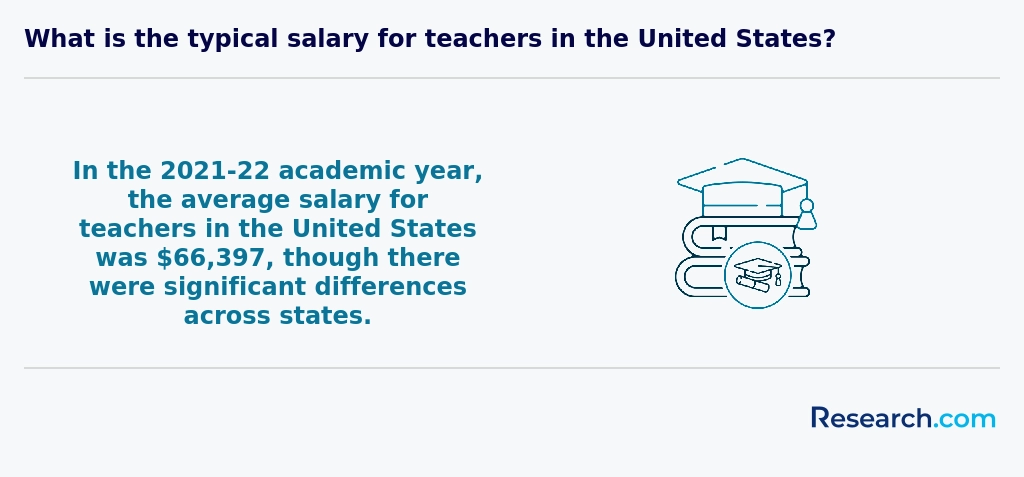
Accreditation ensures your doctorate is recognized by employers, licensing agencies and peer institutions. Key steps to confirm program quality:
- Regional accreditation (e.g., Higher Learning Commission) guarantees overall institutional standards
- Programmatic accreditation (e.g., CAEP for education) confirms specialized rigor
- Review credit transfer policies, faculty credentials and student support services
For vetted, regionally accredited options, explore our list of accredited online colleges
Students pursuing online education degrees in Omaha often rely on financial aid to manage tuition costs that can range from $15,000 to $30,000 annually. One practical first step is completing the FAFSA to unlock federal aid options like the Pell Grant, which can provide up to $7,395 for the academic year. Many education graduates share how this grant made a real difference in covering expenses at the University of Nebraska at Omaha (UNO).
Nebraska residents should also explore state-specific aid such as the Nebraska Opportunity Grant, which helps low-income students attending public colleges in Omaha. Combining this with federal aid created a manageable funding package for many, easing stress during their studies.
Loans, especially Stafford Loans, offer flexible repayment and lower interest rates, favored by those balancing work and study. Graduate students pursuing doctoral programs can consider Federal Direct PLUS Loans for additional support.
Several Omaha employers value continuing education and provide tuition reimbursement, a perk many working professionals tap into, reducing their financial burden while advancing their careers in education.
Lastly, external scholarships from local foundations and education associations, though competitive, have helped numerous students specializing in niche education fields gain extra funding.
To enroll in an online education degree program in Omaha, start by ensuring you meet the basic academic requirements. Most programs at popular institutions in the area, like the University of Nebraska Omaha, require a high school diploma or equivalent for bachelor's degrees. Graduates from these programs often recall how submitting official transcripts from previous schools was essential; these documents confirm your readiness and help admissions evaluate your background.
If you're aiming for a master's or doctorate, be prepared to provide proof of your relevant undergraduate or graduate degree. Many students found that some programs waived standardized test scores like the GRE due to flexible policies, especially following the disruptions of the COVID-19 pandemic, making access easier.
For non-native English speakers, submitting TOEFL or IELTS scores to demonstrate English proficiency is common. Additionally, if your focus is on K-12 education, schools such as Creighton University expect you to have relevant teaching experience or certification verification, which many graduates found valuable for real-world preparedness.
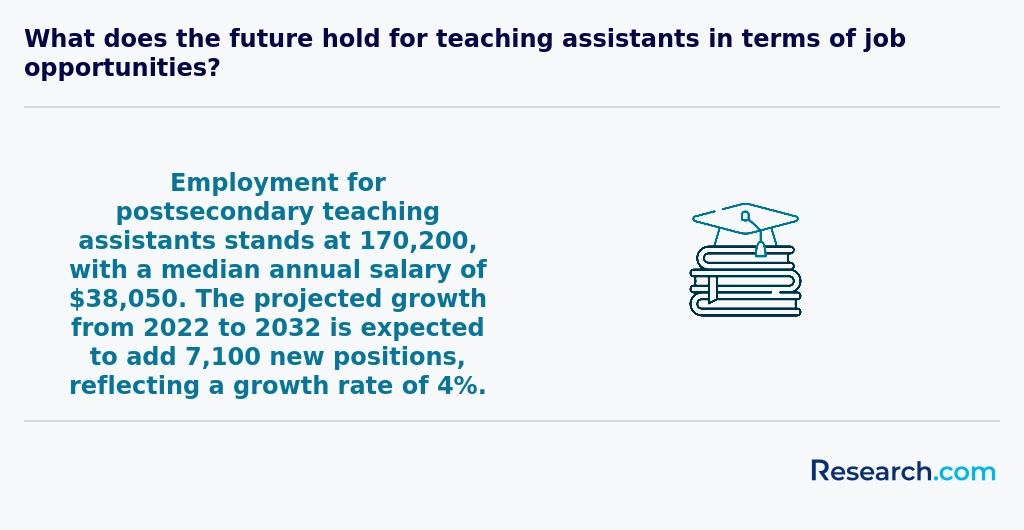
Ensuring that your chosen online doctorate in Education carries both regional and programmatic accreditation is essential for eligibility for federal aid, credit transfer, and state licensure. In Omaha, NE, the most recognized regional accreditor is the Higher Learning Commission (HLC), which validates institutional quality and continuous improvement. Equally important is programmatic accreditation by bodies such as the Council for the Accreditation of Educator Preparation (CAEP) or the former National Council for Accreditation of Teacher Education (NCATE). CAEP accreditation confirms your curriculum meets rigorous national standards for teacher preparation, covering everything from faculty credentials to field experiences. Nebraska Department of Education approval is mandatory if you intend to pursue certification or licensure within the state. Licensed graduates are qualified for K–12 teaching roles, curriculum coordination, and administrative positions. Before applying, verify that your online doctorate program’s coursework aligns with Nebraska’s Praxis or other state assessment requirements. Institutions accredited by HLC and CAEP often publish a clear licensure pathway, including clinical residency placements, mentor support, and state exam prep-critical components for a seamless transition from student to certified educator. To compare accredited online programs side by side and ensure you’re selecting a degree that meets both federal and state requirements, explore our list of the best online teaching degree programs. This resource highlights programs vetted for their accreditation status, licensure exam pass rates, and graduate outcomes, empowering you to make a confident, future-proof investment in your career.
When enrolling in an online education degree in Omaha, you'll typically encounter courses that build a solid foundation and practical skills. Graduates from universities such as the University of Nebraska at Omaha mention how courses like Educational Psychology and Curriculum Design and Development helped them understand how students learn and how to create effective lesson plans tailored for diverse classrooms.
Programs also include hands-on topics like Classroom Management and Assessment and Evaluation Techniques, which prepare you to handle real-world challenges like maintaining engagement and tracking student progress. Graduates often highlight how learning about Education Law and Policy gave them confidence to navigate Nebraska's specific certification and regulatory landscape.
For those interested in leadership or special education, courses such as Leadership in Educational Settings and Special Education Methods offer specialized strategies that reflect the evolving needs of Omaha schools. This tailored curriculum supports you in advancing your career while balancing work and study through flexible online formats.

Online education degrees in Omaha NE offer a variety of practical specialization options to fit different career goals. Graduates from the University of Nebraska at Omaha often highlight how specializations like Educational Leadership and Administration equipped them with real-world skills to manage schools and lead projects effectively. Others appreciate focusing on Curriculum and Instruction, where they learn to design engaging lesson plans tailored to diverse student needs.
Special education is a popular choice, developing expertise to support students with disabilities, while Educational Technology prepares learners to integrate digital tools into classrooms-a fast-growing demand. School Counseling specializations help graduates provide essential mental health and academic support, reflecting positive experiences reported by recent students. Early Childhood Education remains vital for those aiming to work with young learners, addressing development needs from birth to age eight.
Prospective students interested in online doctorate education specializations Omaha NE will find these options accessible and affordable at local institutions. Many also appreciate the chance to complete practical internships locally, blending flexible online study with hands-on experience, a balance praised by alumni. For those starting fresh, reviewing Louisiana teaching standards can provide insight into certification pathways that apply similarly in Nebraska.
Start by verifying program accreditation to ensure your degree holds value with employers and education boards in Omaha. Many graduates from the University of Nebraska at Omaha praise its regional accreditation and competitive tuition, making it a solid choice. Next, compare tuition and fees carefully. The average in-state tuition is around $8,500 annually, but online options can differ, so looking into affordable online doctorate in education Omaha programs can help manage costs without sacrificing quality.
Consider how courses are delivered. Some students appreciate fully asynchronous classes that fit around their busy schedules, while others prefer live virtual sessions for direct interaction. Think about your lifestyle and pick a format that feels manageable and motivating. Also, choose specializations like Educational Leadership or Special Education that align with your career goals; many Omaha programs offer these concentrations with strong local support.
Finally, connect with programs that provide career resources connected to Nebraska's job market. Graduates find that schools linked closely to Omaha's education system help them transition smoothly into teaching roles. If you are returning to college for education, check out options that balance affordability, flexibility, and practical outcomes to find the best program for your needs.
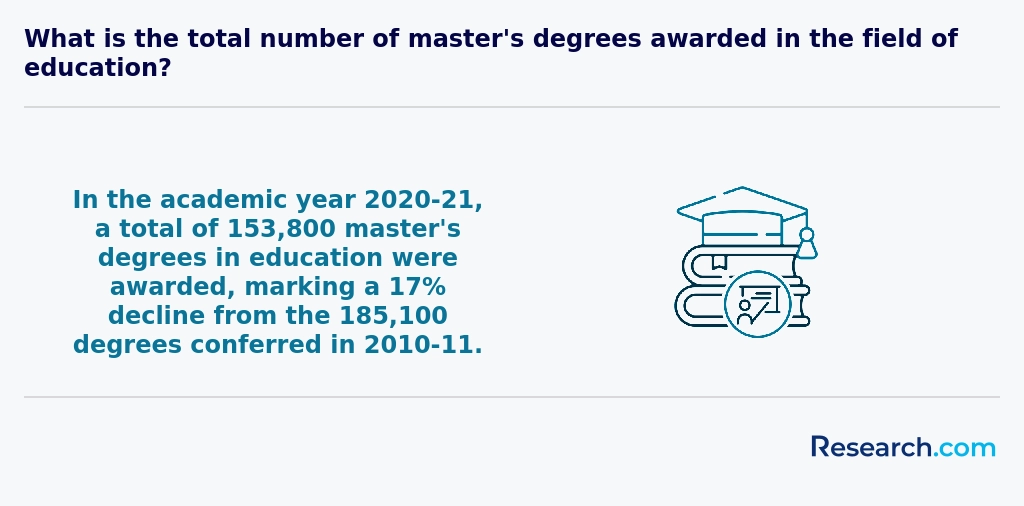
Graduates with an online education degree in Omaha have practical paths to enter teaching roles across the city's K-12 schools. Many find satisfaction in meeting Nebraska's certification requirements through well-known local colleges, enabling them to confidently step into classrooms and inspire students. Those looking for growth often pursue administrative careers, becoming school principals or curriculum coordinators, roles that require leadership skills often developed in advanced online programs.
Online education degree careers Omaha NE also open doors into educational technology and instructional design, fields flourishing as Omaha schools integrate new digital tools. Graduates frequently share positive experiences applying theory learned online to real-world projects within school districts and statewide agencies, enhancing engagement through innovative platforms.
Some graduates specialize in adult education and community learning, crafting workforce training initiatives and continuing education programs tailored to Omaha's diverse population. Those interested in leadership can explore opportunities through internet colleges for doctoral studies in educationalleadership, gaining credentials that dramatically improve job prospects for an education doctorate job prospects Omaha provides.

The job market for online education degree graduates in Omaha is steady and offers practical pathways for career growth. Graduates from institutions like the University of Nebraska Omaha often find opportunities within Omaha Public Schools or local private schools, where there is consistent demand for certified teachers and administrators. These graduates appreciate that earning credentials online allows them to work while studying, fitting well with Omaha's moderate living costs and graduate tuition rates between $8,000 and $14,000 annually.
Employment opportunities extend beyond traditional classrooms to roles in educational consulting and program development, giving graduates diverse career paths. Many graduates highlight how their coursework in educational technology and curriculum development prepared them to meet local employers' needs. For those interested in specialized roles, exploring options such as special education teacher careers can further improve job prospects in the city's competitive market.
Omaha NE employment opportunities for education graduates also include higher education institutions, where experience with online teaching techniques is highly valued. Median teacher salaries range from $50,000 to $60,000, with administrative roles offering $80,000 or more, reflecting the stability and growth potential for degree holders in this region.
2027 Easiest Online Doctorate in Education Degree Programs Ranking in Omaha, NE
Investing in your education is a significant decision that can shape your future, and the Research.com team understands the importance of making informed choices. To assist prospective students in Omaha, NE, we have meticulously crafted the "2027 Easiest Online Doctorate in Education Degree Programs Ranking in Omaha, NE." Our commitment to quality, credibility, and accuracy is reflected in the extensive research and analysis conducted to compile this ranking.
We utilized the following reputable data sources to ensure a comprehensive evaluation of the programs:
By exploring this ranking, readers will gain valuable insights into the easiest online doctorate in education programs available in Omaha, NE, empowering them to make informed decisions about their academic and professional futures. For more details on our methodology, please visit our Research.com methodology page.


Frequently Asked Questions About education
Online education degree students in Omaha can enhance their learning by establishing a consistent study schedule. According to the U.S. Department of Education, routine habits improve retention and course completion rates. Leveraging local resources, such as the Omaha Public Library's digital materials, also supports research and assignments.
Active participation in virtual discussions and collaboration tools helps deepen understanding and build professional networks. Additionally, students should take advantage of academic advising offered by institutions to stay on track with degree requirements.
Omaha students benefit from time zone alignment with many U.S.-based programs, making live sessions easier to attend. Setting clear goals and utilizing campus services designed for online learners can maximize the educational experience.
Emerging niches within the education field reflect shifts in technology, equity, and specialization. In Omaha, there is growing demand for expertise in educational technology, driven by schools increasing online and hybrid learning options. According to the Nebraska Department of Education, districts are investing in digital curricula, creating opportunities for specialists in this area.
Another niche gaining attention is equity-focused education, which concentrates on reducing achievement gaps among diverse student populations. Educators trained in cultural competency and inclusive practices are sought after in urban areas like Omaha.
Additionally, leadership roles in early childhood education and special education administration are expanding as Omaha prioritizes support for young learners and students with disabilities.
After completing an online education degree in Omaha, preparing for the job market involves several key steps. First, graduates should update their professional resume and LinkedIn profile to highlight their online learning experience and any relevant certifications. Omaha's education sector shows consistent demand, with the Nebraska Department of Labor projecting a 4.2% growth in education jobs through 2028.
Networking is crucial; joining local organizations such as the Omaha Education Association can provide connections and job leads. Additionally, participating in virtual career fairs and using platforms like Nebraska Workforce Development increases job opportunities.
Gaining practical experience through internships or volunteer roles in Omaha schools also enhances employability by providing local references and hands-on skills.
Employers in Omaha prioritize several key skills when hiring graduates with education degrees, especially those from online programs. Strong communication abilities rank highly, as effective interaction with students, parents, and colleagues is essential. Critical thinking and problem-solving skills are also important, enabling educators to adapt lesson plans suitable for diverse learning needs.
According to the Nebraska Department of Education, technology proficiency is increasingly valued, given the rise of digital learning tools. Knowledge of classroom management and student assessment methods rounds out the core competencies sought in local schools.
These skills combined ensure graduates can meet Omaha's educational demands and support student success effectively.
Finding internships in Omaha relevant to an education degree involves connecting with local schools, districts, and organizations focused on education. The Omaha Public Schools district, one of Nebraska's largest, often offers internship opportunities for education students seeking hands-on experience.
Additionally, students should explore partnerships between their online programs and Omaha-area educational institutions. Many online degree programs facilitate internship placements through these collaborations, making it easier to gain practical experience.
Using resources such as the Nebraska Department of Education's career services and local job boards can also help identify openings in early childhood centers, afterschool programs, and administrative offices that welcome education interns.
Networking with Omaha education professionals through events or online platforms like LinkedIn can further enhance internship prospects. Statistics from the Nebraska Workforce Development indicate growing demand for qualified educators, making internships more accessible for students in this field.
Online education degrees in Omaha significantly impact career mobility and advancement, especially within the region's growing education sector. According to the Nebraska Department of Labor, educators with advanced degrees often see a 10-15% salary increase compared to those with only a bachelor's degree. Many school districts in Omaha prioritize candidates holding master's or doctorate degrees for leadership roles such as curriculum coordinators or school administrators.
Flexible online programs allow working professionals to gain qualifications without interrupting their careers. This flexibility supports continuous skill development, which employers in Omaha find valuable.
In addition, the regional emphasis on educational innovation creates opportunities for online degree holders to engage in administrative and policy roles, thereby advancing their careers.
Studying for an education degree in Omaha offers strong preparation for interdisciplinary roles by combining foundational teaching skills with diverse subject knowledge. Programs often include coursework in psychology, sociology, and technology integration, reflecting the multifaceted nature of modern education careers. According to the Nebraska Department of Education, many Omaha institutions enhance their curricula with practical training that bridges education theory and community needs.
Online programs in Omaha emphasize collaboration and critical thinking, essential for working across fields such as counseling, administration, and special education. The focus on applied research and data-driven decision-making equips graduates to address varied challenges in schools and related organizations.
When choosing between a thesis and a non-thesis education degree program in Omaha, students should consider their career goals and learning preferences. A thesis option typically requires original research, ideal for those aiming for academic or research-focused roles. The University of Nebraska Omaha, for example, offers thesis tracks that emphasize scholarly work and often take longer to complete.
In contrast, non-thesis programs focus on practical knowledge and coursework, suited for professionals targeting leadership or administrative positions in education. According to the National Center for Education Statistics, practical programs have grown by 12% in Nebraska recently, reflecting local demand.
Costs and time commitments also differ; thesis programs may extend beyond two years, while non-thesis tracks often offer more flexible, faster completion.
Students based in Omaha interested in studying education abroad typically explore online degree programs offered by U.S. universities with international recognition. Many American institutions provide flexible online Doctorate in Education (EdD) programs designed to accommodate working professionals. These programs often include opportunities for international research collaboration or short-term residencies overseas.
Omaha students can also access partnerships through schools like the University of Nebraska system, which occasionally facilitate exchange or study-abroad experiences integrated within online degrees. According to the National Center for Education Statistics, over 60% of doctoral education students in the U.S. enroll in online or hybrid programs, reflecting growing nationwide accessibility.
In addition, accreditation by bodies such as the Council for the Accreditation of Educator Preparation (CAEP) ensures that Omaha-based students receive quality education that is recognized internationally. While purely study-abroad in-person education degrees may be limited locally, combining online study with affiliated global research opportunities remains a practical path.
Part-time job opportunities in Omaha that complement education degree studies often involve direct engagement with students and educational settings. Many online education degree candidates find roles as teacher aides or substitute teachers in Omaha Public Schools, which hired over 1,000 substitute teachers in recent years according to the district's staffing reports. These positions provide practical classroom experience while accommodating flexible schedules.
Additionally, tutoring services, especially in core subjects like math and reading, are in demand. Local organizations such as the Omaha Community Foundation report steady growth in after-school tutoring programs. Working as an educational tutor enhances instructional skills and curriculum knowledge.
Childcare roles in learning centers and libraries also offer valuable experience while supporting students' development outside traditional classrooms. These jobs, widely available in Omaha, align well with education graduates' career goals.
Online education students in Omaha benefit from several networking opportunities tailored to their needs. Many local universities, like the University of Nebraska at Omaha, offer virtual events and webinars that connect online learners with faculty and peers. These platforms foster interaction beyond coursework, encouraging collaboration and mentorship.
Additionally, Omaha's growing education community hosts professional associations such as the Nebraska Association for the Gifted, which often welcome online students to local meetings and conferences. According to Omaha's Chamber of Commerce, over 10 educational networking events occur annually, providing valuable chances to build professional relationships.
Online students also access LinkedIn groups specific to Omaha educators, expanding their local and national networks.
Alumni networks provide significant benefits to online education degree students in Omaha by offering valuable connections and resources. Graduates from University of Nebraska at Omaha and other local institutions often maintain active alumni groups that facilitate mentoring, job referrals, and professional development opportunities. These networks can help online students gain insights into the local education job market and access exclusive career events.
According to the Nebraska Department of Education, strong community ties improve employment outcomes for degree holders in the state. Alumni connections in Omaha often support collaborative projects and ongoing learning, which enhances career growth for online learners despite geographic distance. This network support can be essential for professional advancement in education roles across Nebraska.
Customizing an online education degree program in Omaha allows students to align their studies with specific career goals. Many universities offer flexible curricula where you can choose concentrations such as educational leadership, curriculum development, or special education. This specialization helps tailor your expertise to meet job market demands locally and nationally.
Additionally, Omaha's institutions often provide options for selecting electives and practicum experiences that reflect your interests. For example, Bellevue University highlights customizable online master's and doctorate programs designed to develop leadership skills specific to Nebraska's education system. According to the Nebraska Department of Education, over 80% of educators pursue continuing education to advance their careers.
Online learners can also benefit from networking with regional professionals and accessing Omaha-based virtual internships. These opportunities ensure practical experience while supporting your graduate studies. By leveraging these program features, students can strategically prepare for roles in administration, policy, or counseling tailored to Omaha's educational landscape.
Online education students in Omaha often face challenges related to time management and balancing work, family, and study commitments. Many learners juggle full-time jobs while attending courses, which can create scheduling conflicts. Additionally, technical issues such as unreliable internet connections can disrupt participation in live lectures or timely submission of assignments, particularly for those in rural parts of Nebraska.
Access to campus resources is another commonly reported difficulty. While Omaha has several universities offering online programs, students sometimes struggle to engage fully with academic advisors and support services remotely.
Research by the University of Nebraska Omaha indicates that 35% of online students express concerns about limited interaction with peers and instructors, impacting motivation and networking opportunities.
An online education degree opens multiple pathways for professional certification in Omaha and across the United States. Graduates commonly pursue teaching licenses, which require passing state-specific exams regulated by the Nebraska Department of Education. These licenses enable careers in K-12 public and private schools.
Beyond teaching, candidates may seek National Board Certification, recognized for advanced teaching proficiency. This certification often leads to higher salaries and leadership roles in schools.
Online education degree holders can also obtain credentials like the Educational Leadership Certification to become school principals or administrators, crucial for advancing in educational management.
Additional options include special education credentials or ESL (English as a Second Language) certification, which are in demand in Omaha's diverse school districts. Data from the Nebraska Department of Education highlights growing needs in these areas as student populations shift.
When applying to an online education program in Omaha, it is essential to tailor your application thoughtfully. Start by clearly explaining your professional goals and how the program aligns with your career plans. Admissions committees in Nebraska valuing relevant experience typically look for clear motivation and preparedness.
Make sure to highlight any prior educational achievements and professional experience, especially if tied to education or leadership roles. Use specific examples to show your skills and commitment.
Obtain strong letters of recommendation from supervisors or educators familiar with your work. Omaha institutions often prioritize applications supported by credible endorsements.
Lastly, proofread carefully and follow application instructions precisely to demonstrate your attention to detail.
Globally, an education career is seen as both vital and evolving, with increasing emphasis on technology integration and cultural competence. In the United States, education professionals are encouraged to develop skills that address diverse student populations, reflecting the country's multicultural society.
Specifically in Omaha, professionals benefit from a strong network of schools and institutions promoting inclusive teaching practices. According to the Nebraska Department of Education, the state saw a 7% growth in education-related jobs from 2019 to 2023, illustrating rising demand.
Internationally, educators often collaborate through online platforms, expanding perspectives beyond local boundaries. This global interaction shapes new approaches to pedagogy, important for those pursuing online education degrees in Omaha. The U.S. Bureau of Labor Statistics projects a 5% growth in education careers by 2031, emphasizing steady opportunities.
Gaining practical experience during an online education degree in Omaha is essential for applying theoretical knowledge in real-world settings. Many programs require or encourage internships at local schools or educational organizations. Omaha Public Schools and area charter schools often provide opportunities for student teaching or assistant roles.
Students may also engage in virtual practicum experiences, supported by their online programs, allowing them to work remotely with educators and gain hands-on skills. Additionally, collaboration with Omaha's educational nonprofits offers practical project work.
According to the Nebraska Department of Education, approximately 88% of education graduates in the state complete supervised teaching hours, underscoring the importance of these experiences.
Choosing the right concentration within an online education degree in Omaha requires understanding your career goals and local job market demands. Omaha's education sector, governed by Nebraska Department of Education data, shows strong growth in special education and educational leadership roles. Focus on concentrations that align with statewide needs, such as curriculum design or educational administration.
Consider programs accredited by the Council for the Accreditation of Educator Preparation (CAEP) to ensure quality. Reviewing course flexibility and faculty expertise can help you find a concentration suited to your schedule and interests. Additionally, connect with local districts to learn about preferred qualifications, enhancing your employability in Omaha's education system.
- 2027 Easiest Online Education Degree Programs Ranking in Manhattan, KS
- 2027 Easiest Online Education Degree Programs Ranking in Emporia, KS
- 2027 Easiest Online Education Degree Programs Ranking in Madison, SD
- 2027 Easiest Online Education Degree Programs Ranking in Hays, KS
- 2027 Easiest Online Education Degree Programs Ranking in Columbia, MO
- 2027 Easiest Online Master's in Education Degree Programs Ranking in Wichita, KS
- 2027 Easiest Online Education Degree Programs Ranking in Winfield, KS
- 2027 Easiest Online Education Degree Programs Ranking in Minneapolis, MN
- 2027 Easiest Online Doctorate in Education Degree Programs Ranking in St. Paul, MN
- 2027 Easiest Online Master's in Education Degree Programs Ranking in Springfield, MO
See What Experts Have To Say About Studying Education
Read our interview with Education experts


Nooshan Ashtari
Education Expert
Professor & Book Author
University of Southern California

- The Best Online Schools In Nebraska https://www.affordablecollegesonline.org/online-colleges/nebraska/
- International teaching and education jobs https://www.tes.com/jobs/search/international
- Can Higher Education Improve Long-Term Career Success https://studysphereadvisors.com/how-higher-education-influences-long-term-career-growth/
- 10 Reasons Why Education Helps to Advance Your Career - Insight Training https://insight.edu.au/blog/career-advancement-through-education/
- Events & Opportunities https://connect.teachforall.org/events-opportunities
- University of Nebraska at Omaha Master’s in Education Programs – MastersinEducation.org https://mastersineducation.org/school/university-of-nebraska-at-omaha/
- Top 10 Effective Networking Tips for Students https://www.unfc.ca/blog/networking-tips-for-students
- Online Master’s Degree Programs in Nebraska - Business, Education, Computer Science https://www.onlineeducation.com/masters/nebraska
- Finding Your Path: How to Align Studies with Career Goals https://www.alfabetaglobal.com/blogs/finding-your-path-how-to-align-your-studies-with-your-career-goals
- Study Abroad For Education Majors: Benefits, Tips & More https://www.semesteratsea.org/education-major-study-abroad/


