
2027 Most Affordable Online Master's in Education Degree Programs Ranking in the Northeast

Co-Founder and Chief Data Scientist
Are you considering advancing your career with a master's degree in education? Choosing the right program can be overwhelming, especially when balancing cost and quality.
This article introduces the 2027 Most Affordable Online Master's in Education Degree Programs Ranking in the Northeast, carefully created by the Research.com team of data scientists. It's designed to help you make an informed choice by highlighting affordable and reputable options.
Reading this guide can empower you to find a program that fits your goals and budget, making your educational journey both rewarding and accessible.
Key benefits of getting online education degree in the Northeast
- Education degree graduates in the Northeast can earn competitive salaries, such as Education Managers making around $129,330 annually and Education Program Managers earning about $104,920 per year, highlighting strong financial benefits.
- Graduates from popular Northeastern colleges often pursue diverse careers like Curriculum Specialists or Education Consultants, enjoying fulfilling roles that impact learning and training in schools or organizations.
- Obtaining an education degree online from a respected Northeastern university offers flexibility and convenience, allowing students to balance work and life commitments while gaining the same valuable skills as traditional students.
- 2027 Most Affordable Online Master's in Education Degree Programs Ranking in the Northeast
- What can I expect from online education degree in the Northeast?
- Where can I work with online education degree in the Northeast?
What can I expect from online education degree in the Northeast?
If you're considering an online education degree in the Northeast, expect tuition to range roughly between $10,000 and $20,000 annually at public universities, depending on your residency and the specific institution. Many graduates from SUNY campuses, for example, have found these rates manageable while accessing high-quality programs tailored to working professionals juggling jobs and family.
One common scenario among students is balancing live video discussions with asynchronous coursework like recorded lectures and assignments, which most programs offer to accommodate diverse schedules. Schools in Massachusetts and Pennsylvania follow similar pricing and course structures, providing both academic rigor and flexibility.
Graduates often share how their investment not only covered core topics such as curriculum development and educational leadership but also connected them to local school districts for meaningful internships. This blend of practical experience and reasonable cost makes pursuing your degree in this region feel like a smart, achievable goal with strong career outcomes.
Where can I work with online education degree in the Northeast?
With an online education degree from respected Northeast institutions like Boston College or the University of Pennsylvania, graduates unlock a variety of rewarding career paths. Many find themselves confidently stepping into K-12 classrooms throughout states such as New York or New Jersey, where teacher certification processes intertwine smoothly with their online studies. Imagine completing your certification while gaining practical skills from your home, then joining a vibrant school community eager for innovative educators like you.
Others discover fulfilling roles beyond teaching-becoming curriculum coordinators or school counselors in districts across Massachusetts or Pennsylvania. Graduates often share how their master's degrees equipped them to lead initiatives integrating technology or to support students' diverse needs. Meanwhile, those passionate about higher education may secure faculty or administrative positions at urban universities, engaging adult learners in lifelong education programs.
Your degree can also open doors to dynamic roles outside schools, such as education policy specialists or corporate trainers, especially within nonprofit and government sectors that thrive in this region. The Northeast's demand for skilled education professionals means your online degree is not just a qualification but a key to meaningful, impactful work.
Graduates from online education programs in the Northeast often find rewarding salary opportunities that reflect their dedication and expertise. For instance, education managers-a role many from online master's programs at schools like Boston University or New York University aim for-earn a mean annual wage of $129,330, offering both financial stability and career growth. Similarly, higher education professors, common career paths for graduates from University of Pennsylvania's online teaching degrees, enjoy a mean salary of $96,570 annually.
Instructional coordinators and curriculum specialists-roles that Northeast graduates frequently pursue-can expect mean annual salaries around $77,200. Education consultants, who often leverage advanced degrees earned online, earn a mean wage near $95,600, highlighting the valuable expertise they bring to diverse educational settings.
These figures illustrate the promising financial rewards for those who invest in online education degrees within the Northeast, where reputable programs provide both quality training and access to lucrative positions. Graduates describe feeling empowered knowing their efforts translate into competitive salaries that align with the region's high living standards.
- Tuition for an online master's in education in the Northeast costs between $15,000 and $35,000, varying by public or private institutions and program length.
- Public universities often provide lower tuition rates for in-state and some neighboring state residents.
- Early-career educators with a master's in education in states like New York and Massachusetts earn between $55,000 and $65,000 annually.
- Experienced educators or those in specialized roles can expect salaries from $75,000 to $90,000 or higher, especially in urban districts.
- The job market remains steady with demand driven by metro population growth, specialized roles, and retirement vacancies.
- State teaching certification reciprocity in the Northeast allows flexibility for working across states, and regional accreditation is highly valued by employers.
Completing an online education degree in the Northeast typically takes between 18 months and 3 years, depending on whether you study full-time or part-time. Graduates from well-known institutions in New York or Massachusetts often share how balancing work and family commitments shaped their pace. Many found that taking 9 to 12 credits each semester allowed them to finish within two years, while others took advantage of part-time options to manage their schedules without feeling overwhelmed.
Some students embraced accelerated paths, completing their degrees in as little as 12 to 18 months by dedicating themselves fully. For example, graduates from popular colleges in New Jersey appreciated cohort models that created strong peer support, helping them maintain motivation and reach milestones faster.
Additionally, if you have prior teaching experience or related coursework, you might receive credit waivers, lightening your load and shortening your timeline. This flexibility, combined with affordable tuition averaging $12,000 to $22,000, gives you real power to design your journey thoughtfully and successfully.
Navigating an online education program requires not only choosing the right school but also adopting effective strategies to thrive in a virtual environment. Successful students often emphasize the importance of strong time management, motivation, and connectivity with peers and mentors. Developing a dedicated study space and setting a consistent schedule can greatly enhance focus and productivity. Additionally, taking full advantage of available academic support services-such as tutoring, virtual office hours, and discussion forums-can help clarify difficult concepts and ensure steady progress throughout the course. It’s also beneficial to familiarize yourself with digital tools and platforms in order to maximize engagement and seamlessly submit assignments. For further insights on affordable programs and additional resources, consider exploring Most Affordable Online Education Degrees Ranking. Ultimately, combining these practical strategies with active participation creates the foundation for academic success and a rewarding online learning experience.
Choosing between an online or on-campus education degree in the Northeast comes down to your lifestyle and learning preferences. Many graduates from institutions like Boston University or the University of Pennsylvania share how online programs offered them the freedom to balance work, family, and school, accessing lectures and assignments any time of day. This flexibility proves invaluable for busy professionals eager to advance without pausing their careers.
On the other hand, graduates from schools such as Columbia University often highlight the energy of campus life-the direct interactions with professors, lively discussions, and hands-on workshops that deepen understanding. The personal connections made during in-person practicums also offer a sense of community and mentorship that online settings strive to recreate through virtual labs and regional partnerships.
Financially, online learners in the Northeast might save thousands by avoiding housing and commuting costs, with some programs charging between $10,000 to $15,000 versus $18,000 or more for on-campus tuition. Ultimately, both paths uphold rigorous academic standards, ensuring you earn a respected degree that aligns with your ambitions.
The average cost of an online education degree in the Northeast tends to reflect the region's reputation for prestigious universities and higher living expenses. Typically, students can expect a median total cost around $23,881 USD, though this varies based on residency. For in-state learners, the median hovers near $16,863, while out-of-state students often see a somewhat lower median of around $19,317, due largely to different financial aid opportunities and program offerings.
Graduates from well-known colleges in the Northeast often share how manageable the financial investment became once they factored in scholarships and program-specific aid. Many found that their total expenses, including tuition and additional fees, aligned well with affordable online master's in education programs Northeast. The ability to study remotely helped mitigate costs like commuting or housing, making these programs even more accessible.
One graduate, finishing a popular program at a respected Northeastern university, emphasized the value of researching both tuition and supplemental expenses upfront. This ensured no surprises and a clear financial plan. For those balancing careers and studies, exploring the fastest online education degree in pennsylvania or similar options can accelerate their path affordably while maintaining quality.
Embarking on an online master’s in education requires intentional strategies to stay motivated, organized, and connected. Follow these best practices to maximize your learning experience: • Establish a Consistent Study Schedule: Block regular time each week for lectures, readings, and assignments. Treat online classes like on-campus sessions-with dedicated hours and minimal distractions, you’ll maintain momentum and meet deadlines without last-minute stress. • Create a Distraction-Free Workspace: Designate a quiet area with reliable internet, comfortable seating, and proper lighting. Keeping all course materials, notebooks, and charging cables within reach ensures you can dive into your work immediately. • Leverage Peer Collaboration: Actively participate in discussion boards and group projects. Building relationships with classmates not only enhances understanding of course content but also creates a support network for sharing study tips and career insights. • Communicate Proactively with Instructors: Schedule virtual office hours to clarify complex topics, seek feedback on assignments, and discuss research interests. Early and regular engagement with faculty can lead to mentorship opportunities and stronger letters of recommendation. • Master Essential Technology Tools: Familiarize yourself with learning management systems, video-conferencing platforms, and collaborative software (e.g., Google Workspace, Zoom, or Microsoft Teams). Investing time in tutorials before courses begin will reduce technical hiccups and boost your confidence. • Utilize Campus Resources Remotely: Most institutions offer online tutoring, writing centers, and career counseling. Tap into these services to refine your academic writing, prepare for licensure exams, or explore roles identified in our Most Affordable Online Master’s in Education Degree Programs Ranking in North Carolina for additional program recommendations. • Set Measurable Goals and Celebrate Milestones: Define clear objectives-such as completing a challenging course module or presenting at a virtual conference-and reward yourself when achieved. Recognizing progress keeps motivation high and fosters a positive learning journey. By integrating these tactics into your daily routine, you’ll cultivate the discipline, technical fluency, and professional relationships essential for success in an online education master’s program.
If you're pursuing an online education degree in the Northeast, you'll find a variety of financial aid options that can lighten your financial load. Many graduates share how federal aid, including Pell Grants and unsubsidized loans, laid the groundwork for their success. While Pell Grants mainly support undergraduates, loans remain available for graduate students enrolled in schools like Teachers College at Columbia University.
State programs also make a big difference. For example, Massachusetts residents often benefit from MassGrant, while New York students take advantage of the Tuition Assistance Program (TAP). These programs helped many learners reduce tuition costs that can range up to $30,000 annually at top universities.
Institutional scholarships are another lifeline. Graduates from the University of Massachusetts Amherst often highlight merit-based scholarships that rewarded their hard work, while employer tuition assistance supports about 40% of full-time students, making it a real game-changer for those balancing work and study.
Lastly, don't overlook education-focused professional organizations offering grants designed just for you. With so many options, your path to earning a degree in the Northeast is truly supported.
is a crucial aspect of pursuing an online education degree, especially for those in the Northeast who are considering programs such as the fastest online education degree in pennsylvania. Effective time management enables students to balance their academic responsibilities with work and personal commitments, ensuring a successful and stress-free educational journey. By prioritizing tasks, creating a schedule, and leveraging technology to stay organized, students can maintain a healthy work-life balance. Additionally, institutions in the Northeast often provide resources such as academic advising and online support services to help students manage their time effectively and achieve their goals.
To embark on an online education degree in the Northeast, you'll need to start with a solid foundation: a bachelor's degree from an accredited institution. Graduates from renowned universities like Boston University or Teachers College at Columbia often recall how this prerequisite ensured they were prepared for advanced study.
Next, official transcripts reflecting a competitive GPA-usually around 3.0-are essential. Many alumni share stories of how their academic records opened doors, even if they had to supplement lower GPAs with professional recommendations or relevant work experience.
Letters of recommendation carry significant weight, offering a glimpse into your commitment and potential in education. Students from colleges such as the University of Pennsylvania describe how heartfelt endorsements from mentors made a profound difference during their admissions journey.
A personal essay or statement of purpose gives your application a unique voice. Picture yourself expressing your passion for teaching or leadership in education, just like many graduates who used this platform to convey their aspirations vividly.
While some programs require GRE scores, many leading Northeast institutions are moving away from this, making it easier for you to step forward without additional testing stress.
Finally, if you're an international student, proving English proficiency through TOEFL or IELTS ensures you can thrive in your courses, a step many international graduates have found both challenging and rewarding on their path.
Calculating return on investment (ROI) is essential when weighing tuition costs against career outcomes for an online Master’s in Education. On average, graduates in the Northeast see a salary increase of $15,000 to $20,000 annually compared to positions requiring only a bachelor’s degree. By dividing the total program cost-typically between $20,000 and $30,000-by the expected annual salary bump, students can estimate a break-even period of roughly 1.5 to 2 years. Factoring in federal loan interest rates, accelerated payback plans can shorten this window, making a master’s degree a financially sound decision. Beyond salary gains, assessing long-term career trajectory amplifies ROI. Educators who advance into administrative or specialist roles often achieve salaries upwards of $80,000 within five years, increasing lifetime earnings by hundreds of thousands of dollars. When comparing regional affordability and outcomes, prospective students may also explore alternative rankings such as the Most Affordable Online Master’s in Education Degree Programs Ranking in North Carolina to benchmark tuition against salary prospects in different states. To maximize ROI, consider part-time work-study, employer tuition reimbursement, and accelerated credit options. Seeking programs with built-in certification pathways can further reduce costs by eliminating extra credentialing fees. By combining salary projections, payback timelines, and strategic financial aid, students can ensure their investment in an online Education degree yields measurable professional and economic returns.
Online education degrees in the Northeast often include courses that build a strong foundation in both theory and practice, tailored to the region's unique educational standards. Graduates from programs at well-known Northeastern institutions frequently highlight courses like Foundations of Education, which explores the historical and social context of American schooling, helping future educators understand their role in a broader community.
Courses in Instructional Technology are also common and vital, as they prepare students to skillfully integrate digital tools into their teaching. Imagine navigating classroom challenges armed with practical strategies learned through these courses, just like many graduates from respected New England colleges recall doing.
Other key courses focus on Assessment and Evaluation, where students master measuring student growth and program success, along with Classroom Management techniques that foster inclusive, respectful learning environments. Additionally, Diversity and Inclusion classes emphasize culturally responsive teaching-a feature especially important in the varied communities across New York and Massachusetts.
When exploring an online education degree in the Northeast, you'll find rich specializations designed to match the region's growing educational needs. Graduates from universities like the University of Massachusetts often praise the Curriculum and Instruction track, which prepares them to create dynamic lesson plans and adapt teaching strategies. This is perfect for those wanting to become instructional leaders or curriculum developers, a popular choice reflected in many students' paths.
Another compelling specialization is Educational Leadership and Administration, ideal for those aiming to take on roles such as principals or district administrators. Many alumni share how this focus boosted their confidence to lead effectively and motivated them by the attractive salary prospects typical in the Northeast.
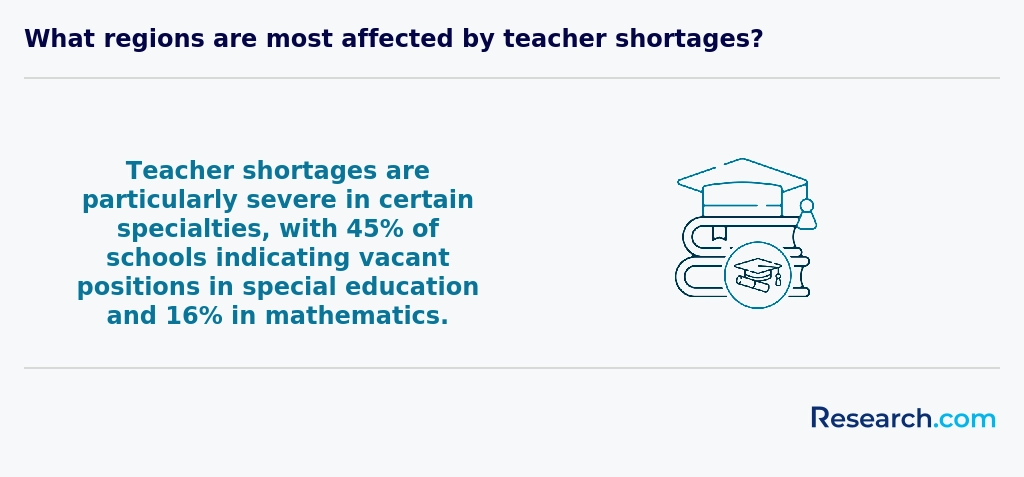
Others find purpose in Special Education, where they learn to support diverse learners and meet IEP goals, making a profound impact in inclusive classrooms. Specializations like Educational Technology empower learners to innovate with digital tools, while programs in Literacy and Reading Education hone skills to improve student literacy rates. For those mindful of costs, considering programs listed in the Most Affordable Online Education Degrees Ranking can align your dreams with practical budgets.
This broad spectrum of options ensures that anyone seeking an online education degree in the Northeast can find a specialization that resonates personally and professionally with their goals, making it a fulfilling journey every step of the way.
Choosing the best online education degree in the Northeast means focusing on programs that combine quality, affordability, and flexibility. Graduates from well-known universities in the region often share how accreditation was their first priority; ensuring their degree held value with employers and met state licensure requirements. Many found that programs offering asynchronous courses and part-time options allowed them to balance work, family, and study without feeling overwhelmed. Affordability plays a crucial role-while some in-state graduate programs exceed $20,000 yearly, numerous online degrees from public universities cost between $10,000 and $15,000 total, making an affordable master's in education Northeast students can confidently pursue. Reflect on your career goals and seek programs with specialization options that align with them, such as literacy or educational leadership, to maximize your investment.
One helpful resource is the Most Affordable Online Master's in Education Degree Programs Ranking in North Carolina, which offers insight into cost-effective paths. By focusing on these factors, you create a pathway to a rewarding career fueling your passion for teaching and leadership.
Graduates with an online education degree in the Northeast find an array of rewarding career paths that leverage their skills and passion for teaching and leadership. Many become licensed teachers in public and private schools, meeting state certification requirements in places like New York and Massachusetts. These graduates often share how their flexible programs helped them balance working while preparing for teaching jobs with online education degree Northeast demands.
Others move into educational leadership roles such as instructional coordinators or school principals, using advanced degrees from well-known institutions like Boston University or Syracuse University. These positions allow them to shape curricula and support teachers in dynamic school environments, creating a tangible impact every day.
Some graduates take their expertise into higher education, becoming academic advisors or online learning coordinators at colleges that value innovative, digital education delivery. For those embracing specialized careers, pathways as special education specialists or educational technology consultants are growing, reflecting the region's commitment to inclusive and tech-driven education.
If cost is a concern, exploring options through the Most Affordable Online Master's in Education Degree Programs Ranking in North Carolina can help balance quality and affordability, making your goals more attainable.
The job market for graduates with an online education degree in the Northeast remains promising, with steady growth expected in teaching roles across public and private schools. Graduates from programs at well-known universities in Boston or Philadelphia often share how local districts appreciate candidates with flexible, accredited online qualifications, aiding them in securing positions more quickly. Many find themselves teaching in classrooms or spearheading special education initiatives, benefiting from licensure reciprocity that eases certification across Northeastern states.
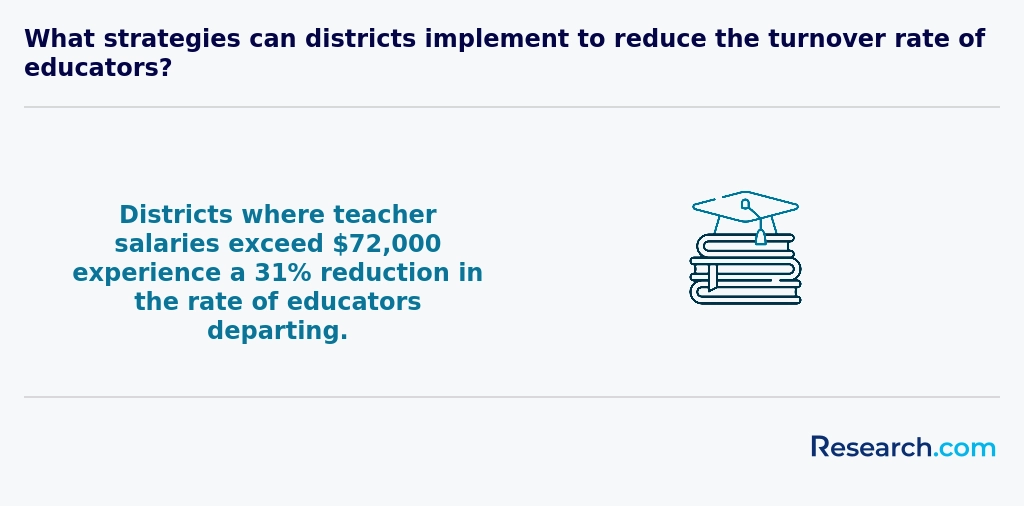
Those pursuing careers beyond K-12 often explore opportunities in higher education administration or curriculum design at respected institutions, supported by a demand for master's-level educators in urban centers. Job seekers find the salary range attractive, typically between $60,000 and $75,000 annually, which reflects the value placed on education professionals in the region. The substantial demand and salary prospects make online education degree jobs Northeast a compelling choice for those seeking both flexibility and career growth.
Cost-conscious students often discover that many online programs offer lower tuition or in-state rates even if studying out-of-state, bolstered by financial aid options. Exploring pathways like the fastest way to get associate's degree can also help launch their careers efficiently and affordably.
2027 Most Affordable Online Master's in Education Degree Programs Ranking in the Northeast
Investing in your education is a significant decision that can shape your future, and the Research.com team understands the importance of making informed choices. To assist prospective students in the Northeast, we have meticulously developed the "2027 Most Affordable Online Master's in Education Degree Programs Ranking in the Northeast." Our commitment to quality, credibility, and accuracy is reflected in the thorough research and analysis behind this ranking.
We utilized the following reputable data sources to ensure a comprehensive evaluation of affordable online education master's programs:
By exploring this ranking, readers will gain valuable insights to help them make informed decisions about affordable online master's in education programs tailored to the Northeast region. For more details on our methodology, please visit our Research.com methodology page.







# 9 position
State University of New York at Oswego
Master of Career and Technical Educator Preparation


# 13 position
University of Maine
Master of Elementary and Secondary Education (Curriculum, Assessment and Instruction)


# 19 position
Indiana University of Pennsylvania
Master of Education Training & Instructional Technology


Frequently Asked Questions About education
Online education degree students in the Northeast can maximize their learning experience by actively engaging with course materials and faculty. Many accredited institutions, such as those featured by the New England Board of Higher Education, emphasize accessible digital resources and virtual office hours. Students should also establish a dedicated study space to minimize distractions and manage time effectively, as research shows this improves retention.
Networking is critical; joining regional online student groups or professional education associations can enhance learning and career prospects. According to the National Center for Education Statistics, over 30% of Northeastern graduate students enroll in online programs, highlighting the importance of community support in remote learning.
Lastly, taking advantage of interactive tools and regularly seeking feedback helps maintain motivation and academic progress.
Emerging niches within the education field reflect the evolving demands of schools and communities, especially in the Northeast. One growing area is educational technology, driven by increased digital learning needs. According to the National Center for Education Statistics (NCES), online course enrollment in the region saw a 20% rise from 2020 to 2023. Another niche is special education leadership, responding to rising awareness and inclusion policies.
Additionally, dual-language and bilingual education programs are expanding due to demographic shifts. Data from the New England Board of Higher Education highlight a 15% increase in bilingual teacher certification candidates since 2021. These areas offer promising paths for those pursuing online education degrees in the Northeast.
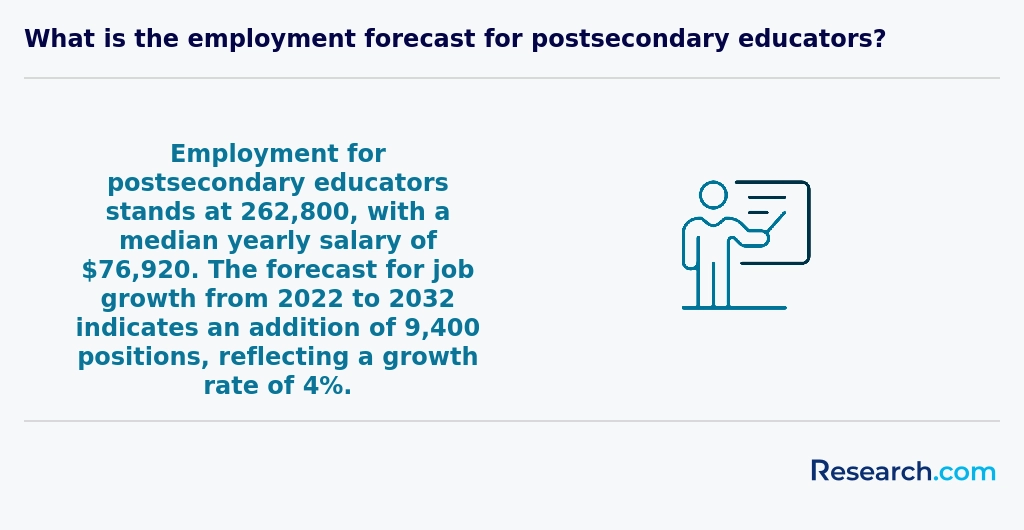
Graduates with online education degrees in the Northeast can enhance their job market readiness by leveraging regional resources. Many states, such as New York and Massachusetts, report above-average demand for qualified educators, with employment growth projected at 5% through 2030 according to the U.S. Bureau of Labor Statistics. Networking through local education associations, like the New England Knowledge Consortium, helps graduates connect with district hiring managers.
Internships or substitute teaching roles provide valuable experience and local references. Additionally, certification requirements vary by state, so graduates should verify and complete necessary licensure steps via regional education departments. Staying current with teaching technologies popular in Northeast schools is also essential for competitive advantage.
Employers in the Northeast seek specific skills in education degree graduates, focusing on both technical and interpersonal abilities. Key competencies include classroom management, curriculum development, and proficiency with digital learning tools. According to the National Center for Education Statistics, 78% of schools in Northeastern states prioritize candidates who can integrate technology effectively.
Strong communication skills and cultural competence are also highly valued, as classrooms in this region are often diverse. Data from the Northeast Regional Education Board highlights that 65% of school districts look for educators adept at supporting students from varied backgrounds.
Problem-solving and adaptability rank among the top skills, reflecting the evolving demands of online and in-person education settings.
Finding internships in the Northeast related to an education degree starts with utilizing university career services, which often partner with local school districts and educational organizations. Many institutions in the region, such as those in New York and Massachusetts, maintain internship databases accessible to their students.
Students should also explore state education department websites, like those of New Jersey and Pennsylvania, which frequently list internship opportunities and requirements for future educators. Networking through professional associations, such as the Northeast Education Research Association, can increase awareness of openings.
Research by the National Center for Education Statistics indicates that internship placements in urban districts across the Northeast have grown by 12% over the past five years, reflecting higher demand for practical experience in diverse school settings.
Online education degrees in the Northeast significantly enhance career mobility and advancement opportunities. According to the National Center for Education Statistics, educators with master's degrees, including online formats, can earn 20% higher salaries compared to those with only bachelor's degrees. In this region, many school districts and educational institutions recognize and value accredited online degrees, offering promotions and leadership roles to qualified candidates. Additionally, flexibility in scheduling for online learners allows working professionals to upskill without interrupting their careers. The Northeast's focus on innovative teaching methods and state certification reciprocity further supports career growth for online education graduates.
Studying for an education degree online in the Northeast equips students for interdisciplinary roles by blending core educational theory with skills from related fields like psychology, technology, and leadership. Many Northeastern universities emphasize collaboration across disciplines, reflecting workforce demands for educators who can adapt to diverse environments. According to the National Center for Education Statistics, over 60% of Northeast education programs incorporate digital literacy and data analysis, preparing graduates for evolving educational challenges.
These programs often include coursework in special education, counseling, or administration, fostering a comprehensive understanding of student needs and institutional operations. This holistic training enhances graduates' versatility and readiness for various roles beyond traditional teaching.
Choosing between a thesis and a non-thesis education degree program in the Northeast depends on your career goals and learning preferences. Thesis programs typically require original research, which suits students aiming for roles in academia or research-focused positions. Non-thesis options often emphasize practical skills and may include internships or capstone projects, appealing to those seeking immediate professional application.
In the Northeast, about 60% of online master's education programs offer both options, according to data from the National Center for Education Statistics (NCES). Graduates from thesis tracks often pursue doctoral studies, while non-thesis graduates enter teaching or administrative roles more quickly.
Consider time commitments as thesis programs may take longer due to research demands. Ultimately, weigh your professional aims against your readiness for in-depth research when deciding between the two.
Students based in the Northeast seeking to study education abroad have various online options through partnerships between U.S. institutions and foreign universities. Many accredited Northeast universities offer joint or dual-degree programs with international schools, allowing students to earn credits recognized both in the U.S. and abroad. For example, some programs include virtual internships and coursework related to global education practices.
According to the National Center for Education Statistics, over 60% of Northeast graduate education students enroll in online programs, reflecting growing access and flexibility. Schools in states like New York and Massachusetts commonly facilitate study abroad experiences through online course modules combined with short-term international residencies, blending remote learning with on-site global exposure.
Part-time jobs that complement education degree studies in the Northeast often provide valuable hands-on experience. Many students work as teacher assistants in local schools, gaining classroom management skills. According to the National Center for Education Statistics, over 35% of education majors engage in such roles during their studies.
Additionally, tutoring services remain in high demand across states like New York and Massachusetts. Platforms such as Wyzant report a steady rise in roles for tutors specializing in K-12 subjects, aligning well with education curricula. Libraries and community centers also offer part-time positions that support literacy programs, beneficial for education students.
These roles not only build practical skills but often offer flexible hours, accommodating online education schedules. This balance makes part-time employment in these areas a strategic choice for education students based in the Northeast.
Online education students pursuing degrees in the Northeast benefit from diverse networking opportunities despite remote learning. Many universities offer virtual career fairs, webinars, and alumni networks specific to education professionals. For example, Northeastern University and Boston University provide active online communities where students connect with peers and faculty.
The Northeast is home to numerous professional organizations, such as the New England Educational Research Organization (NEERO), which hosts events encouraging collaboration among educators. Additionally, local chapters of national associations like the American Educational Research Association (AERA) often provide virtual meetups accessible to online students.
According to the National Center for Education Statistics, over 60% of Northeastern higher education institutions have dedicated online support services facilitating professional networking. This helps students build connections crucial for career advancement in education.
Alumni networks offer significant advantages to online education degree students in the Northeast by fostering professional connections and mentoring opportunities. In this region, many universities actively support robust alumni groups that host virtual events and career workshops, helping students build relationships despite geographic distances. According to the National Center for Education Statistics, nearly 35% of graduates from Northeast online programs report accessing job opportunities through alumni referrals.
These networks also provide a platform for sharing industry insights and continuing education resources, which are crucial in the evolving educational landscape. Participation in alumni communities has been linked to increased job placement rates and higher earning potentials among graduates in the region.
Customizing an online education degree program in the Northeast involves selecting courses and concentrations that align with your career goals. Many accredited institutions offer flexible curriculums allowing specialization in areas such as educational leadership, curriculum design, or special education. According to the National Center for Education Statistics, over 60% of graduate students in this region choose programs with elective options tailored to their professional interests.
Additionally, some schools provide opportunities for internships or practicum experiences with local districts. This practical component can enhance your resume and network. Reviewing the program's credit transfer policies is also beneficial if you want to incorporate prior coursework or certifications.
By carefully researching Northeast institutions and their offered specializations, students can effectively shape their degree to meet specific career ambitions.
Online education students in the Northeast often face challenges related to technology access and reliable internet connectivity. According to the Federal Communications Commission, approximately 14% of households in rural parts of this region lack high-speed internet, which can hinder participation in virtual classes.
Time management is another common issue. Many students balance work, family, and studies, requiring strong self-discipline to meet deadlines without on-campus structure.
Additionally, students sometimes report feelings of isolation, as online formats reduce face-to-face interactions, impacting networking and peer support opportunities.
Finally, obtaining local licensure or certification after completing education degrees online can vary by state, adding complexity for some graduates planning to work in public schools.
With an online education degree, especially from institutions in the Northeast, students can pursue several professional certifications to enhance their career prospects. Common certifications include the Teaching License or State Certification, required for public school teaching in states like New York, Massachusetts, and Pennsylvania. Additionally, candidates may seek the National Board Certification, recognized nationwide for teaching excellence. For those interested in school management, the Principal or Administrator Certification is available in many Northeast states, often requiring a graduate degree.
Specialized certifications like TESOL (Teaching English to Speakers of Other Languages) are popular given the region's diverse student populations. According to the National Center for Education Statistics, 70% of Northeast teachers hold some form of professional certification, reflecting a strong focus on credentialing in this region.
Writing a winning application for an online education program in the Northeast requires clear presentation of your academic background and professional goals. Admissions committees typically look for candidates who demonstrate commitment to education with relevant experience or coursework.
Highlighting your familiarity with online learning tools can strengthen your application, as many programs emphasize digital readiness. According to the National Center for Education Statistics, online enrollments in the Northeast increased by 12% between 2019 and 2022, reflecting growing competitiveness.
Strong recommendation letters from education professionals or supervisors bolster credibility, especially when they speak to your dedication and ability. Additionally, craft a personal statement that addresses why you chose an online program and how it fits your career objectives.
Pay close attention to application deadlines and required materials, as many Northeast institutions, such as those in New York and Massachusetts, maintain strict timelines.
Global perspectives on an education career emphasize the essential role educators play in shaping societies and driving economic growth. In the U.S., especially in the Northeast, education remains a high-demand field, with the Bureau of Labor Statistics projecting a 5% growth in education jobs through 2032. This trend aligns with global views valuing lifelong learning and teacher quality.
International comparisons by organizations like OECD show the U.S. education system striving to improve equity and inclusiveness, a key factor for students considering education degrees online in the Northeast. Regional universities also increasingly reflect global best practices in curriculum design.
Educational careers are viewed worldwide as impactful but require ongoing professional development, a need well met by many accredited online programs available in the Northeast. According to the National Center for Education Statistics, over 30% of graduate education students in the region enroll in online formats, highlighting the growing acceptance and accessibility of these pathways.
Gaining practical experience while pursuing an online education degree in the Northeast is essential for career readiness. Many programs include supervised student teaching or practicum options, often arranged in local schools near the student's residence. This hands-on approach allows learners to apply theory in real classrooms. Additionally, internships with school districts or educational nonprofits in states like New York, Massachusetts, and Pennsylvania are common pathways. According to the National Center for Education Statistics, over 60% of Northeast online education students participate in field experiences. These opportunities ensure that students meet state licensure requirements and develop vital teaching skills before graduating.
Choosing the right concentration within an online education degree program in the Northeast begins with understanding your career goals. Popular concentrations include curriculum and instruction, educational leadership, and special education, each catering to different roles in education. The Northeast region, with its diverse school districts, often demands expertise in urban education and technology integration.
Consider labor market trends: the U.S. Bureau of Labor Statistics projects a 5% growth in education roles through 2031, with leadership and special education showing strong demand.
Research institutions like Teachers College, Columbia University, or University of Pennsylvania, which offer accredited online programs recognized nationwide.
Also factor in licensure requirements for your state; some concentrations align better with certification for teaching or administration licensure in Connecticut, New York, or Massachusetts.
See What Experts Have To Say About Studying Education
Read our interview with Education experts

Nooshan Ashtari
Education Expert
Professor & Book Author
University of Southern California

Alan J. Singer
Education Expert
Professor of Teaching, Learning and Technology
Hofstra University

- Tuition & Costs https://www.northeastcollege.edu/tuition-and-financial-aid/tuition-costs
- Search Programs and Trainings https://northeast.edu/degrees-and-programs/
- Undergraduate Online Programs https://www.nec.edu/undergraduate-online
- 2026 Most Affordable Online Colleges & Degrees https://www.onlineu.com/most-affordable-colleges
- How to Create Access to Experiential Learning ... https://evolllution.com/programming/applied-and-experiential-learning/how-to-create-access-to-experiential-learning-opportunities-for-non-traditional-students
- Undergraduate Online Financial Aid https://www.bushnell.edu/financial-aid/undergraduate-online/
- Best Online Degrees for Working Adults in 2026 https://www.straighterline.com/blog/degreecompletion-best-online-degrees-for-working-adults-in-2026
- Engaging Students in Meaningful Learning Experiences https://www.facultyfocus.com/articles/effective-teaching-strategies/engaging-students-in-meaningful-learning-experiences/
- Degree Programs for Working Adults - Online & In Person https://www.neit.edu/the-neit-edge/degree-pathways/for-working-professionals
- Types of Financial Aid for Online Colleges https://www.umassglobal.edu/blog-news/types-financial-aid-online-colleges


