
2027 Best Online Education Degree Programs Ranking in the West

Co-Founder and Chief Data Scientist
Choosing the right education degree program is an exciting step toward a brighter future. For students in the West seeking quality online options, this article offers valuable insights to guide your decision.
Here, you'll find the 2027 Best Online Education Degree Programs Ranking in the West, developed by the Research.com team of data scientists. This data-driven list helps highlight programs that truly stand out.
Exploring these top programs can empower you to find the best fit, making your educational journey rewarding and successful.
Key benefits of getting online education degree in the West
- Salary for education degree graduates: Graduates can expect competitive earnings, such as $70,740 annually for elementary school teachers and $77,200 for instructional designers, highlighting rewarding financial opportunities in education careers.
- Career paths: An education graduate from a well-known Western university can pursue roles like special education teacher or ESL instructor, unlocking diverse and fulfilling professions that impact communities positively.
- Online degree benefits: Completing an education degree online from a respected institution offers flexible scheduling and access to resources, enabling students to balance work and study while advancing their careers efficiently.
- 2027 Best Online Education Degree Programs Ranking in the West
- What can I expect from online education degree in the West?
- Where can I work with online education degree in the West?
What can I expect from online education degree in the West?
The average cost of an online education degree in the Western United States typically ranges between $6,000 and $12,000 per year for undergraduate programs, especially at public universities admired for their quality and affordability. Graduates from institutions like those in California or Oregon often recall how in-state tuition rates made their pursuit manageable, allowing them to balance family and work without overwhelming debt.
Many recall navigating financial aid options, scholarships, and employer tuition assistance, which helped lighten the financial load. A graduate from a popular Washington university once shared how these resources made it possible to focus on learning rather than worrying constantly about expenses.
These tuition rates reflect a valuable investment-students gain access to coursework aligned with regional standards, such as California's teaching credential requirements, enhancing employability. The cost also covers interaction-rich online environments that simulate real classrooms, offering video lectures and group projects that spark both confidence and connection. This balance between cost and quality proves essential to many who choose to advance their education in this dynamic region.
Where can I work with online education degree in the West?
Graduates from online education programs in the Western United States often find themselves stepping into rewarding roles as licensed teachers in public and private schools, especially in booming states like California or Oregon. Many recall how their degree from respected institutions like the University of Washington or California State University prepared them well to meet the high demand for qualified educators, with California alone expecting over 100,000 new teachers by 2028. This creates a real sense of hope and purpose among graduates eager to make a difference in diverse classrooms.
Beyond the classroom, alumni share how their expertise in educational technology and digital learning-skills sharpened through their online studies-opened doors to careers as curriculum coordinators or instructional designers, roles increasingly vital as schools modernize. For instance, graduates often find positions that foster innovation, such as integrating tech in Seattle school districts, which bring both challenge and fulfillment.
Many also discover meaningful work in higher education settings, including community colleges. Graduates from Western institutions often become academic advisors or adjunct faculty, supporting adult learners or online program development, which feels deeply rewarding when helping students achieve their goals.
Others pursue careers in nonprofits or government agencies focused on education policy and program management, reflecting the region's commitment to educational equity and improvement. The variety of paths available resonates with students' desire for impactful, community-centered work.
Graduates holding online education degrees from renowned Western institutions often find their earnings reflective of their chosen career paths and local demand. For example, many who start as elementary school teachers can anticipate a mean annual wage near $70,740, an encouraging figure that aligns with salaries in states like California and Washington.
Those specializing as special education teachers enjoy higher salaries, with averages around $76,000 annually, which often matches the premium for advanced credentials earned through online master's programs. Instructional designers, another growing field for education graduates, see mean wages near $77,200, benefiting from the blend of educational theory and technology skills cultivated during their studies.
Graduates working as ESL teachers in metropolitan areas report average earnings of about $65,430, reflecting the ongoing need for language support in diverse school districts. Meanwhile, early childhood educators typically start with salaries near $41,410 but gain experience and certifications to boost their income over time.
Many online graduates find that attending institutions like the University of Washington or California State University systems equips them with not only credentials but also access to networks and resources that help increase their earning potential over the years.
- Online education degrees in the Western US offer flexible programs suitable for working adults and those with family commitments.
- Public universities charge $8,000 to $20,000 per year for undergraduate online degrees, while private schools can cost over $30,000 annually.
- Master's programs for online students range from $15,000 to $40,000 in tuition costs.
- Entry-level salaries for education graduates average $45,000 to $55,000 per year, with experienced educators earning $65,000 to $80,000 or more.
- Job growth for teachers in the West is projected at about 6% through 2030, especially strong in California, Washington, and Oregon metropolitan areas.
- There are increasing opportunities in online instruction and educational technology for graduates with specialized training.
Completing an online education degree in the Western US often depends on your personal pace and program choice. Graduates from well-known institutions such as the University of Washington or Arizona State University describe finishing their bachelor's degrees in about three to four years when attending full-time, appreciating the flexibility that helped them balance work and family.
For those pursuing a Master's, like the M.Ed. or MAT, stories from students show how accelerated tracks can let motivated learners finish in as little as a year, while part-time options stretch those timelines comfortably over two to three years. This flexibility is especially praised by busy professionals at schools like UCLA or Portland State.
Doctoral candidates commonly invest three to six years, navigating dissertation demands and research schedules. Many share how self-paced programs at institutions like the University of Colorado provided the support needed to maintain momentum without sacrificing life commitments.
Ultimately, the journey varies, but Western graduates often feel empowered by programs that respect their unique rhythms, allowing them to progress confidently while managing life's many demands.
One of the most critical factors when choosing an online education degree in the West is how well the program prepares you for state teacher certification and licensure. Accredited programs typically align coursework with state standards, offering dedicated exam-prep modules for exams like the Praxis or CBEST. Many programs also include supervised field experiences-such as virtual student teaching placements or local internships-that satisfy state-required clinical hours. Key components of effective licensure preparation include:
- Curriculum aligned with state-mandated competencies, ensuring you cover pedagogy, child development, and assessment strategies.
- Dedicated test-preparation workshops or practice exams integrated into core courses, boosting your confidence and pass rates.
- Access to certified mentor teachers and licensure advisors who guide you through application deadlines, fingerprinting, and background checks. Graduates from top-ranked online education programs often report first-attempt certification pass rates above 85%, reflecting strong academic support and structured timelines. For programs that pair comprehensive licensure support with budget-friendly tuition, explore our Most Affordable Online Master's in Education Degree Programs Ranking in the Midwest, where you’ll find options designed to launch your teaching career without breaking the bank.
The core difference between online and on-campus education degrees in the West is how you experience learning. Graduates from universities like the University of Washington often recall the buzz of campus life-the spontaneous chats with professors after class and hands-on group projects. These moments build connections that many cherish.
Conversely, those who pursued degrees online, say through institutions such as Arizona State University's online platform, appreciate the unmatched flexibility. Balancing work, family, and study, they found the freedom to learn at their own pace empowering. One graduate shared how attending classes virtually while managing a job felt like unlocking a door previously closed.
Cost-wise, online students often save on housing and commuting, a practical advantage for many in the West where living expenses can be high. Yet, both formats maintain strong regional accreditation through bodies like WASC, ensuring that the degree holds solid value regardless of delivery style.
Pursuing a degree from one of the valuable education schools, such as those listed on our valuable education schools in Arizona, can significantly enhance one's career prospects and earning potential. With a focus on providing high-quality educational experiences, these institutions equip graduates with the skills and knowledge needed to succeed in today's competitive job market. By choosing to attend a reputable education program, individuals can set themselves up for long-term success and make a meaningful impact in their chosen field.
The average cost of an online education degree in the West reflects a balance between quality and affordability. Based on recent data, the median total cost hovers around $35,501, though with in-state tuition benefits at well-regarded public universities in California, Oregon, and Washington, students may find the cost closer to $19,224. Many graduates recall enrolling in programs through these institutions, appreciating both the reasonable tuition and the flexibility online education offers. These figures highlight the practical value of choosing a program aligned with local residency, allowing students to invest wisely while pursuing their passion for teaching.
Students often face the total expenses for online teaching degrees West 2027 with some surprise, as fees beyond tuition-like technology charges and textbooks-can add an extra $1,000 to $2,000. However, many find encouragement in the variety of financial aid options available. Graduates from prominent universities note that scholarships and employer tuition reimbursement programs significantly ease the financial burden. Combining these supports with attentive budgeting makes education degrees within reach, fostering a positive and rewarding learning experience.
Reflecting on those who pursued degrees at popular Western education colleges, a common sentiment is the satisfaction with both cost and quality. These students often recommend reviewing detailed rankings to identify the most valuable education schools in Arizona or similar states, as careful program selection can improve outcomes and affordability. Choosing such programs allows aspiring educators to confidently invest in their futures, secure in the knowledge that their degree aligns with their financial and professional goals.
Achieving success in your online education journey involves more than enrolling in a top-ranked program-it requires effective strategies that address both academic challenges and the demands of remote learning. One of the key elements is establishing a dedicated study space that minimizes distractions and fosters focus. Time management is also crucial: using digital planners, setting deadlines, and following a structured schedule can help balance coursework with personal and professional commitments. Additionally, engaging with supportive online communities and leveraging virtual tutoring services not only enriches your learning experience but also builds a network of peers and mentors to guide you along the way. Many students have found that pairing their degree with supplementary credentials-such as Affordable Online Masters Degrees in Teaching-can add significant value by enhancing career opportunities and teaching competencies. These strategies, along with proactive communication with faculty and the use of campus career resources, can set the stage for both immediate academic achievement and long-term career success in the field of education.
Many students pursuing online education degrees in the West find that federal financial aid through FAFSA is their essential first step. Grants like the Pell Grant, which covers up to $7,395 annually, provide meaningful relief without the stress of repayment. Graduates from large public universities in California recall how this aid helped them focus on their studies rather than finances.
State programs, such as California's Cal Grant offering up to $12,630 annually, add valuable layers of support. Students at various Oregon and Washington colleges have shared how these scholarships, tied to residency and academic merit, made the difference in their ability to continue their online education.
Additionally, many Western institutions offer tailored scholarships for online learners, often rewarding academic achievement or veteran status. Graduates often mention how discovering these hidden gems through their university's aid office boosted their morale and confidence.
Employer tuition reimbursement programs and professional organization grants also play a hopeful role, allowing working students to feel supported in balancing jobs and education. Alongside reduced costs like commuting, these financial aid options together create a realistic pathway for many eager to earn education degrees online in the West.
Earning an online education degree is only the first step toward a rewarding teaching career in the West; securing state certification and professional licensure is essential to unlocking classroom opportunities. Each Western state has its own Board of Education requirements, but most follow a similar roadmap: 1. Accredited Program Completion • Ensure your institution holds regional accreditation and programmatic recognition from bodies like the Council for the Accreditation of Educator Preparation (CAEP). • Look for coursework that aligns with state-mandated competencies in pedagogy, classroom management, and subject-specific methods. 2. Student Teaching or Field Experience • Most states require 12–16 weeks of supervised student teaching. • Online programs often partner with local school districts to arrange mentored practicum placements near you. 3. Content and Professional Assessments • Prepare for exams such as the Praxis Core (reading, writing, mathematics) and Praxis Subject Assessments. • Some states administer their own licensure tests; verify specific titles and passing scores on your state’s educator portal. 4. Application and Background Checks • Submit official transcripts, exam scores, and educator preparation program verification to your state’s certification office. • Complete fingerprinting and background checks as mandated for working with minors. 5. Endorsements and Continuing Education • After initial licensure, pursue endorsements (e.g., special education, STEM, English as a Second Language) to expand your marketability. • Most states require ongoing professional development-often 6–20 credits or workshops every renewal cycle. For graduate students exploring cost-effective master’s options that align with licensure requirements, our Most Affordable Online Master’s in Education Degree Programs Ranking in the Midwest showcases top-value programs tailored to both budget and certification pathways. Adhering to these steps ensures you transform your online degree into a state-approved teaching credential, readying you for success in today’s diverse classrooms.
Enrolling in an online education degree program in the Western United States begins with foundational requirements familiar to many graduates of well-regarded institutions like the University of Washington or California State University. For undergraduate programs, having a high school diploma or GED is essential, while graduate degrees require a relevant bachelor's degree. Many prospective students find reassurance knowing these are standard expectations, helping to set clear goals early on.
Graduates often share how submitting test scores like the SAT or GRE varied by program, reflecting a trend toward more flexible, test-optional admissions in the West. This flexibility allows applicants to focus on showcasing relevant experience or coursework, such as psychology or curriculum development, which are frequently emphasized by schools specializing in educational leadership.
Beyond academics, success stories often mention the importance of reliable technology. Students from institutions like Oregon State University highlight how having stable internet and suitable hardware made participating in virtual classrooms a joyful and smooth experience, turning challenges into opportunities for growth.
Understanding tuition expectations-averaging around $9,600 for public in-state universities-also helps applicants prepare financially while appreciating more affordable online options. Many find that this clarity eases anxieties, letting them embrace the journey toward their education degrees with confidence and optimism.
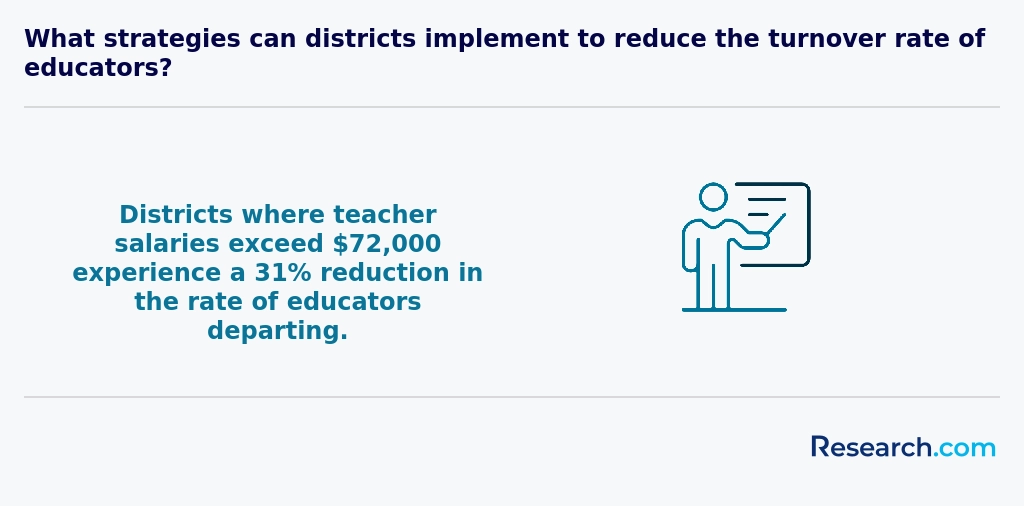
Understanding graduation rates and post‐degree success is essential when evaluating the quality of online education programs. Across the top 10 ranked institutions in the West, the average six‐year graduation rate for bachelor’s programs stands at 82%, while master’s programs boast an even higher completion rate of 90%. Within six months of graduation, 93% of alumni report full-time employment in education‐related roles, with an average starting salary increase of 28% compared to their pre-degree income. Median student debt among graduates is approximately $24,500, translating into an estimated break-even point in earnings about seven years after graduation-one of the strongest ROI metrics in the higher education sector today. Key indicators of alumni satisfaction further underscore program effectiveness: • 88% of respondents rate their curriculum as “highly relevant” to classroom or administrative roles. • 85% highlight quality of faculty support and mentorship as a decisive factor in their success. • 80% credit collaborative online tools and networking opportunities with accelerating their career advancement. Prospective students should also consider regional affordability benchmarks. For comparison, you can explore the Most Affordable Online Master's in Education Degree Programs Ranking in the Midwest, which offers detailed analyses of tuition, fees, and student aid options in another key U.S. region. This broader perspective helps ensure you choose a program that balances cost, completion rates, and career outcomes for maximum long‐term benefit.
Many Western programs emphasize diversity and equity, resonating strongly with graduates who have taught in culturally rich communities. Including practicum components ensures that even those studying remotely gain firsthand experience, bridging the gap between online learning and in-person teaching challenges.
Students pursuing online education degrees in the West often choose from a variety of specializations tailored to regional needs and career aspirations. Graduates from well-regarded institutions like those in California and Washington frequently highlight how specializations such as Curriculum and Instruction helped them develop practical teaching strategies suited for diverse classrooms. Others appreciate the Educational Leadership and Administration track, which prepares them for roles like school principals, especially valuable given the growing demand for qualified leaders in Western states.
Many reflect fondly on specializing in Special Education, citing rewarding experiences working with students who have unique learning needs-an area particularly vital given that nearly 15% of K-12 students in the West receive special education services. Educational Technology also stands out, as it equips learners to thrive in the digital-focused classrooms increasingly common in this region. These widely chosen paths illustrate the flexibility available when selecting an online education degree specialization in the West, aligning well with what are considered the best education majors for West region students.
For those exploring costs and program options, reviewing Affordable Online Masters Degrees in Teaching can provide practical insights.
Choosing the best online education degree in the West starts with ensuring the institution holds strong accreditation, such as the Western Association of Schools and Colleges (WASC). Graduates from well-accredited programs often share how this foundation gave them confidence in the value of their degree when pursuing careers or further certifications. For those balancing work and family, program flexibility matters greatly-a popular online Master of Education from a university like Oregon State offers asynchronous coursework, allowing students to engage on their own schedules without losing momentum.
Affordability is another key factor; in my experience, many find that exploring affordable education degree programs in the Western US helps them avoid overwhelming debt, especially when scholarships or employer tuition reimbursement are available. A graduate from a Western university highlighted how understanding regional licensure requirements shaped their choice, ensuring the curriculum aligned with California's teaching credential standards and providing relevant practicum experiences.
For deeper insights into cost-effective options, consider consulting the Most Affordable Online Master's in Education Degree Programs Ranking in the Midwest. This resource can inspire confidence when comparing programs and tuition fees.

Graduates with an online education degree in the West often find themselves drawn to a rich variety of career paths, reflecting the region's diverse educational ecosystem. Many become licensed K-12 teachers, particularly in states like California and Oregon, where online qualifications from reputable universities are valued for certification. Reflecting on stories shared by those who studied at renowned Western institutions, it's clear that personal fulfillment often comes from impacting young lives directly in classrooms across urban and rural areas.
Others have carved rewarding roles as instructional coordinators or specialists, designing curriculums that resonate with local community needs in Washington and Colorado. This path satisfies those passionate about education quality and continuous improvement. For graduates pursuing education degree job prospects Western US, positions in educational technology stand out-these professionals are at the forefront of integrating digital tools in places like Silicon Valley, a hub for remote learning innovation.
Postsecondary careers are equally appealing. Graduates working as college instructors or advisors share enthusiasm for supporting students navigating virtual programs-a growing trend as over 20% of Western institutions offer online education. Adult education and administration roles complement this landscape, broadening opportunities for those eager to lead and inspire. For insight into the costs involved pursuing these career paths, the Most Affordable Online Master's in Education Degree Programs Ranking in the Midwest is a valuable resource.
- Adult education and workforce training roles, helping adults gain new skills or certifications.
- Special education teaching positions, requiring specialized knowledge often enabled by online graduate degrees.
- Education administration roles, such as school principals or program directors, which typically require advanced degrees achievable online.
The job market for online education degrees in the West is both promising and dynamic, reflecting steady demand driven by population growth and expanding school systems. Graduates from reputable institutions such as the University of Washington and California State University often find rewarding opportunities in diverse roles beyond traditional classrooms. Many feel encouraged by career changers who appreciate the flexibility of online programs, allowing them to balance work and study while advancing. This growing acceptance is particularly significant in regions facing teacher shortages, especially in special education and STEM fields, making the employment opportunities for education graduates West 2027 encouraging. Rural districts in Oregon and Washington even offer incentives like loan forgiveness, making it easier for new educators to launch their careers confidently. Moreover, the competitive salaries throughout California, including metropolitan areas, add to the appeal. For those weighing costs, the average tuition falls below typical on-campus rates, creating a practical path to obtaining a qualifying degree that supports long-term career growth and stability, including those pursuing a highest paid bachelor's degree.
2027 Best Online Education Degree Programs Ranking in the West
Investing in your education is a significant decision that can profoundly impact your future, and the Research.com team recognizes the importance of making well-informed choices. To assist students seeking the best online education degree programs in the West, we have carefully developed the "2027 Best Online Education Degree Programs Ranking in the West." Our dedication to quality, credibility, and accuracy is demonstrated through rigorous research and analysis behind this ranking.
We utilized the following reputable data sources to ensure a thorough and trustworthy evaluation of programs:
By reviewing this ranking, readers will gain clear, data-driven insights into the top online education degree options available, empowering them to select programs that best fit their goals and needs. For further information on how this ranking was created, please visit our Research.com methodology page.

# 2 position
University of Southern California
Master of Teaching of English to Speakers of Other Languages (TESOL)


# 5 position
National University
Master of Education in Inspired Teaching and Learning with Preliminary Multiple or Single Subject Teaching Credential and Internship Option (CA)


# 7 position
National University
Bachelor of English with an Inspired Teaching and Learning and a Preliminary Single Subject Teaching Credential (California)


Frequently Asked Questions About education
Online education degree students in the Western US can maximize their learning experience by actively engaging with course materials and instructors. Research from the Western Interstate Commission for Higher Education (WICHE) shows that students who participate regularly in discussion forums tend to perform 20% better academically. Utilizing university-provided resources like virtual tutoring, writing centers, and library access enhances comprehension and retention.
Setting a structured study schedule helps manage time effectively, especially for working professionals. Additionally, choosing accredited programs recognized by the Council for Higher Education Accreditation (CHEA) ensures quality education that meets regional standards.
Networking with peers through virtual study groups also promotes deeper understanding and motivation.
The field of online education degrees in the Western United States is rapidly evolving, with several emerging niches gaining prominence. One key area is educational technology, focusing on the integration of digital tools to enhance learning experiences. According to the Western Interstate Commission for Higher Education (WICHE), programs in instructional design and educational technology have grown by over 30% since 2020.
Another expanding niche involves special education, where there is increasing demand for professionals skilled in creating inclusive online learning environments. Additionally, multilingual and culturally responsive education programs are gaining attention, reflecting the West's diverse population. These trends point to growing opportunities for specialized online education degrees.
Preparing for the job market after completing an online education degree in the West requires strategic planning. Graduates should start by developing a professional resume that highlights relevant coursework and any practical experiences gained during their studies. Networking is also essential; joining education-focused professional organizations can open doors to job opportunities. According to the National Center for Education Statistics, over 75% of education graduates find employment within a year of completing their degree.
Internships or volunteer teaching roles can provide valuable hands-on experience and improve employability. It is also important to prepare for teacher certification, as most states in the US require it for public school teaching positions. Staying updated on educational technology trends can give candidates a competitive edge, especially since many schools increasingly integrate digital tools in classrooms.
Employers in the Western US prioritize strong communication and classroom management skills in education degree graduates. According to the National Center for Education Statistics, over 70% of school districts in California and Washington emphasize these abilities when hiring new teachers.
Critical thinking and adaptability are also vital, as educators must address diverse student needs and integrate technology into lessons effectively. The Western region's increasing focus on inclusive education means graduates should be knowledgeable about differentiated instruction and cultural competence.
Additionally, data-driven decision-making ranks highly, with many districts expecting candidates to analyze student performance and adjust teaching strategies accordingly.
Finding internships related to education degrees in the Western U.S. requires strategic planning and local research. Many universities offer dedicated internship placement services for education majors; contacting your online program's career center is a crucial first step. The California Department of Education and Oregon's Teacher Standards and Practices Commission often list internship opportunities linked to public schools.
Additionally, networking through local school districts can open doors; for example, Los Angeles Unified School District partners with several universities for student teaching internships. According to the National Center for Education Statistics, nearly 70% of education undergraduates in the West complete internships as part of their degree requirements, highlighting their importance.
Finally, exploring online internship databases specialized in education, like those from state education boards, can help locate suitable positions closer to home.
In the Western United States, earning an online education degree can significantly enhance career mobility and advancement opportunities. According to the Western Interstate Commission for Higher Education (WICHE), professionals with online degrees report a 15% higher likelihood of job promotions within five years compared to those without a degree. This degree format offers flexibility, allowing working adults to upskill without interrupting their careers.
The growing acceptance of accredited online degrees among Western employers reduces barriers traditionally faced by distance learners. Additionally, many institutions in the West tailor online education programs to meet regional workforce demands, improving job alignment.
Data from the U.S. Bureau of Labor Statistics shows education-related jobs in the West are expected to grow 6% from 2021 to 2031, further supporting advancement prospects for degree holders.
Studying for an education degree in the Western United States increasingly emphasizes interdisciplinary skills. Universities in this region design curricula that integrate psychology, technology, and social sciences to better prepare students for diverse educational settings. According to the Western Interstate Commission for Higher Education (WICHE), over 65% of education programs in the West incorporate cross-disciplinary projects.
This approach equips graduates to work effectively in roles that demand collaboration across fields like special education, counseling, and curriculum development. Additionally, many online programs provide flexible learning with real-world applications, allowing students to tailor their studies to emerging educational challenges. The Western higher education system's focus on practical skills prepares educators for multifaceted roles in various environments.
When choosing between a thesis and a non-thesis education degree program in the West, consider your career goals and learning preferences. Thesis programs often suit those interested in research or pursuing doctoral studies. They require completing a substantial research project, which helps develop critical thinking and analytical skills. Non-thesis programs generally emphasize coursework and practical experiences, ideal for educators focusing on classroom practice or administrative roles.
Data from the Western Interstate Commission for Higher Education (WICHE) shows about 60% of Western US graduate education students prefer non-thesis options due to flexibility and faster completion times. Understanding your long-term plans and time availability is key to making the right choice.
Students based in the Western United States who seek online education degrees have diverse options from regional public universities and private institutions. Schools in California, Oregon, and Washington frequently offer fully online bachelor's and master's programs in education. For example, Oregon State University and California State University systems provide accredited online degrees tailored for working professionals.
Many programs focus on specializations such as K-12 teaching, educational leadership, or curriculum design. The Western Interstate Commission for Higher Education (WICHE) also supports cross-state enrollment, facilitating affordable tuition rates for residents in Western states.
Approximately 30% of education graduates in the West now complete degrees online, reflecting growing accessibility and flexibility in this region. According to the National Center for Education Statistics (NCES), enrollment in online education programs continues to rise, driven by technology advancements and demands for remote learning.
Students pursuing online education degrees in the Western US can benefit from several part-time job opportunities that complement their studies. Working as teacher's aides or tutors allows students to gain firsthand classroom experience while reinforcing their own knowledge. According to the Bureau of Labor Statistics, education-related support roles in the West have grown by 5% over recent years, reflecting strong demand.
Positions such as substitute teachers are also valuable, offering flexible schedules that suit online learners. Additionally, roles in after-school programs or educational nonprofits provide practical skills relevant to future teaching careers. These jobs help build communication and organizational abilities crucial for educators.
Networking opportunities for online education students in the West have grown significantly due to advances in digital platforms and university initiatives. Many Western institutions offer virtual career fairs, alumni networking events, and specialized online discussion groups. According to the National Center for Education Statistics (NCES), about 45% of Western universities incorporate interactive platforms designed to connect online students with peers and faculty.
Students can also join regional education associations such as the Western Association of Schools and Colleges (WASC), which frequently hosts conferences and workshops accessible virtually. These opportunities help online learners build professional connections despite geographic distances.
Additionally, LinkedIn groups related to education degrees in the West often serve as informal networking hubs, allowing students to engage with regional professionals and recruiters.
Alumni networks play a crucial role for students pursuing online education degrees in the Western United States. They provide valuable connections that facilitate career opportunities, mentorship, and professional development. According to the Western Interstate Commission for Higher Education (WICHE), nearly 70% of Western graduates find jobs through alumni referrals.
These networks foster community among online students, who might otherwise feel isolated due to remote learning. Regular virtual meetups and networking events help maintain engagement and support career growth. Schools with strong alumni bases often report higher post-graduation employment rates, which benefits current students.
Access to experienced alumni also helps students navigate the job market and industry trends, strengthening their professional prospects.
Customizing an online education degree program in the Western US allows students to align their studies with specific career goals. Many universities provide flexible course selections and electives within education degrees, enabling focus areas such as special education, curriculum design, or educational technology. According to the Western Interstate Commission for Higher Education (WICHE), nearly 70% of online programs in this region offer specialization options.
Advisors often help tailor course paths based on professional aspirations or licensure requirements. Additionally, Western states typically recognize credits from online programs, making transfer and combination with in-person training easier. Students can also engage in internships or practicum experiences remotely to gain practical skills. This blend of options supports diverse career outcomes in education.
Students pursuing online education degrees in the Western United States often face challenges related to time management and self-motivation. Unlike traditional classrooms, online programs require learners to independently organize their study schedules, which can be difficult without structured support.
Another common issue is limited access to reliable internet, especially in rural areas of the West. According to a 2022 report by the Federal Communications Commission, approximately 17% of Western residents experience inadequate broadband connectivity, impacting their ability to participate fully in online courses.
Additionally, students sometimes struggle with fewer opportunities for direct interaction with instructors and peers, which can affect networking and collaborative learning.
An online education degree can open the door to several professional certifications, especially for those aiming to work in teaching or educational administration within the United States. For example, graduates can pursue state licensure as a Certified Teacher, which often requires passing exams like Praxis, varying by state in the Western region.
Additionally, certifications such as the National Board Certification provide an advanced credential recognized nationwide, which can improve career prospects and salary. For those interested in administrative roles, certifications like the Principal or School Administrator credential are achievable after fulfilling state-specific criteria.
Other options include specialized endorsements in special education or ESL teaching, common in Western states due to diverse student populations, which enhance job opportunities.
Applying for an online education degree program in the West requires a clear, focused application that highlights your academic background and professional goals. Admissions committees value applicants who demonstrate strong writing skills and a commitment to education. According to the Western Interstate Commission for Higher Education (WICHE), applicants should tailor their personal statements by explaining how the program aligns with their career aspirations.
Include relevant experience, such as teaching or educational technology work, and mention any certifications or workshops completed. Keep resumes concise and organized for easy review. Letters of recommendation from educators or supervisors who know your skills well are also crucial.
Meeting all deadlines and ensuring your transcripts and test scores, if required, are submitted on time can significantly impact your chances. The US Department of Education notes that timely, complete applications improve admission rates by up to 15%.
The global view of a career in education emphasizes its critical role in social development and economic growth. In the United States, the education sector is projected to grow 9% from 2021 to 2031, according to the U.S. Bureau of Labor Statistics. This growth reflects increasing demand for qualified teachers and educational administrators.
Internationally, education professionals are valued for their adaptability and cultural competence, skills often enhanced through diverse career experiences. Western online education degrees are recognized for combining flexibility with rigorous curricula, making graduates competitive worldwide.
Additionally, policies encouraging lifelong learning highlight education careers as sustainable and evolving fields, particularly relevant in today's digital age.
Gaining practical experience while studying for an online education degree in the West is essential to enhance your teaching skills and boost employability. Many Western universities incorporate student teaching or practicum components as part of their online programs, allowing students to complete in-person hours at local schools under supervision. According to the California Commission on Teacher Credentialing, most teacher preparation programs require a minimum of 600 hours of supervised fieldwork, even for online degrees.
Additionally, students can seek internships or volunteer teaching opportunities in nearby schools or community organizations. Such hands-on experiences provide valuable classroom management and lesson planning skills.
Some institutions also offer virtual simulations, which are increasingly common and approved by accrediting bodies, to mimic real classroom environments.
Choosing the right concentration within an online education degree program in the West involves assessing both your career goals and regional job market trends. Concentrations often include specializations like curriculum design, educational technology, or special education. The Western U.S. states, such as California and Washington, show high demand for educators skilled in digital tools and inclusive teaching practices, as reported by the Western Interstate Commission for Higher Education (WICHE).
Consider programs that align with certification requirements in your state, since these impact your employability. Additionally, review data on graduate outcomes from institutions in the region to understand which concentrations lead to higher job placement rates. Evaluating faculty expertise and available resources can also guide your choice toward the most relevant concentration for the evolving education landscape in the West.
See What Experts Have To Say About Studying Education
Read our interview with Education experts

Alan J. Singer
Education Expert
Professor of Teaching, Learning and Technology
Hofstra University

Nooshan Ashtari
Education Expert
Professor & Book Author
University of Southern California

- International teaching and education jobs https://www.tes.com/jobs/search/international
- The 8 challenges of education in a changing world https://casvitrescantos.com/en/the-8-challenges-of-education-in-a-changing-world/
- Home https://www.teachercertificationdegrees.com/
- Online Degree Programs & Courses https://www.wiu.edu/online/
- Promising Niches in the Global EdTech Landscape - Blog https://rocketech.it/blog/post/global-edtech-landscape-what-niches-are-the-most-promising
- Is a thesis always mandatory in a master's degree program? - EFMU: The Euler-Franeker Memorial University and Institute https://euler.euclid.int/is-a-thesis-always-mandatory-in-masters-degree-program/
- What Employers Actually Want From Graduates https://bodyswaps.co/resources/blog/what-employers-actually-want-from-graduates
- Online Degree vs. Traditional: Choosing the Right Path https://beal.edu/online-degree-vs-traditional/
- How Immersive Experiences Can Help Faculty and Students Grow - Christian Scholar’s Review https://christianscholars.com/how-immersive-experiences-can-help-faculty-and-students-grow/
- Which Teaching Prerequisites Should You Take Online? https://www.straighterline.com/blog/teaching-prerequisites-to-take-online


