
2027 Most Popular Education Degree Programs Ranking in District of Columbia

Co-Founder and Chief Data Scientist
Choosing the right education degree program can shape your future in meaningful ways. Our 2027 Most Popular Education Degree Programs Ranking in District of Columbia offers valuable insights tailored specifically for students in the area.
Created by the Research.com team of data scientists, this ranking helps you identify which programs stand out based on thorough data analysis. By exploring this article, you'll gain clarity and confidence in making decisions about your education path.
Pursuing a degree in education opens doors to rewarding career opportunities and the chance to make a positive impact in your community. Let this guide support you on your journey.
Key benefits of getting education degree in District of Columbia
- Graduates with an education degree can enjoy rewarding salaries, such as Special Education Teachers earning a mean annual wage of $76,000 and Instructional Designers making $77,200 in the District of Columbia.
- Career paths for education graduates from universities like George Washington University include roles in teaching, instructional design, and early childhood education, offering diverse and fulfilling opportunities.
- Obtaining an education degree online from local schools like American University provides flexibility and convenience, allowing graduates to balance work and study while still accessing quality education and career support.
- 2027 Most Popular Education Degree Programs Ranking in District of Columbia
- What can I expect from education degree in District of Columbia?
- Where can I work with education degree in District of Columbia?
What can I expect from education degree in District of Columbia?
The average cost of pursuing an education degree in the District of Columbia varies by institution and program level. For example, graduates from The George Washington University report tuition fees ranging from approximately $30,000 to $40,000 per year for education programs. American University shows similar annual tuition costs, typically around $35,000. Meanwhile, the University of the District of Columbia offers more affordable options, with tuition closer to $8,000 per year for in-state students seeking a bachelor's or master's in education.
Students often balance these costs with financial aid and scholarships available through DC's Higher Education Financial Aid Program or individual university funds. Graduates describe the investment as worthwhile due to extensive hands-on learning opportunities, such as student teaching placements in DC public and charter schools, which enrich their classroom management and instructional skills in diverse, urban settings.
Many highlight the value of direct engagement with over 80,000 public school students in DC, emphasizing practical experience that complements theory. This combination makes the rigorous costs feel justified and fosters positive, confident outlooks on entering local education careers.
Where can I work with education degree in District of Columbia?
Graduates with an education degree in the District of Columbia gain entry to diverse career opportunities across multiple sectors. Many secure teaching positions within District of Columbia Public Schools (DCPS), which educates over 50,000 students, or join public charter schools requiring valid teaching certifications. Graduates from universities like George Washington University often highlight how their specialized coursework prepared them for these roles, creating a seamless transition into classroom environments.
Others find rewarding work in early childhood education, supported by the District's focus on expanding quality pre-K programs through the Office of the State Superintendent of Education (OSSE). This growing area offers nurturing roles that positively impact young children's development.
Higher education institutions such as American University employ education graduates in administrative and counseling positions. These roles allow graduates to apply educational theories practically, supporting students and managing academic programs.
Additionally, graduates contribute to local government agencies and nonprofits focused on educational equity and literacy, such as the DC Literacy Coalition. These positions enable professionals to influence education policy and community outreach, reflecting a strong commitment to social impact.
Graduates holding education degrees from institutions like George Washington University or the University of the District of Columbia can anticipate solid earning potential within the District. For instance, elementary school teachers earn a mean annual wage of approximately $70,740, reflecting both the city's demand for well-qualified educators and competitive compensation.
Special education teachers, a highly valued group in DC due to diverse student needs, earn about $76,000 annually on average. Instructional designers, frequently employed in educational technology roles at local colleges, enjoy wages close to $77,200 per year.
English as a Second Language (ESL) teachers, who play a critical role in DC's diverse communities, can expect to make roughly $65,430 annually, with an hourly rate around $31.46. Early childhood educators earn around $41,410 annually, offering rewarding entry points into education careers.
Many graduates express optimism about their future salaries, noting that these figures often increase with experience and advanced certifications common among DC's education professionals. The city's supportive educational environment and competitive pay help graduates feel confident in pursuing meaningful teaching and instructional roles.
- Tuition for education degrees in D.C. ranges from $15,000 to over $40,000 per year depending on whether the institution is public or private.
- Early-career education professionals earn between $50,000 and $60,000 annually, which is higher than the national average for new teachers.
- Experienced educators and administrators in D.C. can expect salaries from $70,000 to $80,000 per year.
- D.C. Public Schools actively recruit teachers in special education, STEM, and bilingual education due to diverse student needs.
- Teacher licensure in D.C. requires completing approved programs, passing exams, and fulfilling mentorship or internship hours through OSSE.
- Financial aid options include federal grants, scholarships for education majors, and work-study programs to help manage costs.
Completing an education degree in the District of Columbia typically requires about four years for a bachelor's degree when enrolled full-time. Graduates from institutions like the University of the District of Columbia and Howard University often report that this timeline matches their academic experience, as most undergraduate education programs align with the national standard of 120 to 130 credit hours. For those pursuing graduate education degrees, such as a Master of Education (M.Ed.) or Master of Arts in Teaching (MAT), the full-time completion period usually spans one to two years.
Many students in D.C. choose part-time study options to balance work and family, extending their degree completion to three or more years. This flexible pacing helps maintain enthusiasm and motivation despite external pressures. Specialized programs requiring additional licensure or practicum hours similarly extend the timeframe but often enrich students' practical skills and confidence.
Graduates commonly reflect positively on their journey, appreciating how local institutions support varied timelines while maintaining rigorous standards in teacher preparation.
Prospective students concerned about tuition and living expenses in D.C. can expand their search to accredited online programs that balance cost, quality, and flexibility. One valuable resource is the Cheapest Online Education Degree Programs Ranking in New Jersey, which showcases institutions offering low per-credit rates, generous financial aid, and comprehensive student support services. Online education often eliminates campus fees and reduces commuting costs, while still providing interactive lectures, virtual labs, and peer networking opportunities. Before committing, verify regional accreditation, confirm credit-transfer policies, and compare total cost of attendance-including technology fees-and available scholarships or grants. By considering these affordable online alternatives, you can pursue your teaching credentials with greater financial confidence and scheduling freedom.
Online and on-campus education degree programs in the District of Columbia differ mainly in delivery and flexibility while maintaining common licensure requirements. Graduates from on-campus programs at institutions like George Washington University often highlight the benefit of direct classroom interaction and immediate access to campus resources, such as specialized teaching labs and local school partnerships for practicums. This face-to-face environment fosters collaboration and personalized feedback, which many find motivating and engaging.
Conversely, graduates from online programs appreciate the ability to balance coursework with work or family obligations, accessing lectures and assignments asynchronously through digital platforms. For example, students enrolled remotely with institutions like American University still complete required in-person student teaching hours in DC public schools, ensuring hands-on experience despite the flexible schedule.
Cost also varies; public universities in DC average around $14,000 annually for in-state tuition, while private schools often cost more. Online formats could reduce expenses by minimizing infrastructure use, yet high-caliber online programs may match traditional tuition rates. Both paths meet rigorous state certification standards, guaranteeing graduates are qualified to teach in DC's public schools.
Graduates pursuing an education degree in the District of Columbia must ensure their program is accredited by a recognized agency-such as the Council for the Accreditation of Educator Preparation (CAEP) or the National Council for Accreditation of Teacher Education (NCATE)-and approved by the D.C. Office of the State Superintendent of Education (OSSE). Accreditation not only guarantees a rigorous curriculum but also is a prerequisite for eligibility to sit for required certification exams, including the Praxis Core Academic Skills for Educators and Praxis Subject Assessments. To obtain initial teacher licensure in D.C., candidates must:
- Complete a state-approved educator preparation program with coursework aligned to OSSE standards.
- Achieve passing scores on the Praxis Core (reading, writing, mathematics) and Praxis II exams specific to their teaching specialization.
- Submit a candidate portfolio demonstrating competency in planning, instruction, assessment, and professional ethics.
- Undergo fingerprinting and a background check to satisfy D.C.’s child safeguarding regulations. For professionals who earn their degrees online, regional accreditation is critical to ensure reciprocity across jurisdictions. Prospective students comparing program costs and regional versus national accreditation may find value in exploring the Cheapest Online Education Degree Programs Ranking in New Jersey to benchmark tuition rates and accreditation standards before committing. Continuous professional development-through workshops, mentorship, and graduate-level endorsements-further strengthens both licensure renewal and career advancement in leadership or specialized instructional roles.
The average cost of an education degree in District of Columbia reflects a notable variation between public and private institutions, shaping the financial planning of prospective students. Based on recent data, the median total cost for an education degree stands at approximately $61,504, with in-state students typically facing costs around $35,810. This gap underscores the significant difference for those classified as out-of-state learners whose expenses align closer to the median total.
Graduates from public universities such as the University of the District of Columbia often share experiences highlighting the affordability of their education degree tuition compared to private alternatives. For instance, public institution tuition generally ranges from $7,400 to $15,000 annually, a more accessible threshold for many local students aiming to pursue teaching careers in the city. However, they also emphasize budgeting for additional costs like fees, books, and fieldwork expenses, which can easily add $3,000 or more per year.
In contrast, students completing education degrees at private institutions like Gallaudet University or The Catholic University of America commonly report higher tuition burdens, sometimes exceeding $40,000 yearly. This reflects the premium on specialized programs and smaller class sizes, which while costly, support students seeking tailored educational experiences.
With the average cost of education degree in District of Columbia established, it is crucial for students to explore financial aid opportunities. Many find scholarships and grants essential to their ability to enroll and succeed. Prospective learners are encouraged to review the cheapest education schools in district of columbia to compare tuition and fees before committing.
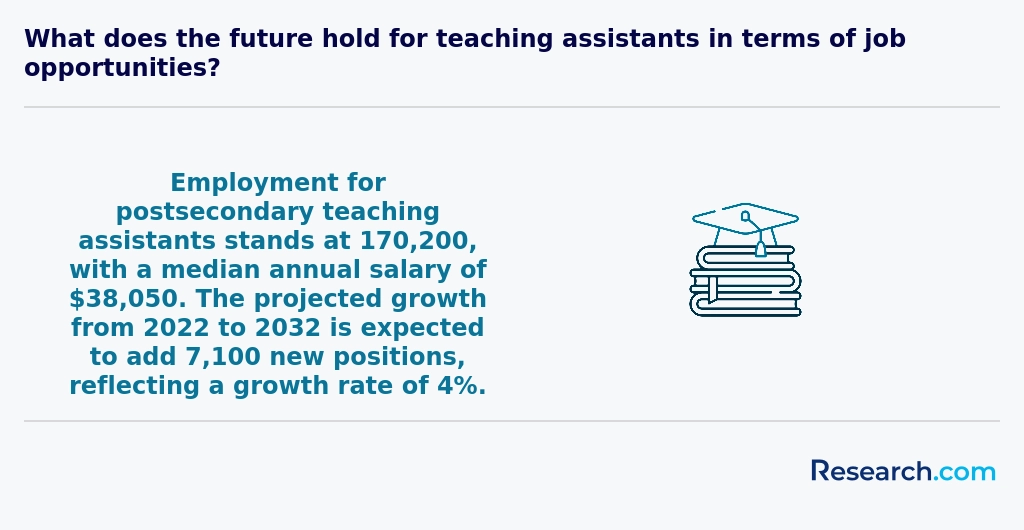
As technology reshapes the educational landscape in the District of Columbia, new trends are emerging that promise to redefine teaching and learning. One of the most notable developments is the integration of digital platforms and innovative teaching methods, which are making education more accessible and personalized. Institutions are increasingly incorporating blended learning models, combining traditional classroom instruction with online components, to meet the needs of diverse learners. Moreover, partnerships between educational institutions and industry experts are providing students with real-world experiences that bridge theory and practice. For example, pursuing the best rated online doctorate in higher education can equip educators with advanced leadership skills and insights into emerging pedagogical practices. This trend not only enhances career prospects but also prepares graduates to tackle future challenges in the education field. Additionally, innovative approaches in curriculum design, such as incorporating project-based and experiential learning opportunities, are fostering critical thinking and problem-solving skills in students. With an increased focus on social-emotional learning and inclusivity, modern education degree programs are evolving to support a holistic learning environment, ensuring that graduates can effectively contribute to their communities. These advancements underscore the dynamic nature of education today and highlight the importance of staying informed about emerging trends to remain competitive and impactful in the ever-changing educational landscape.
Students pursuing education degrees in the District of Columbia commonly access several financial aid options that significantly reduce their financial burden. For instance, graduates from the University of the District of Columbia (UDC) frequently utilize the D.C. Tuition Assistance Grant (TAG), which provides substantial aid to eligible residents attending public universities, making tuition more affordable. Federal aid is also a critical resource, especially the Pell Grant, which awards up to $7,395 annually to low-income students, helping many D.C. education majors cover essential costs.
Teacher Loan Forgiveness is another valuable program, with graduates teaching in high-need D.C. schools qualifying for up to $17,500 in loan forgiveness after five years. Additionally, scholarships focused on diversity, special education, and STEM-available at institutions like Gallaudet University-offer targeted support to education students passionate about these fields.
Work-study programs complement these aids, providing part-time employment opportunities that enable students to gain experience while managing expenses. These financial aids collectively offer a pathway for D.C. students to pursue education degrees with greater confidence and less financial stress.
When evaluating education degree programs in the District of Columbia, affordability is a crucial factor that should not be overlooked. Prospective students often find themselves grappling with the challenge of balancing academic aspirations with financial realities. To make informed decisions, it's essential to consider not only the tuition fees but also the overall cost of attendance, including room, board, and supplies. For those seeking the most affordable options, researching institutions that offer competitive pricing without compromising on quality is vital. Many students have found that exploring cheapest education schools in district of columbia can provide valuable insights into affordable yet reputable programs. By prioritizing affordability and carefully evaluating financial aid options, students can ensure that their educational journey is both fulfilling and financially sustainable.
To enroll in an education degree program in the District of Columbia, applicants must meet a set of clear prerequisites that balance academic preparation with practical experience. At the undergraduate level, candidates are required to hold a high school diploma or an equivalent like a GED. Some popular institutions in D.C., known for their education programs, often look for a strong academic record and may request SAT scores despite test-optional trends.
For graduate programs, a bachelor's degree from an accredited university is mandatory, with many schools expecting a minimum GPA around 3.0. GRE scores might be necessary depending on the program's competitiveness. Graduates from these programs commonly recall how submitting letters of recommendation and personal statements helped convey their passion and relevant community involvement, which admissions committees highly value.
Field experience requirements are significant in D.C., particularly in institutions committed to teacher licensure. Successful candidates share that undergoing background checks and engaging in clinical placements fostered confidence and real-world readiness. Annual tuition at these programs can range, with many exceeding $20,000, highlighting the importance of financial planning.
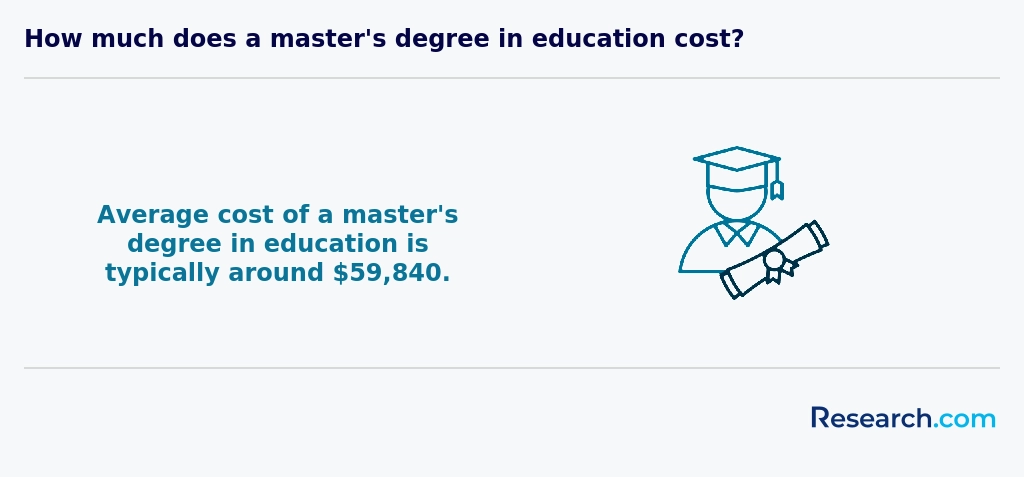
As the demand for flexible, cost-effective education grows, online degree programs in the District of Columbia have become an attractive alternative to traditional on-campus study. These programs typically offer asynchronous coursework, allowing working professionals and busy parents to complete lectures, assignments, and discussions on their own schedules. Many accredited DC institutions partner with leading online platforms to deliver interactive content, virtual practicums, and networking opportunities with peers across the nation. When evaluating online education options, prospective students should compare total program costs-including tuition per credit, technology fees, and any required on-site residencies-against traditional campus expenses such as room and board. Federal and institutional financial aid often applies to online formats, and some schools even extend specialized grants for learners outside the DC metro area. Additionally, accelerated course formats can reduce the time to degree completion, further lowering overall expenses. For those seeking the most budget-friendly online pathways, it can be useful to benchmark against other states’ offerings. For example, the Cheapest Online Education Degree Programs Ranking in New Jersey highlights institutions with exceptionally low per-credit rates and generous scholarship packages-features that may inform your search for the best value in online pedagogy training. Finally, ensure any program you consider is regionally accredited and aligned with DC licensure requirements. By balancing cost, flexibility, and accreditation, you can choose an online education degree that meets both your professional ambitions and your financial constraints.
Education degree programs in the District of Columbia typically include core courses designed to equip future teachers with both theoretical and practical skills. Students at institutions like Howard University and Trinity Washington University describe their coursework as a balanced mix of Educational Psychology, where they learn how students develop and absorb knowledge at different ages, and Curriculum Design and Assessment, which involves crafting lesson plans that meet rigorous learning standards.
Graduates often highlight the value of Instructional Technology classes, which introduce digital tools that enhance classroom engagement, and Classroom Management courses that focus on fostering a respectful, positive learning environment. Diversity and Inclusion in Education is another critical component, preparing students to effectively support learners from varied cultural and socioeconomic backgrounds-an essential skill in DC's diverse schools.
Field experience through student teaching is highly praised by students for bridging theory with real classroom challenges. These practical experiences, combined with courses aligned to District of Columbia certification standards, help graduates confidently step into their teaching careers.
Education degree specializations in District of Columbia reflect the city's commitment to addressing diverse educational needs through focused training. Popular specializations include Early Childhood Education, pivotal for working with children from birth to third grade, responding to the District's emphasis on early learning intervention. Special Education prepares graduates to support students with disabilities, promoting inclusivity in classrooms. Secondary Education often targets subject-specific teaching at the middle and high school levels, such as math or science. Additionally, Educational Leadership and Administration trains students for roles like principals and district leaders, essential for the local schools' continuous improvement. Educational Psychology and Counseling is another vital specialization, equipping professionals to aid student mental health and academic success.
Graduates from the University of the District of Columbia and similar institutions benefit from practicum experiences within DC Public Schools, grounding theory in real-life school environments. These programs effectively cater to students seeking popular teaching program options District of Columbia offers. For those interested in advancing their careers further, the best rated online doctorate in higher education is a pathway frequently pursued.
Choosing the best education degree in District of Columbia requires evaluating program accreditation, curriculum fit, and institutional reputation. Graduates from Howard University and The George Washington University often highlight the value of CAEP-accredited programs that align with licensure requirements, ensuring smooth entry into teaching roles. Accreditation confirms adherence to national standards, which is critical for future career mobility.
Cost is another key consideration. Local public universities average around $11,000 annually for in-state tuition, while private institutions may exceed $40,000. Graduates frequently emphasize weighing financial aid options and employer tuition assistance to manage expenses effectively. For a data-driven comparison of affordability, consider consulting rankings such as the Cheapest Online Education Degree Programs Ranking in New Jersey as a benchmark for cost-conscious planning.
Program delivery flexibility also affects student experience. Many education students appreciate hybrid and evening classes that accommodate work-life balance, vital for those studying while employed. Hands-on teaching opportunities through partnerships with local K-12 schools provide practical experience, a factor that graduates name as decisive in shaping their confidence and classroom readiness. This comprehensive approach is pivotal when choosing among best education degree programs in District of Columbia.
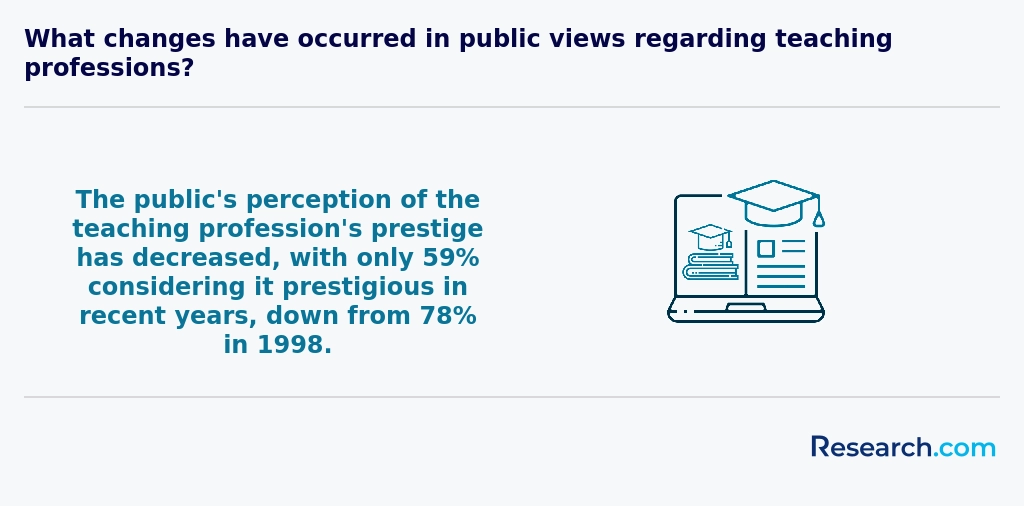
Graduates with an education degree in District of Columbia find diverse career paths driven by the region's strong educational infrastructure. The most prominent role is within the District of Columbia Public Schools, where over 7,000 educators work, with an average starting salary of $60,000. Many graduates from local institutions pursue teaching specializations such as early childhood education or STEM, aligning with in-demand areas within DC's school system. This range of education degree career options in District of Columbia also includes school counseling and educational coordination, where median salaries nationwide hover around $60,000, and DC often exceeds this due to higher living costs.
Graduates often move into administrative roles such as principals or district specialists, positions that demand further certification but offer higher compensation, averaging near $95,000 in DC, reflecting the responsibility and impact on policy. Many find rewarding opportunities in nonprofits and federal agencies, leveraging their degrees for education policy and research roles. Students balancing cost and career sometimes explore a fast track bachelor degree to enter the workforce sooner while managing tuition expenses.
The job market for education degree holders in District of Columbia remains robust due to focused local policies and a strong emphasis on inclusive and STEM education. Graduates from well-known institutions in D.C. often find competitive opportunities, especially in special education and STEM subjects where demand is high. For example, education graduates have secured roles in both public and charter schools, as well as in nonprofit organizations emphasizing education reform.
District of Columbia education degree salary outlook is promising, with median wages near $70,000 for kindergarten and elementary teachers-above the national average. This financial incentive attracts many prospective students, though tuition at local universities ranges widely from $10,000 to $40,000 annually. Graduates report that obtaining licensure through the D.C. Office of the State Superintendent of Education (OSSE) is a key step for job placement, with accredited programs helping streamline this process.
Some students explore broader career paths beyond classroom teaching, such as curriculum design or policy advising, reflecting the dynamic education job opportunities in District of Columbia. Those weighing their options might consider pursuing an easy masters degree to enhance their qualifications and competitive edge.
2027 Most Popular Education Degree Programs Ranking in District of Columbia
Investing in your education is a significant decision that can shape your future, and the Research.com team understands the importance of making informed choices. To assist prospective students in the District of Columbia, we have meticulously crafted the "2027 Most Popular Education Degree Programs Ranking in District of Columbia." Our commitment to quality, credibility, and accuracy is reflected in the extensive research and analysis conducted to compile this ranking.
We utilized the following reputable data sources to ensure a comprehensive evaluation of education degree programs:
By exploring this ranking, readers will gain valuable insights into the most popular education degree programs in the District of Columbia, helping them make informed decisions about their academic and professional paths. For more details on our methodology, please visit our Research.com methodology page.


Frequently Asked Questions About education
Education degree students in the District of Columbia can maximize their learning experience by actively engaging with local schools through internships and practicum opportunities. DC has a robust public school system, where hands-on experience is critical for applying theoretical knowledge. According to the DC Office of the State Superintendent of Education, partnerships between universities and schools enable students to work directly with diverse student populations, enriching their practical skills.
Additionally, students should take advantage of resources at institutions such as the University of the District of Columbia, which offers mentorship programs and access to education research. Networking with local educators and attending education-focused workshops or conferences in the city can also enhance understanding of current teaching trends and policies.
The education field in the District of Columbia is evolving rapidly, with several emerging niches gaining attention. One notable trend is the growth of special education, fueled by increasing awareness and legal mandates supporting students with disabilities. Programs focusing on educational technology are also expanding, reflecting the rising demand for teachers skilled in digital tools and virtual classrooms.
Another developing area is bilingual and multicultural education, important in D.C.'s diverse population. Career paths in STEM education, particularly in early childhood and middle school, are attracting candidates due to federal and local initiatives promoting science and math proficiency.
According to the National Center for Education Statistics, enrollment in education-related programs in D.C. has increased by 8% over the past five years, highlighting these specialties' growing appeal. Prospective students should consider these niches as they offer promising opportunities aligned with regional needs.
Preparing for the job market after completing an education degree in the District of Columbia involves several key steps. First, obtaining state licensure is essential since Washington, D.C., requires educators to hold valid licenses, which typically involve passing the Praxis exams and completing background checks.
Networking with local schools and education professionals can increase job opportunities. The District's Office of the State Superintendent of Education (OSSE) offers resources and job listings tailored to educators in the area.
Additionally, gaining practical experience through student teaching or internships in D.C. public or charter schools improves employability. According to the U.S. Bureau of Labor Statistics, education-related jobs in D.C. are expected to grow moderately, making strong preparation critical.
Employers in the District of Columbia highly value education degree graduates who demonstrate strong communication skills, both verbal and written. According to reports from the DC Office of the State Superintendent of Education, effective collaboration with colleagues and parents is essential for success in local schools.
Additionally, classroom management and the ability to create inclusive learning environments are crucial skills. Graduates who show proficiency in using educational technology tools are also in greater demand, reflecting national trends highlighted by the U.S. Department of Education.
Data from regional job postings indicate problem-solving skills and adaptability remain top priorities given the diverse student populations in DC schools.
Finding internships in the District of Columbia relevant to an education degree involves leveraging local resources and institutions. Many universities, such as George Washington University and Howard University, have partnerships with nearby public and charter schools offering practical experience for education students. The District of Columbia Public Schools (DCPS) system frequently posts internship and practicum opportunities on their website, which are valuable for gaining classroom experience.
Additionally, organizations like Education Forward DC provide programs and connections for students pursuing education careers. The DC government's Office of the State Superintendent of Education often lists relevant internship openings. Networking through university career centers and attending local education conferences can further increase access to these opportunities.
In the District of Columbia, earning an education degree significantly enhances career mobility and advancement within the local education sector. Many public and private schools, as well as government agencies involved in education, prioritize candidates with formal degrees, particularly those aligned with state teaching certifications.
According to the DC Office of the State Superintendent of Education, teachers holding a bachelor's or master's degree often qualify for higher starting salaries and faster promotion opportunities compared to those without such credentials. This is especially true in specialized areas like special education or STEM subjects.
Furthermore, an education degree facilitates access to leadership positions such as instructional coordinators or school administrators, roles that generally require advanced credentials and experience. With District funding focused on improving educational outcomes, professionals with recognized degrees are better positioned to meet these demands and advance their careers.
Studying for an education degree in the District of Columbia equips students with skills to work in diverse, interdisciplinary roles across education and related fields. Programs emphasize collaboration, critical thinking, and practical experience, aligning with the needs of modern educational environments.
Many DC institutions integrate coursework from psychology, sociology, and policy studies, reflecting the district's unique social and political context. This approach prepares graduates to engage with complex challenges in schools, nonprofits, and government agencies.
According to the DC Office of the State Superintendent of Education, interdisciplinary training supports the district's focus on equity and innovation, essential for roles beyond traditional teaching.
Choosing between a thesis and a non-thesis education degree in the District of Columbia depends on your career goals and interests. Thesis programs typically require original research and a substantial written document, ideal for those considering doctoral studies or research-oriented careers. Non-thesis options often emphasize coursework and practical experience, suiting professionals aiming to advance in teaching or administration.
In DC, where education policies and institutions are dynamic, research opportunities align with local initiatives. The National Center for Education Statistics notes that DC universities increasingly offer flexible pathways, reflecting diverse student needs.
Consider also time commitment: thesis tracks may take longer due to research demands. Ultimately, examine program specifics at DC institutions to align your choice with career aspirations.
Students based in District of Columbia who wish to study education abroad have several pathways supported by U.S. higher education policies. Many universities in D.C. have established partnerships with schools worldwide, enabling credit transfer and study abroad programs that enrich education degrees with international experience. According to the Institute of International Education, about 10% of U.S. education majors participate in study abroad programs, often focusing on comparative education or global teaching methods.
Programs may range from semester-long exchanges to short-term summer teaching practicums. Institutions in D.C., including prominent universities, often offer guidance and scholarships for education students seeking international exposure. This global experience is increasingly valued by employers in education sectors, both locally and nationally.
Students pursuing education degrees in the District of Columbia can benefit from several part-time job opportunities that complement their studies. Positions such as teacher's assistants, after-school program coordinators, and tutoring roles provide practical experience in educational settings. According to the District of Columbia Office of the State Superintendent of Education, demand for qualified educational support staff is growing due to expanding youth programs.
Local schools and community centers frequently seek part-time tutors, offering hands-on learning about student engagement and curriculum support. Additionally, roles in early childhood education facilities help future educators understand developmental milestones. These jobs not only provide relevant experience but can also enhance resumes for teaching certification applications in D.C.
Education students in the District of Columbia benefit from strong networking opportunities due to the area's concentration of higher education institutions and government agencies. Schools such as Howard University and George Washington University offer student organizations and events focused on education careers. These include workshops, guest lectures, and career fairs that connect students with local school districts and education nonprofits.
Additionally, with Washington D.C. being home to the U.S. Department of Education, students can engage with federal education policymakers through internships and mentorship programs. According to the National Center for Education Statistics, about 12% of D.C. college students in 2022 participated in internships, helping them build professional connections.
Local education conferences and seminars held in the city further enhance networking, giving students direct access to educators, administrators, and researchers active in urban education and policy development.
Alumni networks play a significant role in supporting education degree students in the District of Columbia. These networks provide valuable connections to experienced educators and administrators, which can open doors to internships and job opportunities. In a competitive job market like DC's, where nearly 7% of the workforce is employed in education-related roles (Bureau of Labor Statistics, 2023), networking is crucial.
Many DC universities offer active alumni associations that organize career fairs, mentoring programs, and workshops tailored to education degrees. This helps students build professional relationships early in their studies, enhancing career readiness.
Access to alumni advice also improves students' understanding of local school district cultures and policies, which is essential in the DC education landscape.
In the District of Columbia, education degree programs offer flexibility to help you tailor your studies toward specific career goals. Many local universities, such as George Washington University and the University of the District of Columbia, provide options to choose concentrations like curriculum development, special education, or educational leadership. This customization allows you to focus on areas that directly impact your career path.
Students can often select electives and participate in internships within D.C. public schools, gaining practical experience. Additionally, programs frequently align with state certification requirements, making it easier to become a licensed educator in the District.
According to the DC Office of the State Superintendent of Education, specialized programs in urban education and policy reflect regional needs, helping graduates address local challenges effectively.
Education students in the District of Columbia face several challenges as they pursue their degrees. One major issue is the high cost of living and tuition fees, which can strain finances, especially since DC has one of the highest living costs in the country, according to the U.S. Bureau of Economic Analysis. Balancing coursework with field practicum requirements in diverse urban schools also demands significant time and effort.
Additionally, navigating rigorous certification processes poses difficulties. Students must meet stringent state requirements for licensure, including passing the Praxis exams, which can delay graduation. Access to quality mentoring and support varies across programs, impacting student success rates in the region's competitive education job market.
With an education degree in the District of Columbia, graduates can pursue various professional certifications to enhance their teaching careers. A common pathway is obtaining a **Professional Teaching License** issued by the D.C. Office of the State Superintendent of Education (OSSE). This license authorizes teaching in public schools and requires passing content and pedagogy exams.
Additional certifications include endorsements in special education, bilingual education, or English as a Second Language (ESL), which are in demand in the district's diverse classrooms. District data from OSSE shows that nearly 30% of teachers hold at least one specialized endorsement.
Other options include National Board Certification, a prestigious, voluntary credential recognized nationwide.
Writing a successful application for an education program in the District of Columbia requires attention to detail and alignment with program expectations. Start by clearly expressing your passion for education, supported by relevant experiences such as volunteer work or teaching internships. Highlight your academic achievements, especially if you have completed coursework in education or related fields.
District of Columbia universities, such as George Washington University and University of the District of Columbia, often value personal statements that emphasize commitment to urban education challenges. According to the National Center for Education Statistics, DC has a diverse student population, so demonstrating cultural competence is advantageous.
Additionally, ensure you meet all standardized testing and prerequisite course requirements. Tailor each application to reflect your specific interest in the school's educational philosophy or specialty track.
The global perspective on a career in education highlights its essential role in shaping societies and fostering development. In the United States, particularly in the District of Columbia, educational careers are increasingly valued for their impact on equity and innovation. According to the U.S. Bureau of Labor Statistics, employment for education professionals is projected to grow 5% from 2021 to 2031, reflecting steady demand.
Internationally, educators influence global understanding and cultural exchange, driving policies that improve learning outcomes. District of Columbia's emphasis on diverse, urban education settings provides unique opportunities for future educators to engage with varied student populations and contemporary challenges. Institutions here often integrate global teaching frameworks, preparing graduates for both local and international educational roles.
Gaining practical experience while studying for an education degree in the District of Columbia is essential for career readiness. Local universities often require student teaching as part of their degree programs, providing hands-on experience in DC public and charter schools. According to the DC Office of the State Superintendent of Education, these placements allow aspiring educators to work directly with students under the supervision of licensed teachers.
Additionally, students can enhance their skills through internships and volunteer opportunities at various educational organizations across the city. These experiences help develop classroom management and instructional skills while networking within the local education community.
Workshops and seminars focused on contemporary teaching methods are frequently available on campus and through DC educational nonprofits. Engaging in these professional development activities complements coursework and practical placements, preparing students to meet district certification requirements effectively.
Choosing the right concentration within an education degree program in the District of Columbia involves evaluating your career goals and the specific needs of local schools. Given that DC Public Schools serve a diverse student population, concentrations like Special Education, Bilingual Education, and STEM-focused teaching are particularly relevant. According to the National Center for Education Statistics, demand for special education teachers in urban areas like DC is growing steadily.
Research local licensure requirements, as some concentrations may better align with certification standards in DC. Consider internship opportunities offered by programs, as practical experience in DC classrooms enhances employability. Reviewing labor market data from the DC Office of the State Superintendent of Education can also help identify high-demand specializations.
- 2027 Most Popular Education Degree Programs Ranking in Oregon
- 2027 Most Popular Education Degree Programs Ranking in Montana
- 2027 Most Popular Education Degree Programs Ranking in Nevada
- 2027 Most Popular Education Degree Programs Ranking in Utah
- 2027 Most Popular Education Degree Programs Ranking in New Mexico
- 2027 Most Popular Education Degree Programs Ranking in South Dakota
- 2027 Most Popular Education Degree Programs Ranking in North Dakota
- 2027 Most Popular Education Degree Programs Ranking in Nebraska
- 2027 Most Popular Education Degree Programs Ranking in Kansas
- 2027 Most Popular Education Degree Programs Ranking in Oklahoma
See What Experts Have To Say About Studying Education
Read our interview with Education experts

Nooshan Ashtari
Education Expert
Professor & Book Author
University of Southern California

Alan J. Singer
Education Expert
Professor of Teaching, Learning and Technology
Hofstra University

- Networking For Educators: How To Grow A Professional Circle - Carlow University https://www.carlow.edu/networking-for-educators/
- Seven Major Challenges Facing Education in the 21st Century https://www.internationalschoolparent.com/articles/seven-global-education-challenges/
- What Employers Actually Want From Graduates https://bodyswaps.co/resources/blog/what-employers-actually-want-from-graduates
- Practical Learning: Real-World Experience https://www.studiumalliance.com/post/how-practical-experience-enhances-learning
- Skills Employers Look for in Business Graduates – EU Business School https://www.euruni.edu/blog/skills-employers-look-for-in-business-graduates/
- Is a thesis always mandatory in a master's degree program? - EFMU: The Euler-Franeker Memorial University and Institute https://euler.euclid.int/is-a-thesis-always-mandatory-in-masters-degree-program/
- Become a Teacher in Washington D.C. https://teach.com/careers/become-a-teacher/teaching-credential/state-requirements/district-of-columbia/
- Online Colleges in Washington DC | OEDb.org https://www.oedb.org/washington-dc/
- Top 10 Effective Networking Tips for Students https://www.unfc.ca/blog/networking-tips-for-students
- The Pros and Cons of Online Learning vs. Traditional Education https://www.sophia.org/blog/higher-education/pros-cons-online-learning-vs-traditional-education/


