2027 Education Degree Career Mobility Report: Which Paths Create the Best Promotion and Leadership Potential

Co-Founder and Chief Data Scientist
Education degree holders often face a hard choice: stay in teaching, move into administration, specialize in curriculum, or pivot into training and learning design. The BLS May 2024 wage data places education administrators and training managers well above classroom teaching medians, but those roles require different credentials, skills, and timing.
This report helps teachers, education majors, career changers, and graduate students compare promotion routes, leadership potential, pay growth, and advancement barriers so they can choose a path with stronger long-term mobility.
Key Things You Should Know
- The strongest leadership pipelines for education degree graduates are usually school administration, district leadership, higher education administration, corporate learning and development, and education technology management. Formal promotions are often slower unless the district has teacher-leader roles.
- BLS May 2024 wage data shows the median annual wage for education administrators in kindergarten through secondary schools was about $104,000, while training and development managers were above $125,000, making management-track roles the clearest route to higher pay ceilings.
- Promotion potential depends less on the degree alone and more on licensure, measurable student or program outcomes, budget experience, people-management exposure, data skills, and whether the employer has multi-level roles beyond entry-level teaching or support positions.
- What Does Career Mobility Look Like for Education Degree Graduates?
- Which Entry-Level Education Degree Jobs Create the Strongest Promotion Pipeline?
What Does Career Mobility Look Like for Education Degree Graduates?
Career mobility means the ability to move into roles with more responsibility, higher pay, broader influence, or stronger job security. For education degree graduates, mobility can mean becoming a lead teacher, instructional coach, assistant principal, principal, district director, dean, learning and development manager, education consultant, or product leader in education technology.
Promotion potential is the likelihood that an entry-level or mid-level role has a realistic path to higher responsibility. Leadership pathways are the actual steps that move someone from individual contributor work into decision-making roles, such as supervising staff, managing budgets, setting curriculum strategy, overseeing compliance, or leading organizational change.
The table below summarizes the main mobility routes education degree holders usually compare. It is useful because the best path depends on whether the reader wants people management, instructional influence, higher pay growth, or mission-driven stability.
| Career path | Typical starting point | Common promotion route | Best fit | Mobility outlook |
| Classroom teaching | Teacher, special education teacher, early childhood educator | Lead teacher, department chair, instructional coach, assistant principal | People who want direct student impact and school-based advancement | Stable but often limited by district pay scales and available leadership openings |
| School administration | Teacher, counselor, instructional coach | Assistant principal, principal, district administrator, superintendent-track roles | Educators who want people management, operations, accountability, and schoolwide influence | Strong leadership potential when licensure and management experience align |
| Curriculum and instruction | Teacher, curriculum specialist, assessment coordinator | Instructional coordinator, curriculum director, academic program director | Educators who prefer instructional strategy over daily classroom management | Strong specialist-to-leader path, especially with data and assessment skills |
| Higher education administration | Admissions counselor, academic advisor, student success coordinator | Assistant director, director, dean-level administration, vice president track | Professionals interested in student services, enrollment, academic operations, or institutional leadership | Moderate to strong, but often requires cross-functional experience and graduate education |
| Corporate learning and development | Trainer, instructional designer, learning specialist | Senior learning designer, learning manager, training director, chief learning officer track | Educators who want faster private-sector mobility and broader pay ranges | Strong pay-growth potential, especially in large employers and regulated industries |
| Education technology and consulting | Implementation specialist, customer success associate, curriculum writer | Program manager, product manager, partnerships director, consulting lead | Educators who combine teaching knowledge with technology, client management, or product skills | High upside but more sensitive to market cycles and business performance |
For many graduates, the key question is not whether an education degree is "worth it," but which version of an education career creates the most upward movement. A teacher in a district with formal teacher-leader pathways may advance steadily, while a teacher in a flat organization may need a principal credential, curriculum specialization, or employer change to keep moving.
Which Entry-Level Education Degree Jobs Create the Strongest Promotion Pipeline?
The entry-level job you choose matters because some roles build promotion evidence faster than others. A role that lets you lead teams, analyze outcomes, manage projects, or coordinate programs usually creates a stronger promotion file than a role limited to routine delivery.
The table below compares common entry-level and early-career education roles by the promotion pipeline they typically support. It helps readers distinguish jobs that are good for experience from jobs that are good for advancement.
| Entry-level or early-career role | Promotion pipeline strength | Why it can lead upward | Watch-out |
| K-12 classroom teacher | Moderate to strong | Builds instructional credibility, student-outcome evidence, family communication skills, and classroom leadership | Promotion may require state administrator licensure or moving into coaching roles before management |
| Special education teacher | Strong | Develops compliance knowledge, individualized planning, cross-functional collaboration, and case-management skills | Workload can be high, and leadership roles may require proof of program-level impact |
| Instructional aide or paraprofessional | Limited to moderate | Provides school experience and a pathway into teacher certification | Often has a low ceiling unless paired with degree completion or licensure |
| Academic advisor or student success coordinator | Moderate | Builds advising, retention, communication, and student support experience in higher education | Director roles may require a master's degree and evidence of program improvement |
| Admissions or enrollment counselor | Moderate to strong | Develops recruitment, data tracking, relationship management, and revenue-aware decision-making | Can become metric-heavy, so candidates should learn operations and strategy, not only sales-style recruitment |
| Instructional designer or learning specialist | Strong | Creates portfolio-based evidence through course design, technology adoption, and measurable learning outcomes | Competition is higher when candidates lack authoring tools, learning analytics, or project-management skills |
| Corporate trainer | Strong | Builds facilitation, performance improvement, stakeholder management, and workforce-development experience | Promotion depends on connecting training to business results, not just delivering workshops |
The strongest entry-level pipelines usually combine direct education experience with measurable responsibility. A classroom teacher who leads grade-level planning, mentors new teachers, and contributes to assessment redesign is building a stronger promotion case than a teacher who only completes assigned classroom duties.
Readers choosing a first job should look for evidence that the employer actually promotes from the role. The following signals are especially useful when comparing offers or school systems:
- There are named levels above the role, such as teacher leader, senior instructional designer, assistant director, or program manager.
- The role includes committee work, mentoring, project leadership, curriculum ownership, or cross-department collaboration.
- Performance reviews include measurable outcomes rather than only attendance, compliance, or general professionalism.
- Supervisors can explain recent examples of employees who moved from the role into leadership.
- The organization funds licensure, graduate coursework, conference participation, or leadership-development programs.
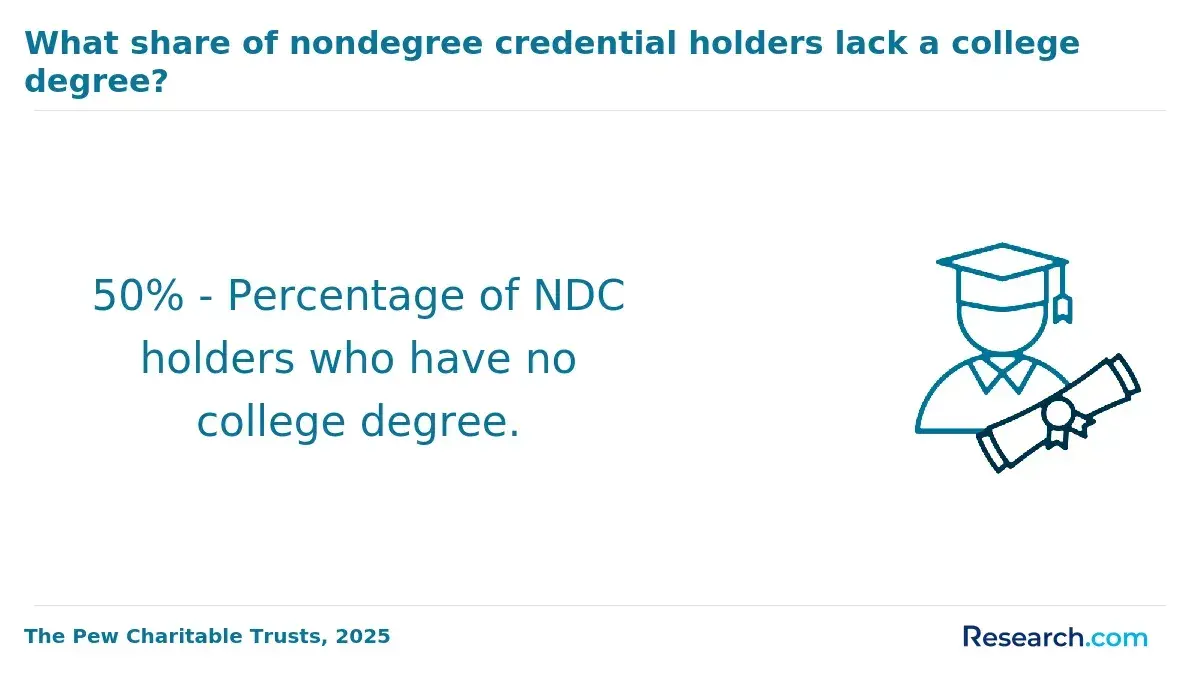
The best route to management depends on whether the professional wants to lead a school, a district function, a college department, a learning team, or an education-related business unit. Education leadership is not one ladder; it is a set of parallel ladders with different credentials and risk levels.
BLS May 2024 data places training and development managers at a median annual wage above $125,000, which helps explain why many education degree holders consider corporate learning roles when they want faster pay growth. However, private-sector mobility often depends on business fluency, technology skills, and the ability to show measurable performance improvement.
The table below compares the major leadership routes by the kind of authority they provide. This matters because a title can sound senior while still offering limited budget control, staff supervision, or promotion leverage.
| Leadership route | Common management roles | Leadership authority | Best advantage | Main limitation |
| School administration | Assistant principal, principal, district director | Staff supervision, school operations, compliance, family engagement, budget input | Clear leadership identity and direct institutional influence | Licensure requirements and limited openings can slow promotion |
| District curriculum leadership | Instructional coordinator, curriculum director, assessment director | Curriculum standards, teacher training, assessment systems, instructional strategy | Strong influence without always managing a full school building | Advancement may depend on district size and political skill |
| Higher education administration | Assistant director, director, dean of students, enrollment leader | Program operations, student services, enrollment, advising, compliance | Multiple functional ladders across colleges and universities | Senior roles often require graduate degrees and institutional experience |
| Corporate learning and development | Learning manager, training director, talent development leader | Team leadership, training budgets, enterprise learning strategy, workforce capability | Strong pay ceiling and mobility across industries | Requires business metrics and stakeholder management beyond traditional education skills |
| Education technology | Implementation manager, product manager, customer success director | Client success, product adoption, partnerships, platform strategy | High-growth roles for educators with technology and project skills | Less predictable job stability than public education roles |
| Nonprofit and workforce education | Program manager, education director, executive director | Program design, grant outcomes, staff leadership, community partnerships | Broad leadership experience early in the career | Budgets may be constrained and grant-dependent |
School administration is often the clearest route for educators who want formal authority over people, policy, and operations. Curriculum leadership is better for educators who want instructional influence without taking on the full operational burden of a principalship. Corporate learning and education technology are better for those who want broader mobility outside school systems and are comfortable proving value through performance metrics.
Education degree graduates are often strong communicators, facilitators, and relationship builders. For promotion, however, employers usually look for additional proof: the ability to improve outcomes, lead adults, manage projects, use data, and make decisions under constraints.
BLS labor-market descriptions increasingly emphasize technology-enabled instruction, assessment, and workforce training. For education professionals, that means digital fluency is no longer optional if they want to compete for instructional design, curriculum, and learning leadership roles.
The following skill groups are especially important because they translate classroom or student-support experience into leadership evidence:
- People leadership: mentoring peers, leading teams, facilitating difficult conversations, coaching underperforming staff, and building trust across departments.
- Data and assessment: using attendance, retention, learning outcomes, test data, course completion, or training-performance metrics to improve programs.
- Project management: planning curriculum rollouts, coordinating accreditation work, managing timelines, and aligning stakeholders.
- Budget and resource judgment: understanding staffing, materials, technology, vendor contracts, and cost-benefit trade-offs.
- Instructional technology: using learning management systems, authoring tools, accessibility practices, AI-supported design, and analytics dashboards responsibly.
- Change management: helping teachers, students, parents, employees, or faculty adopt new systems without losing trust or quality.
- Compliance and documentation: understanding special education rules, FERPA, accreditation expectations, grant reporting, workplace training records, or state licensure requirements.
AI is changing the skill mix but not replacing the need for education judgment. Educators who can evaluate AI-generated content, protect student privacy, adapt materials for accessibility, and measure whether tools actually improve learning will be more competitive than candidates who only know how to use the newest platform.
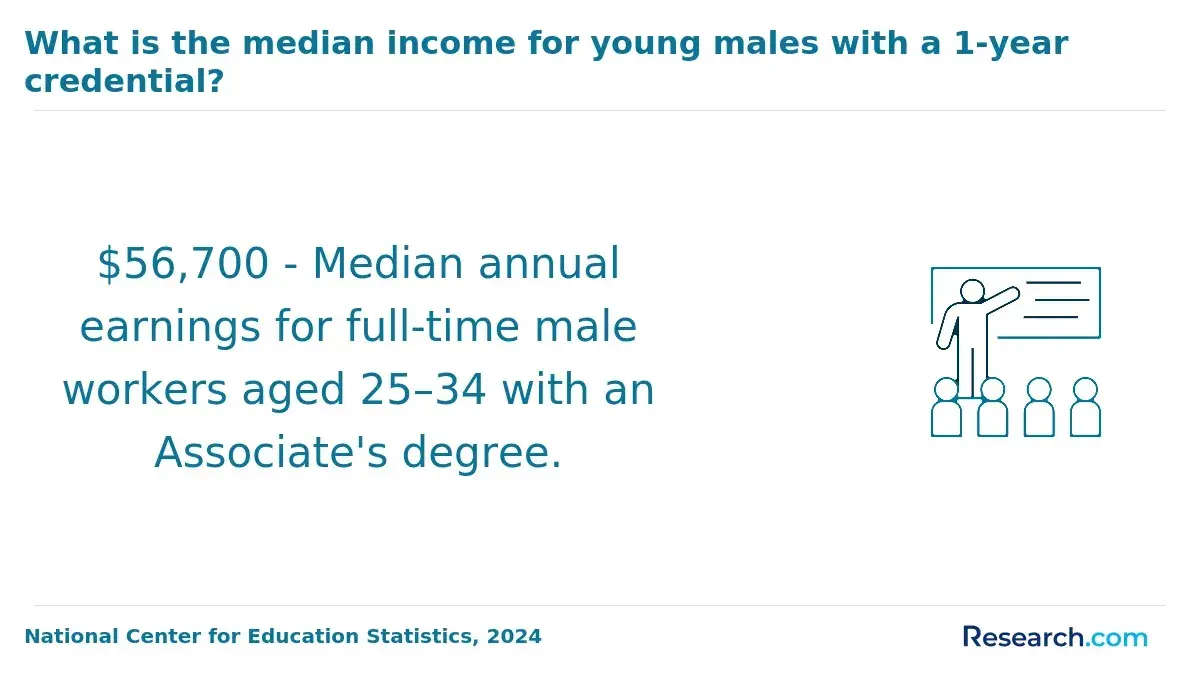
Advanced degrees and certifications can improve leadership potential, but only when they match the role the professional wants. A master's in educational leadership can be valuable for a principal track, while a curriculum and instruction degree may fit instructional coordinator roles better.
For corporate learning roles, project management, instructional design, analytics, and industry-specific credentials may matter as much as another education degree.
According to BLS education profiles, many administrative and specialist roles require or prefer graduate education, especially in school leadership and higher education administration. The practical takeaway is that graduate school should be tied to a target ladder, not pursued simply because a promotion feels overdue.
The table below compares common credentials by the promotion problem they help solve. It helps readers avoid spending time and money on credentials that do not match their desired leadership route.
| Credential or degree | Best for | Promotion value | Limitation |
| Master's in educational leadership or administration | Assistant principal, principal, district administration | Often essential for school administrator licensure and formal leadership eligibility | Requirements vary by state and district |
| Master's in curriculum and instruction | Instructional coach, curriculum specialist, instructional coordinator | Signals expertise in curriculum design, assessment, and teacher development | May not qualify someone for principal roles without administrator licensure |
| Master's in higher education administration | Student affairs, enrollment, advising, academic operations | Useful for director-level and dean-track administrative roles | Experience and institutional relationships remain highly important |
| Doctorate in education or related field | Senior district roles, research leadership, executive administration, some faculty-adjacent roles | Can strengthen credibility for high-level leadership and policy work | Time, cost, and opportunity cost should be weighed carefully |
| Instructional design certificate | Learning design, online education, corporate training | Builds practical portfolio evidence and tool fluency | Less powerful without projects showing measurable learning impact |
| Project management or analytics credential | Program management, learning operations, edtech, workforce training | Shows readiness to manage timelines, stakeholders, and data-informed decisions | Does not replace education expertise or leadership experience |
Education professionals who want to teach or lead in specialized health-professions education may need field-specific credentials in addition to education training. For example, comparing PharmD online programs can help prospective pharmacy educators understand how professional doctorate preparation differs from general education leadership preparation.
A smart credential decision starts with job postings. If the next three roles on the desired ladder consistently require principal licensure, a master's in educational leadership may be the right move. If the postings emphasize learning platforms, adult learning, analytics, and stakeholder management, a shorter professional credential plus a portfolio may create faster mobility.
The best mix of pay growth and promotion potential usually comes from roles that combine education expertise with management responsibility, organizational impact, and transferable skills. Classroom teaching can provide stability and mission fit, but the pay ceiling is often tied to salary schedules rather than rapid promotion.
BLS May 2024 wage data shows that management roles in education-adjacent fields often sit above frontline teaching roles. This does not mean every individual will earn more by changing tracks, but it does show why leadership, training management, and administration can create stronger long-term compensation potential.
The table below summarizes the relative pay-growth and promotion potential of common education career paths. It is meant as a decision guide, not a salary guarantee, because pay varies by state, district, institution, union contract, employer size, and experience.
| Career path | Pay-growth potential | Promotion potential | Best reason to choose it | Best reason to avoid it |
| K-12 teaching | Moderate | Moderate | Strong student impact, stable ladder, summer schedule in many districts | Advancement may be slow without leadership roles or additional credentials |
| Special education leadership | Moderate to strong | Strong | High-value compliance and intervention expertise | Can involve heavy documentation and workload pressure |
| School administration | Strong | Strong | Clear leadership authority and higher median pay than teaching roles | High accountability, licensing requirements, and difficult personnel decisions |
| Curriculum and instructional coordination | Moderate to strong | Strong | Influence over learning quality without managing an entire school | Fewer openings in small districts |
| Higher education administration | Moderate to strong | Moderate to strong | Multiple functional ladders in advising, enrollment, student affairs, and operations | Senior roles may require advanced degrees and long institutional experience |
| Corporate learning and development | Strong | Strong | Transferable across industries and often tied to business priorities | Requires comfort with corporate metrics and changing business needs |
| Education technology or consulting | High but variable | High but variable | Fast skill growth and broader business leadership opportunities | Less predictable stability than public-sector roles |
Healthcare workforce education can be especially attractive for education professionals who want a stronger pay-growth path while staying close to learning, compliance, and professional development. Readers comparing health education management roles may also review master in health information management salary information to understand how management pay can shift when education skills are paired with healthcare data and operations expertise.
The strongest overall mobility choice is usually not the single highest starting salary. It is the path that creates repeatable evidence of leadership: improved outcomes, successful program launches, supervised teams, managed budgets, and decisions that affected more than one classroom or course.
Internal promotion is often better when the organization has a visible ladder, supportive supervisors, funded professional development, and a history of promoting from within. Changing employers is often better when the current organization has flat staffing, opaque promotion rules, weak leadership development, or no role that matches the professional's next step.
In education, internal mobility can be powerful because credibility matters. A teacher known for strong instruction, collaboration, and student outcomes may be a natural candidate for department chair or instructional coach. The same person may struggle to jump directly into administration at another district without a credential or management evidence.
Changing employers can accelerate mobility when the professional has outgrown the current structure. Moving from a small school to a large district, from advising to enrollment operations, or from teaching to corporate learning may create levels that simply did not exist before.
Before deciding, education degree holders should compare the two options using these practical questions:
- Has anyone in my current role been promoted into the role I want within the past two to three hiring cycles?
- Does my supervisor know my target role, and have they identified specific gaps I must close?
- Will staying give me budget, project, mentoring, or data responsibilities that strengthen my promotion case?
- Would a new employer offer a better title only, or would it also offer broader authority and measurable leadership experience?
- Am I leaving because the ladder is blocked, or because I have not yet built the skills required for the next level?
A common mistake is changing employers for a small salary bump while moving into a role with no clearer ladder. Another mistake is staying too long in a supportive workplace that cannot offer the next level of responsibility. The better decision is the one that improves both capability and visibility.
Promotion barriers in education are often structural, not personal. Many schools and colleges have narrow hierarchies, fixed salary schedules, state licensure rules, budget constraints, and limited leadership seats. A strong educator can still hit a ceiling if the organization has no available role above them.
The most important red flags are the ones that prevent measurable leadership growth. Identifying them early helps education degree holders avoid spending years in roles that build experience but not advancement power. Consider the following:
- No visible ladder: If the employer cannot describe the next two roles after your current one, promotion may depend on vacancies rather than planning.
- Title inflation: A "lead" title without staff supervision, project authority, budget input, or decision rights may not improve mobility.
- Credential mismatch: A teacher pursuing a curriculum credential may not become eligible for principal roles if state administrator licensure is required.
- Weak outcome evidence: Promotions are harder when candidates cannot show improvements in learning, retention, engagement, compliance, or operational performance.
- Over-specialization too early: Narrow expertise can be valuable, but it may limit leadership options if the professional never gains cross-functional experience.
- Ignoring politics and communication: Education leadership requires trust-building with teachers, families, students, administrators, boards, and community partners.
- Assuming longevity equals readiness: Years of service can help, but leadership roles usually require evidence of impact beyond time in position.
Another barrier is burnout. Ambitious education professionals sometimes volunteer for every committee, mentoring assignment, curriculum project, and event. That can build visibility, but without boundaries it can also reduce performance and make leadership feel unsustainable. The better approach is to choose projects that align with the target role and produce evidence the candidate can document.
Equity and access also matter. Not every educator has the same access to mentoring, sponsorship, flexible scheduling, or employer-funded credentials. When evaluating a promotion path, readers should ask whether the employer provides transparent criteria and development opportunities for all qualified candidates, not just informal favorites.
A five-year promotion plan should connect the current role to a specific next role, then build the evidence required to be selected. The plan should be flexible, because licensure rules, district openings, higher education hiring, and private-sector demand can change.
The sequence below gives education degree holders a practical way to turn a general ambition into measurable progress:
- Choose a target ladder: Decide whether the goal is school leadership, curriculum leadership, higher education administration, corporate learning, education technology, nonprofit leadership, or another education-adjacent track.
- Collect job postings for the next two roles: Identify recurring requirements for degrees, licensure, supervision, data systems, learning platforms, budgets, and years of experience.
- Build one promotion asset each year: Examples include leading a curriculum rollout, mentoring new staff, improving a student success metric, managing a training project, or presenting program results to leadership.
- Add the right credential only when the target role requires it: Match graduate study, licensure, or certificates to the roles you actually plan to pursue.
- Ask for stretch assignments with decision rights: Prioritize projects that involve planning, stakeholder coordination, evaluation, or supervision rather than unpaid extra tasks with no leadership value.
- Create a results portfolio: Track outcomes, artifacts, presentations, training materials, dashboards, evaluation summaries, and supervisor feedback that demonstrate impact.
- Review the employer ladder annually: If the organization cannot offer the next step, begin networking with districts, universities, nonprofits, healthcare employers, or learning teams that can.
Career planning should also include adjacent fields that keep the educator's strengths relevant. For example, physical education teachers, wellness coordinators, and youth program leaders may compare the best online kinesiology programs if they want to move toward health education, athletic administration, wellness programming, or community fitness leadership.
The five-year mark is useful because it is long enough to gain evidence but short enough to prevent career drift. If a role has not produced stronger responsibility, clearer leadership exposure, or better promotion eligibility after several years, it may be time to change the role, employer, credential strategy, or career track.
Employer type can either expand or cap mobility. A small school may offer early responsibility but few levels above the starting role, while a large district, university system, healthcare organization, or corporate employer may offer more specialized departments and clearer ladders.
The table below compares advancement conditions across common employers for education degree holders. It helps readers evaluate not just the job title, but the size and structure of the organization behind it.
| Employer or industry | Mobility strength | Best advancement path | Trade-off |
| Large public school districts | Strong | Teacher leader, instructional coach, assistant principal, principal, district office | Structured requirements can slow movement, but ladders are more visible |
| Small districts or individual schools | Moderate | Department chair, coordinator, assistant principal | Broader duties may build experience, but fewer leadership seats may exist |
| Charter school networks | Moderate to strong | Lead teacher, dean, school leader, network academic role | Promotion may be faster, but expectations and workload can vary significantly |
| Colleges and universities | Moderate to strong | Advisor or coordinator to assistant director, director, dean-level administration | Advancement may require a master's or doctorate for senior leadership |
| Healthcare, insurance, and compliance-heavy employers | Strong | Trainer, learning specialist, compliance education manager, learning director | Requires comfort with regulation, documentation, and technical subject matter |
| Technology and education vendors | High upside | Implementation, customer success, product, partnerships, consulting leadership | Roles can be affected by funding cycles, sales performance, and product strategy |
| Government and nonprofit workforce programs | Moderate | Program coordinator, program manager, education director | Mission alignment is strong, but budgets may limit compensation growth |
Healthcare employers are worth special attention because they often need educators who can translate complex procedures, compliance standards, and workforce training into usable learning programs. Education professionals exploring adjacent healthcare training careers may compare options such as fast track LPN programs online to understand how clinical credentials and education roles can intersect in workforce development.
The strongest employers for mobility tend to share a few characteristics: multiple job levels, budget for professional development, transparent promotion criteria, internal job postings, and leaders who promote from within. If those features are missing, a role may still be meaningful, but the candidate should treat it as a skill-building step rather than a long-term promotion home.
Other Things You Should Know About Education Career Mobility
School administration, curriculum leadership, higher education administration, corporate learning and development, and education technology usually offer the strongest promotion potential. The best choice depends on whether the professional wants to manage people, lead instructional strategy, oversee student services, or move into private-sector learning roles.
Yes. Teachers can move into leadership through department chair, mentor teacher, instructional coach, curriculum specialist, assessment coordinator, teacher leader, or professional development roles. These paths can provide influence without the full operational responsibility of a principalship.
It can, especially for school administration, curriculum leadership, counseling-related roles, and higher education administration. However, the degree should match the target role. Some corporate learning or edtech roles may reward portfolio work, project management, analytics, and technology skills as much as another graduate degree.
Staying in a school system can be better for educators who want public-sector leadership, licensure-based advancement, and direct school impact. Corporate training may offer broader pay growth and faster mobility, but it requires business metrics, stakeholder management, and comfort with organizational performance goals.
See What Experts Have To Say About Studying Education
Read our interview with Education experts


Alan J. Singer
Education Expert
Professor of Teaching, Learning and Technology
Hofstra University

- An Overview of Specialization Options in Education Degrees https://www.euroeducation.net/articles/an-overview-of-specialization-options-in-education-degrees.htm
- Why Choosing the Right Certifications Can Help Your Career https://www.managementconcepts.com/resource/why-choosing-the-right-certifications-can-define-and-accelerate-your-career/
- The Certification Advantage: How Credentials Drive Career Growth https://courses.msicertified.com/blog/the-certification-advantage-how-credentials-drive-career-growth
- Certificate vs. Endorsement: What’s the Difference? - Graduate Programs for Educators https://www.graduateprogram.org/blog/certificate-vs-endorsements-whats-the-difference/
- 6 Best Career Opportunities in Educational Leadership https://www.manchester.ac.ae/blog-post/6-best-career-opportunities-in-educational-leadership
- Educational Leadership Career Planner https://www.snu.edu/educational-leadership-career-planner