2027 Education Degree Metro Opportunity Report: Cities With the Best Mix of Pay, Openings, and Growth

Co-Founder and Chief Data Scientist
Choosing where to use an Education degree can change your salary, job options, and long-term mobility. BLS data shows education, training, and library occupations had a May 2024 median annual wage of $59,220, and federal projections estimate about 868,000 openings each year from replacement needs and growth.
This report is for future teachers, instructional designers, school counselors, education administrators, training specialists, and recent graduates comparing metros by pay, job volume, and projected demand so they can target cities where opportunity is strongest.
Key Things You Should Know
- Best overall opportunity: New York, Los Angeles, Washington, Boston, Dallas, Chicago, Atlanta, Phoenix, Houston, and Seattle offer the strongest combined mix of large education employment bases, broad employer diversity, and durable hiring channels.
- Best pay prospects: San Francisco, San Jose, Seattle, Boston, Washington, New York, Los Angeles, and Riverside tend to stand out for higher education-related wages, but housing costs can reduce the real advantage.
- Best growth signals: Phoenix, Dallas, Austin, Raleigh, Charlotte, Orlando, Nashville, Las Vegas, and Salt Lake City benefit from population growth, school expansion, workforce training demand, and newer education-technology ecosystems.
- Which Cities Offer the Best Overall Job Opportunities for Education Degree Graduates?
- What Are the Highest-Paying Metropolitan Areas for Education Degree Holders?
Which Cities Offer the Best Overall Job Opportunities for Education Degree Graduates?
The best overall metro for an Education degree is usually not the city with the single highest salary. A stronger decision combines three factors: what employers pay, how many education-related roles exist, and whether the region is likely to keep adding students, schools, training programs, or learning-support jobs.
This report treats "Education degree graduates" broadly. The relevant labor market includes classroom teachers, special education teachers, preschool and childcare educators, school counselors, instructional coordinators, education administrators, librarians, corporate trainers, learning designers, curriculum specialists, academic advisors, and education-technology support roles. Pay and licensing can vary sharply by occupation, so use the rankings as a metro screening tool rather than a guaranteed outcome.
The table below summarizes metros that offer the strongest overall mix. It is designed to help readers compare opportunity types, not to imply that every Education role pays the same or has the same licensure requirements.
| Overall opportunity tier | Metro area | Why it stands out for Education degree holders | Best fit |
| Top national market | New York-Newark-Jersey City | Very large public school systems, private schools, universities, museums, nonprofits, tutoring companies, and education-technology employers create unusually deep hiring volume. | Candidates who want maximum employer choice and can manage high living costs. |
| Top national market | Los Angeles-Long Beach-Anaheim | Large K-12 systems, community colleges, universities, bilingual education demand, entertainment learning roles, and nonprofit youth programs support a broad market. | Teachers, counselors, arts educators, language educators, and higher education staff. |
| Top national market | Washington-Arlington-Alexandria | Federal agencies, school districts, associations, contractors, universities, and policy organizations create education roles beyond classroom teaching. | Education policy, training, instructional design, research, and administration. |
| High-value education hub | Boston-Cambridge-Newton | Dense higher education, research, private schools, health education, and learning-technology employers support strong wages and specialized roles. | Graduate-degree holders, higher education professionals, curriculum specialists, and EdTech candidates. |
| Large-market growth option | Dallas-Fort Worth-Arlington | Population growth, suburban school expansion, corporate training demand, and a relatively large employer base make Dallas a practical balance of openings and cost. | Early-career educators, school staff, trainers, and administrators seeking scale without coastal costs. |
| Large-market stability option | Chicago-Naperville-Elgin | A large district ecosystem, universities, community organizations, and corporate headquarters create steady education and training demand. | Candidates who want a major market with broad occupational variety. |
| Growth-market contender | Atlanta-Sandy Springs-Roswell | School expansion, universities, corporate learning teams, and a strong nonprofit sector support both classroom and non-classroom education roles. | Educators interested in K-12, higher education, workforce development, or instructional design. |
| Fast-growth Sun Belt market | Phoenix-Mesa-Chandler | Population growth and school demand make Phoenix one of the strongest relocation targets for candidates prioritizing future hiring volume. | Teachers, special education professionals, counselors, and school operations staff. |
| Large diversified market | Houston-The Woodlands-Sugar Land | Large school districts, universities, medical education, corporate training, and bilingual education needs provide multiple entry points. | Education majors who want large-market opportunity with industry diversity. |
| High-pay tech-adjacent market | Seattle-Tacoma-Bellevue | Strong wages, universities, technology employers, and training teams support education roles in schools and corporate learning. | Instructional designers, STEM educators, trainers, and higher education professionals. |
For most readers, the practical short list should include one high-volume market, one high-pay market, and one faster-growing lower-cost market. That comparison prevents a common mistake: moving for salary alone and discovering that housing, licensure delays, or limited entry-level openings weaken the expected benefit.
What Are the Highest-Paying Metropolitan Areas for Education Degree Holders?
The highest-paying metros for Education degree holders are often expensive coastal or technology-heavy markets. BLS May 2024 wage data shows wide metro variation across education, training, and library occupations, but the highest nominal salaries do not always produce the best lifestyle or savings rate.
The table below groups metros by pay strength and explains why pay can be higher. Readers should compare the specific occupation they want, because a school principal, special education teacher, instructional coordinator, and corporate trainer may face different wage patterns in the same city.
| Pay strength | Metro area | Why wages can be attractive | Main trade-off |
| Very high | San Francisco-Oakland-Berkeley | High regional wages, strong public-sector pay scales, universities, private schools, and technology-linked learning roles. | Housing costs can erase a large share of the salary advantage. |
| Very high | San Jose-Sunnyvale-Santa Clara | Technology employers, STEM education demand, high-income tax base, and corporate training functions support premium pay. | Intense cost-of-living pressure and competition for specialized roles. |
| High | Seattle-Tacoma-Bellevue | Strong wages across professional occupations and demand for instructional design, workforce training, and STEM education. | Higher rents and competitive job requirements for non-classroom roles. |
| High | Boston-Cambridge-Newton | Dense higher education and research ecosystem supports advanced education, academic, and curriculum roles. | Graduate credentials may be preferred for many higher-paying positions. |
| High | Washington-Arlington-Alexandria | Federal agencies, contractors, education associations, and universities create policy, training, and administrative roles. | Security, government contracting, or advanced writing skills may matter for some positions. |
| High | New York-Newark-Jersey City | Large public and private education market, universities, cultural institutions, and nonprofits create many senior and specialized roles. | High rent, commuting costs, and licensing differences across state lines. |
| High | Los Angeles-Long Beach-Anaheim | Large districts, private schools, bilingual education demand, higher education, and media learning roles support broad salary opportunities. | Traffic, housing, and district-specific hiring timelines require planning. |
When evaluating high-pay metros, compare salary schedules, online classes, employer benefits, pension rules, union agreements, and housing costs together. A slightly lower salary in Dallas, Atlanta, or Raleigh may create a stronger real-income outcome than a higher salary in the Bay Area if rent consumes the difference.
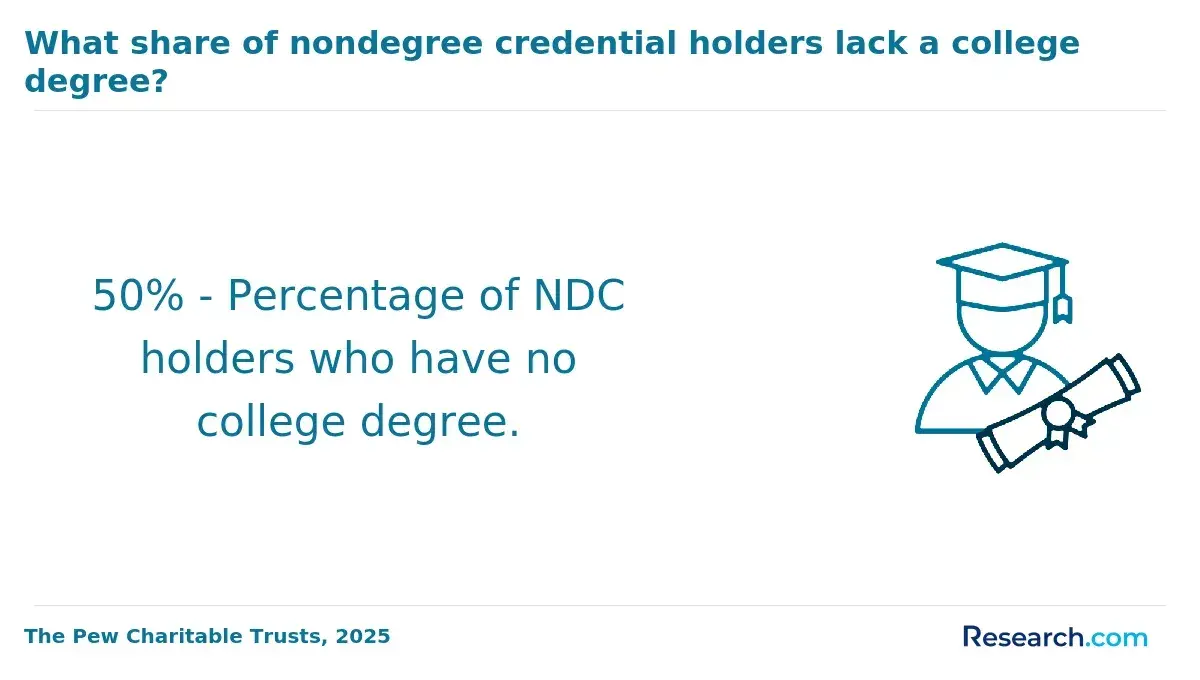
Hiring volume matters because it affects the number of schools, colleges, employers, and alternative education organizations that might consider your background. Large metros tend to offer more openings, but they can also attract more applicants and require more targeted credentialing.
The table below focuses on metros where Education degree holders are likely to find broad job volume across K-12 systems, higher education, private schools, training organizations, nonprofits, and corporate learning teams.
| Hiring-volume profile | Metro area | Where openings often come from | How to use this signal |
| Very large | New York-Newark-Jersey City | Public districts, charter networks, universities, private schools, tutoring, nonprofits, museums, and adult education. | Best for candidates who want many employer types and can search across multiple boroughs or suburbs. |
| Very large | Los Angeles-Long Beach-Anaheim | Large K-12 systems, community colleges, universities, youth programs, bilingual education, and arts education. | Best for candidates who can navigate district calendars and credential rules early. |
| Very large | Chicago-Naperville-Elgin | Districts, universities, suburban schools, workforce programs, and corporate training departments. | Best for candidates seeking a large market with many suburban alternatives. |
| Large | Dallas-Fort Worth-Arlington | Growing school districts, universities, private schools, corporate learning, and workforce training. | Best for recent graduates who want more geographic flexibility within one region. |
| Large | Houston-The Woodlands-Sugar Land | Public districts, bilingual education, universities, hospitals, energy-sector training, and community programs. | Best for educators open to school, healthcare education, and training roles. |
| Large | Washington-Arlington-Alexandria | School districts, universities, federal contractors, professional associations, and policy organizations. | Best for education majors considering policy, training, research, or administration. |
| Large | Atlanta-Sandy Springs-Roswell | Districts, universities, corporate headquarters, nonprofits, and education vendors. | Best for candidates who want a mix of K-12 and non-school roles. |
| Large | Philadelphia-Camden-Wilmington | Public schools, higher education, healthcare education, nonprofits, and suburban districts. | Best for candidates who want a major Northeast market with more varied cost options than New York. |
A useful job-opening count should come from multiple sources: district career pages, state education job boards, university HR pages, employer career sites, and job platforms. Job posts can be duplicated or left open for months, so treat posting volume as a signal of demand, not as a confirmed number of positions.
Long-term growth for Education degree careers is driven by population change, school enrollment, special education needs, adult learning, workforce reskilling, technology training, and turnover. BLS projections released in 2024 estimate about 868,000 annual openings in education, training, and library occupations, largely because many workers retire, transfer, or leave the field even when total employment growth is modest.
The strongest growth metros are often not the highest-paying metros. They are places where families, employers, and postsecondary institutions are expanding, which can create more classrooms, advising offices, training departments, and student-support teams.
| Growth signal | Metro area | Why long-term demand may be stronger | Best career angles |
| Very strong | Phoenix-Mesa-Chandler | Population growth and school expansion create ongoing need for classroom and student-support roles. | K-12 teaching, special education, counseling, school operations. |
| Very strong | Dallas-Fort Worth-Arlington | Suburban growth, employer expansion, and multiple districts create broad education demand. | Teaching, administration, corporate training, instructional design. |
| Very strong | Austin-Round Rock-Georgetown | Technology growth, university presence, and population gains support education and training roles. | STEM education, learning design, higher education, workforce training. |
| Strong | Raleigh-Cary | Research universities, technology employers, and regional population growth support education career paths. | Higher education, instructional design, STEM programs, advising. |
| Strong | Charlotte-Concord-Gastonia | Regional growth and corporate headquarters support both school and training roles. | K-12, finance training, student services, workforce programs. |
| Strong | Orlando-Kissimmee-Sanford | Population growth, hospitality training, universities, and youth services create varied demand. | Adult learning, career training, K-12, educational programming. |
| Strong | Nashville-Davidson-Murfreesboro-Franklin | Healthcare, universities, population growth, and workforce development support education roles. | Health education, student advising, training, K-12. |
| Emerging | Salt Lake City | Population growth, universities, and technology employers create demand for learning and development roles. | Instructional design, STEM education, training, student support. |
Use projected growth carefully. A fast-growing smaller metro may add fewer absolute jobs than a slower-growing large metro. The best strategy is to compare growth rate with employer count, certification requirements, and the number of entry-level postings in your exact occupation.
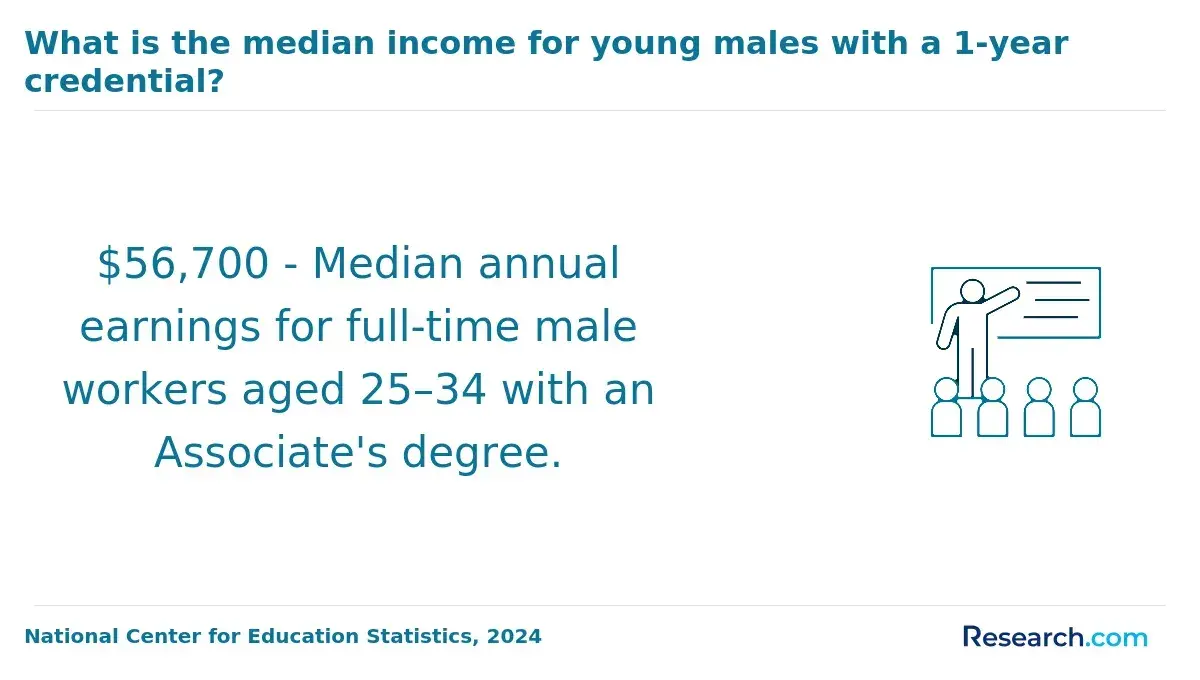
Regional demand for Education degree holders comes from more than public schools. The strongest metros usually have several demand engines operating at once, which gives workers more options if they want to move from classroom teaching into training, curriculum, advising, administration, or education technology.
These employer categories are especially important when comparing cities because they determine how flexible your degree may be within a local market.
- Public K-12 districts: The largest source of teaching, special education, counseling, instructional support, and school leadership roles in most metros.
- Charter and private schools: Important in New York, Los Angeles, Phoenix, Washington, Dallas, and Atlanta, especially for candidates who want alternative school models.
- Colleges and universities: Major demand drivers in Boston, Raleigh, Philadelphia, Washington, Chicago, and Los Angeles for advising, student affairs, academic support, and program administration.
- Healthcare systems: Hospitals and medical schools hire educators for patient education, staff training, simulation learning, compliance training, and academic program support.
- Corporate learning and development teams: Dallas, Atlanta, Charlotte, Seattle, Austin, and Washington are strong for training specialists and instructional designers.
- Education technology and curriculum vendors: Boston, Seattle, San Francisco, Austin, New York, and Raleigh offer stronger options for candidates with digital learning, assessment, and content-development skills.
Healthcare-linked education is a good example of how demand can cross fields. A metro with medical centers and universities may support teaching roles, clinical training, pharmacy education, and continuing education pathways, which is why some readers also compare adjacent options such as PharmD online programs when evaluating long-term education and health-care career mobility.
Top employers vary by metro, but readers should look for large school districts, state university systems, community colleges, children's hospitals, workforce boards, state agencies, professional associations, and learning-technology companies. A city with multiple employer types is usually safer than a city where nearly all opportunity depends on one district or one institution.
The best cities for entry-level Education degree jobs are not always the cities with the most prestigious universities or the highest salaries. Recent graduates need places with many assistant, paraprofessional, teacher residency, substitute, tutor, student support, training coordinator, and junior instructional design roles.
The following metros tend to be practical for early-career candidates because they combine hiring volume, growth, and multiple ways to enter the field.
| Metro area | Why it can work for recent graduates | Entry-level roles to watch | Possible challenge |
| Dallas-Fort Worth-Arlington | Many districts, expanding suburbs, and corporate training departments create several entry points. | Teacher resident, substitute teacher, instructional aide, training coordinator. | Certification requirements can vary by district and role. |
| Phoenix-Mesa-Chandler | Growth and school staffing needs can create openings for new educators. | Elementary teacher, special education aide, tutor, school support specialist. | Pay should be weighed carefully against housing and workload. |
| Atlanta-Sandy Springs-Roswell | Large education ecosystem with school, nonprofit, university, and corporate learning options. | Academic advisor assistant, youth program coordinator, training assistant. | Traffic and neighborhood choice can affect job practicality. |
| Houston-The Woodlands-Sugar Land | Large districts and healthcare employers support school and training pathways. | Bilingual aide, teacher trainee, patient education assistant, learning coordinator. | Commute distance and district fit matter. |
| Orlando-Kissimmee-Sanford | Population growth, hospitality training, and education programs create applied learning roles. | Career training assistant, tutor, youth educator, classroom teacher. | Some roles may be lower paid at entry level. |
| Charlotte-Concord-Gastonia | Growing employer base and suburban expansion support early-career mobility. | Instructional assistant, training coordinator, student services assistant. | Competition can rise quickly for desirable districts. |
| Philadelphia-Camden-Wilmington | Universities, districts, nonprofits, and healthcare systems create broad early-career pathways. | Student support specialist, tutor, program assistant, teaching fellow. | State-line job searches can involve different rules. |
Recent graduates should verify whether a role requires state teacher certification, a master's degree, background checks, bilingual skills, special education endorsements, or experience with learning management systems. Candidates interested in healthcare education or workforce training may also compare adjacent credential paths, including fast track LPN programs online, especially if they want to teach, coach, or train in clinical settings later.
A smart entry-level strategy is to apply across related roles rather than waiting for one perfect job title. For example, a graduate who wants to become an instructional designer may start in tutoring, training coordination, curriculum support, or learning management system administration.
Remote and hybrid work have changed the metro map for Education degree holders, but they have not made location irrelevant. Classroom teaching, counseling, school administration, and many student-services roles still depend on local licensing, district calendars, and in-person availability, while instructional design, tutoring, academic coaching, curriculum writing, and corporate training may offer more hybrid flexibility.
The biggest shift is that some candidates can now live in a lower-cost metro while applying to remote education employers based in higher-wage markets. This is most realistic for roles tied to adult learning, educational technology, online program support, assessment, learning content, and workforce training.
| Remote or hybrid opportunity | Metro areas where it matters | Roles most affected | Decision point |
| High | Austin, Seattle, Boston, San Francisco, Raleigh | Instructional designer, curriculum developer, learning technologist, training specialist. | Strong digital portfolio and LMS experience can matter as much as location. |
| Moderate to high | Atlanta, Dallas, Charlotte, Washington | Corporate trainer, education program manager, online student support, academic coach. | Hybrid roles may require occasional office or client visits. |
| Moderate | New York, Los Angeles, Chicago, Philadelphia | Tutoring, curriculum, nonprofit education, higher education administration. | Large markets offer remote roles but also high applicant volume. |
| Lower for location flexibility | Most K-12 classroom roles | Teacher, school counselor, special education teacher, school administrator. | State certification and in-person school requirements remain central. |
Hybrid work also expands opportunities in wellness, coaching, physical education, and health promotion, where online learning platforms and employer wellness programs increasingly use digital instruction. Readers exploring that side of education may find best online kinesiology programs relevant when comparing teaching, coaching, and health-education pathways.
The common mistake is assuming "remote" means "available everywhere." Before relocating, check whether the employer restricts remote hiring to certain states, whether the role requires local client visits, and whether the salary is adjusted based on where you live.
Professional networking matters in education because many roles are shaped by district relationships, university partnerships, teacher pipelines, nonprofit collaborations, conferences, and credentialing communities. The strongest metros give Education degree holders more ways to meet hiring managers, mentors, certification advisors, and peers.
The table below highlights metros with especially strong ecosystems for professional growth, not just job postings.
| Metro area | Networking strengths | Who benefits most | How to use the ecosystem |
| Washington-Arlington-Alexandria | Education associations, federal agencies, policy nonprofits, contractors, and universities. | Policy, research, training, administration, and program management candidates. | Attend association events, policy panels, and contractor hiring events. |
| Boston-Cambridge-Newton | Universities, research centers, education startups, private schools, and academic conferences. | Higher education staff, curriculum specialists, EdTech professionals, and graduate students. | Build relationships through university events, research projects, and learning-technology meetups. |
| New York-Newark-Jersey City | Large school networks, nonprofits, museums, cultural education, tutoring, and publishing. | Teachers, youth-program leaders, arts educators, and curriculum writers. | Network across boroughs, school networks, cultural institutions, and community organizations. |
| Atlanta-Sandy Springs-Roswell | Corporate headquarters, nonprofits, universities, and regional education organizations. | Training specialists, education program managers, and school professionals. | Join workforce development groups and regional education associations. |
| Raleigh-Cary | Research Triangle universities, technology employers, and education innovation networks. | Instructional designers, STEM educators, academic advisors, and higher education staff. | Connect through university partnerships, technology meetups, and research programs. |
| Austin-Round Rock-Georgetown | Technology employers, universities, startup culture, and digital learning companies. | Learning designers, trainers, STEM educators, and education entrepreneurs. | Use portfolio-based networking and local technology events. |
For networking, a smaller but focused ecosystem can beat a larger anonymous market. If you are changing careers, prioritize metros where you can attend local education events, complete field placements, volunteer with youth programs, and meet licensure or certification contacts before you apply.
Relocation should be evaluated as a career decision and a financial decision. Education jobs can be rewarding but are often tied to public budgets, local certification, commuting patterns, school calendars, and benefits structures, so the best metro on paper may not be the best metro for your life.
Use the following steps to compare metros before accepting an offer or choosing a degree program with a specific regional goal.
- Match the metro to your exact occupation: Compare data for your intended role, such as elementary teacher, school counselor, instructional coordinator, training specialist, or education administrator.
- Adjust pay for cost of living: Review rent, transportation, insurance, taxes, childcare, and commuting time before treating a higher salary as a better offer.
- Check credential portability: Teacher licensure, counseling credentials, principal certification, and special education endorsements vary by state and may require exams or supervised experience.
- Compare employer diversity: Favor metros with several districts, universities, nonprofits, and training employers rather than one dominant employer.
- Read salary schedules and benefits: Step increases, pensions, health insurance, tuition support, summer pay, and union agreements can change total compensation.
- Test the commute: A job across a large metro may look attractive until daily travel time reduces quality of life.
- Review entry-level access: A prestigious metro may have many jobs but few realistic roles for new graduates without certification or experience.
- Look for warning signs: High vacancy rates can mean opportunity, but they can also signal burnout, low pay, leadership turnover, or difficult working conditions.
Quality of life should include professional sustainability. Ask whether the metro gives you mentoring, graduate study options, advancement paths, and backup roles if you later move from classroom teaching to advising, training, technology, administration, or health education. Readers comparing adjacent healthcare administration paths can also review master in health information management salary information to understand how education, training, and health data careers can overlap.
The strongest relocation decision is usually a balanced one: a city with enough openings to enter the field, enough pay to live sustainably, enough growth to support future mobility, and enough employer diversity to avoid being locked into a single career path.
The best salary-to-cost-of-living ratio often appears outside the highest-paying metros. Education salaries are commonly tied to public-sector schedules, district budgets, state funding formulas, and union rules, while housing costs can change quickly from one metro to the next.
Current cost comparisons commonly use sources such as the 2024 C2ER Cost of Living Index, local rent measures, and regional price parity data. The table below translates those cost signals into practical metro choices rather than focusing only on nominal wages.
| Metro area | Cost-adjusted opportunity | Why it may work | What to check before relocating |
| Dallas-Fort Worth-Arlington | Strong | Large job market, expanding suburbs, and more moderate costs than many coastal education hubs. | Commute patterns, certification timelines, and district salary schedules. |
| Atlanta-Sandy Springs-Roswell | Strong | Good employer diversity and many suburban districts with different pay and cost profiles. | Neighborhood-level rent, traffic, and school-system hiring cycles. |
| Raleigh-Cary | Strong for growth-oriented candidates | Population growth, universities, and technology-linked training demand support long-term opportunity. | Whether local pay keeps up with housing growth. |
| Charlotte-Concord-Gastonia | Strong for early-career mobility | Growing region with education, corporate training, finance training, and suburban school demand. | Entry-level salary schedules and certification reciprocity. |
| Houston-The Woodlands-Sugar Land | Moderate to strong | Large districts and industry training roles create broad options with generally lower housing pressure than coastal metros. | Flood risk, commuting time, and district-by-district pay differences. |
| Indianapolis-Carmel-Anderson | Practical lower-cost option | Lower living costs can make moderate education salaries go further. | Total openings, advancement pathways, and long-term district funding. |
| San Francisco-Oakland-Berkeley | High salary but difficult ratio | Nominal wages are attractive, especially for specialized roles. | Rent, childcare, commuting, and savings potential after taxes and housing. |
| New York-Newark-Jersey City | High opportunity but uneven ratio | Huge employer base and many senior roles. | State-line licensing, commuting costs, rent, and whether benefits offset expenses. |
To compare salary-to-cost value, estimate take-home pay, subtract realistic housing and commuting costs, then compare what remains. A common red flag is accepting a higher posted salary in a costly metro without checking whether the job is year-round, whether it includes summer pay, and how quickly salary steps increase.
Other Things You Should Know About Education
New York, Los Angeles, Washington, Boston, Dallas, Chicago, Atlanta, Phoenix, Houston, and Seattle offer the strongest overall mix of large employer bases, broad education roles, and long-term opportunity. The best choice depends on your occupation, certification, experience, and cost-of-living tolerance.
San Francisco, San Jose, Seattle, Boston, Washington, New York, and Los Angeles often stand out for higher nominal education-related wages. However, those salaries are estimates by occupation and metro, not guarantees, and high housing costs can reduce real take-home value.
The largest opening volume is usually in major metros with big school systems and many education employers, including New York, Los Angeles, Chicago, Dallas, Houston, Washington, Atlanta, Philadelphia, and Boston. Job posting counts should be checked carefully because some listings are duplicated or remain open for a long time.
Compare your target occupation's salary, local certification rules, number of employers, entry-level openings, projected growth, rent, commute time, and benefits. A city with lower pay may be better if it offers lower costs, easier entry, and stronger long-term mobility.
See What Experts Have To Say About Studying Education
Read our interview with Education experts

Alan J. Singer
Education Expert
Professor of Teaching, Learning and Technology
Hofstra University


- Research That Shows How Career Education Programs Align With Regional Job Markets https://economic-mobility.wested.org/project/research-that-shows-how-career-education-programs-align-with-regional-job-markets/
- Education, housing, and U.S. economic inequality https://equitablegrowth.org/education-housing-u-s-economic-inequality/
- Where the Grads Are: Degree Attainment in Metro Areas | Brookings https://www.brookings.edu/articles/where-the-grads-are-degree-attainment-in-metro-areas/
- Labor Market Outcomes in Metropolitan and Non-Metropolitan Areas: Signs of Growing Disparities https://www.federalreserve.gov/econres/notes/feds-notes/labor-market-outcomes-in-metropolitan-and-non-metropolitan-areas-signs-of-growing-disparities-20170925.html
- Educator Pay Data 2025 | NEA https://www.nea.org/resource-library/educator-pay-and-student-spending-how-does-your-state-rank
- Cities and the returns to education https://cityobservatory.org/cities-and-the-returns-to-education/
- Rental Housing Affordability Impacts Educational and Employment Opportunities https://www.philadelphiafed.org/community-development/housing-and-neighborhoods/rental-housing-affordability-impacts-educational-and-employment-opportunities
- What Types of Education Jobs Are in High Demand Right Now? | Jobs in Education https://jobsineducation.com/blog/what-types-of-education-jobs-are-in-high-demand-right-now/
- Cities as centers of high education https://www.cdp.center/post/cities-as-centers-of-high-education