2027 A Community Listening Session Recruitment Plan: A Graduate Public Health Portfolio Project

Co-Founder and Chief Data Scientist
A listening session can reveal priorities that a survey misses, but its value depends on who has a fair opportunity to participate. For a graduate public health student, the useful portfolio deliverable is not a flyer alone: it is a recruitment plan that a community partner could review, revise, and potentially use.
This guide shows how to define the intended participants, choose accessible outreach methods, protect privacy, and document limits. It also helps you decide whether this project fits your coursework, available supervision, and career goals.
Key Things You Should Know
- A usable plan identifies who should be invited, who controls each outreach channel, how interested people can respond, and how recruitment will be monitored without collecting unnecessary personal information.
- A proposed plan is not evidence that a community was consulted; partner permission, course or site approval, and any required ethics review must be resolved before outreach begins.
- Judge the portfolio project by its feasibility, accessibility, and transparent limitations - not by the number of people who eventually attend.
What is a community listening session recruitment plan in public health?
A community listening session is a facilitated conversation intended to understand participants' experiences and priorities around a defined issue. Its recruitment plan explains how people will learn about the session, decide whether to join, and receive the information needed to participate. The plan serves the student, the community partner, and the person authorized to approve outreach; it should be usable before anyone is contacted.
Scope the portfolio artifact around a specific decision, such as how a local organization might invite residents to discuss barriers to a proposed service. Name the geographic area or community of interest without implying that any individual speaks for everyone in it. State whether the session is for program planning, evaluation, or a research study, because those purposes can trigger different consent and oversight requirements.
A strong draft contains a purpose statement, eligibility and exclusion criteria, a stakeholder and outreach-channel map, invitation language, accessibility arrangements, a response and reminder process, a recruitment tracking method, a contingency plan, and an approval log. Mark each element proposed until a partner or supervisor authorizes it. Students who want to learn these skills without committing to graduate study can also compare public health undergraduate degree options online; the appropriate credential depends on the work they hope to do, not on this artifact alone.
How do you recruit participants for a public health community listening session?
Start with the question the session is meant to inform, then work with a partner to identify whose perspectives could change the decision. Convenience recruitment through one email list may be fast, but it can systematically miss people who do not use that service or trust its sponsor. A listening session is not a representative survey: the goal is to make participation credible and accessible while documenting whose views may still be absent.
Build the proposed recruitment workflow in this order so a reviewer can see where permission and participant choice enter the process:
- Define eligibility and intended perspectives. Specify relevant experience, location, and age boundaries only where the project needs them; avoid treating demographic categories as substitutes for lived experience.
- Ask partners which channels are appropriate. Compare trusted community messengers, existing services, printed notices, and digital outreach; obtain permission before using a partner's name, contacts, or space.
- Draft a plain-language invitation. Explain the topic, time commitment, location or remote format, accessibility options, how to express interest, and that joining is voluntary. Describe compensation only if it is approved and available.
- Separate interest from attendance. Assign responsibility for replies and reminders, limit access to contact details, and explain when those details will be deleted under applicable policy.
- Monitor gaps and adjust. Track outreach channels, responses, and attendance in the least identifiable form that serves the project; discuss underreached groups with the partner before changing tactics.
Set a stopping point tied to the session date and partner capacity, not a claim that enough voices have made the findings representative. Record declined invitations only if there is an appropriate reason to do so. If the purpose shifts toward a formal participant study, seek guidance on research recruitment and oversight rather than reusing a community-planning invitation unchanged. That distinction matters more than advanced quantitative training; someone considering working-professional pathways into biostatistics study should not mistake analysis skills for authorization to recruit people.
What public health degree prepares students to design community engagement projects?
An MPH with substantive community assessment, program planning, and applied practice opportunities is often a direct fit. An MS may fit when the intended work is primarily qualitative or mixed-methods research. Neither degree substitutes for a relationship with a community partner, and a supervised project may be more valuable for this goal than a concentration title alone. Compare MPH and related public health graduate pathways against the work you actually want to perform.
The distinctions below help you avoid choosing a longer program solely to produce one recruitment plan.
| Pathway | Best fit for this goal | Important limitation |
| Practice-oriented MPH | Planning and improving community-serving programs with supervised applied work | Partner access and project approval still vary by program |
| Research-oriented MS | Studying recruitment or community perspectives through formal research methods | Research training may not emphasize implementation with a local organization |
| Targeted course or supervised project | Learning to draft an outreach tool when a new degree is unnecessary | May offer less structured feedback or broader public health preparation |
Ask a prospective program to show where students learn partnership ethics, receive feedback on recruitment materials, and secure approved projects. If you already work for a community organization, ask whether a project at your workplace is eligible; employment alone does not establish academic approval or independent supervision.
Check institutional accreditation and public health-specific accreditation separately. The Council on Education for Public Health (CEPH) accredits eligible schools and programs of public health; its status does not automatically cover every degree offered by an institution. Confirm the named unit, degree, and current status in CEPH's directory and with the program before relying on an accreditation claim.
For this project, accreditation is a starting filter, not proof that a particular instructor, placement, or listening session is available. Ask how the program assesses community engagement and applied work, which office approves a site, and whether the proposed portfolio artifact could meet a specific course requirement. Doctoral programs raise different questions about project scope and career aims; a public health doctorate career value guide is relevant only if your intended responsibilities extend well beyond designing this recruitment tool.
Look for learning that connects community assessment, qualitative interviewing or facilitation, program planning, health communication, and research or practice ethics. A useful sequence begins with defining a decision and identifying stakeholders, moves to accessible invitation design, and ends with supervised revision. Basic evaluation skills help you specify what the recruitment log can show - such as which channels generated responses - without claiming that attendance measures community opinion.
Ask to see actual assignments rather than assuming a course title covers recruitment. For example, does the course require a partner-reviewed plan, a reflexive account of the student's relationship to the community, or feedback on language accessibility? If your longer-term aim is participant recruitment for epidemiologic research rather than a practice listening session, methods and oversight expectations may differ substantially.
Pursuing that route also changes the funding decision; guidance on reducing epidemiology doctorate costs through assistance belongs in that separate calculation, not in the budget for this portfolio artifact.
Either format can support a draft recruitment plan. Actual community outreach depends on approved partner access, supervision, scheduling, and the rules governing communication and data storage. An online student may still need live meetings across time zones or local fieldwork; an on-campus student may still lack an appropriate partner. Compare project requirements, not delivery labels alone, when reviewing efficient public health degree pathways and earnings.
Before enrolling or proposing the project, ask who finds partners, whether remote engagement is permitted, who reviews invitation materials, and how revisions are assessed. If access is uncertain, agree with faculty on a clearly labeled hypothetical plan using public information. That is an honest portfolio piece, but it must not be presented as approved outreach or a completed listening session.
Requirements vary by degree and institution. MPH applicants generally need a qualifying prior degree and must submit the materials the specific program requests; an unrelated undergraduate major does not automatically rule them out. A research-intensive MS may expect more quantitative or methods preparation. Verify prerequisites, application documents, deadlines, test policies, and any experience expectations directly with each program rather than treating a typical checklist as universal.
Use the proposed recruitment plan to demonstrate reasoning only if the application permits a writing sample or project description. Explain what you designed, what remains unapproved, and how you would seek community feedback. If academic performance is a concern, review advice on explaining a low GPA in public health graduate admissions, then ask programs how they evaluate later coursework and relevant experience; neither a strong portfolio draft nor an explanation guarantees admission.
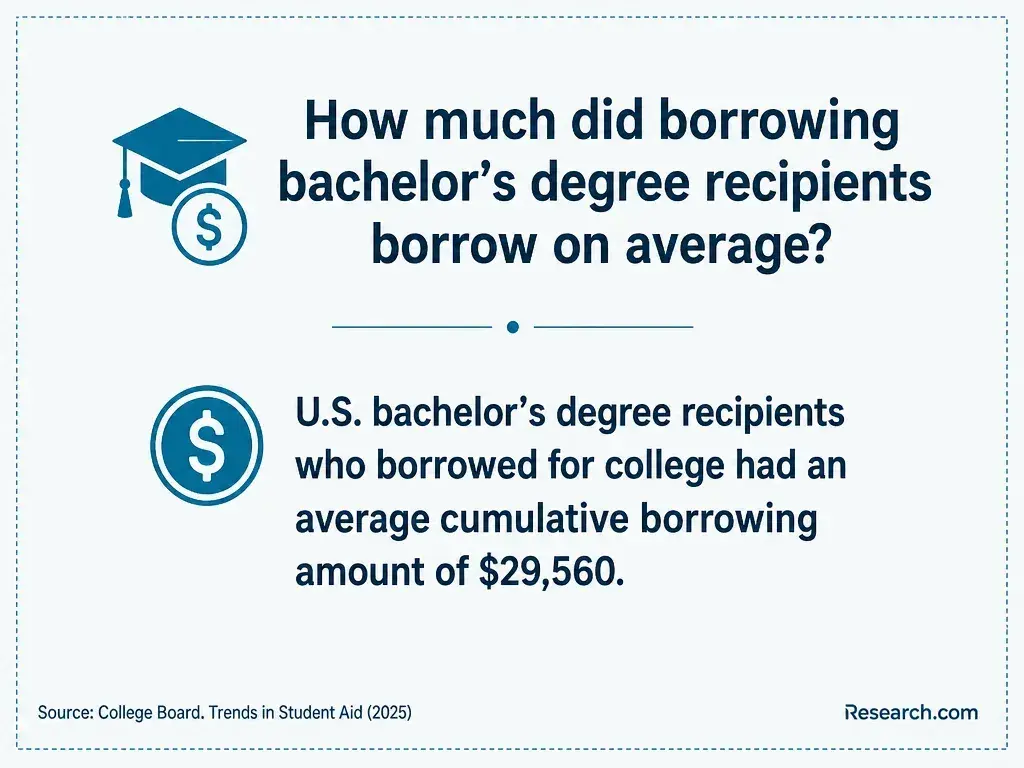
Completion time and total cost depend on the program's required credits, enrollment pace, tuition basis, fees, and any fieldwork or travel. A recruitment-plan portfolio project can fit within a course, but partner review and approval may take longer than writing the document. Do not assume the lowest advertised tuition produces the lowest total cost: compare remaining credits, required visits, placement expenses, and the effect of reduced work hours.
Request a term-by-term cost estimate and a sample project timeline from each school. Clarify whether an employer project is allowed and whether assistance applies at your planned enrollment intensity. Inexpensive online public health master's options can help form a shortlist, but confirm current charges and project rules with the institutions before making a financial decision.
A well-documented plan can provide evidence for community engagement coordinator, health education, program assistant, or evaluation support applications. Show the employer your decision process: how you identified potentially missing perspectives, negotiated channel permissions, drafted accessible language, and set privacy boundaries. Label the artifact as proposed, partner-reviewed, or implemented according to what actually occurred. Do not include contact lists, identifiable responses, or confidential partner materials in a public portfolio.
The project does not by itself qualify someone to lead research recruitment, manage a public health department, or hold a regulated clinical role. For an early-career applicant, supervised implementation and thoughtful revision usually add stronger evidence than a polished template alone. A research career may call for substantially different training; compare that aim and its funding implications with a public health PhD affordability guide rather than treating a PhD as the default next step after an MPH project.
What salaries and job outlooks are available in public health careers?
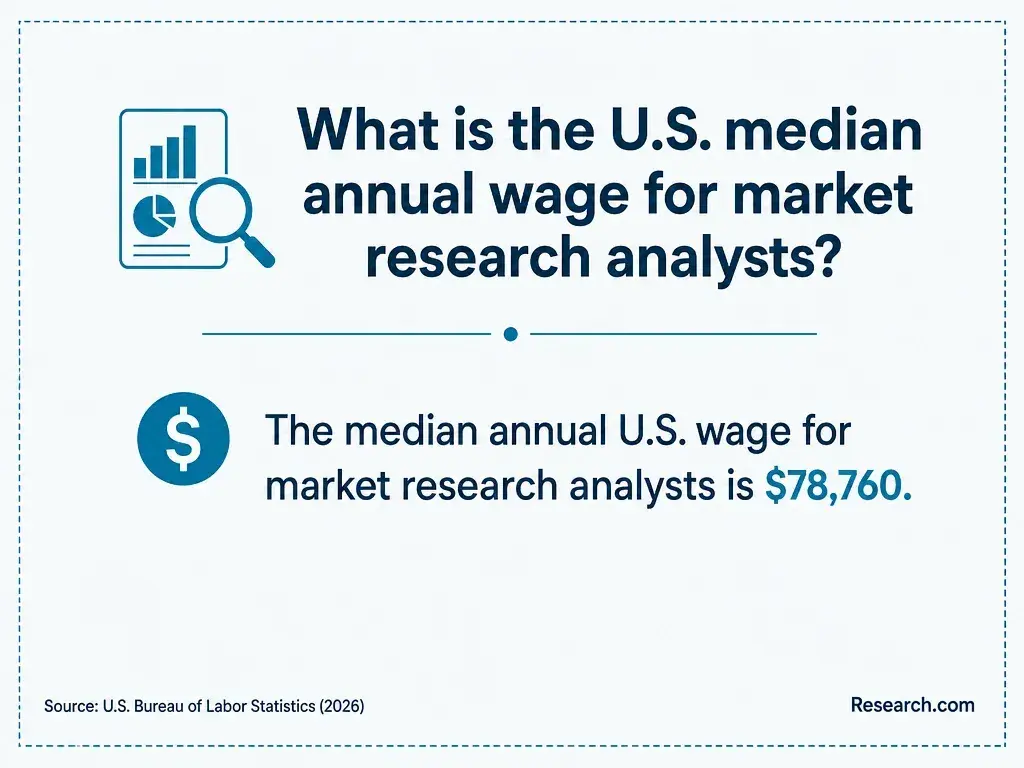
The US Bureau of Labor Statistics reports occupational wages and projections for roles such as health education specialists and community health workers, not salaries earned by people who complete listening session projects. Match the occupation to the duties you seek: planning health education programs differs from supporting outreach and connecting people with services. Location, employer, experience, and job classification can matter more to an offer than the portfolio artifact.
Use the latest Occupational Outlook Handbook entry for the occupation, then compare its national median and projection period with local job postings and their stated qualifications. For degree-level context, salary planning for MPH graduates can inform questions to ask, but neither occupational medians nor degree-wide estimates predict your individual pay. The most defensible next step is to identify target openings and check whether they request community recruitment experience, evaluation skills, an MPH, or some combination.
Other Things You Should Know About Public Health
Only if the approved procedures support that promise. Explain who will have access to notes or recordings, how comments may be reported, and any limits to confidentiality in language participants can understand.
Both involve facilitated discussion, but the labels do not determine purpose or oversight. Describe what participants will do and how their input will be used instead of relying on the label.
Get the organization's permission first. Remove identifying details where necessary and distinguish your contribution from materials created by its staff.
Ask your instructor whether a hypothetical plan is acceptable. Use a defined scenario, state your assumptions, and leave partner-dependent choices explicitly unresolved rather than inventing consultation.
- Informed Consent FAQs | hhs.gov https://www.hhs.gov/ohrp/regulations-and-policy/guidance/faq/informed-consent/index.html
- How to obtain informed consent for research - PMC - NIH https://pmc.ncbi.nlm.nih.gov/articles/PMC5980471/
- Recruitment: Developing Effective Outreach Systems | HeadStart.gov https://headstart.gov/ersea/ersea-insights/recruitment-developing-effective-outreach-systems
- Elements of an Evaluation Plan | Agency for Healthcare Research and Quality https://www.ahrq.gov/talkingquality/assess/evaluation-plan.html
- TCPS 2 (2022) - Chapter 3: The Consent Process https://ethics.gc.ca/eng/tcps2-eptc2_2022_chapter3-chapitre3.html
- Guide for Conducting Listening Sessions | NCCCP https://www.cdc.gov/comprehensive-cancer-control/php/listening-sessions-guide/index.html
- Participant Recruitment for Research | AHRQ https://digital.ahrq.gov/participant-recruitment-research
- Community Listening Session Tool Kit | northreadingma.gov https://www.northreadingma.gov/DocumentCenter/View/3202/Community-Listening-Session
- Participant Recruitment | virginia.edu https://hrpp.research.virginia.edu/teams/irb-sbs/researcher-guide-irb-sbs/participant-recruitment
- Section 2. Understanding and Describing the Community | ku.edu https://ctb.ku.edu/en/table-of-contents/assessment/assessing-community-needs-and-resources/describe-the-community/main