
2027 Best Education Degree Programs Ranking in Abilene

Co-Founder and Chief Data Scientist
If you're considering pursuing an education degree in Abilene, this article is a great place to start. It features the 2027 Best Education Degree Programs Ranking in Abilene created by the Research.com team of data scientists. The ranking is designed to help you make an informed choice by highlighting the top programs worth your attention.
Choosing the right program can shape your future and open doors to rewarding opportunities. Reading this article will give you valuable insights so you can feel confident in your decision. Embark on your educational journey with clear guidance and optimism.
Key benefits of getting education degree in Abilene
- Education degree graduates in Abilene can earn competitive salaries, such as $70,740 annually for elementary school teachers and $76,000 for special education teachers, offering financial stability and rewarding career options.
- Graduates from local colleges often enjoy diverse career paths including teaching, instructional design, and early childhood education, enabling them to impact students at various levels and settings.
- Online education degrees from Abilene institutions provide flexible learning schedules and convenient access, helping students balance work and study while gaining credentials that lead to meaningful jobs.
- 2027 Best Education Degree Programs Ranking in Abilene
- What can I expect from education degree in Abilene?
- Where can I work with education degree in Abilene?
What can I expect from education degree in Abilene?
The average cost of pursuing an education degree in Abilene typically ranges between $25,000 and $34,000 per academic year, depending on the institution. For example, graduates from Abilene Christian University often recall the value of their $34,000 tuition, which covered not only classroom instruction but extensive hands-on experiences within local schools. These practicums, integrated with teaching in Abilene Independent School District, create a dynamic learning environment that often feels worth every dollar spent.
At McMurry University, where tuition averages closer to $25,000, students appreciate the balance between affordability and quality, especially given the direct partnerships with nearby schools that facilitate real classroom immersion. Graduates frequently highlight the joy of developing lesson plans and managing classrooms while still in school, making the tuition feel like an investment in their personal growth and future career.
Looking ahead, as educational technology and virtual practicums evolve, costs may shift, but the strong community connections and practical training in Abilene's programs are likely to remain a cornerstone of value, ensuring students feel confident and prepared after graduation.
Where can I work with education degree in Abilene?
Graduates from Abilene Christian University and McMurry University often find themselves stepping confidently into classrooms across Abilene ISD, teaching subjects ranging from elementary education to specialized fields like math and special education. Many describe the rewarding experience of shaping young minds in familiar community schools where their efforts are deeply valued.
Others pursue leadership roles within local schools as principals or curriculum coordinators, advancing through graduate programs offered nearby. These graduates share how their work directly influences school culture and student success, fueling a strong sense of purpose.
Educational support roles, such as instructional coordinators or counselors, are also on the rise. Abilene graduates express enthusiasm about helping fellow educators refine teaching methods or supporting students' emotional growth in ways that impact the entire district.
At Hardin-Simmons University, graduates often engage in higher education services, from advising to tutoring, embracing roles that nurture college students' academic journeys. This breadth of opportunities makes an education degree in Abilene a gateway to meaningful, community-centered careers with growing potential.
Graduates with an education degree in Abilene can anticipate varied salary prospects depending on their specialization and experience. For instance, elementary school teachers in the area earn an average of $70,740 annually, reflecting steady demand within local schools. Those who focus on special education often see higher earnings, with salaries around $76,000, highlighting the value of specialized skills in today's education landscape.
Early childhood educators, another vital group shaping young minds, typically earn about $41,410 a year, offering an accessible entry point for many new graduates from popular Abilene colleges. Meanwhile, Instructional Designers who use their education expertise to create effective learning programs can command salaries near $77,200, merging pedagogical knowledge with emerging technology trends.
Graduates often share how studying in Abilene provides a supportive community, easing the transition into roles with competitive pay and career growth. The combination of local school partnerships and advancing credentials can open doors to rewarding opportunities, encouraging many to envision fulfilling careers within Abilene's evolving educational landscape.
- The average total cost for a bachelor's degree in education in Abilene ranges from $20,000 to $30,000 for in-state students.
- Graduate education programs typically cost between $8,000 and $15,000 per year.
- Starting salaries for early-career educators with a bachelor's degree are between $40,000 and $45,000 annually.
- Mid-career and experienced teachers earn approximately $50,000 to $60,000 per year.
- There is strong demand for special education teachers, early childhood educators, and secondary school specialists in Abilene.
- Programs usually include student teaching to help meet Texas certification requirements and improve job prospects.
Completing an education degree in Abilene typically takes around four years for a bachelor's degree, mirroring the experiences of many graduates from Texas A&M University-Commerce at Abilene and Abilene Christian University. Students often find the blend of coursework and hands-on teaching practice rewarding, fueling their enthusiasm for shaping future classrooms. Graduate degrees, such as a master's, usually require about two years, but some eager learners balance work and study, extending this timeline while gaining valuable real-world insights.
Looking ahead, accelerated programs in Abilene could enable students to finish their bachelor's degrees in as little as three years by embracing a fuller course load-an exciting prospect for those motivated to jumpstart their careers. Part-time options serve working professionals well, despite longer durations, allowing passionate individuals to progress steadily without sacrificing life commitments. The close-knit community feel at Abilene's institutions often leaves graduates feeling supported and optimistic about their educational journeys.
Beyond academics, the vibrant campus life in Abilene, TX plays a crucial role in shaping well-rounded educators. Students not only engage in challenging coursework but also immerse themselves in a unique social and cultural atmosphere that fosters personal growth. The experience of joining clubs, attending campus events, and participating in community outreach programs equips future educators with essential leadership and teamwork skills. Many campuses in Abilene offer student organizations and mentorship programs that enhance networking opportunities and build lasting connections. Whether it’s through academic societies, sports teams, or volunteer initiatives, students find support both inside and outside the classroom. Moreover, engaging in campus traditions and local community projects often provides a deeper understanding of the region’s culture-a factor that can directly influence one’s teaching style and success in the classroom. For those balancing education with career advancement goals, exploring flexible learning formats is key. Institutions now offer innovative, blended learning paths that allow you to maintain involvement in campus life while pursuing advanced studies. For example, if you’re looking to further hone your leadership skills, you might want to check out affordable online master’s degrees in educational leadership that combine academic rigor with the convenience of online study. Ultimately, the holistic experience available in Abilene is designed to nurture both your professional ambitions and personal interests. This immersive campus life not only enhances your educational journey but also prepares you to be an innovative and empathetic leader in today’s dynamic educational landscape.
Online and on-campus education degrees in Abilene offer distinctly different experiences that shape students' journeys in meaningful ways. Graduates from Abilene Christian University's online programs often share how the flexibility allowed them to balance family responsibilities or full-time jobs while progressing at their own pace. They describe feeling empowered by remote access to lectures and digital resources, which opens doors to education without geographic constraints.
Conversely, those enrolled in on-campus programs highlight the vibrant community atmosphere at institutions like Hardin-Simmons University. They value face-to-face interactions with professors and classmates that spark lively discussions and foster lasting friendships. Many recall hands-on teaching practicums arranged smoothly through campus partnerships with local Abilene schools, enriching their practical skills more dynamically.
Looking ahead, these formats may increasingly blend, offering hybrid models that combine online flexibility with in-person immersion. For students in Abilene, this evolution promises education degrees tailored even more closely to individual lifestyles and career ambitions, turning challenges into exciting opportunities for growth and connection.
The average cost of obtaining an education degree in Abilene typically amounts to around $44,200 for in-state students, with the median total cost near $59,990 when considering out-of-state tuition and additional expenses. Graduates from institutions like Abilene Christian University often reflect on the investment as challenging yet rewarding, emphasizing how that financial commitment paved the way for fulfilling teaching careers. The total tuition fees for education programs Abilene students pursue usually include tuition, fees, and living costs, echoing what many local graduates experienced while balancing studies and part-time jobs.
Many education students at Abilene Christian University and McMurry University describe their journey as transformative despite the financial demands. Enhanced by scholarships and financial aid, their pathway is steadily becoming more manageable, allowing them to focus more on their passion for teaching. Imagining the future, as demand for educators grows, the cost might fluctuate but so could the availability of grants and program options tailored to local needs.
Looking ahead, the combination of median costs with practical considerations inspires prospective students in Abilene. Understanding the average cost of education degree in Abilene empowers them to plan wisely while staying motivated through the support networks around these programs. Those curious about where to find the best education degree in Texas will find this region offers solid opportunities with increasing financial resources to ease the journey.
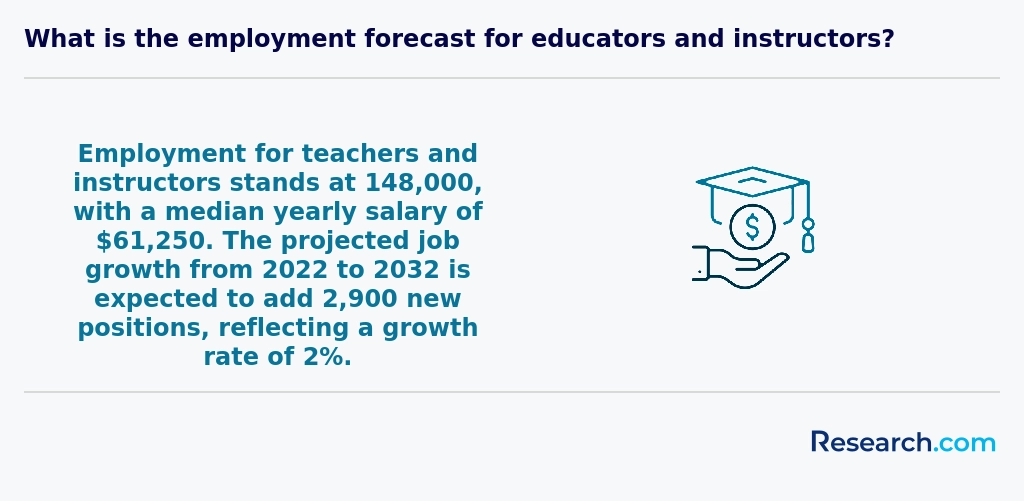
Becoming a licensed educator in Texas involves a clearly defined process administered by the Texas Education Agency (TEA), ensuring you’re fully prepared to enter classrooms across Abilene and beyond. First, candidates must earn a bachelor’s degree from a TEA-approved educator preparation program, which includes supervised student teaching hours. Once coursework is complete, applicants submit fingerprints for a criminal background check and register for the Texas Examinations of Educator Standards (TExES). Key steps to certification: • Educator Preparation Program: Complete an accredited program that meets TEA standards, integrating both theory and practical field experience. • Background Clearance: Undergo fingerprinting and pass a national background check as required by state law. • TExES Exams: Pass the appropriate content and pedagogy exams-typically two tests per certification area-to demonstrate subject-matter mastery and instructional skills. • Licensure Application: Submit your application online through TEA’s certification system, including official transcripts, test scores, and fee payment. After initial certification, teachers must meet ongoing Continuing Professional Education (CPE) requirements-usually 150 hours every five years-to maintain active status. For educators pursuing advanced leadership or specialized roles, earning a master’s degree can unlock additional certifications such as Principal or Instructional Coordinator. As you consider graduate pathways, explore Most Affordable Online Master's in Education Degree Programs Ranking in the West to find cost-effective options that align with your career goals. Adhering to these steps ensures you meet all state criteria and begin your teaching career equipped for success.
Students pursuing education degrees in Abilene often find relief through a combination of financial aid tailored to their needs. For example, graduates from Abilene Christian University frequently recall how Pell Grants-offered after completing FAFSA-covered a significant portion of their tuition, relieving stress amid the challenge of juggling school and life. These grants, which can reach up to $7,395 annually, play a vital role for many who qualify based on financial need.
Looking ahead, increased awareness and expansion of state aid programs like the Texas Educational Opportunity Grant and Texas Grant offer bright prospects for education students in Abilene. Many McMurry University students share how these grants made attending more affordable, fueling their passion to teach without the shadow of overwhelming debt.
Moreover, scholarships linked to Abilene's universities, as well as programs like TEA Scholarships, inspire hope among aspiring teachers committed to serving Texas public schools. Graduates often describe the joy of loan forgiveness eligibility-especially those teaching in underserved or high-need areas-as a transformative boost, making their dedication to the profession feel truly valued and sustainable.
When considering an education degree in Abilene, TX, it's crucial to select a program that aligns with your career aspirations and personal goals. To make an informed decision, you should research the available programs thoroughly, looking into factors such as accreditation, curriculum, and job placement rates. For instance, if you're interested in pursuing a best education degree in Texas, you'll want to explore programs that offer specializations in areas like early childhood education, special education, or educational leadership. By understanding the nuances of each program and their respective strengths, you can choose the one that best prepares you for a successful and fulfilling career in education. This thoughtful approach will not only enhance your educational experience but also position you for success in the competitive job market, enabling you to make a meaningful impact in the lives of your future students.
Enrolling in an education degree program in Abilene commonly starts with earning a high school diploma or GED, a baseline requirement solidly upheld by institutions like McMurry University and Abilene Christian University. Graduates often recall the reassurance they felt meeting this essential step, knowing it opened doors to further academic growth and teaching careers.
Many programs expect official transcripts showing a minimum GPA around 2.5, reflecting a commitment to consistent effort in foundational subjects. For example, some students from Abilene Christian University found that maintaining this GPA helped them stay motivated and confident when advancing through tougher coursework.
Though standardized tests like the SAT or ACT have become largely optional, especially after 2020, they may still play a role in admissions, offering students multiple pathways to demonstrate readiness. Prospective educators often appreciate this flexibility, easing application stress.
Future-focused applicants are usually required to complete prerequisite courses in English, math, and social sciences, preparing them to engage deeply with diverse curricula. Graduates from McMurry University share how these courses helped them develop essential skills that boosted their teaching confidence early on.
Those aiming for certification face additional requirements like passing background checks and assessments such as the Texas Examinations of Educator Standards (TExES), reflecting a strong commitment to student safety and professional readiness. Letters of recommendation and personal statements increasingly offer candidates opportunities to highlight their passion for education, making the admissions process feel more personalized and inspiring in Abilene's evolving educational landscape.
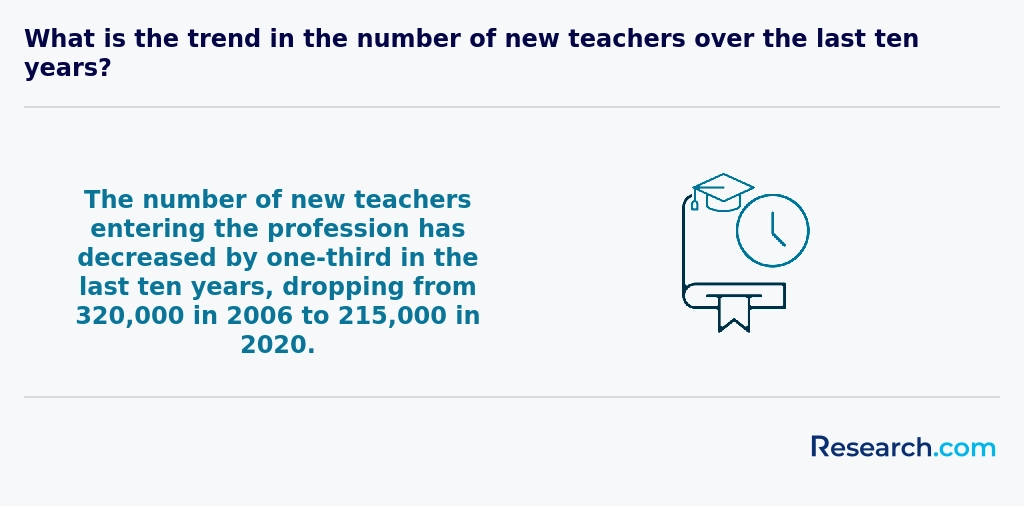
Choosing an accredited Education degree program in Abilene, TX ensures you meet both quality standards and state licensure requirements. Most programs in the region hold accreditation from the Council for the Accreditation of Educator Preparation (CAEP) or the Texas Education Agency (TEA), affirming that curricula align with national teaching standards and prepare graduates for classroom excellence. When evaluating programs, confirm they: • Are recognized by the TEA for initial teacher certification • Include supervised field experiences and student teaching aligned with Texas standards • Offer support for TExES exam preparation in content areas and pedagogy After completing an accredited bachelor’s program, aspiring teachers must pass the Texas Examinations of Educator Standards (TExES) relevant to their grade level or subject. Upon successful exam performance, you apply to the TEA for a Standard Teaching Certificate. For those exploring alternative routes, Texas offers the EC-6 and EC-12 Alternative Certification Programs (ACP), which combine targeted coursework with on-the-job training under a mentor teacher. If you’re aiming to advance your credentials and specialize in leadership or counseling, a master’s degree can enhance both your expertise and earning potential. Prospective graduate students should investigate reputable online options-consider the Most Affordable Online Master's in Education Degree Programs Ranking in the West to find CAEP-accredited master’s programs that fit your budget while fulfilling TEA requirements for advanced certification. By prioritizing accreditation and understanding Texas certification pathways, you’ll position yourself for a seamless transition from student to certified educator, equipped to make a lasting impact in Abilene’s classrooms.
Education degree programs in Abilene commonly include courses like Educational Psychology, which helps students grasp how children learn and develop in classrooms similar to those found at Hardin-Simmons University. Graduates often recall how this course transformed their perspective on tailoring lessons to individual needs, making teaching feel more intuitive and rewarding.
Curriculum Design and Instructional Strategies are essential, equipping future educators with the skills to craft engaging lesson plans. At Abilene Christian University, students find this particularly empowering as they envision innovative ways to connect with diverse learners.
Classroom Management and Assessment and Evaluation courses prepare students for real-life challenges, such as effectively maintaining order and measuring student progress. Many graduates describe the practical insights gained during internships in local schools, where theory met reality under mentor guidance.
Special Education and Instructional Technology classes highlight emerging trends in inclusivity and digital learning, reflecting Abilene's commitment to serving all students with versatile tools and culturally responsive teaching methods suited for its diverse population.
Education degree specializations in Abilene are evolving to meet the diverse needs of today's classrooms and communities. Graduates from Abilene Christian University and other local institutions commonly pursue Elementary or Secondary Education, gaining hands-on experience teaching core subjects like reading and math or specializing in areas such as science or history. Many students express excitement about the growing focus on Special Education, which equips them with strategies to support learners with disabilities or behavioral challenges, reflecting a national trend toward inclusivity.
Abilene teaching degree program options also include Educational Leadership, preparing students for impactful roles beyond the classroom. Graduates often describe how programs develop their skills in school administration, leadership, and policy, inspiring them to envision careers as principals or curriculum coordinators. Some find value in Early Childhood Education specializations, which emphasize developmental milestones for ages birth to eight, a critical area gaining attention in the region.
Looking ahead, prospective learners can explore affordable online master's degrees in educational leadership to build on their skills while accommodating busy schedules, allowing them to advance and adapt in a fast-changing educational landscape.
Choosing the best education degree in Abilene means looking beyond traditional factors and imagining where education itself is headed. Graduates from Abilene Christian University often share how hands-on experiences in local classrooms helped turn theory into meaningful connections with students, setting them up for success. Future-focused students might consider programs that balance rigorous academic training with flexible scheduling and emerging online options, especially those that integrate technology and personalized learning.
For those comparing costs, affordable education degrees Abilene Texas offers range widely, from well-established private institutions to community colleges with lower tuition. Graduates appreciate when their program is CAEP-accredited and prepares them thoroughly for Texas Teacher Certification exams, a must-have for entering the Texas education workforce confidently.
As the educational landscape evolves, prospective students will benefit from exploring opportunities like internships and financial aid, while reviewing rankings such as the Most Affordable Online Master's in Education Degree Programs Ranking in the West to spot emerging trends in cost-effective online master's pathways that complement local offerings.
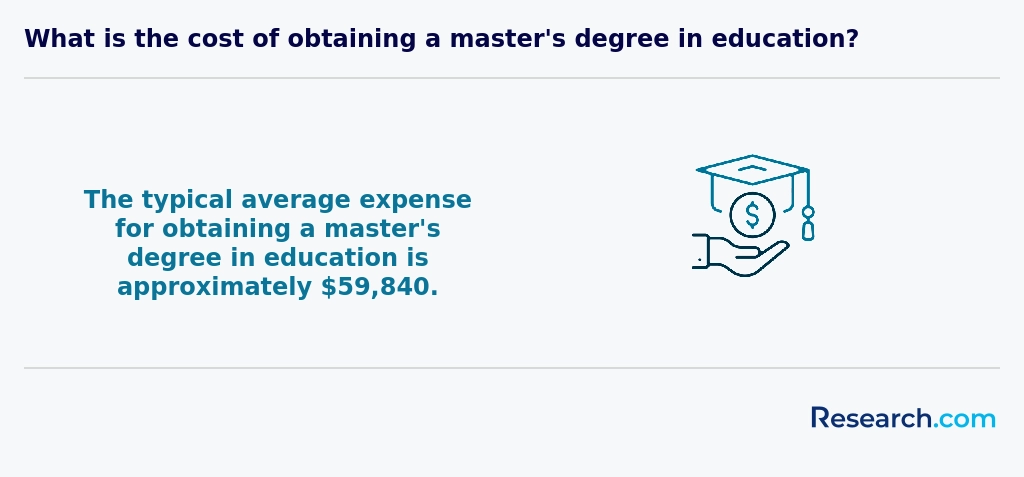
Graduates pursuing education degree careers in Abilene find a rich array of opportunities beyond traditional teaching roles. Many launch into teaching positions in K-12 schools, where licensed educators are in demand for critical subjects like mathematics and special education. Students from popular institutions in Abilene often share how their hands-on experiences in local classrooms helped them feel confident and connected to their communities. Some graduates take promising steps toward school administration, stepping into roles such as principals or curriculum coordinators, where leadership meets innovation.
Emerging trends also open doors to instructional coordination and educational technology, fields where developing new teaching methods and integrating digital tools are becoming increasingly vital. Others venture into educational counseling or adult education, supporting lifelong learning within the region. Those looking to boost their credentials might explore best 6-month certificate programs that pay well online to advance quickly. For anyone eyeing teaching job opportunities Abilene Texas offers a dynamic landscape shaped by growth and innovation in education.
The job market for education degree holders in Abilene is showing promising growth, especially for graduates prepared to fill vacancies in high-need areas like special education and STEM subjects. Many graduates from popular institutions such as Abilene Christian University or McMurry University find rewarding roles within the Abilene Independent School District, where demand for qualified teachers remains high due to expanding student populations. These graduates often share their excitement about starting careers close to home, benefiting from competitive starting salaries near $50,000 and opportunities for professional development.
Emerging trends point toward an increasing need for educators with bilingual skills and specialized certifications, creating clear pathways for new teachers eager to make a difference. Students juggling work and studies might also explore programs offered by online community colleges with open enrollment to balance affordability with flexibility.
Overall, the employment outlook for education graduates Abilene encourages those passionate about teaching to envision a stable and impactful career in the local school systems, fostering both community growth and personal fulfillment.
2027 Best Education Degree Programs Ranking in Abilene
Investing in your education is a significant decision that can shape your future, and the Research.com team understands the importance of making informed choices. To assist prospective students in Abilene, we have meticulously crafted the "2027 Best Education Degree Programs Ranking in Abilene." Our commitment to quality, credibility, and accuracy is reflected in the extensive research and analysis conducted to compile this ranking.
We utilized the following reputable data sources to ensure a comprehensive evaluation of education degree programs:
By exploring this ranking, readers will gain valuable insights into the best education degree programs available in Abilene, helping them make informed decisions about their academic and professional paths. For more details on our methodology, please visit our Research.com methodology page.


Frequently Asked Questions About education
Education degree students in Abilene can maximize their learning experience by actively engaging with local school districts, such as Abilene Independent School District, which often partners with universities for clinical placements. Hands-on practice through student teaching assignments helps build practical skills that complement theoretical knowledge. Taking advantage of Abilene's affordable cost of living also allows students to focus more on studies and less on financial stress. The presence of institutions like Hardin-Simmons University offers specialized workshops and tutoring resources tailored to education majors. According to the Texas Higher Education Coordinating Board, students who participate in internships and on-campus supports show higher retention and graduation rates.
The education field is evolving rapidly, with several emerging niches gaining importance, especially in places like Abilene. One key area is educational technology, where professionals design and implement digital learning tools. This niche aligns with the increasing use of online platforms in Texas schools, supported by state initiatives.
Special education is another growing focus, with rising demand for teachers skilled in inclusive practices. According to the Texas Education Agency, special education enrollment has steadily increased statewide, impacting Abilene's schools as well.
Educational leadership and administration remain vital, as districts seek innovative leaders to manage diverse learning environments and address challenges like remote learning.
Additionally, bilingual education is expanding, reflecting demographic changes in Texas. Educators proficient in serving English Language Learners are increasingly sought-after in Abilene's school districts.
Graduates with education degrees in Abilene should focus on building practical experience to improve job market readiness. Local school districts, like Abilene Independent School District, often offer student teaching and internship opportunities that help develop classroom management and instructional skills.
Networking is also crucial; attending local education conferences and joining professional groups such as the Texas State Teachers Association can provide valuable contacts and insights. According to the Texas Education Agency, demand for certified teachers in Abilene remains steady, especially in special education and STEM subjects.
Additionally, obtaining teaching certification by passing the Texas Examinations of Educator Standards (TExES) is essential to qualify for most teaching roles in the state.
Employers in Abilene value education degree graduates who demonstrate strong communication and classroom management skills. These abilities are crucial for creating effective learning environments and engaging diverse student populations. According to the Texas Education Agency, over 60% of Abilene ISD administrators emphasize adaptability and cultural competency as top skills for new teachers.
Analytical skills and technology proficiency are also highly prioritized. Graduates familiar with digital tools and data-driven instruction methods tend to perform better in Abilene's evolving educational settings. Furthermore, collaboration skills are critical, as many school districts encourage teamwork among educators to improve student outcomes.
In summary, Abilene employers seek graduates who combine interpersonal strengths with practical teaching competencies supported by ongoing professional development.
Finding internships in Abilene for education degree students involves connecting with local school districts, such as Abilene Independent School District and Wylie Independent School District. These districts often offer internship or student-teaching opportunities that provide hands-on classroom experience required for teacher certification.
Universities like McMurry University and Hardin-Simmons University in Abilene usually assist students by partnering with local schools to facilitate placements. According to the Texas Education Agency, student-teaching internships in Texas typically span one semester and are vital for licensure.
Additionally, career centers and job fairs hosted by Abilene institutions provide networking platforms to find relevant internships in education.
Holding an education degree in Abilene can significantly enhance career mobility and advancement opportunities within the local job market. According to data from the Texas Workforce Commission, educators with bachelor's or master's degrees in the region often qualify for higher-paying roles in public and private schools compared to those with only teaching certificates.
Many school districts in Abilene prioritize candidates with advanced education degrees for leadership positions such as curriculum coordinator or principal. A 2023 report by the Abilene Reporter-News highlighted that educators with degrees frequently see salary increases exceeding 10% when moving into administrative roles.
Furthermore, an education degree offers foundational knowledge and credentials that facilitate career changes across related fields like educational technology and counseling, areas growing in Abilene's workforce.
Studying for an education degree in Abilene offers strong preparation for interdisciplinary roles by emphasizing diverse instructional strategies and collaboration skills. Programs often integrate coursework in psychology, sociology, and technology, helping students understand broader social and cognitive contexts in education. This multidisciplinary approach equips graduates to work in varied settings, from traditional classrooms to community programs.
Local institutions like Abilene Christian University highlight partnerships with area schools and organizations, fostering practical experience in teamwork and problem-solving across fields. According to the Texas Higher Education Coordinating Board, over 65% of education graduates in the region engage in dual-certification or cross-disciplinary coursework, boosting employability in multifaceted roles.
Choosing between a thesis and a non-thesis education degree program in Abilene depends on your career goals and learning preferences. Thesis programs typically emphasize research skills and are suited for students planning to pursue doctoral studies or academic roles. Non-thesis options focus more on practical knowledge and classroom application, ideal for those aiming to become educators or administrators.
In Abilene, universities like Hardin-Simmons and Abilene Christian offer both options, reflecting common US trends in education degrees. According to the National Center for Education Statistics, thesis routes often require 6-12 additional credit hours for research projects. Understanding these differences can help you choose a path aligned with your professional ambitions.
Students based in Abilene who wish to study education abroad have several pathways through partnerships and exchange programs offered by local institutions. For example, Hardin-Simmons University supports faculty-led study abroad experiences that include teaching education methods in various countries. Such programs typically last from a few weeks to a semester and focus on cross-cultural educational practices.
Additionally, public universities in Texas frequently collaborate with international universities, allowing education majors to complete part of their degree overseas. While Abilene's own institutions may not have large-scale direct study abroad offerings, students can access these opportunities through statewide programs like Texas A&M International Programs.
Financial aid and scholarships are often available to help offset costs, especially for education students pursuing teaching credentials abroad. According to the Texas Higher Education Coordinating Board, about 10% of Texas education majors participate in international study programs annually, reflecting growing interest in this field.
Students pursuing education degrees in Abilene can benefit from various part-time job opportunities aligned with their field. Working as a teacher's aide or tutor in local schools such as Abilene Independent School District helps build classroom experience and enhances instructional skills. Additionally, Abilene's public libraries often hire assistants, providing roles that foster literacy and educational programming knowledge.
According to the Texas Workforce Commission, education-related part-time jobs in Abilene have seen steady demand, reflecting the city's emphasis on quality K-12 education. Opportunities in after-school programs or summer camps also allow hands-on learning in child development.
Education students in Abilene have several networking opportunities that support their professional growth. Local institutions like Abilene Christian University and Hardin-Simmons University offer events where students can meet educators, administrators, and alumni active in the Texas education sector. These gatherings often include career fairs, guest lectures, and workshops designed specifically for education majors.
Additionally, Abilene's connection to the Abilene Independent School District provides students with access to internships and practicum placements, critical for building relationships with practicing teachers and school leaders.
The Texas Classroom Teachers Association also hosts regional meetings near Abilene, enabling students to join a statewide community of education professionals.
Alumni networks provide significant benefits to education degree students in Abilene by fostering professional connections and career opportunities. These networks often connect current students with graduates working in local school districts such as Abilene Independent School District. This connection can lead to mentorship, internships, and job placements, enhancing practical experience.
Studies show that in Texas, 85% of education graduates find employment within six months, partly due to strong alumni relations promoting local hiring. Additionally, alumni events and workshops in Abilene support ongoing professional development, helping students stay updated on teaching methods and certifications.
Overall, these networks serve as a valuable resource in navigating the local education landscape.
Education degree programs in Abilene offer various options to tailor your studies to match your career ambitions. Many local institutions, such as Abilene Christian University, allow students to select specialized tracks like early childhood, special education, or educational leadership. These concentrations provide focused knowledge and skills relevant to specific teaching roles.
Additionally, students can often choose elective courses and participate in internships or student teaching placements within Abilene's diverse school districts. This practical experience helps build a professional network and enhances career readiness.
Understanding certification requirements in Texas is crucial, as some programs integrate state licensure preparation alongside degree curricula, ensuring alignment with your career goals as a certified educator.
Education students in Abilene commonly face challenges related to balancing practical experience and academic demands. Many programs require extensive student teaching hours, which can be difficult to manage alongside coursework. According to data from Texas Christian University and Hardin-Simmons University, time management is a frequent concern for those pursuing education degrees locally.
Additionally, some students report limited access to diverse classroom environments in Abilene, which can impact exposure to varied teaching strategies and student needs. The city's relatively small population may limit opportunities for diverse clinical placements.
Financial pressures also affect education students, with many relying on part-time jobs while completing studies, as highlighted by surveys from the Texas Higher Education Coordinating Board.
With an education degree in Abilene, graduates have access to several professional certifications that enhance their teaching careers. One common certification is the Texas Teacher Certification, which is mandatory for public school educators in the state. This credential allows teaching in specific grade levels and subjects after passing required exams.
Another valuable certification is the ESL (English as a Second Language) certification, enabling teachers to work with diverse student populations. Special Education Certification is also widely pursued, addressing the needs of students with disabilities.
Additional endorsements include Reading Specialist and Principal Certification for those interested in administrative roles. According to the Texas Education Agency, nearly 60% of educators in the Abilene Independent School District hold one or more certifications beyond their initial degree, reflecting a strong commitment to continued professional development.
Writing a winning application for an education degree program in Abilene requires clear focus and organization. Start by thoroughly researching local institutions, such as Abilene Christian University and McMurry University, which offer reputable education programs. Highlight your academic achievements, relevant experience, and commitment to teaching in your personal statement.
Admissions committees value candidates who demonstrate understanding of educational challenges in Texas schools. Include specific goals that align with regional needs, such as bilingual education or STEM teaching initiatives.
Provide strong letters of recommendation from educators familiar with your skills. Also, ensure your application meets all deadlines and includes required transcripts and test scores. According to the Texas Higher Education Coordinating Board, timely submissions increase chances of acceptance.
Education careers are increasingly valued worldwide for their impact on social and economic development. In the United States, including Abilene, education professionals often engage with global trends such as inclusive education and technology integration. According to the U.S. Bureau of Labor Statistics, employment for preschool and K-12 teachers is expected to grow 5% from 2021 to 2031, reflecting ongoing demand.
Abilene offers various pathways to becoming an educator, with degrees emphasizing both local community needs and global education standards. Institutions here may include curriculum components addressing multiculturalism and global competency, aligning with international education priorities.
This global outlook expands career opportunities beyond traditional classrooms, preparing educators in Abilene to work in diverse and international settings.
Students pursuing an education degree in Abilene can gain practical experience through local school partnerships and field placements. Many universities require student teaching semesters, where candidates work directly in classrooms within Abilene's public schools, such as Abilene Independent School District. This hands-on training is essential for licensure and professional growth.
Additionally, internships and volunteer opportunities at community education centers provide valuable experience. According to the Texas Education Agency, practical training increases teacher readiness by 40%, emphasizing the importance of these programs.
Networking with local educators and attending workshops can also enhance practical skills while studying.
Choosing the right concentration in an education degree program in Abilene requires careful consideration of your career goals and local demand. Abilene, part of Texas Education Service Center Region 14, has a growing need for teachers specializing in STEM fields, bilingual education, and special education, according to the Texas Education Agency. Exploring concentrations aligned with workforce needs increases job prospects after graduation.
Research the program offerings at local institutions like Abilene Christian University and McMurry University, which provide diverse education tracks including early childhood and secondary education. Additionally, consider your personal interests and strengths, as well as certification requirements in Texas. Talking to current educators and academic advisors can also provide valuable local insights.
- 2027 Best Education Degree Programs Ranking in Wichita
- 2027 Best Education Degree Programs Ranking in Colorado Springs
- 2027 Best Education Degree Programs Ranking in Kansas City
- 2027 Best Education Degree Programs Ranking in Denver
- 2027 Best Education Degree Programs Ranking in New Orleans
- 2027 Best Education Degree Programs Ranking in Columbia
- 2027 Best Education Degree Programs Ranking in Mobile
- 2027 Best Education Degree Programs Ranking in Des Moines
- 2027 Best Education Degree Programs Ranking in Phoenix
- 2027 Best Education Degree Programs Ranking in Birmingham
See What Experts Have To Say About Studying Education
Read our interview with Education experts

Nooshan Ashtari
Education Expert
Professor & Book Author
University of Southern California

Alan J. Singer
Education Expert
Professor of Teaching, Learning and Technology
Hofstra University

- Teaching Job Roles | Teach For Life https://www.teachforlife.com/teachingjobs/global-perspectives-teacher
- Navigating Challenges In Education, Learning & Development - those who can https://www.thosewhocan.org/navigating-challenges-in-education-learning-and-development/
- Education Technology Trends to Watch in 2065: 10 Innovations Shaping the Future of Learning https://www.digitallearninginstitute.com/blog/education-technology-trends-to-watch-in-2026
- Bachelor of Education Degree (Here's What To Expect) https://www.alleducationschools.com/teaching-degrees/bachelors-in-education/
- MONPERATOTO Jati Diri Situs Togel Online Resmi Bersama Agen Toto Togel 4D Terpercaya https://writerslife.org/educational-markets/
- Financial Aid Information https://www.aaeeff.org/students/scholarships/
- Networking Tips and Advice for Students https://schoolshouldbe.com/post/networking-tips-and-advice-for-students/
- Education Study Abroad Programs | Go Overseas https://www.gooverseas.com/study-abroad/education
- Careers | Abilene ISD https://www.abileneisd.org/o/aisd/page/careers
- Get the skills employers want | Study UK https://study-uk.britishcouncil.org/why-study/succeed-your-career/get-skills-employers-want





