2027 Fastest Online Education Degree Programs Ranking in Washington, DC

Co-Founder and Chief Data Scientist
Choosing the right online education degree program can be overwhelming, especially with so many options available in Washington, DC. This article introduces the 2027 Fastest Online Education Degree Programs Ranking in Washington, DC, crafted by the Research.com team of data scientists.
Designed to help you make informed decisions, the ranking highlights programs that offer quality education efficiently. Whether you're seeking career growth or personal fulfillment, earning an education degree opens doors to meaningful opportunities. Explore this guide to find programs that fit your goals and lifestyle.
Key benefits of getting online education degree in Washington
- Education degree graduates in Washington can expect competitive salaries, such as $70,740 annually for Elementary School Teachers and $76,000 for Special Education Teachers, providing financial stability and rewarding career options.
- Graduates from the University of Washington often pursue diverse roles like Instructional Designers, Early Childhood Educators, or ESL Teachers, offering flexible paths to impact students in many educational settings.
- Online education degrees from institutions like Western Governors University offer convenience and flexibility, allowing students to balance study with personal commitments while gaining the same respected credentials as traditional programs.
- 2027 Fastest Online Education Degree Programs Ranking in Washington, DC
- What can I expect from online education degree in Washington?
- Where can I work with online education degree in Washington?
What can I expect from online education degree in Washington?
The average cost of an online education degree in Washington varies, but many students find public institutions like Washington State University Global Campus offer tuition rates between $400 and $600 per credit hour for in-state residents. Graduates from such programs often appreciate the balance of affordability and quality, although some note that private colleges, while more expensive, provide added personalized support, which can be crucial for managing online learning challenges.
For example, a graduate juggling work and family found the competitive tuition at public universities manageable, allowing them to focus on studies without excessive financial stress. Others pursuing degrees at private colleges mention feeling more connected due to smaller class sizes and tailored assistance, despite higher costs. These differing experiences highlight that cost is one factor among many influencing the value of an online education degree in Washington.
Students should also weigh additional expenses like materials and required field internships, which are integral for teacher certification. Understanding these components helps frame overall affordability beyond just per-credit tuition rates.
Where can I work with online education degree in Washington?
Graduates with an online education degree in Washington find roles mainly within the state's extensive K-12 public school system, including districts in Seattle, Spokane, and Tacoma. Many alumni share how their training at universities like the University of Washington helped them confidently navigate classroom technology, preparing them for positions as certified teachers or instructional coordinators. However, the path isn't limited to traditional classrooms.
Some graduates report success working with local government agencies or nonprofits where their organizational skills acquire new meaning in managing youth programs or developing impactful curriculums. This diversity illustrates how the degree's flexibility opens doors beyond teaching.
Higher education institutions, especially those embracing online tools such as Washington State University, employ degree holders in academic advising or instructional design, valuing their firsthand experience with digital learning platforms. Still, graduates often emphasize the need to meet certification requirements, which can shape eligibility.
Additionally, the state's growing ed-tech and private tutoring sectors attract those fluent in virtual pedagogy, allowing graduates to engage with education innovatively. These prospects highlight a vibrant employment landscape, though adapting to evolving demands remains essential.
Graduates with an online education degree in Washington typically enter roles with variable salary outcomes depending on their specialization. For instance, elementary school teachers earn an average annual wage of around $70,740, which aligns well with experiences shared by graduates from the University of Washington's College of Education who find their starting salaries supportive of living in Seattle.
Those focusing on special education can expect slightly higher earnings, with a mean annual salary near $76,000. This is encouraging for students at Washington State University, where graduates have noted how their advanced skills translate into confident negotiations for competitive pay.
English as a Second Language (ESL) teachers earn about $65,430 annually, reflecting demand in diverse communities such as Tacoma and Spokane. Meanwhile, instructional designers, a growing field often pursued by graduates from Western Washington University, report mean annual wages of approximately $77,200, combining creativity with strong technical skills.
For early childhood educators, salaries average $41,410, which newer graduates sometimes find modest but meaningful as a foundation to build experience and advance. The ability to study online while working locally often helps Washington students balance finances and career growth effectively.
- Washington offers accredited online education programs at bachelor's, master's, and specialist levels through public and private institutions.
- Bachelor's degree tuition ranges from $8,000 to $14,000 per year at public universities and often exceeds $20,000 annually at private schools.
- The average starting salary for education graduates is about $47,000 per year, with experienced educators earning over $75,000, especially in administrative roles.
- Job opportunities exist in K-12 and higher education, with stable demand supported by public education funding and growth in early childhood and special education.
- State teaching certification requires completing an approved preparation program and passing exams, with some online programs including Washington-specific licensing pathways.
Completing an online education degree in Washington typically ranges from two to four years depending on the level pursued and the chosen institution's pace. For example, a bachelor's degree in education from a school like Washington State University generally requires about four years full-time, matching traditional timelines but with flexible scheduling that working adults appreciate. Graduates often share how balancing work and studies was manageable thanks to part-time options.
Associate degrees at community colleges usually take around two years, which many find motivating as a stepping stone toward bachelor programs. Meanwhile, graduate degrees such as a Master of Education at the University of Washington can be completed in 1.5 to 2 years full-time, but accelerated terms allow some students to finish sooner, boosting excitement about advancing their careers rapidly.
Individual pacing is affected by credit transfers and course load choices. Those who transfer community college credits often express relief at reducing their overall duration, while others embrace year-round enrollment to expedite completion without burnout.
Regional accreditation by bodies like the Northwest Commission on Colleges and Universities (NWCCU) and state approval from the DC Office of the State Superintendent of Education (OSSE) are essential for ensuring program quality and eligibility for teacher licensure.
- Regional accreditation validates academic rigor and unlocks federal aid.
- OSSE-approved programs fulfill Washington, DC certification requirements, including practicum and subject-area endorsements.
- Curriculum aligns with Praxis exams and classroom management standards for seamless licensure.
- Accelerated options, including some of the best online masters programs, combine degree completion and certification preparation in as few as 12 months.
The primary difference between online and on-campus education degrees in Washington lies in the delivery and learning environment. Online programs offer flexibility that many graduates appreciate, especially those balancing jobs or family. For example, a student enrolled at the University of Washington can complete coursework remotely, adjusting study times around personal commitments. This flexibility often leads to a sense of empowerment and autonomy in managing one's education.
Conversely, on-campus students at institutions like Seattle University emphasize the value of face-to-face interactions. They describe the immediate feedback from professors and spontaneous peer discussions as energizing and motivating, fostering a strong community connection. Access to physical resources such as libraries and teaching labs is another frequent advantage cited.
Cost differences are less pronounced than expected; in-state tuition for both formats typically ranges from $8,000 to $15,000 annually. Both online and traditional paths require self-discipline, but some online students find mastering digital platforms initially challenging. Yet, the recognized accreditation across both formats ensures graduates feel confident their degrees hold weight in the Washington job market.
Navigating the application process for online education degree programs in Washington, DC requires careful planning to ensure you meet all requirements on time. Below is a typical timeline and key deadlines to help you stay organized: 1. Early Preparation (January – March) - Research Programs: Compare curricula, accreditation, and tuition. For alternative benchmarks, see our Affordable Online Education Degree Programs Ranking in Massachusetts. - Gather Materials: Request official transcripts, draft your personal statement, and contact recommenders for letters of recommendation. 2. Application Launch (April – June) - Complete Online Forms: Most DC institutions open applications in April. Allow 2–3 weeks to assemble essays, test scores (if required), and supplemental materials. - Pay Fees: Application fees typically range from $50–$75; fee waivers may be available for qualifying students. 3. Mid-Cycle Follow-Up (July – August) - Check Application Portals: Confirm receipt of transcripts and test scores. - Financial Aid & Scholarships: Submit FAFSA by late June and university-specific scholarship applications by July 31. 4. Decision Notifications (September – October) - Admissions Decisions: Expect acceptances or waitlist notices between early September and mid-October. - Deposit Deadlines: Submit enrollment deposits (often $200–$500) by October 15 to secure your spot. 5. Final Steps (November – December) - Course Registration: Attend online orientation sessions and register for winter or spring semester courses. - Technology Setup: Ensure you have reliable internet, a learning-management system login, and any required software installed before classes begin. By adhering to this timeline, you’ll streamline your application and avoid last-minute stress, positioning yourself for a successful start in an accelerated online education degree program in Washington, DC.
The average cost of an online education degree in Washington typically centers around a median total expense of $44,820. This figure reflects a balance between more affordable public university tuition and the higher rates charged by private institutions. Graduates from popular schools such as Washington State University and the University of Washington often share how the cost felt manageable, especially when combined with financial aid and scholarships tailored to education students.
Residency status plays a significant role in determining tuition fees. Washington residents usually benefit from lower rates compared to out-of-state students, though exact median in-state costs are less clearly defined. For many prospective students considering Washington DC as a study location, understanding the Washington DC online education degree total expenses provides a useful comparison point, highlighting how Washington state's offerings stack up in affordability and quality.
Students pursuing an online education degree in Washington often appreciate the flexibility these programs provide, allowing them to balance work, family, and study without the additional costs of campus housing or commuting. Some graduates note that while upfront tuition is a major consideration, understanding ancillary fees and materials is crucial to avoid surprises in overall spending. Those interested in accelerated routes may find resources about the fastest online education school in district of columbia helpful when weighing different program durations and costs.
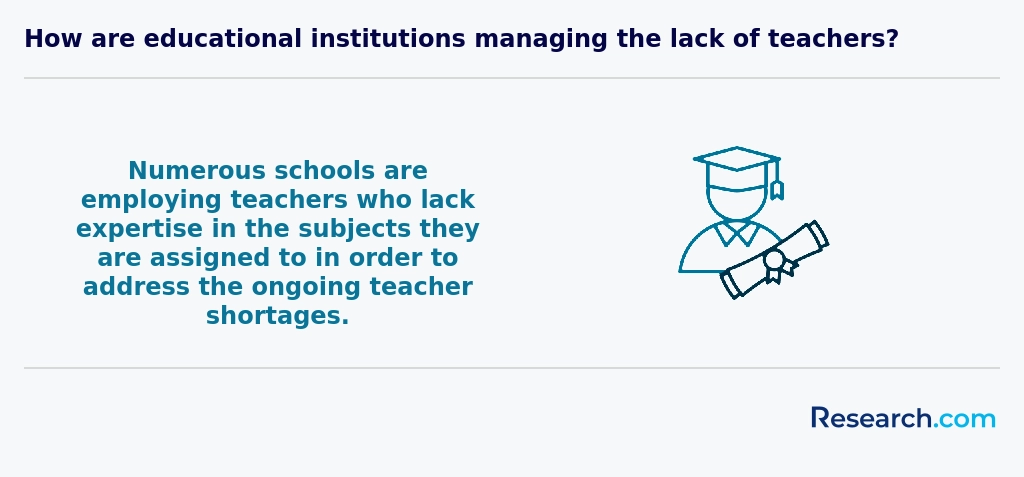
Choosing an accredited online education degree program in Washington, DC, is essential to ensure your credential is recognized by employers, state licensure boards, and graduate schools. Programs in the nation’s capital typically hold regional accreditation from the Middle States Commission on Higher Education (MSCHE) and programmatic approval from the Council for the Accreditation of Educator Preparation (CAEP). These endorsements guarantee rigorous curriculum standards, qualified faculty, and ongoing assessment processes that uphold educational excellence. Key indicators of program quality include:
- Regional Accreditation: Verify MSCHE or equivalent recognition to confirm transferability of credits and access to federal financial aid.
- Programmatic Approval: Look for CAEP, Council for Exceptional Children (CEC), or National Council for Accreditation of Teacher Education (NCATE) seals, which signal adherence to best practices in teacher preparation.
- State Authorization: Ensure the program meets the District of Columbia Office of the State Superintendent of Education (OSSE) requirements for licensure eligibility. Accreditation not only affects eligibility for grants and scholarships but also impacts your long-term career prospects. For example, graduates from CAEP-accredited programs often report faster licensure processing and broader employment opportunities in K–12 and higher-education settings. When comparing program rigor and cost-effectiveness across regions, our Affordable Online Education Degree Programs Ranking in Massachusetts highlights similar accreditation benchmarks that underscore consistency in quality nationwide. By prioritizing accredited programs, you safeguard your investment and lay a solid foundation for a respected career in education.
Financial aid for online education degrees in Washington is varied but requires careful navigation to maximize benefits. Graduates from institutions like Western Washington University often highlight how federal aid-particularly Pell Grants-alleviated their tuition burden. These grants, which in 2023-2024 offered up to $7,395 without repayment, remain crucial for low-income students. Yet, relying solely on federal support might not cover all costs, pushing many toward supplemental options.
The Washington College Grant is a vital state-funded program frequently mentioned by online education students at Central Washington University. It targets low- and middle-income learners, helping offset tuition during economically challenging times. However, eligibility and award amounts fluctuate, making it essential to apply early and maintain strong academic standing.
Scholarships tailored for education majors, often available through professional organizations like the Washington Education Association, provide additional relief. Many recipients express gratitude for these funds, which can range from a few hundred to several thousand dollars, enabling them to focus more on studies than finances.
Employers offering tuition reimbursement further ease financial stress, especially for working professionals balancing family and coursework. At the same time, veteran benefits, including the GI Bill, present significant support for military-connected students pursuing education careers online. The combination of these options, though complex, forms a meaningful financial safety net.
When selecting an online education degree program in Washington, D.C., several key factors can significantly influence your academic and professional future. To make an informed decision, it's essential to consider aspects such as accreditation, degree options, tuition costs, student-to-faculty ratio, program reputation, flexibility and support services, and field experience opportunities. Prospective students can find valuable insights by exploring the fastest online education school in district of columbia, which provides rankings and detailed information about online education programs in the area. By carefully evaluating these factors and utilizing available resources, students can choose a program that aligns with their goals, prepares them for a fulfilling career in education, and sets them up for success in the competitive job market of Washington, DC.
Enrolling in an online education degree program in Washington typically requires meeting clear academic standards, but these can vary depending on the institution. For example, many graduates from the University of Washington's online Master of Education program recall needing a bachelor's degree with a minimum 3.0 GPA, though some found that having an education-related undergraduate degree helped streamline the process. Others from Western Washington University shared that a strong statement of purpose and letters of recommendation were crucial parts of their applications, highlighting their passion and preparedness rather than just grades.
Applicants for bachelor's degrees often must submit official transcripts and demonstrate at least a 2.5 GPA, reflecting readiness for college-level work. While some schools still request GRE scores, many online education programs in Washington waive this requirement to reduce barriers, which students appreciate as it eases anxiety around testing.
Beyond academics, graduates emphasize practical prerequisites, such as reliable technology and internet access, which became especially clear during their first online courses at institutions like Central Washington University. Many also valued orientation sessions that helped them quickly adapt to the digital platforms used.
Understanding the balance between academic qualifications and technical readiness can empower you to navigate enrollment confidently at Washington's online education programs.
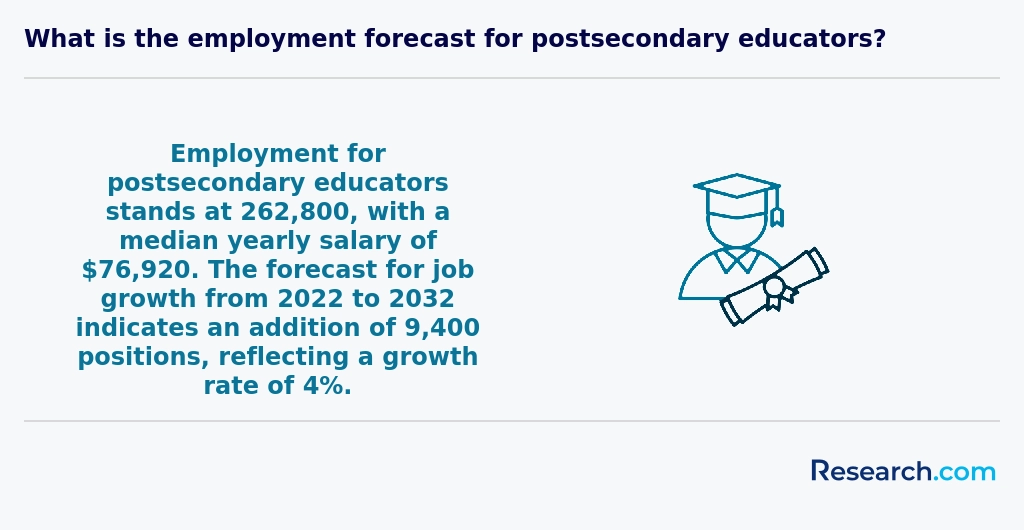
Ensuring your online education degree is recognized by both regional and national accrediting bodies is critical for teacher certification and career mobility in Washington, DC. Prospective students should verify that programs hold regional accreditation from the Middle States Commission on Higher Education (MSCHE) and specialized validation from the Council for the Accreditation of Educator Preparation (CAEP) or NCATE. These endorsements confirm that curricula meet rigorous quality standards and prepare candidates for the DC Office of the State Superintendent of Education (OSSE) licensure exams. Before applying, review each program’s reported licensure exam pass rates and retention statistics to gauge real-world outcomes. If you anticipate teaching outside of Washington, DC, check state reciprocity agreements-CAEP-accredited degrees often facilitate smoother transfers of credentials across state lines. Many institutions also offer built-in licensure preparation courses and partnerships with local school districts for clinical practice. For a broader perspective on affordable, accredited programs in another state, see our Affordable Online Education Degree Programs Ranking in Massachusetts, which highlights quality and cost-effective options.
Online education degree programs in Washington typically include a blend of core courses and specialized tracks that reflect the state's educational priorities. Graduates from institutions like the University of Washington Bothell or Central Washington University often describe courses such as educational psychology and curriculum development as foundational, helping them understand how students learn and how to design engaging lesson plans that meet OSPI standards.
These programs also offer specialized courses that address real-world classroom challenges. For example, a graduate from Western Governors University recalls how classes on second language acquisition and teaching English Language Learners provided practical strategies for supporting diverse student populations in Seattle-area schools.
Additionally, courses on educational law, ethics, and diversity prepare students to manage classroom complexities with confidence. Many appreciate the combination of theory and practicum experiences coordinated with local districts, which foster practical skills essential for licensure and workforce readiness in Washington's teaching environment.
Online education degrees in Washington typically offer a range of specializations tailored to the needs of diverse learners and professionals. Popular tracks include Curriculum and Instruction, focusing on effective teaching strategies, and Educational Leadership and Administration, which prepares graduates for roles such as principals or district managers. Graduates often emphasize how these programs reflect real-world challenges, such as managing schools or adapting curricula to different student needs, making the degrees highly relevant.
Other notable specializations include Special Education and Early Childhood Education, each addressing critical areas like inclusivity and developmental theory. Students studying at well-regarded institutions in Washington frequently highlight the practical application of their coursework to actual classroom settings or community programs. For those interested in literacy, the Reading and Literacy specialization supports educators in helping struggling readers, a skill in strong demand statewide.
Choosing among these best education degree concentrations Washington DC online depends on your goals and the populations you intend to serve. Many prospective students explore financial options via resources such as the Affordable Online Education Degree Programs Ranking in Massachusetts, which can provide comparative insights when considering tuition and aid opportunities.
Choosing the best online education degree in Washington requires more than just comparing programs by name. Graduates from well-known universities appreciate programs that hold accreditation from trusted agencies like the Council for the Accreditation of Educator Preparation (CAEP) or the Northwest Commission on Colleges and Universities (NWCCU). This ensures their degree is valued by local employers and supports licensure by the Washington Professional Educator Standards Board (PESB).
Another critical factor is how the program fits into your life. Many online learners, balancing work and family, find asynchronous courses and flexible schedules essential. Some students who attended popular colleges in Washington mention feeling empowered by part-time options and accelerated tracks tailored to their pace.
Cost can be a decisive consideration as well. Comparing total expenses, including fees and materials, helps prospective students find affordable online teaching degrees Washington DC residents seek without sacrificing quality. Those unsure where to start might explore programs with a college with open admission policy, which offers less restrictive entry requirements.
Finally, think about the program's specialization and career support. Graduates often highlight how curriculum relevance and access to career advising helped them secure jobs. Focusing on practical outcomes, like job placement rates in Washington, can guide your decision toward the best online education degree programs Washington DC students value most.
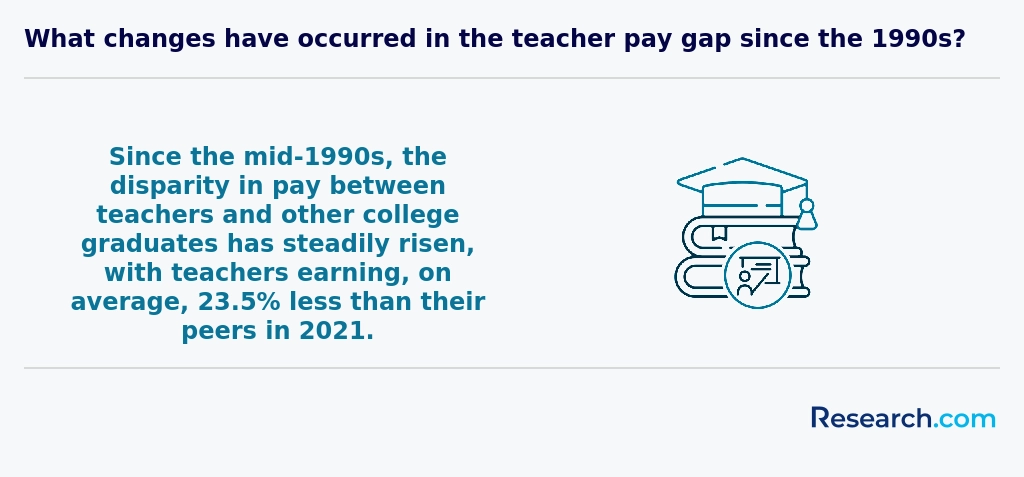
Graduates with an online education degree in Washington often pursue diverse career paths tailored to the state's evolving educational landscape. Many find rewarding positions as licensed teachers in public and private schools, having met Washington's state certification requirements through accredited online programs commonly offered by popular universities. These roles allow them to engage meaningfully with students across elementary, special, or secondary education, reflecting the state's demand for versatile educators. For some, this leads to personal fulfillment as they witness students' growth firsthand.
Others leverage their online education degree jobs Washington DC to enter educational administration, taking on leadership roles such as school principals or curriculum coordinators. These positions, often requiring advanced degrees available fully online from local colleges, challenge graduates to innovate and improve school systems. Meanwhile, some graduates pursue careers in educational technology or workforce development, designing digital learning tools or teaching adult education courses, responding to growing needs in Washington's schools.
Those seeking additional certifications may become school counselors or academic advisors, supporting student mental health and planning. Graduates from popular education programs appreciate how these varied roles align with their passions, yet remain mindful that career progression often depends on further study or state-specific credentials. For a comprehensive look at related college majors and careers, students weigh options carefully to align with personal goals within Washington's distinctive education sector.
The job market for online education degree jobs Washington DC graduates in the state is generally promising but nuanced. Many graduates from popular universities and colleges in Washington report positive early-career experiences, particularly those entering K-12 public schools where demand remains steady. Efforts to address teacher shortages in STEM and special education strengthen these prospects, making employment attainable for those completing online programs. However, competition exists, especially for roles in more saturated urban districts, requiring graduates to often highlight specialized skills or pursue alternative certification pathways to enhance their employability.
Graduates frequently emphasize the state's relatively high teacher salary, typically exceeding the national median, as a motivating factor that supports financial stability. For example, those from institutions known for strong online education programs find the state's investment in teacher development encouraging, as it often means access to ongoing professional growth.
Additionally, with hybrid and remote teaching becoming more common, familiarity with online platforms can set graduates apart in an evolving education landscape. Students considering programs should also explore online community colleges that accept fafsa, which might offer cost-effective routes to degrees with reasonable return on investment, enhancing the employment outlook Washington offers.
2027 Fastest Online Education Degree Programs Ranking in Washington, DC
Investing in your education is a significant decision that can profoundly influence your future, and the Research.com team fully recognizes the importance of making well-informed choices. To support students seeking the fastest online education degree programs in Washington, DC, we have carefully developed the "2027 Fastest Online Education Degree Programs Ranking." Our dedication to quality, credibility, and accuracy is evident through the rigorous research and thorough analysis employed to produce this ranking.
We utilized the following reputable data sources to ensure a comprehensive evaluation of these programs:
By reviewing this ranking, readers will obtain valuable insights into the most efficient online education degree options in Washington, DC, empowering them to make strategic and confident decisions about their academic journey. For more information regarding our evaluation process, please visit our Research.com methodology page.

# 2 position
The George Washington University
Master of Special Education for Culturally & Linguistically Diverse Learners

Frequently Asked Questions About education
Students pursuing online education degrees in Washington can maximize their learning by utilizing the state's extensive digital library resources, including those provided by the Washington State Library. Engaging actively in virtual discussions and group projects enhances understanding and mirrors in-person collaboration. Time management is crucial; studies show that successful online learners in Washington dedicate 10-15 hours weekly to coursework. Additionally, choosing programs accredited by regional bodies like the Northwest Commission on Colleges and Universities ensures quality education. Leveraging local workforce data from the Washington Employment Security Department helps tailor learning toward in-demand education careers within the state.
The education field is rapidly evolving, with emerging niches expanding opportunities for online degree seekers in Washington. Specializations like educational technology are gaining traction, reflecting a national trend toward integrating digital tools in classrooms. According to the Washington State Board of Education, demand for professionals skilled in e-learning design increased by 12% between 2020 and 2023.
Another growing area is special education with a focus on inclusive teaching strategies. Online programs emphasize training teachers to support diverse learners, aligning with Washington's commitment to equity in schools. Additionally, areas such as early childhood education leadership and data-driven educational assessment are becoming popular due to shifting policy and funding priorities.
After earning an online education degree in Washington, preparing for the job market requires strategic planning and practical steps. Start by building a professional network through state education associations like the Washington Education Association (WEA), which supports educators with resources and connections.
Additionally, consider obtaining Washington state teaching certification if you plan to work in public schools. The Washington Professional Educator Standards Board (PESB) offers clear guidelines for certification and endorsements.
Internships and substitute teaching can provide crucial classroom experience and improve your resume. According to the Washington State Employment Security Department, education-related jobs are projected to grow by 6% through 2030, signaling steady demand.
Finally, tailor your resume and prepare for interviews by highlighting your skills in digital learning tools, an area increasingly valued in Washington schools.
Employers in Washington place high value on education degree graduates who demonstrate strong communication skills. This includes the ability to clearly convey complex concepts to diverse student populations. According to the Washington State Office of Superintendent of Public Instruction, effective interpersonal skills are linked to higher student achievement rates.
Critical thinking and problem-solving are also essential. Graduates must adapt lessons to meet varied learning needs and effectively handle classroom challenges. A report by the National Center for Education Statistics highlights these as top priorities nationwide, which apply strongly in Washington's diverse educational settings.
Technological proficiency is increasingly demanded, especially for online or hybrid learning environments. Familiarity with digital tools is crucial amid growing digital instruction trends in Washington's public schools. Lastly, cultural competence and inclusivity awareness remain key in supporting Washington's varied student demographics.
Finding internships in Washington relevant to an education degree involves a combination of research, networking, and leveraging local resources. Washington, DC, hosts numerous school districts, nonprofit organizations, and government education agencies offering internship opportunities for education students. Local boards of education, such as the DC Public Schools, often post openings suitable for future educators.
Many universities in Washington offer career services that connect online students with internships in nearby schools and educational programs. Utilizing platforms like Handshake and the Washington Internship Institute can increase the chances of placement.
Additionally, the U.S. Department of Education and organizations like Teach for America have active programs in the region that support internships and practicums for education majors.
Obtaining an online education degree in Washington can significantly enhance career mobility and advancement. The Washington State Employment Security Department reports a steady growth in education jobs, with roles like instructional coordinators and educational administrators projected to increase by 9% through 2030. An online degree offers the flexibility needed for working professionals to upskill without interrupting their current employment.
Many employers in Washington recognize accredited online degrees, supporting internal promotions and salary increases. Additionally, earning advanced credentials online can open doors to leadership positions in schools or district offices, especially as the state emphasizes improving educational outcomes.
Washington's focus on lifelong learning means that an online education degree aligns well with state workforce initiatives, fostering opportunities for continuous professional development and career growth.
Studying for an education degree in Washington offers strong preparation for interdisciplinary roles by integrating diverse fields such as psychology, technology, and social sciences. Washington universities emphasize collaborative learning and practical skills to address complex educational challenges. According to the Washington Student Achievement Council, many programs include coursework on multicultural education and educational technology, supporting versatile career paths.
Online degree programs in Washington frequently partner with local schools and organizations, giving students real-world experience across multiple disciplines. This practical approach helps develop skills valuable in varied settings, from policy to special education.
Data from the National Center for Education Statistics shows Washington has a growing demand for educators with interdisciplinary expertise, reflecting the state's focus on inclusive and innovative learning environments.
When choosing between a thesis and a non-thesis education degree program in Washington, consider your career goals. Thesis programs often require original research and are suited for students aiming at doctoral studies or research roles. Non-thesis options focus more on practical skills and coursework, ideal for professionals seeking advancement or certification.
Washington State's higher education system offers both formats in online programs, with some institutions like the University of Washington providing flexibility to meet diverse needs. According to the Washington Student Achievement Council, over 30% of graduate education students enroll in non-thesis programs for quicker completion.
Evaluate your interest in research, time commitment, and whether your field values hands-on experience or academic inquiry when selecting your program.
Students based in Washington who wish to study education abroad have several options through US higher education institutions offering international online programs or partnerships. Many universities in Washington, DC, and across the US provide education degrees with global perspectives, allowing students to complete coursework remotely.
Programs often include virtual internships, study abroad opportunities, or partnerships with institutions overseas. For example, some institutions in Washington collaborate with schools in Europe, Asia, and Latin America to enhance cultural competence in teaching.
The National Center for Education Statistics reports that nearly 32% of graduate students in Washington enrolled in online programs in 2022, making remote global study more accessible.
Careful research into program accreditation and state licensure requirements is essential before enrolling in international education options.
In Washington, pursuing part-time jobs while earning an online education degree offers valuable practical experience. Common roles include teacher assistants, substitute teachers, and tutors, which help build classroom management and instructional skills. According to the Washington State Employment Security Department, education support positions grew by 5% from 2018 to 2023, reflecting ongoing demand.
Many students also find opportunities in after-school programs or childcare centers, enhancing skills in child development and behavior management. These roles are flexible, allowing coordination with online coursework. Additionally, some education students engage in curriculum development or educational technology support, gaining exposure to digital learning tools widely used in Washington schools.
These positions often pay between $15 and $20 per hour, a helpful supplement for students. Balancing work with study not only increases employability but also strengthens resumes for future teaching certifications and roles.
Online education students in Washington have access to several networking opportunities, despite the remote nature of their programs. Many universities offer virtual career fairs and online student organizations that connect learners across the state. For example, institutions like the University of Washington provide alumni networking platforms and virtual mentoring programs tailored to online students.
In addition, professional organizations based in Washington, such as the Washington Education Association, often host webinars and conferences accessible to online students, allowing them to build connections with educators statewide. According to the Washington Student Achievement Council, these resources enhance career prospects and professional relationships for over 30,000 online learners in the region.
Alumni networks play a significant role for online education degree students in Washington by offering valuable professional connections. Graduates can access mentorship programs, job leads, and industry insights tailored to Washington's education sector. According to the Washington Student Achievement Council, alumni engagement improves employment outcomes by up to 20% for recent graduates. These networks also foster a sense of community and support, which can reduce feelings of isolation common in online learning environments.
Through events and online platforms, alumni can collaborate and share resources, enhancing career development opportunities. Washington's robust education workforce benefits from such connections, aiding both entry-level and experienced professionals.
Customizing an online education degree program in Washington allows students to align studies with specific career goals. Many institutions offer elective courses and specialization tracks, such as special education, curriculum design, or educational leadership, which can tailor learning to professional interests.
In Washington, public universities often provide advisors to help students develop personalized study plans based on state teaching requirements and career aspirations. For example, students aiming for administrative roles may focus on leadership courses combined with practicum experiences.
Flexible pacing and part-time options also enable working professionals in Washington to balance education with their jobs, enhancing practical application. According to the Washington Student Achievement Council, these customizable programs contribute to higher graduation rates among adult learners.
Online education students in Washington often face several challenges that can impact their academic success. One major issue is balancing coursework with personal and professional responsibilities, as many students in the state pursue degrees while working full-time. According to the National Center for Education Statistics, time management remains a top difficulty for nearly 60% of online learners nationwide, which reflects similar trends in Washington.
Another challenge is accessing reliable high-speed internet, particularly for students in rural parts of Washington. The state's Broadband Office highlights that approximately 10% of rural households lack adequate internet service, which can hinder participation in live classes and timely submission of assignments.
Additionally, some learners report feeling isolated due to limited face-to-face interaction with peers and instructors. This can affect motivation and engagement, a factor noted by Washington State Board for Community and Technical Colleges in recent student surveys.
With an online education degree in Washington, you can pursue several professional certifications to enhance your career prospects. Common certifications include the Washington State Residency Teacher Certificate, required for K-12 public school educators. Many graduates also seek the National Board Certification, recognized nationwide for demonstrating advanced teaching skills.
Additionally, you may qualify for specialized credentials in areas like special education, English as a Second Language (ESL), and educational leadership. These certifications are often accessible through online programs aligned with Washington's Office of Superintendent of Public Instruction (OSPI) standards.
According to OSPI, over 40% of new teachers in Washington hold some type of certification beyond a basic teaching license, highlighting the importance of these credentials in the state's education system.
To write a winning application for an online education program in Washington, start by clearly demonstrating your commitment to teaching and educational development. Highlight relevant experience, such as tutoring or volunteer work, and explain how the degree will help you achieve your career goals.
Washington state values practical experience; including examples of classroom interaction or remote teaching can strengthen your case. Ensure your personal statement aligns with the program's mission, often focused on equity and student success.
Additionally, request strong recommendation letters from professionals familiar with your educational skills. According to the Washington Student Achievement Council, a well-crafted application can significantly improve admission chances in competitive online programs offered by state universities.
The outlook for education careers is increasingly global, shaped by diverse policies and trends. In the United States, including Washington, online education degrees are growing in popularity, reflecting a demand for flexible and accessible teacher training.
Globally, education professionals must navigate evolving standards, such as those promoted by UNESCO and OECD, which emphasize quality and inclusiveness. The U.S. Department of Education notes that Washington ranks above the national average in teacher employment growth, projected at 8% through 2031.
Internationally, educators with U.S. credentials often find opportunities in various countries, given the recognized rigor of American education programs. For Washington students, this means investing in an online degree can open doors both locally and worldwide.
Students pursuing an online education degree in Washington can gain practical experience through several key avenues. Many programs include practicum or student-teaching components that place candidates in local K-12 schools or educational settings, often arranged by the university. According to the Washington Professional Educator Standards Board, these field experiences are vital for licensure. Additionally, internships at education-focused nonprofits or tutoring services in Washington, DC, provide hands-on opportunities. Participating in virtual workshops and collaborative projects with peers also enhances skills. These experiences help students apply theory to practice, preparing them effectively for careers in education within Washington schools and districts.
Choosing the right concentration within an online education degree program in Washington starts with identifying your career goals. Washington offers diverse options such as special education, curriculum development, and educational technology. According to the Washington State Board for Community and Technical Colleges, demand for education professionals with specialized skills is growing by 8% annually.
Consider the specific needs of local school districts and education systems. For example, special education specialists are in high demand due to state mandates for inclusive classrooms. Additionally, some programs align with Washington's certification requirements, which can facilitate teacher licensure.
Research program curricula to ensure they provide practical experience and cover current teaching methods. Consulting resources like the National Center for Education Statistics can help you compare outcomes and job placement rates.
- 2027 Fastest Online Education Degree Programs Ranking in Philadelphia, PA
- 2027 Fastest Online Education Degree Programs Ranking in Loretto, PA
- 2027 Fastest Online Education Degree Programs Ranking in Norfolk, VA
- 2027 Fastest Online Master's in Education Degree Programs Ranking in Virginia Beach, VA
- 2027 Fastest Online Education Degree Programs Ranking in Indiana, PA
- 2027 Fastest Online Education Degree Programs Ranking in California, PA
- 2027 Fastest Online Education Degree Programs Ranking in Pittsburgh, PA
- 2027 Fastest Online Education Degree Programs Ranking in New York, NY
- 2027 Fastest Online Education Degree Programs Ranking in Slippery Rock, PA
- 2027 Fastest Online Education Degree Programs Ranking in Greenville, NC
See What Experts Have To Say About Studying Education
Read our interview with Education experts

Nooshan Ashtari
Education Expert
Professor & Book Author
University of Southern California


- Students: This is How You Should Prepare for the Job Market https://www.agencycentral.co.uk/articles/students-this-is-how-you-should-prepare-for-the-job-market/
- Online Colleges in Washington | OEDb.org https://www.oedb.org/washington/
- Online Degree vs. Traditional | University of Arkansas Grantham https://www.uagrantham.edu/blog/pros-cons-online-degree-vs-traditional-university/
- Find The Top Online Colleges In Washington https://www.learnhowtobecome.org/online-universities-and-colleges/washington/
- Job Opportunities | Washington Education Association https://www.washingtonea.org/educators/job-opportunities/
- Find Services https://www.washingtonconnection.org/home/explorecategories.go
- Home https://www.teachercertificationdegrees.com/
- 10 Reasons Why Education Helps to Advance Your Career - Insight Training https://insight.edu.au/blog/career-advancement-through-education/
- Finding Networking Opportunities as a Student | National Society of High School Scholars https://www.nshss.org/resources/blog/blog-posts/how-to-find-networking-opportunities-as-a-student/
- The 8 challenges of education in a changing world https://casvitrescantos.com/en/the-8-challenges-of-education-in-a-changing-world/