
2027 Best Education Degree Programs Ranking in Houston

Co-Founder and Chief Data Scientist
Choosing the right education degree program can shape your future in meaningful ways. This article introduces the 2027 Best Education Degree Programs Ranking in Houston, created by the Research.com team of data scientists.
Designed to help you make an informed choice, the ranking highlights top programs worth considering for your academic and career goals.
Exploring this guide can inspire confidence as you take steps toward a rewarding career in education, opening doors to personal growth and community impact.
Key benefits of getting education degree in Houston
- Salary potential: Education degree graduates in Houston can expect competitive salaries, such as Special Education Teachers earning around $76,000 annually and Instructional Designers making approximately $77,200, offering financial stability and rewarding career prospects.
- Career paths: Graduates from popular Houston universities often find diverse opportunities, including teaching roles in elementary schools or specialized ESL positions, allowing them to make a meaningful impact in local communities.
- Online degree benefits: Earning an education degree online from Houston-based institutions provides flexibility and convenience without sacrificing quality, perfect for balancing work and study while advancing quickly in the field.
- 2027 Best Education Degree Programs Ranking in Houston
- What can I expect from education degree in Houston?
- Where can I work with education degree in Houston?
What can I expect from education degree in Houston?
The average cost of pursuing an education degree in Houston typically ranges between $8,000 and $20,000 per year, depending on the university and program level. For example, graduates from the University of Houston recall balancing tuition with scholarships and financial aid, which made the journey feel attainable despite the initial sticker shock. Texas Southern University students often highlight the value of loan forgiveness programs that eased their financial burden, allowing them to focus on gaining hands-on teaching experience in Houston's vibrant classrooms.
Houston Baptist University offers a more personalized educational approach, where graduates describe a welcoming atmosphere that made every dollar feel invested in their future. Navigating costs becomes part of the adventure, encouraging students to tap into scholarships and part-time opportunities. The energetic, diverse environment of Houston ensures that education students experience real-world classroom challenges and growth, making the financial commitment a worthwhile step toward a fulfilling career in teaching.
Where can I work with education degree in Houston?
Graduates with an education degree in Houston step into a vibrant world of career possibilities. Many find rewarding roles in Houston Independent School District, where they enthusiastically shape young minds in bustling public schools. Others love exploring private K-12 schools, bringing fresh energy to diverse classrooms. Recent grads from the University of Houston share stories of quickly landing teaching positions that ignite their passion for education.
Some embark on adventurous journeys beyond teaching-becoming principals, curriculum coordinators, or instructional coaches who inspire entire schools. Houston Community College alumni often describe the excitement of earning advanced certifications to unlock these leadership paths, blending classroom wisdom with strategic skills.
For those drawn to higher education, faculty or advisor roles at universities offer engaging ways to support aspiring educators. Others dive into booming fields like special education, speech therapy, or educational technology, where they make meaningful impacts through innovation.
Nonprofits focused on literacy and youth empowerment also beckon, inviting graduates to craft policies and programs that spark community change. In Houston, an education degree truly opens doors to diverse, meaningful careers.
Graduates with an education degree from Houston's vibrant universities often find themselves stepping into rewarding roles with promising salaries. For example, a recent graduate teaching elementary school can expect to earn about $70,740 annually, a solid foundation for starting a career in the local school districts. Those adventurous souls drawn to special education will discover a slightly higher average salary near $76,000, reflecting the growing demand for their specialized skills in classrooms across Houston.
Imagine a graduate from one of Houston's renowned education programs designing engaging curricula and earning around $77,200 annually as an instructional designer, creatively shaping the future of learning. Meanwhile, educators working with English Language Learners find enriching careers while earning about $65,430, blending culture and communication daily while enjoying a stable income in the city's diverse schools.
Early childhood educators, often the first to ignite young minds' curiosity, receive a mean annual wage of approximately $41,410. These figures reflect not only the economic possibilities but also the tangible impact graduates can have in Houston's dynamic educational landscape, encouraging meaningful connections and continuous growth.
- Annual tuition for in-state students at public universities in Houston ranges from $9,000 to $12,000, while private institutions charge between $20,000 and $35,000.
- Entry-level educators in Houston earn an average salary of about $52,000, with mid-career professionals making between $65,000 and $75,000.
- School administrators and educational specialists typically earn more than $85,000 annually.
- Houston Independent School District (HISD) actively recruits new teachers and staff, reflecting strong local demand for education professionals.
- The Texas Education Agency (TEA) certification programs are essential for meeting state licensure requirements to teach in Texas public schools.
- Education-related jobs in Texas are expected to grow by 9% over the next decade, faster than the national average.
For those chasing a master's degree in education, like the Master of Education or Master of Arts in Teaching, expect an adventure lasting between one to two years. Many students appreciate the flexible evening or weekend classes offered by Houston colleges, giving them the freedom to work or pursue other passions alongside their studies.
Diving deeper, doctoral programs can stretch from three to six years. Graduates often describe a dynamic blend of research, practical training, and meaningful connections with local schools, preparing them for leadership roles that can transform Houston's educational landscape.
This timeline blends rigor with flexibility, allowing every Houston education student to craft a unique path through public universities or private colleges, all while embracing the city's rich cultural energy and educational opportunities.
Prospective students often weigh the long-term value of an Education degree, and Houston’s top programs deliver compelling returns. On average, graduates from leading institutions boast a 90% on-time graduation rate and secure full-time employment within six months of commencement. Median student debt for bachelor’s degree holders hovers around $25,000, while entry-level salaries for Houston educators start at $50,000 and rise to $63,000 for ESL specialists and $73,000 for instructional designers. These figures underscore a positive ROI, especially when compared to national averages. Job placement services at universities like the University of Houston and Texas Southern University report placement rates exceeding 85% in K-12 schools, nonprofit organizations, and corporate training departments. Additionally, alumni survey data reveal a 92% satisfaction rate with career advancement opportunities, attributing success to strong mentorship, practicum experiences, and networking events. Internships embedded within the curriculum further boost employability, with over 75% of field placements converting into paid positions. For students seeking even greater affordability without compromising quality, reviewing programs such as the Low Cost Online Master's in Education Degree Programs Ranking in Arizona can offer valuable benchmarks. By comparing tuition, graduation outcomes, and employment metrics across regions, applicants can make data-driven decisions that maximize both their educational investment and future earning potential.
Choosing between online and on-campus education degrees in Houston opens a world of different experiences. Imagine sitting in a lively classroom at the University of Houston, engaging face-to-face with passionate instructors and classmates, sharing ideas in real time, and feeling energized by the bustling campus life. Many graduates recall how student teaching placements at nearby schools offered invaluable hands-on moments that deepened their love for teaching.
On the flip side, picture studying from home through Texas Southern University's online program, where flexibility is king. Working professionals or parents find joy in setting their own pace, watching video lectures on their own schedule, and joining discussion boards from anywhere. The sense of independence and convenience means education fits naturally into busy lives.
Interestingly, tuition costs at these Houston institutions often align whether online or on-campus, with online students sometimes saving on commuting and housing. Plus, both paths adhere to Texas Education Agency standards, ensuring certification is equally accessible through either route.
. When it comes to selecting an education degree program in Houston, TX, there are several factors that prospective students should consider to ensure they make an informed decision. One crucial aspect is understanding the different types of education programs available, including those that offer specializations such as early childhood education, special education, or educational leadership. To find the best education school in Texas, students can visit best education school in Texas, which provides comprehensive rankings and information about top education programs in the state. By evaluating factors such as accreditation, program format, institution reputation, financial aid availability, faculty qualifications, networking opportunities, and job market insights, students can choose a program that aligns with their career goals and aspirations. Additionally, considering the specific needs and trends in the Houston education landscape, such as the demand for bilingual educators or the growth of online learning platforms, can help students make a more targeted decision. Ultimately, selecting the right education program can significantly impact a student's future career prospects and their ability to make a positive impact in the education sector.
Exploring the average cost of education degrees in Houston reveals an exciting balance between opportunity and investment. Graduates from popular Houston public universities often share stories of manageable tuition costs, with in-state students paying close to $9,445 on average. This affordability makes pursuing an education degree in Houston accessible while still promising a rich academic experience. For instance, attending well-known schools offers a vibrant campus life combined with practical training that energizes students to step confidently into their careers.
However, if you're picturing yourself at a private college-a path many adventurous students take-the average total cost tends to climb higher, reflecting the value of intimate class sizes and tailored educational support. Graduates from private institutions often describe their experience as immersive and rewarding, despite costs typically stretching closer to $41,797. This wide range highlights the diversity in education degree tuition and fees Houston offers, allowing learners to align their choices with personal financial plans and career aspirations.
Many students weigh these figures alongside additional expenses like textbooks and materials. Beyond tuition, these can add a few extra thousand dollars annually-an important factor in the holistic cost of earning a degree. For those eager to know more about options and rankings to guide their journey, checking out the best education school in Texas provides invaluable insights tailored especially for Houston's education seekers.
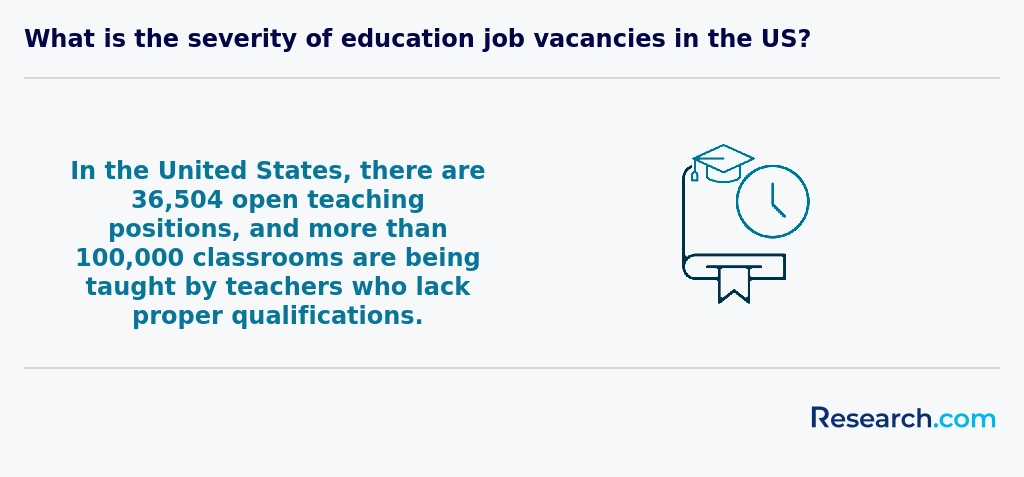
Aspiring educators in Houston must navigate a clear set of state-mandated requirements to earn and maintain a valid Texas teaching certificate. Understanding this process not only ensures compliance but also strengthens your application when competing for positions across diverse Houston school districts. 1. Complete an Accredited Educator Preparation Program • Enroll in a program approved by the Texas Education Agency (TEA) or CAEP-accredited to ensure licensure eligibility. • Coursework typically covers pedagogy, child development, assessment strategies, and classroom management. 2. Pass Required TExES Exams • Pedagogy and Professional Responsibilities (PPR) EC-12 exam. • Subject-specific content exam(s) aligned to your chosen grade level or specialization (e.g., ESL, Special Education). • Review free practice materials on the TEA website and consider prep workshops offered through local institutions. 3. Fulfill Background and Fingerprinting Checks • Submit electronic fingerprints via the TEA’s approved vendor. • Secure a clear criminal background report; disqualifying offenses will delay or deny certification. 4. Apply for Certification via TEAL Portal • Create an account in the TEA Education Applicant System (TEAL). • Upload transcripts, exam scores, and program completion verification. • Pay the non-refundable application fee and track status online. 5. Complete Required Classroom Experience • Most programs include a supervised internship or student-teaching semester under a certified mentor teacher. • Document at least 600 clock hours of field-based experience for standard EC-6 or 6–12 certificates. 6. Maintain and Renew Your Certificate • Standard certificates are valid for five years. • Renewal requires completion of 150 clock hours of continuing professional education (CPE) or an advanced degree. • Consider further specialization-such as an instructional leadership or counseling endorsement-by exploring our Low Cost Online Master's in Education Degree Programs Ranking in Arizona to bolster your credentials before renewal. By following these steps, Houston educators can confidently secure and advance their Texas teaching certification, positioning themselves for success in both classroom and leadership roles.
Imagine stepping into the vibrant campus of the University of Houston, where hopeful education students find scholarships that reward their hard work and financial need. Many graduates recall how these competitive awards made their path brighter, easing the burden of tuition that can soar above $25,000 for out-of-state learners. Not far behind, Texas Southern University offers work-study roles tailored just for education majors, blending hands-on experience with financial support.
Federal aid opens another door: filling out the FAFSA leads to grants like the Pell Grant, which gifted some students up to $7,395 without the stress of repayment. Meanwhile, Texas' own grants, such as the Texas Grant Program, helped many peers cover tuition costs entirely - a real lifeline for those committed to teaching in public schools.
Additionally, private scholarships from groups like the Texas Classroom Teachers Association inspire hope and diversity, lighting the path for tomorrow's educators. Navigating this financial landscape can feel adventurous, yet countless Houstonians have thrived by piecing together these opportunities, turning tuition worries into hopeful beginnings.
In today’s rapidly evolving educational landscape, staying informed about emerging trends is crucial for both prospective students and current educators. As technology reshapes traditional classroom environments and online learning platforms gain greater acceptance, education degree programs in Houston are increasingly integrating digital tools, personalized learning techniques, and data-driven strategies into their curricula. Innovations such as virtual reality classrooms, blended learning models, and adaptive assessments are paving the way for more flexible and inclusive educational experiences. Furthermore, the growing emphasis on educational leadership and policy reform has prompted many institutions to offer advanced programs that prepare educators for prominent roles in administrating and transforming school systems. For those looking to upscale their leadership skills, exploring opportunities like the most affordable online master’s in educational leadership can be a smart investment in your future career. This forward-looking approach not only aligns with current market demands but also ensures that educators remain responsive to the unique challenges of an increasingly interconnected global community.
Diving into education degree programs in Houston feels like stepping onto a path brimming with opportunity-and the first stepping stone is meeting key prerequisites. Many undergraduates recall the thrill and challenge of submitting their high school diploma or GED, alongside their SAT or ACT scores, to schools like the University of Houston or Texas Southern University. With GPA expectations typically around 2.5 to 3.0, they find this initial hurdle encouraging rather than daunting, a gateway to growth. Graduate hopefuls often share stories of carefully gathering transcripts from their bachelor's degrees, aiming for a strong 3.0 GPA to showcase readiness for advanced study.
Letters of recommendation become personal endorsements, reflecting the applicant's dedication and potential. Essays and personal statements invite students to reflect on their passion for education, turning application forms into narratives of purpose. Volunteer hours or classroom experiences add depth, creating a vivid illustration of commitment that admissions committees appreciate. Alongside this, navigating state-required background checks for certification feels like a meaningful rite of passage, underscoring the responsibility embraced by future educators in Houston's vibrant schools.
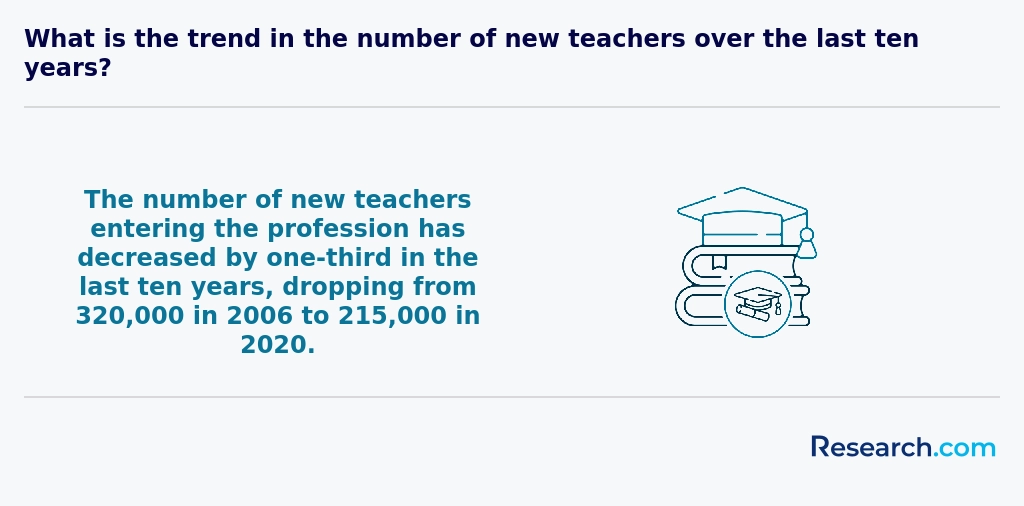
Pursuing an Education degree in Houston culminates in state certification, a critical step to becoming a licensed teacher in Texas. To earn a Standard Teaching Certificate, candidates must: • Complete a state-approved educator preparation program, which includes supervised student teaching. • Pass the Texas Examinations of Educator Standards (TExES) content and pedagogy exams relevant to your grade level or subject area. For example, aspiring elementary teachers typically take the Core Subjects EC-6 and Pedagogy and Professional Responsibilities (PPR) TExES exams. • Submit fingerprints and pass a criminal background check, ensuring compliance with Texas Education Agency (TEA) requirements. • Apply for your certificate via the TEA’s online portal and pay the requisite fee. Most Houston universities embed certification coursework within their Education programs, streamlining the path to licensure. Graduates often recommend early engagement with field supervisors and dedicated test-prep workshops to boost TExES success rates. Additionally, educators who wish to enhance their credentials or pursue leadership roles can explore advanced degrees; for example, many enroll in a Low Cost Online Master's in Education Degree Programs Ranking in Arizona to balance affordability with quality. Maintaining certification requires ongoing professional development: teachers must complete six semester hours of approved coursework or accumulate 150 hours of continuing education every five years. Networking through local chapters of the Texas Classroom Teachers Association (TCTA) provides invaluable support, mentorship, and updates on TEA policy changes. By understanding these licensure steps and leveraging available resources, Houston’s Education degree holders can confidently transition from student to Certified Texas Educator.
Diving into education degrees in Houston unveils a vibrant mix of courses designed to equip future teachers with essential skills for local classrooms. Imagine walking through the halls of the University of Houston or Texas Southern University, where graduates recall firsthand how Introduction to Education opened their eyes to the dynamic roles educators play throughout the U.S. education system, with a deep appreciation for Houston's unique cultural landscape.
Classes like Educational Psychology bring to life how students grow mentally and socially, reminding learners of the real kids they'll soon support in diverse Houston schools. Through Curriculum Development and Instructional Strategies, students actively experiment with creative teaching methods, tailoring lessons to bilingual or ESL learners common in Houston's multicultural neighborhoods.
Fieldwork is more than theory-graduates treasure how practicum placements in the Houston Independent School District immersed them in urban classrooms, sharpening their Classroom Management and Assessment and Evaluation skills. The exciting blend of traditional learning and innovative Educational Technology prepares students to inspire and adapt in Houston's ever-evolving education scene.
Exploring education degree specializations in Houston opens doors to vibrant paths like early childhood education, where graduates from popular universities enthusiastically share how hands-on experiences teaching toddlers spark a deep passion for nurturing young minds. Houston's diverse classrooms make elementary education an exciting field, blending core subjects with real-world classroom management, helping students relate to vibrant, multicultural groups with warmth and confidence.
Among Houston education degree concentration options, secondary education shines for those drawn to teaching specific subjects like science or social studies. Graduates often recall thrilling moments inspiring middle school students in bustling classrooms across Houston. Special education is another compelling choice, addressing unique learning needs with empathy-an area graduates find deeply rewarding in public and private schools alike.
Educational leadership and administration attract those aiming to shape school policies. Many appreciate programs at Houston colleges that emphasize real challenges administrators face. For students seeking innovative paths, the most affordable online master's in educational leadership provides flexible growth opportunities. Other routes like counseling and bilingual education also enrich Houston's educational spectrum.
Choosing the best education degree in Houston means diving into a vibrant mix of possibilities shaped by the city's diverse educational landscape. Imagine walking through the halls of the University of Houston, where graduates often recall their excitement mastering teacher preparation and educational leadership programs fully accredited by CAEP. These experiences reflect a deep connection between rigorous academics and real-world application in Houston's bustling schools. Many aspiring educators from Texas Southern University and Houston Baptist University share similar enthusiasm, knowing their CAEP-accredited degrees open doors across the state.
For the adventurous student balancing life's pace, finding affordable teaching degrees Houston 2027 can be a thrilling challenge. Public universities offer a solid foundation around $10,000 annually, while private colleges stretch budgets but bring unique opportunities. Graduates often highlight the value of internships and evening classes that sync with Houston's dynamic lifestyle.
Exploring cost-effective online options can broaden horizons. Consider programs from other states by checking out the Low Cost Online Master's in Education Degree Programs Ranking in Arizona for inspiration, helping dreamers in Houston navigate financial choices while staying connected to their passion.
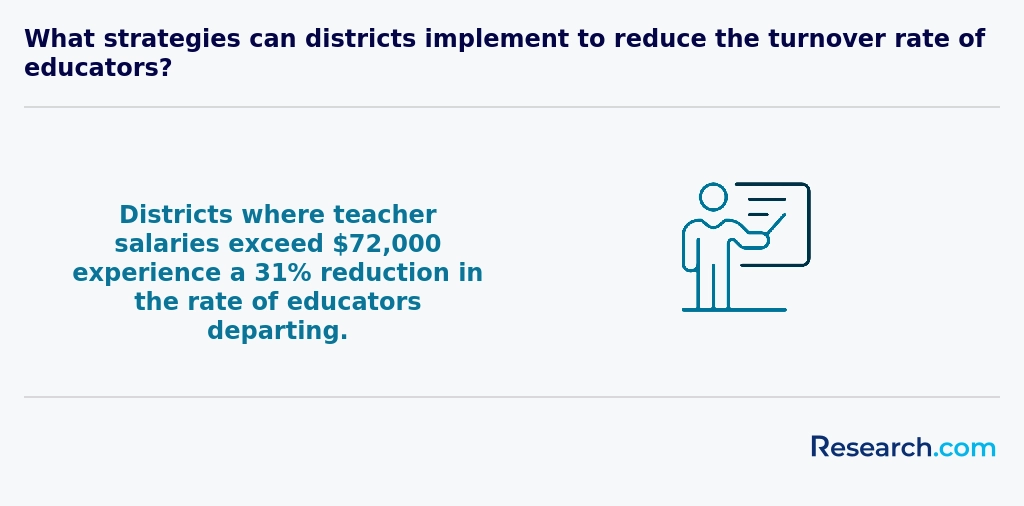
Graduates chasing an education degree career opportunities in Houston find themselves stepping into a rich mosaic of possibilities. Whether working as K-12 teachers in bustling HISD classrooms or shaping young minds as special education instructors, many feel a thrilling connection to Houston's diverse learning communities. The city's renowned universities provide hands-on experiences that prepare education students for dynamic roles as school counselors, curriculum developers, or administrators navigating district leadership.
One graduate recalls waking up energized to innovate bilingual education programs that reflect Houston's vibrant culture, while another embraces the challenge of educational technology, pushing boundaries to engage students in fresh ways. For those keen on flexible entry points into the field, exploring 3-month certificate programs that pay well attracts adventurous learners eager to dive right in.
Houston's supportive environment offers education degree holders opportunities beyond classrooms, including policy analysis and adult education, highlighting the exciting variety teaching jobs and salary Houston education graduates can enjoy.
The job market for an education degree in Houston is vibrant and full of promise. Graduates from institutions like the University of Houston or Houston Community College often share exciting stories of landing roles in diverse educational settings-from bustling HISD classrooms to innovative charter schools. This steady demand particularly favors special education, bilingual education, and STEM teaching careers demand Houston Texas, creating many paths for new teachers eager to make an impact.
Many graduates discover the appeal of Houston's teacher-friendly policies, such as loan forgiveness programs and signing bonuses that add to the allure of pursuing teaching locally. With in-state tuition costs at public universities around $10,000 to $12,000 and opportunities to join expanding districts, investing in an education degree here feels both practical and adventurous.
For those exploring varied academic options, community colleges offer alternative routes and certifications, opening doors beyond K-12. Curious learners also find inspiration considering the easiest bachelors degree to get as a stepping stone to specialized teaching fields.
2027 Best Education Degree Programs Ranking in Houston
Investing in your education is a significant decision that can shape your future, and the Research.com team understands the importance of making informed choices. To assist prospective students in Houston, we have meticulously crafted the "2027 Best Education Degree Programs Ranking in Houston." Our commitment to quality, credibility, and accuracy is reflected in the extensive research and analysis conducted to compile this ranking.
We utilized the following reputable data sources to ensure a comprehensive evaluation of education degree programs:
By exploring this ranking, readers will gain valuable insights into the best education degree programs available in Houston, helping them make informed decisions about their academic futures. For more details on our methodology, please visit our Research.com methodology page.


Frequently Asked Questions About education
Education degree students in Houston can maximize their learning experience by engaging actively in both coursework and practical opportunities. Houston hosts several accredited institutions offering diverse education programs, such as the University of Houston and Texas Southern University, which provide extensive fieldwork in local schools. According to the Texas Higher Education Coordinating Board, hands-on experience is critical for teacher preparation and skill development.
Students should also utilize Houston's rich network of educational resources, including mentoring programs and professional organizations like the Houston Area Urban Teachers. Participation in study groups and internships helps deepen understanding and develop essential teaching skills.
Additionally, leveraging technology and online platforms offered by many Houston universities supports flexible and personalized learning, improving student outcomes as noted by the National Center for Education Statistics.
The education field in Houston is experiencing growth in several emerging niches. One notable area is educational technology, driven by increased demand for online and hybrid learning models. Houston's universities, including the University of Houston, are expanding programs focused on digital curriculum design and instructional technology.
Another growing niche is special education, responding to the rising need for educators trained to support diverse learners. According to the Texas Education Agency, Houston area schools have seen a 12% increase in students requiring special education services in recent years.
STEM education and bilingual teaching are also expanding fields, reflecting Houston's diverse population and emphasis on science and technology careers. These niches offer promising career opportunities for prospective students pursuing education degrees.
Preparing for the job market after earning an education degree in Houston involves several strategic steps. Graduates should first secure proper certification, as Texas requires state certification for most public school teaching positions. According to the Texas Education Agency, nearly 70% of Houston-area education graduates find teaching roles within a year of certification.
Building a strong network through local school districts and education job fairs, such as those hosted by the Houston Independent School District, can increase employment opportunities. Additionally, gaining practical experience through student teaching or internships is vital. Houston's diverse student population offers a chance to develop culturally responsive teaching skills, highly valued by employers.
Continuing education through workshops and professional development helps graduates stay competitive. Finally, utilizing resources from Houston-area career centers can provide tailored job search assistance and interview preparation specific to education roles in the region.
Employers in Houston highly value education degree graduates who demonstrate strong communication skills, both verbal and written. Effective communication is essential for working with diverse student populations and collaborating with parents and colleagues.
Classroom management is another key skill, enabling teachers to create positive learning environments that support student success. According to the Texas Education Agency, Houston area school districts emphasize this skill in hiring practices.
Additionally, proficiency in educational technology is increasingly important. Houston's schools incorporate digital tools extensively, so graduates familiar with these resources stand out.
Critical thinking and adaptability are also sought after, as educators face evolving curriculum standards and classroom challenges regularly.
Finally, cultural competence is essential given Houston's diverse population, helping educators address varied student needs effectively.
Finding internships in Houston relevant to an education degree involves leveraging local resources and institutional partnerships. Many Houston universities, such as the University of Houston and Texas Southern University, have established connections with Houston Independent School District (HISD), which is the largest school district in Texas, serving over 200,000 students.
Students should start by contacting their university's career services or education department to access internship postings and application guidance. Additionally, HISD and charter schools often offer structured internship programs specifically for education majors seeking classroom experience.
Houston's diverse school environment provides opportunities in special education, bilingual education, and administration, aligning well with various education fields. Websites like Handshake and internships.com also list local internships tailored to education students.
Obtaining an education degree in Houston significantly enhances career mobility and advancement opportunities in the local job market. The city's diverse school districts, including Houston Independent School District (HISD), regularly seek qualified educators holding accredited degrees to fill teaching and administrative roles. According to the Texas Education Agency, educators with higher credentials often qualify for advanced positions, such as curriculum specialists or school administrators, which offer higher salaries and greater job stability.
Furthermore, Houston's expanding educational sector benefits from the presence of top universities like the University of Houston and Texas Southern University, which provide recognized certification programs. Graduates holding education degrees in Houston have a competitive edge, as they meet state licensure requirements and are better prepared for continuing professional development.
Studying for an education degree in Houston equips students with skills to work across multiple disciplines. Many Houston universities emphasize collaborative learning that integrates psychology, sociology, and technology. This approach prepares graduates to address diverse student needs in inclusive environments. According to the Texas Higher Education Coordinating Board, Houston-area education programs often include practicum experiences in varied school settings, fostering real-world interdisciplinary applications. Additionally, partnerships with local organizations help students develop communication and leadership skills vital for roles blending education with social services or administration. These opportunities make Houston graduates adaptable in today's evolving educational landscape.
Choosing between a thesis and a non-thesis education degree program in Houston depends on your career goals and learning preferences. Thesis programs require original research and a formal written thesis, ideal for students aiming at academic or research careers. Non-thesis options focus more on practical coursework and often include internships or projects, appealing to professionals seeking advanced skills without the research emphasis.
In Houston, many universities offering education degrees, like University of Houston or Texas Southern University, provide both options. According to the Texas Higher Education Coordinating Board, approximately 40% of education master's students in Texas opt for non-thesis routes due to time and career flexibility.
Consider your timeline as thesis programs generally take longer. Also, check if your intended job or doctoral program values research experience, which a thesis can provide, as some Houston school districts prefer candidates with research skills for specialized roles.
Students based in Houston interested in studying education abroad have several pathways through local universities offering international exchange programs. Institutions like the University of Houston and Texas Southern University provide partnerships with global universities, allowing students to spend a semester or year overseas while earning credits toward their education degree.
These programs often focus on comparative education studies, international teaching methods, and multicultural classroom management. According to the Institute of International Education, Texas ranks in the top ten for outbound study abroad participation, with Houston students contributing notably to those numbers.
Additionally, some Houston schools offer joint degree options with foreign institutions, enabling students to gain a global perspective and dual credentials in education.
Students pursuing education degrees in Houston have access to several part-time job opportunities that complement their studies and build practical skills. Many find roles as teacher aides or substitute teachers within the large Houston Independent School District, which employs over 200,000 students across more than 280 campuses, providing diverse classroom experiences. Tutoring positions are also popular, both independently and through local centers, allowing students to reinforce their content knowledge and instructional abilities.
Additionally, internships or assistant roles in after-school programs and community education initiatives engage students with various age groups and learning styles. These jobs not only enhance resumes but also improve classroom management and communication skills essential for future educators.
Education students in Houston benefit from multiple networking opportunities due to the city's large academic and professional community. Houston hosts numerous events and conferences focused on education, such as those organized by the Texas State Teachers Association and the Houston Independent School District's annual summits. These gatherings allow students to connect with experienced educators and administrators.
Many universities, including the University of Houston and Houston Baptist University, offer student organizations and professional groups specifically for education majors. These groups provide mentorship and peer networking occasions.
The city's education nonprofits and local schools also offer internships and volunteer programs, which are crucial for real-world connections and job placement after graduation.
Alumni networks offer significant advantages to education degree students in Houston by providing strong professional connections. These networks help graduates access mentorship opportunities, job leads, and collaborations with experienced educators across local districts. According to Houston Education Research Consortium data, nearly 70% of recent education graduates secured employment through contacts made via alumni groups.
Alumni events and online platforms foster ongoing communication, allowing students to stay informed about trends and policies affecting Houston schools. This community support can improve career development and increase employment prospects in the competitive education sector.
Additionally, alumni often share internship and substitute teaching opportunities, giving current students practical experience before graduation.
Customizing your education degree program in Houston to align with your career goals involves selecting specializations and electives that match your professional interests. Many Houston universities offer concentrations like curriculum development, educational leadership, or special education, allowing you to tailor your studies.
Internship opportunities with local Houston school districts can provide practical experience relevant to your goals. Additionally, flexible course formats, such as evening or online classes, accommodate working professionals aiming to advance their careers while studying.
According to the Texas Higher Education Coordinating Board, Houston has over 30 accredited institutions offering varied education degrees, facilitating diverse customization options suited to the city's educational demands.
Education students in Houston face several typical challenges during their degree programs. One major hurdle is balancing academic coursework with fieldwork requirements, as many programs mandate extensive classroom observations and student teaching in local schools. According to the Texas Education Agency, Houston's diverse student population requires future educators to be culturally responsive and adapt to varied learning needs, which can be demanding for students gaining practical experience.
Furthermore, financial stress is common among education students. Many rely on part-time work or loans, with the average student debt for Texans reported at around $31,000 by the Institute for College Access & Success. Additionally, certification exams and rigorous state standards add pressure, making time management and consistent performance vital for success.
With an education degree in Houston, graduates can pursue a variety of professional certifications to enhance their careers. Most common is the Texas Teacher Certification, which is required to teach in public schools across the state. This certification involves passing state exams, including the Texas Examinations of Educator Standards (TExES).
Additionally, educators can seek certifications in specialized areas such as Special Education, ESL (English as a Second Language), or Bilingual Education, reflecting Houston's diverse student population. According to the Texas Education Agency, over 200,000 students in the Houston area are English language learners, highlighting the demand for ESL certification.
Beyond teaching credentials, professionals with education degrees can earn certifications in Educational Leadership or Administration, qualifying them for roles as principals or district administrators. These certifications often require additional coursework and passing relevant exams.
Crafting a winning application for an education program in Houston requires clarity, preparation, and attention to local academic standards. Begin by thoroughly researching Houston area institutions, such as the University of Houston and Texas Southern University, which are known for their strong education departments. Highlight your commitment to teaching, relevant experience, and knowledge of diverse Houston communities.
Include clear, concise personal statements emphasizing your goals and why you want to study education in Houston. Admissions committees often value applicants familiar with regional educational challenges and student demographics. Providing strong letters of recommendation from educators or professionals in Houston can strengthen your application.
Make sure your transcripts reflect solid academic performance, as Houston's education programs often require a minimum GPA around 3.0. Finally, meeting all deadlines and submitting all requested documents increases your chances of acceptance.
Education careers in the United States, including Houston, are shaped by global trends emphasizing cultural competence and technological integration. Aspiring educators benefit from understanding diverse learning needs and international teaching methods to prepare students for a connected world.
Houston's universities, such as the University of Houston, offer programs aligned with national and global standards, reflecting increased demand for bilingual teachers and STEM education specialists. According to the Texas Education Agency, Houston's diverse student population drives growth in education job opportunities by 8% through 2030.
Globally, education careers prioritize lifelong learning and adaptability, skills that Houston graduates gain, positioning them well for both domestic and international roles. This global perspective is vital for addressing educational challenges in urban and multicultural settings.
Gaining practical experience while pursuing an education degree in Houston is essential for developing effective teaching skills. Many universities offer supervised student teaching placements in local public and private schools, which allow candidates to apply theoretical knowledge in real classroom environments. For example, Houston Independent School District collaborates with institutions like the University of Houston to provide diverse student teaching opportunities. Additionally, internships and volunteering in educational programs or non-profits focused on youth enable students to build hands-on skills. Engaging in practicum courses, commonly part of education degrees, further supports experiential learning essential for state certification requirements.
Choosing the right concentration within an education degree program in Houston involves careful consideration of local job market demands and personal interests. For example, Houston Independent School District, the largest in Texas, often seeks teachers in bilingual education and STEM subjects, reflecting regional needs. According to the Texas Education Agency (TEA), bilingual and special education are among the highest growth areas statewide.
Evaluating concentrations such as early childhood, special education, or educational leadership can help align your studies with career goals. Additionally, researching program accreditation and partnerships with Houston-area schools ensures practical experience. Reviewing workforce trends and certification requirements in Texas can guide a well-informed choice.
- 2027 Best Education Degree Programs Ranking in New Orleans
- 2027 Best Education Degree Programs Ranking in Mobile
- 2027 Best Education Degree Programs Ranking in Wichita
- 2027 Best Education Degree Programs Ranking in Montgomery
- 2027 Best Education Degree Programs Ranking in Birmingham
- 2027 Best Education Degree Programs Ranking in Kansas City
- 2027 Best Education Degree Programs Ranking in Columbia
- 2027 Best Education Degree Programs Ranking in Tallahassee
- 2027 Best Education Degree Programs Ranking in Atlanta
- 2027 Best Education Degree Programs Ranking in Macon
See What Experts Have To Say About Studying Education
Read our interview with Education experts

Nooshan Ashtari
Education Expert
Professor & Book Author
University of Southern California

Alan J. Singer
Education Expert
Professor of Teaching, Learning and Technology
Hofstra University

- Finding Networking Opportunities as a Student | National Society of High School Scholars https://www.nshss.org/resources/blog/blog-posts/how-to-find-networking-opportunities-as-a-student/
- How to Choose a Concentration for Your Master of Education 3 Questions to Consider https://www.aiuniv.edu/degrees/education/articles/how-to-choose-an-education-specialization
- Student Financial Aid https://www.houstontx.gov/education/studentfinancialaid/preparation.html
- How to Choose a Teaching Program https://houston.teach.org/become/programs/about
- What else can I do with an education or teaching degree? https://targetjobs.co.uk/careers-advice/career-ideas/what-else-can-i-do-education-or-teaching-degree
- Tips for Choosing Your Graduate Concentration - Graduate Programs for Educators https://www.graduateprogram.org/blog/tips-for-choosing-your-graduate-concentration/
- Education Technology Trends to Watch in 2065: 10 Innovations Shaping the Future of Learning https://www.digitallearninginstitute.com/blog/education-technology-trends-to-watch-in-2026
- 18 Highest Paying Jobs With an Education Degree (not teaching) | Devlin Peck https://www.devlinpeck.com/content/jobs-with-an-education-degree
- How to Write a Great Letter of Intent for a Teaching Job | Zen Educate https://www.zeneducate.com/us/resources/becoming-a-teacher/how-to-write-letter-of-intent-teaching-job/
- Top College Features for Education Majors - UST Sites & Blogs - Be Bold https://blogs.stthom.edu/BeBoldBlog/education/top-college-features-for-education-majors/


