
2027 Most Valuable Education Degree Programs Ranking in Orange

Co-Founder and Chief Data Scientist
Choosing the right education degree program is a big step toward a rewarding future. If you're in Orange and considering your options, this article is here to help.
We present the 2027 Most Valuable Education Degree Programs Ranking in Orange, carefully crafted by the Research.com team of data scientists. This ranking highlights the programs that offer the best opportunities for career growth and personal fulfillment.
Reading this guide will give you clear insights to make an informed decision, setting you on a path to success with confidence and excitement.
Key benefits of getting education degree in Orange
- Graduates with an education degree in Orange can expect rewarding salaries, such as $71,000 annually for elementary school teachers and up to $77,200 for instructional designers, ensuring financial stability in meaningful careers.
- Career paths include roles like special education teacher, ESL instructor, or early childhood educator, offering diverse opportunities for graduates from local universities to make a positive impact on their communities.
- Online education degrees offer flexibility and convenience, allowing graduates from Orange's popular universities to balance work and study while gaining practical skills that employers value.
- 2027 Most Valuable Education Degree Programs Ranking in Orange
- What can I expect from education degree in Orange?
- Where can I work with education degree in Orange?
What can I expect from education degree in Orange?
The average cost of pursuing an education degree in Orange typically falls between $6,000 and $8,000 per year for undergraduate programs at public institutions. Many graduates from nearby California State University, Fullerton, emphasize the affordability combined with quality instruction as a major advantage. This pricing allows students to focus on gaining valuable skills without excessive financial pressure, making it an accessible option for local residents.
For example, students at CSUF benefit from tuition rates designed for in-state learners, which keeps education expenses manageable while providing comprehensive coursework in child development and curriculum design. Alumni often mention the balance of theoretical learning and practical teaching experience as a strong point of their degree, achieved within this reasonable cost structure.
Additionally, scholarships and grants from state and local education foundations help many education students further reduce their financial burden. This support system enhances accessibility and fosters positive engagement, contributing to a rewarding academic journey aligned with career-ready outcomes.
Where can I work with education degree in Orange?
Graduates with education degrees in Orange frequently secure employment within the extensive public and private K-12 school systems. Orange County's public schools, educating over 200,000 students, employ thousands of certified teachers annually, ensuring reliable job availability for credentialed graduates. Many alumni from California State University, Fullerton, or University of California, Irvine describe rewarding experiences teaching in these diverse classrooms, where demand for bilingual and special education professionals continues to rise.
Beyond classroom teaching, education graduates often advance to roles such as school counselors, instructional coordinators, or special education specialists, benefiting from growing district needs for these qualified experts. Early childhood education centers in Orange also actively recruit graduates to lead pre-school and daycare programs, offering meaningful community impact.
Graduates pursuing higher education careers find opportunities in local colleges, taking on academic advising or faculty roles. Additionally, some engage with government and non-profit agencies focused on educational outreach, contributing to community learning and policy development. These pathways reflect broad and promising career options within Orange's education landscape.
Graduates with education degrees from Orange's well-regarded institutions often find diverse salary opportunities reflecting their chosen specialties. For example, elementary school teachers can expect a mean annual wage of about $70,740, aligning closely with local district averages where many graduates begin their careers.
Those focusing on special education benefit from even greater earning potential, with average salaries around $76,000. This reflects the high demand and specialized skills required for these roles in Orange's inclusive school systems.
Graduates who become ESL teachers typically earn approximately $65,430 annually, supporting Orange's multilingual communities. Early childhood educators, an essential role in foundational learning, earn about $41,410, which many graduates find rewarding both financially and personally.
Instructional designers, a growing field in education technology popular at Orange's colleges, report mean wages near $77,200, reflecting the innovative edge education graduates can achieve.
For many Orange State College alumni, these figures inspire confidence, matching both salary expectations and the vibrant career paths available locally, blending meaningful work with competitive compensation.
- Tuition for an education degree in Orange ranges from $8,000 to $15,000 per year at public schools and $20,000 to $30,000 at private colleges.
- Additional costs like fees, books, and living expenses are not included in tuition and will increase the overall cost.
- Starting salaries for education graduates in Orange average about $45,000 per year, varying by teaching level and role.
- Long-term salaries can grow to between $60,000 and $70,000 annually, especially with advanced degrees or certifications.
- The job market for education professionals in Orange is expected to grow by approximately 5% over the next decade.
- Education programs often include student teaching placements and require meeting state certification requirements like licensure exams and background checks.
Completing an education degree in Orange typically takes about four years for undergraduate students pursuing a Bachelor of Science or Bachelor of Arts in Education. Graduates from institutions like Chapman University and California State University, Fullerton often reflect on these years as a formative, engaging period filled with hands-on teaching experiences and community involvement.
For those advancing to a Master of Education (M.Ed.), the timeframe generally ranges from 18 to 24 months of full-time study. Many students appreciate the flexibility of part-time or accelerated paths offered at local universities, which lets them balance work, family, and study commitments more effectively.
Doctoral degrees such as Ed.D. or Ph.D. in Education demand a longer commitment-typically three to six years. Graduates highlight the rewarding challenge of conducting meaningful research and contributing to education leadership, curriculum design, or policy development.
Students pursuing these degrees in Orange benefit from programs tailored to their schedules and goals, combining rigorous academics with practical application in nearby schools and educational settings.
Education degrees in Orange differ notably between online and on-campus formats, impacting student experiences and outcomes. On-campus programs at institutions like Chapman University immerse students in face-to-face interactions with professors and peers, fostering a collaborative learning environment. Graduates often highlight how participating in local school internships enhanced their practical skills through direct mentorship and networking events on campus.
In contrast, online education degrees offer flexibility valued by working professionals or parents in Orange. A significant 15% of California education students chose fully online paths in 2023, benefiting from asynchronous coursework that fits diverse schedules. However, these students must manage technology requirements and occasionally pay extra fees for virtual proctored exams, unlike their on-campus counterparts who access university resources on-site.
Cost considerations also differ: on-campus bachelor's tuition ranges between $10,000 and $25,000 annually, while online programs are generally cheaper, from $7,000 to $20,000. This affordability, along with the convenience of location-independent study, makes online degrees appealing despite less direct social engagement.
- Flexibility: Online students can study anytime, unlike fixed on-campus class schedules.
- Social interaction: Campus students benefit from richer, in-person collaboration opportunities.
- Practical experience: Easier access to local Orange schools supports hands-on placements for on-campus learners.
- Technology: Online programs require reliable devices and internet, campus students use university facilities.
To become a fully credentialed teacher in Orange, CA, graduates must navigate the California Commission on Teacher Credentialing (CTC) requirements, beginning with the California Basic Educational Skills Test (CBEST) and, for subject-specific credentials, the California Subject Examinations for Teachers (CSET). Successful completion of these exams demonstrates foundational skills in reading, writing, and mathematics, as well as subject-matter expertise. Once exam requirements are met, candidates apply for a Preliminary Credential through the CTC, which involves submitting official transcripts, proof of a bachelor’s degree from an accredited institution, and verification of fingerprint clearance for background checks. During the first two years of classroom teaching, teachers enroll in an Induction Program-often offered by local schools or districts-to transition from preliminary to a Clear Credential. This program emphasizes mentoring, reflective practice, and targeted professional development. For educators seeking advanced preparation or leadership roles, pursuing a master’s degree that integrates credentialing can streamline the pathway. For example, many professionals explore affordable online master’s options; our Most Affordable Online Master's in Education Degree Programs Ranking in Indiana provides a benchmark for cost-effective graduate study that meets CTC requirements. Finally, maintaining a Clear Credential requires completing 150 clock hours of professional growth every five years, which can include workshops, conferences, and graduate coursework. By understanding each licensure step-exam preparation, credential application, induction mentoring, and ongoing professional development-Education degree graduates in Orange, CA, can confidently launch and sustain successful teaching careers.
The average cost of a education degree in Orange reflects a median total expense of approximately $82,198, with in-state students typically facing about $64,984. These figures encompass tuition, fees, and other educational expenses over the full duration of the program. Graduates from well-known institutions such as the University of California, Irvine describe balancing these costs with financial aid and scholarships, which often ease the financial burden and make pursuing a degree more accessible.
For many students, beginning their education journey at a local community college in Orange County offers an affordable foundation, with annual tuition around $1,500 for in-state residents before transferring to universities. This pathway allows students to manage their expenses effectively while positioning themselves for successful transfer into comprehensive education degree programs.
When reviewing the total tuition and fees for education degrees Orange 2027, it's important to include additional mandatory costs, including books, technology, practicum fees, and living expenses, which tend to be higher in Orange owing to the local cost of living. Despite these expenses, many students describe their education experience positively, buoyed by strong academic support and practical training opportunities.
Prospective students seeking deeper insights into education careers can explore options at https://research.com/careers/education-careers, which provides resources to navigate these investment aspects. Considering the average cost of education degree programs in Orange alongside financial aid options helps students realistically plan the financial side of their educational goals.
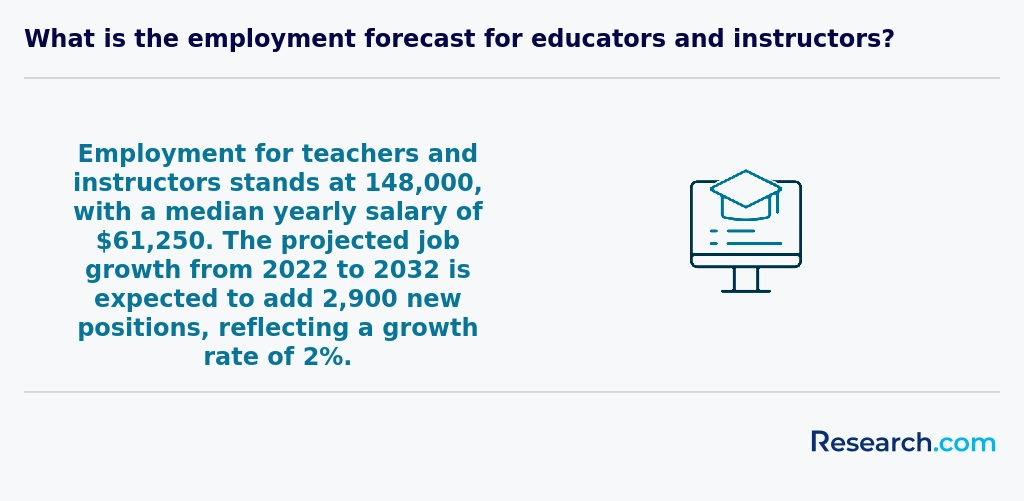
After earning your Education degree in Orange, CA, you must complete state-mandated steps to become a credentialed teacher in California:
- Graduate from a Commission on Teacher Credentialing (CTC)–approved educator preparation program
- Pass the California Basic Educational Skills Test (CBEST) to demonstrate reading, writing and math proficiency
- Complete subject matter verification by passing the California Subject Examinations for Teachers (CSET) in your teaching field
- Fulfill the Teaching Performance Assessment (e.g., CalTPA) through supervised student teaching
- Apply for a Preliminary Credential with the CTC and begin a two-year induction program
- Complete induction to earn a Clear Credential
Graduates seeking advanced roles or higher salaries can explore high paying degrees in areas like instructional design and educational administration.
Students pursuing education degrees in Orange often rely on a mix of federal, state, and institutional financial aid to manage costs. Federal Pell Grants, providing up to $7,395 annually, significantly ease the burden for many. Graduates from local universities attest that these grants allow them to focus more on studies than finances. Federal Work-Study programs also offer opportunities for part-time earnings, helping students handle everyday expenses.
California's state-level Cal Grant is highly impactful, offering up to $12,570 for tuition at public universities and $9,084 at private colleges in Orange. Recipients from well-known Orange colleges report how this aid made attending affordable without excessive loans. Institutional scholarships based on merit or background further reduce tuition costs, with some students receiving full support tied to their commitment to education careers.
Many Orange graduates benefit from federal Direct Loans, praised for low interest and flexible repayment. Those teaching in underserved local schools often highlight the Teacher Loan Forgiveness program, which can wipe out up to $17,500 in federal loans after five years, providing hope and motivation to stay in education.
Hands-on experience through internships and student-teaching placements is a cornerstone of high-quality education programs in Orange, CA. Local institutions often partner with nearby school districts-such as Orange Unified, Tustin Unified, and Santa Ana Unified-to provide structured field experiences ranging from 50 to 200 hours per semester. These placements allow aspiring educators to co-teach lessons, observe veteran teachers, and receive personalized mentorship that sharpens classroom management and lesson-design skills. Many programs also offer specialized practicum tracks, including special education and ESL, enabling candidates to support diverse learners under the guidance of certified professionals. For those balancing work or family commitments, flexible options exist: students can explore best online bachelors in education programs that integrate virtual practicums with supervised in-person observations in local schools. This hybrid model ensures that every candidate attains required field hours without sacrificing their schedules. To maximize the value of these experiences, students are encouraged to document teaching reflections, build lesson portfolios, and network with mentor teachers. Successful graduates often credit these immersive placements for smoothing their transition into full-time roles, citing early job offers that resulted directly from strong partnerships between universities and district schools. When evaluating programs, prospective students should inquire about the range of placement sites, mentor-to-student ratios, and assessment methods used during internships to ensure robust professional preparation.
Prospective students aiming to enroll in education degree programs in Orange typically must hold a high school diploma or GED, which establishes their eligibility for undergraduate studies. Graduates from local universities often recall submitting detailed academic transcripts showcasing strong performance in English and mathematics-skills essential for future educators. While standardized tests like the SAT or ACT used to play a significant role, many Orange institutions now adopt test-optional policies, valuing consistent high school achievement more.
For those pursuing graduate education degrees, a bachelor's degree from an accredited institution is mandatory. Many programs also request relevant work experience, especially for leadership tracks. Applicants frequently share personal statements articulating their passion for teaching, complemented by recommendation letters that reflect their commitment and character.
Students enrolling in popular Orange universities relate positive experiences completing background checks and fingerprinting, crucial for state compliance and ensuring safe learning environments. These prerequisites form a clear roadmap for those dedicated to a rewarding education career in Orange.

Candidates aiming to teach in Orange, CA must obtain a state credential through a clear, step-by-step process:
- Earn a bachelor’s degree in Education or in a subject area with a CTC-approved teacher preparation program
- Demonstrate subject matter competence by passing the CSET exams or completing an approved coursework pathway
- Complete the Basic Skills Requirement (CBEST) and satisfy the U.S. Constitution mandate
- Pass a fingerprint-based background check and secure a Certificate of Clearance
- Finish a supervised student teaching experience (typically 600 hours) through your program
- Apply for a Preliminary Credential with the California Commission on Teacher Credentialing (CTC)
- After one year of teaching and documented induction support, clear your credential by meeting professional development and performance standards
For candidates seeking advanced pathways, exploring affordable online graduate programs can streamline the process of earning a credential and master’s degree simultaneously.
Education degree programs in Orange typically include comprehensive core courses such as Introduction to Education, where students explore the history and philosophy of education, providing a foundation for understanding teaching roles. Courses like Child and Adolescent Development focus on cognitive and emotional growth, equipping future teachers to address diverse student needs. Curriculum Design and Instruction teaches students how to create effective lesson plans, a practical skill emphasized by graduates from institutions like California State University, Fullerton.
Educational Psychology covers motivation and learning processes, supporting educators in fostering student engagement. Classroom Management courses prepare students to create productive environments, while Diversity and Inclusion in Education address cultural responsiveness essential in Orange's multicultural communities. Assessment and Evaluation are also integral, offering methods to measure learning outcomes accurately.
Graduates often reflect positively on the hands-on experience gained through student teaching and internships required by many Orange programs, which align closely with state certification standards. This blend of theory and practice helps students confidently transition into real classroom settings, making their education relevant and empowering.
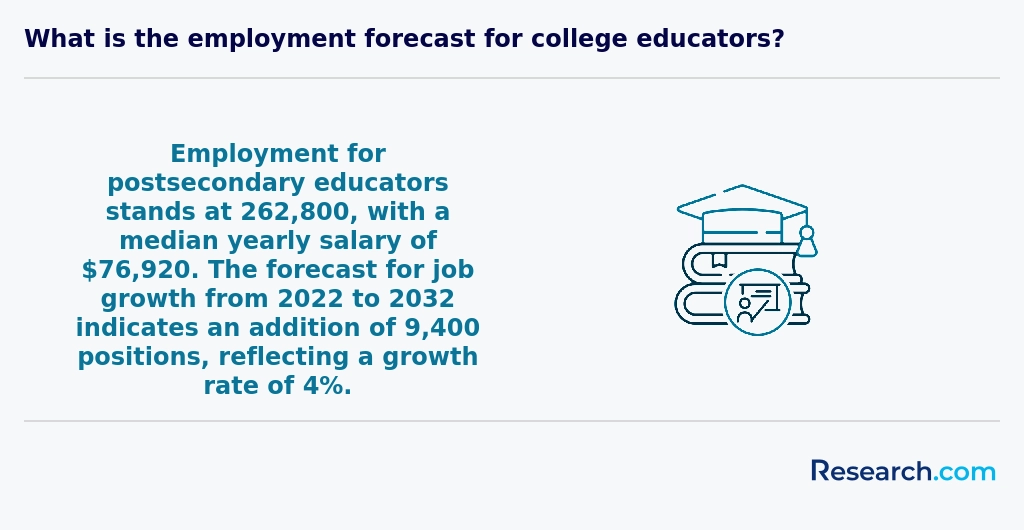
Education degrees in Orange typically offer specializations such as Elementary Education, Secondary Education, Special Education, and Educational Leadership and Administration. Graduates from popular colleges in Orange often highlight how Elementary Education programs prepare them with essential skills in child development and literacy for teaching young learners, while Secondary Education focuses on middle and high school content mastery paired with effective classroom management techniques. Costs for these specializations vary, with programs averaging between $22,000 and $40,000 annually, though community colleges provide more affordable pathways.
Special Education is increasingly critical due to nationwide demands for inclusive classrooms, emphasizing behavior management and individualized education plans. Leadership and Administration specializations, often pursued at the graduate level, open paths to principal and policy-making roles with tuition between $7,000 and $15,000 yearly at public universities in Orange. These varied tracks reflect the best education programs Orange county has to offer, ensuring students gain hands-on experience and faculty support aligned with local and national standards.
Students interested in advanced curriculum skills often explore curriculum and instruction phd programs online, complementing their practical learning with research-driven expertise in curriculum development and instructional strategies.
Choosing the best education degree in Orange requires analyzing key elements like program type, accreditation, and cost. Graduates from California State University, Fullerton, often highlight the value of a Bachelor's degree combined with hands-on student teaching internships, which enhance practical skills and confidence. In Orange, programs accredited by the CA Department of Education or CAEP ensure alignment with state licensure standards, a crucial factor when targeting public school positions.
Considering affordable education degrees Orange costs play a major role; community colleges offer tuition around $1,200 annually for in-district students, while four-year universities range between $7,000 and $8,000 per year for in-state attendees. Successful students often appreciate flexible scheduling options to balance work and study commitments. Evaluating graduation and job placement rates further clarifies program quality. Those seeking specialized credentials might explore resources like nevada teaching certification programs for broader insight into credential pathways valuable in Orange's education landscape.
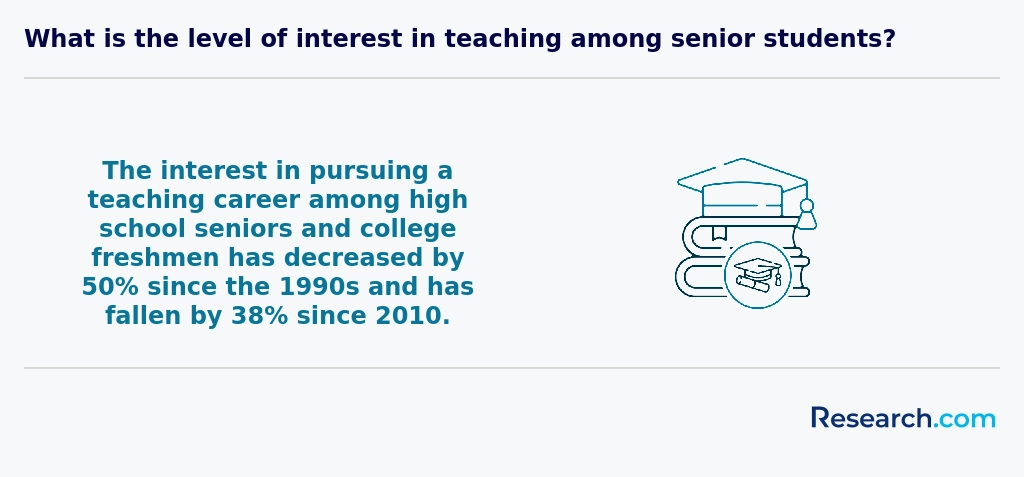
Graduates with an education degree in Orange find diverse opportunities aligned with local demand and educational priorities. Common career paths include elementary and secondary school teaching roles within both public and private institutions. Additionally, the growing emphasis on inclusive education means many graduates pursue specialized positions as special education teachers, working closely with students with unique learning needs. School counselors and educational consultants also represent vital roles, offering guidance and support to student development. Those interested in leadership often advance to administrative roles such as principals or curriculum coordinators, positions that typically require further qualifications but offer significant impact within Orange's school systems. Another promising path is adult education instruction, where graduates contribute to GED programs and continuing education initiatives tailored to the community.
Students from popular Orange colleges often share how their hands-on training and community-focused coursework prepared them for these career paths, emphasizing the fulfillment found in local educational careers. For those seeking alternatives, considering a history degree near me can complement education roles by broadening content expertise.
Understanding education degree career opportunities in Orange helps students make strategic decisions based on stable job prospects for education graduates Orange, which align with a median annual wage averaging $73,000 to $78,000 and growing regional demand.

The job market for education degree holders in Orange remains robust, with steady demand fueled by the region's growing population and emphasis on educational improvements. Graduates from local institutions frequently secure roles in elementary and secondary school teaching, special education, or educational administration. This positive employment outlook is particularly relevant for those exploring education degree job opportunities in Orange, as school districts like Anaheim Union and Santa Ana consistently recruit new teachers.
Starting salaries for education graduates in Orange typically range from $60,000 to $85,000 annually, reflecting the local cost of living and competitive demand. Many graduates from popular colleges in Orange find that combining their degrees with teacher credentialing programs enhances their hiring prospects. These programs often integrate practical experience, giving students confidence and readiness for real classroom challenges.
For students interested in further specialization or alternative education careers, resources and advice are available here. Overall, the Orange education degree employment outlook is favorable, promising rewarding opportunities for committed graduates in diverse education roles.
2027 Most Valuable Education Degree Programs Ranking in Orange
Investing in one's education is a crucial decision that can significantly influence future opportunities, and the Research.com team recognizes the importance of providing reliable guidance. To support students and professionals in Orange, we have carefully developed the "2027 Most Valuable Education Degree Programs Ranking in Orange." Our dedication to quality, credibility, and accuracy is demonstrated through thorough research and rigorous analysis. We employed the following esteemed data sources to create a robust and trustworthy ranking:
By reviewing this ranking, readers will access valuable insights to confidently select the best education degree programs in Orange. For a deeper understanding of how this ranking was compiled, please visit our Research.com methodology page.

Frequently Asked Questions About education
Education degree students in Orange can maximize their learning experience by actively engaging with both theoretical and practical components of their programs. According to the National Center for Education Statistics, hands-on experience through student teaching placements in local Orange Unified School District schools significantly improves teaching skills and classroom management.
Taking advantage of mentorship opportunities with experienced educators in the area enhances professional growth. Furthermore, Orange students benefit from diverse community resources and workshops offered by nearby institutions, including Chapman University, known for its education programs aligned with California teaching standards.
Utilizing campus libraries and digital resources also enriches understanding of current educational research and pedagogy trends. Finally, participating in education-focused student organizations fosters collaboration and networking essential for future employment opportunities.
The education field in Orange is evolving with several emerging niches attracting attention. One growing area is educational technology, focusing on integrating digital tools to enhance learning experiences. According to the Orange County Department of Education, jobs in this sector have increased by 12% over the past five years.
Another niche is special education, particularly programs designed for students with autism and other developmental disabilities. Local demand for specialists remains strong, with Orange's education centers expanding services accordingly.
Additionally, bilingual and multicultural education are rising fields due to Orange's diverse population. Educators trained in these areas help bridge cultural gaps and improve student outcomes. This trend aligns with national growth data from the U.S. Department of Education emphasizing inclusivity.
Graduates with an education degree in Orange should focus on gaining practical experience to enhance their employability. Participating in student teaching placements or internships within local Orange school districts is essential. These opportunities provide real classroom exposure, improving skills and professional networks.
Building strong relationships with educators and administrators in Orange can lead to valuable job referrals. According to the California Department of Education, demand for qualified teachers in Orange County grew by 4% between 2020 and 2023, highlighting a competitive but rewarding market.
Additionally, preparing for certification exams such as the California Basic Educational Skills Test (CBEST) or the California Subject Examinations for Teachers (CSET) is crucial, as these are required for employment in many Orange schools.
Networking with local education organizations and attending career fairs hosted by Orange County universities also support job placement efforts. Staying informed about Orange's education initiatives and policies will help graduates adapt to evolving classroom needs.
Employers in Orange highly value education degree graduates who demonstrate strong communication skills. According to the National Education Association, effective verbal and written communication is essential for classroom management and parental engagement. Critical thinking and problem-solving abilities are also in demand, enabling teachers to adapt lesson plans to diverse student needs.
Knowledge of educational technology is increasingly important, as schools in Orange have integrated digital tools in over 75% of classrooms (Orange County Department of Education, 2023). Additionally, cultural competence is a key skill, reflecting the region's diverse student population. Ability to collaborate with colleagues and foster inclusive environments ranks highly among sought-after skills as well.
Finding internships in Orange related to an education degree involves utilizing local resources and university connections. Many higher education institutions in Orange County, including California State University, Fullerton, offer internship placement assistance through their education departments.
Students should explore opportunities at nearby public and private K-12 schools, as these institutions often collaborate with universities to host education interns. According to the California Department of Education, Orange County employed over 35,000 teachers in 2023, indicating a wide range of potential internship sites.
Professional networking events and local education boards can also provide leads. Online platforms like Handshake, often used by universities in the area, list education-related internships specifically targeted to Orange County students.
An education degree in Orange significantly enhances career mobility and advancement opportunities within the local job market. According to the U.S. Bureau of Labor Statistics, educators with a bachelor's or master's degree in education have stronger chances of securing roles with higher responsibility, including administrative and specialized positions.
In Orange, schools and educational institutions often prioritize candidates with formal education credentials for promotions and leadership positions. Earning advanced degrees can lead to salary increases; data from the California Department of Education shows that educators with master's degrees earn on average 15-20% more than those with only a bachelor's degree.
Furthermore, professional licenses and certifications linked to education degrees in Orange increase employability, making it easier for graduates to switch between teaching, counseling, and educational technology roles. Accreditation from regional bodies ensures that degrees align with state requirements, facilitating career growth.
Studying for an education degree in Orange offers students diverse training that prepares them for interdisciplinary roles in schools and community organizations. Programs often emphasize collaboration between education, psychology, and social work, reflecting the integrated nature of modern educational challenges. For example, the University of California, Irvine, located in Orange County, provides courses that blend teaching strategies with counseling and leadership skills. According to the California Department of Education, graduates with such cross-disciplinary expertise are increasingly sought after, particularly for roles involving curriculum development, special education, and community engagement. This approach equips students with versatile skills to address varied needs in educational settings.
Choosing between a thesis and a non-thesis education degree program in Orange depends largely on your career goals and learning preferences. Thesis programs typically require original research and a formal thesis paper, which is ideal for students interested in academia, research, or pursuing a doctoral degree. Non-thesis programs focus more on coursework and practical application, appealing to those aiming for immediate professional growth in teaching or administration.
Orange's education institutions offer both options, with around 40% of education graduate students opting for thesis tracks according to the latest report from the Orange County Department of Education. Costs and program duration also vary; thesis programs might take longer due to research demands. Understanding these factors helps you align your choice with your future plans.
Students based in Orange have several options for studying education abroad within the U.S. higher education system. Many universities in Orange, California, hold partnerships with accredited institutions across the globe to facilitate study abroad exchanges and dual degree programs. These opportunities allow students to gain international experience while earning credits toward their education degree.
According to the Open Doors 2023 report by the Institute of International Education, education majors constitute around 8% of U.S. students participating in study abroad programs. This trend is reflected in Orange's local colleges, which often provide tailored programs for future educators, including placements in countries with diverse educational systems.
In addition to university programs, students can access federal and state scholarships, such as the Gilman Scholarship, to fund their international studies. These programs aim to prepare future educators in Orange with global perspectives relevant to today's classrooms.
In Orange, several part-time job opportunities complement education degree studies by providing practical experience and income to students. Tutoring local elementary and middle school students is popular, allowing those pursuing education degrees to apply teaching methods learned in class. According to the U.S. Bureau of Labor Statistics, tutoring jobs in education support fields are expected to grow by 8% through 2030.
School aide positions in district schools give hands-on classroom exposure. These roles often involve assisting teachers with lesson prep and student supervision, beneficial for future educators.
Many Orange schools and community centers also offer part-time roles as after-school program assistants. These jobs help degree students develop classroom management and communication skills.
Local libraries provide opportunities for education majors to lead reading sessions and educational workshops, strengthening instructional abilities.
Education students in Orange have access to various networking opportunities that can help build professional connections. Local universities and colleges often host career fairs and education symposiums, where students meet potential employers and experienced educators. For instance, Chapman University in Orange organizes annual networking events connecting education students with Orange County school districts.
Professional organizations such as the California Teachers Association (CTA) have regional chapters in Orange. These groups offer workshops, mentoring programs, and social events specifically designed for education students and new teachers. According to CTA reports, participation in such events can increase job placement rates by up to 25%.
Many Orange schools also encourage student involvement in internships and practicum placements. These opportunities allow students to build relationships with practicing teachers and administrators, which often lead to job recommendations after graduation. Overall, Orange provides a supportive environment for education students to expand their professional networks.
Alumni networks provide essential support for education degree students in Orange by offering access to experienced professionals in the field of education. These connections can lead to valuable mentorship opportunities, helping students navigate their career paths and improve teaching skills. Research from the National Association of Colleges and Employers shows that 85% of jobs are filled through networking, highlighting the importance of such connections.
In Orange, active alumni groups at local universities frequently organize workshops, job fairs, and continuing education events, enhancing professional development. Such networks also share localized job market information, crucial for understanding opportunities in Orange's education sector.
In Orange, students seeking education degrees have multiple options to tailor their programs according to career aspirations. Many local universities and colleges offer flexible curricula where students can select specializations such as early childhood education, special education, or educational leadership. According to the National Center for Education Statistics, about 65% of education degree programs in California include elective courses allowing personalization.
Students can also integrate internships or field experiences within Orange's diverse school districts, gaining practical skills aligned with their goals. Additionally, some programs provide opportunities for earning certifications like bilingual education or technology integration, enhancing career prospects in a competitive market.
Education students in Orange face several common challenges that affect their academic progress and professional preparation. One key difficulty is balancing demanding coursework with required field experiences, such as student teaching placements, which often require 12 to 15 hours per week outside of class. This time commitment can be stressful, especially for those working part-time or supporting families.
Financial constraints also impact many students, with average tuition for education programs in Orange ranging around $8,000 to $12,000 annually, depending on the institution (NCES, 2023). Limited financial aid options for teaching majors add to this burden.
Another challenge is adapting to rigorous state certification exams, such as the California Subject Examinations for Teachers (CSET), which have pass rates near 70% for first-time test-takers in Orange County (CDE, 2023). These exams require extensive preparation, increasing stress for students nearing graduation.
With an education degree, individuals in Orange can pursue several professional certifications to advance their careers in teaching and educational leadership. One common certification is the Teaching Credential, required to teach in public schools. This includes credentials like the California Multiple Subject Credential for elementary education or Single Subject Credential for secondary education.
Additionally, educators may seek certifications in Special Education, English Language Learner (ELL) instruction, and school counseling. The National Board Certification is another respected option that can enhance job prospects and salary potential.
According to the California Commission on Teacher Credentialing, these certifications often require additional coursework and passing state exams.
Writing a winning application for an education program in Orange requires careful preparation and clear presentation of your qualifications. Start by thoroughly researching local programs, such as those at University of California, Irvine, which is a prominent institution within Orange County.
Emphasize your academic achievements and relevant experience, including any volunteer or teaching roles. According to the National Center for Education Statistics, highlighting strong GPAs and standardized test scores can improve admission chances. Personal statements should clearly articulate your motivation to teach and commitment to education, tailored to Orange's diverse community.
Lastly, request professional recommendation letters early, as they provide valuable insight into your potential as an educator.
Education careers in the United States, including Orange, are increasingly viewed through a global lens. Many education degrees now emphasize intercultural competencies and global teaching standards, reflecting the interconnected nature of today's classrooms. According to the National Center for Education Statistics, over 70% of U.S. schools incorporate some form of global awareness in their curriculum, encouraging educators to understand diverse student backgrounds.
In Orange, educators who pursue degrees often engage with programs that prepare them for both local and international educational challenges. This includes learning about global education policies and diverse pedagogical approaches. The demand for teachers with knowledge of global perspectives is growing, as schools aim to prepare students for a global economy.
Experts highlight that education degrees focusing on global perspectives can enhance job prospects and teaching effectiveness. The U.S. Bureau of Labor Statistics projects a steady 5% growth in education employment through 2031, partly driven by the need for diverse and globally aware educators.
Students pursuing an education degree in Orange can gain practical experience through several valuable pathways. Local universities typically include fieldwork components in their curriculum, where students complete supervised teaching practica in nearby Orange County schools. These hands-on experiences allow learners to apply theoretical knowledge in real classroom settings.
Additionally, many institutions collaborate with the Orange County Department of Education to offer internships focusing on curriculum development, special education, or educational technology.
Volunteering in after-school programs or tutoring centers also provides practical exposure. According to the National Center for Education Statistics, about 85% of education degree programs in California require at least one internship or practicum to graduate, emphasizing the importance of experiential learning.
When choosing the right concentration within an education degree program in Orange, start by considering your career goals. Education degrees often include concentrations such as elementary education, special education, or educational leadership. Each leads to different job roles and certification requirements, so understanding the local job market in Orange is crucial.
Data from the California Employment Development Department shows that special education teachers in Orange County earn slightly higher median salaries than general educators, reflecting demand. Research local school districts to see which specialties are most needed.
Additionally, consider the curriculum and fieldwork opportunities. Programs accredited by CAEP (Council for the Accreditation of Educator Preparation) ensure quality and comply with California teaching credential standards.
Visiting campuses or attending informational sessions in Orange can provide insights into specific concentration focuses and faculty expertise.
- 2027 Most Valuable Education Degree Programs Ranking in Irvine
- 2027 Most Valuable Education Degree Programs Ranking in Los Angeles
- 2027 Most Valuable Education Degree Programs Ranking in La Jolla
- 2027 Most Valuable Education Degree Programs Ranking in San Diego
- 2027 Most Valuable Education Degree Programs Ranking in Riverside
- 2027 Most Valuable Education Degree Programs Ranking in Phoenix
- 2027 Most Valuable Education Degree Programs Ranking in Stockton
- 2027 Most Valuable Education Degree Programs Ranking in San Francisco
- 2027 Most Valuable Education Degree Programs Ranking in Eugene
- 2027 Most Valuable Education Degree Programs Ranking in Colorado Springs
See What Experts Have To Say About Studying Education
Read our interview with Education experts

Nooshan Ashtari
Education Expert
Professor & Book Author
University of Southern California

Alan J. Singer
Education Expert
Professor of Teaching, Learning and Technology
Hofstra University

- Working in Ed Tech: How to Identify Your Niche and Build Relevant Skills https://www.highfivepartners.com/blog/working-in-ed-tech-how-to-identify-your-niche-and-build-relevant-skills
- Education Degree Entry Requirements https://universitycompare.com/advice/student/education-degree-entry-requirements
- Networking For Educators: How To Grow A Professional Circle - Carlow University https://www.carlow.edu/networking-for-educators/
- 10 of the biggest problems facing education today https://www.concern.net/news/problems-with-education-around-the-world
- Orange County - Center of Excellence for Labor Market Research https://coeccc.net/region/orange-county/
- Benefits of Networking for Students https://www.melioeducation.com/blog/benefits-of-networking-for-students/
- Events & Opportunities https://connect.teachforall.org/events-opportunities
- Programs - North Orange Continuing Education https://noce.edu/programs/
- Grant-in-Aid | SUNY Orange Foundation & Alumni | Orange County NY https://www.sunyorangefoundation.org/grant-in-aid
- Career and Transfer Focus https://catalog.sunyorange.edu/current/jrtep/jrtep-as-b6.html


