
2027 Best Education Degree Programs Ranking in Tucson

Co-Founder and Chief Data Scientist
Choosing the right education degree program in Tucson can feel overwhelming. To help you navigate these options, this article features the 2027 Best Education Degree Programs Ranking in Tucson, developed by the Research.com team of data scientists. Their thorough analysis offers clear insights to guide your decisions.
By exploring this ranking, you'll discover programs that match your goals and passions. Pursuing an education degree opens doors to rewarding careers and meaningful impact.
Take a confident step forward in your academic journey with trusted information tailored for Tucson students.
Key benefits of getting education degree in Tucson
- Graduates with education degrees in Tucson can expect competitive salaries, such as $76,000 for Special Education Teachers and $77,200 for Instructional Designers, offering financial stability and rewarding career options.
- Popular universities in Tucson, like the University of Arizona, provide diverse career paths, from classroom teaching to educational program design, helping graduates find roles that fit their passions and skills.
- Online education degrees offer flexibility and convenience, allowing graduates to balance work and study while still gaining valuable credentials recognized by Tucson employers.
- 2027 Best Education Degree Programs Ranking in Tucson
- What can I expect from education degree in Tucson?
- Where can I work with education degree in Tucson?
What can I expect from education degree in Tucson?
The average cost of an education degree in Tucson varies, especially depending on whether you attend a public or private institution. Graduates from the University of Arizona often report tuition rates that are more affordable for in-state residents, typically making the overall expense manageable when combined with available scholarships and financial aid targeted for education students. For example, a student enrolled in the University of Arizona's College of Education might spend less out of pocket due to these support options, easing financial stress during their studies.
Many education students in Tucson find that balancing coursework with field experiences in local schools provides both practical training and opportunities to apply their learning early without incurring additional costs. This hands-on approach not only prepares them for certification but also enhances employment prospects immediately after graduation, which helps justify the investment.
Overall, being proactive about financial aid applications and choosing programs with strong community ties can significantly reduce total expenses while gaining valuable real-world teaching experience in Tucson's diverse classrooms.
Where can I work with education degree in Tucson?
With an education degree in Tucson, many graduates find rewarding jobs in the Tucson Unified School District (TUSD), teaching K-12 students. This path is common because TUSD is the largest district locally, often hiring for high-need areas like special education and STEM. Graduates from the University of Arizona and Pima Community College frequently share how working here gives them a direct impact on diverse student communities.
Others choose private or charter schools such as Pima Partnerships Academy, where innovative teaching approaches are welcomed. These roles can offer different salary structures and classroom experiences, ideal for those seeking variety beyond public schools.
Early childhood education jobs in community centers or preschools are also a solid choice. The demand for early childhood educators is growing, and graduates working in these settings enjoy seeing fundamental skills develop in young children.
Some graduates from Tucson's universities take administrative or advisor roles in higher education institutions, gaining meaningful careers without advanced degrees.
Finally, bilingual education and work with non-profits or educational consultancies offer specialized opportunities aligned with Tucson's diverse population, creating unique and fulfilling career paths.
Graduates with an education degree in Tucson can realistically expect to earn competitive salaries that reflect their specialization and experience. For example, elementary school teachers around Tucson report average annual wages near $70,740, providing a stable foundation as they begin their careers at institutions like the University of Arizona or Pima Community College.
Special education teachers, who often require additional certification, enjoy even higher pay-about $76,000 annually-making their extra effort rewarding. Those passionate about language skills may pursue ESL teaching, where the annual salary is roughly $65,430, with hourly wages near $31.46, which offers flexibility and solid income for new graduates.
For graduates interested in curriculum or training design roles, such as instructional designers, salaries average $77,200 per year. Early childhood educators starting in Tucson earn around $41,410 annually but often find fulfilling work shaping young minds at the community level.
Many graduates find that combining their degree with local experience in Tucson's school districts provides not only steady income but also a genuine sense of community impact, making their education journey rewarding both financially and personally.
- The University of Arizona offers education degrees with undergraduate tuition around $12,500 for in-state and over $37,000 for out-of-state students per year.
- Graduate education programs cost between $15,000 and $20,000 annually for residents, with total degree costs possibly exceeding $40,000 including fees and materials.
- Starting salaries for new teachers in Tucson average about $43,000 per year, increasing to $55,000-$60,000 with experience and advanced degrees.
- Job opportunities exist in K-12 schools, special education, administration, and curriculum development, with steady employment growth expected.
- Tucson's licensure process aligns with Arizona state requirements, including student teaching, exams, and background checks for certification.
Completing an education degree in Tucson typically takes about four years for full-time undergraduate students, especially at institutions like the University of Arizona. Many graduates find that staying on track with around 120 credit hours allows them to finish within this timeframe, giving them a clear path toward teaching careers.
Part-time students, who often juggle work or family, may take longer-sometimes up to six years-but this flexibility can make earning a degree manageable alongside life's demands. Some graduates speed up their progress by enrolling in summer sessions or heavier course loads, which feels rewarding as they see their goals come closer.
For those pursuing a Master's in Education in Tucson, the journey usually spans 1.5 to 2 years full-time. Part-time attendance can stretch it to 3 or 4 years, especially if balancing jobs or other commitments. Programs at local colleges often include online or hybrid options, making it easier to fit studies around busy schedules.
Graduates often share how fulfilling it is to complete credential requirements and certification, which add extra months but open doors to teaching positions in the community.
Based on a thorough evaluation of faculty expertise, student outcomes, affordability, and hands-on training opportunities, the Research.com team has identified the following institutions as the leading education degree programs in Tucson for 2024: 1. University of Arizona – Bachelor of Arts in Elementary Education • Accreditation: NCATE and AZ State Board approval • Highlights: Intensive student-teaching placements in Tucson Unified School District, average cohort size of 25, career-ready portfolio development • Tuition (in-state): $12,000/year; strong job placement rate (> 90% within 6 months of graduation) 2. Pima Community College – Associate of Arts in Education • Accreditation: HLC and transfer articulation agreements with UA and NAU • Highlights: Flexible evening and online classes, dedicated academic advising, low per-credit cost ($106/credit) • Outcome: 75% of graduates advance to four-year programs or enter the workforce as paraprofessionals 3. Grand Canyon University (Tucson Campus) – Bachelor of Science in Early Childhood Education • Accreditation: CAEP and Southern Association of Colleges and Schools • Highlights: Faith-based curriculum options, small class sizes (< 20), comprehensive practicum in local preschools • Tuition: $13,500/year; average scholarship award of $4,000 4. Northern Arizona University – Master of Education in Curriculum & Instruction (Tucson cohort) • Accreditation: CAEP, domain expertise in special education and literacy • Highlights: 12-month accelerated track, cohort-based learning, capstone project with K-12 partner schools • Tuition: $750/credit; includes free access to digital library resources 5. Arizona State University Online – Master of Education in Educational Leadership • Accreditation: NCATE and ASU Council for Teacher Education • Highlights: Fully online with monthly start dates, immersive virtual residencies, personalized leadership coaching • Tuition: $850/credit; strong alumni network with 85% retention in administrative roles For educators weighing program costs across regions, our detailed analysis of the Most Affordable Online Master’s in Education Degree Programs Ranking in the Midwest offers additional insights into budget-friendly graduate options.
Choosing between online and on-campus education degrees in Tucson hinges on how you prefer to learn and balance your life. On-campus programs, like those at the University of Arizona, offer hands-on teaching experiences, direct access to faculty, and chances to practice in nearby schools. Graduates often recall the value of face-to-face mentoring and immediate feedback that boosted their confidence in classroom management.
Online degrees provide flexibility ideal for busy adults or those living outside Tucson. Many students appreciate studying at their own pace without commuting stress, making it easier to juggle work and family. Still, this means relying on virtual communication and digital tools rather than in-person interaction.
Cost differences are practical to consider too. Online programs often save money on housing and transport, although tuition varies. On-campus students might pay more but gain richer social connections and on-site resources that enhance learning.
Ultimately, your decision should reflect your lifestyle, learning preferences, and career goals within Tucson's education community.
For students seeking to pursue an education degree in Tucson, AZ, without accumulating significant financial debt, considering the most affordable institutions is crucial. Researching options that offer quality education at a lower cost can be overwhelming, but there are resources available to guide this decision. For instance, exploring the cheapest education schools in Arizona can provide valuable insights into affordable yet reputable programs. Many of these institutions offer competitive tuition rates, scholarships, and financial aid packages that can substantially reduce the financial burden of pursuing an education degree. By weighing the cost of attendance against the potential return on investment, prospective students can make informed decisions that align with their financial situation and career aspirations, ultimately leading to a fulfilling educational journey in Tucson, AZ.
The average cost of a education degree in Tucson varies notably based on residency and institution choice. For in-state students attending the University of Arizona, the median total expense for earning an education degree is around $13,926, which feels manageable compared to many private schools. Out-of-state students face a significantly higher median total cost nearing $55,328. These figures reflect tuition, fees, and typical additional expenses combined, which graduates often highlight as a key factor in their decision-making process.
Graduates from local community colleges like Pima Community College frequently mention that starting with a lower tuition, roughly $3,500 annually for in-district students, helped them ease the financial burden before transferring to a university. This step-by-step approach reduces the total expense for Tucson education degree programs while allowing students to build confidence and skills progressively.
Beyond tuition, students should budget for books, supplies, and living expenses, which can add up to $1,200 to $1,800 each academic year. Exploring financial aid options, scholarships, and assistantships is essential. Many students find relief and encouragement through these supports, ensuring their passion for education remains the focus rather than financial stress.
For those interested in expanding their skills flexibly, checking out options like online physical education classes can be a practical supplement, broadening opportunities while managing costs effectively.
To teach in Tucson, AZ, graduates must secure state certification through the Arizona Department of Education (ADE). The process begins with completing an accredited teacher preparation program-most Bachelor’s and Master’s degrees in education include coursework and supervised student teaching that satisfy this requirement. Next, candidates register for and pass the Arizona Educator Proficiency Assessments (AEPA), which test basic skills (reading, writing, mathematics) and subject‐specific knowledge. Once AEPA requirements are met, aspiring teachers submit an application for the Standard Teaching Certificate via ADE’s online portal. Key steps include:
- Fingerprint Clearance Card: Obtain a Level One fingerprint clearance from the Arizona Department of Public Safety.
- Official Transcripts: Provide sealed transcripts demonstrating completion of a state‐approved education program.
- Application Fee: Pay the nonrefundable processing fee. After certification, teachers renew their credentials every five years by completing either 6 semester hours of approved graduate‐level coursework or passing ADE’s Continuing Professional Competency (CPC) exam. For those exploring cost‐effective pathways to advanced certification, our ranking of Most Affordable Online Master's in Education Degree Programs Ranking in the Midwest highlights programs that align with Arizona’s licensure standards while keeping tuition low. Continuous professional development-through workshops, conferences, or online courses-not only fulfills renewal requirements but also strengthens classroom practice and career growth.
Students pursuing education degrees in Tucson should first complete the FAFSA to unlock federal financial aid options. Many find Pell Grants particularly helpful, as these grants can cover up to $7,395 and do not require repayment. For example, graduates from the University of Arizona's College of Education often rely on these funds to reduce yearly costs that typically range from $10,000 to $15,000.
State programs like AzLEAP offer additional support for low-income students studying within Arizona, making it easier to focus on school rather than finances. Scholarships specific to education majors, such as the Arizona Teachers Academy Scholarship, provide tuition assistance in return for a service commitment in local public schools-a common path for graduates aiming to give back to the community.
Many students also benefit from loan forgiveness programs designed for those who teach in high-need Tucson areas, potentially wiping out up to $17,500 in federal loans. Meanwhile, work-study opportunities related to education help gain relevant experience on campus, while some school districts offer tuition reimbursements to employees upgrading their qualifications-all practical ways to ease financial burdens during the degree.
Ensuring your chosen education degree holds proper accreditation is vital for licensure eligibility, financial aid opportunities, and long-term career success. In Tucson, reputable programs typically carry accreditation from bodies such as the Council for the Accreditation of Educator Preparation (CAEP) or state-approved agencies under the Arizona State Board of Education. These accreditations verify that curricula align with rigorous national standards, faculty qualifications, and clinical practice requirements. Before applying, review each institution’s most recent accreditation report and graduate licensure pass rates-key indicators of program quality and employer recognition. Additionally, understanding various education degree types can help prospective students match accreditation status with their professional aspirations, whether they’re aiming for early childhood certification or advanced instructional leadership roles. A program accredited by CAEP often integrates ongoing improvement cycles, ensuring that courses, field experiences, and technology integration remain current with evolving educational research and state mandates. Prioritizing accredited programs not only streamlines your path to teaching credentials but also strengthens eligibility for scholarships, federal grants, and competitive graduate fellowships.
To enroll in an education degree program in Tucson, you must first have a high school diploma or equivalent if you're aiming for undergraduate admission. Graduate programs, such as those at University of Arizona or Pima Community College, require a relevant bachelor's degree. Many graduates recall preparing their standardized test scores-SAT, ACT, or GRE-though some local schools now offer test-optional applications, easing initial barriers.
Applicants should also be ready to submit strong letters of recommendation and a personal statement. These documents give you a chance to show your dedication and passion for teaching, much like recent graduates who emphasized this in their successful applications to Tucson universities.
Since you'll be working with children, passing a background check is mandatory. Several former students share how this step gave them extra confidence in their readiness to enter the profession responsibly. Additionally, some programs expect you to complete prerequisite coursework in subjects like English or psychology, so be sure to confirm requirements early to avoid delays.
Lastly, keep in mind that tuition averages around $11,000 annually in Tucson public institutions, with extra costs like books and certification exams. Planning your finances with these figures in mind helped many enrollees stay on track without surprises.
Aspiring educators in Arizona must satisfy state licensure requirements to teach in K-12 classrooms, ensuring both competency and compliance with Arizona Department of Education (ADE) standards. After completing an approved teacher preparation program, candidates must successfully complete the following steps:
- Complete at least 800 hours of supervised student teaching in a public or charter school setting, demonstrating effective classroom management and instructional strategies.
- Pass the Arizona Educator Proficiency Assessments (AEPA) or Praxis II exams specific to the intended subject area and grade level, verifying content knowledge and pedagogical skills.
- Undergo a fingerprint clearance card and criminal background check through ADE, ensuring all educators meet the state’s ethical and safety standards.
- Submit an online application via the ADE TEAC (Teacher Education and Certification) portal, including official transcripts, test scores, recommendation letters, and application fees. Once initial certification is granted, educators must renew their certificate every five years by completing 30 clock hours of continuing professional development (CPD) or holding a master’s degree in education. For those seeking advanced endorsements-such as Special Education, English Language Learners, or Educational Leadership-additional coursework, practicum hours, and subject-specific examinations may be required. Graduates aiming to accelerate their career trajectories often compare regional programs, and many find value in affordable, flexible options like the Most Affordable Online Master's in Education Degree Programs Ranking in the Midwest, which align with both CPD requirements and advanced licensure pathways. By understanding and following these licensure steps, Tucson students can confidently transition from degree completion to certified educator status, ready to make a lasting impact in Arizona’s diverse classrooms.
If you're aiming for an education degree in Tucson, expect a curriculum designed to prepare you thoroughly for classroom realities. Graduates from universities like the University of Arizona often share how foundational courses such as Educational Psychology helped them understand student behavior deeply, making classroom management less stressful and more effective.
Typical courses include Curriculum Design and Assessment, where you learn to create lesson plans that actually engage diverse learners-a key skill given Tucson's cultural variety. Many students also find Diversity and Inclusion in Education essential, as it prepares you to meet the needs of all students, creating an inclusive classroom environment from day one.
Instructional Methods courses focus on practical teaching techniques across grade levels, so you'll feel ready when you begin your practicum or student teaching placements in local schools. These experiences reinforce what you learn about digital tools in Educational Technology, making lessons more interactive and relevant.
This structured approach ensures you graduate not only confident but also fully prepared to earn Arizona certification and thrive in Tucson's schools.
Education degrees in Tucson typically include specializations that meet both local and state educational needs, helping graduates step confidently into their careers. For instance, many students opt for Elementary Education, a specialization that prepares them to teach core subjects from kindergarten through sixth grade. Graduates from popular institutions in Tucson often share how this specialization gave them a direct path to employment due to Arizona's ongoing elementary teacher shortages, making it a practical choice for those seeking job security.
Secondary Education is another common specialization, focusing on preparing educators for middle and high school. Students can specialize further in areas like mathematics or science, responding to Tucson's demand for qualified STEM teachers. Special education also stands out, equipping educators to support children with diverse learning needs, which many Tucson graduates find deeply rewarding and impactful.
Other recognized options include Early Childhood Education, Educational Leadership, ESL, and School Counseling. Those interested in flexible study options can learn about distance education benefits for educators, particularly valuable for working students balancing life commitments. Exploring these education degree specializations in Tucson allows students to choose paths aligned with personal goals and regional priorities, making teaching career options Tucson Arizona-centered and highly relevant.
Start by identifying the education degree program that best fits your career goals and lifestyle. In Tucson, many graduates find success by choosing programs at the University of Arizona or Pima Community College, where options range from associate to master's degrees. Community colleges often provide affordable teaching degrees Tucson AZ, allowing students to complete foundational coursework at a lower cost before transferring to a university.
Look closely at program accreditation, as this impacts both the quality of your education and your eligibility for teacher licensure in Arizona. Practical experience is another crucial factor; successful students highlight how hands-on student teaching placements in Tucson-area schools helped them gain confidence and real-world skills.
Additionally, evaluate program flexibility. Evening, online, and hybrid courses offered locally make it easier to balance school with work or family commitments. Finally, consider future job opportunities, which tend to be strong when partnering with local districts. To explore career options related to your education skills, check out high-paying mathematics degree jobs that graduates sometimes pursue after foundational education training.
Graduates with an education degree in Tucson find strong opportunities starting in K-12 classroom teaching, especially within the Tucson Unified School District where demand is high for qualified STEM and special education teachers. Many graduates from local institutions like the University of Arizona have praised the smooth transition from student to teacher due to practical training and local network support. Those seeking alternative roles often pursue careers in school counseling or educational diagnostics, addressing students' academic and emotional needs - key focuses in Tucson's inclusive education approach.
Another practical pathway is educational administration, including positions such as principals or instructional coordinators, roles that shape school policies and curriculum. Graduates targeting post-secondary education frequently work at Tucson's colleges as academic advisors or faculty, leveraging advanced degrees. The availability of diverse employment options combined with comparatively affordable in-state tuition makes education degree career opportunities Tucson particularly appealing for pragmatic planners. For more financial perspective, exploring the child development degree salary range can help align career goals with income expectations.
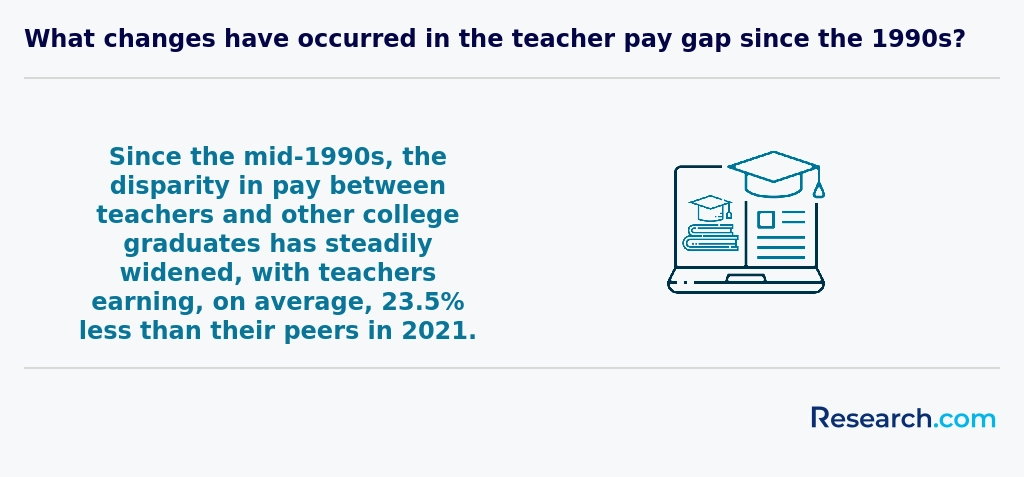
The education degree job outlook Tucson offers is encouraging, especially for graduates from the University of Arizona, where many find steady opportunities in Tucson Unified School District and surrounding areas. Public schools are actively hiring certified teachers, particularly in special education and STEM subjects where demand is keen. Graduates often share how signing bonuses and student loan repayment programs help ease the financial transition into teaching careers here.
Teaching careers and salary Tucson present a realistic path for new educators, with average annual salaries near $53,000, complemented by financial incentives in shortage areas. Beyond K-12 teaching, graduates from local programs can pursue roles in early childhood education or community colleges like Pima Community College, broadening job prospects and gaining leadership experience.
Understanding these market conditions encourages planning. Students looking to enhance their qualifications also explore child development degree accreditation options to increase competitiveness and impact in Tucson's evolving educational landscape.
2027 Best Education Degree Programs Ranking in Tucson
Investing in your education is a significant decision that can profoundly impact your future, and the Research.com team is committed to helping you make well-informed choices. To support prospective students in Tucson, we have carefully developed the "2027 Best Education Degree Programs Ranking in Tucson." Our dedication to quality, credibility, and accuracy is demonstrated through rigorous research and thorough analysis conducted to produce this ranking.
We utilized the following reputable data sources to ensure a comprehensive evaluation of education degree programs:
By consulting this ranking, readers will gain valuable insights into the top education degree programs offered in Tucson, enabling them to choose the path best suited to their goals. For further information about how this ranking was created, please visit our Research.com methodology page.

Frequently Asked Questions About education
Education degree students in Tucson can maximize their learning experience by taking advantage of local resources and practical opportunities. Engaging in student teaching placements within Tucson Unified School District, which serves over 45,000 students, provides hands-on classroom experience that complements academic study.
Students should also participate in professional development workshops hosted by the University of Arizona's College of Education, a leading institution in the region. These workshops often cover modern teaching strategies and technology integration.
Additionally, collaborating with peers through study groups and joining local education-focused organizations can enhance understanding of diverse educational needs specific to Arizona's student population. Access to research databases and local education conferences further supports academic growth.
Emerging niches within the education field in Tucson reflect broader national trends emphasizing technology and inclusion. Areas such as educational technology integration, special education, and bilingual education are growing rapidly. According to the Arizona Board of Regents, demand for teachers skilled in digital tools and remote learning increased by 25% between 2020 and 2023. Tucson's diverse population also creates opportunities in ESL (English as a Second Language) and multicultural education programs, addressing the needs of Hispanic and Native American communities. Additionally, careers in mental health counseling for students are expanding, responding to heightened awareness of emotional well-being in schools.
Preparing for the job market after completing an education degree in Tucson involves a strategic approach to gain practical experience and network with local schools. Many graduates benefit from Tucson Unified School District internships, which provide hands-on teaching opportunities. Additionally, obtaining state certification through the Arizona Department of Education is mandatory for public school employment.
Building connections with local educators at professional events can enhance job prospects. According to the Arizona Workforce Informer, employment for elementary and secondary teachers in Tucson is projected to grow by 6% through 2030, reflecting steady demand. Enhancing skills with endorsements in special education or ESL increases competitiveness in Tucson's diverse classrooms.
Employers in Tucson value education degree graduates who demonstrate strong communication skills, critical thinking, and adaptability. According to the Arizona Department of Education, over 70% of local school districts prioritize candidates with abilities to manage diverse classrooms effectively. Proficiency in technology integration is also crucial, as many Tucson schools adopt digital learning tools.
Data from the Tucson Unified School District highlights that collaboration and cultural competence are highly sought-after, reflecting Tucson's diverse student population. Additionally, problem-solving skills and classroom management remain top priorities. Graduates prepared in these areas tend to have higher employment rates within Tucson's education sector.
Finding internships in Tucson for education degree students involves leveraging local school districts, universities, and community organizations. Tucson Unified School District (TUSD) is one of the largest in Arizona, often offering internship opportunities for teacher candidates. Additionally, the University of Arizona's College of Education has partnerships with local schools, facilitating placements for practicum and student teaching experiences.
Students should also utilize university career centers and online job portals focused on education roles within Tucson. Networking with educators through local events or professional associations like the Arizona Education Association can further aid in discovering openings. According to the Bureau of Labor Statistics, internships increase job readiness and employability in education careers.
In Tucson, obtaining an education degree significantly enhances career mobility and advancement opportunities, especially within the region's expanding school districts. According to the Arizona Department of Education, educators with a bachelor's or master's degree tend to qualify for higher-paying roles and leadership positions more quickly than those without formal credentials.
The demand for qualified teachers in Tucson is growing, with projections estimating a 7% increase in teaching jobs through 2028, driven by population growth in Pima County. Holding an education degree also often fulfills licensing requirements necessary for securing tenure-track teaching jobs or administrative roles.
Additionally, educators with advanced degrees frequently access specialized positions in curriculum design or special education, which offer both salary increases and professional development. The University of Arizona, a major local institution, reports that graduates with education degrees have a higher retention rate in Tucson schools, supporting long-term career advancement.
Studying for an education degree in Tucson offers strong preparation for interdisciplinary roles by emphasizing collaboration across various fields. Tucson's institutions, such as the University of Arizona, integrate coursework in psychology, sociology, and technology to help future educators understand diverse learner needs.
Programs often include fieldwork in Tucson's multicultural schools, enhancing skills in communication and adaptability, crucial for interdisciplinary settings. According to the Arizona Board of Regents, over 70% of education graduates engage in cross-disciplinary projects before graduation.
This approach equips students to work effectively with professionals from health, social services, and community organizations, reflecting Tucson's commitment to comprehensive education careers.
Choosing between a thesis and a non-thesis education degree program in Tucson depends on your academic and career goals. Thesis programs typically involve conducting original research and writing a detailed paper, which suits students interested in advanced study or research careers.
Non-thesis programs usually focus more on coursework and practical skills, ideal for those planning to enter the education workforce immediately or pursue administrative roles. According to the University of Arizona, which offers both options, thesis students often spend 6-12 months on research projects, while non-thesis tracks can be completed slightly faster.
Consider time commitment, career path, and your interest in research when deciding between these formats.
Students based in Tucson seeking to study education abroad have multiple pathways to consider. The University of Arizona, Tucson's largest institution, offers several summer and semester-long study abroad programs focused on education and cultural exchange, often in collaboration with international universities. These programs are designed to enhance teaching skills and global awareness.
Additionally, community colleges like Pima Community College provide advising services that help students connect with third-party providers offering affordable education-focused study abroad experiences. According to the Institute of International Education, about 2% of education majors nationwide participate in study abroad, a figure Tucson institutions aim to grow.
Financial aid and scholarships for study abroad specifically related to education are increasingly available through Tucson universities' international offices, making these experiences more accessible.
Students pursuing education degrees in Tucson have several part-time job options that can enhance their learning and professional skills. Many work as teacher assistants in local schools, gaining firsthand experience with classroom management and lesson planning. According to the Arizona Department of Education, Tucson Unified School District often hires part-time aides, which is a common entry point for education majors.
Moreover, tutoring services are in high demand. Universities such as the University of Arizona offer peer tutoring programs where education students can tutor K-12 children, developing instructional skills.
Other opportunities include working at afterschool programs or community centers, which provide valuable interaction with diverse student populations and support services.
Education students in Tucson benefit from various networking opportunities that enhance their academic and professional growth. The University of Arizona, a leading institution in Tucson, hosts education-focused events and career fairs connecting students with local schools and education organizations. According to the university's career services, these events attract over 50 regional employers annually.
There are also multiple professional organizations such as the Arizona Association of Teacher Educators that offer workshops and conferences, providing access to experienced educators and potential mentors. Local school districts frequently collaborate with universities, giving students chances to participate in internships and peer networking.
Furthermore, Tucson's education community is supported by nonprofit groups dedicated to improving teaching standards, making it easier for students to build professional contacts within the city's public and private educational landscape.
Alumni networks play a vital role for education degree students in Tucson by providing valuable professional connections and mentorship opportunities. Graduates from local universities like the University of Arizona often remain active in these networks, which helps current students during job searches and classroom challenges. According to recent data from the University of Arizona's College of Education, 65% of education graduates found their first teaching position through alumni contacts. These networks also offer workshops, career fairs, and exclusive job listings specifically tailored to Tucson's educational landscape.
Moreover, alumni engagement fosters a sense of community and support that aids in student retention and success. Such networks connect students with seasoned educators, enabling knowledge sharing about local schools and districts. This collaborative environment enhances practical understanding beyond coursework, preparing students for real classroom situations in Tucson's diverse educational settings.
Students pursuing education degrees in Tucson can customize their programs by selecting specific concentrations aligned with their career goals, such as special education, curriculum design, or educational leadership. Many Tucson institutions, including the University of Arizona, offer flexible course options and elective credits to tailor studies. Additionally, field experience placements in local schools provide practical skills relevant to targeted teaching environments. According to the University of Arizona's College of Education, over 60% of students customize their program through minors or certificates, enhancing their qualifications. This flexibility allows for focused preparation in diverse educational roles within the Tucson community and beyond.
Education students in Tucson often face several challenges during their degree programs. One major difficulty is balancing rigorous coursework with fieldwork requirements, such as student teaching placements in local schools. These practical experiences demand significant time and energy, which can be stressful alongside academic responsibilities.
Financial strain is another common issue. According to the Arizona Board of Regents, many education majors in Tucson manage tuition costs while working part-time, increasing pressure on time management.
Additionally, navigating certification requirements to become licensed teachers in Arizona can be complex and time-consuming, requiring students to pass exams like the Arizona Educator Proficiency Assessments (AEPA).
With an education degree, students in Tucson can pursue several professional certifications that enhance career prospects in teaching and education administration. One of the most common certifications is the Arizona Professional Teaching Certificate, which qualifies graduates to teach in public schools across the state. This requires passing the Arizona Educator Proficiency Assessment (AEPA).
Beyond basic teaching credentials, educators can seek specialty certifications such as ESL (English as a Second Language) endorsement, reading specialist certification, or special education certification. These endorsements help address diverse student needs in Tucson's growing multicultural schools. According to the Arizona Department of Education, approximately 30% of Tucson's K-12 students are English language learners, increasing demand for ESL-certified teachers.
Additionally, education graduates may pursue administrative certifications to become school principals or counselors, which involve additional coursework and exams. These credentials often lead to higher salaries and leadership roles within the Tucson Unified School District and surrounding areas.
Writing a successful application for an education program in Tucson requires clear focus and preparation. First, ensure your academic records reflect strong performance, particularly in relevant coursework such as psychology, communication, or social sciences. Tucson hosts respected institutions like the University of Arizona, where competitive programs often ask for a minimum GPA of 3.0 or higher.
Highlight any practical experience in teaching or tutoring, as Tucson programs value hands-on involvement. Clearly articulate your passion for education through a personal statement that explains your specific goals and commitment to serving diverse communities, important within Tucson's multicultural environment.
Include letters of recommendation from educators or professionals familiar with your skills. According to University of Arizona admissions guidelines, such endorsements strengthen your profile by validating your abilities and character.
The global perspective on a career in education emphasizes its critical role in shaping societies and economies worldwide. In the United States, education professionals are increasingly seen as key drivers of innovation and social equity. According to the U.S. Bureau of Labor Statistics, employment for teachers is projected to grow about 5% from 2021 to 2031, reflecting steady demand.
In Tucson, educators benefit from diverse and dynamic school districts, such as Tucson Unified School District, one of the largest in Arizona. Local universities offer competitive education degree programs aligned with nationwide standards.
Internationally, teaching careers often require advanced degrees and certification, similar to U.S. norms. Many Tucson programs prepare graduates for national licensure, ensuring global portability and employability in various educational settings.
Gaining practical experience while studying for an education degree in Tucson is critical for developing effective teaching skills. Many local universities, such as the University of Arizona, incorporate student teaching placements in nearby K-12 schools, allowing students to apply theory in real classrooms. These internships typically span a full semester and provide hands-on opportunities to design lesson plans and manage classrooms under supervision.
In addition, Tucson schools often collaborate with education students for tutoring and after-school programs, offering flexible practical experiences. According to the Arizona Department of Education, such field experiences increase employment prospects significantly by enhancing classroom management and instructional skills.
Choosing the right concentration within an education degree program in Tucson involves considering your career goals and local job market demands. Tucson's schools often need specialists in areas like special education, bilingual education, and STEM teaching. The University of Arizona, the city's primary higher education institution, offers concentrations tailored to these fields.
Research from the Arizona Department of Education shows that bilingual educators in Tucson are in growing demand, reflecting the city's diverse population. Additionally, special education roles consistently rank high in regional job openings.
Prospective students should evaluate program curricula carefully and seek advisors' guidance to align interests with market needs and certification requirements in Arizona.
- 2027 Best Education Degree Programs Ranking in Phoenix
- 2027 Best Education Degree Programs Ranking in Riverside
- 2027 Best Education Degree Programs Ranking in San Diego
- 2027 Best Education Degree Programs Ranking in La Jolla
- 2027 Best Education Degree Programs Ranking in Irvine
- 2027 Best Education Degree Programs Ranking in Colorado Springs
- 2027 Best Education Degree Programs Ranking in Denver
- 2027 Best Education Degree Programs Ranking in Stockton
- 2027 Best Education Degree Programs Ranking in San Francisco
- 2027 Best Education Degree Programs Ranking in Wichita
See What Experts Have To Say About Studying Education
Read our interview with Education experts


Nooshan Ashtari
Education Expert
Professor & Book Author
University of Southern California

- Skills Employers Look for In Graduates https://careerdc.com.au/resources/what-skills-employers-want/
- Tips for Choosing Your Graduate Concentration https://www.graduateprogram.org/blog/tips-for-choosing-your-graduate-concentration/
- Arizona Department of Education (ADE) - Tucson Regional Educator Collaborative https://trecarizona.org/organizations/arizona-department-of-education/
- Bachelor of Education Degree (Here's What To Expect) https://www.alleducationschools.com/teaching-degrees/bachelors-in-education/
- 14 High-Demand Career Paths Shaping Tucson's 2026 Job Market https://tucsonhired.com/blog/14-high-demand-career-paths-shaping-tucson-s-2026-job-market
- Start your Journey Today. https://www.pima.edu/academics-programs/program-search/index.html
- Teacher of Global Perspectives (IGCSE) https://www.scie.com.cn/jobs-global-perspectives/
- Affordability for Arizonans - College Ready AZ https://collegereadyaz.com/affordability-for-arizonans/
- Get the skills employers want | Study UK - British Council https://study-uk.britishcouncil.org/why-study/succeed-your-career/get-skills-employers-want
- Education Study Abroad Programs | Go Overseas https://www.gooverseas.com/study-abroad/education


