
2027 Most Popular Education Degree Programs Ranking in San Juan

Co-Founder and Chief Data Scientist
Choosing the right education degree program in San Juan can shape your future and open doors to rewarding career opportunities. This article introduces the 2027 Most Popular Education Degree Programs Ranking in San Juan, created by the Research.com team of data scientists to guide you in making an informed decision.
By exploring this ranking, you'll discover which programs stand out and why they matter for your personal and professional growth. Pursuing an education degree is a meaningful step toward making a positive impact in your community and beyond.
Key benefits of getting education degree in San Juan
- Education graduates in San Juan can earn competitive salaries, such as Special Education Teachers with a mean annual wage of $76,000 and Instructional Designers earning about $77,200, offering strong financial stability.
- A graduate from the University of Puerto Rico might pursue diverse roles including elementary teaching, ESL instruction, or early childhood education, providing varied and rewarding career options.
- Completing an education degree online from institutions like Universidad Ana G. Méndez offers flexibility and convenience, helping students balance studies with personal commitments effectively.
- 2027 Most Popular Education Degree Programs Ranking in San Juan
- What can I expect from education degree in San Juan?
- Where can I work with education degree in San Juan?
What can I expect from education degree in San Juan?
The average cost of pursuing an education degree in San Juan is notably affordable, especially when compared to mainland U.S. tuition rates. For instance, students attending the University of Puerto Rico, Río Piedras Campus, benefit from substantially lower public institution fees, which often make higher education accessible without heavy financial burden. Graduates frequently express relief and gratitude for these lower costs, allowing them to focus on their studies rather than financial stress.
Many report that the affordability, combined with local scholarship opportunities, creates a welcoming environment conducive to academic success. These financial advantages enable students to invest more time in practical experiences such as supervised teaching internships, which are integral components of education programs in San Juan. Graduates often recount how this hands-on approach, supported by accessible tuition, helps them gain confidence and competence in real classroom settings.
Ultimately, the cost advantages at San Juan's leading institutions foster an enriching academic journey that blends quality education with strong financial feasibility, making the pursuit of teaching credentials both realistic and rewarding.
Where can I work with education degree in San Juan?
Graduates with an education degree in San Juan commonly find employment within the Puerto Rico Department of Education, particularly in K-12 public schools throughout the metropolitan area. These roles include teaching positions spanning early childhood through high school levels, offering graduates meaningful opportunities to impact student learning directly. Many graduates from institutions like the University of Puerto Rico's main campus take pride in supporting inclusive classrooms, working as special education teachers where they provide tailored instruction for students with disabilities.
Beyond traditional teaching, graduates often secure positions in higher education, such as academic advising or curriculum development, especially at local colleges renowned for education programs. Others contribute to community organizations or nonprofits, developing programs that enhance literacy and workforce readiness, roles that foster a strong sense of community impact and fulfillment.
Education professionals in San Juan may also engage with educational technology firms, blending content expertise with digital innovation. Additionally, some pursue careers within municipal offices focused on education policy and school improvement, illustrating the versatile career paths available to graduates eager to make a lasting difference in their communities.
Graduates with education degrees from institutions like the University of Puerto Rico in San Juan typically find promising earning opportunities in local schools and educational centers. Early Childhood Educators earn around $41,410 annually, a solid start that grows with experience. Elementary School Teachers in San Juan report median salaries near $46,000, aligning well with the national mean wage of $70,740 and reflecting the value of their bachelor's and certification credentials. Graduates often feel pride stepping into classrooms, knowing their dedication can yield rewarding salaries while positively impacting young learners.
Special Education Teachers enjoy median wages around $58,000 locally, with national averages higher at $76,000, demonstrating the profession's respect and stability. Those pursuing ESL teaching roles can expect earnings close to $65,430 yearly, benefiting from growing demand in bilingual education. Instructional Designers, a career path some education graduates explore, can command approximately $77,200 a year, combining educational expertise with multimedia skills-a growing, exciting field for many San Juan graduates.
These figures illustrate that education degrees from respected San Juan universities not only fulfill passionate career goals but also offer competitive compensation reflecting training and commitment.
- San Juan offers accredited education programs at institutions like the University of Puerto Rico, with certification paths valid in U.S. jurisdictions.
- Annual tuition for a bachelor's degree in education ranges from $5,000 to $7,000 at public universities, while private institutions may charge over $10,000.
- Entry-level teaching jobs are commonly available in elementary and secondary schools, with steady demand for early childhood, special education, and bilingual teachers.
- Starting salaries for graduates average $35,000 to $40,000 per year, increasing to $50,000 or more with experience and advanced certifications.
- Job growth in education is moderate, and skills in technology integration and bilingual instruction improve employment prospects.
Completing a bachelor's degree in education in San Juan typically requires about four years of full-time study. Graduates from institutions like the University of Puerto Rico, Río Piedras Campus, often share how the blend of foundational courses, practical classroom experiences, and student teaching effectively prepares them within this timeframe. This structure balances theory with hands-on skill-building, allowing students to feel confident as they approach certification.
Those pursuing a Master of Education (M.Ed.) can expect to invest an additional one to two years, depending on whether they study full-time or part-time and choose a thesis or non-thesis track. Many appreciate the opportunity to specialize, which enriches their expertise and career prospects.
Doctoral programs, such as Ph.D. or Ed.D., naturally extend the completion time to between three and six years. Graduates frequently describe this period as an intense but rewarding journey of advanced scholarship and leadership development.
Alternative certification routes, favored by career changers, usually take one to two years, offering an accelerated path to licensure without lengthy commitment.
Students pursuing education degrees in San Juan often face a choice between online programs and traditional on-campus study, each offering unique benefits tailored to different lifestyles. Graduates from the University of Puerto Rico's education faculty frequently highlight the enriched interaction with professors and peers in face-to-face settings, which fosters a strong sense of community and immediate access to campus resources like libraries and tutoring centers.
Conversely, online students, including many from the Ana G. Méndez University System, appreciate the flexibility to balance coursework with jobs or family responsibilities. They can study at their own pace without commuting, which also reduces costs typically associated with housing and transportation. Despite the remote format, these programs maintain accreditation standards comparable to those of traditional universities.
Cost disparities are notable: public universities in Puerto Rico average around $4,000 annually for on-campus tuition, while private schools and online programs may range higher. Reliable internet and proper technology are essential for online learners, which some graduates describe as empowering but demanding. Overall, the choice hinges on personal priorities between interaction, flexibility, and affordability.
The average cost of education degree tuition and fees in San Juan varies widely depending on the institution and residency status, but the median total cost is approximately $17,450. This figure represents a comprehensive estimate that includes tuition, fees, and other related expenses over the course of a full degree. For in-state students attending public universities like the University of Puerto Rico, costs are more affordable, with median total expenses around $5,567, making it an attractive option for local students seeking quality education. Graduates recall their experience positively, appreciating how institutional support and reasonable costs made pursuing their degrees manageable and rewarding.
Private universities such as Universidad del Sagrado Corazón typically command higher tuition fees but offer personalized attention and diverse program options. Many students find that the higher investment aligns with their career aspirations, especially when combined with scholarships or financial assistance that alleviate the overall burden. Beyond tuition, graduates advise prospective students to account for additional expenses including textbooks, supplies, and transportation, which can significantly impact the total cost of attendance.
For working adults balancing career and study, exploring tailored options is essential. Many professionals benefit from accelerated online undergraduate degrees for working adults available through San Juan institutions, offering flexible schedules and cost-effective pathways. Understanding the average cost of education degree in San Juan helps students make well-informed decisions that lead to successful and fulfilling educational journeys.
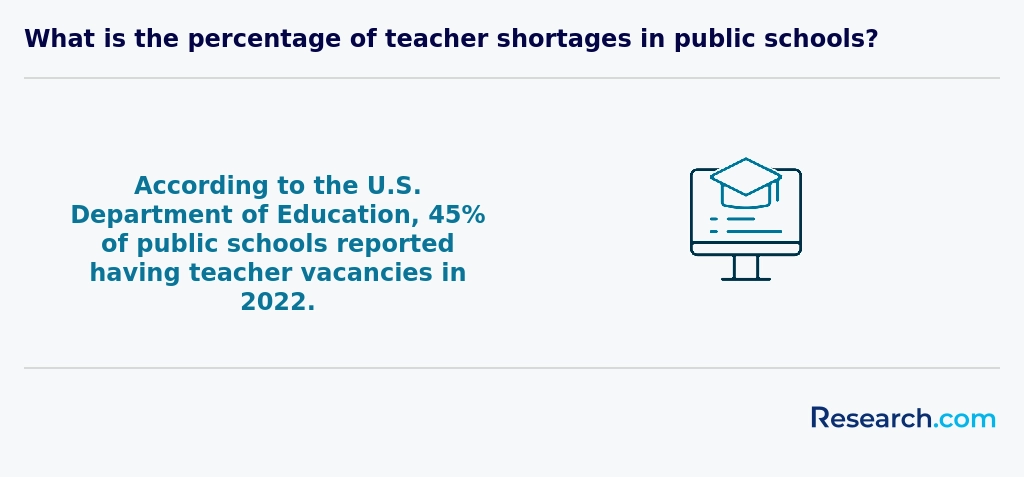
Below are the programs with the highest enrollment in 2026, showcasing diverse formats, accreditation, and hands-on training:
- Bachelor of Early Childhood Education – University of Puerto Rico: 120 credits, CAEP-accredited, strong bilingual training and classroom practicum.
- Associate of Arts in Education – San Juan College: 60 credits, low tuition with direct transfer to bachelor’s programs.
- Bachelor of Elementary Education – Universidad Ana G. Méndez (Cupey): 128 credits, integrated local school internships.
- Master of Education in Curriculum & Instruction – Inter American University of Puerto Rico: 30-credit hybrid format emphasizing digital pedagogy.
- Master of Education in Leadership – Universidad del Sagrado Corazón: 33-credit on-campus program preparing candidates for administrative and district roles.
For students seeking cost-effective advanced degrees, explore our cheapest masters degree options.
Students pursuing education degrees in San Juan benefit from a range of financial aid options tailored to their unique needs. At prominent institutions such as the University of Puerto Rico, many future educators tap into federal Pell Grants and work-study programs, which provide crucial funding without the burden of repayment. Graduates often recall how these supports enabled them to balance work and study effectively, gaining professional experience in local schools while easing financial stress.
State scholarships and grants aimed specifically at teacher candidates help bridge funding gaps, particularly for those enrolled in high-demand programs like bilingual education. These awards, offered by the Puerto Rico Department of Education, have been a game-changer for many students committed to serving diverse communities in San Juan.
Moreover, institutional scholarships recognizing academic excellence and dedication to education further reduce costs. When additional aid is needed, federal Direct Subsidized and Unsubsidized Loans with competitive interest rates offer flexible repayment plans, allowing students at colleges such as the Inter American University of Puerto Rico to manage expenses responsibly throughout their studies.
- University of Puerto Rico – Bachelor of Education in Early Childhood Education: CAEP-accredited program with bilingual practicum placements.
- Universidad Ana G. Méndez (Recinto de Cupey) – Bachelor in Elementary Education: emphasis on bilingual curriculum development and community internships.
- San Juan College – Associate in Education Studies: affordable pathway with seamless transfer to bachelor’s programs and licensure prep.
- Universidad del Sagrado Corazón – Master of Education in Curriculum & Instruction: small cohorts, leadership training, research practicum.
- Interamerican University of Puerto Rico – Master of Special Education: specialized training in inclusive practices and clinical fieldwork.
For flexible study options, explore our affordable online bachelor's degree recommendations.
To enroll in an education degree program in San Juan, students must typically hold a high school diploma or an equivalent credential such as a GED. For example, graduates from the University of Puerto Rico recall the importance of meeting this baseline requirement before advancing into their chosen field. Many also submit standardized test scores like the SAT or ACT, although some local institutions have recently modified these prerequisites to better reflect the region's educational policies.
Applicants often demonstrate English proficiency, especially when courses are delivered in English. Graduates from private colleges in San Juan frequently emphasize the role of exams such as TOEFL or IELTS in their successful admissions. Additionally, schools commonly require letters of recommendation and personal statements that reveal a genuine passion for teaching.
Some programs enforce a minimum GPA, generally between 2.5 and 3.0, ensuring candidates are academically prepared. For aspiring educators seeking advanced degrees, holding an undergraduate qualification in education or a related discipline is essential. These prerequisites create a clear path toward fulfilling Puerto Rico's licensing requirements and nurturing dedicated teaching professionals.
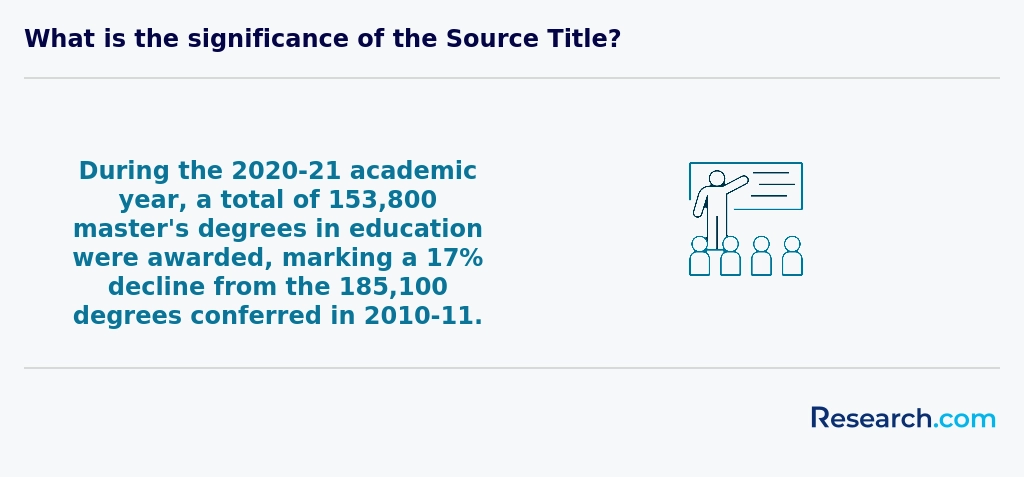
Doctoral programs prepare experienced educators for leadership, research and advanced practice. Two main pathways enhance career impact:
- EdD (Doctor of Education): practice-oriented, typically 3–4 years with applied projects in school leadership, policy or curriculum design.
- PhD in Education: research-focused, usually 4–5 years emphasizing theory, methodology and academic scholarship.
Graduates often become superintendents, curriculum directors or university professors. For flexible, fast-track doctoral options that fit professional schedules, explore online edd programs.
Education degree programs in San Juan typically include a combination of foundational and specialized courses that prepare students for dynamic careers in teaching. Graduates from notable institutions often emphasize the value of courses like Foundations of Education and Teaching Methods, which provide essential pedagogical theories and practical classroom techniques. For instance, students learn to manage classrooms effectively through Classroom Management and Discipline Techniques, a critical skill for maintaining productive learning environments.
Programs also focus on inclusivity, offering courses in Special Education and Inclusive Teaching Practices that help future educators address diverse student needs. Many graduates reflect positively on how these courses equipped them to work confidently with varied learners in San Juan's multicultural communities.
Furthermore, students gain proficiency in Educational Technology Integration, preparing them to employ modern tools that enhance learning experiences. Rigorous Assessment and Evaluation in Education coursework ensures graduates can design effective measures to track student progress.
Hands-on experience through internships at popular San Juan colleges enables students to apply these skills, fostering both confidence and competence in real classroom settings.
Education degree specializations in San Juan typically include focused tracks such as Elementary Education, which prepares graduates to teach children in grades K-6 with an emphasis on literacy, math, and social studies. Secondary Education is another popular option, allowing students to specialize in subject areas like English or science for middle and high school levels.
Special Education programs are highly valued in San Juan, where there is a growing demand for educators skilled in supporting students with diverse learning needs. Graduates from prominent colleges in the area often share how their training empowers them to foster inclusive classrooms effectively. Other specializations available in San Juan education degree programs options include Early Childhood Education, Educational Leadership, ESL, and Curriculum and Instruction, all designed to address varied educational roles.
Many students find these specializations provide practical, real-world skills; for example, graduates frequently highlight how hands-on experiences helped them confidently manage classrooms and develop tailored lesson plans. Those weighing program costs might also explore programs focusing on the easiest associate degree to get as a foundation.
Choosing the best education degree in San Juan involves assessing several key factors that align with your personal and professional goals. Graduates from popular colleges in San Juan often emphasize the importance of enrolling in programs accredited by recognized bodies to ensure quality and employer recognition. Affordable education degrees San Juan 2027 remain competitive with national averages, but students must also consider associated living costs and available financial aid options to make education economically feasible.
Many students highlight the value of programs offering diverse specializations such as bilingual or STEM education, responding to the local demand for qualified teachers. Flexibility is another crucial aspect, with part-time and online formats allowing working professionals to balance commitments. For those seeking a shorter path, an accelerated master's program can significantly reduce time to degree completion.
Graduates often remark on the supportive career services and high employment rates reported by educational institutions in San Juan, which enhances confidence in successful job placement. By focusing on these elements, you can confidently select the best education degree programs in San Juan tailored to your ambitions.

Graduates with an education degree in San Juan have access to diverse career paths within the local and broader U.S. education systems. Many begin as K-12 teachers, addressing critical needs in subjects like math, science, and language arts in public schools. Those who studied at prominent institutions like the University of Puerto Rico in San Juan often share their rewarding experiences working directly with students, emphasizing how the training equips them for these challenging roles. Jobs with education degree in San Juan also extend to special education, where graduates support students with diverse learning needs-a field nationally projected to grow significantly.
Beyond teaching roles, many graduates pursue administrative careers such as school counselors, principals, or educational coordinators. These leadership positions, often requiring advanced degrees, allow educators to shape school policies and improve educational outcomes in San Juan's schools. Additionally, careers in program development and curriculum design provide avenues for those passionate about instructional innovation. For those considering affordability alongside these opportunities, exploring the best affordable online schools that accept financial aid can be an excellent step in managing tuition costs while building a fulfilling education career.
The job market for education degree graduates in San Juan remains steady, supported by ongoing efforts from the Puerto Rico Department of Education to enhance educational outcomes. Graduates often find roles in public K-12 schools, private academies, and early childhood education centers. Opportunities in special education and bilingual instruction are expanding, reflecting Puerto Rico's diverse cultural landscape. Those pursuing an education degree in San Juan benefit from studying at respected institutions like the University of Puerto Rico, where many graduates report feeling well-prepared to meet local educational demands. This positive outlook for education degree job opportunities in San Juan is coupled with salary expectations that, while lower than the mainland U.S., are balanced by a lower cost of living.
Moreover, the affordability of education programs at public universities in San Juan compares favorably with mainland tuition rates, encouraging many to consider advanced training locally. Those interested can explore options including national accredited online schools that may complement their local studies or offer flexible pathways. The San Juan education degree career outlook thus presents a promising blend of cultural richness, practical experience, and financial feasibility, making it an appealing choice for aspiring educators.
2027 Most Popular Education Degree Programs Ranking in San Juan
Investing in your education is a significant decision that can profoundly impact your future, and the Research.com team is keenly aware of the importance of making well-informed choices. To support prospective students in San Juan, we have carefully developed the "2027 Most Popular Education Degree Programs Ranking in San Juan," reflecting our dedication to quality, credibility, and accuracy through rigorous research and analysis. We utilized the following reputable data sources to ensure a comprehensive evaluation of education degree programs:
By consulting this ranking, readers will gain valuable insights into the most popular education degree programs in San Juan, empowering them to make confident and informed decisions about their academic and professional futures. For a detailed explanation of our research process, please visit our Research.com methodology page.


# 10 position
Universidad Ana G. Mendez-Cupey Campus
Bachelor of Early Childhood
Frequently Asked Questions About education
Education degree students in San Juan can maximize their learning experience by engaging deeply with both theoretical coursework and practical fieldwork. Many institutions emphasize hands-on teaching practice in local schools, which helps students apply educational theories to real classroom settings. According to the Puerto Rico Department of Education, nearly 80% of education programs in San Juan integrate practicum requirements, enhancing student readiness.
Additionally, students should take advantage of campus resources such as tutoring centers, academic advising, and workshops focused on modern teaching strategies. Networking with peers and participating in education-related organizations further broadens understanding and professional connections.
Staying current with US education standards and technology integration fosters a competitive edge within the job market, which is vital in San Juan's evolving education sector.
The education field in San Juan has seen notable growth in emerging niches responding to technological advancements and diverse learner needs. One significant area is educational technology, where professionals develop tools to enhance learning experiences. According to the National Center for Education Statistics, EdTech programs have grown by over 15% nationally, reflecting local interest. Another expanding niche is special education, focusing on inclusive strategies for students with disabilities, an area emphasized by local school district initiatives.
Additionally, bilingual education remains vital in San Juan, addressing the needs of a largely Spanish-English speaking population. Early childhood education with a focus on social-emotional learning also attracts more candidates, aligning with national trends highlighted by the U.S. Department of Education.
Preparing for the job market after completing an education degree in San Juan involves several strategic steps. According to the U.S. Bureau of Labor Statistics, educators with teaching credentials have a projected job growth rate of 5% through 2031 nationally, making local certification important.
First, graduates should obtain state licensure from the Puerto Rico Department of Education, which is mandatory to teach in public schools. Gaining practical experience through student teaching or internships in San Juan-area schools significantly boosts employability.
Networking with local education professionals and joining associations like the Puerto Rico Teachers Association provides valuable connections and job leads.
Additionally, staying up to date with educational technology and bilingual teaching methods-a growing need in San Juan schools-can distinguish candidates.
Employers in San Juan highly value education degree graduates who demonstrate strong communication skills. The ability to clearly convey information to students and parents is critical for success in local schools. According to the Puerto Rico Department of Education, collaboration and teamwork are also essential, as educators often work in multidisciplinary teams.
Another key skill is classroom management, which ensures a productive learning environment. Technological proficiency is increasingly important, with digital tools playing a significant role in San Juan's classrooms. Finally, cultural competency and sensitivity are vital to address the diverse student population effectively.
Finding internships in San Juan relevant to an education degree involves several strategic steps. Start by contacting local public and private schools, as many partner with universities to offer hands-on teaching experience. The Puerto Rico Department of Education often lists opportunities for student teachers and interns, providing valuable classroom exposure.
Universities in San Juan, such as the University of Puerto Rico, regularly host internship fairs and maintain career services to connect education students with schools and educational organizations. Networking through faculty and alumni is also crucial, as many internships are secured via personal recommendations.
Online platforms like Handshake and local job boards may list education internships specific to San Juan. According to the National Center for Education Statistics, internships enhance employment prospects for graduates by over 60%, making this experience vital.
In San Juan, holding an education degree significantly enhances career mobility and advancement opportunities within the local and broader U.S. education markets. According to the U.S. Bureau of Labor Statistics, educators with bachelor's or higher degrees can expect faster job growth and higher salaries compared to those without degrees. For instance, licensed teachers in Puerto Rico, including San Juan, report a median annual wage higher than the regional average, reflecting strong demand for qualified professionals.
Advanced degrees, such as a master's or doctoral degree in education, further increase eligibility for leadership roles like school administration and curriculum specialists. They also open doors to specialized positions and professional development programs funded by local school districts. Continuous education and certifications remain essential for career progression in San Juan's competitive education sector.
Studying for an education degree in San Juan equips students with skills that extend beyond traditional teaching roles. Programs in this region emphasize interdisciplinary learning, blending psychology, technology, and sociology to prepare graduates for diverse educational environments. According to the Puerto Rico Department of Education, many universities in San Juan incorporate collaborative projects that involve social sciences and digital literacy.
Students engage in experiential learning opportunities, such as community outreach and inclusive education settings, fostering adaptability. The integration of data analysis and educational technology in coursework enables graduates to design innovative curriculum interventions. This interdisciplinary approach aligns with nationwide trends encouraging educators to address complex social and cognitive factors in schools.
Choosing between a thesis and a non-thesis education degree program in San Juan depends on your career goals and learning style. Thesis programs emphasize research and require students to complete a substantial original study. This path suits those interested in academic careers or advanced research roles. Non-thesis programs focus more on coursework and practical skills, ideal for professionals aiming to advance in teaching or administrative positions quickly.
According to the University of Puerto Rico system, about 40% of education graduate students choose the thesis option, reflecting its popularity among those targeting doctoral studies. Consider how much time you can dedicate to research, as thesis work often takes longer to complete.
Students based in San Juan looking to study education abroad have several options within the U.S. higher education system. Many universities offer online and hybrid education degree programs that cater to remote learners, allowing flexibility without needing to relocate. According to the National Center for Education Statistics, over 60% of education degrees are available online, making them accessible to students in Puerto Rico.
Additionally, mainland institutions often have specific support services for Puerto Rican students, including scholarships and cultural integration programs. Common degree types include Bachelor of Science in Education, Master's in Educational Leadership, and specialized certification programs.
Accredited universities such as the University of Florida and Arizona State University are popular choices due to their comprehensive education programs and high graduation rates.
Students pursuing education degrees in San Juan have diverse part-time job opportunities that enhance their academic experience and professional skills. Common roles include teacher assistants, which offer hands-on classroom experience. According to the Bureau of Labor Statistics, these positions help develop classroom management and instructional skills vital for future educators.
Another popular option is tutoring, especially in subjects like reading and math, which complements pedagogical studies. Local schools and community centers frequently seek part-time tutors during after-school programs.
Educational research assistantships at institutions such as the University of Puerto Rico at Río Piedras provide valuable exposure to educational methodologies and policy analysis. These roles often pay hourly and contribute to building a professional network in education.
Education students in San Juan benefit from several networking opportunities that support their academic and professional growth. Many institutions, such as the University of Puerto Rico at Río Piedras, host regular career fairs and seminars connecting students with local schools and education professionals. Additionally, student organizations focused on education provide platforms for peer networking and collaboration. According to the Puerto Rico Department of Education, partnerships between universities and public schools foster internship placements, giving students practical experience and relationship-building chances. These opportunities help students build essential contacts in San Juan's education community early in their careers.
Alumni networks play a significant role for education degree students in San Juan by providing valuable professional connections. Graduates often gain access to local teaching opportunities through referrals from established alumni, enhancing employment prospects in Puerto Rico's competitive education sector.
These networks also offer mentorship programs, where experienced educators guide current students on career paths and classroom strategies. According to the University of Puerto Rico system, about 65% of education graduates find jobs within a year, frequently aided by alumni support.
In addition, alumni events foster community engagement and continuous learning, connecting students with diverse education professionals across San Juan and beyond.
Customizing an education degree program in San Juan to align with your career goals involves selecting specialized courses, practical experiences, and electives relevant to your interests. Many institutions offer concentrations such as early childhood education, special education, or educational technology. This flexibility allows students to tailor their studies to specific fields within education.
Additionally, engaging in internships or student teaching placements in San Juan-area schools provides valuable hands-on experience. According to the Puerto Rico Department of Education, over 60% of education graduates secure employment within their specialization locally.
Consult academic advisors early to map out a personalized curriculum that supports your aspirations.
Education students in San Juan often face several challenges common to teacher preparation programs across the U.S., though some factors are unique to the region. One major difficulty is balancing rigorous coursework with required field experiences in local schools, which many students find time-consuming and demanding.
Additionally, limited funding for public education in Puerto Rico affects the availability and quality of classroom placements for hands-on training. According to the Puerto Rico Department of Education, budget constraints have led to larger class sizes, which can be daunting for student teachers managing practical lessons.
Language proficiency also presents an obstacle. While many education programs require fluency in both English and Spanish, some students must improve skills in one language, impacting their teaching effectiveness in bilingual classrooms.
With an education degree in San Juan, graduates can pursue several professional certifications to enhance their careers. One common path is obtaining state teacher certification, which qualifies individuals to teach in Puerto Rico's public schools. The Department of Education of Puerto Rico oversees these certifications, requiring completion of an accredited program and passing specific exams.
Other certifications include specialized areas such as special education, bilingual education, or school administration. For instance, candidates can earn certification as an English as a Second Language (ESL) instructor, responding to the bilingual needs of many classrooms.
Additionally, advanced certifications like National Board Certification are available and recognized nationwide, potentially leading to higher salaries and leadership roles.
According to recent data from the Puerto Rico Department of Education, over 70% of education graduates in San Juan pursue teaching licenses within two years of graduation, highlighting the demand in local schools.
To write a winning application for an education program in San Juan, start by thoroughly researching schools and their specific admission requirements. Highlight your academic achievements, especially any coursework or experience related to teaching or education. According to the Puerto Rico Department of Education, emphasizing local community involvement can strengthen your application.
Include clear, concise personal statements that show your passion for education and commitment to student success. San Juan institutions often look for candidates who demonstrate cultural awareness, as classrooms are diverse. Letters of recommendation should come from educators familiar with your skills and character.
Finally, proofread carefully to avoid errors and meet all deadlines.
Education careers are increasingly viewed through a global lens, reflecting diverse teaching methods and evolving student needs worldwide. In the United States, including San Juan, education professionals are expected to adapt to multicultural classrooms and digital learning environments. According to the National Center for Education Statistics, nearly 4 million students were enrolled in public schools in Puerto Rico in recent years, highlighting ongoing demand for qualified educators.
Global perspectives emphasize the importance of cultural competence, technology integration, and lifelong learning skills for educators. San Juan's teacher preparation programs often incorporate these elements to prepare graduates for diverse challenges. The U.S. Department of Education reports steady growth in education employment, signaling stable career prospects.
Gaining practical experience while studying for an education degree in San Juan typically involves participating in supervised internships or student teaching placements. Many universities, such as the University of Puerto Rico, require education students to complete a minimum of 600 hours of fieldwork in local schools as part of their licensure process. This hands-on experience allows students to apply theory in real classroom settings.
In addition, partnerships between universities and San Juan public schools enable candidates to engage with diverse student populations, enhancing their classroom management and instructional skills. According to the Puerto Rico Department of Education, over 70% of teacher candidates secure internships through these collaborations, providing valuable networking opportunities.
Choosing the right concentration within an education degree program in San Juan requires careful consideration of your career goals and the specific needs of the local education system. Concentrations may include early childhood, special education, or bilingual education, each addressing different student populations and teaching strategies. According to the Puerto Rico Department of Education, bilingual education is a growing field in San Juan due to its diverse linguistic environment.
Evaluate program curricula, internship opportunities, and licensure alignment to ensure your chosen concentration meets both professional standards and your personal interests. Speak with academic advisors and local educators to gain insights into job demand and advancement prospects within San Juan's schools.
See What Experts Have To Say About Studying Education
Read our interview with Education experts


Nooshan Ashtari
Education Expert
Professor & Book Author
University of Southern California

- Bachelor of Education Degree (Here's What To Expect) https://www.alleducationschools.com/teaching-degrees/bachelors-in-education/
- Get the skills employers want | Study UK https://study-uk.britishcouncil.org/why-study/succeed-your-career/get-skills-employers-want
- Education Study Abroad | CIEE https://www.ciee.org/go-abroad/college-study-abroad/programs/subjects-disciplines/education-study-abroad
- Tuition Fees – University of Puerto Rico https://www.uprrp.edu/english/admissions/tuition-fees/
- Apply for Financial Aid | San Juan Bautista School Of Medicine https://www.sanjuanbautista.edu/admissions/financial-aid/apply-for-financial-aid
- Affordable education at University of Puerto Rico https://puertoricodreams.com/excellent-education-at-a-cheaper-price-in-puerto-rico-university-of-puerto-rico/
- Get Into Teaching with an internship https://www.youthemployment.org.uk/getintoteaching-with-an-internship/
- Students: This is How You Should Prepare for the Job Market https://www.agencycentral.co.uk/articles/students-this-is-how-you-should-prepare-for-the-job-market/
- The Pros and Cons of Online Learning vs. Traditional Education https://www.sophia.org/blog/higher-education/pros-cons-online-learning-vs-traditional-education/
- Can Higher Education Improve Long-Term Career Success https://studysphereadvisors.com/how-higher-education-influences-long-term-career-growth/


