
2027 Fastest Online Education Degree Programs Ranking in Nebraska

Co-Founder and Chief Data Scientist
Finding the right education degree program can shape your future, especially when balancing life and career goals. This article presents the 2027 Fastest Online Education Degree Programs Ranking in Nebraska, developed by the Research.com team of data scientists to guide Nebraska students toward smart choices.
Explore programs that fit your pace and aspirations, helping you gain valuable skills efficiently. Earning an education degree opens doors to meaningful opportunities and personal growth, making the journey worthwhile.
Read on to discover which programs stand out and how they can support your success.
Key benefits of getting online education degree in Nebraska
- Graduates with education degrees in Nebraska can expect rewarding salaries, such as $76,000 for special education teachers and $77,200 for instructional designers, reflecting strong financial benefits.
- Career paths include roles like elementary school teachers, ESL teachers, and early childhood educators, offering diverse opportunities to make a positive impact in Nebraska's schools.
- Completing an education degree online through a Nebraska university provides flexibility and convenience, allowing students to balance studies with work and family commitments while gaining valuable skills.
- 2027 Fastest Online Education Degree Programs Ranking in Nebraska
- What can I expect from online education degree in Nebraska?
- Where can I work with online education degree in Nebraska?
What can I expect from online education degree in Nebraska?
Imagine a hopeful graduate from the University of Nebraska-Lincoln balancing family dinners while logging into evening classes, all without stepping foot on campus. For these students, the price tag hovers around $10,000 annually for undergrad in-state tuition, a figure that feels like a well-invested seed toward a future in education.
Graduate learners diving into online master's programs see their costs dance between $350 and $600 per credit hour, a spread shaped by program specialties and the institution itself. This range lets aspiring educators choose paths tailored to their financial rhythm while gaining skills to transform classrooms across Nebraska's rural and urban landscapes alike.
Alumni often tell stories of paying these fees yet feeling richly rewarded-not just in knowledge but in the flexibility that online formats gift their busy lives. Whether it's a midwestern mom mapping out lesson plans after bedtime or a career changer pouring passion into coursework over coffee, Nebraska's online education degrees blend affordability with an embrace of real-life hustle.
Where can I work with online education degree in Nebraska?
Graduates with an online education degree in Nebraska often find themselves shaping futures in bustling K-12 classrooms across the state, from Omaha to Lincoln. Imagine stepping into a school where your passion for science or math fills a critical gap, energizing young minds and easing Nebraska's teacher shortage. Many alumni from the University of Nebraska share stories of becoming special education instructors, turning challenges into celebrations of student growth.
Other graduates take the reins behind the scenes-as leaders in educational service units (ESUs) scattered statewide-designing tech-driven training sessions that empower teachers and staff. Picture crafting digital learning experiences for rural districts, using your degree to bridge gaps where traditional resources fall short.
Community colleges and universities beckon, too, with roles as academic advisors or adjunct faculty, where you can support other learners navigating their paths. Plus, some meet the exciting demands of educational consulting, transforming workforce training for Nebraska's nonprofits and businesses-proving that education degrees extend well beyond classrooms, reaching all corners of the community.
Online learners embrace flexibility, but their impact is anything but virtual in Nebraska's evolving education landscape.
Graduates from Nebraska's online education programs, like those from the University of Nebraska-Lincoln or Creighton University, often find their diplomas unlocking doors to rewarding careers with solid paychecks. Picture this: stepping into a classroom as an elementary school teacher where the mean annual wage is around $70,740, or shaping young minds as a special education teacher pulling in roughly $76,000 per year. That's more than a paycheck-it's a step into a professional life brimming with purpose and steady income.
For those inspired to work with diverse learners, becoming an ESL teacher promises a handsome $65,430 annually. If designing learning experiences behind the scenes excites you, instructional designers in Nebraska earn about $77,200 on average, turning educational visions into reality while cashing in on their creativity.
One graduate shared how balancing the flexibility of online studies with a job led to landing a role in early childhood education earning $41,410 per year. The lower cost of living in Nebraska magnifies these earnings, helping new teachers and education professionals savor a comfortable, inspiring life as they grow their careers.
- Online education degrees in Nebraska range from bachelor's to graduate levels and include practical teaching and virtual student-teaching experiences.
- Tuition typically ranges from $9,000 to $15,000 per year for undergraduate programs and $12,000 to $18,000 annually for graduate degrees.
- Entry-level teachers earn a median salary of about $40,000, with experienced educators making $55,000 to $65,000 annually.
- The state projects steady demand for education professionals, especially in rural areas facing teacher shortages.
- Licensure requires completing an accredited program, passing exams, and supervised teaching hours, with many online programs designed to meet these criteria.
Imagine a busy Nebraskan balancing homeschooling, a part-time job, and evening walks with their dog while tackling an online education degree from the University of Nebraska at Omaha. For most undergraduates diving into a Bachelor of Arts or Science in Education, this journey traditionally spans about four years, but flexibility is the name of the game here.
Graduates from Creighton University often recall how accelerated courses and summer sessions helped them slice their timelines down to just 2 or 3 years, especially when they transferred previous credits earned at community colleges. It's like assembling a puzzle where every transcribed course or extra summer class snaps neatly into place, making the end destination visible sooner.
Moving up to a Master of Education can feel like a marathon that lasts between 1.5 to 3 years, particularly when balancing coursework at institutions like Nebraska Wesleyan University with work and family life. This slower pace, often part-time, allows students to savor the learning while managing real-world responsibilities-turning completion into a personalized achievement rather than a race against the clock.
When considering an online education degree in Nebraska, one of the most critical factors is affordability. Prospective students should explore options that not only offer quality education but also fit within their budget. For those seeking affordable education programs in Nebraska, understanding the tuition fees, additional costs, and available financial aid is essential. Many institutions in Nebraska provide comprehensive financial aid packages, including scholarships, grants, and loans, to help make online education more accessible. By carefully evaluating these factors and considering the long-term benefits of an education degree, individuals can make informed decisions that align with their financial situation and career aspirations.
Imagine juggling a part-time job and family duties in Omaha while pursuing your education degree through the University of Nebraska's online program. You sip coffee in your living room as lectures play on your laptop, pausing to take notes when your schedule allows. This freedom contrasts sharply with attending classes in Lincoln, where on-campus students experience the buzz of face-to-face debates and impromptu study sessions at the library.
Graduates from both setups recall the value of accredited coursework, but those who studied online often mention the gift of flexibility-accessing asynchronous lessons that fit Nebraska's unpredictable weather and busy lifestyles. Meanwhile, on-campus peers highlight the energizing vibe of in-person group projects and classroom discussions that sharpen communication skills.
Costs feel lighter online too-no gas money to Kearney or dorm fees to factor in-though tuition rates hover similarly across modes. Nebraska's universities often keep doors open for online students with in-state tuition, making remote learning feel not just practical but personal.
Before stepping into a Nebraska classroom, graduates must secure state licensure through the Nebraska Department of Education (NDE). This process ensures that educators meet rigorous standards for quality teaching and student safety. • Approved Preparation Program – Completion of a regionally accredited bachelor’s or master’s degree in education from an NDE-approved institution. – Verification of coursework in pedagogy, content knowledge, and classroom management. • Required Examinations – Praxis Core Academic Skills for Educators (reading, writing, mathematics) or approved substitute assessments. – Subject-area Praxis II tests aligned with the intended teaching endorsement (e.g., Elementary Education, Special Education). – Nebraska Educator Intelligence Assessment, assessing state-specific teaching competencies. • Background Check and Health Screening – Submission of fingerprinting for a criminal history record check. – Proof of tuberculosis screening and immunizations as mandated by state law. • Application and Renewal – Online application via the NDE Educator Certification portal, including official transcripts and test score reports. – Initial certificate valid for five years; renewal requires 100 clock hours of continuing professional development (CPD) or completion of an advanced degree. • Alternative Certification Pathways – “Teach in Nebraska” program for professionals holding non-education bachelor’s degrees, featuring accelerated pedagogy courses and mentorship. – Career Ladder program allowing provisional certification while completing pedagogy requirements. Prospective educators seeking cost-effective pathways may compare out-of-state tuition and program speeds against in-state options; for a detailed cost analysis, see the Cheapest Online Education Degree Programs Ranking in Greenville, NC. Understanding these licensure steps early empowers future teachers to plan academically and financially, ensuring a smooth transition into Nebraska’s classrooms.
The average cost of an online education degree in Nebraska hovers around $35,700, a figure that reflects a blend of ambition and accessibility. Graduates from well-known Nebraska universities describe the balancing act of choosing online programs that fit their budgets without compromising quality. This median cost is a beacon for many, signaling that pursuing an education degree remotely is possible without drowning in debt.
Imagine a student at a popular Nebraska public university, enrolling in an online education bachelor's program with tuition near $275 per credit hour. They feel a mix of relief and determination, knowing these affordable online education programs Nebraska offer a practical path. Graduate students often find themselves attentive to credit-hour costs, which can rise to around $400 to $600 per credit, yet numerous financial aid options light their way.
One graduate recalls the joy of accessing a fully online curriculum from a top Nebraska college, appreciating how fees that might have been burdensome for on-campus life-like housing or commuting-dissolved into a manageable education journey. These savings, paired with employer tuition help and scholarships, create a vibrant ecosystem where an online education degree in Nebraska feels both attainable and worthwhile.
Prospective students eager to dive deeper into viable pathways and costs can explore a curated list of affordable education programs in Nebraska to find the best fit for their dreams and wallets.
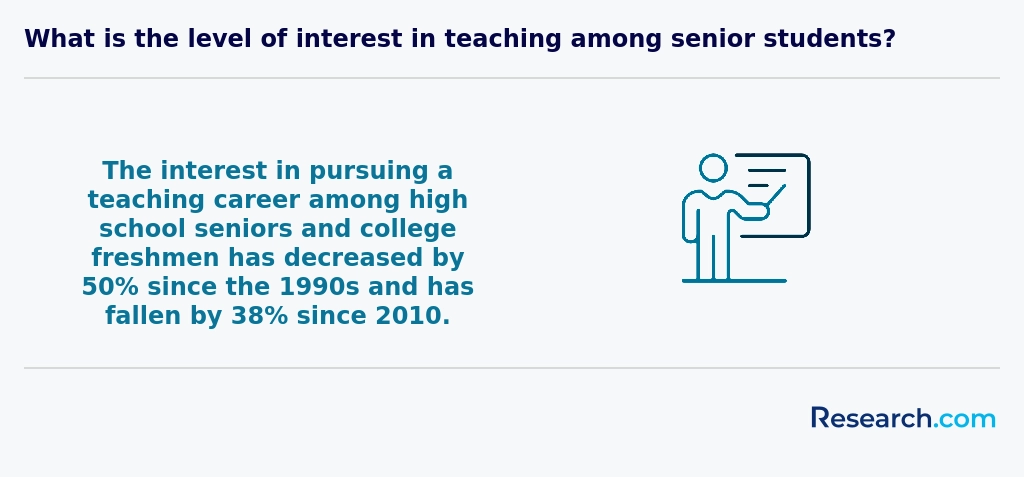
Prospective students should follow a clear, step-by-step application process to secure admission into online education degree programs in Nebraska. First, research program-specific requirements on each institution’s website, noting deadlines for spring and fall semesters. Most universities operate on a rolling admissions system, but priority deadlines-typically in March for fall and October for spring-can affect scholarship eligibility. Begin by gathering official transcripts from your high school or prior colleges. If required, register for and submit standardized test scores (ACT/SAT for undergraduates; GRE/GMAT for some graduate tracks). Prepare application materials, including a personal statement outlining your teaching philosophy and career goals. Request two to three letters of recommendation from academic or professional references who can attest to your communication skills and adaptability. Next, complete the online application portal, carefully entering your personal information and program selection. Pay attention to supplemental questions that assess your experience with educational technology and remote collaboration. Many programs also require a résumé highlighting relevant experience, such as tutoring, substitute teaching, or curriculum design. Submit your FAFSA by the federal priority deadline-usually June 30-to maximize financial aid options. While exploring affordability, you might also consider the Cheapest Online Education Degree Programs Ranking in Greenville, NC for comparative financial planning. After submission, monitor your application status through the university portal and promptly respond to requests for additional documentation. Admissions decisions are typically released within four to six weeks of the deadline. Once accepted, confirm your enrollment, register for orientation, and complete any placement assessments or technology checks to ensure a smooth start to your online education journey in Nebraska.
Picture a hopeful Nebraskan diving into an online education degree at the University of Nebraska or Creighton, where the financial maze transforms into a treasure map. The trusty compass? The FAFSA-unlocking Pell Grants that can chip away up to $7,395 from tuition, easing the burden like a gentle breeze on a hot summer day. Imagine how those grants spark relief, enabling graduates to focus more on lesson plans and less on looming bills.
State magic appears in the form of the Nebraska Opportunity Grant, quietly fueling dreams with a few thousand dollars, adjusting each year like the heartbeat of Nebraska's budget. One graduate recalls how this grant was a lifeline, making the University of Nebraska at Omaha's online program feel accessible, not out of reach.
Beyond these, institutional scholarships rain like unexpected blessings for passionate education majors-awards crafted around academic grit and career zeal. And for those juggling work and study, the work-study programs weave together experience with income, often linking students to on-campus roles or education-related tasks that turn paychecks into stepping stones.
Veterans tapping their GI Bill benefits find another wellspring of support, while community grants and private scholarships from Nebraska foundations add extra layers of hope and opportunity. Navigating these waters, Nebraskan students piece together aid like a mosaic, transforming the dream of becoming educators into a vibrant, attainable reality.
Embarking on an online education program in Nebraska requires not just academic commitment but also strategic planning to maximize your learning experience. Successful online students typically focus on developing a well-structured study schedule, utilizing available virtual support resources, and engaging actively with digital learning communities. Investing in a reliable set of technical tools and mastering online platforms can significantly enhance your ability to absorb course content and interact with peers and instructors. Moreover, establishing a dedicated study space and setting realistic goals helps maintain focus and productivity throughout the term. Many students have found that joining virtual study groups and attending online tutoring sessions not only boosts their academic performance but also builds valuable professional connections. For those looking to advance further in the field of education, consider exploring the cheapest online masters degree in education as a cost-effective pathway toward career advancement. By equipping yourself with effective time management strategies, embracing technological tools, and leveraging institutional support services, you can ensure a rewarding and successful journey through your online education program.
To embark on an online education degree journey in Nebraska, you're stepping into a realm where preparation meets opportunity. Graduates from the University of Nebraska often recall the moment they gathered their high school diploma or GED, the key that unlocked their path forward. That 2.5 GPA benchmark isn't just a number-it's a signpost signaling you're ready to navigate college challenges with resilience.
Graduate hopefuls at Creighton University remember the weight of submitting transcripts that narrate their dedication to teaching arts, sciences, or hands-on tutoring experiences. They cherish the thrill of translating classroom passion into applications that showcase both scores and heartfelt letters of recommendation, helping admissions see them as future educators alive with purpose.
Non-native English speakers feel empowered by standardized proof like TOEFL scores, bridging language gaps with confidence. Everyday realities like managing tuition costs-roughly $9,800 for in-state public options-and ensuring tech readiness, from stable Wi-Fi to reliable laptops, make online study a tactile, lived adventure rather than a distant dream.
- Application forms and academic transcripts are your compass.
- Proof of English skills strengthens your voyage.
- Personal statements narrate your unique education story.
- Letters of recommendation open doors from mentors who believe in you.

After completing an online education degree in Nebraska, graduates must obtain state certification to teach in K-12 settings. The Nebraska Department of Education (NDE) oversees educator licensure, ensuring that candidates meet academic, testing, and professional standards before entering the classroom. To earn initial teaching certification, applicants must:
- Hold a bachelor’s degree from an accredited institution and complete an NDE-approved educator preparation program.
- Pass required Praxis exams (content knowledge and pedagogy), with minimum scores set by NDE.
- Submit a satisfactory background check and fingerprint clearance to demonstrate suitability to work with children.
- Complete a structured clinical experience (student teaching) under the supervision of a certified mentor teacher.
- Apply online through the NDE Teach Nebraska portal, paying the applicable certification fee. Once certified, educators pursue a Professional Teaching Certificate by:
- Completing two years of satisfactory teaching under a standard certificate.
- Accumulating 100 clock hours of professional development or earning 6 graduate credit hours every five years.
- Meeting renewal requirements, including continuing education and adherence to NDE’s Code of Ethics. Navigating these requirements can be challenging, especially when balancing cost and quality. Prospective students interested in affordable yet reputable programs may explore our Cheapest Online Education Degree Programs Ranking in Greenville, NC to compare tuition rates, accreditation status, and student outcomes before applying.
Imagine diving into a virtual classroom where Educational Psychology unravels the mysteries of how your future students tick-Nebraska graduates often describe this course as the "aha" moment that transformed their approach to teaching. At the University of Nebraska, courses like Curriculum Development empower you to craft lesson plans that resonate across diverse Cornhusker classrooms, shaped precisely to meet Nebraska's state standards.
Classroom Management and Instructional Technology classes come alive through interactive online workshops, giving you tools to create respectful, vibrant learning spaces both in person and on digital platforms. Hands-on projects in Assessment and Evaluation sharpen your eye for measuring real student progress, a skill praised by graduate teachers shifting from theory to their first state-certified classroom roles.
Special Education fundamentals prepare you to embrace the unique strengths of all learners, reflecting Nebraska's inclusive ethos. Meanwhile, deep dives into Professional Ethics and Legal Issues ensure you're ready to navigate the complexities of Nebraska's education laws confidently, a critical step mentioned fondly by those who've successfully transitioned from student teaching to certified educator.
Among Nebraska online teaching degree programs, the specializations seem almost like bespoke tailoring for educators on a mission. Imagine a graduate from the University of Nebraska who, after juggling family life and work, dives into a Secondary Education specialization focusing on science, igniting a passion for chemistry right from a virtual lab. Or picture a student from another popular Nebraska college embracing Educational Technology, weaving digital tools into classrooms so fluidly that even skeptics are excited by the future of learning.
These online education degree specializations Nebraska offer don't just prepare you to teach; they sculpt your role in the educational ecosystem. From Early Childhood Education that nurtures tiny minds in their first cognitive leaps to Educational Leadership, where graduates find themselves steering school districts with confidence and heart, these paths truly reflect Nebraska's dedication to impactful education.
Graduates often share how Special Education specialization opened doors to creating inclusive environments where every child's unique needs are championed. With programs responsive to real workforce needs, students sometimes turn to options like the cheapest online masters degree in education to accelerate their careers without sacrificing quality or relevance.
Imagine balancing work, family, and your dreams of teaching-all while navigating the best online education degrees Nebraska offers. Graduates from universities like the University of Nebraska share how crucial accreditation was for them; it's not just a label but a passport to federal aid and respect in the job market. Programs accredited by CAEP stood out as beacons of quality, making the journey feel secure and worthwhile.
Cost whispers loudly in the minds of many. Public institutions often offer tuition closer to $9,000-$10,000 annually, a relief for wallet-watchers, especially when some online programs extend these rates beyond in-state borders. This flexibility in pricing makes affordable education degree programs Nebraska-wide not just a fantasy but an achievable reality.
Flexibility is king. The bliss of asynchronous classes lets you sip your morning coffee while prepping lessons on your own clock, just as past students have loved. Specialized tracks, like early childhood or educational leadership, transform you from a generalist to a sought-after expert. For those aiming for licensure, learning how programs embed practicum options right in Nebraska ensures the certification path is as smooth as possible. And for a roadmap to savings, check out the Cheapest Online Education Degree Programs Ranking in Greenville, NC.
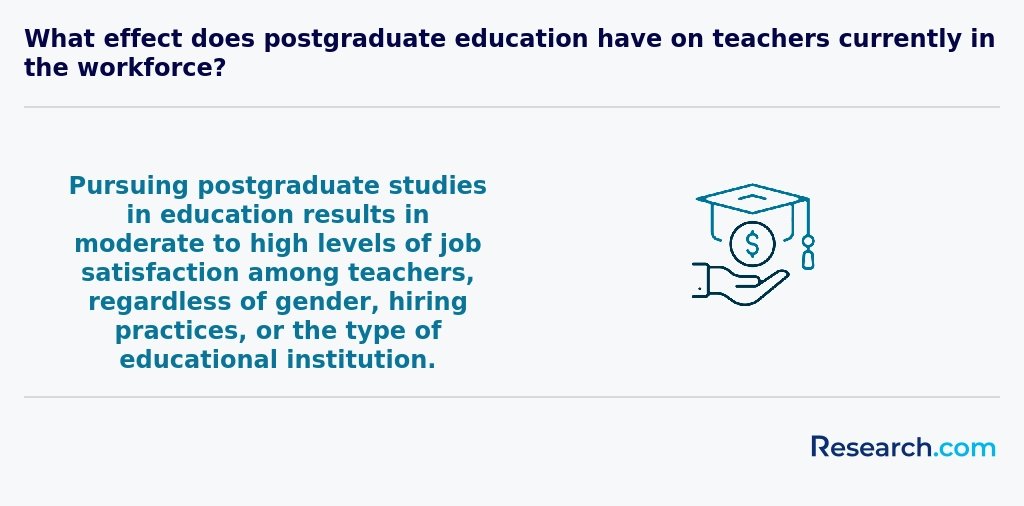
Graduates holding an online education degree in Nebraska find themselves stepping into vibrant roles stretching far beyond the chalkboard. Picture a fresh graduate from the University of Nebraska Omaha crafting dynamic lesson plans as a licensed K-12 teacher, responding to the state's growing need especially in math and science. Others channel creativity as instructional designers, weaving technology into e-learning that resonates across rural communities where education innovation fuels hope.
Some alumni transform into educational program managers or principals, carrying the torch of leadership within Nebraska's schools, nurtured by the state's culture of ongoing professional growth. Meanwhile, a graduate from Creighton University might guide college students as a post-secondary teacher or adviser, embracing the surge in adult education jobs nationwide. Exploring fast associates degree pathways can also unlock quicker entry points for those eager to dive into Nebraska's diverse education job market.
Whether shaping young minds in public classrooms or developing curricula for private institutions, the career options for online education degree career options Nebraska offers are as broad as the Cornhusker skies, filled with promise and purpose for passionate educators ready to transform futures.
The job market for graduates with an online education degree in Nebraska pulses with opportunity, especially for those ready to embrace the state's mix of urban hubs and rural communities. Graduates from well-known institutions in Nebraska often share stories of swiftly landing roles teaching math or special education where districts face shortages, highlighting the tangible demand in public and private schools. This optimistic trend aligns with Nebraska's focus on addressing workforce needs, meaning those with an education degree-even earned online-have a foot in an expanding door.
Imagine a graduate from a Nebraska university navigating school districts from Omaha to more remote towns, taking on roles as curriculum coordinators or even education technology specialists. Their online education degree becomes a versatile passport to diverse educational careers, a narrative that resonates strongly in this region. For those curious about cost-effective options, exploring the top online accredited colleges with waived application fee enhances accessibility, making the dream of becoming an educator more attainable.
With steady growth in employment opportunities for education graduates Nebraska, the landscape invites hopeful professionals to make meaningful impacts while building stable careers.
2027 Fastest Online Education Degree Programs Ranking in Nebraska
Investing in your education is a significant decision that can shape your future, and the Research.com team understands the importance of making informed choices. To assist prospective students in Nebraska, we have meticulously crafted the "2027 Fastest Online Education Degree Programs Ranking in Nebraska." Our commitment to quality, credibility, and accuracy is reflected in the extensive research and analysis conducted to compile this ranking. We utilized the following reputable data sources to ensure a comprehensive evaluation of programs:
By exploring this ranking, readers will gain valuable insights into the fastest online education degree programs available in Nebraska, helping them make informed decisions about their educational pursuits. For more details on our methodology, please visit our Research.com methodology page.
# 1 position
University of Nebraska-Lincoln
Master of Family and Consumer Sciences Education specialization - Child, Youth, and Family Studies


# 3 position
University of Nebraska-Lincoln
Bachelor of Early Childhood Education in a Mobile Society
# 4 position
University of Nebraska-Lincoln
Doctor of Educational Studies - Educational Leadership & Higher Education - Higher Education

Frequently Asked Questions About education
Students pursuing online education degrees in Nebraska can enhance their learning by actively engaging with coursework and utilizing available university resources. Research from the Nebraska Department of Education emphasizes the importance of consistent communication with instructors and peers to deepen understanding. Nebraska offers access to online libraries and academic advising through institutions like the University of Nebraska system, which supports over 25,000 online learners.
Time management is vital; setting a regular study schedule helps balance coursework alongside personal and professional commitments. Additionally, participating in virtual study groups can foster collaboration and improve retention. Nebraska's emphasis on accreditation ensures programs meet rigorous standards, so students should also verify their program's legitimacy before enrollment.
Online education degrees in Nebraska are increasingly focusing on emerging niches that reflect current educational and workforce needs. Specializations such as educational technology and digital learning have gained traction, driven by Nebraska's investment in expanding broadband access in rural areas. According to the Nebraska Department of Education, there is a rising demand for educators skilled in integrating technology to support remote and hybrid learning environments.
Another growing niche includes special education, especially programs tailored to autism spectrum disorders and behavioral interventions. Nebraska's schools are seeking qualified specialists to address diverse student needs.
Finally, early childhood education with a focus on equity and inclusion is a field with expanding opportunities, supported by state initiatives aimed at improving preschool access statewide.
After completing an online education degree in Nebraska, it is important to develop a clear strategy to enter the job market effectively. Start by leveraging Nebraska's strong network of school districts and education organizations, many of which actively seek qualified candidates with flexible online learning backgrounds. According to the Nebraska Department of Education, the state's demand for qualified teachers is expected to grow by 6% through 2030, creating new employment opportunities.
Networking with local education professionals through events or social media platforms like LinkedIn can enhance job prospects. Additionally, obtaining relevant teaching certifications, such as Nebraska's teaching permit or professional teaching certificate, is crucial. Consider participating in internships or substitute teaching during your studies to gain practical experience and familiarity with Nebraska's classrooms.
Finally, utilize university career services and state resources that offer resume building, interview practice, and job search assistance targeted for educators.
Employers in Nebraska seeking graduates with education degrees prioritize several key skills. According to data from the Nebraska Department of Education, strong communication abilities rank highest, as educators must effectively engage with students, parents, and colleagues.
Critical thinking and problem-solving skills are also essential. Nebraska schools emphasize adapting curriculum to diverse learning needs, requiring educators to be flexible and innovative.
Classroom management proficiency remains a top requirement, with 78% of school administrators in Nebraska noting its importance in recent surveys by the Nebraska Association of School Boards.
Finally, digital literacy is increasingly vital, as online and hybrid teaching methods expand across the state's education system.
Finding internships in Nebraska relevant to an education degree involves several strategic steps. Start by exploring local school districts, such as Omaha Public Schools and Lincoln Public Schools, which frequently offer internship opportunities for education students. Additionally, the Nebraska Department of Education provides resources and partnerships linking students with practical experience options.
Online platforms like Handshake and Nebraska Career Connections also list internships, including those designed for future educators. Networking with faculty at online education programs can reveal hidden opportunities tailored to Nebraska's education landscape.
According to the Nebraska Department of Education, nearly 90% of students completing education degrees engage in student teaching or internships, making these placements crucial for licensure.
Obtaining an online education degree in Nebraska can significantly enhance career mobility and advancement opportunities within the state. Nebraska's education sector has seen steady growth, with the Nebraska Department of Education reporting a 7% increase in teaching positions between 2020 and 2023. Online degrees provide flexible access to accredited programs, allowing working professionals to upskill without relocating.
Graduates with education degrees, especially those holding advanced certifications earned online, often qualify for higher-level roles such as instructional coordinators or administrative positions. Data from the U.S. Bureau of Labor Statistics indicates that education administrators in Nebraska earn a median annual wage of approximately $95,000. This reflects a notable salary increase compared to entry-level teaching roles.
Moreover, Nebraska's Public Employees Retirement Systems require certified credentials for advancement, where online degree holders meet these standards. These degrees also support career shifts within education fields, enhancing adaptability in a competitive job market.
Nebraska's online education degree programs emphasize interdisciplinary skills by integrating coursework in psychology, technology, and leadership. This prepares graduates for diverse roles beyond traditional classrooms, such as educational technology specialists or curriculum designers. According to the Nebraska Department of Education, nearly 70% of public school districts seek educators who understand varied student needs and can collaborate across disciplines.
Programs often include training in data analysis and communication, enabling graduates to adapt strategies for different learning environments. This approach reflects national trends toward interdisciplinary education, aligning with U.S. Department of Education goals to prepare teachers for complex educational challenges.
Choosing between a thesis and a non-thesis education degree program in Nebraska depends on your career goals and learning preferences. Thesis programs typically require original research and a written dissertation, suited for those aiming at academia, research, or doctoral studies. Non-thesis programs focus more on coursework and practical skills, ideal for educators seeking direct classroom application.
Nebraska's public universities offer both options, with several online education degrees emphasizing flexibility. According to the Nebraska Department of Education, employment in education-related fields is projected to grow by 6% through 2030, increasing demand for practical skills.
Consider your time availability as thesis tracks may take longer due to research commitments. Review program outcomes and support services when deciding.
Students based in Nebraska who wish to study education abroad can explore several options primarily through partnerships facilitated by Nebraska universities. Many institutions offer online education degrees combined with international study components, allowing learners to earn credits while experiencing different educational systems globally. For example, the University of Nebraska often provides faculty-led study abroad programs relevant to education majors.
Additionally, students can consider exchange programs and internships abroad endorsed by Nebraska schools. These opportunities help develop cross-cultural teaching skills essential in today's diverse classrooms. The Nebraska Department of Education notes a growing emphasis on global competencies for future educators.
Federal financial aid and scholarships are frequently applicable to approved study abroad programs, easing the cost barrier for many Nebraska students.
Students pursuing online education degrees in Nebraska can benefit from several part-time job opportunities that complement their studies. One common role is working as a teacher's aide or paraprofessional in local schools, which provides hands-on classroom experience. According to the Nebraska Department of Education, about 7,000 paraprofessionals work statewide, often requiring only partial certification, making it accessible for those still completing their degrees.
Another option is tutoring, especially in underserved or rural areas. Tutoring positions help build communication and instructional skills while supporting community education needs.
Additionally, many districts offer substitute teaching jobs, which allow education students to gain versatile classroom management experience. The Nebraska Department of Labor also notes growth in early childhood education roles that can be part-time.
Online education students in Nebraska have various networking opportunities despite studying remotely. Many universities offer virtual events, such as webinars, workshops, and discussion forums, designed to connect students with faculty and peers. These platforms help students build professional relationships essential for careers in education.
Several Nebraska institutions also partner with local schools and education organizations, allowing online students to participate in internships or practicum experiences, which provide valuable real-world networking. According to the Nebraska Department of Education, cooperative programs have increased by 15% in recent years, enhancing these opportunities.
Moreover, statewide education conferences and professional groups, like the Nebraska Association of Teachers, welcome online learners. These events offer additional venues for students to meet education professionals and explore employment prospects throughout Nebraska and beyond.
Alumni networks offer significant advantages for online education degree students in Nebraska. Graduates connected through these networks can access mentorship opportunities, career advice, and job referrals, which are especially valuable in the competitive education job market. According to the Nebraska Department of Labor, networking is a key factor in career advancement within the state's education sector.
Many Nebraska universities maintain active alumni groups specifically for online programs, fostering a sense of community despite physical distance. These networks often host virtual events and professional development workshops that help students build essential connections.
Participation in alumni networks can increase employment prospects by connecting students with experienced educators and administrators across Nebraska's school districts.
Nebraska offers a variety of ways to tailor online education degree programs to match your career goals. Many universities provide specialization options such as early childhood education, special education, or educational leadership. This flexibility helps students align their studies with specific job markets.
Most online programs allow you to choose electives or complete practicums in Nebraska school districts, giving practical experience. Additionally, institutions collaborate with the Nebraska Department of Education to ensure licensure pathways are integrated into coursework.
According to the Nebraska Coordinating Commission for Postsecondary Education, about 75% of education graduates find employment within six months of graduation, highlighting the value of tailored programs.
Online education students in Nebraska often face several challenges that impact their academic success. A primary difficulty is limited access to high-speed internet, especially in rural areas where 26% of Nebraskans live, according to the U.S. Census Bureau. This digital divide can hinder participation in live lectures and timely submission of assignments.
Another common challenge is balancing coursework with work and family responsibilities, particularly among adult learners who make up a significant portion of online students statewide. Time management and self-motivation become crucial skills.
Additionally, students may struggle with feelings of isolation due to less face-to-face interaction, which can affect engagement and retention rates, as reported by the Nebraska Department of Education.
An online education degree in Nebraska opens doors to several professional certifications that can enhance your teaching credentials. One prominent certification is the Nebraska Teaching Certificate, required for K-12 public school educators. To qualify, candidates often pursue endorsements in areas such as Early Childhood, Special Education, or Secondary Education.
Additionally, graduates can seek National Board Certification for Advanced Teaching, recognized nationwide and supported by the National Board for Professional Teaching Standards.
Many Nebraska educators also pursue the ESL (English as a Second Language) endorsement to meet growing demands in diverse classrooms, aligning with state education policies reported by Nebraska Department of Education.
For roles beyond classroom teaching, certification in Educational Leadership is available for those aiming for administrative positions, supported by online programs tailored for Nebraska professionals.
When applying for an online education degree program in Nebraska, it is crucial to present a clear and well-organized application. Start by thoroughly researching programs accredited by the Council for the Accreditation of Educator Preparation (CAEP), which ensures quality education standards.
Highlight your academic achievements and relevant experience in education or related fields. Nebraska values applicants who demonstrate commitment to improving local schools, so include examples of community involvement or teaching experience.
Craft a compelling personal statement that explains your motivation for pursuing an online degree and your career goals within Nebraska's education system, supported by data from the Nebraska Department of Education.
Ensure all documents, such as transcripts and recommendation letters, are complete and submitted on time for the best chance of acceptance.
The career of education holds significant value worldwide, reflecting diverse priorities in teaching and learning. In the United States, including Nebraska, education professionals are viewed as essential to community development and economic growth, with a strong emphasis on equity and access.
Globally, educators often face varying expectations depending on country-specific systems, but a common thread is the rising demand for skills in digital literacy and inclusive teaching. Nebraska's education workforce aligns with national trends, expecting a 5% growth in education jobs by 2030 according to the Bureau of Labor Statistics.
Internationally, education careers also emphasize lifelong learning and adaptability. Nebraska's investment in online degree programs supports this by offering flexible pathways for those seeking entry or advancement in education roles, making it accessible for many aspiring educators across the state. Data from the Nebraska Department of Education highlight ongoing initiatives to prepare educators for diverse classroom environments.
Gaining practical experience while studying for an online education degree in Nebraska is essential for career readiness. Many Nebraska institutions partner with local schools and districts to offer virtual or in-person student teaching placements, allowing candidates to apply theory in real classrooms. According to the Nebraska Department of Education, nearly 70% of education degree programs require supervised practicum or internships.
Online students can also engage in virtual simulations and case studies designed to mimic classroom challenges. Additionally, volunteering or substitute teaching in Nebraska schools provides hands-on experience and networking opportunities. These options help students fulfill certification requirements and build practical skills needed for licensure and employment.
Choosing the right concentration within an online education degree in Nebraska depends on your career goals and interests. Nebraska offers specializations such as educational leadership, curriculum and instruction, and special education. According to the Nebraska Department of Education, demand is growing for teachers skilled in special education and digital learning approaches.
Consider workforce data from the U.S. Bureau of Labor Statistics, which indicates jobs in educational administration in Nebraska are projected to grow by 8% through 2030. This growth suggests leadership concentrations can lead to stable careers.
Additionally, review program accreditation and Nebraska licensure requirements to ensure your concentration aligns with certification standards.
- 2027 Fastest Online Education Degree Programs Ranking in South Dakota
- 2027 Fastest Online Education Degree Programs Ranking in Iowa
- 2027 Fastest Online Education Degree Programs Ranking in Colorado
- 2027 Fastest Online Education Degree Programs Ranking in Missouri
- 2027 Fastest Online Education Degree Programs Ranking in Minnesota
- 2027 Fastest Online Education Degree Programs Ranking in North Dakota
- 2027 Fastest Online Education Degree Programs Ranking in Illinois
- 2027 Fastest Online Education Degree Programs Ranking in Wisconsin
- 2027 Fastest Online Education Degree Programs Ranking in Texas
- 2027 Fastest Online Education Degree Programs Ranking in Indiana
See What Experts Have To Say About Studying Education
Read our interview with Education experts


Alan J. Singer
Education Expert
Professor of Teaching, Learning and Technology
Hofstra University

- Online Colleges in Nebraska | 25 Best Online Schools in NE https://www.onlinecolleges.net/nebraska/
- Education Study Abroad | CIEE https://www.ciee.org/go-abroad/college-study-abroad/programs/subjects-disciplines/education-study-abroad
- The Best Online Schools In Nebraska https://www.affordablecollegesonline.org/online-colleges/nebraska/
- Teaching Job Roles | Teach For Life https://www.teachforlife.com/teachingjobs/global-perspectives-teacher
- Networking For Educators: How To Grow A Professional Circle - Carlow University https://www.carlow.edu/networking-for-educators/
- Education Technology Trends to Watch in 2065: 10 Innovations Shaping the Future of Learning https://www.digitallearninginstitute.com/blog/education-technology-trends-to-watch-in-2026
- The importance of networking in the education sector https://www.tlclive.com/blog/the-importance-of-networking-in-the-education-sector
- Guide to Online Education Degrees | OEDb.org https://www.oedb.org/rankings/online-education-programs/
- Skills Employers Look for in Business Graduates – EU Business School https://www.euruni.edu/blog/skills-employers-look-for-in-business-graduates/
- Home https://www.teachercertificationdegrees.com/


