2027 Fastest Online Education Degree Programs Ranking in Missouri

Co-Founder and Chief Data Scientist
Choosing the right online education degree program can be overwhelming, especially with so many options available in Missouri. To help you navigate this decision, this article features the 2027 Fastest Online Education Degree Programs Ranking in Missouri, created by the Research.com team of data scientists.
By exploring this ranking, you'll discover programs that combine speed, quality, and value, helping you advance your career without unnecessary delays. Earning an education degree opens doors to new opportunities and personal growth, making it a smart investment in your future.
Take a confident step toward your goals with information that truly matters.
Key benefits of getting online education degree in Missouri
- Graduates with education degrees in Missouri can expect rewarding salaries, such as $70,740 annually for Elementary School Teachers and $76,000 for Special Education Teachers, offering financial stability.
- Career paths include roles like Instructional Designer or Early Childhood Educator, reflecting the diverse opportunities available to education graduates from universities like the University of Missouri.
- Online degrees provide flexibility and convenience, allowing graduates from programs like Missouri State University's online education to balance work, family, and study while earning a respected credential.
- 2027 Fastest Online Education Degree Programs Ranking in Missouri
- What can I expect from online education degree in Missouri?
- Where can I work with online education degree in Missouri?
What can I expect from online education degree in Missouri?
The average cost of an online education degree in Missouri generally aligns closely with on-campus tuition rates at public universities like the University of Missouri System and Missouri State University. Graduates often share that tuition is reasonable and transparent, typically ranging between $8,000 and $12,000 per academic year for in-state students. This affordability allows many to balance studies alongside work without excessive financial stress.
Many students report savings beyond tuition, citing lower expenses for commuting and housing, which are not factors for online learners. For example, a graduate from Southeast Missouri State University appreciated how online coursework let them study nights after work, avoiding relocation costs altogether.
Missouri residents can also tap into state-specific grants and scholarships tailored to online education programs, further easing the price burden. Financial aid officers at universities recommend early application for these funds to maximize support. Understanding these cost factors helps prospective students confidently plan budgets while pursuing flexible, accredited online degrees designed to meet Missouri's licensure standards.
Where can I work with online education degree in Missouri?
Graduates with an online education degree in Missouri find a wide range of rewarding career paths across the state. Many secure teaching roles in public school districts, addressing the high demand for licensed teachers in elementary, middle, or high schools. For example, graduates from the University of Missouri's online programs report quickly landing positions that match their certification areas, such as special education or counseling.
Community colleges like St. Louis Community College actively hire education graduates for roles in adult education and workforce training, providing chances to blend in-person and remote instruction. This flexibility appeals to many online degree holders balancing work and family commitments.
Additionally, graduates often pursue academic advising or faculty positions at Missouri's state universities. Those with advanced degrees find competitive opportunities at institutions like Missouri State University, benefiting from strong alumni networks.
Graduates repeatedly share that their online education degrees open doors throughout Missouri's educational system, empowering them to contribute meaningfully to diverse learning environments with confidence and enthusiasm.
Graduates with an online education degree from institutions like the University of Missouri or Southeast Missouri State University often see promising salary outcomes that align with Missouri's job market. For example, elementary school teachers earn a mean annual wage of about $70,740, which many recent graduates find encouraging as a stable starting point for their careers.
Those specializing in special education enjoy even higher earnings, with average annual salaries reaching $76,000. For graduates passionate about language and cultural support roles, becoming an ESL teacher in Missouri offers an average salary of $65,430 annually, making it a rewarding path both financially and personally.
Early childhood educators have mean wages near $41,410, suitable for those focused on foundational education roles. Additionally, graduates moving into instructional design-a growing field in education technology-can expect salaries averaging $77,200 yearly, reflecting the state's expanding digital education landscape.
Choosing to study at Missouri's top education schools provides access to networks and resources that help graduates secure these positions, turning theoretical knowledge into meaningful, well-paid careers that positively impact local communities.
- Online education degrees in Missouri are offered by public and private institutions, covering bachelor's and master's levels with accredited programs.
- In-state tuition for online undergraduate education programs ranges from $8,000 to $12,000 per year, while graduate programs typically cost between $10,000 and $20,000 annually.
- Starting salaries for entry-level teachers average about $39,000 annually, increasing to approximately $56,000 with experience and certifications.
- There is steady demand for teachers in Missouri, especially in special education, STEM fields, and rural areas.
- Missouri participates in the Interstate Agreement on Qualifications of Educators, supporting certification reciprocity with neighboring states.
Completing an online education degree in Missouri typically takes two years for associate degrees and about four years for bachelor's degrees when studied full-time. Many students at the University of Missouri system find that taking advantage of accelerated programs or using transfer credits from community colleges can shorten this timeline significantly. For instance, graduates who transferred credit hours reported feeling motivated by finishing sooner while balancing work and family.
Part-time enrollment is common among Missouri online education students who juggle jobs or childcare, often extending their completion to five years or more. These students appreciate the flexibility to set their own pace without sacrificing quality. The Missouri Department of Higher Education notes that pacing your coursework strategically, such as focusing on one or two courses per semester, helps maintain steady progress and reduces burnout.
Financial planning also positively impacts completion time. Students who choose schools offering flat-rate tuition or financial aid packages, like some programs in Missouri, often feel less stressed and more confident in completing their degrees on schedule. Many graduates express pride in managing their time effectively and achieving their goals despite real-life challenges.
In Missouri, earning an online education degree is only the first step toward a teaching career; graduates must also satisfy state licensure requirements to become certified educators. Most programs are designed to meet Missouri Department of Elementary and Secondary Education (DESE) standards, but students should verify alignment with certification prerequisites before enrolling. Key steps include: 1. Completing an Accredited Program • Enroll in a DESE-approved online education program that includes student-teaching hours. • Verify that your institution’s curriculum covers required pedagogy, classroom management, and subject-specific competencies. 2. Passing Mandatory Examinations • PRAXIS Core Academic Skills for Educators: Required for program admission at many institutions. • PRAXIS Subject Assessments: Content exams aligned with your endorsement area (e.g., Elementary Education or ESL). • Missouri Educator Gateway Assessments (MEGA): New certification pathway exams replacing certain PRAXIS tests. 3. Fulfilling Student-Teaching and Field Experience • Complete a supervised student-teaching placement (typically 12–16 weeks). • Maintain documentation of 10–15 hours per week in active teaching environments under an accredited mentor teacher. 4. Submitting Application and Background Checks • Apply online via the DESE eCertification system, providing official transcripts, test scores, and program completion verification. • Undergo a criminal background check and fingerprinting as mandated by Missouri law. 5. Maintaining and Renewing Certification • Initial certificates are valid for five years; renewal requires continuing education credits or advanced degree progress. • Engage in professional development workshops, conferences, or graduate coursework to satisfy renewal requirements. For students comparing program costs or exploring cost-effective alternatives, also review the Most Affordable Online Education Degree Programs Ranking in Texas, which highlights low-tuition online pathways that meet accreditation and certification standards.
Online and on-campus education degrees in Missouri mainly differ in delivery and flexibility. Graduates from institutions like the University of Missouri often share how online programs allowed them to balance full-time jobs and family by accessing lectures anytime, unlike fixed class times on campus. This flexibility is ideal for working adults needing a tailored schedule.
Cost also plays a role. Attending a public university on-campus typically costs around $10,622 a year for in-state students, factoring in housing and commuting. Online students, such as those at Missouri State University, frequently highlight savings from avoiding these extra expenses, though tuition may be similar across formats.
Interaction differs too. On-campus degrees enable face-to-face contact with professors and peers, enriching campus life and networking. Yet online students value discussion boards and video chats for meaningful connections, even if the experience feels a bit more solitary at times.
Both options are equally accredited by the Higher Learning Commission, ensuring degree recognition across Missouri's job market and licensing boards.
When considering an online education degree in Missouri, it’s essential to weigh the total cost against long-term earnings to determine true return on investment (ROI). With median tuition and fees between $6,000 and $18,000 for a 30-credit program and mean annual salaries ranging from $38,640 for Early Childhood Educators to $73,080 for Instructional Designers, graduates can often recoup their educational expenses within three to five years of full-time employment. For example, an Instructional Designer earning $73,080 annually could offset a $15,000 degree cost in under three years, while an ESL teacher at $63,130 per year may see payback in approximately four years. To maximize ROI, prospective students should: • Compare total cost (tuition, fees, textbooks) with expected entry-level salaries in their specialization. • Factor in financial aid, employer tuition reimbursement, and scholarship opportunities. • Investigate average class sizes and support services that boost on-time graduation rates, as shorter completion times reduce overall expenses. • Analyze alumni career trajectories to gauge salary growth over five to ten years post-graduation. Affordability is only one piece of the ROI equation. Program quality, accreditation, and licensure success rates directly influence job placement and salary advancement. For those prioritizing cost-effective options beyond Missouri, it’s worth exploring the Most Affordable Online Education Degree Programs Ranking in Texas, which highlights high-quality programs with lower price tags and strong career outcomes.
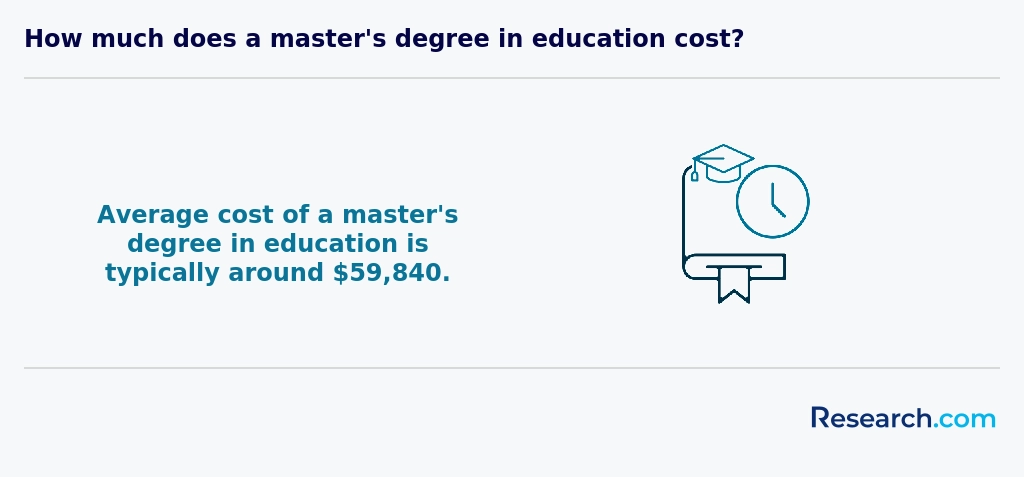
The average cost of an online education degree in Missouri typically reflects a balance between affordability and quality, especially when attending public universities. For in-state students, tuition often aligns around a median total cost of about $12,738, making Missouri a sensible choice for those seeking a cost-effective path to a teaching or education career. Graduates from popular universities in the state frequently share how this accessible tuition allowed them to focus more on their studies and less on financial stress.
Online education degree tuition fees vary by institution, with private schools generally charging significantly more. Some Missouri private colleges charge between $25,000 and $45,000 per year, which can be a substantial investment. However, students can find relief through scholarships or financial aid specifically targeting online education programs. One common scenario is a graduate describing how enrolling through a well-known public university made it easier to manage expenses, compared to private options.
Additional costs such as technology fees and books are modest but should be factored in. Technology fees average $100 to $300 per semester, and books typically cost under $1,000 annually. Prospective students interested in affordable options can explore programs through Missouri's public universities or consider schools identified in rankings like the affordable education school in Missouri to find the best fit both in cost and quality.
By understanding the median tuition rates and preparing for supplemental expenses, students can confidently pursue an online education degree without overwhelming financial burdens, turning their aspirations into rewarding career paths.

As Missouri’s online education landscape continues to evolve, several key trends are shaping the future for both current students and alumni. Innovative teaching methods, expanded hybrid learning options, and the integration of artificial intelligence tools are redefining curriculum design and student engagement. These advancements not only enhance learning experiences but also increase career opportunities by ensuring graduates are well-versed in modern educational technologies and strategies. Furthermore, an increasing number of institutions are forging partnerships with industry leaders to provide real-world experiences and mentoring programs, which are vital for career progression. Students considering further advancement may also benefit from exploring options such as cheap masters programs for teachers, designed to offer budget-friendly pathways to higher qualifications. This commitment to continuous improvement and innovation promises to empower a new generation of educators, equipping them with the skills necessary to drive classroom success and meet rising educational standards dynamically.
Many online education degree students in Missouri rely on federal aid like Pell Grants and student loans with flexible repayment options. Completing the FAFSA early is crucial to unlocking this funding. Graduates from the University of Missouri and Missouri State University have shared how Pell Grants made their first semesters affordable without overwhelming debt.
State-specific programs are equally vital. Students at institutions like Columbia College often benefit from the Access Missouri Financial Assistance Program, which awards need-based grants to help cover tuition. The A+ Scholarship Program supports those who graduated from qualifying Missouri high schools, providing tuition reimbursement at public community colleges and vocational schools, easing financial stress dramatically.
Additionally, many schools offer institutional scholarships targeting education majors. At Lindenwood University, scholarships recognize academic merit and leadership, substantially reducing costs for deserving students. Employer tuition assistance is another lifesaver-teachers and staff in Missouri districts frequently receive partial or full tuition reimbursement, especially when pursuing degrees in high-demand fields like special education and STEM.
Choosing an online program also eliminates housing and transportation costs, adding to the overall savings for Missouri students balancing education and life.
When evaluating online education programs in Missouri, one crucial aspect to consider is the affordability of these programs. Prospective students should research institutions that offer quality education at a manageable cost. For those seeking an affordable education school in Missouri, exploring options such as affordable education school in Missouri can provide valuable insights into budget-friendly choices without compromising on the quality of education. This consideration is vital as it directly impacts the student's ability to pursue their educational goals without being burdened by significant debt. By choosing an affordable program, students can allocate their resources more efficiently, focusing on other aspects of their educational journey, such as gaining practical experience, developing foundational skills, and engaging in lifelong learning. The ability to manage educational expenses effectively can also influence a student's overall satisfaction with their program and their capacity to achieve their career aspirations in the field of education.
To enroll in an online education degree in Missouri, start by ensuring you have a high school diploma or GED. This basic requirement is universal across programs, including at Missouri State University and University of Missouri, where many graduates recall that meeting this baseline made the admission process straightforward and stress-free.
If you're aiming for a bachelor's degree in education, maintain a GPA around 2.5 to 3.0, as these thresholds are common in Missouri public universities. Graduates often share how keeping their GPA above this requirement motivated them and opened doors without setbacks.
For graduate programs like a Master of Education, holding a bachelor's degree-preferably related to education-is essential. Many successful students at Southeast Missouri State University highlight the benefit of presenting a clear academic background in education or a related field.
Additional steps include submitting letters of recommendation, a personal statement, and sometimes professional experience. Some programs may require passing a background check, vital for reassuring families and schools that you're ready to work with children responsibly.

After earning your online education degree, the next crucial step is obtaining state licensure to teach in Missouri’s public schools. Prospective educators must complete the Missouri Content Assessment (MoCA) relevant to their subject area and grade level, as well as the Missouri Performance Assessment for Teachers (MoPTA), which evaluates your ability to plan, teach, and assess student learning. You’ll apply for a teaching license through the Missouri Department of Elementary and Secondary Education (DESE), submitting official transcripts, test scores, and a completed Educator Profile Form. For specialized areas-such as Special Education or English as a Second Language-additional endorsements or the Praxis® Subject Assessments may be required. Certification candidates should also complete a criminal background check and a fingerprint-based identity verification. Renewals occur every five years and demand 24 professional development hours or 6 graduate credit hours. While navigating these requirements, it’s beneficial to compare program costs and outcomes; for instance, explore the Most Affordable Online Education Degree Programs Ranking in Texas to gauge affordability benchmarks and support long-term career planning in education.
Online education degree programs in Missouri typically include courses that prepare students to confidently step into diverse classrooms. Graduates from Missouri State University often recall how foundational courses like Educational Psychology helped them understand how children think and grow, making it easier to tailor lessons effectively.
Core classes also cover Curriculum Development and Classroom Management, equipping future teachers with skills to design engaging lessons and maintain positive learning environments. For example, students at the University of Central Missouri describe how practical units on Assessment and Evaluation trained them to track and support student progress accurately.
Educational Technology courses familiarized candidates with digital tools, which proved essential during virtual teaching experiences. Many programs also offer specialized courses depending on grade level or subject, such as early childhood literacy or science teaching methods, ensuring each candidate is ready for their specific teaching focus.
Hands-on student teaching internships, either virtual or in-person, provide valuable real-world experience, allowing students to apply theory confidently while being guided by experienced mentors. This blend of coursework and practice reflects Missouri's strong emphasis on producing prepared, passionate educators.
Online education degree specializations in Missouri cover a broad spectrum to fit different career goals. Graduates from popular universities in the state often choose Elementary Education, which prepares them for K-6 teaching with practical skills in classroom management and curriculum design. Many find this specialization rewarding as it builds a strong foundation for working closely with young children.
Others opt for Special Education, addressing the growing need for professionals trained to support students with disabilities or learning challenges. This specialization equips candidates with strategies to foster inclusive classrooms-an aspect that graduates highlight as deeply fulfilling and impactful.
Secondary Education is ideal for those drawn to teaching adolescents in subjects like math or science for grades 7-12. Students here gain expertise in subject-specific pedagogy, which Missouri colleges emphasize to meet certification standards.
Additional options include Educational Leadership and Administration, Early Childhood Education, Curriculum and Instruction, and Reading and Literacy-each offering pathways to roles beyond classroom teaching. Many learners appreciate how Missouri institutions integrate certification exam prep into curricula, smoothing the path to licensure. For those looking into affordable options, checking out cheap masters programs for teachers in Missouri can provide practical guidance on budgeting and program choice, addressing common concerns among prospective students focused on online education degree specializations Missouri.
When choosing the best online education degree in Missouri, start by ensuring the program is accredited by respected bodies like the Council for the Accreditation of Educator Preparation (CAEP) or the Higher Learning Commission (HLC). Graduates from popular universities in Missouri often express confidence in their licensure process because their programs align well with state teaching certification requirements. For example, many appreciate how the curriculum incorporates practical teaching methods relevant to Missouri schools.
Consider the specialization that fits your career goals-whether it's elementary education, secondary education, or special education. Affordable online teaching degrees Missouri offer diverse tracks, allowing you to tailor your learning experience. Past graduates from institutions such as Missouri State University highlight the value of programs that balance theory and hands-on practice, which helped them secure teaching roles quickly after graduation.
Costs vary widely, and Missouri residents benefit from lower tuition at public institutions. To make a cost-effective choice, investigate scholarships, financial aid, and compare tuition fees thoroughly. Additionally, explore program flexibility; working professionals praise asynchronous courses that fit their busy schedules. For more options, review the Most Affordable Online Education Degree Programs Ranking in Texas, which offers comparative insight that some Missouri students find helpful.
Graduates with an online education degree career options Missouri can explore several rewarding paths. Many pursue teaching roles in public or private schools, benefiting from Missouri's supportive certification processes and high demand for qualified educators in subjects like math and special education. For instance, graduates from well-known institutions feel fulfilled stepping into classrooms, directly influencing student success.
Others find opportunities in educational counseling or instructional coordination, applying skills acquired online to support student development and curriculum planning. This aligns well with the growing job market for teaching and education jobs Missouri online degree holders qualify for, providing a sense of stability and purpose.
Administration is another appealing route. Education graduates often move into school leadership or administrative roles, managing operations and driving school improvement, which many find energizing after gaining experience at Missouri's respected universities. Some also transition into educational technology or corporate training, leveraging digital tools for impactful learning experiences.
Affordability plays a key role in these career steps, so exploring colleges with low tuition programs that accept fafsa offers practical financial support on this journey.
The job market for graduates with an online education degree in Missouri remains promising, especially for those from well-regarded programs at universities like the University of Missouri or Missouri State University. Graduates often find opportunities in public K-12 schools, rural districts, and specialized roles such as special education and educational administration. The state's consistent demand for qualified teachers is driven by retirements and growing student enrollment, which supports steady employment prospects.
Many graduates praise the flexibility of online programs that prepare them for Missouri's educator certification exams while balancing other responsibilities. These programs tend to offer competitive in-state tuition, making education degrees accessible. Those focusing on subjects with shortages, like math or science, can often access incentives and increased job openings, reflecting the strong online education degree job outlook Missouri offers.
Some graduates expand their careers into curriculum development or educational technology roles, supported by a growing need for digital teaching expertise. By exploring the best online degree programs for seniors, prospective students can find tailored paths that meet their scheduling and career needs, enhancing employment opportunities in Missouri's education sector.
2027 Fastest Online Education Degree Programs Ranking in Missouri
Investing in your education is a significant decision that can shape your future, and the Research.com team understands the importance of making informed choices. To assist prospective students, we have meticulously developed the "2027 Fastest Online Education Degree Programs Ranking in Missouri." Our commitment to quality, credibility, and accuracy is demonstrated through rigorous research and thorough analysis involved in compiling this ranking. We utilized the following reputable data sources to ensure a comprehensive evaluation of online education programs:
By exploring this ranking, readers will gain valuable insights into the fastest online education degree programs available in Missouri, empowering them to make well-informed decisions about their academic and professional journeys. For more details on our methodology, please visit our Research.com methodology page.

# 2 position
Southeast Missouri State University
Master of Teaching English to Speakers of Other Languages (TESOL)



# 7 position
University of Missouri
Bachelor of Human Development and Family Science with an emphasis in Early Childhood Education in a Mobile Society


Frequently Asked Questions About education
Online education degree students in Missouri can maximize their learning experience by actively engaging with their coursework and peers. Missouri institutions often use innovative learning management systems that support discussion boards and live sessions, which students should utilize fully. Research from the Missouri Department of Higher Education highlights that students who participate regularly in interactive components tend to achieve higher grades and retention rates.
Time management is critical; creating a dedicated study schedule helps balance work, family, and academics effectively. Additionally, students should take advantage of virtual tutoring and library resources offered by Missouri colleges. These tools provide personalized support and access to academic materials essential for success.
Networking with classmates and faculty through online forums and video conferences also enriches the learning experience by providing diverse perspectives and professional connections within Missouri's education sector.
Emerging niches within the education field reflect growing demands for specialized knowledge and skills. In Missouri, online education degrees increasingly focus on areas like educational technology, special education, and adult education. According to the Missouri Department of Elementary and Secondary Education, there is a rising need for teachers trained in digital tools and inclusive classrooms to support diverse learners.
Educational technology programs prepare educators to integrate digital platforms effectively, addressing shifts toward remote and hybrid learning. Special education remains a critical focus, as the state reports about 13% of students require special services. Additionally, adult education is expanding to support workforce development and lifelong learning among Missouri's adult population.
After completing an online education degree in Missouri, preparing for the job market involves several strategic steps. Graduates should start by obtaining proper licensure, as the Missouri Department of Elementary and Secondary Education requires certification for most teaching roles. Missouri's teacher shortage offers job prospects, especially in rural areas, making targeted job searches beneficial.
Networking plays a crucial role; joining professional organizations like the Missouri State Teachers Association can connect new educators with employers and mentors. Additionally, gaining practical experience through substitute teaching or internships enhances resumes. Job seekers should use Missouri's official job boards and resources, such as the Missouri Department of Elementary and Secondary Education's website, for updated vacancies.
Employers in Missouri seeking graduates with education degrees emphasize several key skills essential for effective teaching and school leadership. Strong communication abilities rank highly, as educators must clearly convey information to diverse student populations. Classroom management skills are also critical, helping maintain a productive learning environment. According to the Missouri Department of Elementary and Secondary Education, adaptability and problem-solving capabilities are increasingly valued, reflecting changing educational needs and technologies.
Data from the National Center for Education Statistics shows Missouri schools prioritize cultural competence and collaboration skills to foster inclusive classrooms. Additionally, familiarity with digital tools is important for online or hybrid teaching roles within the state.
Finding internships in Missouri relevant to an education degree involves multiple strategic steps. First, students should explore partnerships their online education program might have with local school districts or educational organizations. Missouri boasts over 500 public school districts, many offering internship opportunities for education majors, according to the Missouri Department of Elementary and Secondary Education.
Additionally, the Missouri Department of Higher Education & Workforce Development provides resources connecting students to teaching internships and practicum placements. Students can also search internship listings on statewide job portals such as Missouri Job Center.
Networking through professional organizations like the Missouri Association for Supervision and Curriculum Development (MO ASCD) can enhance possibilities. Many schools and nonprofits post education internships through these channels.
Online education degrees in Missouri significantly enhance career mobility and advancement for educators and professionals. According to the Missouri Department of Elementary and Secondary Education, teachers with advanced degrees often qualify for higher pay scales and leadership roles within schools. Many districts reward educators who earn online degrees with promotions to administrative positions or specialized roles, such as curriculum coordinators or instructional coaches.
Missouri's growing emphasis on continuing education means that online degrees allow working adults to study without interrupting their careers. Additionally, many accredited Missouri universities offer flexible online education programs designed to meet state licensure requirements, which supports career development.
Data from the Missouri Economic Research and Information Center shows that educators holding at least a master's degree can experience up to 20% higher salary growth than those with just a bachelor's.
Studying for an education degree online in Missouri offers students a strong foundation for interdisciplinary roles by combining core teaching skills with knowledge from psychology, sociology, and technology. Many Missouri programs emphasize collaboration across fields to prepare educators for diverse classroom settings and evolving educational environments.
Missouri's Department of Elementary and Secondary Education highlights integration of content areas, promoting skills applicable in counseling, administration, and curriculum design. This approach equips graduates to work beyond traditional teaching roles, adapting to varied responsibilities.
Additionally, online programs in Missouri often include practical experiences and technology training, addressing demands for educators skilled in digital tools and multitasking across disciplines.
Choosing between a thesis and a non-thesis education degree program in Missouri depends largely on your career goals and preferred learning style. Thesis programs typically require original research and a formal written document, ideal for students pursuing a doctoral program or academic careers. Non-thesis programs focus more on coursework and practical skills, which suits those aiming for direct employment in teaching or administrative roles.
In Missouri, about 45% of online education master's programs offer a thesis option, while 55% provide non-thesis tracks, according to the Missouri Department of Higher Education. Consider the time commitment; thesis options often take longer to complete due to research requirements. Additionally, seek programs accredited by the Higher Learning Commission, ensuring quality and statewide recognition.
Students should also evaluate their readiness for independent research and writing. Those lacking research experience might prefer non-thesis programs. Both pathways can lead to quality careers, but understanding these differences helps make an informed decision aligned with your aspirations.
Students in Missouri interested in pursuing education degrees abroad have several pathways to consider. While most Missouri residents choose online programs offered through in-state institutions, partnerships with foreign universities are growing. Some Missouri public universities participate in exchange programs or joint degrees with international schools, allowing credits to transfer seamlessly. According to the Missouri Department of Higher Education, about 3% of Missouri students engage in study abroad or international programs annually, with education majors among them.
Online platforms also offer international education courses, enabling students to gain global perspectives without leaving Missouri.
To qualify for licensure in Missouri, degrees must meet state accreditation standards, so it is critical for students to verify program recognition before enrolling.
In Missouri, part-time job opportunities that complement an education degree are diverse and plentiful. Many students opt to work as teacher's aides or paraprofessionals in local schools, gaining hands-on experience while completing their online degrees. According to the Missouri Department of Elementary and Secondary Education, these roles often provide valuable classroom skills and can pay between $12 to $16 per hour.
Another option is tutoring, either independently or through programs like Missouri's Missouri A+ Schools Program, which supports student academic achievement. Tutors in Missouri can earn approximately $15 to $25 per hour based on expertise and location. Additionally, childcare positions, such as assistant roles in early childhood education centers, help reinforce educational theory in practical settings.
Part-time jobs in education-related nonprofits or after-school programs also offer relevant experience and networking opportunities. These positions can align well with Missouri's growing focus on improving educational outcomes statewide, offering students a pathway to apply their studies in real-world environments.
Online education students in Missouri benefit from various networking opportunities designed to enhance their academic and professional growth. Many institutions, such as the University of Missouri and Missouri State University, host virtual career fairs and alumni networking events open to remote learners. These events connect students with educators, local employers, and peers across the state.
Professional organizations like the Missouri Association of Colleges for Teacher Education also offer online forums and local chapter meetings, facilitating connections within the education field. Additionally, Missouri's Department of Higher Education supports digital platforms where online students can collaborate and access mentorship programs.
Alumni networks offer significant benefits for online education degree students in Missouri by providing valuable professional connections. Graduates can access mentorship opportunities, which help bridge the gap between academic theory and practical application.
These networks often facilitate job placements within Missouri's education system, leveraging relationships with schools and districts familiar with alumni credentials. According to the Missouri Department of Elementary and Secondary Education, networking plays a key role in educators securing positions statewide.
Moreover, alumni groups host continuing education events and workshops, fostering lifelong learning and career advancement for educators. This ongoing support helps online students stay current with Missouri's certification requirements and educational standards.
Customizing an online education degree program in Missouri allows students to align their studies with specific career goals. Many Missouri institutions offer concentrations such as special education, curriculum development, or educational leadership. These specializations enable students to gain targeted skills beneficial for roles like school administrators or instructional coaches.
Additionally, students can often choose elective courses or participate in practicum experiences tailored to their interests. Flexible scheduling and part-time study options support working professionals pursuing career advancement. According to the Missouri Department of Higher Education & Workforce Development, enrollment in online education programs has grown by 12% recently, reflecting this adaptability.
Understanding state licensure requirements is vital when selecting courses, especially for teaching positions. Students should consult academic advisors to ensure their program meets both certification standards and personal career objectives.
Online education students in Missouri often face challenges related to balancing academic demands with personal and professional responsibilities. According to the Missouri Department of Higher Education & Workforce Development, many adult learners juggle work and family while studying, which can increase stress and impact course completion rates.
Another common issue is limited access to high-speed internet, especially in rural regions of Missouri where broadband coverage lags behind urban areas. This digital divide affects students' ability to participate fully in online classes.
Additionally, students may experience reduced interaction with instructors and peers, which can hinder engagement and decrease motivation. Missouri schools are working to improve virtual support services to address these barriers.
With an online education degree in Missouri, you can pursue several respected professional certifications that enhance your career prospects. One of the most common is the Missouri Teaching Certificate, required to teach in public schools across the state. This credential verifies your ability to meet state standards in pedagogy and content knowledge.
Graduates may also seek certifications such as the National Board Certification, recognized nationwide and highly regarded for advancing teacher expertise. Additionally, Missouri offers endorsements in special education, English as a Second Language (ESL), and administration, which require completing specific coursework and passing state exams.
According to the Missouri Department of Elementary and Secondary Education (DESE), teachers holding advanced certifications often earn higher salaries and have greater job security in the state's public education system.
Applying to an online education program in Missouri requires careful preparation. Start by researching accredited institutions; Missouri hosts several Regionally Accredited schools, ensuring quality standards. Highlight your teaching experience or related background in your application to demonstrate commitment. Missouri's Department of Elementary and Secondary Education often favors candidates with clear career goals in education. Include a well-written personal statement detailing your motivation and how the degree fits into your professional plans.
Also, prepare strong letters of recommendation, preferably from current educators familiar with Missouri's school system. Missouri applicants should note that standardized test requirements vary, so check each program's specific criteria. Finally, submit transcripts that reflect consistent academic performance, as Missouri schools place importance on GPA and coursework rigor.
Education careers in Missouri are shaped by global trends emphasizing cultural awareness and multicultural teaching skills. The U.S. Department of Education highlights that teachers with a global perspective are better prepared to meet diverse student needs, an important factor given Missouri's growing multicultural population.
Internationally, educators are expected to incorporate global issues such as sustainability and technology integration. Missouri colleges offering online education degrees increasingly include these competencies in their curriculum.
According to the Missouri Department of Elementary and Secondary Education, demand for qualified teachers who understand global perspectives is rising, especially in urban areas like Kansas City and St. Louis.
An online education degree that focuses on global awareness can enhance job prospects and effectiveness as a teacher in Missouri's evolving classrooms.
Gaining practical experience while pursuing an online education degree in Missouri is essential for career readiness. Many Missouri universities incorporate virtual internships and practicum placements that connect students with local K-12 schools. These partnerships allow students to apply theory in real classroom settings under supervision.
The Missouri Department of Elementary and Secondary Education (DESE) requires specific supervised teaching hours for certification, ensuring hands-on experience. Online programs often assist in arranging these field experiences close to a student's home, making it feasible despite remote study.
Additionally, Missouri offers service-learning opportunities and partnerships with educational nonprofits, helping students build skills and professional networks.
Choosing the right concentration within an online education degree in Missouri depends on your career goals and interests. Missouri offers various specializations, such as early childhood education, educational technology, and special education, reflecting local workforce demands. The Missouri Department of Elementary and Secondary Education reports a steady need for qualified teachers in STEM and special needs areas.
Evaluate your strengths and preferred student population to teach. For example, a concentration in special education prepares you for work with diverse learners, while educational technology focuses on integrating digital tools in classrooms.
Research program accreditation and alignment with Missouri certification requirements to ensure your degree supports licensure. Institutions like the Missouri Western State University often highlight concentrations aligned with state teacher shortages.
- 2027 Fastest Online Education Degree Programs Ranking in Iowa
- 2027 Fastest Online Education Degree Programs Ranking in Nebraska
- 2027 Fastest Online Education Degree Programs Ranking in Illinois
- 2027 Fastest Online Education Degree Programs Ranking in Kentucky
- 2027 Fastest Online Education Degree Programs Ranking in Indiana
- 2027 Fastest Online Education Degree Programs Ranking in South Dakota
- 2027 Fastest Online Education Degree Programs Ranking in Minnesota
- 2027 Fastest Online Education Degree Programs Ranking in Wisconsin
- 2027 Fastest Online Education Degree Programs Ranking in Colorado
- 2027 Fastest Online Education Degree Programs Ranking in Mississippi
See What Experts Have To Say About Studying Education
Read our interview with Education experts

Nooshan Ashtari
Education Expert
Professor & Book Author
University of Southern California

Alan J. Singer
Education Expert
Professor of Teaching, Learning and Technology
Hofstra University

- Education Cover Letter: 6 Steps to Write a Job-Winning One [+Example & Template] | Cake https://www.cake.me/resources/cover-letter/education-cover-letter
- Home https://www.teachercertificationdegrees.com/
- Education Technology Trends to Watch in 2065: 10 Innovations Shaping the Future of Learning https://www.digitallearninginstitute.com/blog/education-technology-trends-to-watch-in-2026
- targetjobs https://targetjobs.co.uk/careers-advice/teaching-and-education/write-great-application-teacher-training
- 10 Reasons Why Education Helps to Advance Your Career - Insight Training https://insight.edu.au/blog/career-advancement-through-education/
- Education Study Abroad Programs | Go Overseas https://www.gooverseas.com/study-abroad/education
- Latest Trends in the Field of Education - ICERT https://icert.org.in/latest-trends-in-the-field-of-education/
- What Employers Actually Want From Graduates https://bodyswaps.co/resources/blog/what-employers-actually-want-from-graduates
- Why Is Education Important in Your Career Advancement? - KWSP Malaysia https://www.kwsp.gov.my/en/w/article/career-advancement
- Missouri State Teacher Certification Guide | All Education Schools https://www.alleducationschools.com/teacher-certification/missouri/