
2027 Best Online Master's in Education Degree Programs Ranking in Massachusetts

Co-Founder and Chief Data Scientist
Choosing the right online master's program in education can feel overwhelming, especially with so many options available in Massachusetts. This article introduces the 2027 Best Online Master's in Education Degree Programs Ranking in Massachusetts, developed by the Research.com team of data scientists to guide you in making an informed decision.
Whether you want to advance your career or expand your expertise, earning a master's degree in education opens doors to rewarding opportunities. Reading this article will help you discover programs that align with your goals and values, making your educational journey both meaningful and successful.
Key benefits of getting online education degree in Massachusetts
- Graduates with an education degree in Massachusetts can expect strong salary potential, with jobs like Education Manager earning a mean annual wage of $129,330 and Curriculum Specialists earning about $77,200.
- Popular Massachusetts colleges often lead graduates into diverse roles such as Higher Education Professor, Education Consultant, or Program Manager, providing a well-rounded career path in education.
- Online education degrees offer flexibility and convenience, allowing graduates from institutions like the University of Massachusetts Online to balance work and studies while gaining valuable skills at their own pace.
- 2027 Best Online Master's in Education Degree Programs Ranking in Massachusetts
- What can I expect from online education degree in Massachusetts?
- Where can I work with online education degree in Massachusetts?
What can I expect from online education degree in Massachusetts?
On average, students pursuing an online education degree in Massachusetts can expect tuition costs ranging widely based on the institution, but many graduates from well-known schools report spending between $15,000 and $30,000 in total. This range often surprises prospective students, who may assume that online degrees automatically mean lower costs. Yet, graduates emphasize that the value lies not just in tuition but in the flexibility and ability to maintain a full-time job while studying.
For example, a graduate from a respected Massachusetts college recalls balancing evening classes with weekend assignments without the added burden of commuting or relocating expenses. These savings, combined with eligibility for in-state tuition rates, helped ease financial stress and made an otherwise challenging goal feel attainable. The practical affordability, alongside rigorous curriculum, reshapes how one thinks about investment in higher education within the state.
Reflecting on their experience, another graduate noted that the ability to engage with coursework directly tied to Massachusetts' Department of Elementary and Secondary Education licensure requirements made every tuition dollar feel purposeful and worthwhile in advancing their career.
Where can I work with online education degree in Massachusetts?
Graduates with online education degrees in Massachusetts find themselves stepping into vibrant roles far beyond the classroom. Many secure teaching positions in public and private K-12 schools, where districts eagerly look for candidates with master's degrees, especially in fields like special education or ESL. Imagine a graduate from Boston University transitioning confidently into a special education teacher role, already equipped with the latest digital tools learned online to enhance student engagement.
Others leverage their degrees to enter higher education as adjunct faculty or academic advisors at schools like the University of Massachusetts, blending theoretical knowledge with technology skills. The experience feels empowering-shaping future educators while working in dynamic academic settings.
Some alumnae dive into curriculum development or educational consulting within Massachusetts's extensive network of nonprofits. This path sparks creativity and impact, especially as these professionals drive innovations in remote learning and instructional technology, a shift accelerated by recent global changes.
For those drawn to leadership, roles as school principals or district administrators beckon, supported by state licensure requirements that favor master's-level qualifications. Meanwhile, graduates venturing into Massachusetts's booming tech sector find rewarding careers designing educational software and e-learning platforms, marrying their passion for education with cutting-edge digital innovation.
With an online education degree in Massachusetts, graduates often find themselves earning salaries that challenge typical expectations. For instance, education managers in the state earn a mean annual wage of around $129,330, far surpassing average teaching salaries. Graduates from popular institutions like Boston University or the University of Massachusetts have reported stepping into these leadership roles, where managing programs means commanding rewarding paychecks and impactful career growth.
Similarly, education program managers earn approximately $104,920 annually, blending administrative skills with educational expertise-an ideal path for those who enjoy shaping curriculum and policy behind the scenes. Curriculum specialists and education consultants also boast competitive salaries, roughly $77,200 and $95,600 respectively, demonstrating that skills acquired through online degrees can translate into diverse, well-compensated roles beyond traditional classrooms.
Graduates often express surprise at how their online credentials open doors to these meaningful careers, proving that flexibility in learning doesn't mean compromising on earning potential. Whether steering educational programs or designing innovative curricula, these roles capture the dynamic possibilities waiting in Massachusetts's education sector.
- Many Massachusetts universities offer fully online or hybrid master's degrees in education designed for working professionals.
- The cost of an online master's degree in education typically ranges from $20,000 to $40,000, varying by institution type and residency status.
- Graduates earn an average starting salary around $50,000, with potential growth to $70,000 or more in leadership roles.
- Employment for education professionals in Massachusetts is projected to grow by about 5% over the next decade.
- Programs usually follow national teaching standards through InTASC, aiding licensure and certification mobility across states.
- Many programs include practicum or residency requirements, essential for licensure and hands-on experience.
Completing an online education degree in Massachusetts varies widely, often reflecting the unique pace and circumstances of each student. Graduates from Worcester State University and Fitchburg State University frequently share how part-time enrollment gave them the flexibility to balance work and family, stretching their master's programs to upwards of three years. Yet others embraced accelerated tracks, completing their degrees in as little as 12 to 18 months by taking heavier course loads.
Consider a student navigating full-time study in an online Bachelor of Science in Education program. They might anticipate about four years, but with transfer credits or previous coursework, some finish earlier, while others, enrolling part-time, take longer than the typical 4.3-year span reported by Massachusetts institutions.
These timelines challenge the notion that online degrees must follow a fixed schedule. They show that, especially in Massachusetts, education degree completion is a very personal journey-shaped by financial decisions, course choices, and life's demands-making every student's story uniquely their own.
Accreditation is the benchmark of program quality, signaling to employers, licensing bodies, and students that an online master’s in education meets rigorous standards. In Massachusetts, prospective students should verify accreditation from the Council for the Accreditation of Educator Preparation (CAEP) or a regional accreditor such as the New England Commission of Higher Education (NECHE). CAEP accreditation ensures curricula align with best practices in pedagogy, assessment, and student outcomes, while NECHE approval confirms institutional integrity, financial stability, and academic excellence. Moreover, completion of an accredited program is often a prerequisite for educator licensure through the Massachusetts Department of Elementary and Secondary Education (DESE). Graduates from CAEP- or NECHE-accredited online programs typically qualify for streamlined licensure applications, as DESE recognizes these accreditors’ rigorous evaluation of faculty qualifications, clinical practice requirements, and program impact on P–12 student learning. Before applying, students should check each university’s DESE-approved program list to ensure eligibility for state certification. For students seeking cost-effective yet accredited pathways, our Most Affordable Online Education Degree Programs Ranking in Mississippi highlights institutions that balance affordability with respected accreditation, offering a model for how quality and value can coexist. Whether aiming for classroom teaching, curriculum leadership, or specialized roles, selecting a properly accredited online master’s degree in education lays the foundation for professional credibility, licensure eligibility, and long-term career advancement.
Graduates from University of Massachusetts Amherst often recall the energizing campus interactions-the spontaneous study groups and face-to-face conversations with professors that shaped their learning. This on-campus experience, rich in personal connection, contrasts sharply with what many online graduates from institutions like Fitchburg State University describe as a self-paced journey defined by freedom and flexibility.
Studying education online in Massachusetts lets you juggle family or work without missing a semester's beat, thanks to asynchronous lectures and virtual discussions. Yet, graduates also note the challenge of missing immediate access to campus resources like libraries and counseling centers, which some peers at Boston University found indispensable.
Financially, the reality for Massachusetts students is nuanced: while the average public in-state tuition hovers around $14,500, online programs may reduce expenses related to commuting and housing, even if tuition sometimes rivals in-person rates. Still, the credibility remains consistent, with NECHE accreditation assuring employers of rigorous standards regardless of delivery method.
When evaluating an online Master’s in Education in Massachusetts, assessing the balance between program cost and long-term career benefits is essential. The median total tuition of $46,200 in Massachusetts sits above the national average, but competitive starting salaries-often between $50,000 and $60,000-can shorten your payback period. In contrast, more affordable states like Mississippi offer lower tuition rates, as highlighted in the Most Affordable Online Education Degree Programs Ranking in Mississippi, which can serve as a benchmark for cost-conscious students. To calculate your return on investment (ROI), consider dividing total costs-including tuition, fees, and required materials-by projected post-graduation earnings. For example, a Massachusetts graduate earning $55,000 annually and investing $46,200 in tuition sees a payback period of under one year when factoring in savings on commuting and housing. By comparison, a graduate from a lower-cost state program may extend that period marginally but benefit from regional salary differentials and specialized state incentives. Beyond direct costs, Massachusetts graduates often access robust teaching networks, state-funded loan forgiveness programs, and high-demand urban districts, all of which enhance long-term earning potential. When weighing program options, factor in financial aid packages, scholarship availability, and potential employer partnerships that can further improve your ROI. Ultimately, choosing a program that aligns with both your budget and career aspirations will maximize value, ensuring your online education investment yields sustainable professional growth.
The average cost of an online education degree in Massachusetts can feel daunting at first, with median total tuition and fees around $20,700, yet this figure masks the real complexity. Graduates from well-known institutions like Worcester State University often share stories of balancing tuition that hovers in the low-to-mid $20,000s range, a manageable investment for many local students. On the other hand, those pursuing programs at private institutions such as Boston University face higher tuition, frequently pushing totals closer to $46,200, challenging their financial planning but offering rich resources and expansive networks in return.
For many prospective students, understanding the total tuition and fees for education master's Massachusetts programs involves navigating not only sticker prices but also additional costs, financial aid options, and the value obtained. Some find reassurance in flat tuition models or scholarship offerings that help mitigate expenses and reduce financial stress. Reflecting on these numbers in the context of their daily lives-balancing work, family, and study-often encourages exploring the broad spectrum of affordable online education schools in Massachusetts.
Students report that the investment feels worthwhile when considering the doors opened by an online education degree, especially from Massachusetts public universities, which, despite slightly higher costs than the national average, provide a competitive and enriching educational environment. The emotional payoff in empowerment and career advancement frequently surpasses the initial sticker shock, revealing that the average cost is only part of a bigger, rewarding journey.

Prospective students can maximize their online learning experience by establishing a strong foundation in time management, self-discipline, and digital literacy. To remain organized and efficiently balance academic, professional, and personal commitments, it is crucial to create a dedicated study schedule and set clear goals. Engaging actively with peers and instructors via discussion forums, virtual study groups, and interactive webinars can transform a solitary online environment into a collaborative community. Additionally, utilizing available academic support services such as tutoring, technical assistance, and career counseling can further enrich the learning process and help overcome common challenges. For those exploring various advanced education options on a budget, consider reviewing most affordable online masters degrees in teaching to gain perspective on cost-effective pathways to career advancement. By embracing these strategies and proactively seeking support, students can not only achieve academic success but also build skills that will benefit their future careers in education.
Many online education students in Massachusetts discover that financial aid extends beyond the usual narrative of loans and grants. Graduates from well-known institutions like Boston University or UMass Amherst often share how federal aid programs, accessed through FAFSA, make a tangible difference-especially federal Direct Unsubsidized Loans and Grad PLUS Loans, which offer more manageable interest and repayment terms compared to private lenders.
But it's not just federal aid shaping their journey. Some find unexpected relief through the Massachusetts No Interest Loan Program (NILP), even if it's primarily designed for undergraduates, proving that digging deeper into state programs can pay off. Scholarship and assistantship opportunities at schools such as Wheelock College provide more than money-they offer recognition of merit and professional growth, with stipends or tuition remission easing financial weight.
One graduate recalls their school district's tuition reimbursement policy as a game-changer, turning employer support into a powerful resource for career advancement. Meanwhile, the Massachusetts Teachers Association occasionally awards grants that feel like tailored windfalls for educators dedicated to mastering their craft online.
Prospective students often weigh the cost of an online Master’s in Education against potential earnings to determine the true value of their investment. On average, the total tuition for an online education degree in Massachusetts is $46,200, while graduates report starting salaries between $50,000 and $60,000. By analyzing these figures, students can estimate the payback period and long-term financial benefits. • Payback Period With a midpoint salary of $55,000 and an annual degree cost of $23,100 (assuming two years of full-time study), graduates can expect to recoup tuition expenses in under two years of full-time teaching, not including additional savings from reduced commuting and housing costs. • Lifetime Earnings Over a 30-year career, the cumulative salary difference between holders of an online Master’s and a bachelor’s degree can exceed $500,000, based on average salary uplifts of 15–20% for advanced degrees. • Cost-Savings Strategies – Leveraging grants and tuition waivers can reduce out-of-pocket costs by up to 30%. – Comparing program affordability is crucial; some out-of-state options may offer lower tuition than in-state private colleges. For contrast, see the Most Affordable Online Education Degree Programs Ranking in Mississippi to explore alternative models of cost efficiency. By considering both short-term payback and long-term earnings uplift, students can make data-driven decisions that maximize the return on their educational investment in Massachusetts.
Securing a spot in an online education degree program in Massachusetts demands more than just paperwork; it requires a clear demonstration of readiness and purpose. Graduates from institutions like Boston University or UMass Amherst often reflect on how holding a bachelor's degree-preferably related to education-was essential in opening doors to advanced study. Yet, some found that diverse academic backgrounds were welcomed when paired with strong professional experiences, such as classroom teaching or educational administration.
Maintaining at least a 3.0 GPA is a familiar expectation, reinforcing the belief that academic commitment correlates with success in demanding coursework. For many, submitting official transcripts was more than a formality; it became a moment to confirm their preparedness and reignite their passion for learning.
Professional experience, vividly recalled by graduates who juggled work and study, enriches the learning environment. Whether it's shaping curriculum in Springfield or leading initiatives in Worcester schools, this hands-on background deepens engagement with program material.
While GRE scores are increasingly optional, assembling thoughtful recommendation letters and personal statements offers applicants an opportunity to narrate their unique journeys and aspirations within Massachusetts' evolving education landscape.
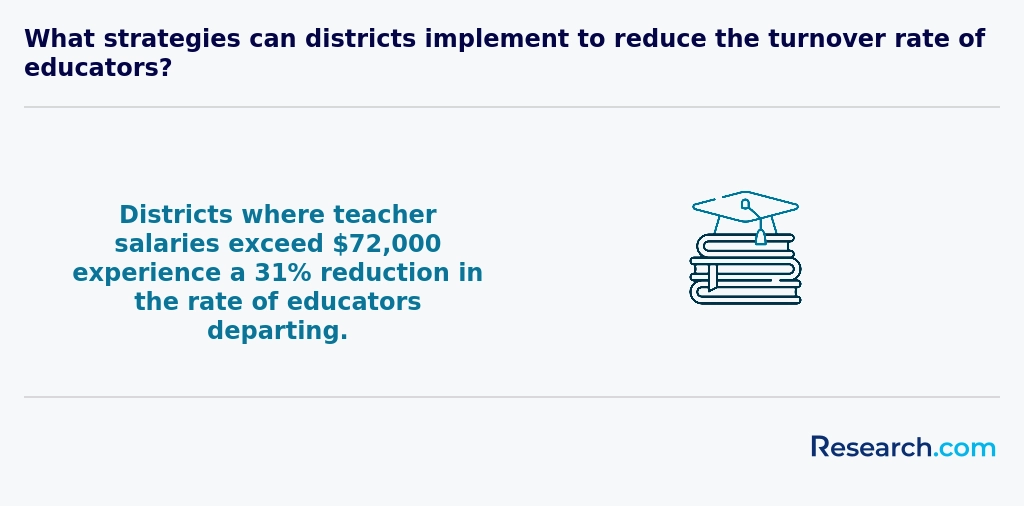
When considering an online education degree in Massachusetts, one crucial aspect that prospective students often overlook is financial planning and budgeting. Understanding the total cost of the program, including tuition, additional fees, and living expenses, is essential for effective budgeting. To make informed decisions, students should explore financial aid options, such as grants, scholarships, and loans, to alleviate their financial burdens. For instance, students can research affordable online education schools in Massachusetts to find programs that fit their budget. By prioritizing financial planning, students can focus on their studies, balance their academic and personal responsibilities, and ultimately achieve their educational goals without significant financial strain.
Online education degree programs in Massachusetts consistently challenge students to think beyond traditional classroom walls. Graduates from institutions like Boston University and UMass Amherst often reflect on courses such as Educational Psychology and Human Development, which shed light on understanding diverse student behaviors-insights that felt immediately relevant when working with real kids during their practicum experiences.
Curriculum Design and Instructional Strategies push learners to tailor lessons creatively, a skill that many found transformative when crafting individualized education plans. Assessment and Evaluation courses don't just teach testing methods; they empower students to interpret results critically, ensuring fair and meaningful feedback for every learner.
Notably, Educational Technology courses help students embrace digital tools confidently-vital in today's remote and hybrid learning environments frequently encountered at colleges like Salem State University. Beyond academics, culturally responsive teaching classes cultivate a sense of purpose, encouraging future educators to engage deeply with Massachusetts' diverse classrooms, fostering inclusivity and equity in ways that feel both challenging and rewarding.
Online education degree specializations Massachusetts programs often defy the one-size-fits-all assumption by offering nuanced, targeted fields such as Curriculum and Instruction, Educational Leadership and Administration, Special Education, TESOL, and Reading and Literacy. Graduates from esteemed institutions like Boston College or the University of Massachusetts report feeling empowered by these focused tracks, which allowed them to tailor their learning to real challenges in today's classrooms. For example, a recent graduate balancing work and family found the Special Education specialization invaluable for addressing diverse learner needs while studying online.
What sets these specializations apart is not just their content but how Massachusetts universities embed practical skills into their online formats-enabling students to juggle employment and study simultaneously without sacrificing depth. The demand for expertise in educational leadership, highlighted by local district needs, is echoed in these programs, offering a path to career growth that feels both attainable and inspiring.
Students eager to explore flexible opportunities can find options through programs listed among the most affordable online masters degrees in teaching, helping to alleviate financial pressure while gaining specialized knowledge crucial for their future roles.
Ultimately, the best teaching specialization programs Massachusetts offer are those that recognize the complex realities educators face, providing targeted support that resonates with each learner's goals and experiences.
Choosing the best online education degree in Massachusetts means looking beyond surface-level factors like cost or convenience. Graduates from well-known institutions often emphasize the importance of accreditation, such as programs recognized by the Council for the Accreditation of Educator Preparation or NECHE. This ensures your degree holds weight with local school districts when seeking employment.
Consider how programs at universities in Massachusetts tailor their specializations. For instance, some graduates found that pursuing concentrations like curriculum design or educational leadership directly advanced their careers, making the choice of program focus crucial. Reflect on how flexible course delivery, often asynchronous, fits your busy schedule without sacrificing the rigor you expect.
Many students check tuition carefully, yet overlooking financial aid can be a missed opportunity. You might find that in-state tuition rates and aid packages at certain schools provide affordable pathways. To dig deeper, explore rankings like the Most Affordable Online Education Degree Programs Ranking in Mississippi as a benchmark for understanding cost-efficiency.
Finally, think about the post-graduation journey. Graduates commonly praise programs with strong connections to Massachusetts school systems, easing internships and job placements. When you seek the best online education degrees Massachusetts has to offer, align your choice with long-term employment outcomes-not just initial allure.
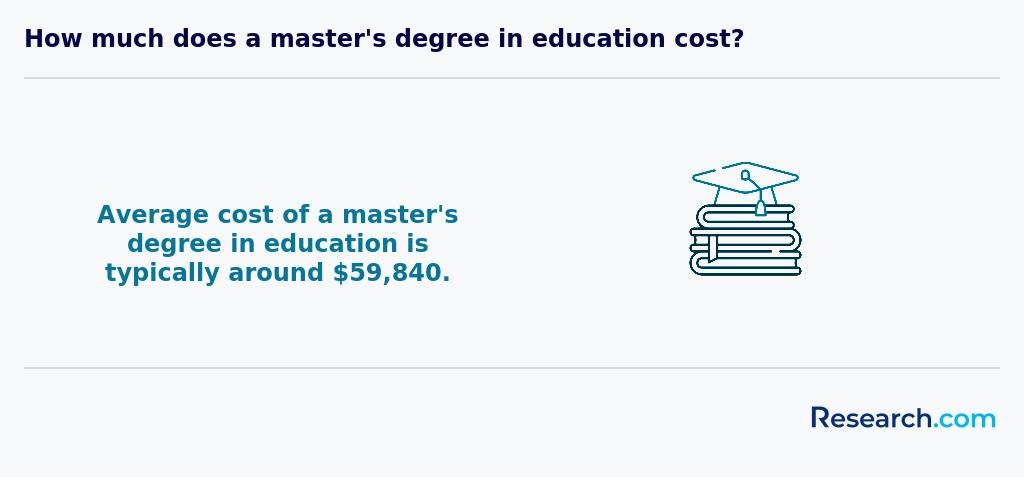
The paths available for an online education degree in Massachusetts extend far beyond traditional classroom teaching, reflecting the state's dynamic educational environment. Graduates from well-known programs at institutions like Boston University or UMass Amherst find themselves stepping into roles as licensed K-12 teachers, equipped to meet rigorous Massachusetts Tests for Educator Licensure standards, opening doors to public and private schools alike. This direct impact on students' lives brings a profound sense of fulfillment, as many graduates describe the joy of adapting lessons to diverse learners' needs.
Others leverage their degree toward leadership roles-principals, curriculum coordinators, or district administrators-where the challenges of shaping entire school communities ignite a passion for systemic change. It's not uncommon for these professionals to reflect on their journey through distinguished programs, motivated by the state's competitive salaries and emphasis on strong educational leadership.
Graduates pursuing teaching jobs with online education degree Massachusetts often discover opportunities in instructional design and technology integration, becoming innovators crafting remote learning tools. These roles tap into creative problem-solving skills developed in Massachusetts colleges and speak to the evolving nature of education itself.
Some find rewarding careers counseling students or supporting special education needs, fields growing steadily under Massachusetts' commitment to inclusive education. The emotional rewards here come from fostering resilience and providing support where it matters most.
Many students compare tuition and value while exploring pathways and often look for the highest paying online certifications to complement their degrees, ensuring their career investment aligns with their ambitions. The diversity of these options highlights the rich potential an online education degree holds for those ready to challenge standard expectations.
The job market for online education degree jobs Massachusetts is notably vibrant, driven by the state's dedication to high-quality education and competitive salaries. Graduates from well-regarded programs at universities like Boston College and the University of Massachusetts find themselves welcomed into diverse roles-from K-12 classrooms to educational administration-with ease. These graduates often describe heightened confidence entering districts that prioritize advanced degrees, reflecting how an online master's can open doors even amidst competitive hiring.
Massachusetts residents pursuing education degrees benefit from more than just strong employment prospects; they frequently mention a rewarding balance between meaningful work and financial stability. Salaries regularly surpass national averages, with many educators experiencing additional increases through district salary schedules. Moreover, with steady demand fueled by growth in special education and ESL fields, the outlook for education graduates Massachusetts remains optimistic.
For students weighing program costs against career benefits, exploring options like accelerated adult degree programs online can be a strategic way to launch a teaching career without excessive delay or expense.
2027 Best Online Master's in Education Degree Programs Ranking in Massachusetts
Investing in your education is a significant decision that can shape your future, and the Research.com team understands the importance of making informed choices. To assist prospective students in Massachusetts, we have meticulously crafted the "2027 Best Online Master's in Education Degree Programs Ranking in Massachusetts." Our commitment to quality, credibility, and accuracy is reflected in the extensive research and analysis conducted to compile this ranking.
We utilized the following reputable data sources to ensure a comprehensive evaluation of education programs:
By exploring this ranking, readers will gain valuable insights into the best online master's education programs in Massachusetts, enabling them to make well-informed decisions to advance their careers. For more details on our methodology, please visit our Research.com methodology page.


# 8 position
Hebrew College
Master of Jewish Education



Frequently Asked Questions About education
Students pursuing online education degrees in Massachusetts can maximize their learning by taking advantage of the state's strong digital infrastructure and academic support services. Massachusetts ranks among the top states for internet access, a critical factor for consistent online engagement, according to the U.S. Census Bureau. Enrolling in accredited programs ensures quality instruction and eligibility for federal financial aid, which 97% of Massachusetts colleges offer. Active participation in virtual discussions and networking events enhances understanding and connections. Additionally, setting a dedicated study schedule helps balance coursework with personal and professional responsibilities. Utilizing library databases and career services provided by many universities further supports academic success.
The field of education is rapidly evolving, especially in Massachusetts, where online education degrees are gaining popularity. Emerging niches include educational technology, which focuses on integrating digital tools into learning environments. According to the Massachusetts Department of Elementary and Secondary Education, over 70% of schools now incorporate blended or fully online instruction, increasing demand for specialists in this area.
Another growing niche is special education leadership, addressing the needs of diverse learners. Programs training educators to develop inclusive curricula are expanding statewide. Additionally, adult education and workforce training have become critical, as Massachusetts emphasizes lifelong learning to support economic development.
Graduates with an online education degree in Massachusetts should begin preparing for the job market by gaining relevant teaching or administrative experience through internships or substitute teaching roles. The Massachusetts Department of Elementary and Secondary Education requires proper certification for public school positions, so ensure you meet these licensure standards.
Networking is crucial; join local professional organizations such as the Massachusetts Teachers Association to connect with educators and access job listings. According to the Bureau of Labor Statistics, education employment in Massachusetts is projected to grow by 7% from 2021 to 2031, creating new opportunities.
Lastly, tailor your resume to highlight technology skills gained through online learning, as schools increasingly value digital literacy.
Employers in Massachusetts value education degree graduates who demonstrate strong communication and classroom management skills. According to the Massachusetts Department of Elementary and Secondary Education, effective communication with students and parents is critical for success in local schools.
Additionally, adaptability and the ability to integrate technology into teaching are highly sought. With Massachusetts schools increasingly using digital tools, graduates skilled in online learning platforms gain an advantage.
Data from the Massachusetts Department of Labor highlights collaboration and critical thinking as essential skills, reflecting the team-oriented environment in most school districts.
Finally, understanding diverse student needs and applying inclusive teaching strategies remain top priorities for employers in Massachusetts education.
Finding internships in Massachusetts relevant to an education degree involves leveraging both university resources and statewide programs. Many Massachusetts colleges offering online education degrees provide career services that connect students with local schools and educational organizations.
The Massachusetts Department of Elementary and Secondary Education supports internship opportunities through partnerships with public schools and community programs. Students can also explore internships listed on sites like MassHire, which focus on education and youth services.
Networking with local school districts in Massachusetts is crucial, as districts such as Boston Public Schools and Worcester Public Schools regularly seek interns for teaching and administrative roles. According to the National Center for Education Statistics, Massachusetts ranks high in education funding, often increasing available opportunities for hands-on learning through internships.
Utilizing professional organizations, such as the Massachusetts Teachers Association, can also present internship openings and mentorships tailored to education students across the state.
In Massachusetts, earning an online education degree can significantly impact career mobility and advancement. The state's education sector values advanced qualifications, with data from the Massachusetts Department of Elementary and Secondary Education showing that educators holding master's degrees often qualify for higher salary tiers and leadership roles.
Online degrees from accredited Massachusetts institutions provide flexibility, allowing working professionals to continue gaining experience while studying. This combination of education and work experience is often preferred by school districts and educational organizations seeking candidates for administrative or specialized positions.
Moreover, the Massachusetts Teacher Association highlights that educators with advanced degrees tend to access a wider range of job opportunities across both urban and suburban districts, facilitating geographic as well as professional mobility.
Employers increasingly recognize online education degrees as credible when earned from regionally accredited schools, supporting career advancement without sacrificing current employment.
Studying for an education degree in Massachusetts offers strong preparation for interdisciplinary roles due to the state's emphasis on collaborative learning and diverse curriculum design. Massachusetts schools and universities integrate social sciences, technology, and policy studies within their education programs, reflecting the needs of modern classrooms.
Many programs encourage interaction with disciplines like psychology, special education, and bilingual education, equipping students to address varied learner needs effectively. According to the Massachusetts Department of Higher Education, over 70% of education graduates find employment in roles requiring cross-disciplinary skills.
This approach supports careers beyond traditional teaching, including curriculum development, educational technology, and administration, fostering versatile educators ready for complex educational environments.
Choosing between a thesis and a non-thesis online education degree program in Massachusetts depends on your career goals and time commitment. Thesis programs typically require original research and writing, which suits students aiming for roles in academia or doctoral studies. Non-thesis options often focus on coursework and applied projects, appealing to professionals seeking immediate practical skills.
Massachusetts institutions often align thesis tracks with research-intensive careers, while non-thesis tracks provide flexibility and faster completion. According to the Massachusetts Department of Higher Education, over 60% of education master's candidates prefer non-thesis routes for quicker workforce entry.
Consider program length, faculty expertise, and your long-term plans when deciding between these options.
Students based in Massachusetts who wish to study education abroad have increasingly flexible options due to online degree programs offered by U.S. institutions with global partnerships. Many Massachusetts universities provide hybrid or fully online master's programs in education that include international components or study-abroad modules. According to the Massachusetts Department of Higher Education, enrollment in education graduate programs continues to grow, reflecting rising demand for flexible learning paths.
Several accredited programs conform to Massachusetts standards while allowing students to engage with global educational practices remotely.
These programs often integrate global case studies, virtual exchanges, and occasional travel opportunities to enhance international perspectives without disrupting local licensure requirements.
In this way, Massachusetts students can earn a quality education degree that supports careers in diverse, international education settings.
In Massachusetts, part-time job opportunities that complement an education degree focus primarily on roles involving direct student interaction and support. Examples include teacher assistant positions, tutoring, and substitute teaching, which provide practical classroom experience. According to the Massachusetts Department of Elementary and Secondary Education, teacher assistants often work part-time in public schools, gaining valuable exposure to curriculum implementation and classroom management.
Additionally, tutoring services are in high demand throughout the state, especially in urban areas like Boston where numerous afterschool programs seek qualified tutors. This work helps reinforce academic concepts while improving communication skills vital for educators.
Substitute teaching offers flexible hours and allows education students to experience different school environments across Massachusetts. Prospective candidates must meet state certification requirements, providing a pathway to full licensure.
These part-time roles not only support income but also build foundational skills needed for a successful teaching career in Massachusetts' competitive education job market.
Online education students in Massachusetts have access to meaningful networking opportunities despite studying remotely. Many universities in the state offer virtual events, webinars, and discussion forums that connect students with peers and faculty across educational fields.
Massachusetts is home to numerous professional organizations, such as the Massachusetts Teachers Association and the New England Educational Research Organization, which provide online access to conferences and workshops, fostering networking with experienced educators and researchers.
Additionally, virtual career fairs supported by local institutions and state education departments enable students to interact with potential employers and alumni, expanding professional contacts within the Massachusetts education sector.
According to the Massachusetts Department of Higher Education, online program graduates often benefit from alumni networks that actively engage online, enhancing job placement and collaboration opportunities in education throughout the state.
Alumni networks play a crucial role for students pursuing online education degrees in Massachusetts. These networks provide access to professional connections within the state's strong education sector, enhancing career opportunities after graduation. According to the Massachusetts Department of Higher Education, more than 60% of graduates find jobs through alumni referrals or networking events.
Strong alumni associations from Massachusetts institutions like Boston University and UMass serve as valuable resources for mentorship, job leads, and professional development. For online students, who may have fewer face-to-face interactions, these connections bridge geographic gaps and offer community support.
Active alumni networks also help graduates stay informed about educational trends and local job markets, which is vital in Massachusetts' competitive education landscape.
In Massachusetts, online education degree programs often offer customizable options to help students align their studies with career goals. Many universities provide the ability to choose specific concentrations, such as curriculum development, educational leadership, or special education. This flexibility allows students to tailor coursework and practicums based on their intended career paths.
Additionally, you can often select electives or complete capstone projects focusing on your areas of interest. Massachusetts is known for its strong commitment to education, and institutions typically emphasize practical skills and local certification requirements. For example, the Massachusetts Department of Elementary and Secondary Education outlines clear pathways for licensure that many programs incorporate into their curriculum.
By selecting programs accredited by recognized bodies like CAEP, you ensure credits are transferable and your degree holds value statewide. Customization is key to making your online degree relevant and effective for your future in education.
Online education students in Massachusetts often face challenges related to balancing coursework with personal and professional responsibilities. Because many students are working adults, time management is a frequent struggle. According to the Massachusetts Department of Higher Education, over 60% of graduate students are part-time, emphasizing this issue.
Technical difficulties also affect many students, particularly those with limited access to reliable internet or modern devices. Rural areas in Massachusetts sometimes experience slower connectivity, hindering smooth participation in virtual classes.
Another challenge is limited interaction with peers and instructors, which can impact networking and collaborative learning. Students often report feeling isolated compared to traditional on-campus experiences. These factors can affect motivation and academic performance.
With an online education degree, particularly a master's, graduates in Massachusetts can pursue various professional certifications that enhance teaching careers. Most notably, the Massachusetts Department of Elementary and Secondary Education (DESE) offers Initial and Professional Teacher Licenses, which are essential for K-12 teaching roles. Many online programs align their curricula to meet DESE licensure requirements.
Graduates can also seek specialized certifications, including Reading Specialist and English as a Second Language (ESL) endorsements, which are in demand in Massachusetts schools. Additionally, National Board Certification offers a nationally recognized credential that many educators pursue to advance their expertise and salary potential.
Writing a winning application for an online education program in Massachusetts requires careful preparation and clarity. First, highlight your academic background and relevant professional experience, which show your readiness for graduate-level coursework. Massachusetts is home to many nationally ranked education programs, so demonstrating familiarity with the state's educational priorities, such as equity and innovation, can strengthen your application.
Include a well-crafted personal statement that clearly explains your career goals and why you choose an online format. According to the Massachusetts Department of Higher Education, emphasizing your commitment to continuous learning and adaptability is valuable in online programs.
Request strong letters of recommendation from supervisors or professors who can attest to your skills and motivation. Finally, ensure all documents meet application deadlines and criteria, as Massachusetts schools typically follow common enrollment timelines detailed on their official websites.
The global perspective on education careers increasingly emphasizes flexibility and lifelong learning. In the United States, and specifically Massachusetts, online education degrees offer opportunities to meet diverse student needs while addressing workforce demands.
Massachusetts is recognized for its high-quality public education system and ranks among the top states in educational attainment, with 48.6% of adults holding a bachelor's degree or higher (U.S. Census Bureau, 2022). This strong foundation influences local demand for well-trained educators.
Internationally, education professionals are viewed as vital to economic growth and social development. In Massachusetts, online master's programs help future teachers incorporate global best practices, technology integration, and inclusive methodologies fitting today's classrooms.
Such degrees also prepare graduates for roles beyond traditional teaching, including leadership, curriculum design, and policy development-areas increasingly valued worldwide and within Massachusetts' evolving education landscape.
Gaining practical experience while pursuing an online education degree in Massachusetts is achievable through various methods. Many accredited programs incorporate practicum or internship components, allowing students to work directly in local schools or educational organizations. These placements often align with Massachusetts Department of Elementary and Secondary Education standards, ensuring relevant hands-on training.
Students can also engage in virtual simulations or remote teaching opportunities, which have grown since 2020 due to advances in technology and pandemic-related shifts. Additionally, professional networking events hosted by Massachusetts education associations help connect students with mentors and volunteer roles.
According to the Massachusetts Department of Higher Education, nearly 85% of online education programs require some form of practical field experience, emphasizing its importance in preparing qualified educators.
Choosing the right concentration within an online education degree program in Massachusetts involves considering your career goals and the local education landscape. Massachusetts is known for high educational standards, with the Department of Elementary and Secondary Education overseeing diverse certification areas.
Popular concentrations include curriculum design, special education, and educational leadership. According to the Massachusetts Department of Higher Education, demand for special education teachers is growing due to rising enrollment in inclusive classrooms.
Review program accreditation and whether concentrations align with Massachusetts licensure requirements. Many programs tailor courses to meet state teacher standards, ensuring graduates can obtain necessary certifications.
Also, consider how flexible the online program is to balance work and study, which is crucial for working professionals in Massachusetts.
- 2027 Best Online Master's in Education Degree Programs Ranking in New York
- 2027 Best Online Master's in Education Degree Programs Ranking in New Jersey
- 2027 Best Online Master's in Education Degree Programs Ranking in Maine
- 2027 Best Online Master's in Education Degree Programs Ranking in Pennsylvania
- 2027 Best Online Master's in Education Degree Programs Ranking in Virginia
- 2027 Best Online Master's in Education Degree Programs Ranking in Ohio
- 2027 Best Online Master's in Education Degree Programs Ranking in Kentucky
- 2027 Best Online Master's in Education Degree Programs Ranking in North Carolina
- 2027 Best Online Master's in Education Degree Programs Ranking in South Carolina
- 2027 Best Online Master's in Education Degree Programs Ranking in Indiana
See What Experts Have To Say About Studying Education
Read our interview with Education experts

Alan J. Singer
Education Expert
Professor of Teaching, Learning and Technology
Hofstra University

Nooshan Ashtari
Education Expert
Professor & Book Author
University of Southern California

- 5 Tips on Choosing the Right Course or Study Program - Edunation https://www.edunation.co/5-tips-on-choosing-the-right-course-or-study-program/
- Online Degree vs. Traditional | University of Arkansas Grantham https://www.uagrantham.edu/blog/pros-cons-online-degree-vs-traditional-university/
- Massachusetts https://www.teachingchannel.com/state-requirements/massachusetts-teaching-license-renewal/
- How to Choose a Concentration for Your Master of Education 3 Questions to Consider https://www.aiuniv.edu/degrees/education/articles/how-to-choose-an-education-specialization
- 10 Reasons Why Education Helps to Advance Your Career - Insight Training https://insight.edu.au/blog/career-advancement-through-education/
- What else can I do with an education or teaching degree? https://targetjobs.co.uk/careers-advice/career-ideas/what-else-can-i-do-education-or-teaching-degree
- Guide to Online Education Degrees | OEDb.org https://www.oedb.org/rankings/online-education-programs/
- Tips for Choosing Your Graduate Concentration - Graduate Programs for Educators https://www.graduateprogram.org/blog/tips-for-choosing-your-graduate-concentration/
- Teaching Job Roles | Teach For Life https://www.teachforlife.com/teachingjobs/global-perspectives-teacher
- Find your next adventure abroad https://worldstrides.com/en-us/higher-ed


