2027 Best Education Degree Programs Ranking in Biddeford

Co-Founder and Chief Data Scientist
Choosing the right education degree program in Biddeford can shape your future and open doors to meaningful careers. This article introduces the 2027 Best Education Degree Programs Ranking in Biddeford, crafted by the Research.com team of data scientists to guide you with reliable, data-driven insights.
By exploring this comprehensive ranking, you'll discover programs that suit your goals and interests, helping you make confident decisions. Pursuing an education degree offers rewarding opportunities to impact lives and grow personally and professionally.
Take the first step toward a bright future with informed choices.
Key benefits of getting education degree in Biddeford
- Graduates with an education degree in Biddeford can expect strong earning potential, with special education teachers making around $76,000 annually and instructional designers earning about $77,200, reflecting rewarding salary opportunities.
- Career paths for education graduates from local schools often include roles as elementary teachers, ESL instructors earning $65,430 a year, or early childhood educators, all offering fulfilling ways to impact communities.
- Obtaining an education degree online from nearby institutions provides flexibility and convenience, letting students balance work and study while accessing quality programs tailored to today's busy lifestyles.
- Key benefits of getting education degree in Biddeford
- What can I expect from education degree in Biddeford?
- Where can I work with education degree in Biddeford?
- How much can I make with education degree in Biddeford?
- 2027 Best Education Degree Programs Ranking in Biddeford
- Key Findings
- How long does it take to complete education degree in Biddeford?
- Affordability and Value of Education Degree Programs in Biddeford, ME
- What's the difference between online and on-campus education degree?
- Teacher Certification and Licensing Requirements in Maine
- What is the average cost of education degree in Biddeford?
- Teacher Certification and Licensure Requirements
- What financial aid is available to education degree students in Biddeford?
- Return on Investment (ROI) of Education Degrees in Biddeford, ME
- What are the prerequisites for enrolling in education degree program in Biddeford?
- Certification and Licensing Requirements for Educators in Maine
- What courses are typically in education degree programs in Biddeford?
- What types of specializations are available in education degree programs in Biddeford?
- How do you choose the best education degree in Biddeford?
- What career paths are available for education degree students in Biddeford?
- What is the job market for education degree in Biddeford?
- Top Trending Education Rankings
- See What Experts Have To Say About Studying Education
What can I expect from education degree in Biddeford?
The average cost of pursuing an education degree in Biddeford, primarily through the University of New England (UNE), ranges approximately between $40,000 and $50,000 per year for full-time undergraduate enrollment. Graduates often reflect on the investment as worthwhile due to the comprehensive curriculum and practical teaching experiences they receive, which prepare them well for Maine's certification requirements.
Many students find the tuition reasonable when compared to the quality of hands-on practicum placements in local schools, enabling them to build real-world skills alongside academic knowledge. For example, education candidates recount feeling supported through close faculty mentorship and academic advising that make the tuition feel like a tangible step toward a fulfilling teaching career.
Graduate programs in educational leadership at UNE typically carry a similar tuition range, but financial aid options, including state scholarships and grants tied to commitments to teach in Maine, help reduce out-of-pocket costs significantly for many cohorts. These funding opportunities contribute to positive student experiences and reinforce enthusiasm for entering the state's education sector.
Where can I work with education degree in Biddeford?
Graduates with education degrees in Biddeford commonly find employment within the Biddeford School Department, where over 200 full-time teachers serve across elementary, middle, and high schools. Roles extend beyond classroom teaching to include special education specialists and curriculum coordinators, offering diverse career paths tailored to individual expertise and interests.
Early childhood education graduates often secure positions at local preschools and daycare centers, embracing roles as lead teachers or administrators. These opportunities align with the community's strong emphasis on foundational learning, providing stable and rewarding career options right after graduation.
Many graduates from programs at the University of New England and other nearby institutions pursue adjunct faculty or education program coordinator roles, especially within teacher training and professional development sectors. This pathway allows graduates to stay connected to their academic roots while advancing their careers.
Community organizations and nonprofits also actively recruit education graduates for program director and youth counselor positions, allowing professionals to impact family engagement and educational outreach.
With a projected 5% job growth through 2028 in the region, Biddeford's educational landscape remains dynamic, promising graduates fulfilling local and regional career opportunities.
How much can I make with education degree in Biddeford?
Graduates holding education degrees in Biddeford often find starting salaries between $40,000 and $45,000 annually, aligning with regional trends. Early childhood educators, for example, typically earn around $41,410, providing a solid foundation for recent graduates embarking on their teaching careers. Graduates from well-regarded local institutions frequently share optimistic reports about securing positions within public schools that offer competitive wages in accordance with Maine's salary schedules.
As educators gain experience and pursue advanced credentials, earnings improve substantially. Elementary school teachers in Biddeford commonly reach mean annual wages near $70,740, while special education teachers enjoy even higher salaries averaging $76,000. ESL teachers also see promising pay with mean salaries of approximately $65,430. Instructional designers, another growing role for education graduates, command wages around $77,200, reflecting the evolving needs of educational technology integration.
Many graduates appreciate how Biddeford's educational environment supports salary progression through additional certifications and practical experience. These financial incentives, combined with opportunities to contribute in diverse educational roles, create rewarding career paths marked by professional growth and personal fulfillment.
2027 Best Education Degree Programs Ranking in Biddeford
How do we rank schools?
Investing in one's education is a crucial decision that can significantly impact one's future, and the Research.com team is fully aware of the responsibility involved in providing trustworthy guidance. To support prospective students in Biddeford, we have carefully developed the "2027 Best Education Degree Programs Ranking in Biddeford." Our dedication to quality, credibility, and accuracy is demonstrated through rigorous analysis and thorough research.
We utilized the following reputable data sources to ensure a robust evaluation of education degree programs:
By consulting this ranking, readers will obtain reliable insights into the top education degree programs available in Biddeford, empowering them to make well-informed educational choices. For further information about our approach, please visit the Research.com methodology page.

Key Findings
- Tuition for a bachelor's degree in education in Biddeford ranges from $22,000 to $35,000 per year depending on the institution and program.
- Additional costs like books and living expenses should be planned for alongside tuition fees.
- Entry-level educators in Biddeford earn about $40,000 to $45,000 annually, with experienced teachers earning between $55,000 and $65,000 or more.
- There is steady demand for teachers in primary, secondary, special education, early childhood, and adult education roles.
- Teaching licensure in Maine requires completion of approved certification programs and passing state exams aligned with local institutions.
How long does it take to complete education degree in Biddeford?
Completing an education degree in Biddeford typically requires a commitment of time tailored to the level of study and personal circumstances. For example, graduates from the University of New England report that earning a bachelor's degree generally takes around four years of full-time study. This period allows students to engage deeply with both theoretical coursework and practical student-teaching experiences, preparing them thoroughly for educational careers.
For those pursuing graduate degrees, the timeframe varies. Master's degree candidates often complete their studies within 1.5 to 2 years when attending full-time, though part-time options can extend this up to 3 or 4 years, offering flexibility for working professionals. Doctoral candidates may spend between 3 and 6 years defining their research and completing dissertations, as shared by recent Ed.D. and Ph.D. graduates from local institutions.
The University of New England's flexible scheduling-such as evening and online classes-has empowered many students to balance study with work and family, enhancing satisfaction and timely completion of their education degrees in Biddeford.
Affordability and Value of Education Degree Programs in Biddeford, ME
When considering pursuing an Education degree in Biddeford, ME, one of the critical factors to evaluate is the affordability and value of the program. Understanding the costs associated with obtaining an Education degree, including tuition fees, living expenses, and other expenditures, is essential for making an informed decision. Prospective students should also explore the various financial aid options available, such as grants, scholarships, and loans, which can significantly alleviate the financial burden. For those seeking the most affordable options, researching institutions that offer competitive pricing without compromising on the quality of education is vital. To find the cheapest education schools in maine, students can compare the total costs of attendance, including any additional fees, and weigh these against the potential return on investment, considering factors like job placement rates and average salaries for Education graduates in the region. By carefully evaluating these aspects, students can make a well-rounded decision that balances their financial situation with their educational and career aspirations.
What's the difference between online and on-campus education degree?
Online and on-campus education degree programs in Biddeford differ primarily in structure and student experience. Online programs, such as those offered by the University of New England, provide flexibility for working professionals balancing family or jobs. Graduates often highlight the convenience of accessing lectures and assignments asynchronously, allowing them to study at personalized times without commuting. This format demands strong self-discipline but enables learners to remain engaged with their responsibilities outside the classroom.
Conversely, on-campus programs require consistent presence in physical classrooms, fostering immediate interaction with faculty and peers. Students appreciate hands-on practicum opportunities in local schools, which are integral for developing practical teaching skills. The immersive environment at Biddeford's colleges helps some learners maintain motivation through scheduled classes and direct academic support, creating a vibrant community experience.
Cost differences are evident, too. While online students often save on housing and commuting, on-campus attendees invest in campus life, enhancing their social and educational engagement. Prospective students should assess these factors in relation to their personal circumstances and career objectives when choosing their education degree path in Biddeford.
Teacher Certification and Licensing Requirements in Maine
To teach in Biddeford, ME, graduates must obtain a Maine Initial Teaching License through the Maine Department of Education, ensuring they meet the state’s rigorous standards for instructional quality and student safety. Applicants typically need to hold at least a bachelor’s degree from an accredited institution, complete a state-approved teacher preparation program, and demonstrate proficiency in the subject area they intend to teach. Prospective educators must pass the Praxis Core Academic Skills for Educators assessments (or approved alternatives) to verify reading, writing, and math competencies. Additionally, subject-specific Praxis II exams are required for secondary and specialized endorsements, such as special education or ESL. Score requirements vary by endorsement area, so candidates should consult the Maine DOE’s official cut scores when registering for exams. A comprehensive criminal background check and fingerprinting are mandatory before licensure. Candidates submit their application through Maine’s TEACH system, including official transcripts, exam scores, and verification of student teaching or equivalent supervised field experience. Once all materials are approved, the Initial Teaching License is issued, valid for five years. For those exploring alternative pathways or online preparation, consider programs with flexible formats and competitive tuition-such as our Low Cost Online Education Degree Programs Ranking in Columbia, SC-to complete required coursework while balancing personal and professional commitments.
What is the average cost of education degree in Biddeford?
The average cost of obtaining an education degree in Biddeford is approximately $44,210 for in-state students, reflecting tuition and fees typical of the University of New England (UNE), the city's leading private institution. Graduates often recall balancing the investment with the quality of instruction and personalized attention they received, which helped them feel confident and prepared to enter the teaching profession. For those coming from out of state, the total cost rises to nearly $59,270, which includes additional expenses such as housing and materials. This makes financial planning essential for prospective students.
Local public institutions offer more affordable alternatives, with tuition rates historically near $11,000 annually for residents. These options can be attractive for students prioritizing cost savings while pursuing their education degrees close to home. When considering the average cost of education degree in Biddeford, it is important to account for supplementary expenses; many students find budgeting an extra $10,000-$15,000 per year for living costs and supplies necessary for their academic success.
Students often share that scholarships and financial aid opportunities significantly offset these expenses, making the total tuition and fees for education degree Biddeford more manageable than initial figures might indicate. Those interested in early childhood specializations may also explore a child development degree description to understand related cost structures and program options available locally and beyond.

Teacher Certification and Licensure Requirements
Obtaining a teaching license in Maine is a critical step for any Education degree graduate aiming to enter the classroom. In Biddeford, ME, the Maine Department of Education requires aspiring K-12 teachers to complete a state-approved teacher preparation program, pass the Praxis Core Academic Skills for Educators exams, and succeed on the Praxis Subject Assessments or edTPA performance assessment. Key requirements include:
- Completion of fingerprint-based background check and child abuse clearance
- Passing scores on Praxis Core (reading, writing, and mathematics)
- Subject-specific Praxis exams aligned with your intended teaching field
- A culminating student teaching experience supervised by a certified mentor Many local programs, such as those at the University of New England, integrate targeted licensure workshops, mock assessments, and one-on-one advising to boost pass rates. Graduates often praise these supports for helping them feel exam-ready and confident in classroom management strategies. Upon licensure, educators can also explore alternative career paths highlighted in our guide to Best Jobs You Can Get With an Education Degree That Aren't Teaching, ensuring your credential opens doors both in and out of traditional K-12 settings.
What financial aid is available to education degree students in Biddeford?
Students pursuing education degrees in Biddeford frequently rely on federal financial aid programs such as Pell Grants, which provide up to $7,395 annually without repayment obligations. For example, graduates from local universities often recall how Pell Grants substantially reduced their tuition burdens, enabling them to focus on their studies rather than financial stress. Additionally, low-income students may qualify for the Federal Supplemental Educational Opportunity Grant (FSEOG), offering up to $4,000 to further alleviate costs.
State aid through Maine's Office of Student Financial Assistance (OSFA) is another vital resource. The Maine State Grant assists many Biddeford residents attending nearby colleges by covering tuition and fees, reinforcing their sense of security while pursuing an education degree. Institutional scholarships offered by these universities reward academic excellence and community engagement, with amounts ranging from several hundred to thousands of dollars, often making higher education more attainable for education majors.
Many students also benefit from the Teacher Loan Forgiveness Program, which forgives up to $17,500 in federal loans after five years of teaching in low-income schools, a common path for education graduates from Biddeford-area institutions who find reward and purpose in giving back to underserved communities.
Return on Investment (ROI) of Education Degrees in Biddeford, ME
Understanding the return on investment (ROI) for an Education degree in Biddeford, ME, is essential for prospective students weighing tuition costs against potential earnings. On average, in-state tuition at a public 4-year institution in Biddeford runs about $9,750 per year, resulting in a total investment of roughly $108,584 over four years when including room and board. Private nonprofit institutions can command up to $234,512 for a similar timeframe. However, graduates recoup these expenses through competitive salaries. For example, the mean annual wage for early childhood educators is $38,640, ESL teachers earn around $63,130, and instructional designers command about $73,080. Based on these figures:
- An ESL teacher typically breaks even on tuition within 1.7 years of full-time work.
- Instructional designers can recover their educational costs in under 2 years.
- Early childhood educators reach breakeven in approximately 2.8 years. When calculating long-term ROI, consider that teachers often enjoy salary growth of 3–5% annually, plus benefits such as health insurance and pension plans that boost overall compensation. Additionally, accelerated or online programs can shorten time-to-degree, further improving ROI. Students seeking budget-friendly pathways may also explore our Low Cost Online Education Degree Programs Ranking in Columbia, SC to compare costs and outcomes. Ultimately, an Education degree in Biddeford not only offers personal fulfillment but, when aligned with strategic specialization and financial planning, delivers a strong financial payoff and a meaningful career trajectory.
What are the prerequisites for enrolling in education degree program in Biddeford?
Prospective students seeking enrollment in education degree programs in Biddeford must typically hold a high school diploma or equivalent, ensuring readiness for collegiate academic demands. Graduates from notable institutions like the University of New England in Biddeford often reflect on how this foundational step provided a smooth transition into higher education rigor.
Many programs request standardized test scores such as the SAT or ACT, though some have embraced test-optional policies recently, a shift influenced by the COVID-19 pandemic. Students preparing their applications find that verifying specific requirements directly with their chosen college offers clarity and peace of mind.
A competitive GPA, commonly between 2.5 and 3.0 on a 4.0 scale, strengthens applications. Additionally, relevant coursework in English, mathematics, or social studies enriches candidates' profiles, supporting their teaching aspirations. Personal statements and letters of recommendation from educators highlight commitment and character, often cited by Biddeford graduates as pivotal in their acceptance.
Graduate programs require a bachelor's degree from an accredited institution, sometimes mandating entrance exam scores like the GRE or professional experience. These qualifications assure readiness for advanced study and professional growth in education careers.

Certification and Licensing Requirements for Educators in Maine
Aspiring teachers in Biddeford, ME must navigate the Maine Department of Education’s certification process to ensure they are fully licensed to teach in public schools. First, candidates must hold a bachelor’s degree from an accredited institution and complete an approved teacher preparation program, which includes a minimum of 12 weeks of supervised student teaching. Next, applicants are required to pass the Praxis Core Academic Skills for Educators tests, as well as Praxis Subject Assessments in their chosen specialty (for example, Elementary Education or ESL). After meeting academic and testing requirements, candidates must undergo a criminal background check and submit an application to the Maine DOE for either a Preliminary or Standard teaching certificate. The Preliminary Certificate is valid for three years and allows candidates to teach while completing any remaining requirements, such as additional coursework or mentoring hours. To upgrade to a Standard Certificate, educators must accrue at least two years of full-time teaching experience and complete a state-approved induction program. Educators seeking flexible, affordable pathways to satisfy continuing education requirements can explore online endorsements and professional development courses. For instance, those interested in cost-effective options may refer to our Low Cost Online Education Degree Programs Ranking in Columbia, SC for examples of high-quality online programs that align with Maine’s certification standards. Finally, certified teachers must renew their licenses every five years, demonstrating ongoing professional growth through graduate credit, workshops, or documented teaching achievements. By understanding and fulfilling these licensure steps, Biddeford education graduates can confidently embark on their teaching careers.
What courses are typically in education degree programs in Biddeford?
Education degree programs in Biddeford typically encompass a comprehensive range of courses that build a strong foundation in teaching theory and practice. Graduates from well-regarded institutions in the area often describe courses like child development and educational psychology as essential for understanding how students of various ages learn and engage in the classroom.
Instructional strategies and classroom management classes provide prospective teachers with practical approaches to creating a positive learning environment. Many students recall hands-on projects and simulations at local colleges that helped them confidently apply these methods during their student-teaching placements.
Curriculum design and special education are frequently included, preparing future educators to address diverse learner needs. Familiarity with technology integration is also emphasized, equipping Biddeford students to utilize modern digital tools effectively in their teaching.
Electives such as literacy development, multicultural education, and educational law enrich the program. Graduates often speak positively about how these courses deepen their understanding of educational equity and compliance, preparing them to confidently navigate real-world classroom challenges in Maine's diverse schools.

What types of specializations are available in education degree programs in Biddeford?
Education degree specializations in Biddeford typically include elementary education, secondary education, special education, and early childhood education. Students at prominent local institutions often share how elementary education programs equip them with practical skills to engage young learners from kindergarten through fifth grade, fostering a deep sense of fulfillment when witnessing student progress firsthand. Secondary education prepares future teachers to confidently handle middle and high school classrooms, specializing in subjects like math, science, or English, providing a clear pathway to careers in local schools.
Special education is another vital option, teaching graduates how to support students with diverse learning needs and disabilities, which many find personally rewarding given the increasing emphasis on inclusive classrooms. Early childhood education programs emphasize developmental theory and early learning strategies, which resonate deeply with students motivated by the critical impact of early academic experiences. Some local programs incorporate curriculum development and instructional technology, reflecting evolving priorities in teaching.
Biddeford's teaching career options Biddeford Maine meet growing demand and include pathways for specialized roles. Graduates often use knowledge from these programs to excel in public schools or explore opportunities in educational consulting, sometimes comparing their training to Florida teacher preparation programs to broaden perspectives.
How do you choose the best education degree in Biddeford?
To choose the best education degree programs in Biddeford, start by aligning the degree type with your career ambitions. Graduates from Salem State University and the University of New England in Portland often share their excitement about gaining relevant skills through practical student teaching placements in Biddeford schools. These experiences bring learning to life, making education degrees here uniquely valuable.
Affordability is crucial; many students focus on finding affordable education degrees Biddeford Maine offers without sacrificing quality. Local institutions generally charge between $8,000 and $15,000 annually, a competitive range compared to national averages, which helps ease financial concerns during studies.
Consider curriculum focus areas and flexible study options. Working professionals particularly appreciate programs offering part-time schedules or online classes. Some students have enhanced their credentials by pairing their education degree with an online library science master's degree programs, expanding their career pathways effectively.

What career paths are available for education degree students in Biddeford?
Graduates holding an education degree in Biddeford can pursue diverse career paths that align with the region's educational demands. Many find rewarding opportunities as K-12 teachers, specializing in elementary, middle, or high school levels, reflecting the strong market for teaching jobs and opportunities Biddeford Maine offers. Completing programs at institutions like the University of New England equips them with essential skills and certifications recognized by Maine's Department of Education.
Beyond classroom roles, graduates often advance into specialized positions such as curriculum developers or educational coordinators, directly impacting instructional quality. Some focus on early childhood education within preschools or daycare programs, areas increasingly supported by Maine's investment in early learning. Others channel their expertise into administrative roles like school counselors or principals, pursuing further education to lead effectively.
Understanding financial options is vital for prospective students, and those weighing their choices may explore the benefits of trade school vs college education to find the right pathway. Graduates consistently express satisfaction in applying their education degree career options in Biddeford to create meaningful change throughout local schools and communities.
What is the job market for education degree in Biddeford?
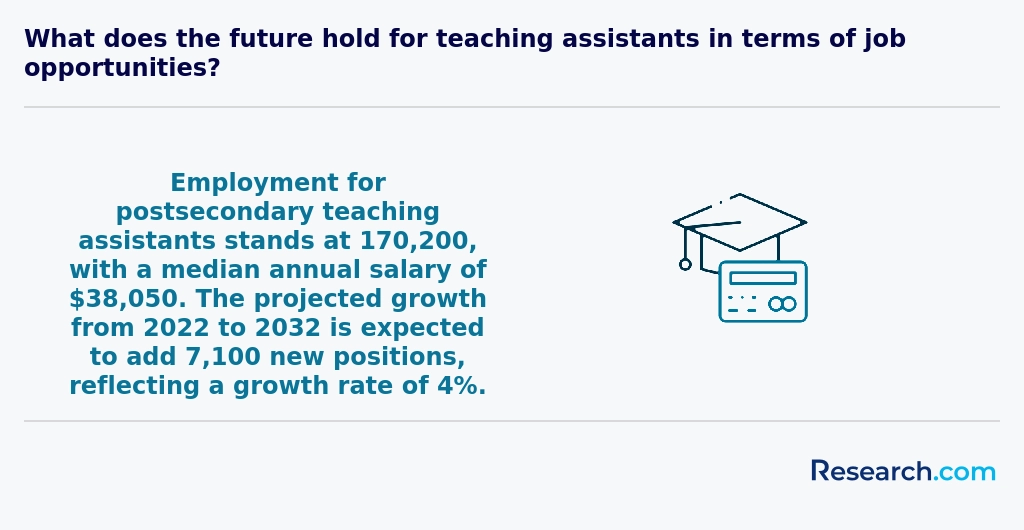
The education degree job market in Biddeford remains robust, driven by steady demand for qualified teachers in public and private K-12 schools. Graduates from local universities appreciate real-world experience gained through internships in Biddeford's schools, which enhances their readiness for immediate employment. Many find fulfilling roles in special education and early childhood education, fields with notable teacher shortages. This steady demand creates positive job prospects, encouraging graduates to pursue careers with confidence in the region.
Teaching career opportunities Biddeford Maine include positions not only in classroom instruction but also in curriculum development and administration. Salaries for education graduates typically align with state averages, with starting pay ranging from $40,000 to $45,000 annually. The investment required to study at regional institutions, where tuition ranges between $10,000 and $15,000 annually, positions students well for licensure and a sustainable career path. Those seeking affordable options may explore top affordable online fine arts programs as an alternative or complement to traditional education degrees.
Frequently Asked Questions About education
Education degree students in Biddeford can maximize their learning by engaging actively with local institutions such as the University of New England, which offers comprehensive teacher training programs. Participating in community-based internships or student teaching placements in nearby Biddeford schools provides practical experience essential for skill development. Research indicates that hands-on practice increases graduate readiness by over 30%. Additionally, students benefit from joining study groups and utilizing campus resources like tutoring centers and academic advising. Staying informed about national education trends and state certification requirements through Maine's Department of Education ensures alignment with professional standards necessary for career success.
Emerging niches within the education field reflect evolving needs in schools and communities. Special education remains a critical area in Biddeford, supported by data from the Maine Department of Education indicating a steady increase in students requiring tailored learning plans. Another growing niche is educational technology, driven by the rise in digital tools used in classrooms statewide. Teachers skilled in integrating technology are increasingly in demand.
Additionally, culturally responsive teaching is gaining attention, reflecting diverse classrooms in Biddeford and beyond. Bilingual education and language acquisition are also key focuses, due to demographic shifts. Finally, mental health education for students, including trauma-informed instructional strategies, is recognized as essential for fostering supportive learning environments.
Preparing for the job market after completing an education degree in Biddeford involves strategic steps aligned with U.S. education standards. Graduates should focus on obtaining state certification, required to teach in public schools in Maine. Engaging in student teaching experiences and internships, often part of local programs, enhances practical skills and employability.
Networking with local schools and education organizations in Biddeford can increase job prospects. The Maine Department of Education reported a steady need for qualified teachers in the region, especially in special education and STEM subjects. Additionally, pursuing advanced skills such as technology integration in the classroom can improve competitiveness.
Professional development workshops and education conferences in Maine also help build relevant expertise and connections.
Employers in Biddeford highly value education degree graduates who demonstrate strong communication and classroom management skills. According to recent data from the Maine Department of Education, effective interaction with diverse student populations is essential in local schools.
Analytical thinking and adaptability are also key, helping teachers adjust to varied learning needs and educational technologies. The Southern Maine Workforce Innovation Board highlights that 68% of schools in the area prioritize graduates who can integrate digital tools to enhance learning experiences.
Collaboration with colleagues and community engagement rank among top skills, emphasizing the importance of teamwork in educational settings. These competencies prepare graduates to meet Biddeford's evolving educational demands and standards.
Finding internships in Biddeford for students pursuing an education degree involves leveraging local school districts and community organizations. Biddeford's public schools frequently collaborate with nearby universities like the University of New England to offer practical teaching experiences. Internships often focus on classroom assistance, curriculum development, or special education support.
Students should start by contacting the Biddeford School Department's office or checking university career services for placement opportunities. According to the Maine Department of Education, hands-on experience through local internships significantly improves employment prospects for education graduates.
Additionally, exploring partnerships with childcare centers and after-school programs in Biddeford can provide varied internship experiences relevant to educational careers. Networking with faculty and local educators also helps identify hidden opportunities.
In Biddeford, obtaining an education degree significantly impacts career mobility and advancement within local school systems. Educators with degrees are often preferred for higher-level teaching positions and administrative roles. According to the Maine Department of Education, teachers holding a bachelor's or master's degree tend to have access to better salary scales and leadership opportunities.
Additionally, Biddeford's public schools emphasize professional development, making a degree essential for job retention and promotion. With the community's focus on improving student outcomes, advanced credentials often translate into roles such as curriculum specialists or education coordinators.
Given Biddeford's evolving education landscape, a degree supports both initial job entry and upward career movement.
Studying for an education degree in Biddeford offers a strong foundation for interdisciplinary roles by integrating diverse subjects such as psychology, sociology, and technology. Programs often emphasize practical skills alongside theory, preparing students to address complex educational challenges in varied settings.
Local institutions align curricula with U.S. Department of Education standards, ensuring graduates are equipped for collaborative roles in schools, community organizations, and policy development. According to Maine's Department of Education, educators with interdisciplinary training tend to improve student outcomes by applying multiple perspectives.
Biddeford's growing emphasis on digital literacy and inclusive teaching prepares future educators for roles beyond traditional classrooms, including curriculum design and educational consulting.
Choosing between a thesis and a non-thesis education degree program in Biddeford depends largely on your career goals and learning preferences. Thesis programs typically require original research, suitable for students aiming for doctoral studies or research-intensive careers. In contrast, non-thesis options focus on coursework and practical skills, catering to those seeking immediate application in educational settings.
According to the National Center for Education Statistics, about 40% of master's students nationwide opt for thesis tracks, while the rest choose non-thesis routes for faster completion. Local institutions in Biddeford often align their non-thesis programs with regional educational job market demands, emphasizing teaching certification and administration skills.
Consider your interest in research, time commitment, and professional objectives when making a decision. Engaging with program advisors at Biddeford colleges can provide insights tailored to the local education landscape.
Students based in Biddeford aiming to study education abroad have several avenues to explore within the U.S. higher education framework. While Biddeford itself offers limited direct study-abroad programs, partnerships with universities that provide international education experiences are accessible.
Maine's public universities, including the University of Southern Maine, often promote exchange programs with global institutions, allowing education majors to gain international exposure.
Additionally, organizations like the Council on International Educational Exchange facilitate placements for students from the region in countries such as the United Kingdom and Canada. These options provide practical teaching experiences while earning credits applicable toward education degrees.
Students are encouraged to consult academic advisors early to align study abroad options with licensure requirements specific to teaching certification in Maine.
Students pursuing education degrees in Biddeford have a number of part-time employment opportunities that align with their academic training. Common roles include classroom assistants or paraprofessionals in local schools, where they support certified teachers and gain valuable hands-on experience.
Additionally, tutoring services in Biddeford are in high demand, especially for elementary and middle school subjects. This allows education students to apply pedagogical concepts directly with learners.
Positions in afterschool programs or community centers also offer relevant experience helping youth development. According to the Maine Department of Education, such roles improve practical skills while accommodating student schedules.
Local libraries occasionally hire education majors as literacy tutors or program aides, complementing their academic pathways effectively.
Education students in Biddeford benefit from several valuable networking opportunities that help build professional connections. The University of New England (UNE), located in Biddeford, offers education majors access to student organizations, such as the Education Club and various honor societies, which host events and workshops regularly.
UNE also facilitates practicum placements and student teaching experiences in local schools, providing direct contact with teachers and administrators. These partnerships help students develop relationships that are crucial for future employment.
Additionally, Biddeford's close proximity to Portland allows students to participate in broader regional education conferences and networking events. Resources like the Maine Education Association and local education forums present further avenues for making connections in the teaching community.
Alumni networks offer significant advantages to education degree students in Biddeford by providing access to professional connections and mentorship opportunities. These networks help students engage with experienced educators who can offer guidance on career paths and teaching strategies. According to the National Education Association, 85% of educators find networking crucial during job searches, which highlights the value of alumni connections.
A strong alumni community in Biddeford also supports students through job referrals and internships within local school districts, enhancing practical experience. Furthermore, these networks often host events and workshops that promote continuous learning and professional growth, benefiting current education students significantly.
Customizing an education degree program in Biddeford involves selecting courses and specializations that align with your career ambitions. Local institutions, including the University of New England nearby, offer flexible degree tracks combining core education courses with electives in areas like special education, curriculum development, or educational technology.
Many programs allow students to choose practicum placements or internships tailored to their target settings, such as K-12 schools or community organizations. According to the Maine Department of Education, practical experience is crucial, so aligning your hands-on hours with your career goals enhances job readiness.
Additionally, students in Biddeford can often pursue certification pathways alongside degree programs to meet state licensure requirements, making customization both strategic and essential.
Education students in Biddeford often face several challenges commonly seen in U.S. teacher preparation programs. Balancing rigorous coursework with required field placements can be demanding, as local schools may have limited availability for practical experiences. This limits hands-on exposure, crucial for skill development.
Additionally, financial pressures affect many students. According to the Maine Department of Education, education majors frequently grapple with managing tuition alongside personal expenses, as financial aid options specifically for future teachers remain limited.
Students also report navigating evolving certification requirements and adapting to diverse classroom needs, including special education. These demands require strong time management and adaptability skills to succeed in the Biddeford educational environment.
Graduates with an education degree in Biddeford can pursue several professional certifications to enhance their teaching careers. The most common is state teacher certification, which is required to work in public schools. This certification often requires passing Praxis exams and completing a background check, as overseen by the Maine Department of Education.
Other certifications include endorsements in specialized areas like special education, mathematics, or English as a Second Language (ESL). These credentials can improve job prospects and salary potential. According to Maine's 2023 education workforce report, Biddeford-area educators increasingly pursue these endorsements to meet diverse student needs.
Additionally, educators can seek National Board Certification, a voluntary advanced credential recognized across the US. It requires extensive portfolio work and student impact evidence but offers professional prestige and salary incentives in some districts. Biddeford educators have access to local support programs for this certification process.
Applying for an education degree program in Biddeford requires a clear, well-organized application. First, research each institution thoroughly to understand their specific requirements. Many programs prioritize a strong academic record and relevant volunteer or work experience in teaching or childcare.
Highlight your motivation through a compelling personal statement that explains why you want to pursue an education degree and how you plan to contribute to the field. According to data from the Maine Department of Education, programs in this area seek candidates demonstrating commitment to community and learning.
Include letters of recommendation from professionals familiar with your academic or teaching abilities. Lastly, ensure all documents are completed accurately and submitted before deadlines, as punctuality is often a key selection criterion.
Education careers in the United States are increasingly viewed through a global lens, emphasizing cross-cultural skills and international standards. For students in Biddeford pursuing education degrees, awareness of global perspectives is key to adapting in a diverse teaching environment. According to the National Center for Education Statistics, U.S. teachers often engage in international collaborations, enhancing teaching quality and student outcomes.
Biddeford's local institutions incorporate global education trends by promoting inclusivity and multicultural competence. The rise in bilingual education and technology use reflects worldwide teaching practices. As education systems link globally, U.S. educators, including those trained in Biddeford, benefit from broader career opportunities and enhanced professional development.
Students pursuing education degrees in Biddeford can gain practical experience through local school partnerships and field placements. The University of New England, located in Biddeford, offers extensive clinical practice opportunities where students work directly with K-12 classrooms. Such hands-on experiences allow future educators to apply theory in real-world settings, fostering skill development in classroom management and instructional design.
Moreover, Biddeford's school districts often collaborate with higher education institutions to offer student teaching and internships as part of degree requirements. These experiences are crucial, as they are supervised by licensed teachers and contribute to the state's certification process.
According to the Maine Department of Education, completing a minimum of 600 hours of supervised practice is standard in teacher preparation programs statewide, including those in Biddeford.
Choosing the right concentration within an education degree program in Biddeford requires understanding local educational demands and personal career goals. Biddeford's school system emphasizes special education, STEM, and early childhood education, reflecting statewide trends reported by the Maine Department of Education. Prospective students should evaluate concentrations offering practical experience and certification opportunities, as Maine mandates specific subject endorsements for teaching licenses.
Visiting program websites, such as those of the University of New England, located in Biddeford, can provide insights into course offerings and practicum placements. Additionally, job market data from the Bureau of Labor Statistics suggests areas like special education may have higher demand in Maine, influencing concentration choice.
Consider your passion for particular age groups and teaching settings. Some programs also integrate technology in education, appealing to those interested in modern pedagogical methods.
Related Education Rankings for Nearby Cities
- 2027 Best Education Degree Programs Ranking in Boston
- 2027 Best Education Degree Programs Ranking in Cambridge
- 2027 Best Education Degree Programs Ranking in Worcester
- 2027 Best Education Degree Programs Ranking in Springfield
- 2027 Best Education Degree Programs Ranking in Brooklyn
- 2027 Best Education Degree Programs Ranking in Dover
- 2027 Best Education Degree Programs Ranking in Baltimore
- 2027 Best Education Degree Programs Ranking in Washington
- 2027 Best Education Degree Programs Ranking in Ann Arbor
- 2027 Best Education Degree Programs Ranking in Grand Rapids
Top Trending Education Rankings
See What Experts Have To Say About Studying Education
Read our interview with Education experts

Alan J. Singer
Education Expert
Professor of Teaching, Learning and Technology
Hofstra University

Nooshan Ashtari
Education Expert
Professor & Book Author
University of Southern California

References
- Online Learning vs Traditional Learning Comparison https://advantagesschool.com/online-learning-vs-traditional-learning/
- Biddeford Regional Center of Technology https://www.biddefordschools.me/o/brct/page/introduction-to-education
- Teaching Programs in Maine https://www.educationdegree.com/states/maine/
- Benefits of Networking for Students https://www.melioeducation.com/blog/benefits-of-networking-for-students/
- Education Technology Trends to Watch in 2065: 10 Innovations Shaping the Future of Learning https://www.digitallearninginstitute.com/blog/education-technology-trends-to-watch-in-2026
- Is a thesis always mandatory in a master's degree program? - EFMU: The Euler-Franeker Memorial University and Institute https://euler.euclid.int/is-a-thesis-always-mandatory-in-masters-degree-program/
- Know more about thesis vs non- thesis: what is the difference? https://studyfans.com/en/blogs/816
- The Pros and Cons of Online Learning vs. Traditional Education https://www.sophia.org/blog/higher-education/pros-cons-online-learning-vs-traditional-education/
- What else can I do with an education or teaching degree? https://targetjobs.co.uk/careers-advice/career-ideas/what-else-can-i-do-education-or-teaching-degree
- Student Expectations and Perceptions of Higher Education - ACA https://aca-secretariat.be/newsletter/student-expectations-and-perceptions-of-higher-education/