
2027 Best Education Degree Programs Ranking in Memphis

Co-Founder and Chief Data Scientist
Choosing the right education degree program in Memphis can feel overwhelming. Our article on the 2027 Best Education Degree Programs Ranking in Memphis aims to simplify this process for you.
The ranking, developed by Research.com's team of data scientists, highlights top programs based on detailed analysis. This helps you make a well-informed decision about your future studies.
Reading this guide will empower you to find a program that fits your goals and passion. Pursuing an education degree opens doors to rewarding careers that truly impact communities.
Key benefits of getting education degree in Memphis
- Salary for education degree graduates: Graduates in Memphis can expect rewarding salaries, such as $76,000 annually for Special Education Teachers and $77,200 for Instructional Designers, reflecting strong financial opportunities.
- Career paths: A typical education graduate from the University of Memphis may pursue roles like Early Childhood Educator or ESL Teacher, enjoying diverse and impactful career options in local schools and community programs.
- Online degrees: Earning an education degree online from a Memphis-based university offers flexibility and convenience, allowing students to balance work and study while accessing quality programs that lead to successful teaching careers.
- 2027 Best Education Degree Programs Ranking in Memphis
- What can I expect from education degree in Memphis?
- Where can I work with education degree in Memphis?
What can I expect from education degree in Memphis?
When it comes to the cost of earning an education degree right here in Memphis, you can expect to pay around $8,000 to $12,000 per year in tuition at schools like the University of Memphis. Graduates often mention how this feels like a solid investment, especially knowing they're gaining hands-on experience that prepares them for real classrooms in the city.
Many students appreciate that the programs combine classroom learning with fieldwork in local schools, letting them test out teaching strategies on actual kids. This practical approach makes it easier to see the value behind those tuition fees because it's not just theory - it's training you'll use every day once you start teaching.
Plus, there are options for part-time study or alternative certification routes that can keep costs manageable, especially for folks already working or switching careers. Knowing you can balance school, work, and life without breaking the bank really helps reduce stress and keeps you focused on what matters: becoming a great educator in Memphis.
Where can I work with education degree in Memphis?
If you're studying education in Memphis, the chances to jump into a rewarding career are pretty broad and exciting. Many grads from places like the University of Memphis and Christian Brothers University find themselves teaching in local schools, whether it's in the huge Memphis-Shelby County Schools district or smaller community schools. Imagine stepping into a lively classroom as an elementary teacher, or getting pumped about helping students crack tough math or science concepts. With over 500 new teaching roles opening each year, there's no shortage of chances to make a difference.
Some graduates lean toward early childhood education, working at one of the 300+ licensed childcare centers around Memphis. These spots offer a hands-on way to shape how young kids learn and grow - a truly fulfilling gig for anyone passionate about those early years. Others find their vibe in nearby universities, where they take on roles like academic advising or coordinating curriculums, often feeling the pride of supporting the next generation of learners.
Besides teaching, education grads can dive into community programs or organizations like Teach for America Memphis, helping boost educational equity and youth success. And if you're into counseling or school diagnostics, Tennessee's licensing options open doors to important support roles focused on student well-being and guidance within Memphis schools. It's easy to see why so many students feel excited about the path ahead right here in Memphis!
If you're thinking about snagging an education degree in Memphis, you'll be happy to know the typical salaries can be pretty encouraging. Graduates working as elementary school teachers in Memphis typically earn less than the national average, but the local median still sits around $57,000 a year, while the Bureau of Labor Statistics notes a mean annual wage of about $70,740 nationally for this role.
Special education teachers, who are in strong demand here, pull in salaries near $59,000 to $63,000 local range, with national averages closer to $76,000. So there's definitely room to grow, especially if you want to specialize.
Some graduates from Memphis-area universities find rewarding roles as instructional designers, earning roughly $77,200 per year nationally, or ESL teachers who make about $65,430 annually. Early childhood educators in Memphis start at lower wages, around $41,410 nationally, but this can be a great stepping stone.
Many grads appreciate Memphis's lower cost of living-it helps stretch salaries further and creates more opportunities to save or enjoy life outside work. Plus, seasoned teachers here often enjoy steady raises, benefit packages, and pension plans that boost overall compensation.
- The cost for a bachelor's degree in education in Memphis typically ranges from $20,000 to $35,000 for in-state students, including tuition, fees, and books.
- Master's in Education graduate programs have annual tuition costs between $10,000 and $18,000.
- Newly graduated teachers in Memphis can expect a starting salary of around $40,000 per year, increasing to about $55,000 with experience and additional qualifications.
- Job opportunities exist in public K-12 schools, special education, early childhood education, administrative roles, and community education programs.
- Financial aid options such as scholarships and grants are available specifically for education majors to help reduce expenses.
If you're aiming for a bachelor's degree in education in Memphis, expect to spend about four years at schools like the University of Memphis or Le Moyne-Owen College. Many grads say the full-time schedule felt just right-long enough to really get the hang of teaching, but not so long that it dragged on forever. For those looking to speed things up, some local programs offer accelerated master's degrees that you can finish in as little as a year. It's perfect if you already have a bachelor's and want to jump into the classroom quickly.
Doctoral degrees, on the other hand, are more of a marathon. Students at Memphis universities usually spend anywhere from three to seven years juggling research, exams, and teaching. It sounds intense, but many find the challenge rewarding since it opens doors to advanced career opportunities.
Plus, don't forget licensing! Completing an accredited program in Memphis means you're set to meet Tennessee's state certification, which sometimes adds a bit to your timeline but totally pays off.
When evaluating the best education degree programs in Memphis, TN, considering the cost and available financial aid options is crucial. Prospective students should explore the average tuition fees for both public and private institutions, as well as additional expenses such as books, supplies, and living costs. For instance, the total estimated cost for a resident student at a public university in Memphis can range from $28,724 to $43,119 annually, depending on whether they reside in-state or out-of-state. Moreover, understanding the financial aid landscape, including federal grants, state grants, scholarships, work-study programs, and loans, can help alleviate the financial burden. Many students in Memphis benefit from the cheapest education schools in Tennessee, which offer quality education at an affordable price. By navigating these financial aspects, aspiring educators can make informed decisions about their educational investments and career paths in education.
If you're thinking about an education degree in Memphis, the big difference between online and on-campus programs boils down to how you learn and interact. On-campus students at places like the University of Memphis get to soak up that campus vibe-joining lively classroom discussions, hitting the library between classes, and making friends during study sessions. Many grads say this face-to-face interaction really helped them grasp tricky teaching methods and build confidence.
On the flip side, online programs offer crazy flexibility. Imagine juggling work, family, and school without the stress of commuting downtown. Many online students in Memphis love being able to log in whenever they have time, making it easier to fit classes around their busy lives. The Tennessee Department of Education still requires hands-on teaching experience, but online learners usually do this locally, so they aren't missing out on real classroom practice.
Tuition for both is similar, though on-campus students might spend more on things like gas or housing. Either way, Memphis schools make sure you're meeting all the state requirements to get licensed and ready to inspire the next generation.
As Memphis educators look to advance their careers, pursuing an online Master’s in Education can offer both flexibility and cost savings. Online programs eliminate commuting and allow you to balance work, family, and studies, while still providing rigorous curriculum and networking opportunities. When comparing options, evaluate: • Tuition and Fees: Look for programs with transparent pricing and no hidden costs. • Financial Aid and Scholarships: Many online universities extend the same aid packages as on-campus students. • Support Services: Ensure access to virtual libraries, career advising, and technical help. • Accreditation: Verify program accreditation by agencies like CAEP or NCATE to meet licensure requirements. For a deeper comparison of highly affordable online master’s programs, explore the Most Affordable Online Master’s in Education Degree Programs Ranking in Massachusetts, where you’ll find detailed tuition breakdowns, graduation rates, and student reviews. By selecting a program that aligns with your budget and professional goals, you can earn an advanced credential without the geographical constraints of traditional campuses.
If you're eyeing an education degree in Memphis, figuring out the average cost is a good first step. On average, the cost of an education degree here hovers around $27,646 total, which includes tuition and fees. For in-state students, that number is friendlier, averaging about $12,324. This feels pretty reasonable, especially when you compare it to pricier private colleges where tuition can easily top $50,000 a year.
Graduates from places like the University of Memphis often say the overall cost was manageable, especially factoring in in-state tuition along with some scholarships or financial aid. These real stories show that while the initial sticker price might seem high, there are plenty of ways to ease the financial load. Many students reported feeling confident about their decisions because they did their homework comparing the average cost education degree Memphis options and exploring different funding opportunities.
For those considering private schools like Rhodes College, keep in mind the tuition is higher, but generous financial aid programs can make a big difference. If you want to explore some of the cheapest education schools in Tennessee, Memphis has a variety of options that balance quality with cost, helping students enjoy the journey without too much money stress.

Pursuing an advanced degree or additional certifications can significantly boost career prospects and earning potential for education professionals in Memphis. Many graduates opt for a Master of Education (M.Ed.) or specialized certifications-such as Reading Specialist, ESL Endorsement, or Educational Leadership-to qualify for higher-level roles, including curriculum director, instructional coach, or school administrator. These credentials not only deepen pedagogical expertise but also demonstrate a commitment to ongoing professional growth. When evaluating graduate programs, factors such as accreditation, flexibility, and cost should guide your decision. Accredited online master’s programs offer convenient scheduling and often lower per-credit fees, making them ideal for working teachers. For those considering an online pathway beyond Tennessee, you might explore the Most Affordable Online Master's in Education Degree Programs Ranking in Massachusetts, which highlights cost-effective models that can inform your comparison of tuition rates, course delivery, and support services. Certification requirements in Tennessee typically involve completing an approved graduate program, passing Praxis exams aligned with your specialty area, and fulfilling supervised practicum hours. For example, aspiring instructional coordinators must earn a supervisor’s license (Type S) in addition to a master’s degree. Staying abreast of state Board of Education updates ensures you meet all renewal deadlines and continuing education unit (CEU) obligations, preserving your eligibility for promotion. By strategically selecting a master’s or certification track that aligns with local demand-such as STEM Education leadership or Special Education administration-you can position yourself for roles with higher responsibility and salary scales, often exceeding $75,000 annually. Investing in these pathways translates to both professional fulfillment and tangible returns on your educational investment.
If you're studying education in Memphis, there's a bunch of financial aid options to help lighten the load. Many grads from the University of Memphis have shared how Pell Grants, which don't need to be paid back, made a huge difference-they can award up to $7,395 per year. On top of that, federal student loans come with low interest and flexible plans, making them pretty manageable while you're finishing your degree.
Local perks like the Tennessee Student Assistance Award and the HOPE Scholarship are also solid choices for students at Memphis-area schools. Some folks who tackled their degree at Christian Brothers University said these helped cover tuition and fees, freeing up cash for books or even moving expenses.
The Memphis Education Foundation and neighborhood groups regularly toss scholarships out there specifically for education majors wanting to stay and teach in the city. Plus, working on campus through work-study programs not only eases costs but adds valuable experience. And, if you plan to teach in local schools, loan forgiveness programs offer a sweet bonus by cutting down what you owe after graduation.
For many education professionals in Memphis, taking the next step beyond a bachelor’s or master’s degree can be a game changer. Pursuing further studies not only elevates your academic credentials but also opens doors to leadership roles, specialized teaching positions, and policy development opportunities. Advanced programs focus on deepening pedagogical expertise, integrating innovative instructional methods, and exploring emerging trends in education. In today’s competitive job market, many educators are choosing to enhance their skill set and professional portfolio through further certifications and advanced degrees. If you’re considering elevating your career, exploring doctoral options can offer a significant advantage. Institutions now provide flexible online pathways, which allow you to balance work while studying. For example, candidates interested in expanding their leadership potential and academic research are encouraged to consider the best doctorate in higher education online. This advanced degree not only boosts your expertise but also positions you as a thought leader in the evolving landscape of education. Continuing education empowers you to stay current with industry best practices, engage in meaningful research, and network with peers and experts across the nation. With a focus on lifelong learning, these programs underscore the importance of ongoing professional development-a key aspect of academic and career success in the field of education.
If you're thinking about an education degree in Memphis, the basics usually start with having your high school diploma or GED ready to go. Most local schools, like the University of Memphis, expect at least a 2.5 to 3.0 GPA to get you through the door, so keeping those grades solid really helps.
Some grads mention how test scores like the SAT or ACT used to stress them out, but nowadays many Memphis colleges are test-optional. This means you can focus more on your application and less on a single exam, which feels like a huge relief for a lot of folks.
You'll also need to send in your official transcripts showing all your previous schooling. For those wanting to level up with a Master of Education, having completed an undergraduate degree with a decent GPA-usually around 3.0-is a must.
Many students say that adding letters of recommendation or a resume that highlights your classroom or volunteer experience really makes your application stand out, especially here in Tennessee where specific endorsements and licensing rules come into play.

Ensuring your education degree program in Memphis, TN is properly accredited and maintains rigorous quality standards is critical for both licensure and career advancement. Most reputable programs in the region hold accreditation from the Council for the Accreditation of Educator Preparation (CAEP) or the Tennessee State Board of Education. These endorsements confirm alignment with national benchmarks for curriculum, faculty qualifications, clinical experiences, and continuous improvement processes. Key quality indicators to evaluate include:
- CAEP or NCATE accreditation status
- State licensure pass rates (e.g., Praxis I and II)
- Partnerships with local school districts for student teaching placements
- Faculty research output and professional development opportunities For professionals considering further specialization, you may also want to explore the Most Affordable Online Master's in Education Degree Programs Ranking in Massachusetts, which highlights quality assurance measures across institutions offering advanced credentials. By selecting a program with strong accreditation and transparent quality metrics, you safeguard your eligibility for teaching certification, maximize access to federal financial aid, and position yourself for success in today’s competitive education job market.
If you're diving into an education degree in Memphis, you'll find a mix of courses that really get you ready for the classroom. Most students at popular spots like the University of Memphis or Rhodes College start with the basics-courses like Foundations of Education that cover how schooling has evolved and why teaching matters so much today. It's pretty eye-opening and builds a solid base.
Then, you jump into classes focusing on how kids grow and learn, like Child and Adolescent Development and Educational Psychology. Many grads say these classes helped them understand their future students' world, making lessons way more meaningful.
Hands-on stuff is big too. Courses like Curriculum Design and Classroom Management let you practice creating lessons and keeping a class engaged, which is a must if you want to thrive in Shelly County schools.
Plus, Memphis programs often tailor courses to what type of teacher you want to be-whether it's elementary literacy or high school science, making it easier to gear up for your dream job.
If you're diving into education degree specializations in Memphis, there's quite a range to choose from that fit different teaching passions. Many graduates from local colleges love the hands-on focus in Early Childhood Education, where you get to work closely with young kids, learning all about how they grow and learn right from birth through third grade. It's super rewarding to see those "aha" moments, especially when courses cover both psychology and curriculum design.
Other students who want to cover a broader age group tend to go for Elementary Education, gearing up to teach multiple subjects from K-6. This specialization often includes certifications like ESL or special ed, which really resonate in Memphis's diverse classrooms. For the more focused types, you can specialize in subjects like English, Math, or Science, prepping for middle or high school teaching.
Some who are passionate about helping all kids succeed choose Special Education, learning how to create inclusive environments and support students with disabilities, a big need in Memphis schools. Plus, there are options in Educational Leadership if you're aiming to eventually run schools or work in district administration.
Many students in Memphis also explore Urban Education and Inclusive Education specializations to really connect with the community and focus on equity. With so many program options, you can tailor your path perfectly to your goals here. If you want to see how education paths can grow even further, check out the best doctorate in higher education online for a next step after your degree.
When picking the best education degree programs in Memphis, think about what kind of teaching or education role lights you up. Many grads from local universities love how their programs offer real hands-on experiences with student teaching in Memphis schools, which makes all the theory feel super relevant. If you're dreaming of working with younger kids or aiming for a leadership position in education, Memphis' colleges have flexible options to match those goals.
Affordable education degrees Memphis cost is a big deal too-most local schools stick to around $10,000 a year for in-state students, which feels way more manageable than some pricier national options. Plus, many grads swear by the scholarships and grants available specifically for education majors here. For folks wanting to boost their qualifications online, there's even a great resource like the Most Affordable Online Master's in Education Degree Programs Ranking in Massachusetts that some Memphis students check out for ideas.
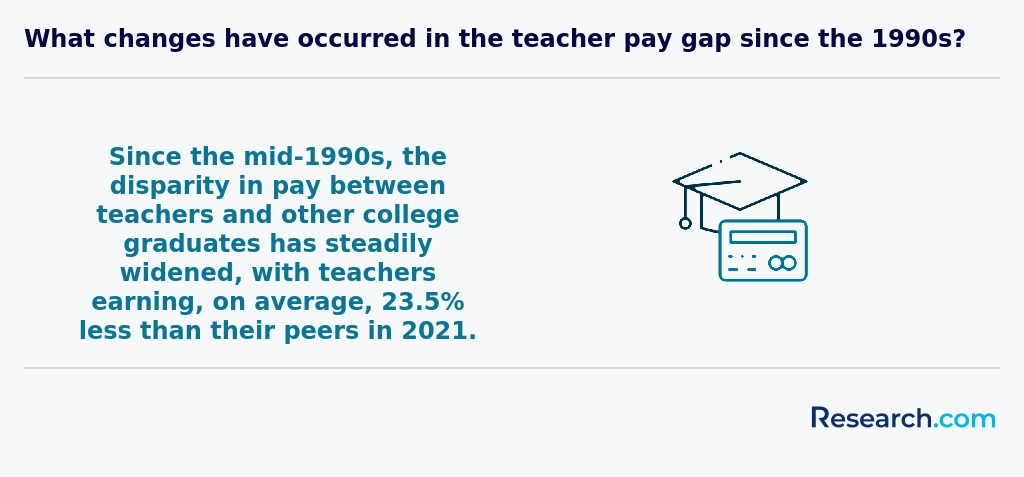
If you're thinking about job opportunities with education degree Memphis grads often find themselves in, there's a lot to get excited about. Many step right into teaching roles within Memphis-Shelby County Schools, the largest district in Tennessee. Graduates from local schools, like the University of Memphis, share how rewarding it feels to work in classrooms where they can see the impact on kids every day. Teaching at elementary, middle, or high schools is a popular route, with salaries ranging from $44,000 to $60,000 depending on experience.
But that's just the start. Education degree careers in Memphis also include roles like school principals, special education teachers, and curriculum developers. Some grads love designing lesson plans or training other teachers, while others find their calling in colleges as academic advisors or admissions counselors. And if you're curious about alternative careers, many also join nonprofits or dive into educational technology. For exploring what's out there, it's worth checking out the Most Affordable Online Master's in Education Degree Programs Ranking in Massachusetts for inspiration and options beyond Memphis.
Graduates with an education degree in Memphis find a job market that's actually pretty encouraging. Many alumni from local universities share stories about walking into interviews with schools in the Memphis City Schools system or nearby charter schools, where there's a real hunger for teachers-especially in subjects like math, science, and special education. If you're thinking long term, the teacher employment outlook Memphis 2027 looks promising, with steady growth and competitive salaries, even if the pay is a bit below the national median, thanks to Memphis's lower cost of living.
One common experience grads mention is the variety of options beyond just classroom teaching. Whether they dive into school administration, curriculum development, or educational coordination, Memphis offers plenty of chances to make an impact. Plus, for those juggling school and work, local programs keep tuition affordable, close to the U.S. average, and often come with help from state scholarships or federal aid.
Students at Memphis colleges frequently explore certifications that pay well to boost their prospects, like in bilingual education or early childhood roles, which are in demand because of the city's growing diversity. It's a market that feels alive and full of chances for education grads ready to step in and make a difference.
2027 Best Education Degree Programs Ranking in Memphis
Investing in your education is a significant decision that can profoundly impact your future, and the Research.com team recognizes the importance of making well-informed choices. To support prospective students in Memphis, we have carefully developed the "2027 Best Education Degree Programs Ranking in Memphis." Our dedication to quality, credibility, and accuracy is demonstrated through rigorous research and thorough analysis employed in compiling this ranking.
We utilized the following reputable data sources to ensure a comprehensive evaluation of education degree programs:
By consulting this ranking, readers will gain valuable insights into the best education degree programs offered in Memphis, empowering them to make confident and informed decisions regarding their academic pursuits. For a detailed explanation of our ranking methodology, please visit our Research.com methodology page.


Frequently Asked Questions About education
Education degree students in Memphis can maximize their learning experience by engaging deeply with hands-on opportunities. Local universities such as the University of Memphis and Rhodes College offer extensive practicum and internship programs in Memphis-area schools. According to the Tennessee Higher Education Commission, practical experience boosts job readiness by over 40% for education graduates. Students should also leverage community partnerships, including collaborations with Memphis City Schools, to gain insight into diverse classroom environments.
Active participation in study groups and utilizing campus tutoring centers can improve comprehension and retention. Additionally, staying informed about Memphis education trends through resources like the Memphis Education Fund helps students align their skills with local needs. Finally, attending workshops and conferences focused on urban education further enhances professional development.
The education field in Memphis is evolving with several emerging niches responding to today's demands. One growing area is special education, where professionals are focusing on personalized learning strategies for students with diverse needs. According to Memphis-Shelby County Schools, nearly 16% of students receive special education services, indicating a rising need for trained educators in this niche.
Another expanding sector is educational technology, which integrates digital tools to enhance classroom learning. This trend is fueled by Memphis's increasing investment in tech infrastructure for schools. Additionally, bilingual and multicultural education is gaining momentum, reflecting Memphis's diverse population and the need for teachers skilled in cultural competence and language development.
After completing an education degree in Memphis, preparing for the job market involves several important steps. Begin by obtaining necessary state certifications, as Tennessee requires specific licensure for public school teachers. According to the Tennessee Department of Education, passing the Praxis exams is a key requirement.
Gaining practical experience through student teaching or local internships can greatly enhance employment prospects. Memphis, served by Shelby County Schools, offers diverse opportunities to build classroom skills.
Networking is essential; attend local education job fairs and connect with organizations like the Memphis Education Foundation to explore openings and professional development.
Research regional salary data from the Bureau of Labor Statistics to set realistic expectations, as the average teacher salary in Memphis is slightly below the national average but competitive within Tennessee.
Employers in Memphis seeking education degree graduates prioritize strong communication skills, vital for effective classroom management and parent interaction. According to the Tennessee Department of Education, 85% of hiring officials value candidates who demonstrate adaptability in diverse learning environments. Critical thinking and problem-solving abilities are also in high demand, enabling teachers to tailor instruction to meet varied student needs.
Additionally, cultural competency is essential given Memphis's diverse population. Graduates who understand local community dynamics are more effective in supporting students from different backgrounds. Data from the Memphis-Shelby County Schools highlight the importance of these skills for successful employment in the region's educational system.
Finding internships in Memphis related to an education degree often begins with connecting to local school districts such as Shelby County Schools, which is the largest district in Tennessee and offers numerous internship opportunities for aspiring educators. These internships provide hands-on teaching experience and exposure to diverse classroom settings.
Many universities in Memphis, including the University of Memphis, maintain partnerships with nearby schools to facilitate internship placements for their education students. Visiting university career centers or education departments is a practical first step.
Additionally, organizations like Memphis Education Fund and Teach for America Memphis provide alternative internship and teaching experience pathways focused on urban education challenges.
Lastly, using job and internship platforms that specialize in education placements, such as Handshake or local government websites, can reveal updated opportunities.
In Memphis, an education degree significantly enhances career mobility and advancement opportunities within the local school systems and related educational fields. According to the Tennessee Department of Education, over 60% of Memphis teachers hold at least a bachelor's degree in education, which is often the minimum requirement for certification and hiring in public schools.
Holding an education degree allows professionals to qualify for licensed teaching positions, which generally offer better salaries and benefits than non-certified roles. Additionally, advanced degrees like a master's can lead to leadership roles such as instructional coordinators or school administrators, where salaries can increase by 20-30% compared to entry-level teaching jobs.
The Memphis-Shelby County Schools system values continued education for promotion eligibility, encouraging teachers to pursue higher degrees to access specialized roles and improve job security. This trend is consistent with national data from the National Center for Education Statistics, showing degree attainment correlates positively with career advancement in education.
Studying for an education degree in Memphis equips students with skills that span multiple disciplines, addressing complex educational needs. Programs offered by local institutions emphasize collaboration across fields such as psychology, sociology, and technology. This interdisciplinary approach prepares candidates for diverse roles, including curriculum development and educational policy.
Memphis education degrees also reflect the city's unique cultural and economic background, encouraging practical experience in urban schools. According to the Memphis Education Fund, nearly 60% of graduates participate in community partnerships, enhancing their adaptability in various educational settings.
Furthermore, students gain proficiency in using digital tools and data analysis, essential for modern educational environments. This combination of theory and practice supports graduates in managing roles that require cross-sector knowledge and problem-solving skills.
Choosing between a thesis and non-thesis education degree program in Memphis depends largely on your career goals and personal preferences. Thesis programs require students to conduct original research and write a formal thesis, which can be ideal if you plan to pursue a doctoral degree or a career in research or academia.
Non-thesis programs focus more on coursework and practical skills, often appealing to professionals aiming for leadership roles in schools or educational organizations. According to data from the Tennessee Higher Education Commission, Memphis has several institutions offering both options, with a preference for non-thesis tracks among working educators seeking flexibility.
Consider your interests, time availability, and long-term plans when making this decision.
Students in Memphis interested in studying education abroad have several pathways through American universities offering international programs. Institutions such as the University of Memphis often partner with foreign universities to provide exchange programs or study abroad opportunities tailored for education majors. These options allow students to gain global perspectives on teaching methods and educational systems while earning credits toward their degrees.
Another common route is participation in faculty-led short-term trips, which typically focus on comparative education studies. These programs can last from a few weeks to a semester and enable immersion in different cultural environments, enhancing both language skills and pedagogical knowledge.
According to the Institute of International Education, about 10% of U.S. students in education fields engage in some form of study abroad during their degree. Memphis students also benefit from scholarships and grants designed to support international education experiences, increasing accessibility regardless of financial background.
Memphis offers various part-time job opportunities that complement education degree studies. Positions such as teacher assistants or tutors in nearby schools provide valuable hands-on experience alongside academic learning. The Shelby County Schools district often seeks part-time aides, which helps students build classroom management skills.
Library assistant roles within Memphis Public Libraries offer another option, allowing education students to support literacy programs and gain insight into community education needs. Additionally, local nonprofit organizations focused on youth development hire part-time coordinators or mentors, enhancing practical skills in educational support.
According to the Tennessee Department of Education, practical experience remains a crucial component for certification, making these roles beneficial. Many students balance coursework and part-time jobs to strengthen their resumes while contributing meaningfully to Memphis's educational landscape.
Education students in Memphis have access to a variety of networking opportunities that connect them with professionals and peers. Local universities, such as the University of Memphis and Rhodes College, frequently host education-focused events and career fairs where students can meet experienced educators and school administrators. The Memphis Education Fund and Memphis Teacher Residency also provide platforms for interaction, mentorship, and professional development.
Additionally, Memphis is home to numerous school districts and community organizations actively involved in education, offering internships and volunteer opportunities. This enables students to build practical connections. According to the Tennessee Department of Education, over 2,000 new teachers enter the workforce annually in Memphis, highlighting a robust local network for aspiring educators.
Alumni networks play a significant role for education degree students in Memphis by offering valuable connections and resources. Graduates from institutions like the University of Memphis and LeMoyne-Owen College can access mentorship opportunities, which help new educators navigate the local school systems more effectively. According to the Tennessee Board of Regents, over 70% of education graduates find employment within Tennessee, often through recommendations strengthened by alumni ties.
These networks also provide professional development workshops and job listings specific to Memphis-area schools. Engaging with alumni groups helps students build credibility and stay informed on trends in education policy and pedagogy in the region.
Customizing an education degree program in Memphis allows students to align their studies with specific career goals. Many local institutions offer flexible course options, including concentrations in special education, curriculum development, or administration. For example, the University of Memphis provides pathways that enable students to focus on areas like early childhood education or educational technology.
Students can also pursue licensure tracks tailored to Tennessee's certification requirements, enhancing job readiness in Memphis's diverse school districts. Practicums and internships within Memphis schools offer practical experience relevant to particular fields, such as bilingual education or leadership.
Consulting academic advisors helps identify electives and fieldwork opportunities that match professional interests. According to Tennessee Higher Education Commission data, 72% of education graduates in Memphis find employment within a year, reflecting program relevance to local needs.
Education students in Memphis often face challenges related to limited local funding for schools, which can affect the quality of their field experiences. According to the Tennessee Department of Education, Memphis schools receive less per-student funding than the state average, impacting resources available for teacher candidates. Additionally, many students encounter large class sizes during their practicums, making classroom management and individualized instruction more difficult to master.
Another challenge is navigating diverse student populations, as Memphis has a high percentage of economically disadvantaged learners-over 70%, per the National Center for Education Statistics. This requires future educators to develop strong cultural competency and adapt teaching strategies.
Lastly, balancing rigorous coursework with hands-on training often strains education students, particularly those who work part-time or have family obligations. Support services vary across Memphis institutions, affecting student success rates.
With an education degree in Memphis, you can pursue several professional certifications to advance your teaching career. The most common is state licensure through the Tennessee Department of Education, which requires passing the Praxis exams and completing student teaching experience. This certification allows you to teach in public schools across Tennessee.
Additional certifications include Special Education, English as a Second Language (ESL), and Reading Specialist credentials. These endorsements help educators meet specific district needs and often lead to higher salaries. According to the Tennessee Department of Education, over 30% of Memphis teachers hold one or more such endorsements.
Other professional credentials available include National Board Certification, recognized nationwide and aimed at experienced teachers seeking advanced qualifications and pay benefits.
Writing a winning application for an education program in Memphis starts with thorough research. Understand the specific program requirements of institutions such as the University of Memphis, which enrolls over 20,000 students, including many in education fields (source: National Center for Education Statistics, 2023). Tailor your personal statement to highlight your passion for teaching and your connection to the Memphis community.
Emphasize relevant experience, such as volunteering in local schools or community centers. Strong letters of recommendation from education professionals or professors strengthen your application. Finally, ensure your GPA meets or exceeds the program's average, often around 3.0 or higher for competitive programs in the region.
Careers in education hold a notable position worldwide, including in the United States. Globally, teaching is valued for its role in shaping future generations and supporting social development. Within Memphis, education degrees open doors to diverse opportunities, reflecting national trends highlighted by the U.S. Bureau of Labor Statistics, which projects a 5% growth for education professionals by 2031.
International perspectives emphasize cultural competence and adapting to varied learning environments. For Memphis students, this means programs often focus on inclusive teaching practices and community engagement. According to Memphis-Shelby County Schools data, educators trained locally contribute significantly to addressing achievement gaps, which aligns with global efforts to improve education equity.
Gaining practical experience while studying for an education degree in Memphis is essential for preparing for a teaching career. Many universities in Memphis, such as the University of Memphis, offer structured student teaching programs that place future educators in local public schools. These placements typically last several weeks or a full semester, allowing students to apply classroom theories in real-world settings.
Additionally, students can engage in internships or volunteer opportunities within Memphis City Schools or community education programs. According to the Tennessee Department of Education, hands-on experience improves licensure success, with over 85% of graduates passing certification exams after completing practical training.
Networking with local educators at workshops and seminars in Memphis also enhances professional growth during your studies.
Choosing the right concentration within an education degree program in Memphis begins with understanding local community needs and career goals. Memphis schools often seek educators trained in special education, ESL, and early childhood development due to diverse student populations and statewide demand (Tennessee Department of Education, 2023).
Researching concentrations offered by local universities, such as the University of Memphis, can help identify specialized tracks aligned with Memphis Public Schools' priorities. Reviewing program outcomes and graduate success rates offers practical insight.
Additionally, prospective students should consider licensure requirements and potential salary averages in their desired focus area to ensure alignment with long-term objectives.
- 2027 Best Education Degree Programs Ranking in Birmingham
- 2027 Best Education Degree Programs Ranking in Montgomery
- 2027 Best Education Degree Programs Ranking in Columbia
- 2027 Best Education Degree Programs Ranking in Louisville
- 2027 Best Education Degree Programs Ranking in Mobile
- 2027 Best Education Degree Programs Ranking in Atlanta
- 2027 Best Education Degree Programs Ranking in New Orleans
- 2027 Best Education Degree Programs Ranking in Kansas City
- 2027 Best Education Degree Programs Ranking in Indianapolis
- 2027 Best Education Degree Programs Ranking in Macon
See What Experts Have To Say About Studying Education
Read our interview with Education experts

Nooshan Ashtari
Education Expert
Professor & Book Author
University of Southern California


- How Students Can Get Free Money for College https://memphisparent.com/features/how-students-can-get-free-money/
- Know more about thesis vs non- thesis: what is the difference? https://studyfans.com/en/blogs/816
- Teaching Jobs in Memphis | Teach For America https://www.teachforamerica.org/careers/teaching-jobs-by-region/memphis
- International teaching and education jobs https://www.tes.com/jobs/search/international
- Memphis Teacher Residency https://apply.memphistr.org/
- Online Degree vs. Traditional: Choosing the Right Path https://beal.edu/online-degree-vs-traditional/
- How to Write a Great Letter of Intent for a Teaching Job | Zen Educate https://www.zeneducate.com/us/resources/becoming-a-teacher/how-to-write-letter-of-intent-teaching-job/
- Online Learning vs Traditional Learning Comparison https://advantagesschool.com/online-learning-vs-traditional-learning/
- Events & Opportunities https://connect.teachforall.org/events-opportunities
- MONPERATOTO Jati Diri Situs Togel Online Resmi Bersama Agen Toto Togel 4D Terpercaya https://writerslife.org/educational-markets/


