
2027 Most Affordable Education Degree Programs Ranking in College Station

Co-Founder and Chief Data Scientist
Choosing the right education degree program in College Station can feel overwhelming. To help, the Research.com team of data scientists has created a 2027 Most Affordable Education Degree Programs Ranking in College Station. This ranking highlights affordable options with strong value, making your decision easier and more informed.
Reading this article will guide you toward programs that fit your goals and budget. Pursuing an education degree opens many doors and offers rewarding career opportunities. Let this ranking support your path to success.
Key benefits of getting education degree in College Station
- Graduates with an education degree in College Station can expect competitive salaries, such as $76,000 for Special Education Teachers and $77,200 for Instructional Designers, showcasing promising financial stability.
- Education degree holders from Texas A&M University often pursue diverse career paths, including teaching, curriculum design, and specialized roles like ESL instruction, reflecting a rich variety of job opportunities.
- Online education degrees from institutions in College Station offer flexibility and convenience, enabling students to balance work and study, which many graduates find empowering compared to traditional programs.
- 2027 Most Affordable Education Degree Programs Ranking in College Station
- What can I expect from education degree in College Station?
- Where can I work with education degree in College Station?
What can I expect from education degree in College Station?
The average cost of pursuing an education degree in College Station, particularly at Texas A&M University, is notably accessible compared to many private institutions. In-state tuition for education majors often stands as a practical choice, easing financial strain while providing quality training. Graduates frequently reflect on this affordability as a crucial factor that allowed them to focus on hands-on experiences rather than worrying about insurmountable debt.
Many students recount how the balance of cost and comprehensive education made the program feel like an investment rather than an expense. Scholarships and financial aid targeted specifically at education students further lighten the financial load, creating a pathway that feels tangible and inviting. This economic advantage often translates into less pressure and more confidence stepping into local classrooms for internships, an aspect Texas A&M's clinical teaching model prioritizes.
Choosing College Station means students not only gain credentials but also join communities where practical experience and cost-consciousness intersect, fostering a rewarding educational journey grounded in real-world application.
Where can I work with education degree in College Station?
Graduates with education degrees in College Station often find themselves stepping into vibrant classrooms within the College Station Independent School District, where over 11,000 students eagerly await passionate teachers. These alumni share stories of transforming everyday lessons into moments of genuine connection, proving that public school roles are just the beginning.
For those who crave a more intimate educational setting, private schools like Holy Cross Catholic School offer fulfilling opportunities to shape young minds with faith-centered approaches, fostering environments where personalized attention truly matters. Graduates often reflect on the close-knit faculty relationships and the joy of witnessing individual student growth.
Many also explore roles beyond K-12 teaching, finding rewarding careers at Texas A&M University as academic advisors or outreach coordinators. These positions allow education graduates to directly impact higher education pathways and support underserved students, creating a ripple effect of empowerment.
Community organizations further expand career horizons, where tutoring and mentoring in the Bryan-College Station area turn into life-changing experiences for both educators and youth. The growing early childhood sector rounds out this spectrum, inviting graduates to nurture the very foundations of learning in local preschools and childcare centers, where each day brings fresh inspiration.
Graduates with an education degree in College Station often find their earnings reflecting a diverse range of opportunities anchored in their specific path. For example, an elementary school teacher fresh out of a program at a local institution like Texas A&M University can anticipate a mean annual wage near $70,740, aligning with data from the U.S. Bureau of Labor Statistics. This figure challenges the common assumption that teaching salaries are universally modest, especially in vibrant educational hubs like College Station.
Special education teachers command even higher salaries, with averages around $76,000, reflecting the demand for specialized skills and the rewarding nature of this career. ESL teachers, who bring vital language skills to diverse classrooms, earn about $65,430 yearly, which echoes the growing multicultural environment these graduates embrace.
Instructional designers, another appealing route for those with education degrees, often enjoy competitive wages averaging $77,200-highlighting technological integration's rising role in education careers. These numbers, coupled with the rich academic community in College Station, inspire graduates to feel confident about their futures beyond the traditional classroom.
- The average annual cost for an in-state bachelor's degree in education is between $25,000 and $35,000, while out-of-state students pay around $45,000.
- Entry-level teachers in College Station earn about $52,000 per year, with mid-career salaries ranging from $60,000 to $70,000.
- Education job demand is expected to remain steady, supported by population growth and investments in public schools in the region.
- Texas A&M offers specialized education degrees with certification paths required for Texas teaching licensure.
- Financial aid options include state grants, university scholarships, and loan repayment programs for educators in high-need areas.
Completing an education degree in College Station typically takes four years for undergraduates pursuing a Bachelor of Arts or Science in Education at Texas A&M University, the hub for education studies here. Yet, the story isn't solely about the ticking clock; graduates often recall that the time invested felt rich and purposeful, especially when balancing student teaching placements and certification exams alongside coursework.
Graduate students describe their master's journey as intense yet manageable, usually spanning 1.5 to 2 years full time. Many find that the challenge of part-time study, stretching over three years or more, yields rewarding flexibility without sacrificing depth. Those embarking on doctoral research often highlight how the 3 to 5-year commitment is shaped not just by time but by the support and community at Texas A&M's College of Education & Human Development.
For many, transfer credits and financial considerations influence pacing, making the journey uniquely personal but always grounded in a shared sense of purpose-a purposeful path to becoming impactful educators in College Station and beyond.
Embarking on an education degree journey can be both exciting and challenging. Successful students often adopt proactive strategies to balance academic rigor with hands-on experiences, community involvement, and career planning. One key tip is to engage early with academic advisors and mentors who understand the local educational landscape; their guidance can help tailor your program to your career interests and personal learning style. Additionally, actively participating in study groups and internship opportunities not only reinforces classroom learning but also builds a professional network that can lead to future job referrals. For those exploring cost-effective options, reviewing the most affordable education programs in texas can reveal both financial and academic benefits-helping you invest wisely in a program that offers quality instruction and practical exposure. Furthermore, maintaining a well-organized schedule and regularly assessing your academic goals can keep stress at bay and productivity high. Leveraging school resources such as tutoring services, career centers, and alumni networks can also prove invaluable as you navigate challenging coursework and prepare for a dynamic career in education. By integrating these strategies, students not only maximize their learning potential but also lay a strong foundation for long-term success in the competitive field of education.
Choosing between online and on-campus education degrees in College Station often boils down to lifestyle and learning preferences rather than content. Graduates from Texas A&M University's education programs frequently describe how online formats allowed them to juggle family responsibilities and part-time jobs, providing a sense of freedom while maintaining rigorous academic standards. In contrast, on-campus students recall the energizing buzz of face-to-face interactions with professors and peers, thriving in study groups and campus events that deepened their connection to the university community.
Consider a typical day: an on-campus student might access the library, join tutoring sessions, or participate in education-focused clubs, enriching their academic journey beyond lectures. Meanwhile, an online student completes assignments between work shifts or childcare, valuing the flexibility without sacrificing accreditation or state certification eligibility.
Despite similar tuition fees-around $13,000 yearly for in-state undergraduates-the real difference often lies in commuting and housing costs, emotions tied to social engagement, and the learning environment itself. Either path leads to the same Texas teaching credentials, yet the experience and personal growth along the way differ in meaningful ways.
After earning your Education degree in College Station, TX, you must complete state certification to teach legally. The Texas certification process includes:
- Complete an accredited educator preparation program, often integrated into your degree coursework.
- Pass the appropriate TExES (Texas Examinations of Educator Standards) certification exam for your teaching field.
- Fulfill supervised student teaching hours through a practicum in local schools.
- Submit fingerprints and clear a criminal background check via the Texas Education Agency (TEA).
- Apply online for your Standard Educator Certificate through the TEA portal.
For a streamlined pathway, consider an accelerated bachelors degree online that embeds certification requirements into an expedited curriculum.
The average cost of an education degree in College Station reveals a balance between opportunity and investment. At Texas A&M University, one of the most sought-after campuses for education programs, median in-state total costs hover around $13,154, while out-of-state students typically face a substantially higher sum near $52,304. Graduates often reflect on this range with a sense of achievement, appreciating how local tuition affordability allows deeper focus on learning instead of financial stress.
When considering the average cost of education degree College Station offers, it's crucial to weigh tuition against living expenses. Many students find that managing the combined $10,000-$15,000 annual costs for books, supplies, and housing helps them cultivate budgeting skills essential for their future careers. One common reflection is the gratitude toward the public university system's competitive pricing, which stands toe-to-toe with national averages yet provides tailored support for aspiring educators.
Looking beyond traditional in-person studies, some students explore alternative pathways like online programs, recognizing that flexible and affordable options might better fit their circumstances. Those curious about the best affordable online MFA programs may discover how virtual learning bridges gaps between cost and accessibility, reshaping how education degrees can be pursued with fewer financial burdens.
Ultimately, the cost contours of pursuing education at College Station invite students to evaluate not just price tags but the long-term value and community connection embedded in their academic journey.

Aspiring educators in College Station, TX, must obtain state certification through the Texas Education Agency (TEA) to teach K–12. First, complete an educator preparation program approved by TEA-consider reviewing our rankings of the best online bachelors in education for accredited online pathways that blend flexibility with rigorous training. Next, you’ll need to pass the required Texas Examinations of Educator Standards (TExES) content and pedagogy exams, which assess your subject knowledge and teaching competencies. Common tests include the Core Subjects EC–6, STEM EC–12, or English as a Second Language supplemental. In addition to exams, teacher candidates must submit:
- A background check and fingerprint clearance through the Texas Department of Public Safety.
- Official transcripts confirming a minimum GPA (often 2.75 or higher) from your bachelor’s program.
- Documentation of clinical teaching hours, typically 12–16 weeks of supervised student teaching in a Texas public school. After fulfilling these requirements, apply online via the TEA’s Educator Certification Online System. The processing fee is currently $55, and turnaround time ranges from 4–6 weeks. Once approved, you’ll receive a Standard Certificate valid for five years. To maintain certification, complete 150 continuing professional education (CPE) hours before renewal, with courses in ESL, dyslexia, or bilingual instruction highly recommended given regional student demographics. Understanding certification milestones ensures a clear path from degree completion to classroom placement, positioning you for success in College Station’s vibrant education community.
Financial aid for education degrees in College Station is more than just a safety net; it's a lifeline that transforms dreams into reality. Graduates from Texas A&M University often describe the relief of receiving Pell Grants - sometimes as high as $7,395 - which allowed them to focus on their studies instead of balancing multiple jobs. This federal aid doesn't require repayment, immediately easing financial pressure.
Scholarships through the College of Education add another layer of support, rewarding merit and dedication. One graduate shared how a $2,500 Education Foundation Scholarship made pursuing a teaching credential in a high-demand subject feel attainable, not just aspirational.
State programs like the Texas Teach Grant promise up to $4,000 annually but come with a meaningful commitment to serve in high-need areas - a tradeoff many students see as a chance to make an impact while funding their education.
Beyond grants, loan forgiveness and work-study programs stand out as practical routes for students to manage costs without sacrificing long-term financial health, turning education from a heavy burden into a hopeful investment.
After earning your Education degree from an accredited program in College Station, TX, you must obtain state certification through the Texas Education Agency (TEA). Follow these key steps:
- Complete an accredited educator preparation program with required coursework and practicum hours.
- Pass the Texas Examinations of Educator Standards (TExES) relevant to your teaching field.
- Submit fingerprints and clear a criminal background check.
- Apply for your Standard Certificate via TEA’s online Educator Certification System.
- Maintain certification through continuing professional education.
For a flexible pathway to begin your studies, consider easy associate degrees to fulfill foundational credits before transferring to a bachelor’s program.
Meeting the prerequisites for an education degree in College Station means more than just ticking academic boxes-it's a journey that tests your dedication and readiness to impact future generations. Most graduates from Texas A&M University recall the challenge of presenting a high school diploma or equivalent, along with official transcripts that showcased their academic growth and potential. These aren't mere formalities; they are the foundation proving you can handle rigorous coursework.
The SAT or ACT often feels like a gatekeeper, yet it's really a chance to show your adaptability and problem-solving skills. Some students who struggled initially found alternative pathways through conditional admissions, reminding you that persistence can open doors even when scores seem daunting.
For those aiming higher-Master of Education applicants-holding a relevant bachelor's degree and maintaining a competitive GPA near 3.0 becomes a testament to sustained effort and mastery. Graduate hopefuls also embrace GRE tests, recommendation letters, and narratives of their educational passion, transforming prerequisites into opportunities to stand out.
Beyond academics, preparing for background checks and immunizations echoes the real-world responsibility teachers carry every day-a reminder that education is as much about community trust as knowledge. Many graduates reflect with pride on meeting these criteria, knowing they symbolized readiness to nurture and protect future classrooms in College Station's schools.

Upon earning your Education degree in College Station, TX, the next critical step is obtaining state certification to teach in Texas public schools. Prospective teachers must apply for certification through the Texas Education Agency (TEA) Educator Certification Online System (ECOS). Key requirements include: • Academic Preparation: Completion of an approved educator preparation program (EPP) accredited by TEA. • Examinations: Passing scores on relevant Texas Examinations of Educator Standards (TExES), such as the Core Subjects EC–6, EC–12, or subject-specific exams like 7–12 English Language Arts and Reading. • Background Check: Fingerprinting and criminal history review via the Texas Department of Public Safety. The certification timeline typically spans 3–6 months post-graduation. Applicants should submit official transcripts, TExES results, and fingerprint clearance to ECOS. Fees include a $75 application charge and $51 per TExES exam. After approval, candidates receive an initial standard certificate valid for five years, with options to renew through continuing professional education (CPE) credits or advanced degrees. For those exploring flexible pathways, alternative certification through programs such as Teach for America or university-based post-baccalaureate routes is available. Online candidates can compare affordability and program quality by consulting the Low Cost Online Education Degree Programs Ranking in Maine, which provides benchmarking insights for cost-effective online teaching credentials. Ensuring you understand these requirements upfront will streamline your entry into the Texas education workforce and maximize your return on investment.
Education degrees in College Station are more than a checklist of courses-they represent a journey into understanding how learning truly happens. Graduates from Texas A&M University often share how starting with Introduction to Education transformed their views on teaching philosophies, grounding them in the realities of American educational systems.
Courses like Educational Psychology don't just teach theories; students vividly recall connecting developmental stages to the diverse behaviors they observed during internships. This deepens empathy and patience-qualities essential for real classrooms.
Curriculum and Instruction classes challenge students to design lesson plans that engage and inspire, often tested through hands-on projects that mimic real teaching moments. Meanwhile, Classroom Management equips them with strategies to foster positive learning environments, a skill praised by those who felt more confident leading their first classes.
From assessing student progress in Assessment and Evaluation to addressing diverse needs in Special Education, these courses intertwine theory and practice, reflecting the rigorous, real-world preparation that College Station's education programs provide.

In College Station, education degree specializations go far beyond the traditional classroom model. Graduates from Texas A&M University often reflect on how the elementary and secondary education tracks not only equip them with core teaching skills but also immerse them in real-world challenges, like tailoring lessons to diverse student needs.
Consider how the Early Childhood Education specialization brings to life the delicate balance of nurturing development and fostering curiosity for children under eight-something that many students find truly rewarding and transformative during their study. Meanwhile, those passionate about making an impact with students facing unique challenges gravitate toward Special Education. This field demands empathy and specialized skills, giving graduates a profound sense of purpose as they prepare for special education teaching jobs that shape lives.
Exploring the full range of College Station teaching degree concentrations reveals options like Educational Leadership, Counseling and School Psychology, and Bilingual Education-each one opening doors to leadership, mental health support, or addressing linguistic diversity in schools. These choices encourage reflection on the evolving roles educators play in today's schools and communities.
Choosing the best education degree in College Station goes beyond just picking a program with a recognizable name. Graduates often reflect on how Texas A&M University's specialized tracks prepared them not only to teach but to thrive in diverse education fields like special education or leadership. These real-life experiences challenge the notion that all education degrees are interchangeable; finding one that aligns with your passion transforms learning into a meaningful journey.
Cost-conscious students celebrate affordable education degree programs in College Station, especially when they realize that in-state tuition at Texas A&M hovers around $12,000 annually-a stark contrast to pricier private alternatives. This affordability allows many to focus on studies without the overwhelming stress of debt, fueling a positive emotional outlook during their academic pursuits.
Flexibility also matters. Some graduates juggle part-time studies or online courses, enabling them to balance work, family, and education. This practical approach often outperforms rigid, traditional timelines, inviting prospective students to rethink typical degree completion paths.
To better understand how local opportunities might shape your future, explore job market statistics and salaries in Texas. For a deeper dive into related fields, like pursuing a history degree near me alongside education, can unveil unique interdisciplinary advantages.
Ultimately, focus on programs with strong connections to College Station's educational community and robust job placement rates. Considering these factors leads to not just a degree, but a fulfilling career rooted in real-world success.

Graduates with an education degree in College Station often find themselves at crossroads, yet the range of career paths available challenges the narrow view that teaching is the sole option. Far from limiting, studying at institutions like Texas A&M University reveals diverse avenues-from becoming a passionate public school teacher in an elementary or high school to stepping into leadership roles such as educational administrators or curriculum developers. These graduates frequently recount how their experiences on campus expanded their horizons beyond the classroom, opening doors to educational technology and counseling careers that blend innovation with empathy.
Many recognize that the education degree career opportunities College Station offers extend into higher education and student affairs, shaping the next generation in ways that go beyond traditional teaching jobs with education degree College Station graduates might initially envision. Exploring advanced roles, some even find joy in becoming academic advisors or student services coordinators, reflecting how much impact education professionals have in diverse settings. Students also benefit from exploring related fields like the library science degree curriculum, which complements many education careers and broadens expertise.
- Public school teacher in elementary, middle, or high school
- Educational administrator or school principal
- Instructional coordinator or curriculum developer
- School counselor or educational psychologist
- Higher education advisor or student services coordinator
- Educational technology specialist or trainer
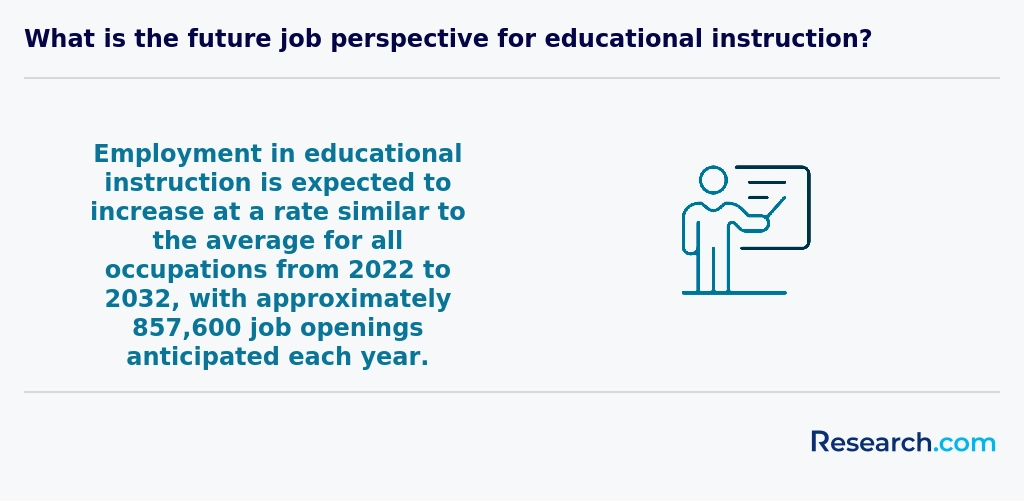
Graduates from education programs in College Station encounter a job market that challenges them to think beyond traditional teaching roles. With institutions like Texas A&M University at the heart of the city, many find themselves drawn to K-12 schools, especially within the College Station Independent School District (CSISD), where demand for educators in math, science, and special education remains high. This demand creates a tangible pathway to employment, reflecting a promising education degree job outlook College Station. However, success often hinges on more than a degree; graduates emphasize how state programs such as Teach for Texas help bridge gaps, allowing them to serve high-need classrooms while benefiting from scholarship opportunities.
Starting salaries of $55,000 to $60,000 encourage many to envision a sustainable career here, but students soon realize that pursuing advanced certifications or graduate degrees can unlock more fulfilling roles in curriculum development or leadership. Some graduates share that balancing study costs-ranging from $10,000 to $15,000 annually for in-state students-against this outlook leads to a critical question of which degree should I choose. The reality is that within College Station's growing educational landscape, job opportunities continually evolve, inviting education degree holders to adapt and thrive.
2027 Most Affordable Education Degree Programs Ranking in College Station
Investing in your education is a significant decision that can shape your future, and the Research.com team understands the importance of making informed choices. To assist prospective students in College Station, we have meticulously crafted the "2027 Most Affordable Education Degree Programs Ranking in College Station." Our commitment to quality, credibility, and accuracy is reflected in the extensive research and analysis conducted to compile this ranking.
We utilized the following reputable data sources to ensure a comprehensive evaluation of education degree programs:
By exploring this ranking, readers will gain valuable insights into the most affordable education degree programs available in College Station, helping them make informed decisions about their educational paths. For more details on our methodology, please visit our Research.com methodology page.

Frequently Asked Questions About education
Education degree students in College Station can enhance their learning experience by actively engaging with their university's resources. Texas A&M University, located in College Station, offers strong support through its College of Education and Human Development, which provides access to experienced faculty and applied learning opportunities. Students should take advantage of internships in local schools, enhancing practical understanding alongside theory.
Participating in research projects and joining education-focused student organizations can deepen knowledge and expand professional networks. Utilizing campus tutoring centers and attending workshops also reinforces classroom learning. According to Texas A&M's recent reports, students involved in hands-on experiences perform up to 20% better in their courses.
Balancing academic work with community involvement in College Station's diverse school districts further prepares students for varied educational challenges.
Emerging niches within the education field are transforming career opportunities for students pursuing education degrees in College Station. One fast-growing area is educational technology. With the rise of digital learning platforms, demand for specialists who design and implement tech-based teaching tools has increased significantly. For example, Texas A&M University offers programs integrating technology and pedagogy to prepare graduates for these roles.
Another niche is special education with a focus on inclusion and diverse learning needs. The need for qualified educators trained to support students with disabilities is steadily rising, supported by federal and state policies driving growth. Additionally, bilingual education and English as a Second Language (ESL) instruction remain critical, reflecting demographic shifts in Texas schools.
Data-driven instruction is also gaining prominence. Educators skilled in analyzing student performance metrics can tailor learning plans for better outcomes. According to the Texas Education Agency, demand for such expertise in College Station's school districts continues to grow.
Graduates with an education degree in College Station should focus on gaining practical experience to enhance employability. Completing student teaching assignments, which are mandatory in Texas, provides hands-on classroom skills highly valued by employers. According to the Texas Education Agency, about 85% of new teachers in Texas find jobs within a year of graduation, underscoring the importance of state certification.
Networking is also crucial. Joining professional organizations such as the Texas Classroom Teachers Association can provide job leads and mentorship opportunities. Additionally, attending local career fairs and connecting with College Station Independent School District increases chances of employment.
Developing digital literacy and staying current with educational technology trends is important, as many schools seek teachers capable of integrating technology into lessons. Maintaining a strong resume highlighting relevant certifications, such as ESL or special education endorsements, also improves prospects.
Employers in College Station increasingly seek education degree graduates who demonstrate strong communication skills. Being able to clearly convey ideas and engage diverse student populations is essential, especially given the area's multicultural classrooms.
Additionally, classroom management remains a top priority. According to the Texas Education Agency, effective discipline strategies and the ability to foster a positive learning environment are critical for new teachers in the region.
Technology proficiency is also vital, as many schools in College Station integrate digital tools into daily lessons. Familiarity with educational software and virtual learning platforms gives graduates a competitive edge.
Lastly, adaptability and collaboration are highly valued. Graduates who can work alongside colleagues and adjust to evolving curriculum standards are in demand across local school districts.
Finding internships in College Station for education degree students involves several key strategies. Texas A&M University, located in College Station, is a major resource, offering numerous partnerships with local schools for practical teaching experience. The Texas Workforce Commission also provides internship listings and career services helpful for education students.
Many College Station area schools collaborate with the university to facilitate internships, allowing students to gain classroom experience in diverse settings. Additionally, checking with the College of Education and Human Development at Texas A&M can reveal specialized internship programs.
Online platforms like Handshake are widely used by Texas A&M students to find relevant internships in education.
Holding an education degree in College Station significantly enhances career mobility and advancement opportunities within the local and regional job markets. According to the Texas Workforce Commission, qualified educators in Texas experience employment growth rates above the national average, reflecting strong demand in public and private schools. A degree from institutions like Texas A&M University also opens pathways to specialized roles such as curriculum development, educational leadership, and counseling.
Professionals with advanced certifications often see salary increases averaging 10-15% compared to those with only a bachelor's degree, according to Bureau of Labor Statistics data. This degree provides essential credentials required by Texas education boards for licensure and continued professional development, positioning graduates for leadership roles in College Station's education sector.
Studying for an education degree in College Station offers strong preparation for interdisciplinary roles by combining core teaching skills with knowledge from fields such as psychology, sociology, and technology. Programs emphasize collaborative learning and practical experience, helping students understand how diverse perspectives can enhance educational outcomes. For example, Texas A&M University, located in College Station, integrates coursework that addresses both curriculum design and educational psychology, encouraging students to apply theories across various contexts.
Additionally, local education programs often include internships and partnerships with different community organizations. These experiences enable future educators to develop adaptability essential for working in multidisciplinary teams. According to the Texas Higher Education Coordinating Board, 75% of education graduates in the region engage in such experiential learning before graduation.
When deciding between a thesis and a non-thesis education degree program in College Station, students should consider their career goals and learning preferences. Thesis programs typically involve conducting original research and writing a detailed paper, which suits those interested in academic or research careers. Non-thesis options often focus more on practical skills and may include additional coursework or internships, appealing to professionals aiming for direct classroom or administrative roles.
According to the Texas A&M University catalog, thesis programs may require 6 to 12 credit hours dedicated to research. Non-thesis tracks might require extra classes instead. Cost and time commitment can differ as thesis programs often take longer to complete. Understanding these aspects will help potential students choose the best fit for their goals in College Station's education field.
Students in College Station interested in education degrees and studying abroad have several avenues through local universities such as Texas A&M University. These institutions often partner with international programs allowing students to participate in semester-long exchanges or shorter study abroad experiences focused on education topics. According to Texas A&M's Study Abroad office, over 2,000 students annually take part in programs across more than 70 countries, including opportunities related to teaching and educational research.
Many programs emphasize experiential learning in diverse educational settings, helping students develop global perspectives on pedagogy and curriculum development. Financial aid and scholarships specifically for education majors are also available to support study abroad participation.
In College Station, part-time job opportunities that complement an education degree are plentiful and diverse. Many students find working as teacher aides or tutors in local schools beneficial. These roles provide hands-on experience with curriculum support and student engagement, enhancing practical skills alongside academic training. According to Texas A&M University Career Center, tutoring and mentoring positions often pay between $10 and $15 per hour.
Additionally, roles such as after-school program coordinators in community centers or library assistants help future educators develop organizational and communication skills. These positions offer flexible hours suited for students balancing coursework.
Some education students also gain valuable experience by working in childcare facilities, where they apply developmental theories in real-world settings. Local demand for such jobs remains steady, making them suitable options in College Station's job market.
Education students in College Station benefit from various strong networking opportunities, primarily through Texas A&M University, which is a major educational hub in the area. The College of Education & Human Development offers student organizations, such as the Student Education Association, where members connect with local educators and peers. These groups often host events, workshops, and career fairs that facilitate professional relationships.
Additionally, partnerships between the university and nearby school districts provide students with internships and practicum experiences, allowing them to build real-world connections. According to Texas A&M's Career Center, over 70% of education students gain employment through campus networking events or referrals.
The local community also supports education students with annual conferences and seminars hosted in College Station, designed to help build lasting professional ties in the Texas education system.
Alumni networks offer significant advantages to education degree students in College Station by providing access to a broad community of experienced educators and professionals. These networks facilitate mentorship opportunities, helping current students gain practical advice and insider knowledge on career paths. According to Texas A&M University data, participation in alumni events correlates with higher employment rates post-graduation.
Connections made through alumni can lead to internships, teaching positions, and collaborations on research projects. Networking within the College Station education community often results in job referrals, which are essential in a competitive teaching market.
Furthermore, alumni networks organize workshops and seminars, enhancing professional development. This support system is particularly valuable for students pursuing certification and licensure in Texas public schools.
Customizing your education degree program in College Station involves selecting specializations and electives aligned with your career ambitions. Local institutions like Texas A&M University offer diverse tracks, including curriculum and instruction, educational administration, and special education. You can tailor your course load by choosing certifications such as ESL or reading specialist endorsements, which enhance employability.
Internships and practicum experiences in nearby schools provide practical skills and networking opportunities. Advisors at these programs help design individualized study plans to match your interests, whether aiming for classroom teaching or educational leadership.
According to the Texas Higher Education Coordinating Board, flexible degree options support students in balancing work and study, making it easier to progress at your own pace.
Education students in College Station often face several common challenges during their academic journey. One significant issue is managing the rigorous coursework alongside required field experiences in local schools. Balancing these demands can lead to high stress levels.
Additionally, affordability is a concern. Although Texas A&M University offers competitive tuition rates, expenses related to materials and transportation for fieldwork add to costs. According to Texas A&M's enrollment data, many students rely on financial aid or part-time work to cover these expenses.
Another challenge is staying current with evolving educational technologies and teaching methods. Programs emphasize integrating digital tools, which may require extra training. Navigating these demands requires time and adaptability.
With an education degree, you can pursue several professional certifications that enhance your teaching credentials and career prospects in College Station and beyond. Common certifications include the Texas Teacher Certification, which is essential for K-12 teaching roles in public schools within Texas. This certification requires passing the Texas Examinations of Educator Standards (TExES).
Other valuable credentials include National Board Certification, a voluntary, advanced teaching certification recognized nationwide. Additionally, you can obtain specialized endorsements, such as bilingual education or special education, which are in demand locally.
College Station educators benefit from programs affiliated with Texas A&M University, providing resources and support for certification preparation.
Writing a winning application for an education program in College Station begins with understanding program requirements at institutions like Texas A&M University, which offers nationally recognized education degrees. Applicants should present a strong academic record, as Texas A&M's College of Education reports an average GPA of 3.5 for admitted students.
Highlighting relevant experience, such as volunteer or work in educational settings, strengthens your application. Including clear career goals related to education helps admissions committees gauge your commitment. Additionally, well-crafted personal statements that reflect your passion for teaching and awareness of challenges in education can distinguish your application.
Standardized test scores, if required, must meet or exceed program thresholds; check each program's website for current cutoffs.
Globally, education careers are increasingly valued for their role in shaping societies and economies. In the United States, including College Station, educators are crucial for advancing knowledge and fostering innovation. According to the National Center for Education Statistics, employment of preschool, primary, secondary, and special education teachers is expected to grow by 5% from 2021 to 2031, reflecting steady demand.
Internationally, educators face challenges such as adapting to diverse learning needs and integrating technology. In College Station, Texas A&M University supports this trend by offering programs that prepare teachers for global classroom settings. These programs emphasize cultural competence and practical teaching skills, vital for success worldwide.
Furthermore, earning an education degree in College Station provides access to research opportunities and collaborations that align with global education standards, making graduates competitive in international job markets.
Students pursuing an education degree in College Station can gain practical experience through local school partnerships and classroom internships. Texas A&M University, the largest institution in the area, collaborates with nearby school districts to offer student teaching placements that meet state certification requirements.
These internships provide hands-on experience in various grade levels and teaching environments, allowing future educators to develop classroom management and lesson planning skills. Additionally, volunteering opportunities in after-school programs and educational nonprofits enable students to engage directly with youth while building their resumes.
According to the Texas Education Agency, such field experiences significantly improve teacher preparedness and employment outcomes.
Choosing the right concentration within an education degree program in College Station involves evaluating your career goals and strengths. Common concentrations include elementary education, special education, and educational leadership, each preparing students for different roles in schools.
Consider local demand and job growth; for example, Texas Education Agency data shows a growing need for special education teachers statewide. Additionally, programs at Texas A&M University in College Station often highlight hands-on experience in various concentrations, which can help clarify your interests.
Speak with academic advisors and current students to understand course requirements and job placements. Also, review licensure pathways, as each concentration leads to specific certification needed to teach or lead effectively in Texas schools.
- 2027 Most Affordable Education Degree Programs Ranking in Houston
- 2027 Most Affordable Education Degree Programs Ranking in Austin
- 2027 Most Affordable Education Degree Programs Ranking in San Antonio
- 2027 Most Affordable Education Degree Programs Ranking in Abilene
- 2027 Most Affordable Education Degree Programs Ranking in Memphis
- 2027 Most Affordable Education Degree Programs Ranking in Wichita
- 2027 Most Affordable Education Degree Programs Ranking in Mobile
- 2027 Most Affordable Education Degree Programs Ranking in Birmingham
- 2027 Most Affordable Education Degree Programs Ranking in Kansas City
- 2027 Most Affordable Education Degree Programs Ranking in Montgomery
See What Experts Have To Say About Studying Education
Read our interview with Education experts

Alan J. Singer
Education Expert
Professor of Teaching, Learning and Technology
Hofstra University


- Online Learning vs Traditional Learning Comparison https://advantagesschool.com/online-learning-vs-traditional-learning/
- Putting theory into practice: The value of an interdisciplinary approach to teaching https://my.chartered.college/impact_article/putting-theory-into-practice-the-value-of-an-interdisciplinary-approach-to-teaching/
- Networking Tips and Advice for Students https://schoolshouldbe.com/post/networking-tips-and-advice-for-students/
- Career & Technical Education - College Station Independent School District https://www.csisd.org/departments/career-technical-education
- International teaching and education jobs https://www.tes.com/jobs/search/international
- What Can I Do With a Teaching Degree (Besides Teach)? https://www.alleducationschools.com/blog/what-can-i-do-with-a-teaching-degree-besides-teach/
- Benefits of Networking for Students https://www.melioeducation.com/blog/benefits-of-networking-for-students/
- Baccalaureate Degree Programs https://www.texascollege.edu/baccalaureate-degree-programs
- 5 Tips on Choosing the Right Course or Study Program - Edunation https://www.edunation.co/5-tips-on-choosing-the-right-course-or-study-program/
- Workforce | Grow College Station https://grow.cstx.gov/why-college-station/workforce/


